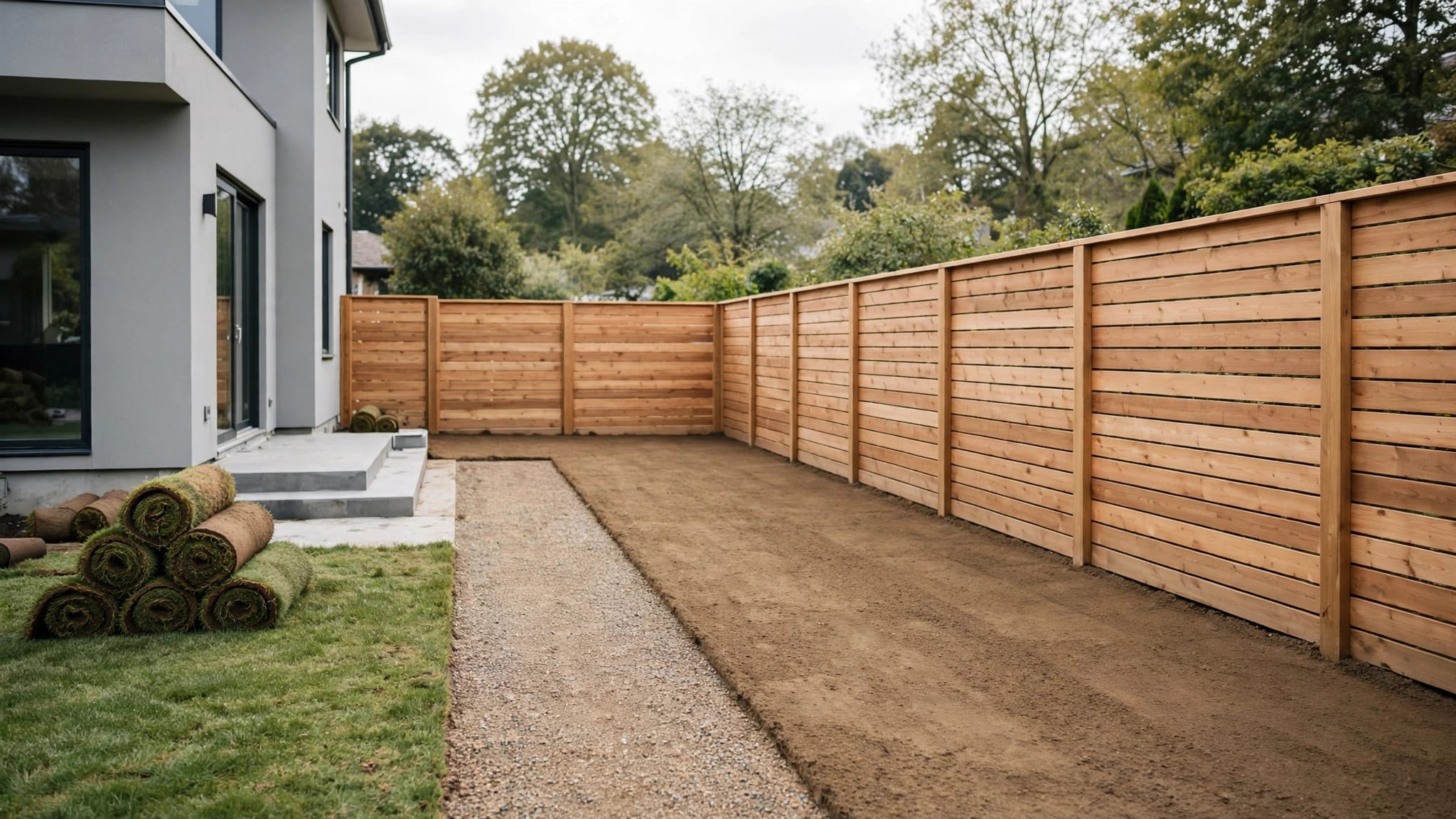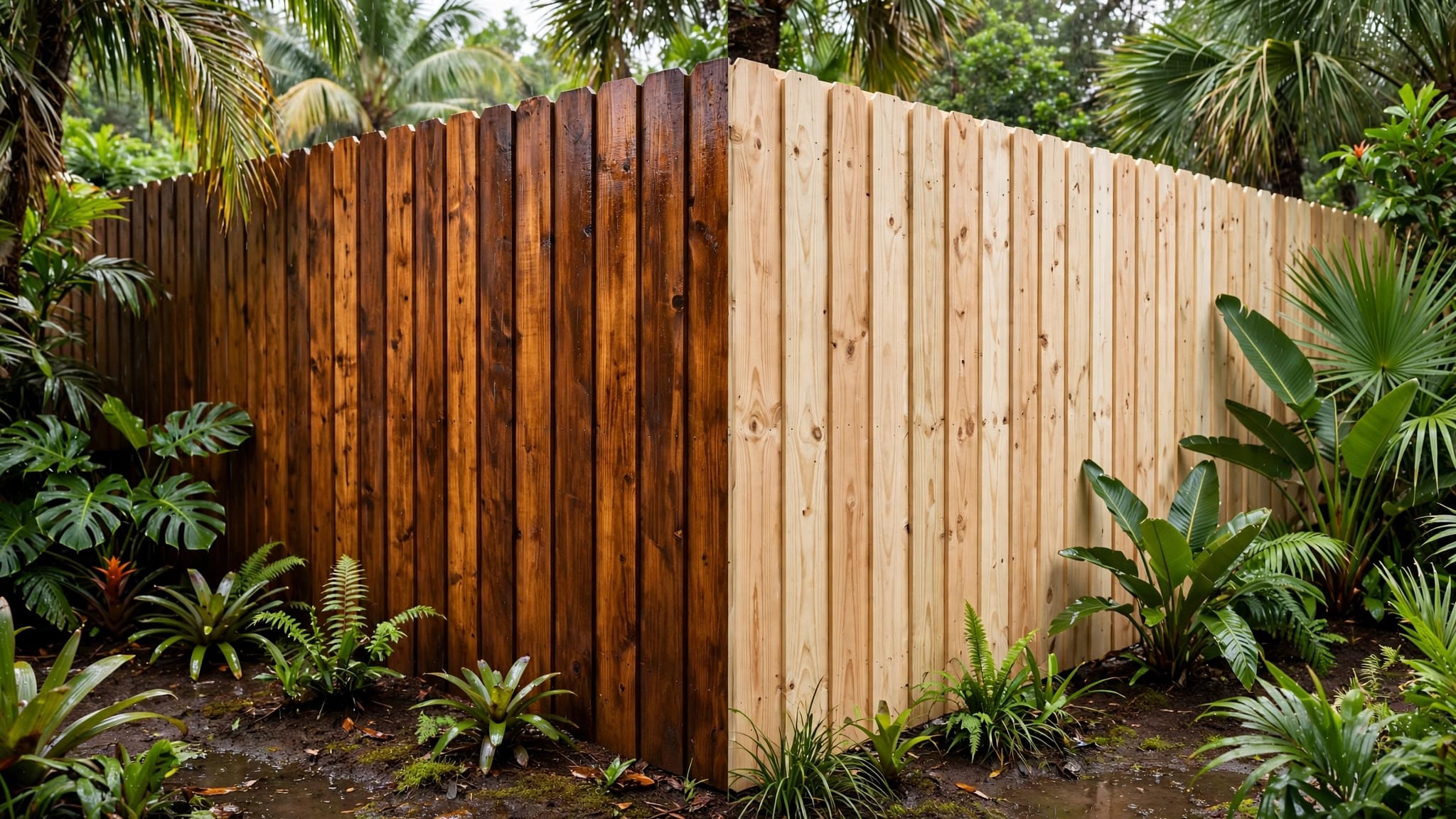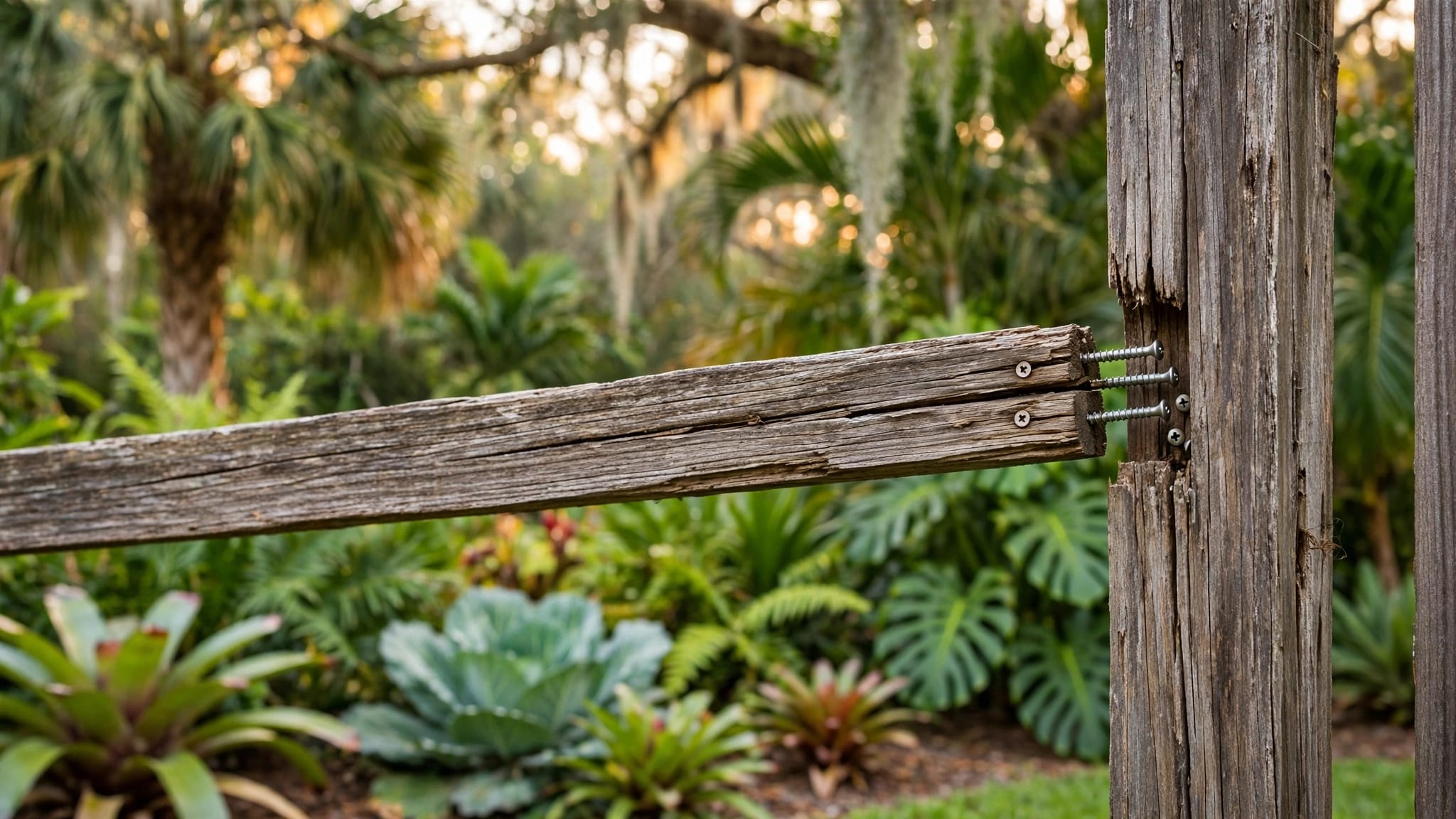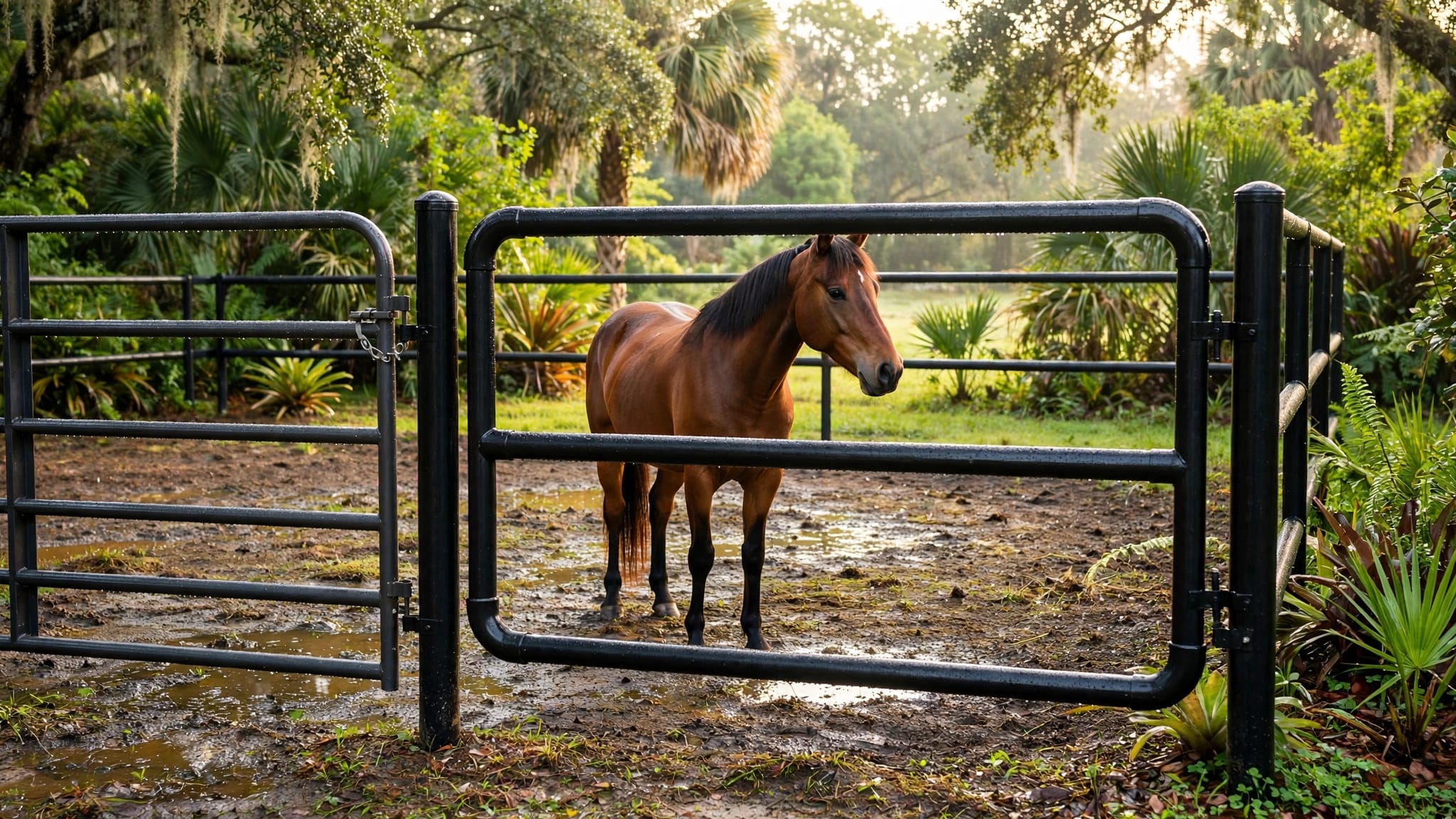
Iona Fence Permit Guide for 2026 Homeowners
A fence project in Iona can involve more than choosing a style and setting posts. Your property may fall under Lee County rules, city regulations, flood restrictions, HOA standards, or a combination of them.
The Iona fence permit process starts with one important detail: confirm the government jurisdiction tied to your address. Then check the 2026 Florida exemption rules, property conditions, fence design, and local application requirements before installation begins.
Key Takeaways
- Iona is a Lee County community, but the exact property jurisdiction controls the permit process.
- Florida's 2026 fence exemption may apply to qualifying single-family projects under $7,500.
- Flood hazard areas, powered gates, pool barriers, masonry work, and local zoning rules can change the requirements.
- HOA approval, utility checks, and property-line confirmation remain separate responsibilities.
- Ask the applicable permitting office or contractor to confirm the rules for your specific address.
Confirm Which Rules Apply to Your Iona Property
Iona is located in Lee County near Fort Myers, but not every property in the area follows the same approval path. Some homes are in unincorporated Lee County, while others may fall within a nearby municipality's boundaries. That distinction affects where you apply and which zoning rules control the fence.
Use your property address to confirm whether Lee County or a city handles permits and zoning for the project. A nearby mailing address isn't enough, especially in areas where city limits and unincorporated neighborhoods sit close together.
Before ordering materials, contact the applicable building or permitting office and ask these questions:
- Does this address require a fence or wall permit?
- Does the proposed height, material, or location create additional requirements?
- Is the property in a FEMA flood hazard area?
- Does the fence sit near a canal, drainage easement, sidewalk, road, or right of way?
- Does the project qualify for Florida's 2026 permit exemption?
Lee County provides a Residential Fence/Wall Application for projects that require county review. The application information includes a site plan with fence dimensions, height and length, existing structures, and labels for streets or nearby water bodies. Waterfront Iona properties may need extra care because canals, drainage areas, and access easements can affect fence placement.
A property survey or recorded plat can help establish the boundary. However, a survey doesn't replace zoning approval or an easement review. If the fence crosses a utility easement or sits outside the permitted building area, the installation may need to move even when no building permit applies.
How the 2026 Florida Fence Exemption Works
Florida's HB 803, enacted as Chapter 2026-63, takes effect July 1, 2026. The law creates a building permit and inspection exemption for certain single-family residential fence projects valued at less than $7,500 .
The exemption is conditional. The home must be a single-family dwelling, and the property must be outside a FEMA flood hazard area. The fence project also can't include an automated or powered gate, electrical work, or other features that fall outside the exemption.
Project value includes more than the invoice for fence panels. Materials, labor, gates, posts, hardware, and related work can all affect the total. A project that reaches $7,500 doesn't meet a rule written for work valued at less than that amount, so keep a clear contract and cost breakdown.
The law also requires a written exemption request to the local enforcement agency, along with documentation showing the nature and value of the work. Don't assume that a contractor's statement or a verbal confirmation is enough. Ask the local office how it wants the request submitted and what documents it accepts.
A permit exemption is not the same as permission to build anywhere on the lot. Zoning, flood, easement, property-line, and HOA requirements can still apply.
The exemption may not cover every fence-related project. Pool barriers have separate safety requirements and can involve permits and inspections regardless of project cost. Similarly, a powered driveway gate may require electrical and building review even when a basic fence would qualify for an exemption.
Local rules may also require a permit for certain masonry walls, masonry pilasters, tall solid fences, or other structures. These details vary by jurisdiction, so verify them with Lee County or the city responsible for your address.
Check Height, Location, Flood, and HOA Requirements
Florida does not provide one universal fence height and setback rule for every Iona property. Local zoning codes commonly treat front yards differently from side and rear yards, and corner lots may have visibility restrictions near intersections or driveways.
Many local codes use lower front-yard fences and taller side or rear fences, but you shouldn't rely on a statewide assumption. Confirm the allowed height, required setbacks, and corner-lot sightline rules before selecting a six-foot privacy fence or another design.
Location matters as much as height. A fence may need to stay clear of:
- Public rights of way and sidewalks
- Drainage or utility easements
- Canal maintenance areas
- Driveway visibility triangles
- Shared access points
- Existing structures and property boundaries
Flood status deserves special attention in Southwest Florida. A property can appear dry while still sitting within a mapped flood hazard area. Under the 2026 exemption conditions, a fence on a FEMA flood hazard property doesn't qualify for that exemption. Floodplain requirements may also affect post installation, elevation, drainage, and permitting.
Check your HOA documents before construction. Associations often regulate fence materials, colors, finished sides, gate locations, and maximum heights. Florida's 2026 law doesn't remove the need for architectural approval. An HOA can't require a building permit as a condition for reviewing an application, but it can still require its own design approval.
Get HOA approval in writing and keep it with your project records. County approval and HOA approval are separate. One doesn't replace the other.
Prepare the Right Information Before Applying
A complete application gives the permitting office enough information to review the project without sending you back for missing details. It also helps a contractor price the work accurately.
Prepare the following before submitting an Iona fence permit application or exemption request:
- The property address and owner information
- A site plan, plat, or survey
- Fence height, length, material, and color
- Gate locations and gate type
- Distances from property lines, streets, structures, and water
- The installation contract or project value documentation
- HOA approval, if applicable
- Flood-zone information when requested
Mark the proposed fence on the site plan rather than submitting a blank property sketch. Show the house, driveway, pool, existing fences, sidewalks, canals, and nearby streets. If the fence changes an existing enclosure, identify which portions will remain.
Describe gates accurately. A manual walk gate and a motorized driveway gate can trigger different reviews. Include the opening direction, power source, and any access-control equipment if the design includes automation.
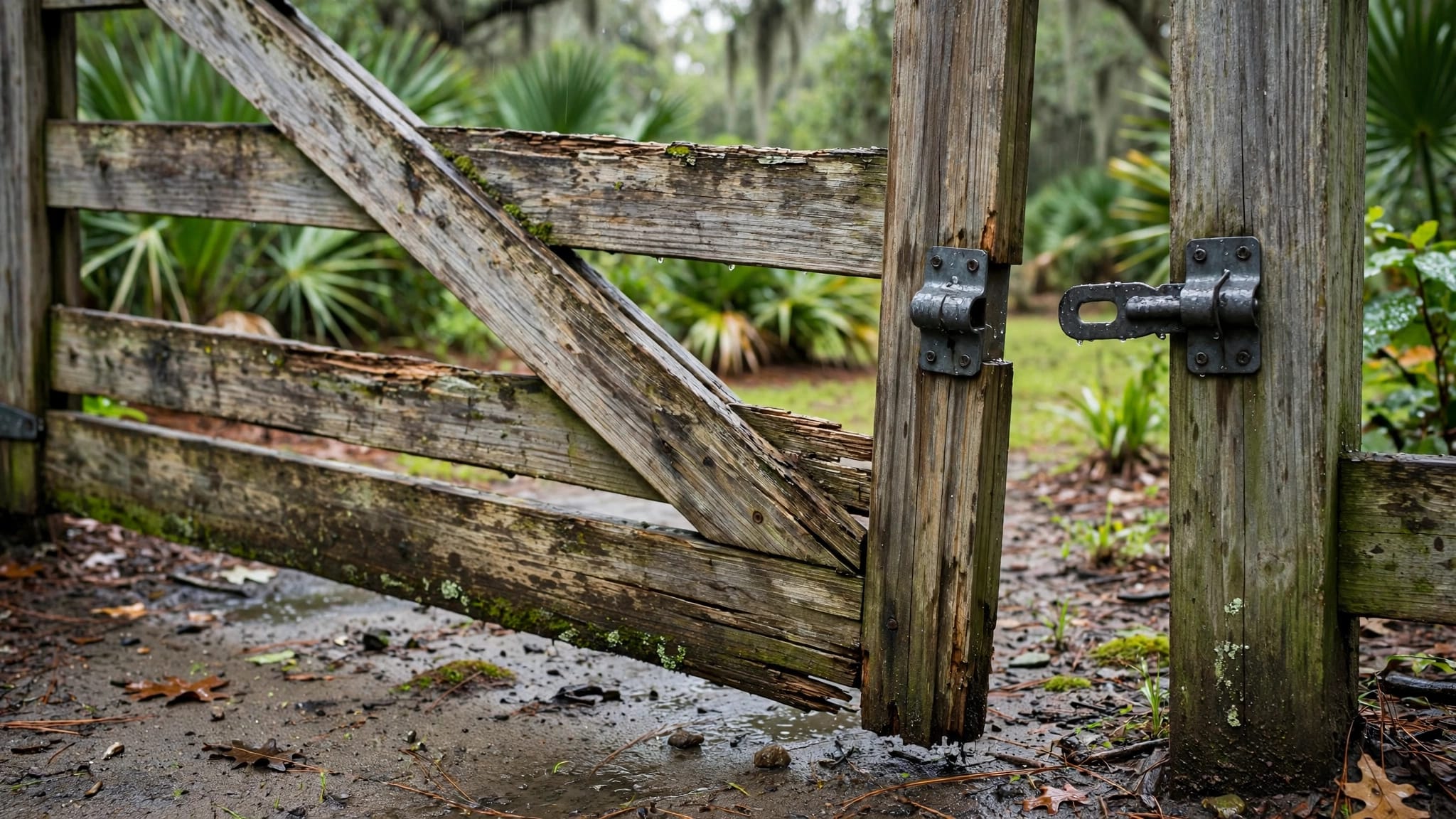
If you're replacing an existing fence, don't assume the old location was approved. Older fences may sit on a property line, easement, or setback that no longer fits current requirements. A replacement can still require review when the height, location, materials, or structure changes.
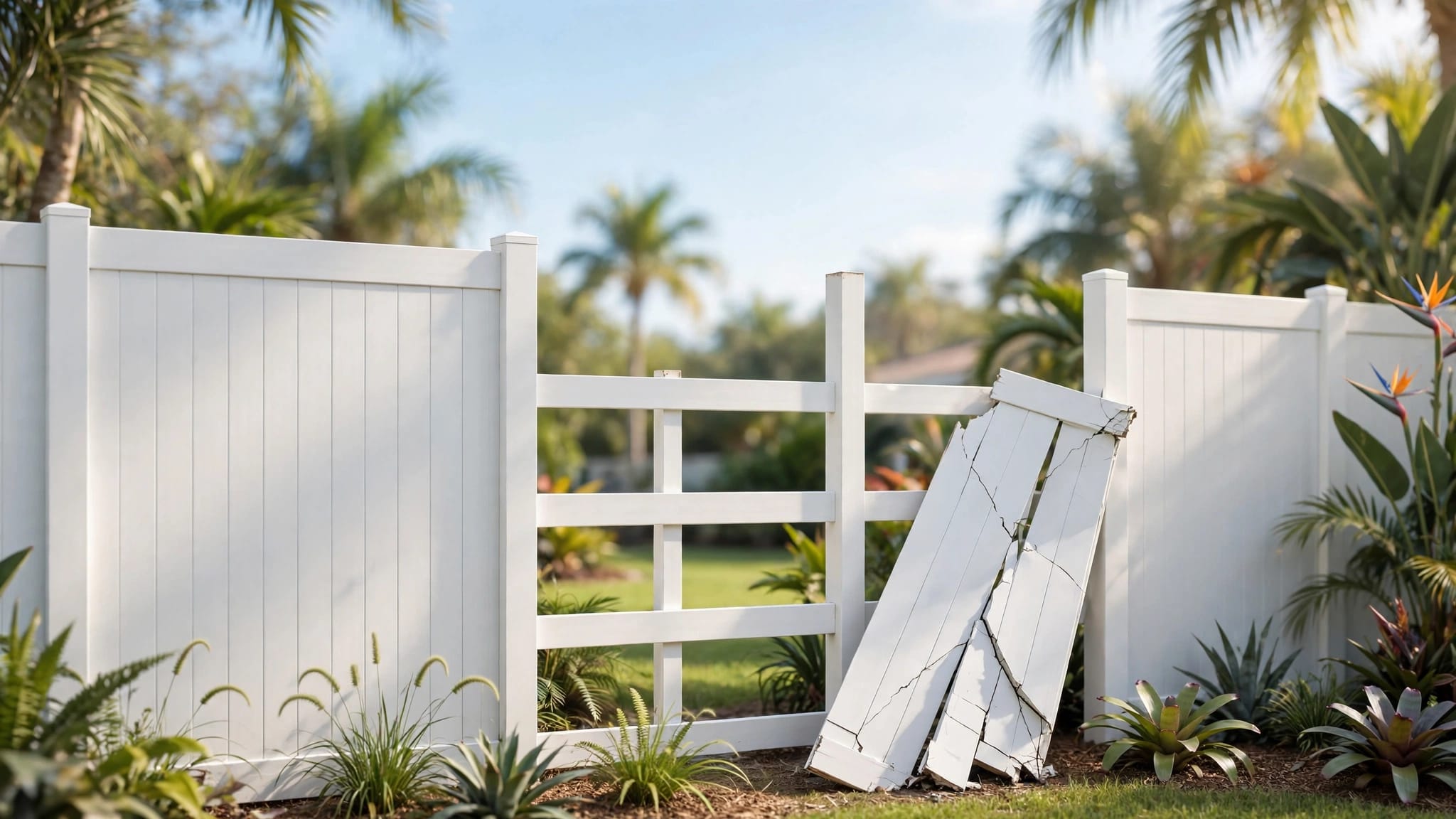
For damaged fencing, timely repairs may avoid a full replacement, but the scope matters. A contractor offering professional fence repair services can help determine whether the work is a repair or a new installation that needs additional review.
Follow a Practical Iona Fence Permit Process
Once you know the jurisdiction, use a simple order of operations. First, decide the fence purpose and basic design. Privacy, pool safety, pet containment, canal access, and security can require different materials and layouts.
Next, confirm the property boundary and identify easements. Then check flood status, HOA rules, and local height requirements. This sequence prevents you from paying for a design that cannot fit the lot.
After that, contact the local permitting office with the address and project description. Explain the fence material, height, length, gate type, total value, and whether the property is in a flood area. Ask whether the project needs a permit, an exemption request, zoning approval, or separate review.
If an application is required, submit the site plan and supporting documents before work begins. Keep the approved permit or written exemption response available at the property. Ask whether inspections are required and when they must occur, particularly for pool enclosures, powered gates, or work in a flood hazard area.
Finally, schedule installation after approvals are complete. Mark underground utilities before digging, and keep fence posts inside the confirmed property boundary. Florida 811 can help coordinate utility marking, but underground private lines may require separate identification.
A licensed and insured local contractor can handle much of this preparation. Supreme Fence of SWFL offers fence installation services in Southwest Florida, including vinyl, wood, chain-link, metal, and aluminum options. Ask the contractor which permitting tasks are included in the estimate and which approvals remain your responsibility.
Common Mistakes That Delay Fence Projects
The most common mistake is treating a $7,500 exemption as a blanket waiver. The exemption has property, project, flood, and gate conditions. A qualifying fence still must comply with local zoning and private deed restrictions.
Another problem occurs when homeowners measure from an assumed property line. Fences installed too close to a road, canal, or easement may need relocation. Confirm the boundary before materials arrive.
Homeowners also sometimes choose a design before checking HOA rules. A black aluminum fence may meet county requirements but fail an association's color or style standards. Written approval protects you from that avoidable dispute.
Finally, don't rely on a neighbor's experience. A nearby property may have a different jurisdiction, flood designation, lot condition, or permit history. Your address controls the answer.
Conclusion
An Iona fence permit depends on the property's exact jurisdiction and the details of the planned work. In 2026, Florida's under-$7,500 exemption may simplify qualifying single-family projects, but flood areas, powered gates, pool barriers, masonry, zoning, easements, and HOA rules can change the result.
Confirm the address, design, cost, flood status, and property boundaries before installation. A written answer from the applicable permitting office, supported by a complete site plan and contract, gives you a much safer starting point than an assumption based on a nearby home.