How Tree Roots Shape Fence Layout in Southwest Florida
Tree roots can change a fence plan faster than most homeowners expect. In Southwest Florida, sandy soil, mature shade trees, and heavy rain make the issue show up early.
If your fence line crosses a root zone, the posts, panels, and gates all need a second look. A smart tree roots fence layout protects the tree, protects the fence, and keeps you out of avoidable repair work.
The best results come from planning before the first hole is dug. That usually means adjusting the fence path, changing post placement, and choosing materials that fit the site.
Key Takeaways
- Tree roots can block post holes, push fence lines off course, and cause later settling.
- Southwest Florida soil and weather make root-related layout problems more common.
- A small shift in the fence line often works better than cutting through a root zone.
- Gates need extra attention because they need stable ground and strong support.
- Existing fences near trees should be rechecked before repairs turn into full replacement.
Why Tree Roots Change Fence Layout
Roots and fence posts want the same space. That sounds simple, but it creates real problems once a layout is marked in the yard.
A post hole might only take a few inches of soil, yet that is enough to hit a root that has been there for years. If the installer cuts that root, the tree can lose stability or struggle later. If the root stays intact, the post may need to move.
That tradeoff matters even more near corners and gates. Those spots carry more force, so a post set too close to a root can tilt or shift as the soil changes. A fence line that looks straight on day one can wander after a few rainy seasons.
Roots also react to moisture. When one part of a yard stays wetter, roots often travel that direction. In other words, the ground under a fence line can keep changing after the layout is set. That is why good planning starts with the trees, not after the holes are already dug.
Southwest Florida Yards Bring Extra Root Challenges
Southwest Florida yards have their own set of problems. Sandy soil drains fast, which sounds helpful until a post hole loosens too easily. Then a fence line can settle sooner than expected.
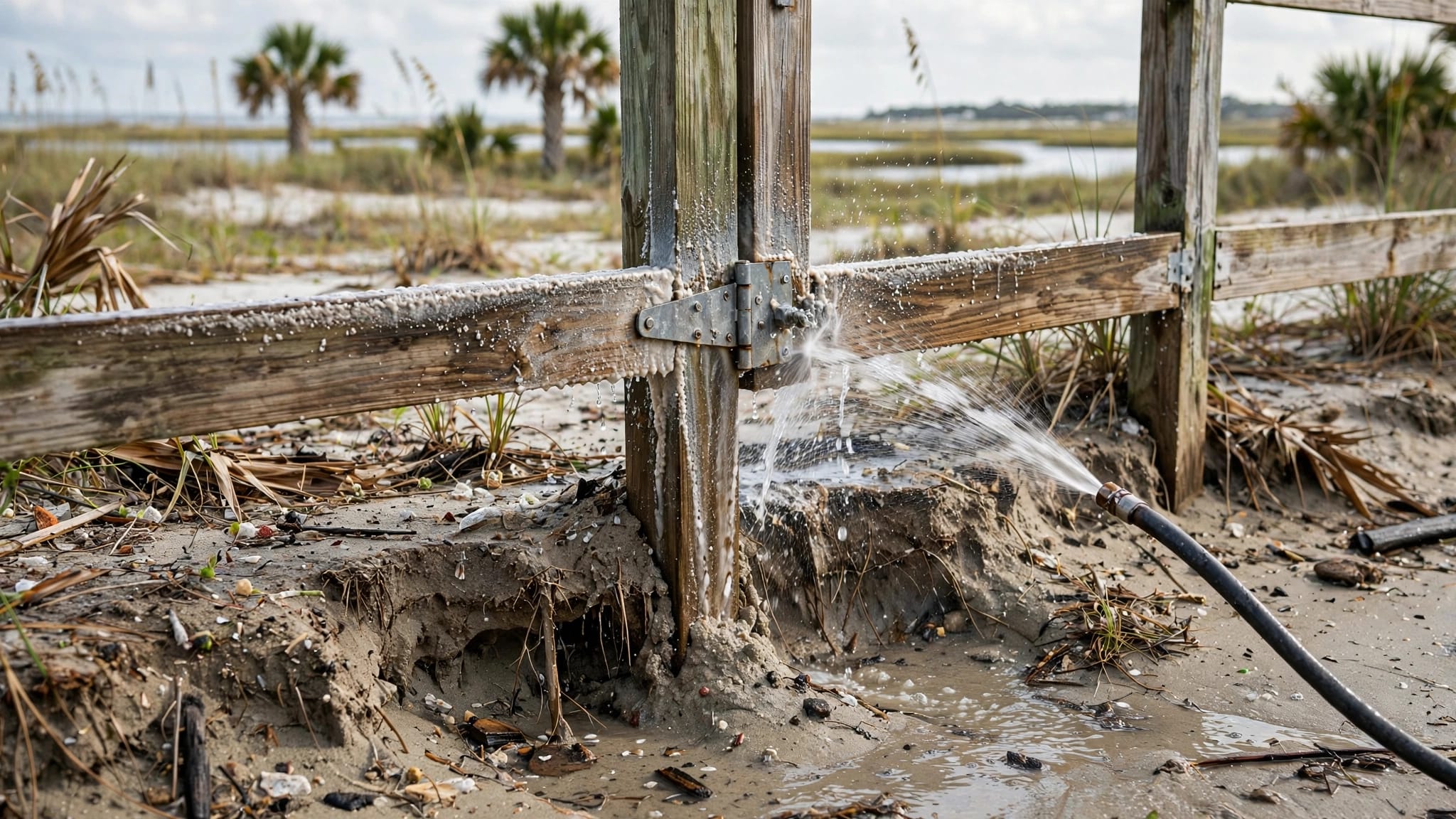
Rain is part of the picture too. After a heavy summer storm, wet soil may shift around a post or fill an open hole before the concrete sets. Irrigation adds another layer, because roots often spread toward watered areas.
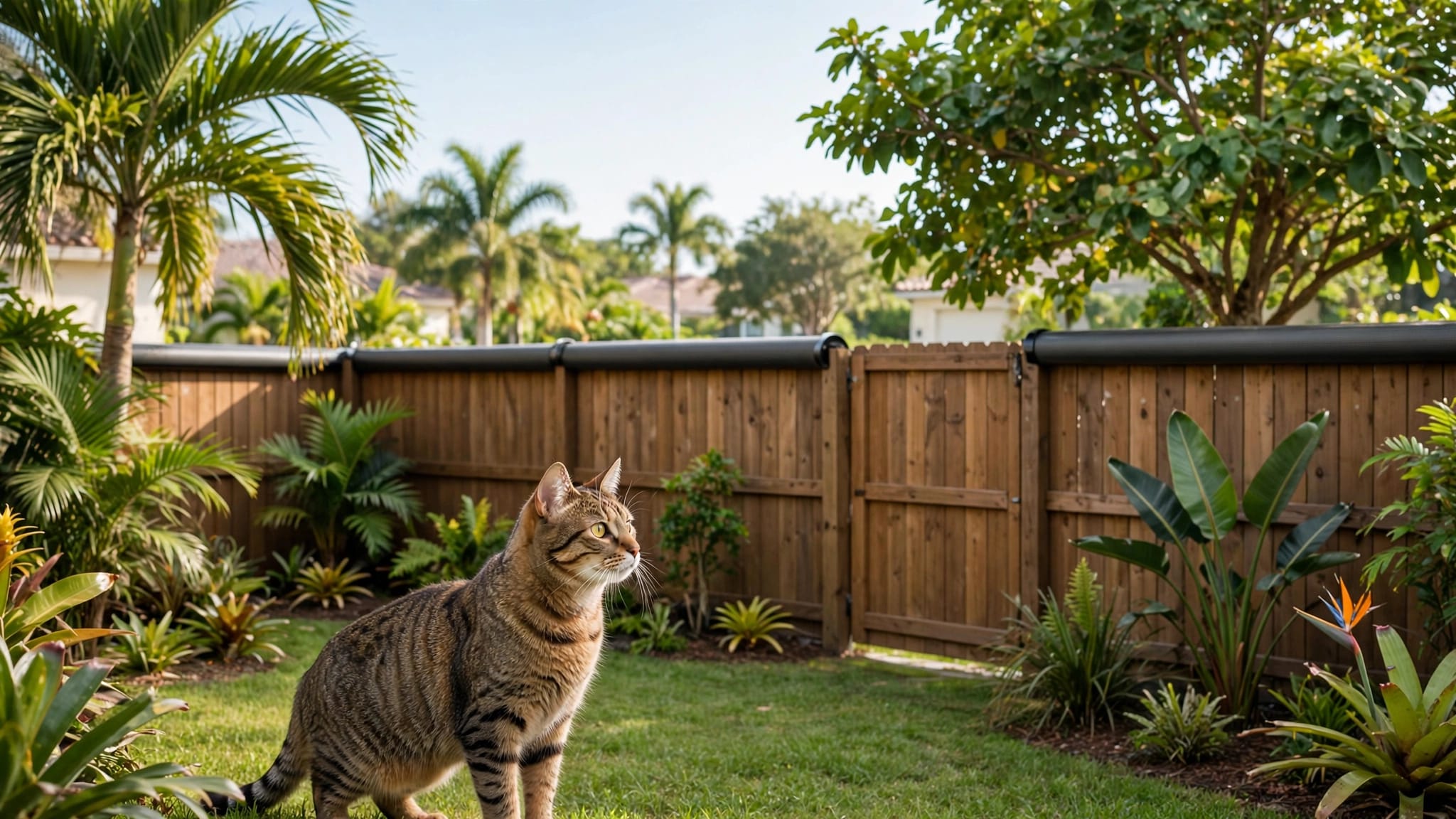
Different trees also behave differently. A mature oak can spread large surface roots. Palms usually create a different kind of root mass, but they still affect where a post can go. Shrubs and landscape trees can also crowd a line if they were planted close to the property edge.
These site conditions usually call for different layout moves.
| Yard condition | Fence layout concern | Better response |
|---|---|---|
| Large root flare near the line | Posts crowd the trunk | Shift the run or offset the post line |
| Soft, wet soil after rain | Holes collapse and posts settle | Wait for better conditions and keep the line clean |
| Gate near a mature tree | Swing path hits roots or mulch | Move the gate opening to firmer ground |
| Old fence replacement | Past holes no longer fit current root growth | Re-mark the line before digging |
The point is simple, a small layout change often solves more than force ever will. Cutting a root to save a few inches can create a much larger problem later.
Smart Fence Layout Strategies Near Existing Trees
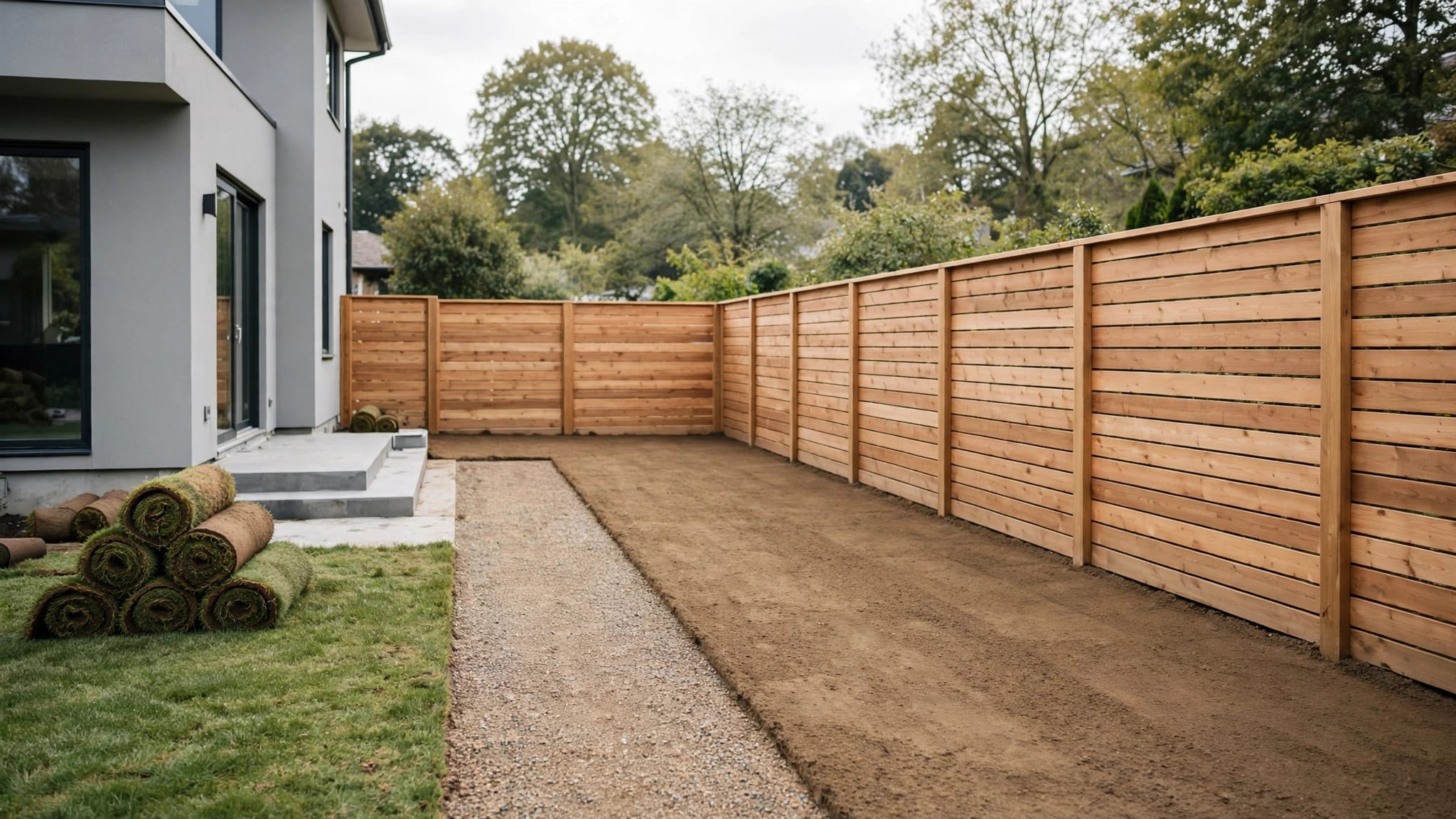
When the tree is worth saving, the fence layout has to work around it. That starts with a careful site check, not with a standard spacing pattern copied from another yard. A local crew that handles professional fence installation services can map those pressure points before the first hole is dug.
Mark the tree buffer before digging
Every tree has a visible trunk, but the root flare and root zone reach farther than many homeowners expect. Give the tree room first, then let the fence line follow.
A good buffer keeps posts away from the trunk and away from the thickest surface roots. It also leaves room for trimming, mulch, and future maintenance. If the fence has to pass close to a tree, the line should still clear the area that gets the most root growth.
That is especially helpful when the tree sits near a corner. Corner posts carry a lot of load, so they need solid ground. If the tree occupies that zone, moving the corner a few feet can save the tree and strengthen the fence.
Put gates where the ground is calm
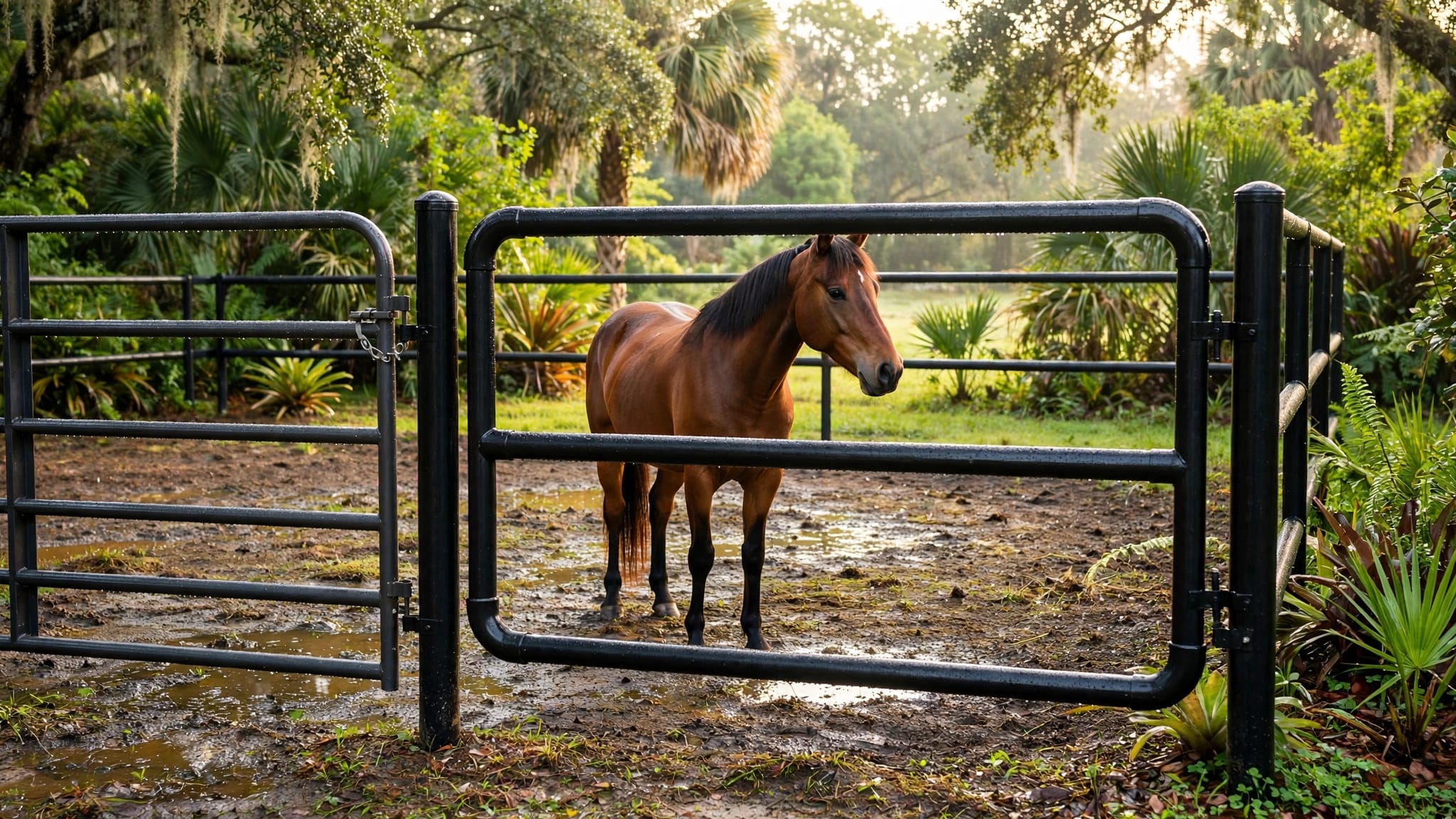
Gate posts need more support than regular line posts. They hold weight, movement, and daily use. If a gate lands in a root-heavy strip, it can sag, drag, or twist.
For that reason, gate placement should be one of the first layout choices. Sometimes moving the gate a short distance makes the whole project easier. Other times, a slight change in swing direction or panel length solves the problem without crowding the roots.
A fence that clears the tree but fails at the gate still needs work. Good layout avoids that weak spot before it starts.
Match the layout to the fence material
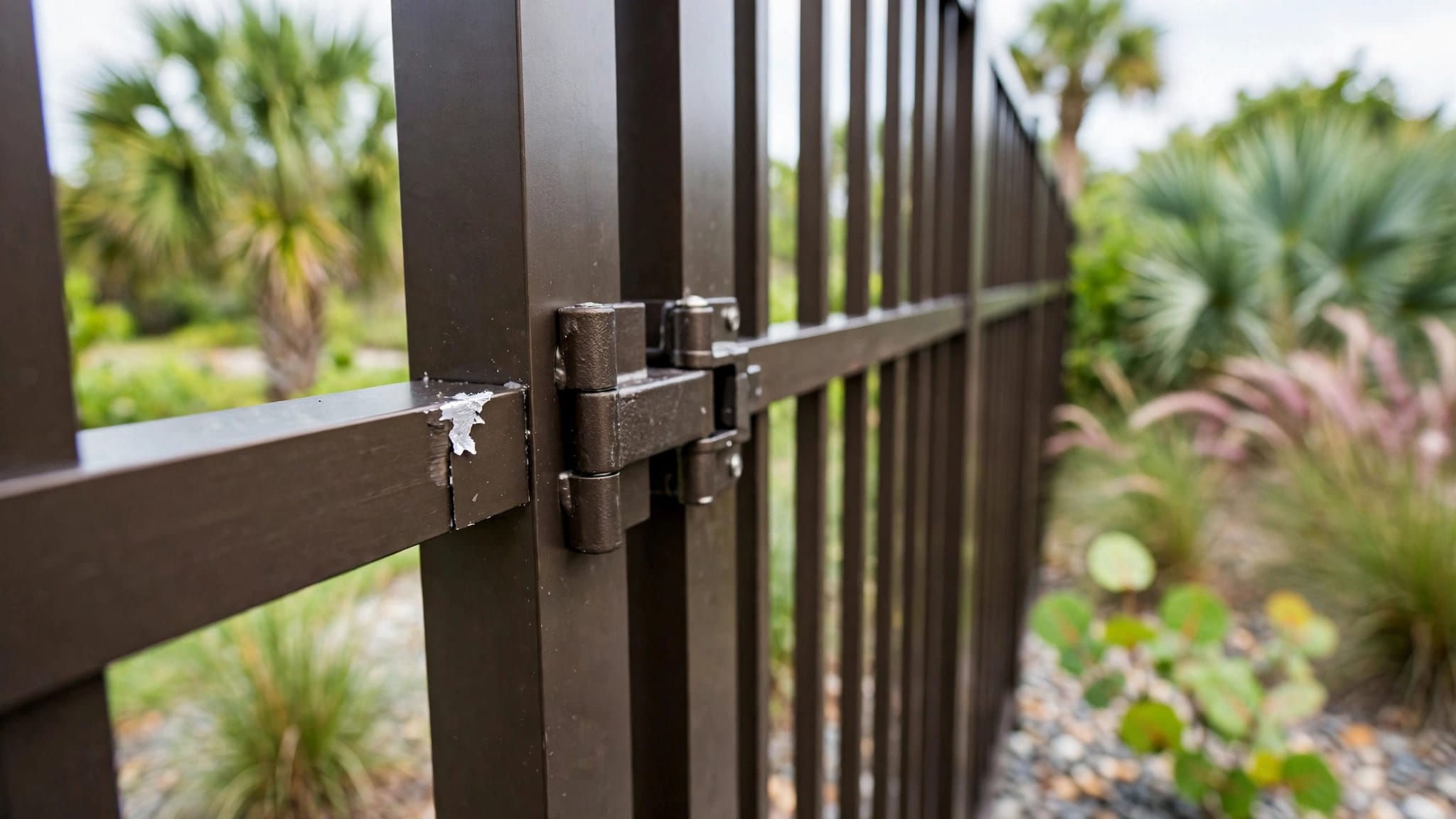
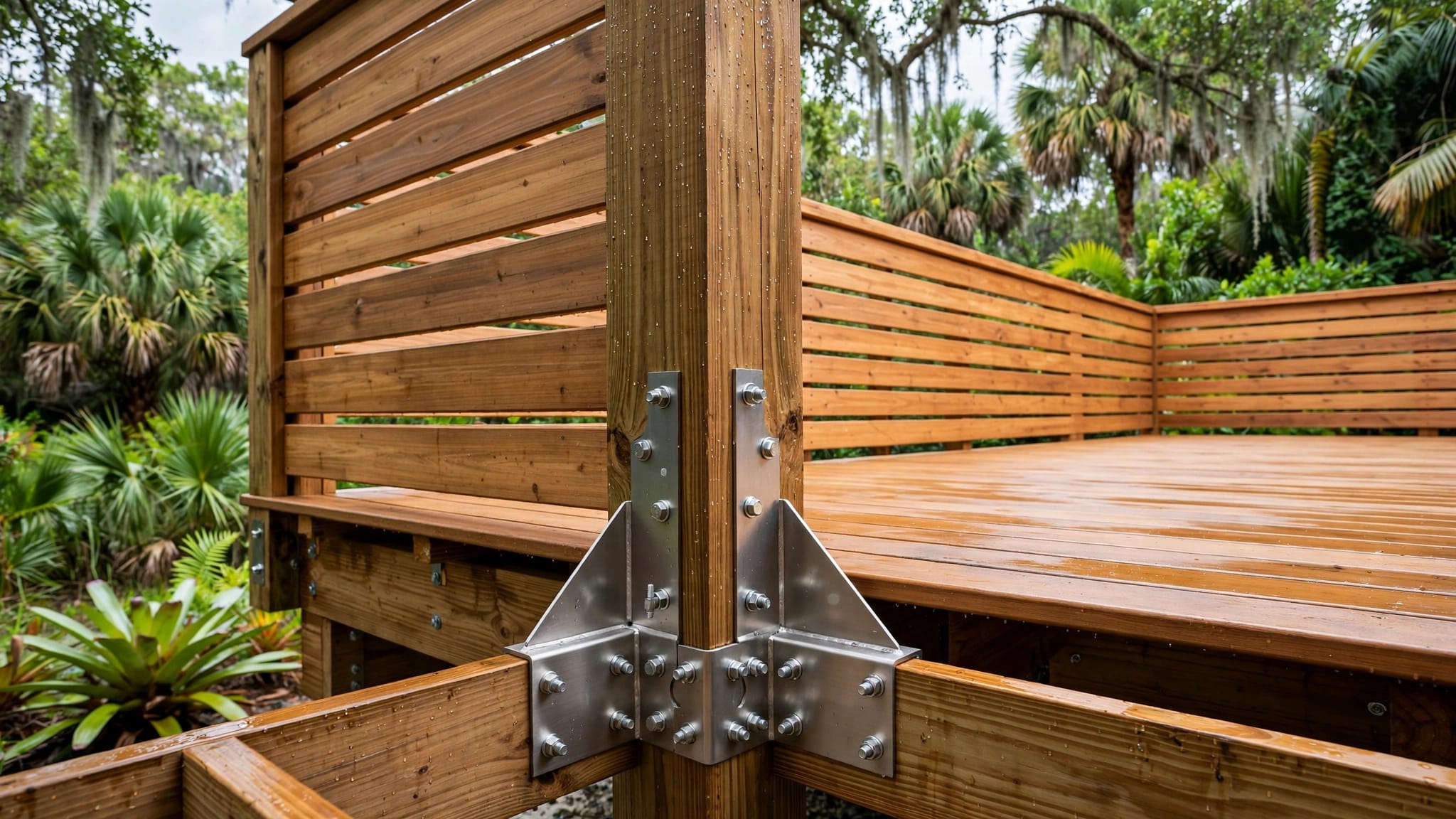
Material choice affects the layout too. Wood needs strong, steady support. Vinyl likes clean spacing and straight support. Chain link can handle some grade change better than rigid panel styles. Aluminum often works well when the line can stay neat and open.
That does not mean one material is better than the others. It means the fence type should match the yard. A tight root zone may call for a different layout than a wide open side yard.
Before ordering materials, check the property line, call 811 for utility locates, and confirm any local permit or HOA rules that apply. Those steps take less time than fixing a fence that was placed in the wrong spot.
When Roots Have Already Affected an Old Fence
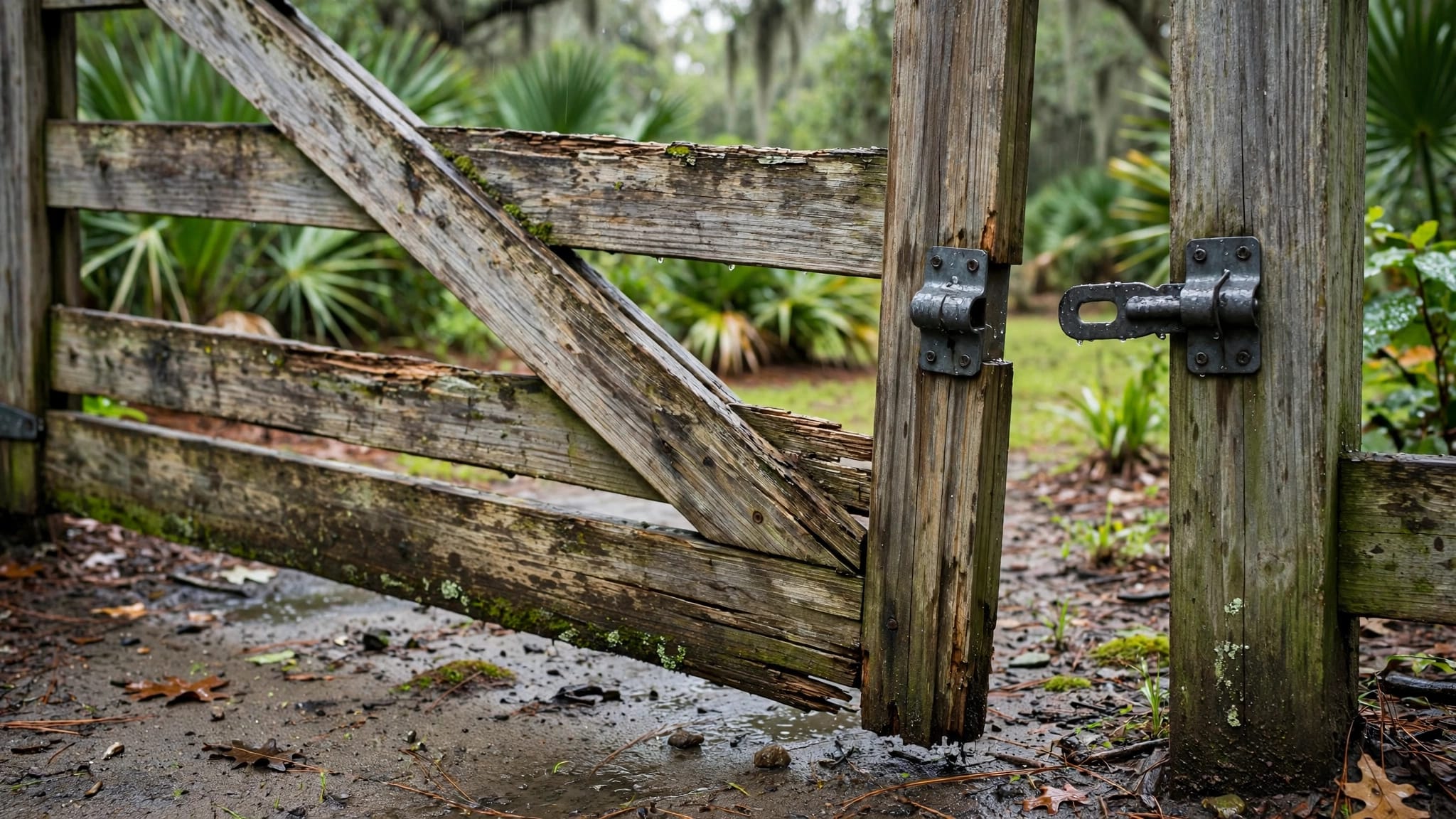
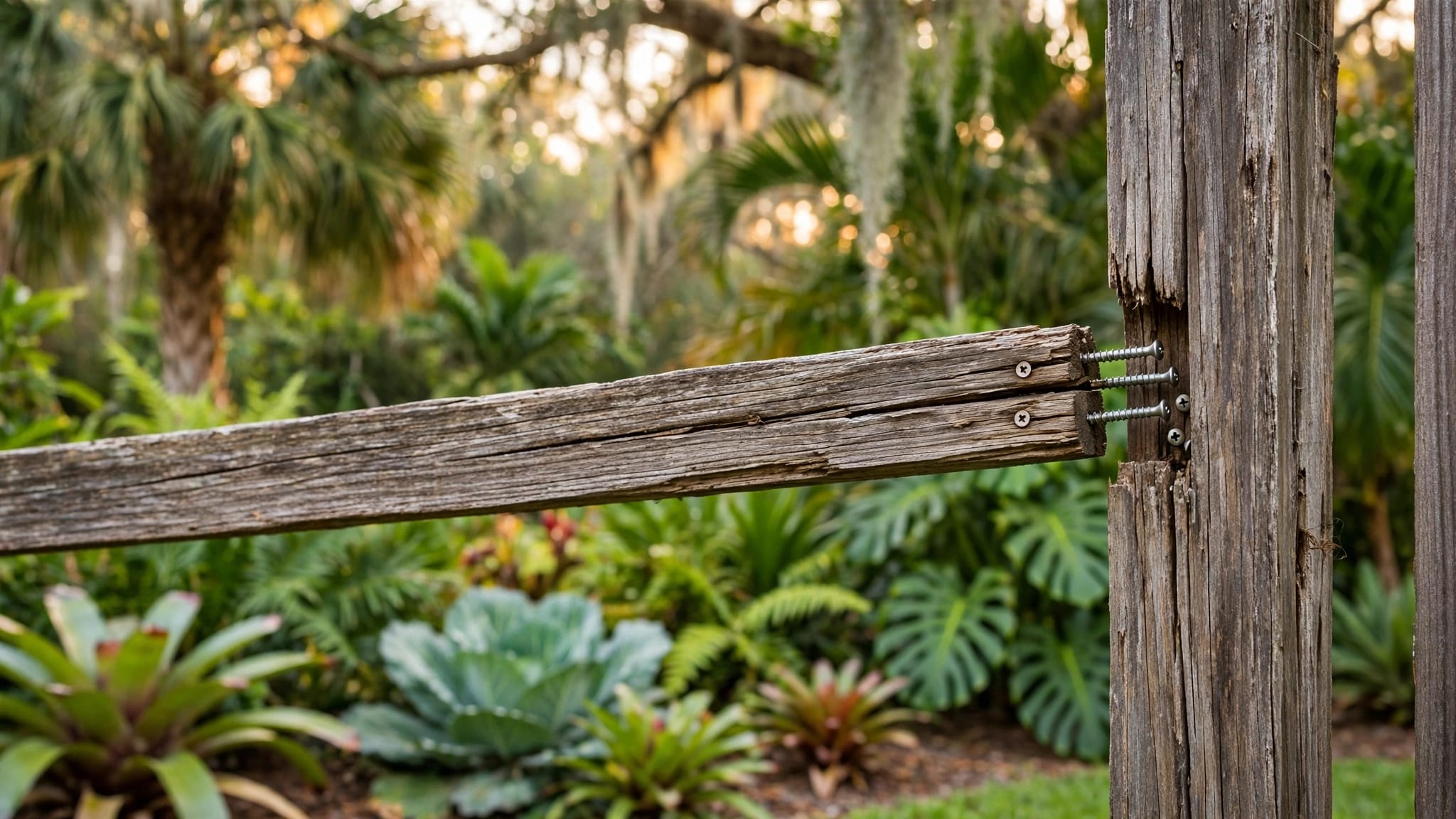
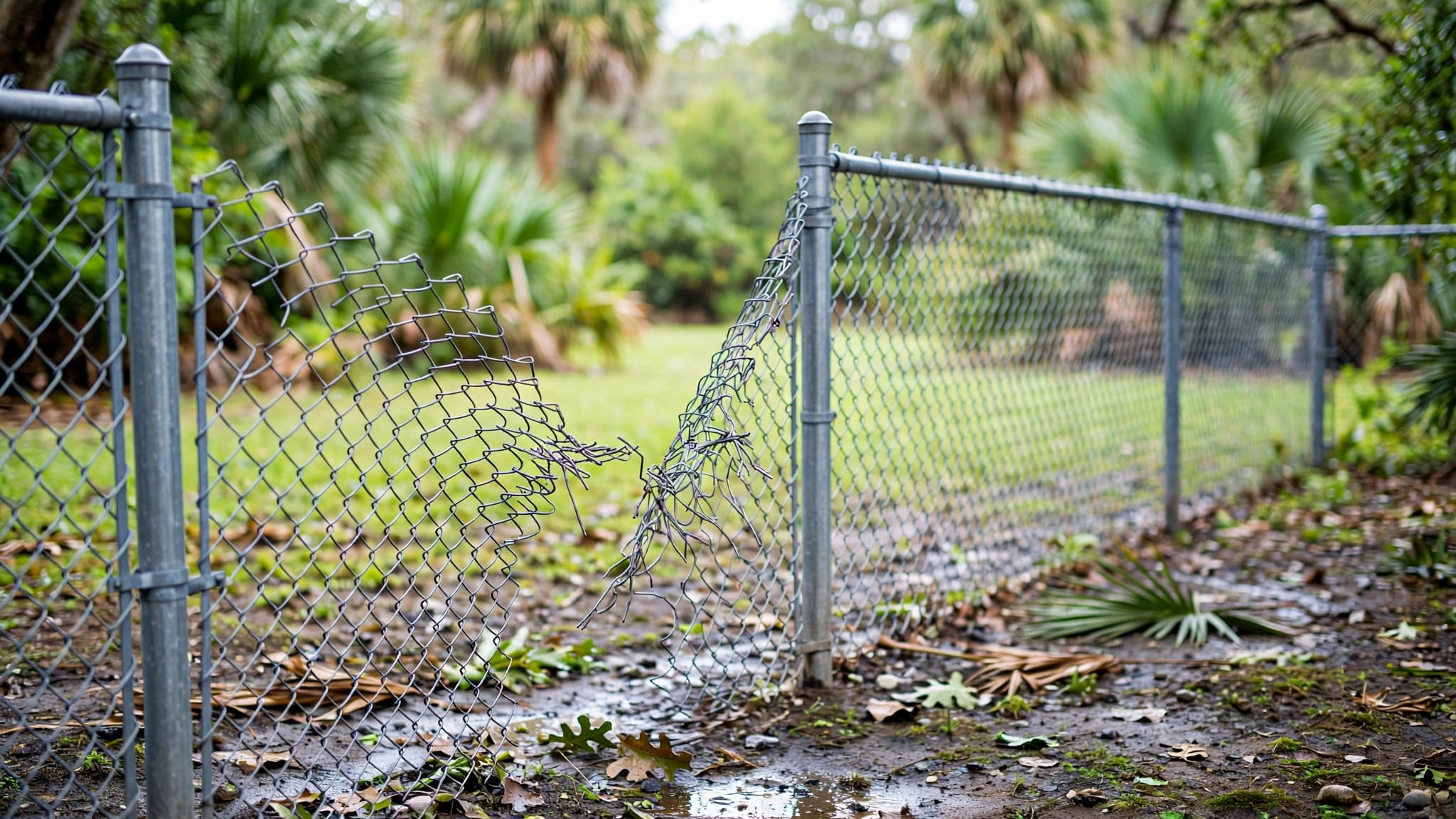
An older fence can tell you a lot about the ground under it. Leaning posts, lifted rails, cracked panels, and a gate that scrapes the ground all point to movement below the surface.
In those cases, repair work starts with the root issue, not just the broken section. If a post shifted because roots pushed or soil settled, resetting one part of the line may not solve the whole problem. A repair crew should look at the full run, the tree location, and the way the fence carries weight.
For homeowners dealing with that kind of damage, expert fence repair services can help sort out whether the line needs a reset, a partial rebuild, or a new layout around the tree.
It also helps to think about the fence style itself. A repair on wood may call for different spacing than a repair on chain link or aluminum. The goal is not just to patch what failed. The goal is to keep the next shift from starting in the same place.
Conclusion
Tree roots change more than post holes. They affect gates, corners, spacing, and the long-term shape of the fence line. In Southwest Florida, sandy soil and wet weather make that planning even more important.
The best fence layouts respect both the property line and the tree. When the yard is marked with the roots in mind, the finished fence lasts longer and causes less trouble later.
A straight line on paper is useful, but a stable line in the yard is what counts.