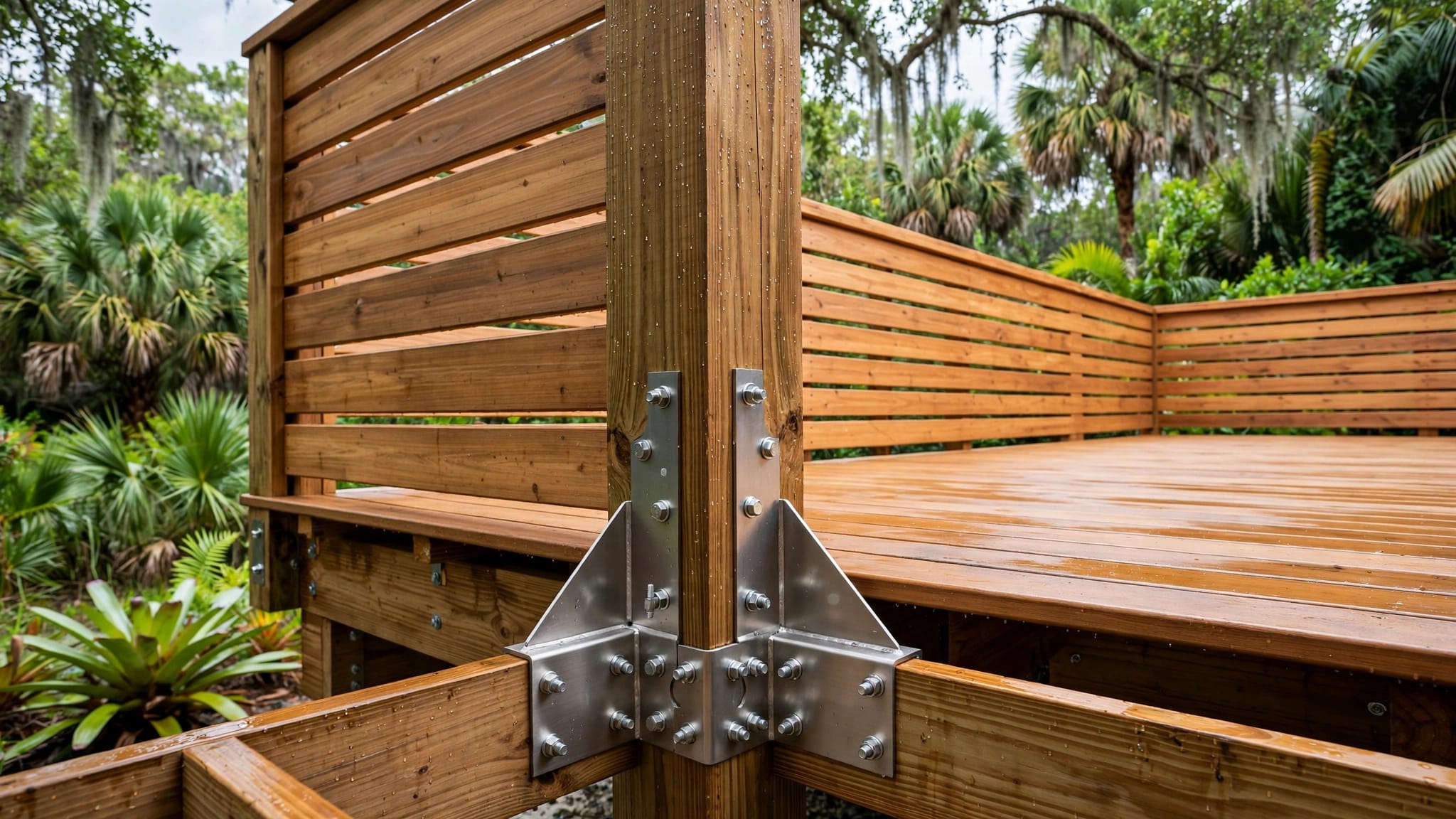
Florida Fence Permit Transfers After a Home Sale
An open fence permit can become an unexpected problem after a Florida home sale. The buyer may think the permit automatically follows the property, while the seller may assume the contractor will finish everything without further paperwork.
A Florida fence permit transfer usually requires action by the local building department. The process can also change when the contractor leaves the project. Local permitting authorities control the details, and requirements differ between cities, counties, and unincorporated areas.
Key Takeaways
- A fence permit usually stays connected to the property, but ownership or contractor information may need an update.
- A home sale doesn't automatically transfer every permit responsibility to the buyer.
- Changing contractors may require a formal contractor change, authorization, and new license information.
- An expired or closed permit usually follows a different process than an active permit.
- Homeowners should confirm the current steps with the building department that issued the permit.
What a Florida Fence Permit Transfer Actually Means
A fence permit authorizes approved work at a particular property. It may list the property owner, contractor, permit applicant, project address, and scope of work. When ownership changes, the permit record may need updated names and contact information.
That update isn't always the same as issuing a brand-new permit. In some jurisdictions, the permit remains tied to the address while the building department changes the owner or responsible party. Other offices may require a transfer application, owner authorization, or additional documents before the buyer can continue the project.
The permit's status matters. An active permit with unfinished work is different from a permit that has passed final inspection. An expired permit may require renewal or a new application. A closed permit normally remains part of the property's public record, but it doesn't authorize new fence work.
Local jurisdiction also matters. A property inside Cape Coral follows the city's process. A home in unincorporated Lee County may follow county procedures. The same distinction applies across Fort Myers, Sarasota, Charlotte, Collier, Hendry, and Desoto counties.
A fence permit is tied to approved work at a specific property, but the names and responsibilities on that permit may still need formal changes.
Before requesting a transfer, find the permit number and confirm which office issued it. The city or county building department can tell you whether the record needs an ownership update, a transfer form, a renewal, or a new permit.
What Buyers Should Do After Closing
Buyers should address an open fence permit soon after closing. Waiting can create confusion if the permit expires, the original contractor becomes unavailable, or an inspection reveals work that doesn't match the approved plans.
Start by asking the seller for the permit number, approved site plan, contractor information, inspection history, and copies of any notices from the building department. Your closing documents may also identify permits or unfinished improvements connected to the property.
Next, contact the issuing authority. Give the permit technician the property address and permit number. Ask these direct questions:
- Is the permit active, expired, or closed?
- Does the department require an ownership transfer?
- Can the existing contractor remain on the permit?
- What documents must the buyer submit?
- Is a new inspection required before work continues?
The department may request a recorded deed, settlement statement, government-issued identification, or a signed owner authorization. Requirements vary, so use the office's current forms rather than an older form found online or supplied by another county.
If the fence has already been installed, ask whether the department needs a final inspection. A buyer shouldn't assume that a fence is permitted because a permit number exists. The inspection record should show whether the work passed, failed, or remains incomplete.
If the permit was issued under an owner-builder arrangement, ask the building department how the sale affects the record. Owner-builder permits can involve different responsibilities than permits obtained by a licensed fencing contractor. The department, not the seller or contractor, can confirm the correct path.
A title company may also help identify open permits during a sale. However, the building department controls permit status and inspection records. Keep written confirmation of any transfer or update for your property records.
Changing Fence Contractors Before the Work Is Finished
A contractor change is separate from a home sale, although both changes can happen together. If the original fencing company won't complete the work, the owner should ask the building department how to remove or replace that contractor on the permit.
The office may call this a change of contractor, contractor substitution, contractor withdrawal, or notice of change. The exact name varies by jurisdiction. The replacement contractor will likely need to provide an active Florida license, local registration information, insurance documents, and authorization to take responsibility for the remaining work.
The original contractor may need to submit a withdrawal form. In other cases, the property owner can request the change with supporting documents. Some offices require signatures from both contractors, while others follow a different procedure when the original contractor cannot be reached.
Don't allow a new contractor to continue under the old contractor's name without confirmation. The contractor listed on the permit may remain responsible for inspections, corrections, and closeout. A mismatch can delay the final inspection or leave the owner with an incomplete permit record.
The replacement contractor should review the approved plans before starting. That review can identify changes to fence height, location, gates, posts, materials, or property lines. If the planned work differs from the approved permit, the department may require a revision.
For example, a permit may approve a six-foot vinyl fence along a rear property line. The new contractor may recommend aluminum fencing, move the fence closer to an easement, or change the gate design. Those changes may affect zoning, setbacks, visibility rules, or the approved scope.
A professional contractor should explain whether the permit needs a revision before construction continues. You can also learn about fence installation services to understand the project information a contractor may review before taking over unfinished work.
Active, Expired, and Closed Permits Need Different Treatment
The permit status determines the next step more than the fact that a property changed hands.
| Permit status | What it usually means | What to ask the building department |
|---|---|---|
| Active and open | Approved work has not reached final approval | How can the owner or contractor be updated? |
| Expired | The permit passed its allowed period without required action | Can it be renewed, or is a new permit required? |
| Finaled or closed | Required inspections were completed and the permit was closed | Is any new work covered by this record? |
| Suspended or under correction | The department has identified an issue or missing item | What must be corrected before work continues? |
An active permit is usually the easiest record to update, but the owner still needs to follow the local process. The department may require a transfer request before scheduling another inspection.
Expired permits require extra care. A new owner may not be able to reactivate the permit under the same terms. The office may ask for updated drawings, current code information, new contractor details, or a new application. Don't schedule construction until the department confirms that the permit is valid.
A closed permit cannot normally be used to authorize a later fence replacement or extension. If you plan to change the fence after closing, ask whether the work requires a separate permit. A repair may follow different rules than a full replacement, but only the local authority can classify the project.
The same caution applies to a permit that shows an inspection but no final approval. One passed inspection doesn't mean the project is complete. Check the complete inspection history and any correction notes.
Southwest Florida Details That Can Affect the Process
Fence permit questions often involve more than the permit record. Local zoning and site conditions can affect whether the approved fence may remain in its current location.
In Southwest Florida, homeowners may need to check property lines, drainage easements, utility easements, canal setbacks, corner-lot visibility, and access for maintenance. Pool barriers can also involve separate safety requirements. A fence near a seawall, sidewalk, road intersection, or recorded easement deserves careful review before work begins.
Homeowners' associations may impose design rules for fence style, color, placement, and height. HOA approval doesn't replace a building permit, and a building permit doesn't replace HOA approval. Treat them as separate approvals.
A survey can help when the fence location is unclear. However, a survey doesn't decide whether the permit can transfer. The building department controls permit records, while the property owner remains responsible for confirming boundaries and private restrictions.
When comparing contractors, ask how they handle an existing permit. A reliable contractor should be able to explain whether they will:
- Review the permit and inspection history.
- Confirm that their license and local registration meet the department's requirements.
- Submit the required contractor-change or ownership paperwork.
- Request a revision if the design or location changes.
- Schedule the required inspections and close the permit.
Ask for these details in writing. Keep the permit number, approved drawings, transfer confirmation, inspection results, invoices, and final approval with your home records.
A Notice of Commencement is a separate construction document from the building permit. If the contractor changes, lien-related records may need attention as well. For questions about contracts, liens, closing disclosures, or recorded documents, contact your title company or a qualified Florida attorney. The building department can explain permit procedures, but it doesn't provide legal advice.
How to Avoid Delays During a Permit Change
The best time to check a fence permit is before closing or before hiring a replacement contractor. Buyers can ask for the permit history during the inspection and due diligence period. Sellers can provide the permit number and disclose unfinished work before the transaction is complete.
Use the issuing authority's current contact information and forms. A neighboring city may use a different application, fee schedule, inspection process, or contractor registration rule. Even offices within the same county may have different procedures for municipal and unincorporated properties.
Avoid starting additional work while the transfer is pending. Construction that differs from the approved plans can create a second issue, especially if the original permit lists a contractor who no longer works on the project.
If the fence is already complete, request a status check before assuming the sale resolved the permit. A finaled permit is easier to document than an open record, but the buyer should still keep proof of final approval.
Conclusion
A Florida fence permit transfer isn't an automatic paperwork step after every home sale or contractor change. The correct process depends on the permit's status, the property jurisdiction, the listed contractor, and whether the approved work has changed.
Start with the permit number and the building department that issued it. Confirm the current requirements before work continues, then keep written records of ownership updates, contractor changes, inspections, and final approval. A few direct questions can prevent an open fence permit from becoming a closing problem later.