Florida Mailbox Fencing: Keep Mail Delivery Clear
A fence can improve privacy and curb appeal, but poor placement around a mailbox can stop delivery. Florida mailbox fencing needs to protect the box without forcing the carrier to leave the vehicle, reach through a gate, or avoid an unsafe obstruction.
The right layout starts with the mailbox location, street access, and local rules. A fence contractor can then build around those fixed points instead of treating the mailbox as an afterthought.
Key Takeaways
- Keep a curbside mailbox accessible from the carrier's vehicle.
- Follow standard USPS placement measurements for height and curb distance.
- Leave room for the mailbox door, delivery hand, vehicle approach, and maintenance.
- Check property lines, right-of-way limits, HOA rules, and local permit requirements.
- Choose materials and posts that can handle Southwest Florida sun, rain, wind, and salt air.
Start With the Mailbox Location
The mailbox should determine the fence layout, not the other way around. Before digging post holes, identify whether the box is curbside, wall-mounted, or located on a shared support with neighboring mailboxes.
For a curbside mailbox, the carrier usually needs to reach the box from the delivery vehicle. A tall fence between the road and the box can create a direct obstruction. A gate may also cause trouble if the carrier must open it or stop the vehicle in a travel lane.
Walk the property from the street and inspect the complete delivery path. Look for the driveway edge, sidewalk, drainage swale, landscaping, utility boxes, fire hydrants, and existing posts. In Cape Coral and other Southwest Florida communities, roadside drainage features can take up more space than homeowners expect.
The fence should also leave access for future repairs. Mailbox doors, posts, and supports eventually need adjustment or replacement. A design that looks neat on installation day can become difficult to service when the box sits behind a tight fence panel.
Curbside Mailbox Measurements
USPS guidance commonly places a curbside mailbox with the bottom of the box about 41 to 45 inches above the road surface . The mailbox door usually sits 6 to 8 inches back from the curb face . Measure from the road, not from a nearby sidewalk or a raised section of driveway.
These measurements help the carrier reach the box without leaning too far from the vehicle. They also help maintain a consistent delivery position along the street. If the road, curb, or property grade changes, confirm the planned location with the local post office before construction.
A fence near the box should not reduce the carrier's approach space. Keep the front of the mailbox clear, and avoid placing a gate hinge, fence rail, cap, or decorative bracket beside the door. The carrier needs to open the box, place mail inside, and close it without hitting the fence.
A mailbox enclosure can look attractive, but the delivery side must remain as open and reachable as the mailbox was before the fence installation.
The support post also needs room around its base. Avoid trapping it between a fence post and a narrow planting bed. Water from irrigation or heavy rain can soften the soil, while vehicle impact and storm winds can place stress on the mailbox support.
Wall-Mounted Mailboxes
Wall-mounted mailboxes follow a different access pattern. They are often installed near the front entrance, but a new fence or locked gate can change the carrier's route. If the carrier must walk through a gate to reach the box, ask the local post office whether the planned setup supports continued delivery.
A fence should never turn a previously accessible wall-mounted box into a restricted box without checking first. The box must remain easy to reach, and the carrier should have a clear path without obstacles such as furniture, planters, loose gravel, or low branches.
For a wall-mounted mailbox, position the fence so it frames the entry rather than narrows it. A short return panel can define the walkway while leaving the gate area open. If the fence includes a pedestrian gate, avoid placing the mailbox directly behind the gate swing.
Fence Designs That Protect Access
Several fence layouts can work near a mailbox when the delivery path remains open. The best option depends on the property's frontage, the mailbox type, and the amount of privacy you want.
An open mailbox section uses a short fence return or decorative panels on each side of the box. The mailbox remains visible from the road, while the fence creates a finished transition to the main property line. Aluminum and vinyl work well for this style because they can provide definition without creating a solid wall beside the delivery point.
A setback fence places the main fence farther from the road, leaving the mailbox in front of it. This approach can work when the lot has enough frontage and the local right-of-way allows the setback. It creates a wider service area around the box, but the contractor must verify the property line before digging.
A low decorative enclosure can surround the sides of the mailbox without blocking the front door. Use open pickets or spaced rails rather than a solid panel. The enclosure should not create a narrow pocket where the carrier's hand cannot reach the box.
A fence return around a wall-mounted box can guide visitors toward the front entrance while keeping the mailbox outside the gate. This layout is useful when the homeowner wants a secured yard but still needs delivery access. The gate should not block the box when it opens or closes.
When reviewing a design, check more than the front view. Open the mailbox door fully, stand where the carrier would approach, and swing every nearby gate. Then consider how a delivery vehicle would line up along the curb.
Choose Florida-Ready Materials
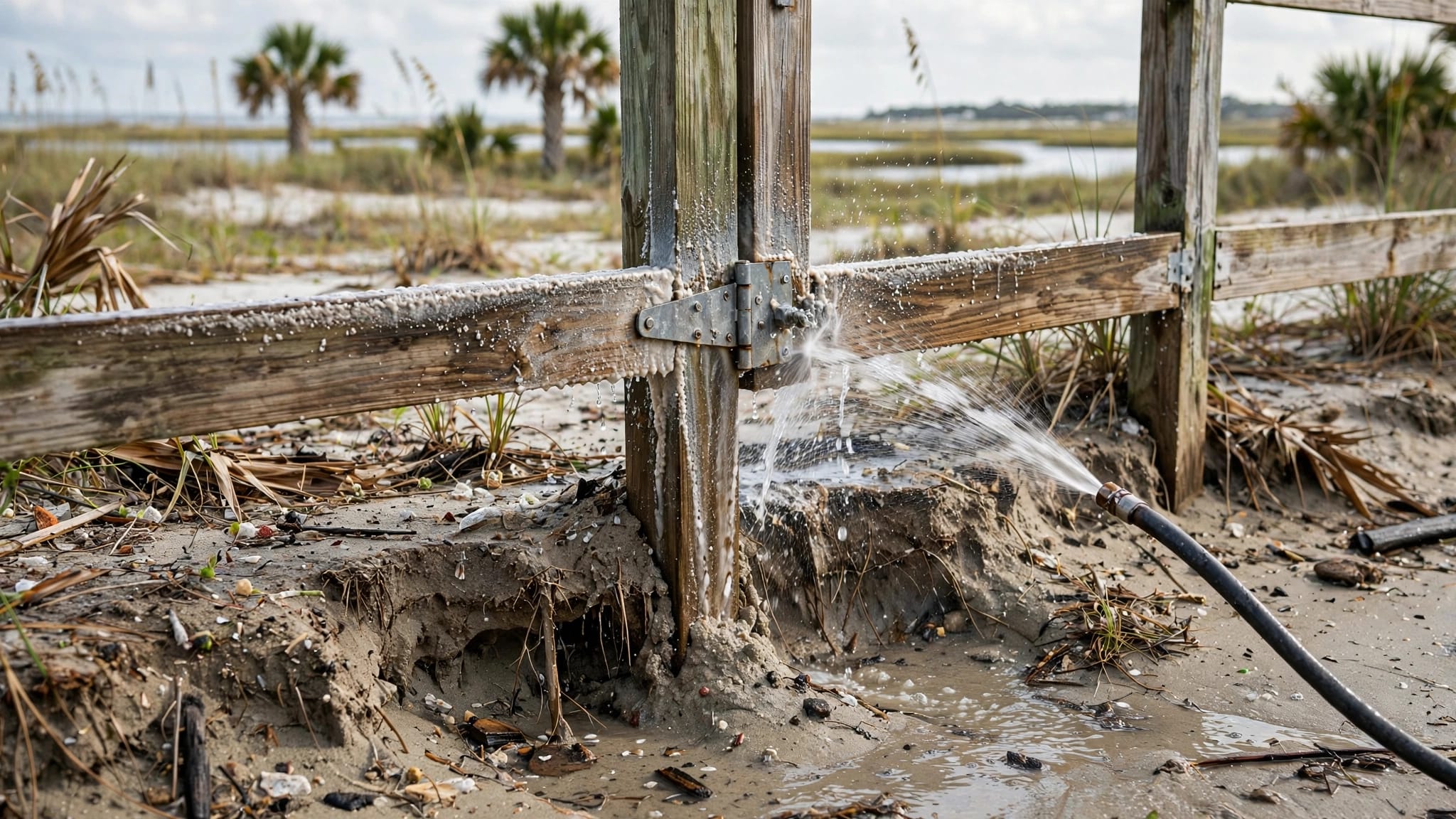
Southwest Florida fencing faces strong sun, heavy rain, humidity, salt air, and seasonal storms. Those conditions affect both the fence material and the mailbox support.
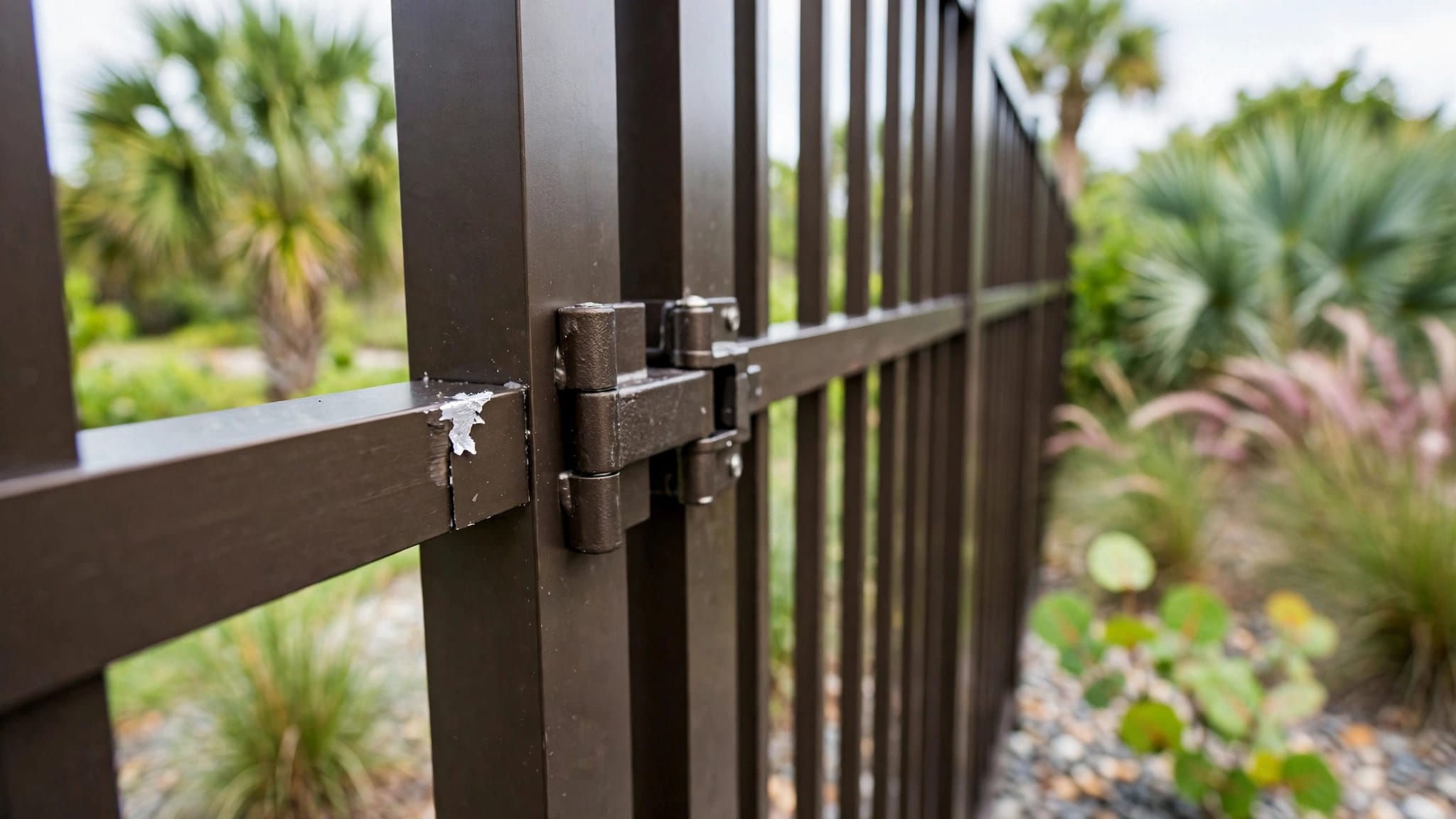
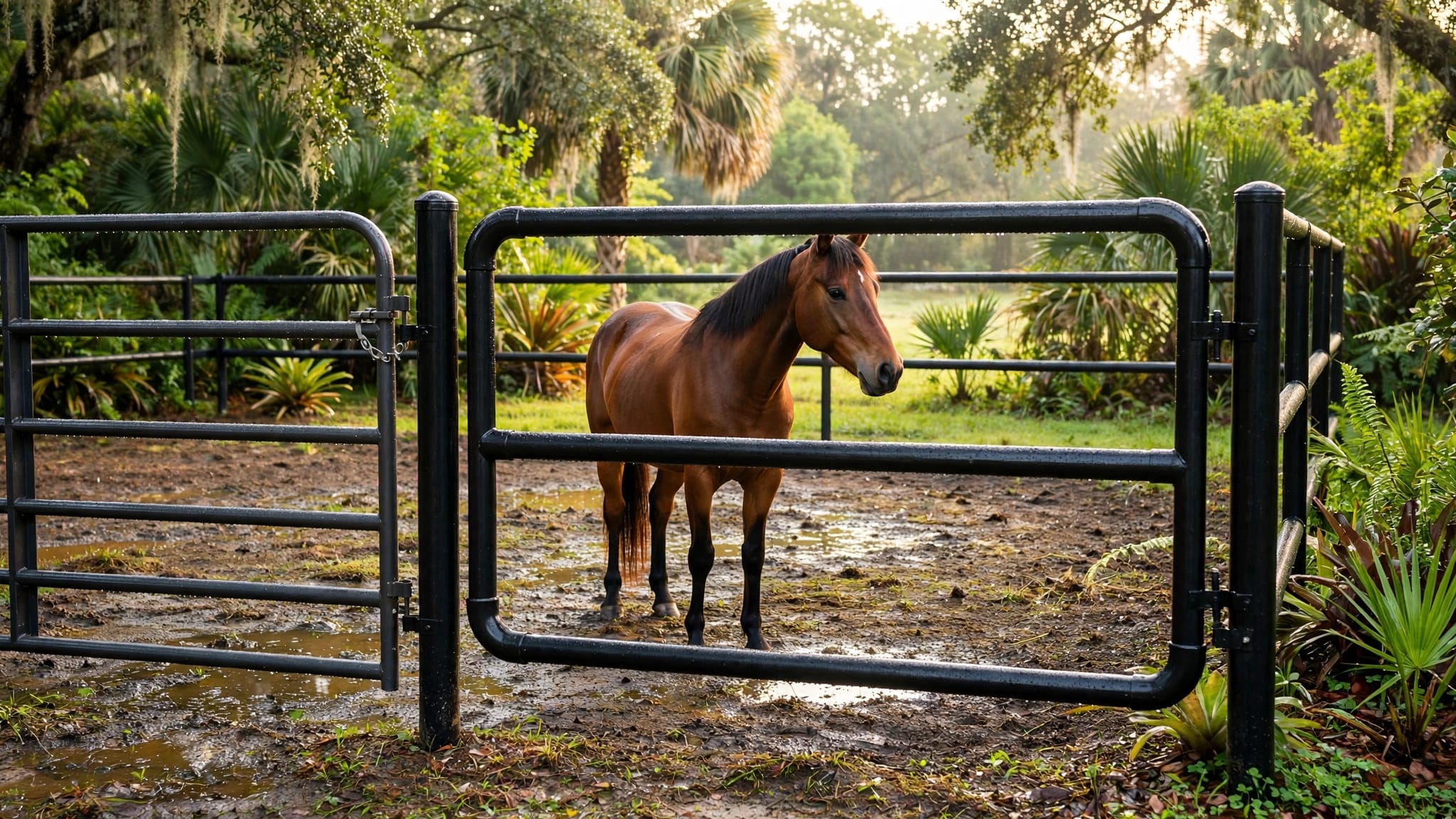
Aluminum fencing offers an open profile that works well near curbside mailboxes. It provides a finished appearance without placing a solid surface directly beside the delivery area. Powder-coated finishes can help protect the metal, although scratches and cut edges still need attention.
Vinyl fencing gives privacy and resists moisture, but a solid vinyl panel can create a larger obstruction near the road. Use it farther from the box or combine it with an open section around the delivery point. Proper post installation matters because wind can place significant pressure on broad panels.
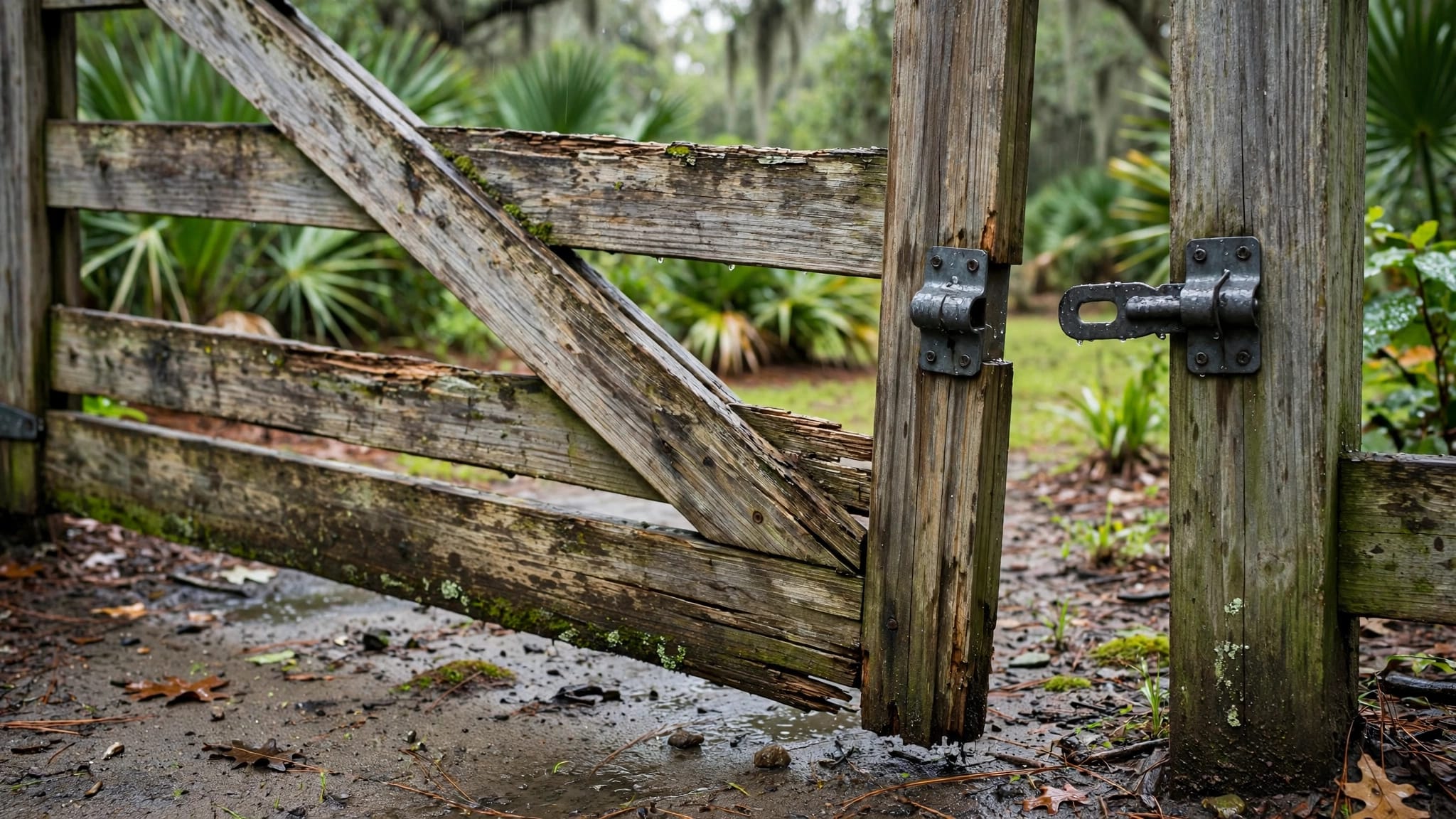
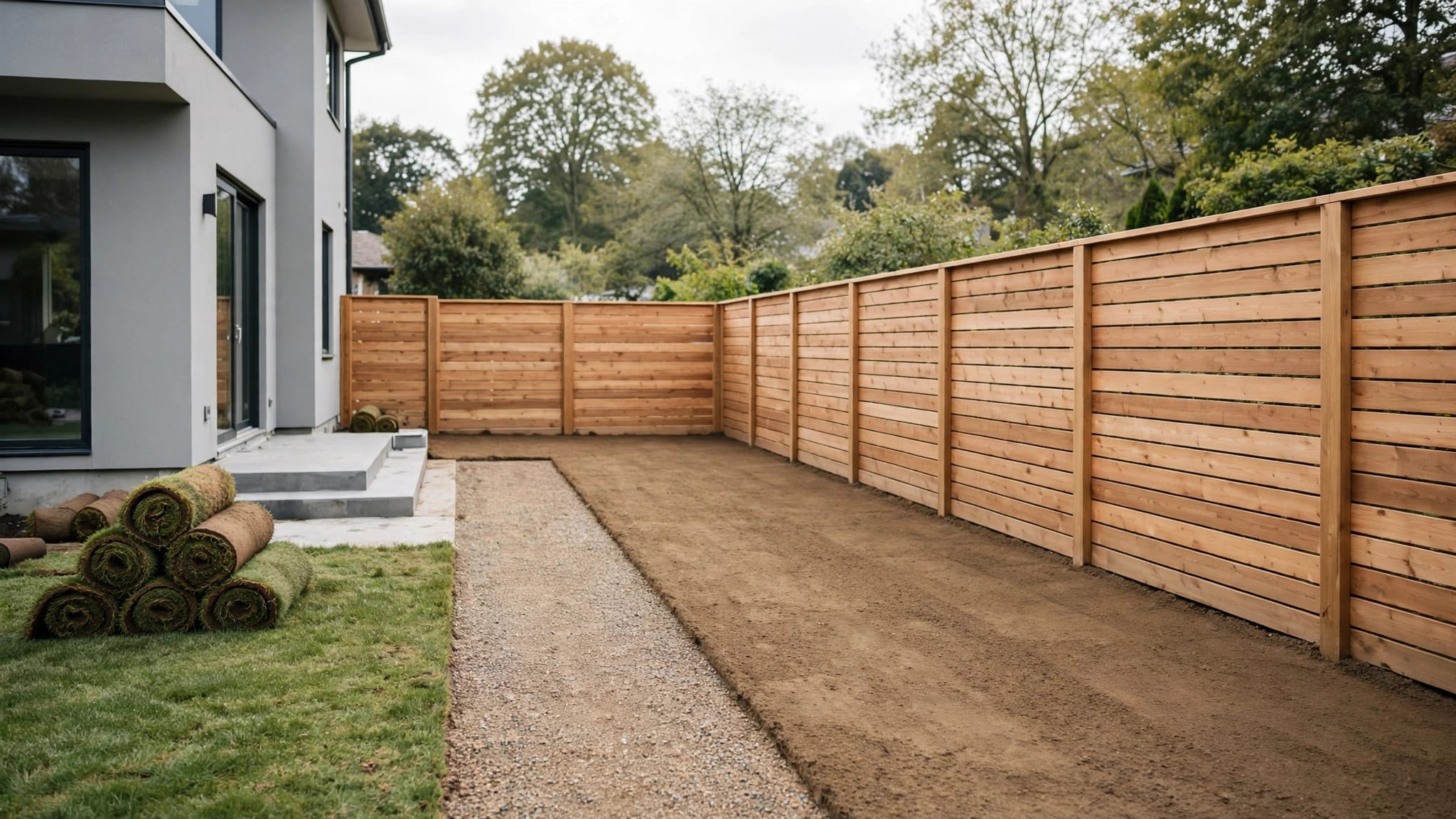
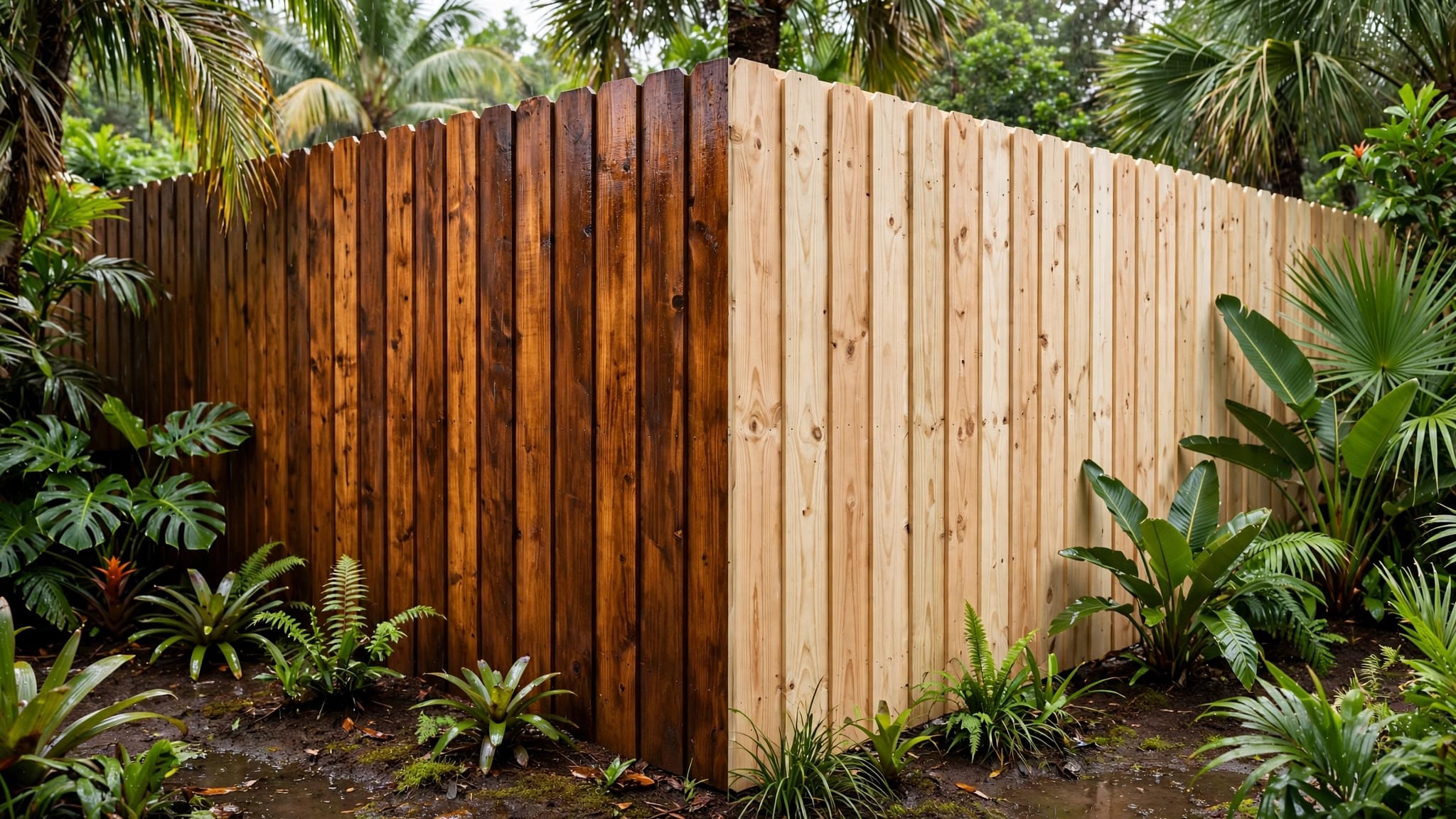
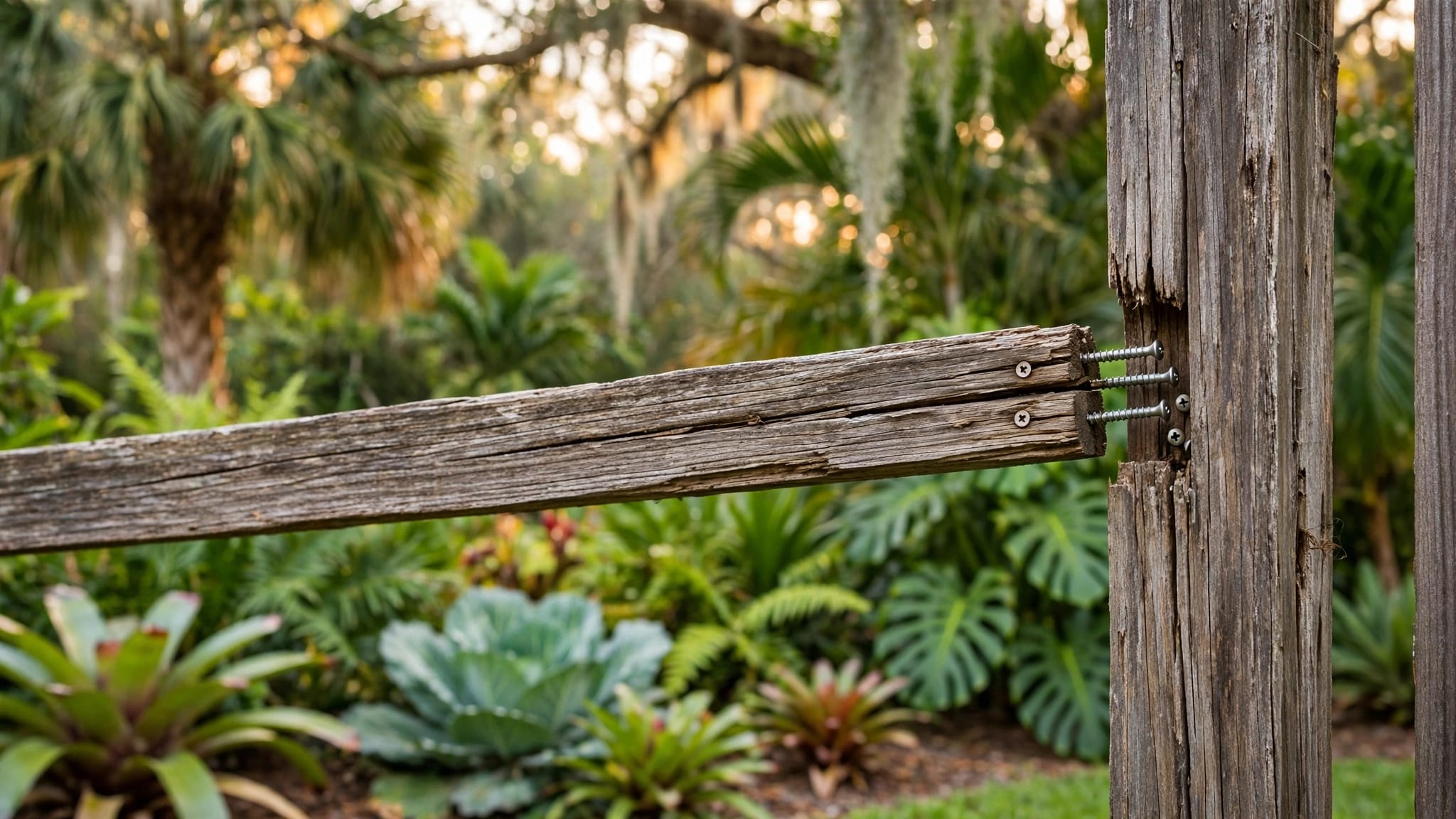
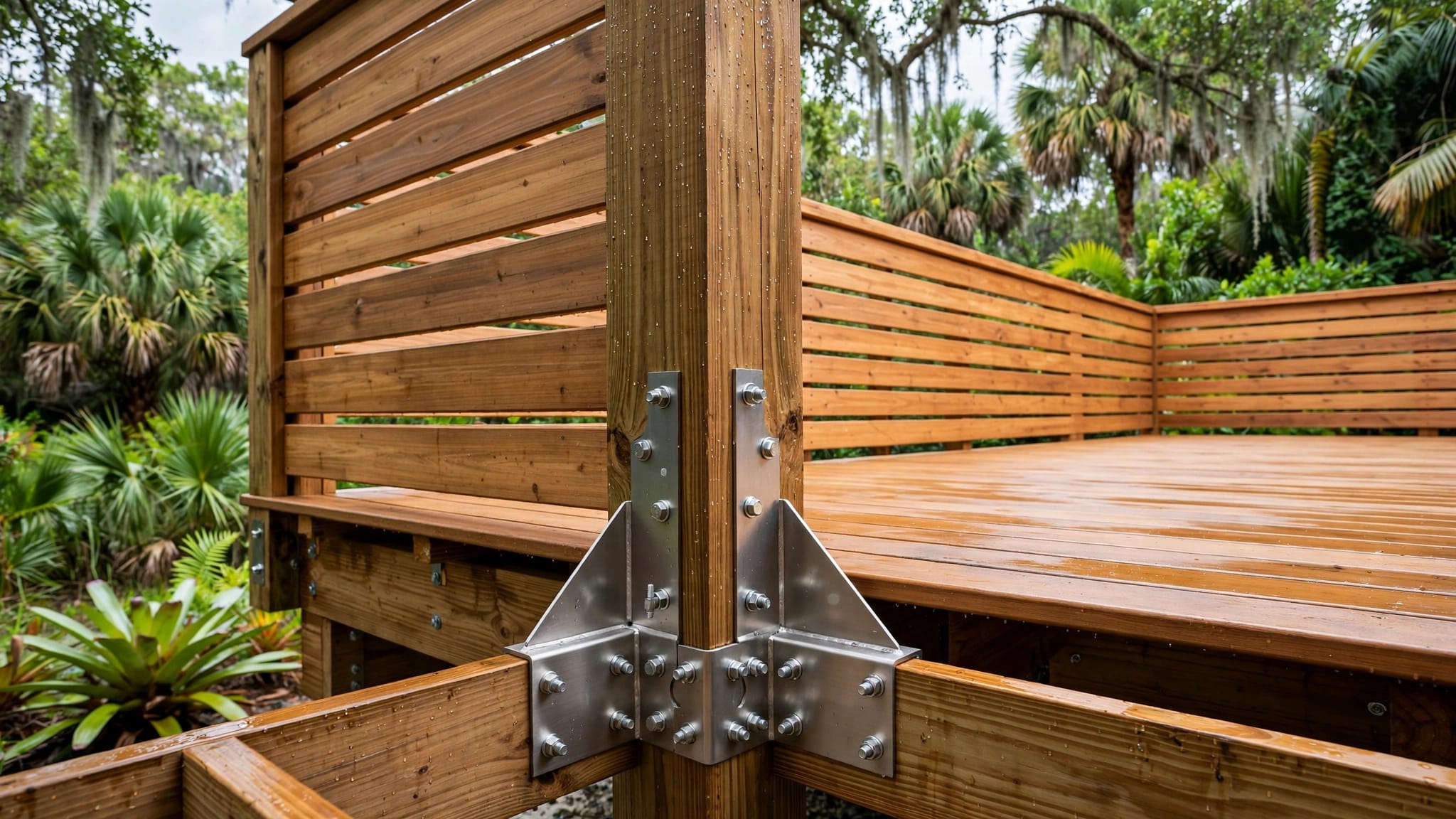
Wood fencing can be customized around almost any mailbox location. However, wood requires maintenance in Florida's wet and sunny conditions. Keep the mailbox post and fence posts separate when possible, so repair work on one doesn't damage the other.
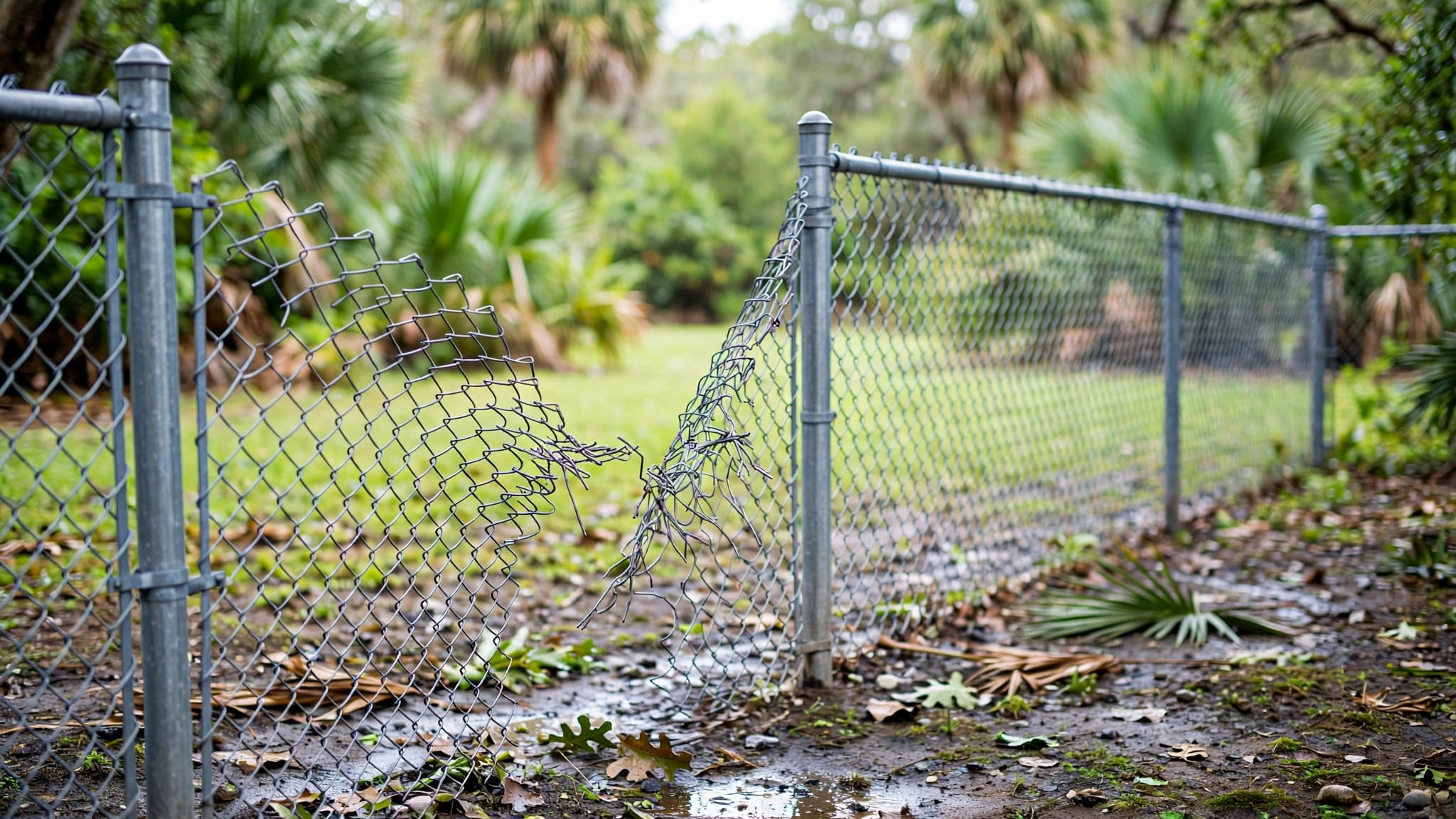
Chain link provides visibility and airflow. It can be practical near a mailbox, especially when a property needs a clear view toward the street. The top rail, tension wire, and terminal posts should still stay away from the mailbox door and carrier's hand position.
Metal fence panels can create a strong border, but decorative points, thick frames, and heavy gates need careful placement. Avoid sharp projections near the delivery path. A fence contractor can recommend a layout that protects access while matching the material used around the rest of the property.
Check Property Lines and Local Rules
A mailbox may sit near the public right-of-way even when it appears to be on private property. Fences placed too close to the street can interfere with sidewalks, drainage, utilities, road maintenance, or sight distance.
Before installation, confirm the property line and identify any recorded easements. A survey may be useful when the boundary is unclear or the existing mailbox sits near a corner. Do not assume the edge of pavement marks the lot line.
Local rules can differ between Cape Coral, Fort Myers, Naples, Sarasota, Port Charlotte, and smaller communities across Southwest Florida. HOA documents may also set requirements for fence height, color, style, and placement. Some neighborhoods review fences before installation, while others apply different rules to front-yard fencing.
Permit requirements can depend on the fence height, location, material, and local jurisdiction. A contractor should help identify the office that handles the project, but the homeowner remains responsible for reviewing property-specific restrictions and approvals.
Call 811 before digging for fence posts. The service can help identify underground utility lines, but it doesn't replace a property survey or a review of private irrigation and lighting lines. Mailbox projects often sit near driveways and walkways, where buried utilities may already be present.
Plan the Installation Around Delivery
A good installation plan begins with a site visit. The contractor should measure the frontage, locate the mailbox, inspect grades, and note the carrier's approach. Photos can help compare the proposed fence line with the street and sidewalk.
Ask for a layout that shows the mailbox, fence posts, gates, and property line. Confirm which side of the fence will face the street and where gates will swing. If a panel must sit near the box, verify that the mailbox door opens without contact.
Installation timing also matters. If the work temporarily blocks the mailbox, coordinate a temporary location with the local post office. Avoid leaving the box inaccessible while concrete sets or fence panels are installed.
After the fence is complete, test the finished layout from the carrier's position. The mailbox should be visible, reachable, and free of gate movement. Check it again with a vehicle parked along the curb, because a design that looks open on foot may be difficult from a driver's seat.
For homeowners planning a new boundary fence, a custom fence installation can account for mailbox access before construction begins. Existing fences may need a fence repair service when a damaged post leans into the mailbox area or a gate no longer opens fully.
Common Mailbox Fencing Mistakes
The most common problem is placing a solid fence panel directly beside the mailbox. The box remains technically present, but the carrier loses the room needed to reach it.
Another mistake is positioning the mailbox inside a locked yard gate. A homeowner may think the carrier can use the gate, yet the delivery route may not allow that access. Always confirm the arrangement before moving a wall-mounted box or enclosing a curbside box.
Low shrubs and decorative stones can cause problems, too. Plants grow into the approach, while rocks can limit where a vehicle pulls up. Keep the delivery area clear over time, not only on installation day.
Homeowners also overlook gate swing direction. A gate that opens across the mailbox door can prevent delivery whenever it is closed. Hinges, latches, and fence caps deserve the same clearance review as the main panels.
Finally, don't rely on an old mailbox position without checking measurements. Road resurfacing, a new curb, a widened driveway, or a changed sidewalk can affect the box's height and distance from the street.
Conclusion
A successful Florida mailbox fence keeps the box easy to reach while giving the property a clean, finished boundary. Start with the mailbox position, preserve the carrier's approach, and leave enough room for doors, gates, repairs, and storm-related maintenance.
For curbside boxes, follow the standard height and curb clearances, then verify the layout with the local post office. For wall-mounted boxes, confirm that a new fence or gate won't restrict the carrier's route. With careful measurements and Florida-ready materials, mailbox access can remain part of the fence plan instead of becoming a delivery problem .