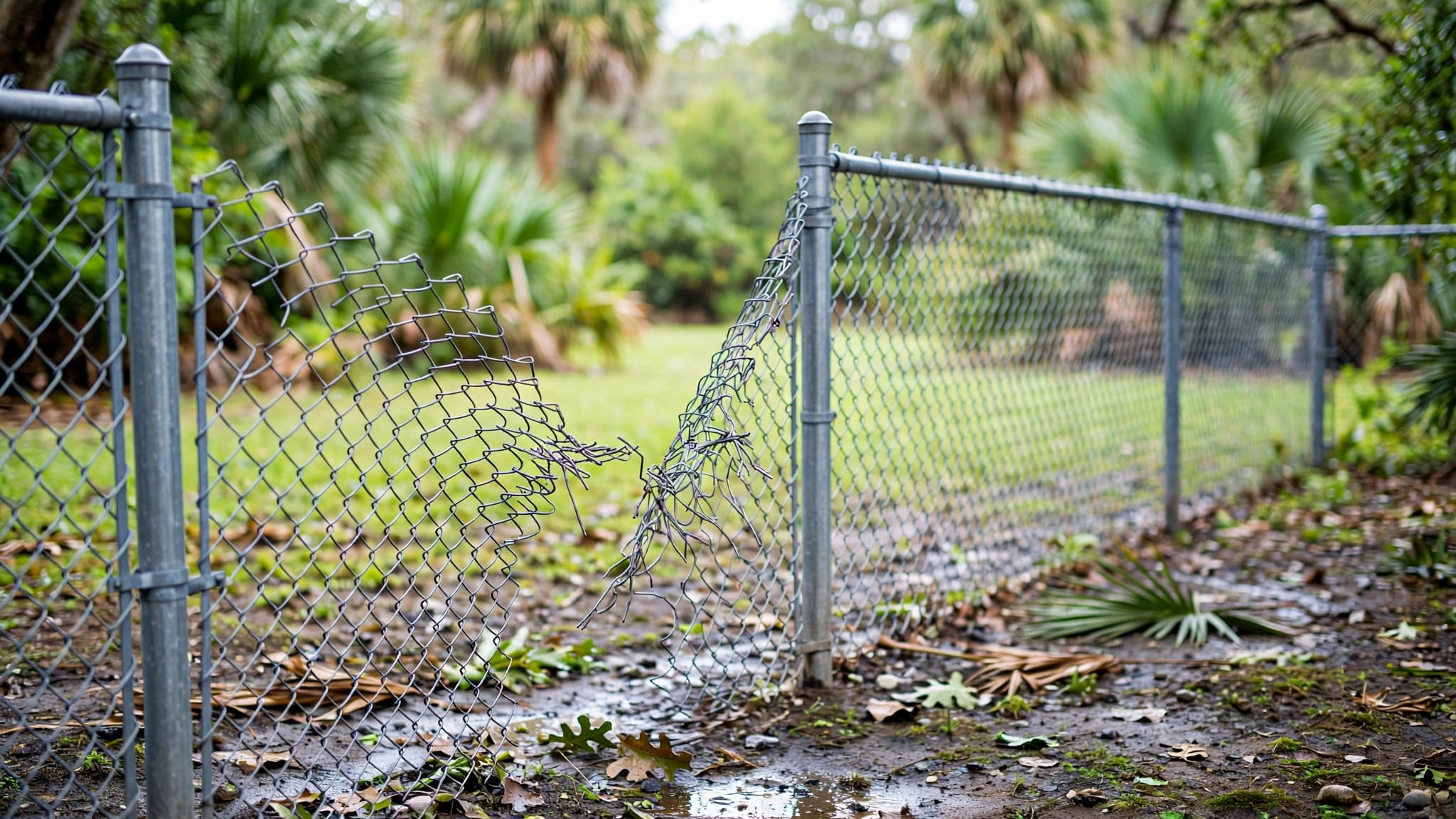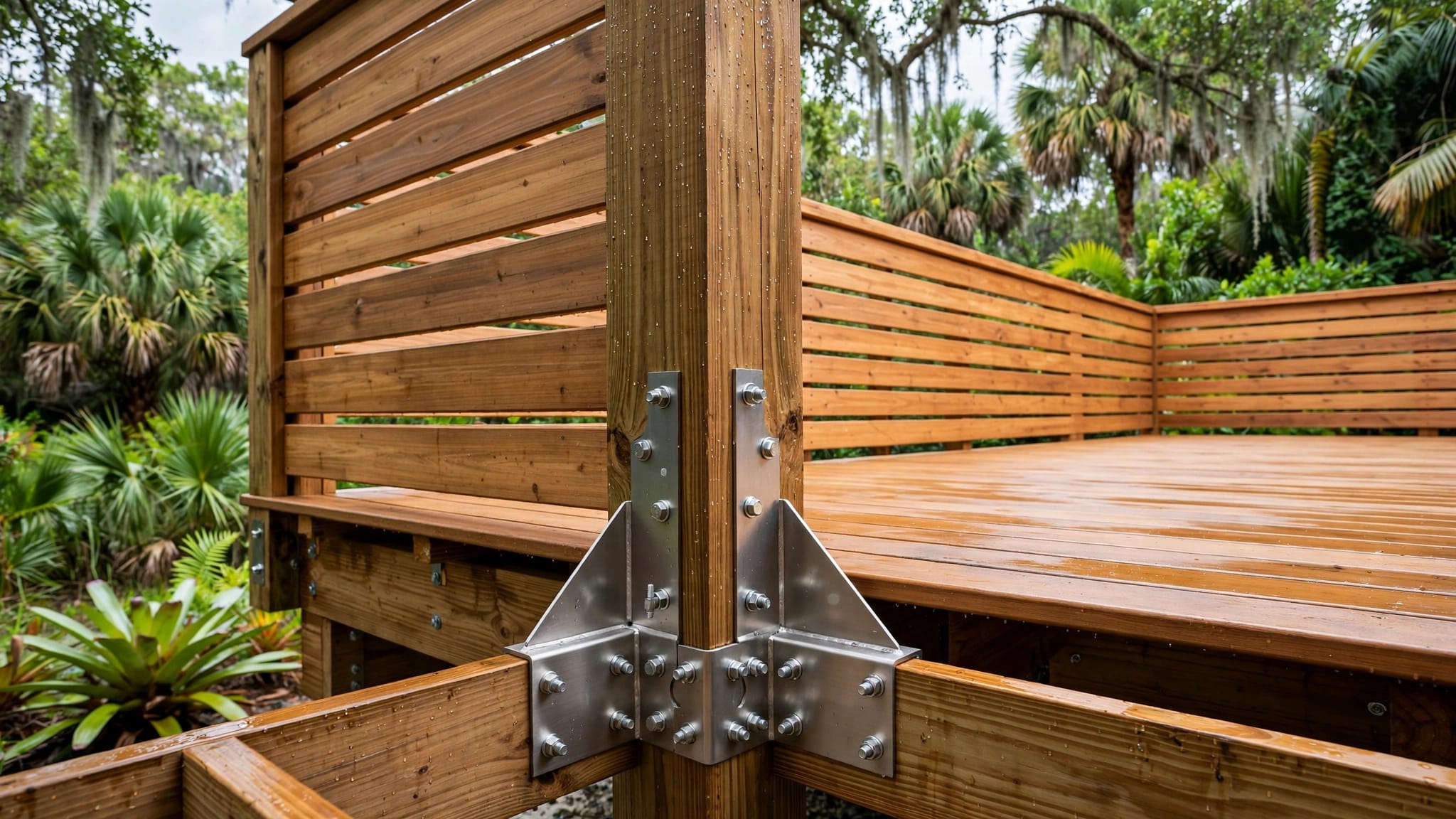
Can You Build a Fence in a Shared Driveway Easement in Florida?
A shared driveway easement in Florida can look simple until someone wants to put up a fence. One owner wants privacy. The other wants clear access. The law usually turns on the easement wording and whether the fence materially interferes with the other party's right to use the driveway.
That means the answer is rarely a flat yes or no. A fence may be fine outside the easement boundary, but a fence across the travel path can create a fast-moving dispute. Before you dig post holes, you need the deed, the survey, the recorded easement, and the local rules in front of you.
Key Takeaways
- A fence is usually safest when it stays outside the easement boundary and does not narrow the driveway.
- Florida courts focus on whether a fence materially interferes with the other owner's ingress and egress.
- A gate may be allowed, but it still has to preserve practical access, including room for vehicles and emergency response.
- Permits, setbacks, drainage, and underground utilities can matter as much as the easement language.
- If the documents are unclear or the neighbor objects, a Florida real estate attorney should review the issue before any construction starts.
What a Shared Driveway Easement Actually Gives Each Owner
Most shared driveway easements are really ingress and egress easements . In plain English, that means the right to get in and out. The easement does not usually give one owner the power to block the other owner's travel lane just because the property line looks convenient.
The exact wording matters more than people expect. Some easements say the driveway must remain open. Others allow shared use but define a specific width. A few say "free and unencumbered access," which sounds broad, but it still does not automatically ban every gate or side fence.
Recorded documents matter because the easement controls the land use. So does the survey, because the paper lines are not always where the old gravel or pavement sits today. A fence that looks harmless on a backyard sketch can become a problem if it lands inside the easement strip.
If the driveway use was never cleanly recorded, prescriptive concerns can also come into play. Long, open, and continuous use can create a prescriptive easement claim after 20 years in Florida. That is one more reason not to assume the ground on the property tells the whole story.
When a Fence Is Allowed, and When It Crosses the Line
The safest rule is simple. A fence is much more likely to work when it runs parallel to the easement and stays outside the access area. A fence that crosses the driveway, narrows the turning space, or blocks a vehicle from using the full route is a different story.
Here is a quick comparison.
| Fence location | Common issue | General risk |
|---|---|---|
| Across the driveway path | Blocks ingress and egress | Usually not allowed |
| Parallel outside the easement line | Stays off the travel lane | Usually safer |
| At the edge with a gate | Access still depends on width and hardware | Sometimes allowed |
| Inside the easement without consent | Interferes with recorded rights | High dispute risk |
The big legal question is often material interference . If the other owner can still drive in, back out, turn around, and use the easement the way it was intended, the fence may hold up better. If the fence turns a two-car-friendly drive into a tight squeeze, the argument gets much harder.
If the fence touches the travel lane, the real question is not where the post sits. It is whether the other owner can still use the driveway the same way.
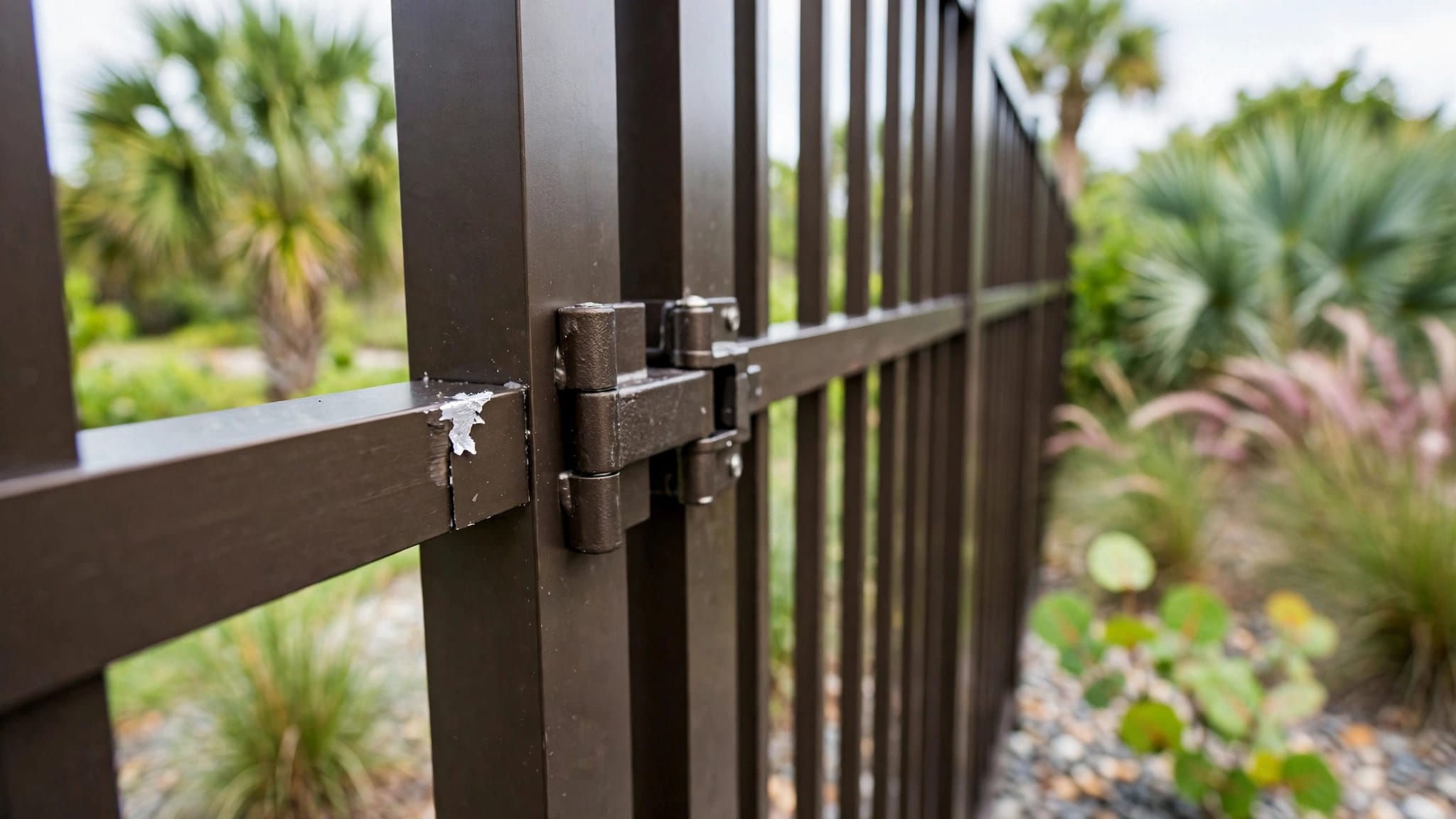
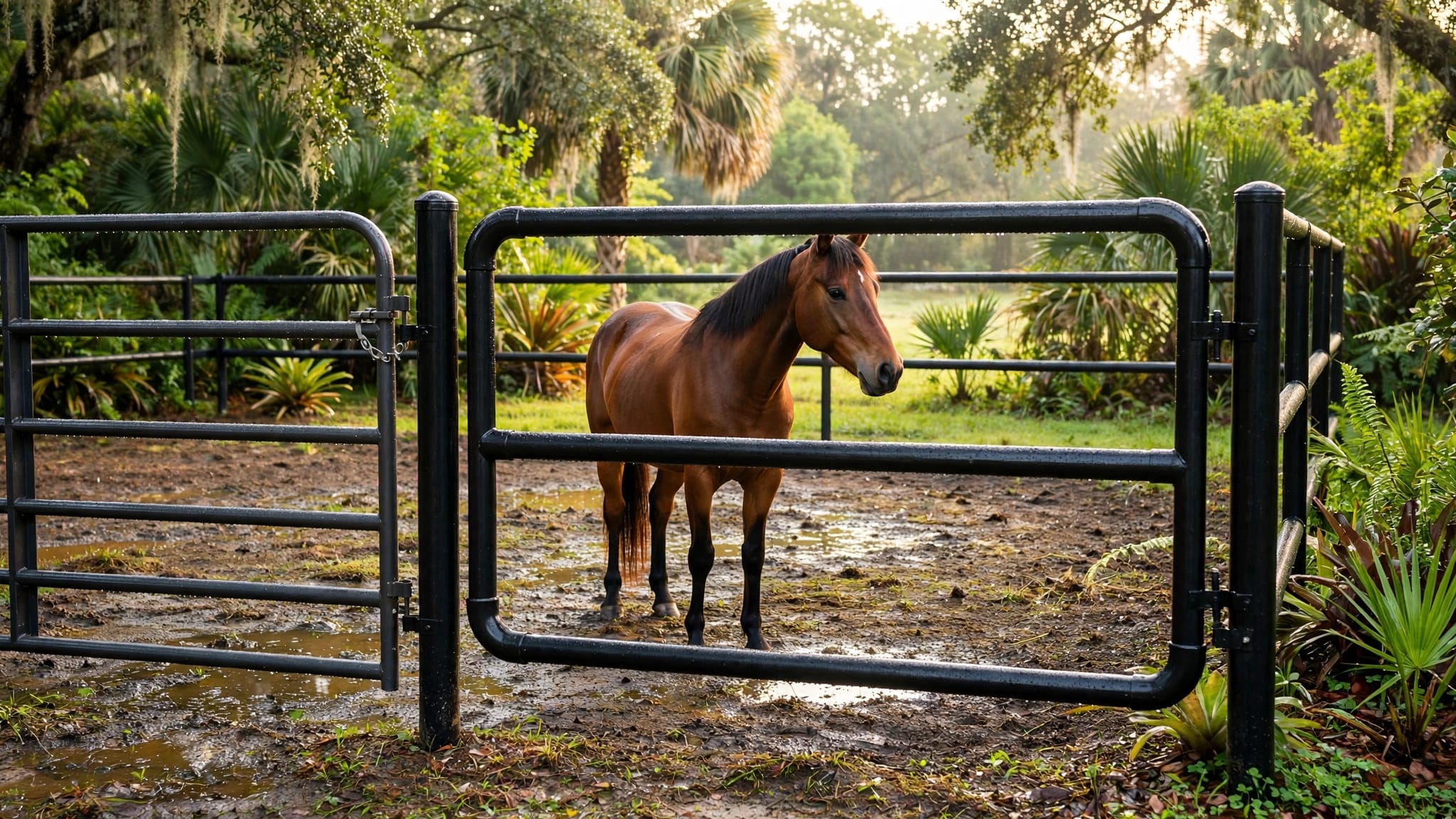
Gates deserve special care. Florida courts have allowed gates on driveway easements in some situations, even where the easement language sounds broad. Still, a gate cannot trap the easement holder or make access impractical. If it locks, the other user needs a way in, usually a key, code, or remote.
Emergency access matters too. A narrow gate that works for a sedan may cause trouble for a truck, a moving van, or a fire truck. If the gate needs to swing into the easement, that swing space can become part of the problem. In rural areas, Florida Statute § 704.02 can also matter where fences intersect an easement on enclosed farm or grove land.
If both owners want privacy, the cleanest solution is often a written agreement that moves the fence outside the easement or modifies the access rules. Verbal permission is weak protection when a property changes hands.
Permits, Setbacks, Utilities, and Drainage Still Matter
Even if the easement question looks favorable, local permit rules can still stop a fence plan. Counties and cities in Southwest Florida often want a site plan that shows property lines, easement lines, the fence location, and any gate openings. A sketch that seems obvious to the owner may not be clear enough for a permit reviewer.
A current drawing helps a lot, especially if you need to show the fence is outside the easement. This guide to creating a fence site plan can help you understand the kind of layout information permit offices usually expect.
Utilities are another easy thing to miss. Before digging, call 811 and confirm the location of underground lines. Power, water, sewer, irrigation, and cable can all sit near a driveway edge. If a post lands in the wrong spot, the repair bill can be worse than the fence cost.
Drainage matters in Florida too. Shared drives often sit near swales or runoff paths. A fence can trap water, redirect flow, or create a maintenance headache for both owners. That is especially important in neighborhoods with strict drainage design or on lots with low spots.
Setbacks and visibility rules can also affect corner lots and driveway entrances. HOA rules may add another layer. In practice, the fence location has to satisfy the easement, the permit office, and sometimes the neighborhood documents at the same time.
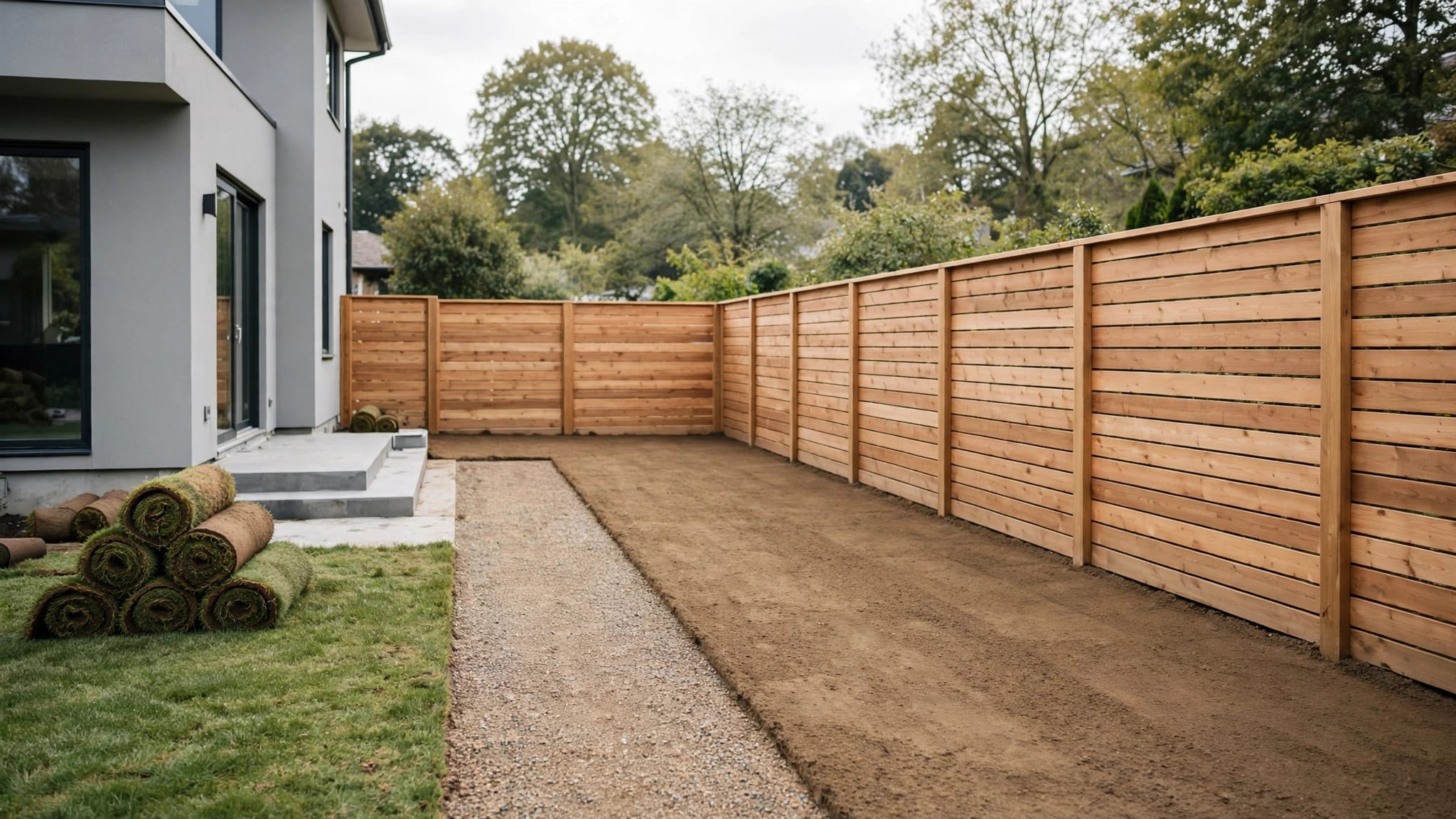
If the project is otherwise allowed, a contractor that handles professional fence installation services can help place the fence correctly and keep the gate and post layout clear of the access lane.
Before You Build, Check These Items
A short review now can save a long dispute later. Walk through these points before anyone pours concrete.
- Read the deed and the recorded easement. Look for width, access language, and any no-obstruction terms.
- Compare the easement to a current survey. Do not guess from an old plat or a visual line on the ground.
- Confirm where the fence would sit. If it touches the travel lane, redraw the plan.
- Check for underground utilities, drainage swales, and any utility strips near the driveway.
- Review county or city fence rules, plus HOA rules if they apply.
- Decide how a gate would work, including width, swing direction, locking method, and emergency access.
- Get written consent if the fence will be close to the easement or shared by both owners.
- Call a Florida real estate attorney if the documents are unclear or the neighbor already objects.
A fence built first and explained later usually creates the worst kind of problem. By then, the posts are in the ground and the argument gets personal fast.
If the Neighbor Objects, Stop and Recheck the Paperwork
Neighbor disputes often start with a simple assumption. One owner thinks the fence is on their side. The other sees it as a block to the driveway they rely on every day. If both sides are looking at different documents, the conflict can grow quickly.
That is where a clean paper trail matters. Review the survey, the easement text, and any old closing documents. If the driveway use has never been clearly recorded, ask whether a prescriptive easement issue exists before building anything that could be seen as an attempt to cut off access.
Sometimes the best move is not a fight, but a written modification. A short agreement can spell out fence location, gate rules, maintenance, and who gets keys or codes. That kind of paper can prevent years of stress.
The Bottom Line
A fence in a shared driveway easement is possible in some Florida cases, but the details control everything. The exact easement wording, the survey, and the question of material interference matter more than the fence style itself.
If you keep the fence outside the access area, protect drainage and utilities, and confirm permit rules before digging, you lower the risk a lot. If the documents are unclear or the other owner objects, a Florida real estate attorney should review the setup before any fence goes in.