Do You Need Neighbor Permission to Build a Fence in Florida?
A fence project can look simple until the property line enters the picture. In Florida, neighbor permission is often not required when you build on your own lot, but the answer changes fast when the fence sits on a boundary, touches an easement, or falls under local zoning or HOA rules.
That is why Florida fence permission questions cause so much confusion. The state rule may be simple, yet your city, county, or HOA can still add limits on height, placement, material, and permits. If you're planning a fence in Southwest Florida, the safest move is to check the lot line first, then confirm the local rules.
Key Takeaways
- You usually do not need your neighbor's permission to build a fence entirely on your own property.
- A fence on the shared boundary is different, and a written agreement is the cleanest way to handle ownership and cost-sharing.
- City, county, and HOA rules can still control permits, height limits, setbacks, and approved materials.
- A current survey, a quick talk with the neighbor, and a permit check can prevent expensive disputes later.
What Florida Law Usually Allows Without Neighbor Permission
Florida does not have a blanket rule that forces you to ask a neighbor before you build a fence on your own land. If the fence sits fully inside your lot, you generally control the project, including the design and the contractor you hire.
The bigger issue is ownership. If you build the fence on your side of the line, it is usually your fence, and you are usually responsible for it. Florida does not have a "Good Neighbor Fence Law" that automatically splits the bill just because the fence happens to sit near someone else's yard.
If you want shared ownership or shared maintenance, a written agreement matters. That agreement should spell out who pays, who owns the fence, and who handles repairs later. Without that paper trail, assumptions can turn into arguments.
A friendly conversation is helpful, but a written agreement is what protects both sides when the fence is meant to be shared.
Florida law also treats encroachment seriously. If a fence crosses onto a neighbor's land, even a little, that can become a dispute. That is why the exact line matters more than a rough guess.
Fence on Your Property vs Fence on the Line
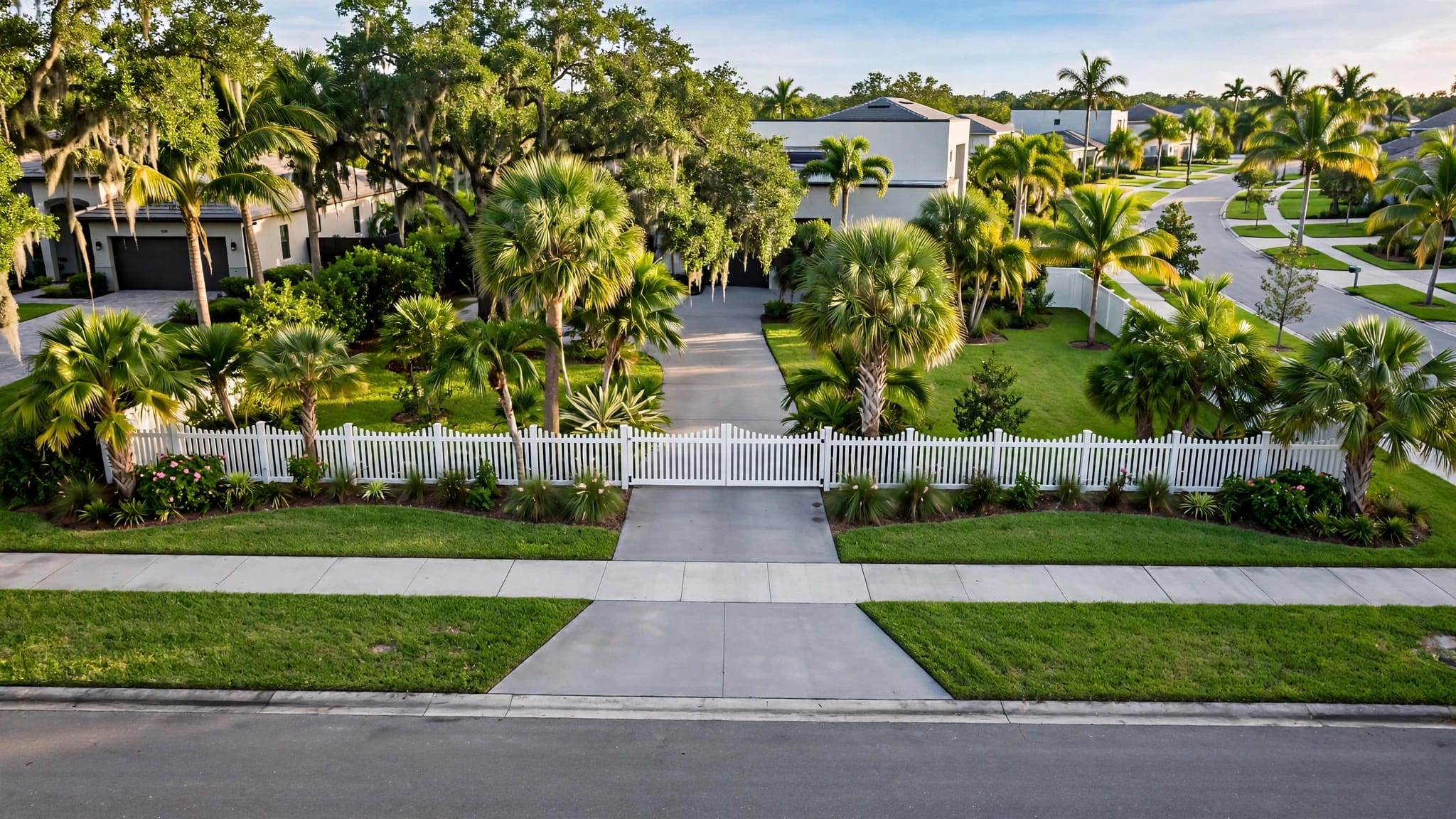
The location of the fence changes everything. A fence a few inches inside your lot is a very different project from one placed directly on the boundary line.
Here is a simple way to think about it:
| Fence location | Neighbor permission usually needed? | What you should check first |
|---|---|---|
| Entirely inside your property | Usually no | Survey, setbacks, easements, permits, HOA rules |
| Directly on the shared boundary | Often wise, and sometimes a written agreement is needed | Ownership, maintenance, cost-sharing, lot lines |
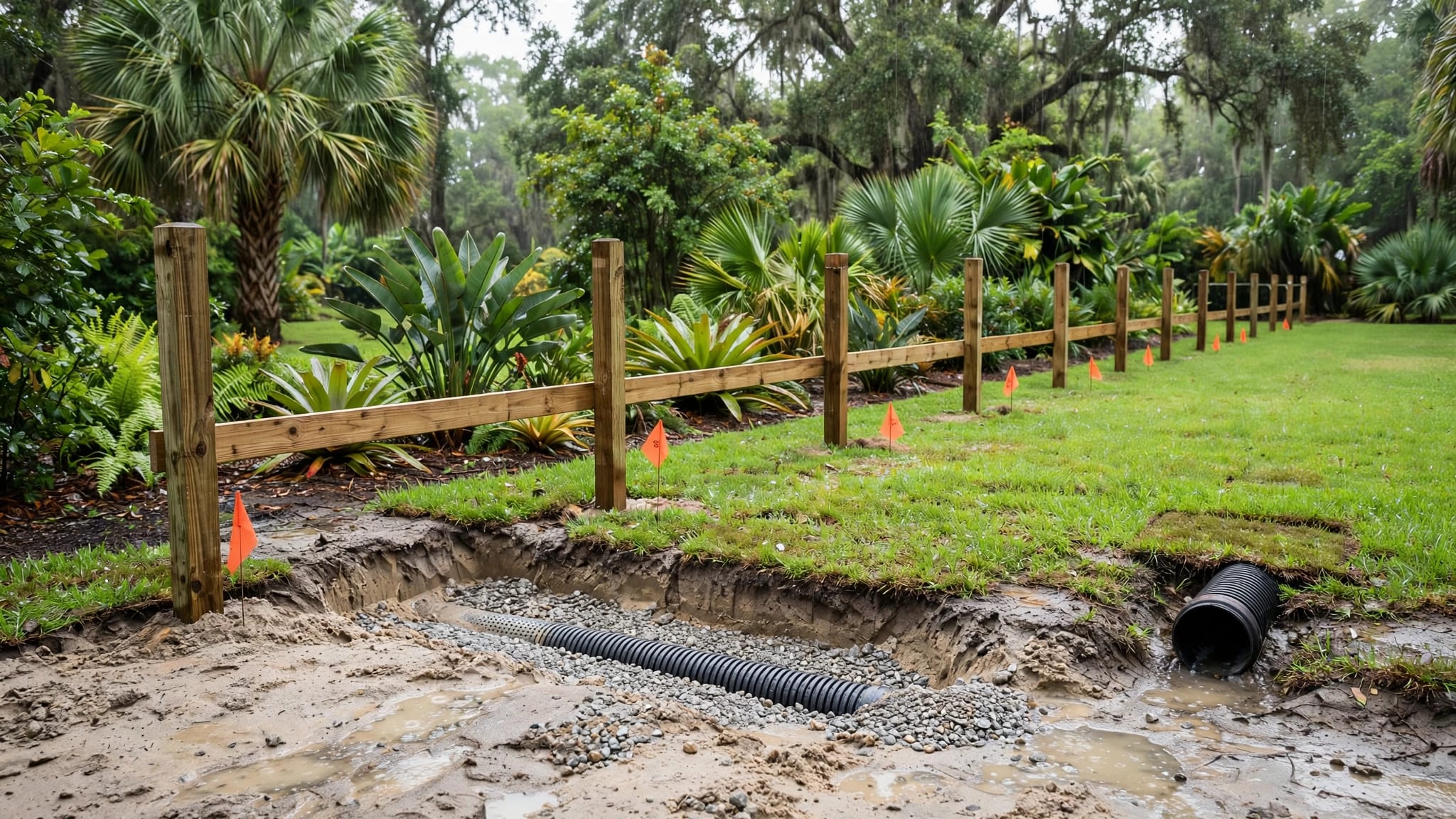
| Near an easement or utility area | Permission may not solve the issue | Utility lines, drainage, recorded easements |
The table tells the real story. A fence inside your lot is mostly a planning and permit issue. A fence on the line becomes a relationship issue too.
If you want to avoid a boundary fight, a current survey is worth the money. It shows where your lot actually ends, which is often different from where a homeowner thinks it ends. Old markers can be missing, and grass lines can fool people.
Many homeowners also leave a small buffer inside their line after the survey is done. That keeps posts, footings, and concrete from crossing over by mistake. It is a practical habit, not a substitute for local rules, but it can save a lot of stress.
Local Permit Rules, Setbacks, and HOA Restrictions
Even when neighbor permission is not required, local rules still matter. Florida gives cities and counties room to set their own fence rules, so the process in Fort Myers may not match the process in Sarasota County or Charlotte County.
That is where many projects slow down. A fence can look fine from the street and still fail a permit review because of height, placement, or a setback requirement. Some places care about front-yard fences more than backyard fences. Others focus on whether the fence blocks visibility near a driveway or corner lot.
If you live in Lee County, a Fort Myers fence permit application guide can help you compare city review rules with the details that often trip up homeowners. For Charlotte County property owners, the Charlotte County fence permit requirements outline the kind of documents and review points that commonly come up.
A few permit issues show up again and again:
- Fence height limits can change by zoning district.
- Front-yard fences often face tighter rules than side or rear fences.
- Pool barriers usually require permits and inspections.
- Some materials need more review than others.
- Gate placement can matter, especially near sidewalks or driveways.
HOA rules can add another layer. An HOA may care about color, style, which side faces out, and whether a fence is allowed at all. Deed restrictions can also limit what you can build, even if the city says the fence itself is fine.
A fence can be legal on your lot and still violate an HOA rule.
That is why you should check local ordinances, permit rules, setback requirements, and deed restrictions before you order materials. The order matters. A fast quote is useful, but a compliant layout saves more time than a cheap start.
How to Avoid Problems Before the First Post Goes In
The best fence projects usually start with paperwork, not posts. A little preparation keeps the job moving and lowers the odds of a neighbor complaint.
- Get a current boundary survey.
A licensed surveyor can show the lot line, easements, and anything else that affects placement. This is the most useful document in the whole process. - Confirm your permit rules.
Check your city or county code before you buy materials. Some places want a permit for nearly every fence, while others only require one for taller fences or special locations. - Review HOA and deed restrictions.
If you live in a community association, read the fence rules before you sign anything with a contractor. A neighbor's opinion does not override the HOA, and the HOA does not override the survey. - Talk to the neighbor anyway.
Even if Florida law does not require permission, a heads-up is smart. Tell them where the fence will go, what it will look like, and when work will start. - Put boundary agreements in writing.
If you want to share costs or place the fence on the line, write it down before the first hole is dug. A handshake agreement can fade fast when repair bills show up later.
A clear, calm conversation can prevent a month of frustration. That is especially true on small lots, corner lots, and properties with old fences that no one agrees on anymore.
When a Fence Contractor Should Step In
A good fence contractor does more than install posts. The right crew helps you avoid setbacks, easement conflicts, and preventable permit mistakes. That matters in Southwest Florida, where city and county rules can change from one address to the next.
Contractors who work with residential fences all the time usually know how to spot trouble early. They look at lot lines, gate placement, drainage, and utility clearance before the first hole is dug. They also know that vinyl, wood, chain link, aluminum, and metal fences can trigger different approval questions.
This is where a licensed and insured local company can save time. If the contractor understands the permit process and asks for a survey up front, you are less likely to end up with a fence that has to be moved later.
It also helps when the contractor is comfortable with neighbor-friendly communication. A simple site visit can settle a lot of questions before they turn into complaints. That is useful whether you are replacing an old fence, building along a side yard, or adding privacy to a new home.
Conclusion
You usually do not need neighbor permission to build a fence in Florida if the fence stays on your own property. The real pressure points are the boundary line, local permit rules, and any HOA or deed restrictions tied to your home.
A survey, a quick check with the city or county, and a written agreement for shared fences can prevent most problems before they start. If the line is unclear, pause and confirm it first. This article is general information, not legal advice.