Horizontal Fences for Florida Homes: Fit, Materials, and Care
A horizontal fence can make a Florida yard feel wider, cleaner, and more current. It can also turn into a constant repair project if the wrong material meets heat, humidity, salt air, and summer storms.
For many homeowners, horizontal fences are a good fit, but only when the design matches the climate. The style works best when you plan for sun, moisture, wind, termites, and coastal exposure from the start.
Key Takeaways
- Horizontal fences can look great in Florida, but structure matters as much as style .
- Wood gives the warmest look, yet it needs the most care in humid, termite-prone areas.
- Aluminum and other metal designs handle wind and salt better than many wood builds.
- Solid, tall panels catch more wind, so spacing and post depth matter in storm season.
- Regular cleaning, hardware checks, and sealing keep a fence looking straight longer.
Why Horizontal Fences Appeal to Florida Homeowners
Horizontal lines change how a yard feels. They draw the eye across the property, which can make a narrow backyard look broader. That is one reason the style shows up so often in modern Florida neighborhoods.
The look also works well when you want privacy without a heavy, closed-in feel. A horizontal layout can use tighter spacing near the house and a lighter, airier pattern near the edges. That balance matters in Southwest Florida, where outdoor living spaces often connect directly to patios, pools, and screened areas.
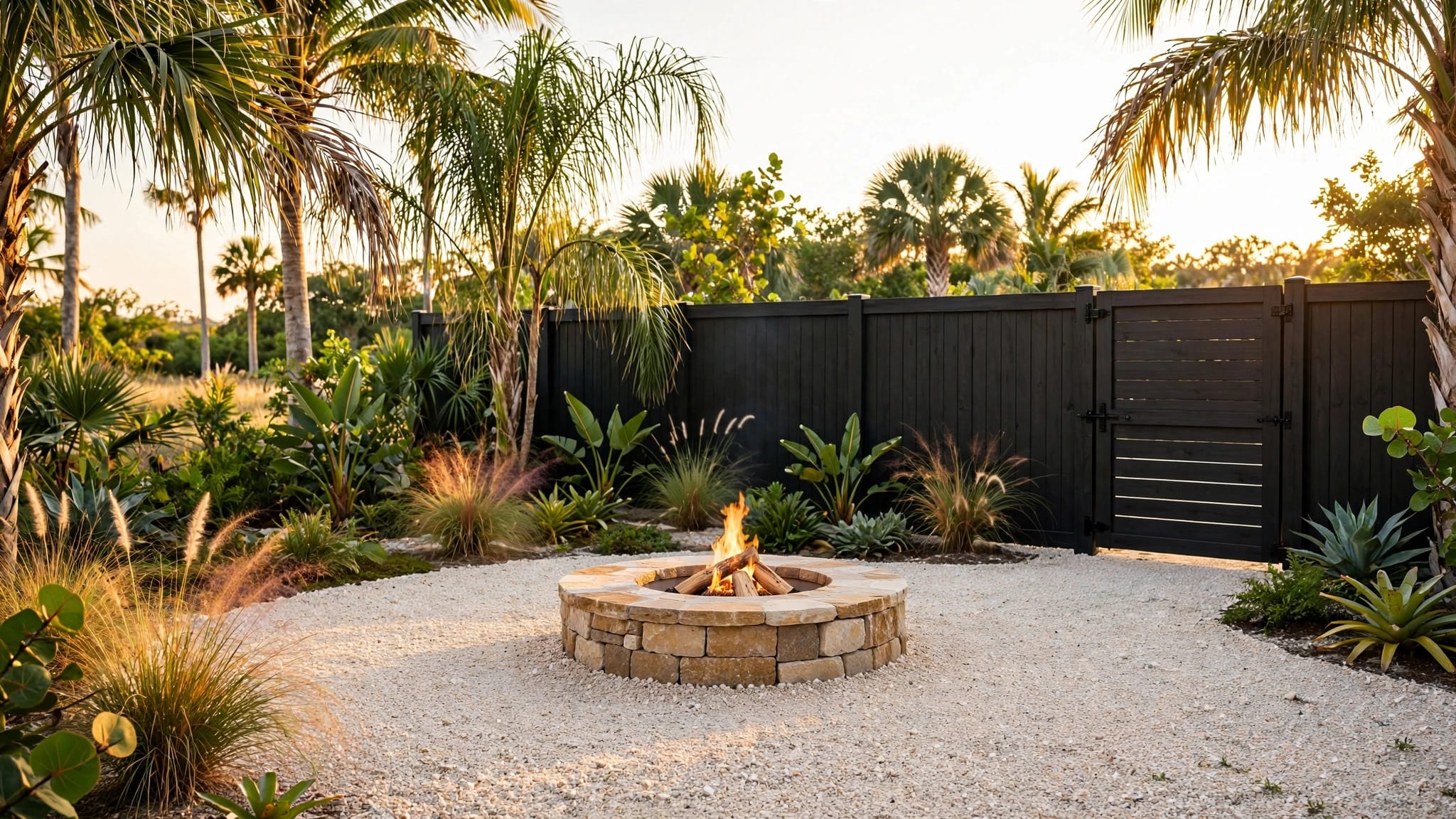
Horizontal fences in Florida also pair nicely with clean architecture. A simple board pattern can complement stucco homes, lanai spaces, and updated landscaping without pulling attention away from the rest of the property.
The drawback is easy to miss until installation starts. Long horizontal lines make every wave, bow, or uneven post more obvious. If the fence is out of square, you will see it fast.
How Florida Weather Changes the Equation
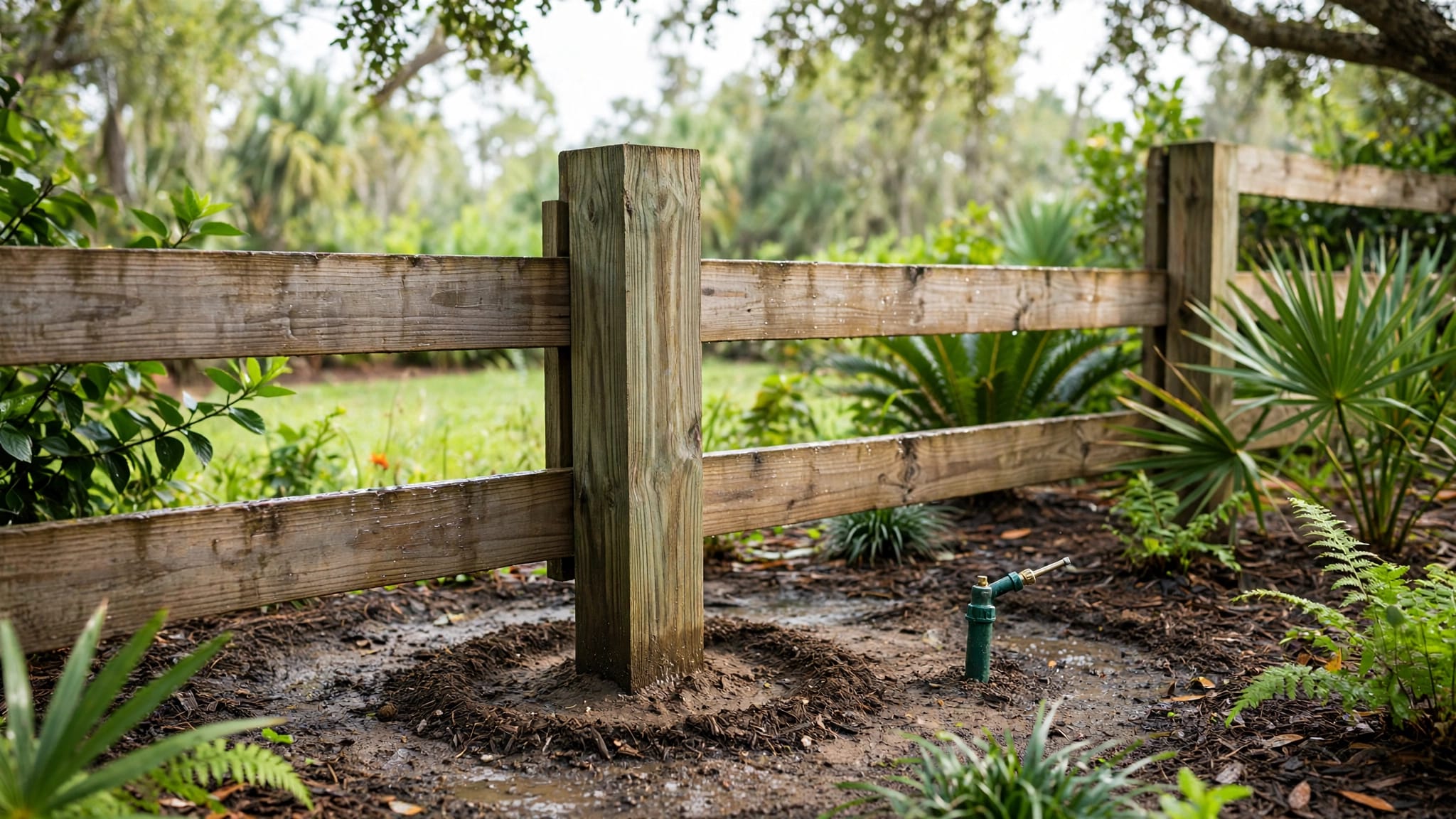
Florida weather is hard on fences because it stacks several stressors at once. Moisture comes first. High humidity, rain, and sprinklers can keep boards wet longer than they should stay wet, which leads to mildew, swelling, and rot in wood.
Then comes the sun. Strong UV exposure fades finishes, dries out wood, and can make lower-grade vinyl look tired sooner. Heat also makes some materials expand and contract, so a fence that looks perfect in the morning can move a little by afternoon.
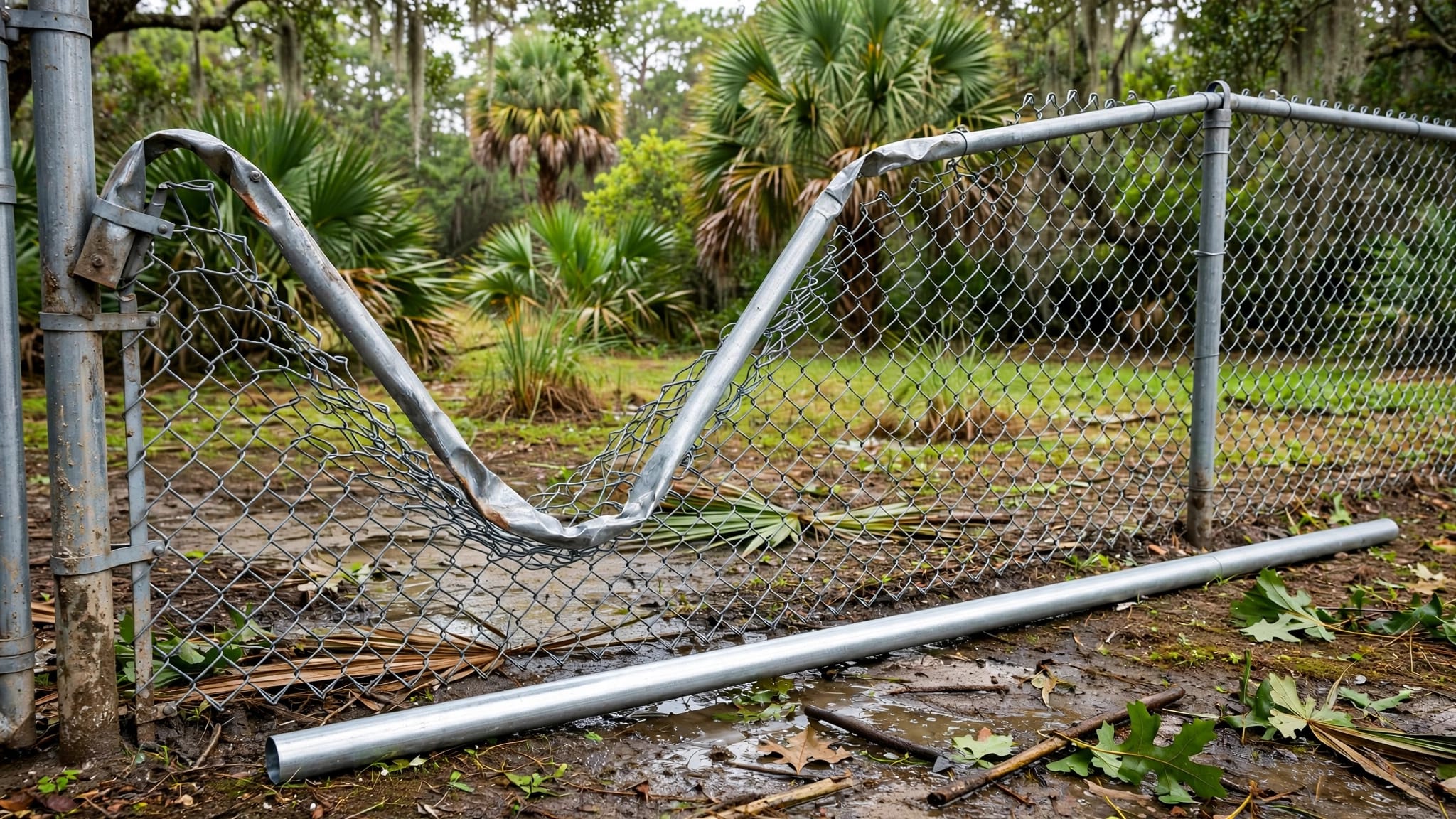
Wind is the next issue. A solid fence can act like a sail, especially when panels are tall and tightly built. That is why post strength, spacing, and anchoring matter so much in storm-prone areas.
Termites matter too. Any design that uses wood needs to account for termite pressure, especially near soil lines and damp corners. Coastal homes add one more layer, since salt air can corrode standard hardware faster than inland conditions.
The fence that looks best on day one is not always the one that handles August heat and September storms.
A good horizontal fence in Florida has to dry out quickly, resist corrosion, and stay anchored when the weather turns rough.
Which Materials Work Best for Horizontal Fences
Material choice often decides whether a horizontal fence becomes a long-term asset or a maintenance chore. Here is a simple comparison.
| Material | Florida strengths | Common drawbacks | Best use |
|---|---|---|---|
| Wood | Warm look, easy to customize | Rot, warping, termites, regular upkeep | Backyard privacy with ongoing care |
| Vinyl | Easy to clean, moisture-friendly | Expansion, brittle spots, lower-end flex | Low-maintenance yards with strong framing |
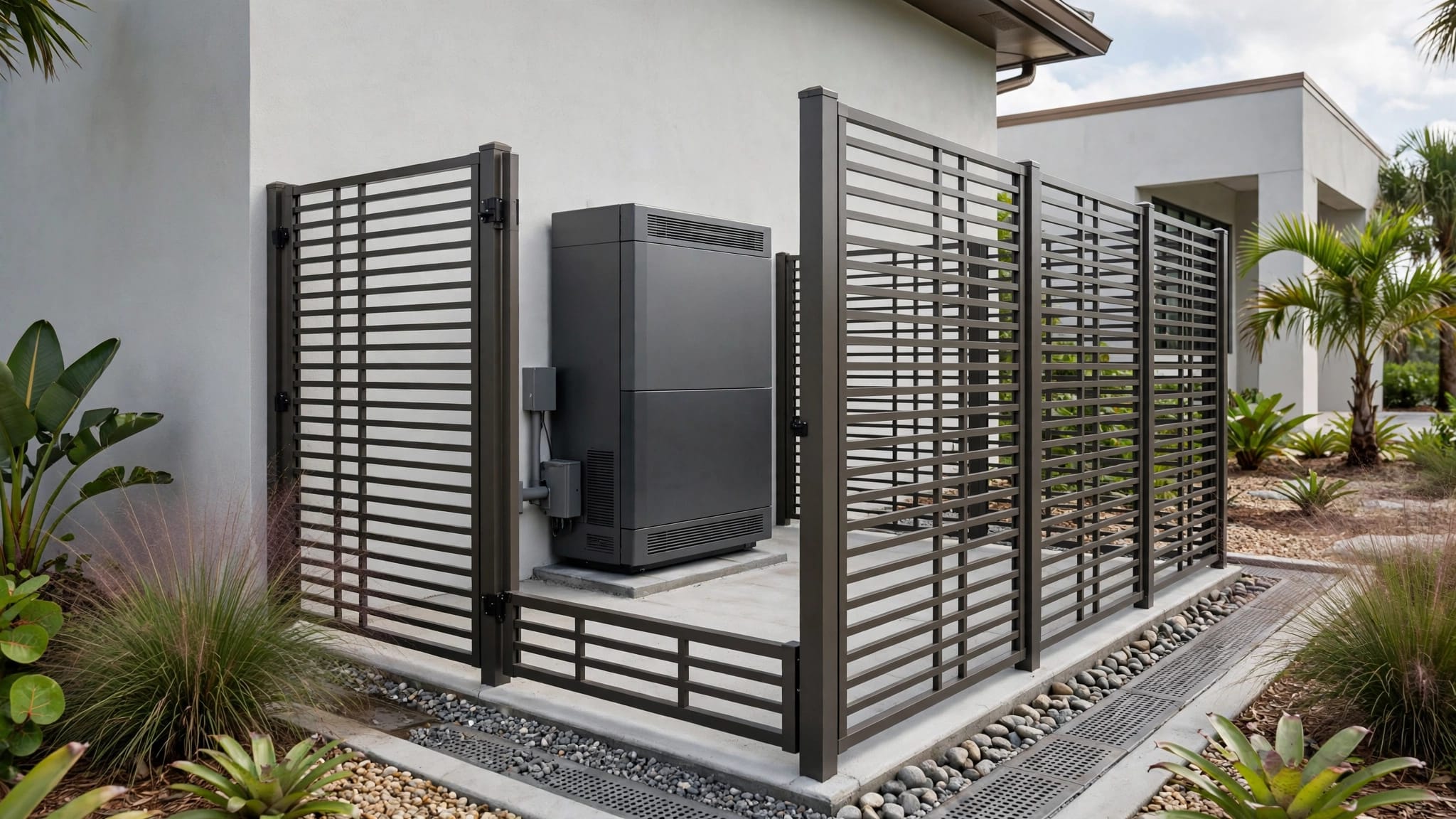
| Aluminum or metal | Handles wind and salt better than wood | Less privacy, fewer solid panels | Open modern designs and coastal properties |
| Composite | Stable look, good privacy | Higher cost, needs solid support | Premium projects with a larger budget |
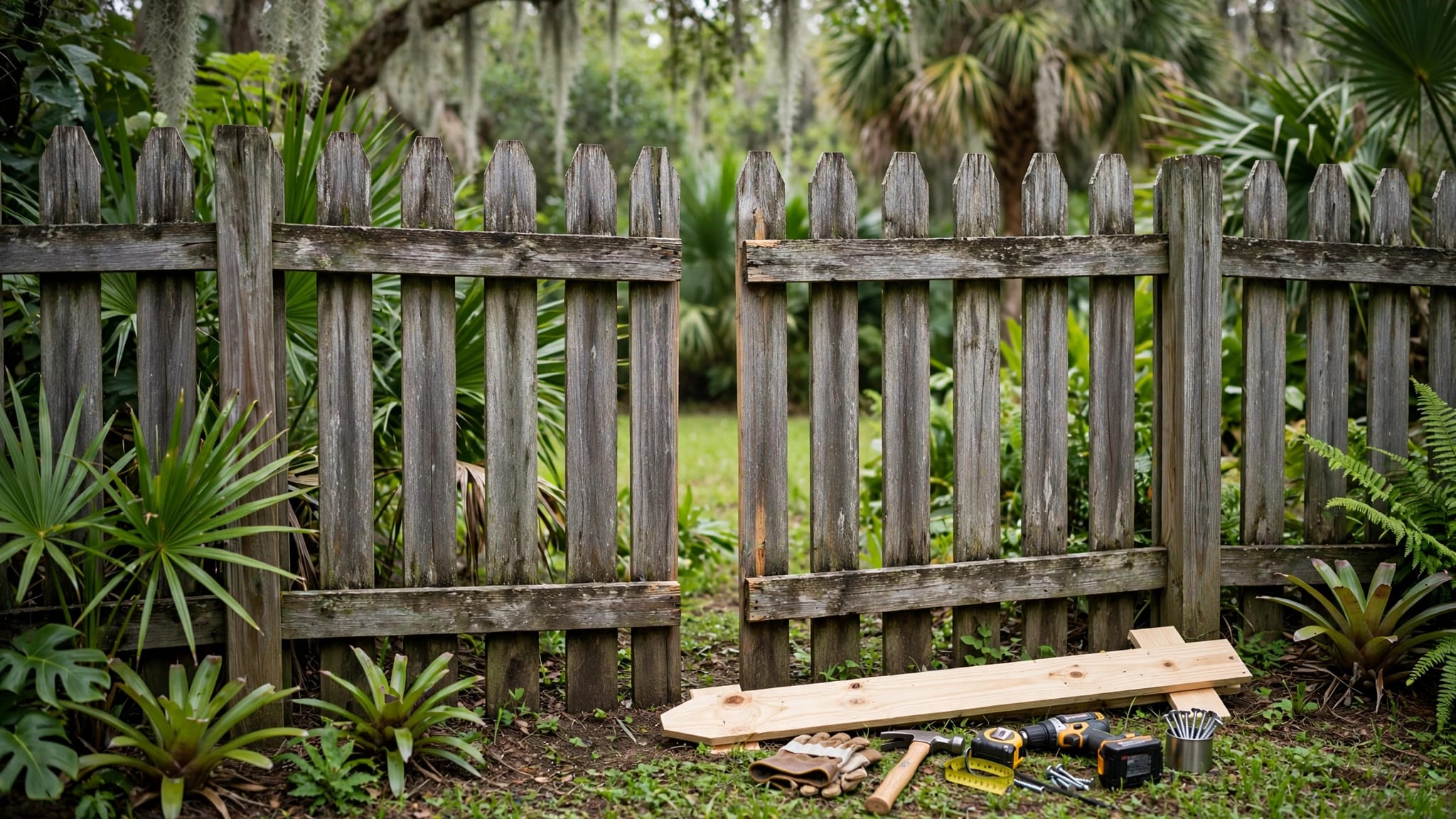
Wood still wins on character. It looks natural, and it can fit almost any home style. If wood is your first choice, extending wood fence lifespan in Florida starts with drainage, quality fasteners, and a finish that gets refreshed before the boards dry out.
Vinyl is easier to live with, but not all vinyl is equal. Low-grade products can sag or look wavy when spans are too long. In Florida heat, that matters. A stronger frame and good post spacing make a big difference.
Aluminum is often the easiest match for wind and coastal conditions. It does not give full privacy, but it handles moisture well and keeps a crisp look with less fuss. Composite can work nicely too, especially when privacy is a priority and the budget allows for stronger support.
Design Choices That Help a Horizontal Fence Last
The best materials can still fail if the layout is weak. Horizontal fences need a support system that can handle movement, weight, and weather.
Board spacing is one of the most important choices. Tight, solid boards give privacy, but they also catch more wind and hold moisture longer. Small gaps can help the fence breathe and dry out faster. That is useful in humid air, and it can reduce the chance of warping.
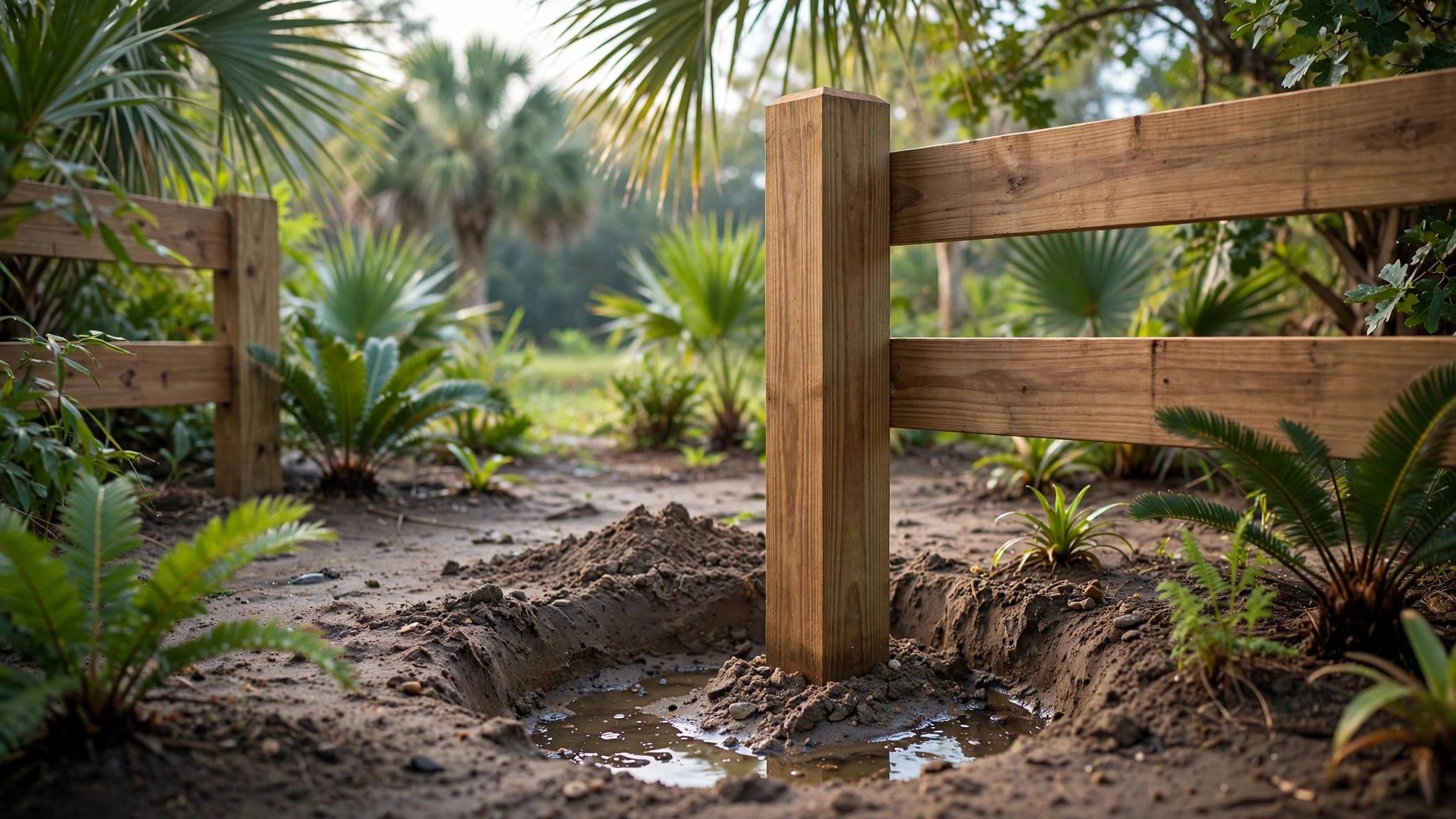
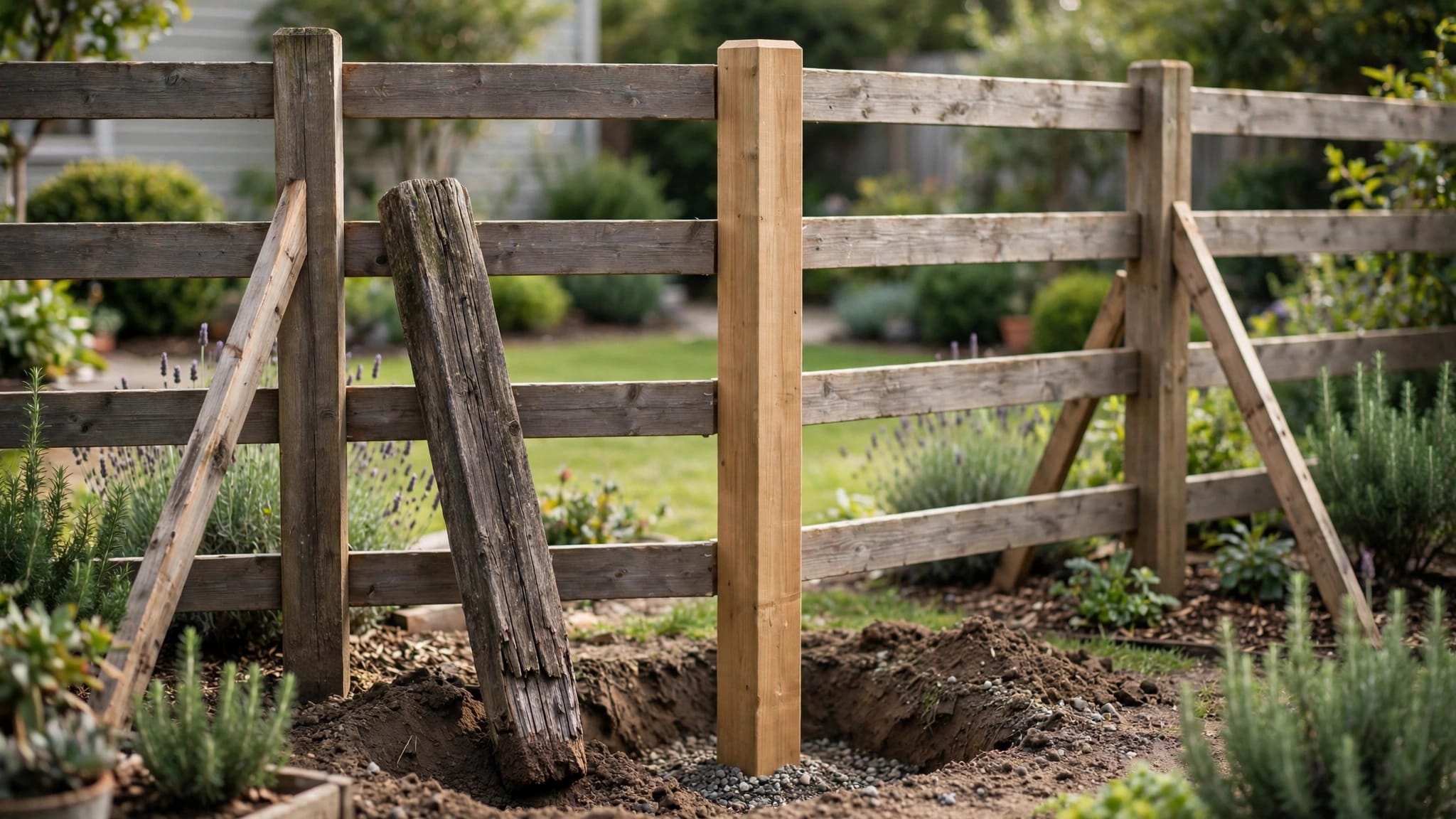
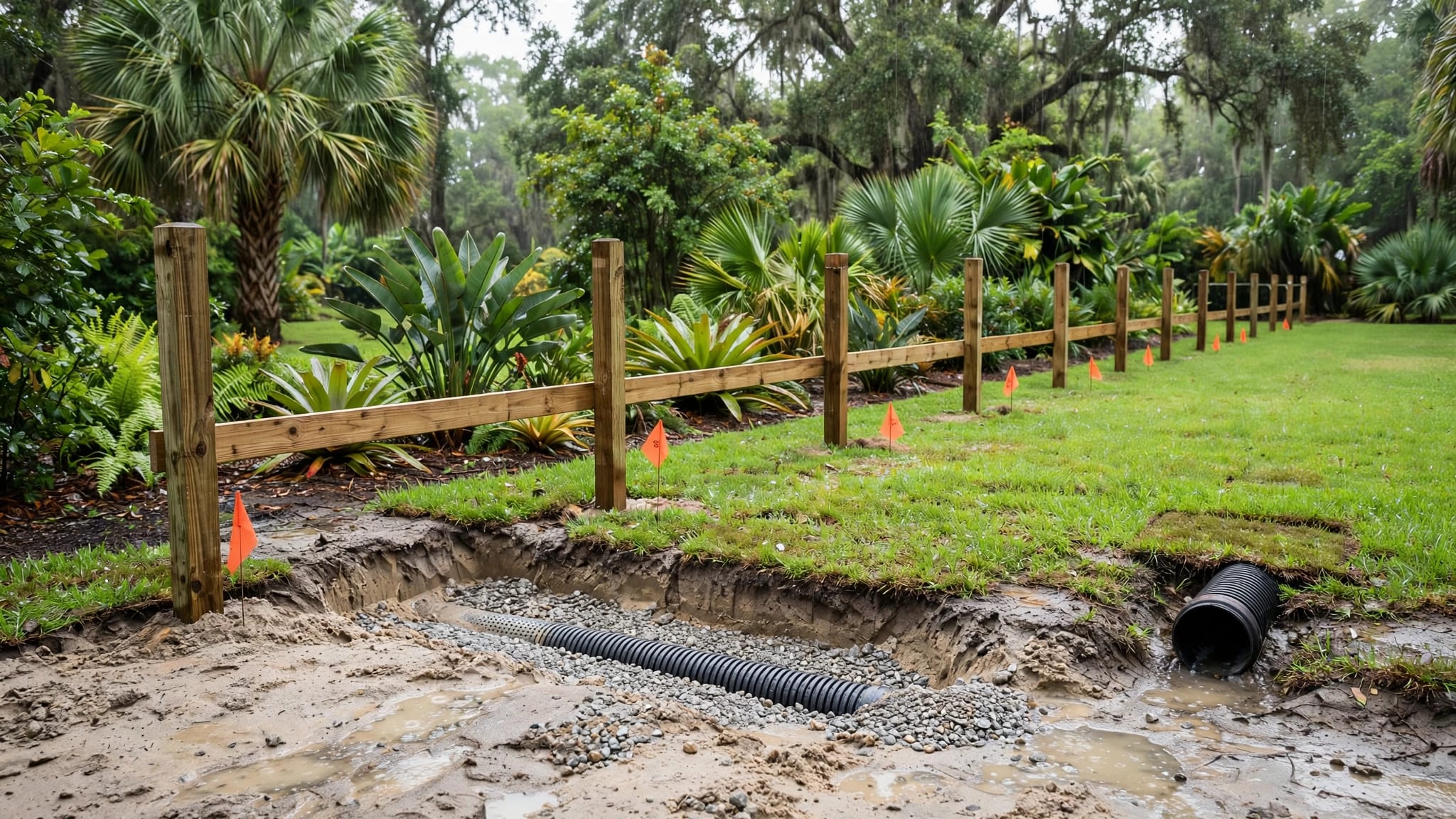
Post depth matters just as much. A fence with shallow or poorly set posts may lean after a storm or develop a slow bow over time. On exposed lots, stronger posts and careful footing design are worth the extra effort.
Fasteners matter too. Coastal air can chew through cheap hardware. Stainless steel or hot-dip galvanized fasteners usually hold up better near salt water. Gates need extra reinforcement, since they take more abuse than the rest of the fence line.
Uneven ground can also create problems. Horizontal lines show slope more clearly than vertical styles do, so a yard with grade changes may need stepped sections or a custom layout to stay neat.
In coastal yards, the hidden structure matters as much as the face of the fence.
Maintenance Habits That Keep the Fence Straight
A fence does not need constant attention, but it does need regular checks. Salt spray, mildew, and loose fasteners build up faster in Southwest Florida than many homeowners expect.
Start with cleaning. A gentle rinse removes dirt, pollen, and salt. For wood and vinyl, mild soap and water often do the job. For metal, a rinse after storms can help protect the coating and the hardware.
Then inspect the small parts. Look at brackets, screws, hinges, and post bases. If a gate starts dragging, fix it early. A small alignment issue can turn into a bigger one if the hinge keeps pulling on the frame.
Wood deserves special attention near the ground. Check for soft spots, split ends, and termite activity. If the fence sits near sprinklers, adjust the spray pattern so one side is not soaked every day.
A fence maintenance schedule by material helps you keep track of monthly, seasonal, and yearly upkeep without guessing. That is especially useful if your property combines different fence types.
For wood, resealing every few years is often part of the plan. For vinyl, the goal is usually cleaning and inspection. For metal, focus on coating damage and rust at the joints.
When a Horizontal Fence Is the Right Choice
A horizontal fence is a strong choice when you want a modern look, a little privacy, and a layout that suits the home's style. It works best on properties where drainage is decent, airflow is good, and the fence does not face the worst wind exposure head-on.
It may be a poor fit for a very exposed waterfront lot, a tall privacy wall, or a homeowner who wants almost zero maintenance. In those cases, a more open metal design or a different fence style may make more sense.
For many Florida homes, the answer comes down to balance. If the material matches the climate and the build is solid, the style can look sharp for years. If the design ignores wind, moisture, and salt, it can wear out fast.
Conclusion
Horizontal fences can work well for Florida homes, but the climate decides whether they stay attractive or turn into a repair list. Strong posts, smart spacing, and the right material make the biggest difference.
If you want the clean look without constant trouble, match the fence to the yard, the weather, and the amount of upkeep you're willing to handle. In Florida, that is what keeps a good-looking fence standing straight.