How to Choose a Fence for a Southwest Florida Office
For most Southwest Florida office properties, the right fence combines an open, welcoming frontage with screening where privacy matters. Choosing commercial fencing in Southwest Florida starts with your property's daily use , coastal exposure, and local development rules.
An attractive fence can still create problems if it blocks driveway views or makes deliveries awkward. Start by deciding what each part of your property needs, rather than choosing one material for the entire perimeter.
Match the fence to how your office operates
Protect access without hiding activity
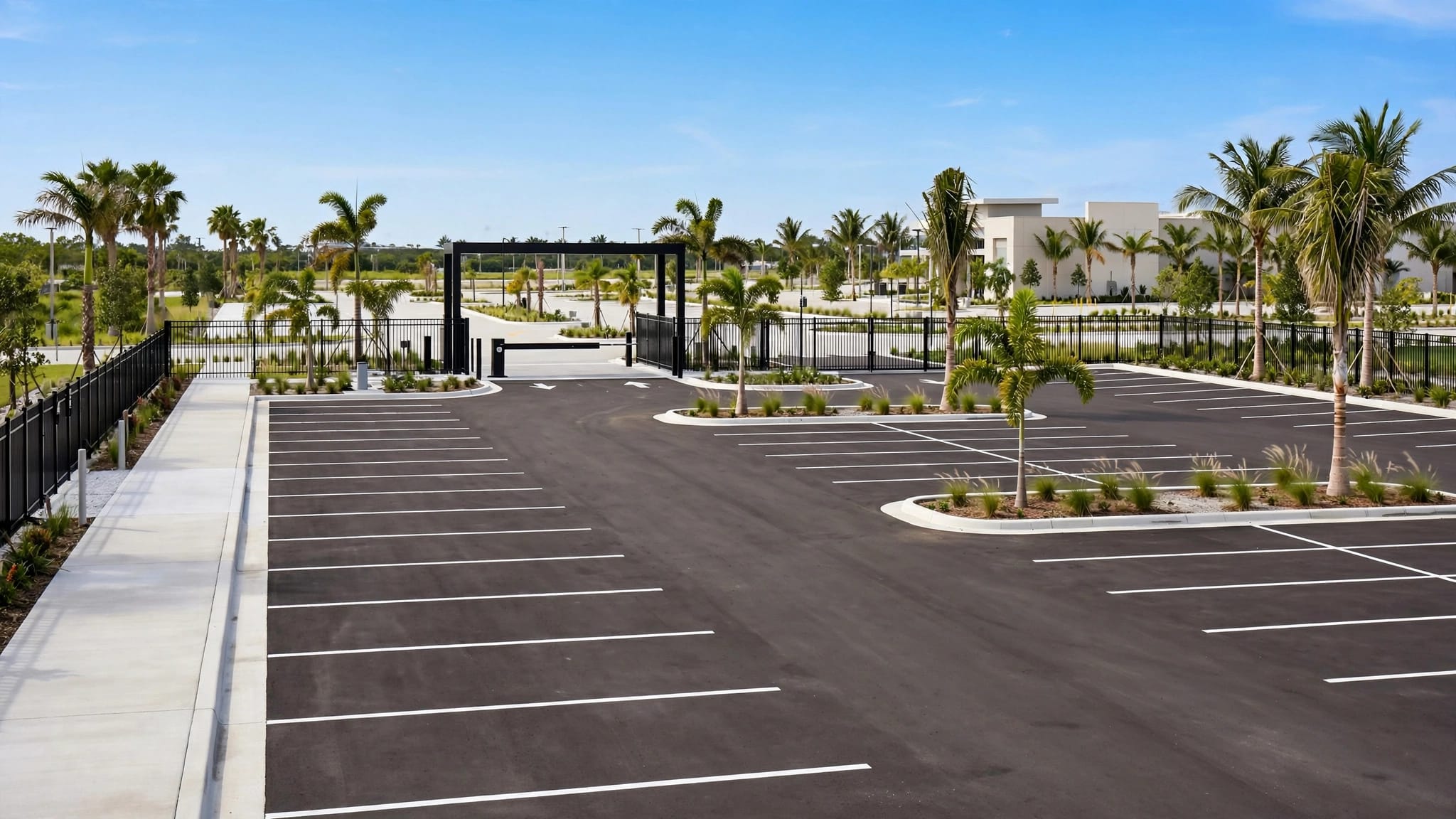
Security starts with controlling where people and vehicles enter. An open fence can define employee parking and discourage shortcuts while preserving views across the property. That visibility also helps staff see approaching visitors.
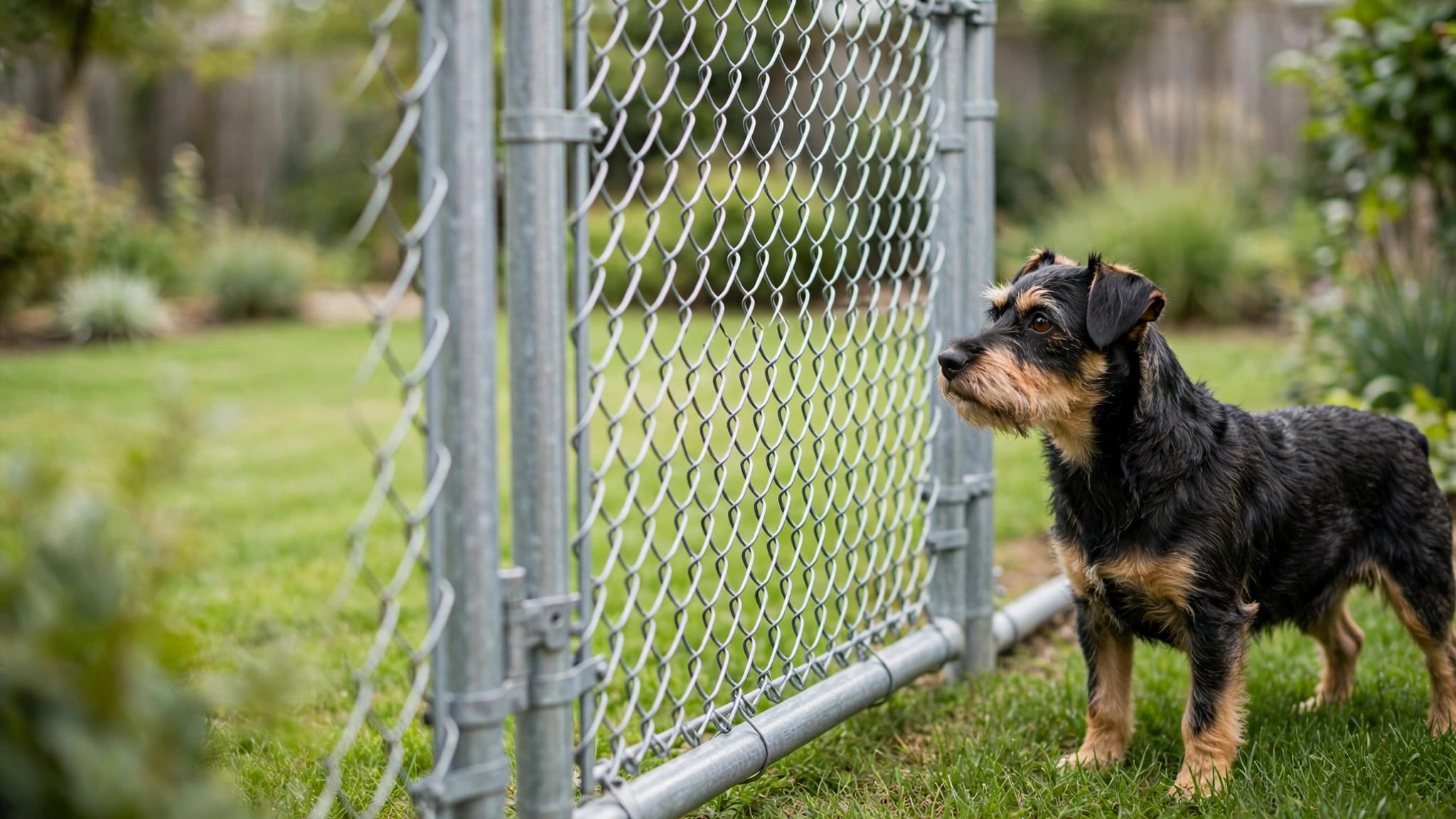
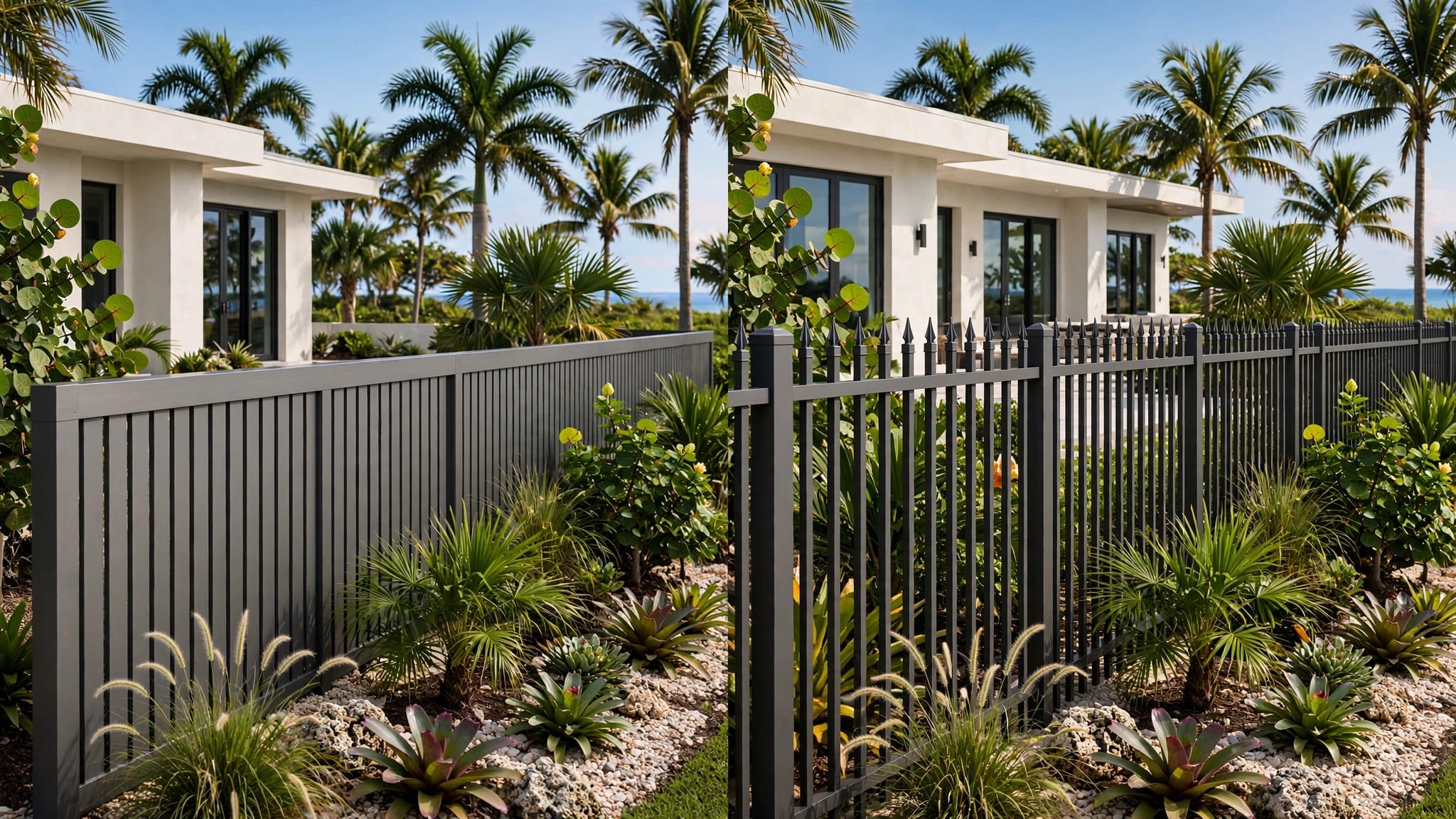
Aluminum pickets suit prominent office frontage. Chain link often makes more sense along service areas or a long rear boundary. However, neither material replaces good lighting, gate management, or a clear visitor entrance. Fence height and gate placement should support those measures.
Put privacy where it helps
Solid fencing suits employee break areas, trash enclosures, and locations facing neighboring homes. Vinyl privacy panels or wood boards can screen these spaces without enclosing the entire office.
At driveways, however, visibility takes priority. A solid fence near an exit can hide pedestrians or approaching vehicles. A mixed layout often works well: open fencing near entrances, targeted screening behind the building, and separate access for deliveries.
Compare commercial fencing materials by tradeoff
Appearance matters, but it shouldn't outweigh maintenance or access needs. These common materials serve different office priorities.
| Material | Useful office applications | Main tradeoff |
|---|---|---|
| Aluminum | Street frontage and visible parking boundaries | Open pickets provide little visual screening. |
| Chain link | Long boundaries, equipment areas, and service yards | Its utilitarian appearance may not suit the main entrance. |
| Vinyl/PVC | Break areas and privacy screening | Solid panels need careful structural and gate planning. |
| Wood | Custom screening and properties with natural finishes | Boards and finishes require recurring upkeep. |
The strongest choice may combine materials rather than repeat one design everywhere.
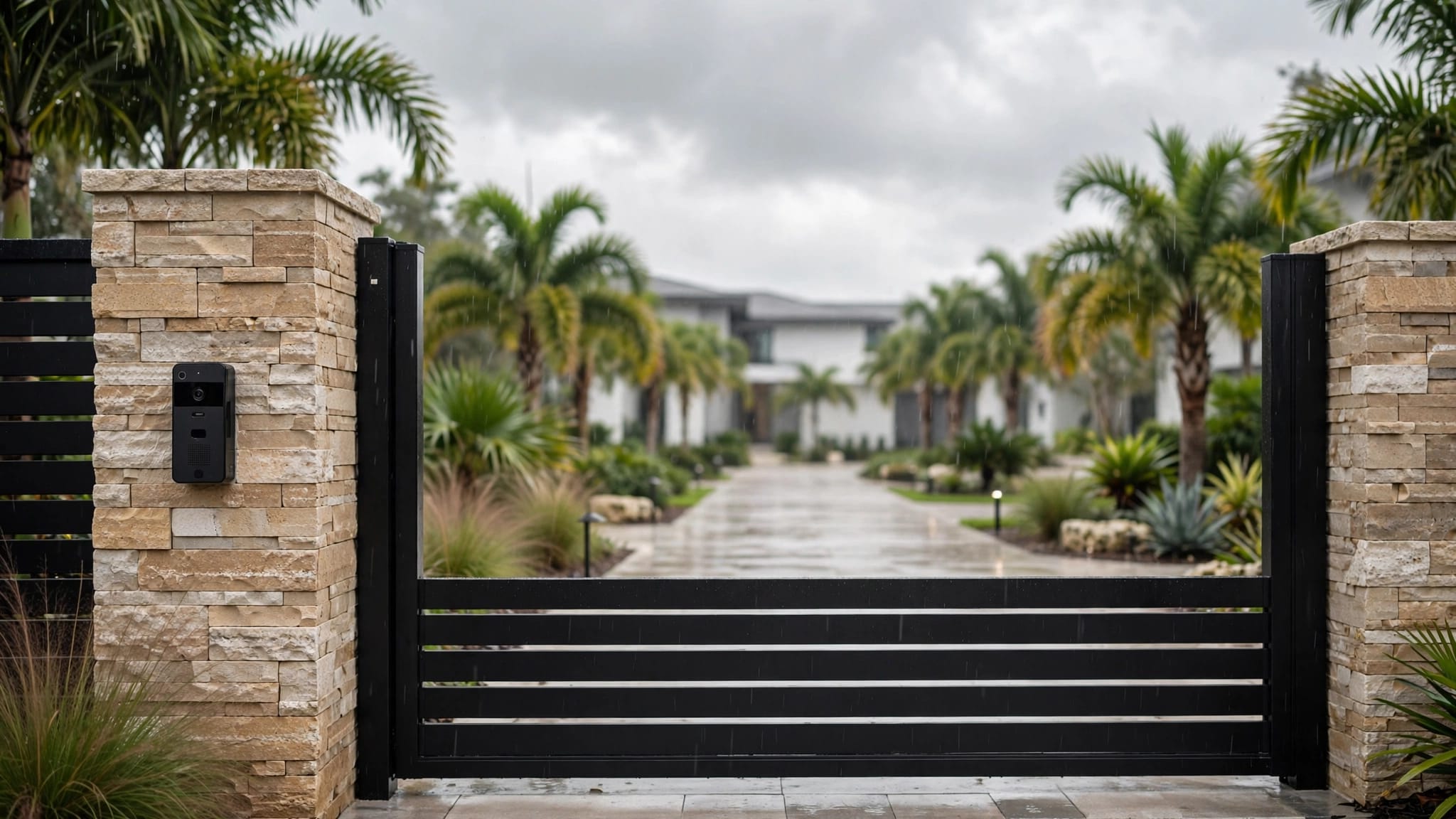
Aluminum offers a tidy appearance that pairs well with professional buildings. Black-coated chain link creates a less prominent boundary than bright galvanized mesh, although the framework and gates still affect its appearance.
Vinyl provides consistent panel styling without painting. Wood allows custom board arrangements and stain colors, but that flexibility brings maintenance responsibilities.
Our fence materials and installation services include these options. For an office property, coordinating fence color with window frames, railings, or building trim helps the boundary feel intentional. Keep entrance sections visually simple so they don't compete with monument signs or visitor directions.
Account for salt air, humidity, and upkeep
Specify the complete metal system
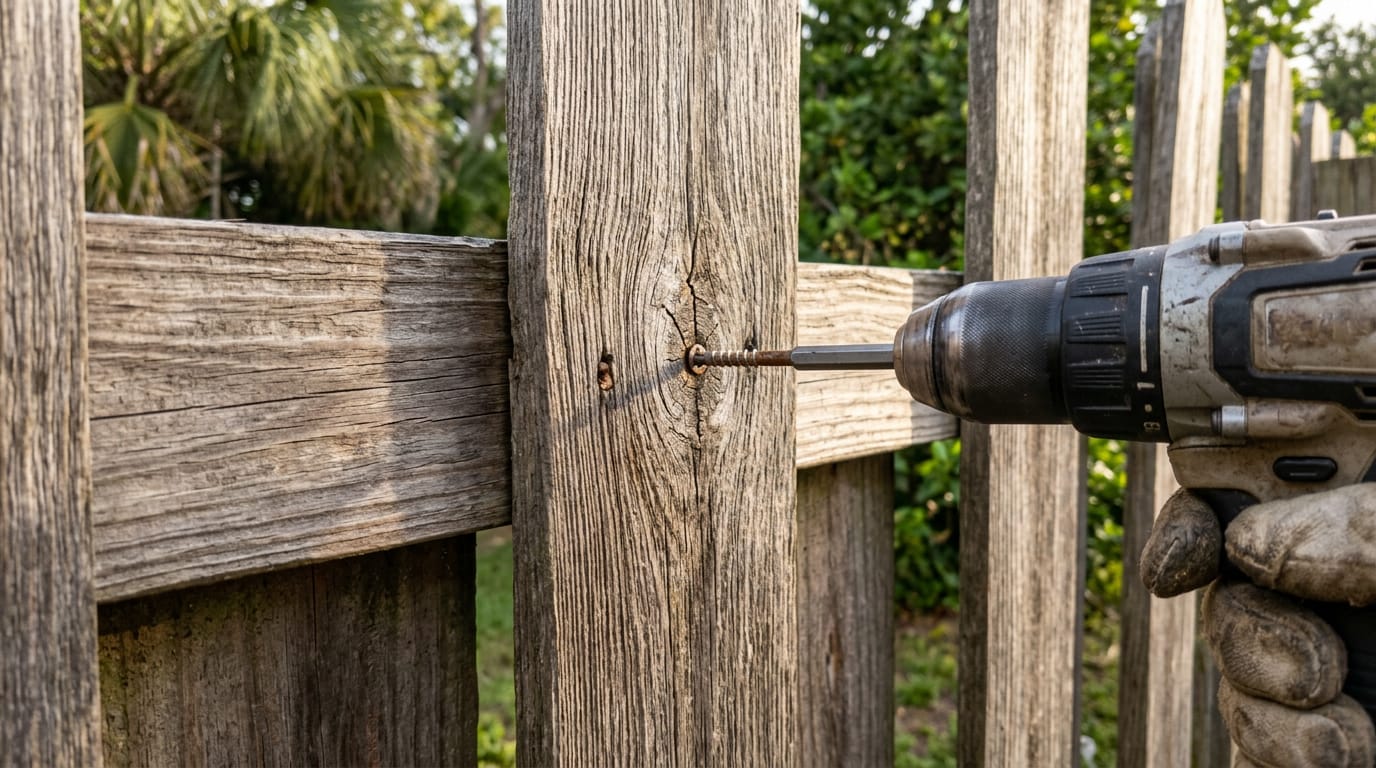
Coastal exposure affects more than the visible panels. Hinges, latches, fasteners, gate frames, and chain-link fittings all deserve attention because corrosion can start at those smaller components.
For aluminum, include finish care and hardware inspection in the maintenance plan. Near the coast, regular freshwater rinsing removes salt deposits. Coated chain link also needs attention at damaged areas and connections.
The proposal should identify coating and hardware details. A general description such as "metal fence" leaves too much uncertainty about what you're buying.
Plan for cleaning and organic growth
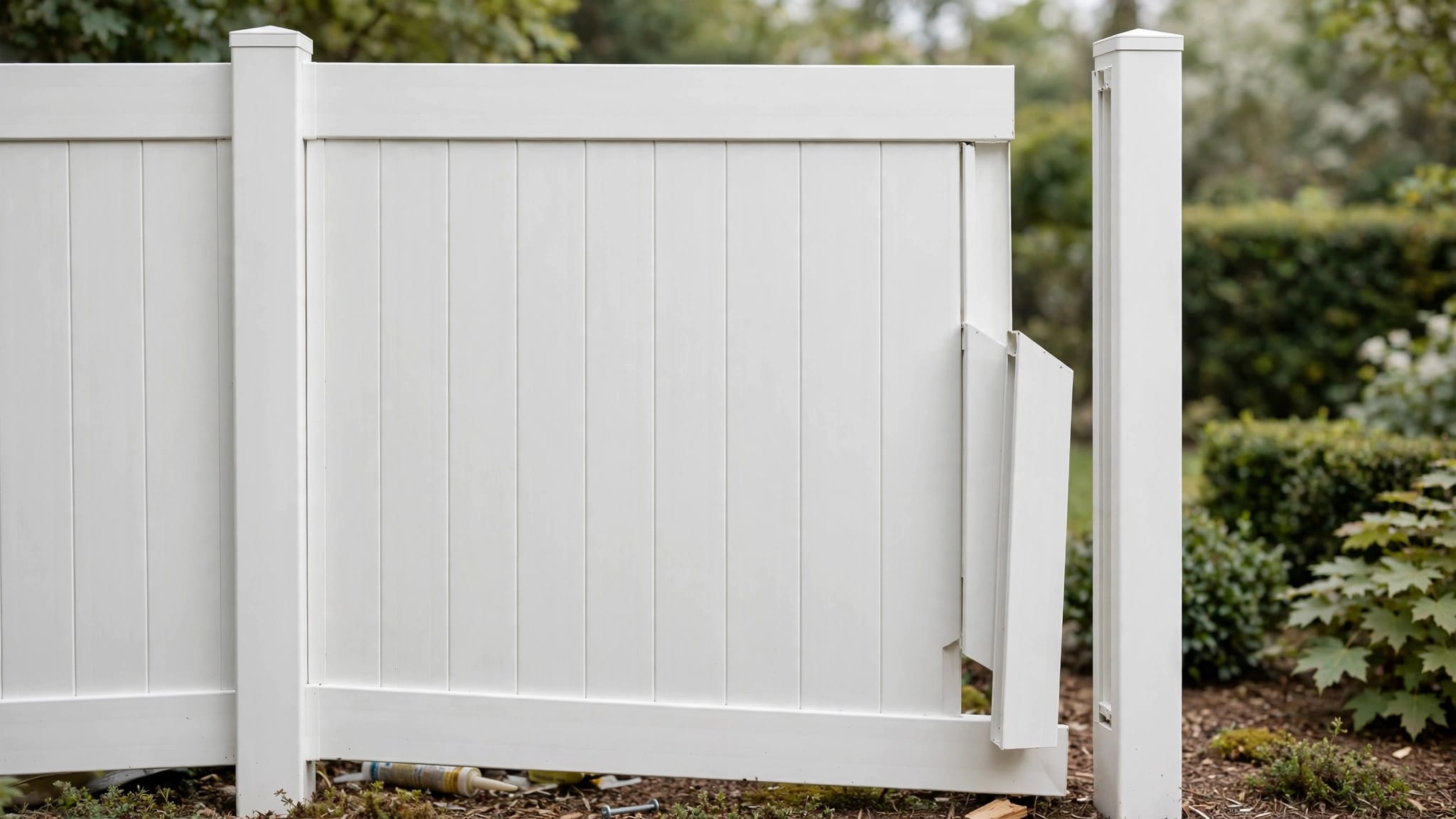
Humidity encourages surface growth, particularly where landscaping keeps fencing shaded or damp. Vinyl still needs cleaning, even though it doesn't require the same finish maintenance as wood.
Master Halco's product catalog describes PVC fencing as low-maintenance and cleanable with water. It also identifies sanding, painting, staining or sealing, and damaged-board repairs as wood upkeep.
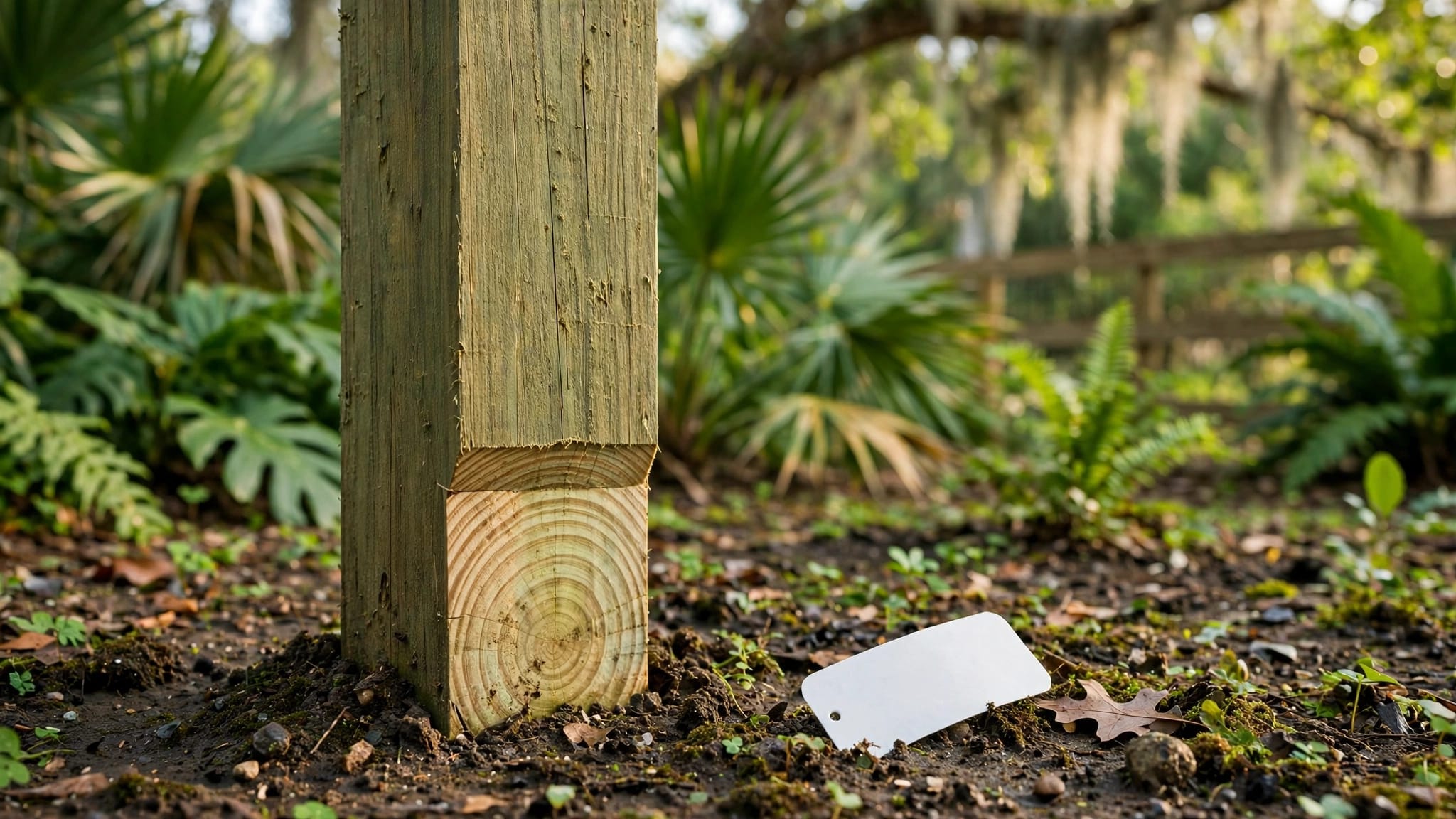
For wood, budget for finish renewal and occasional board replacement. Keep sprinklers from repeatedly soaking the fence, and leave enough room beside landscaping for cleaning and repairs.
Treat storm performance as a design issue
A fence's storm performance depends on the installed system. Posts, spacing, foundations, panel connections, and gate construction all affect how loads move through it.
Solid screening presents more surface to wind than an open design. Because of that, adding privacy slats or fabric to an existing open fence changes its exposure. Treat those additions as design changes rather than simple decorative accessories.
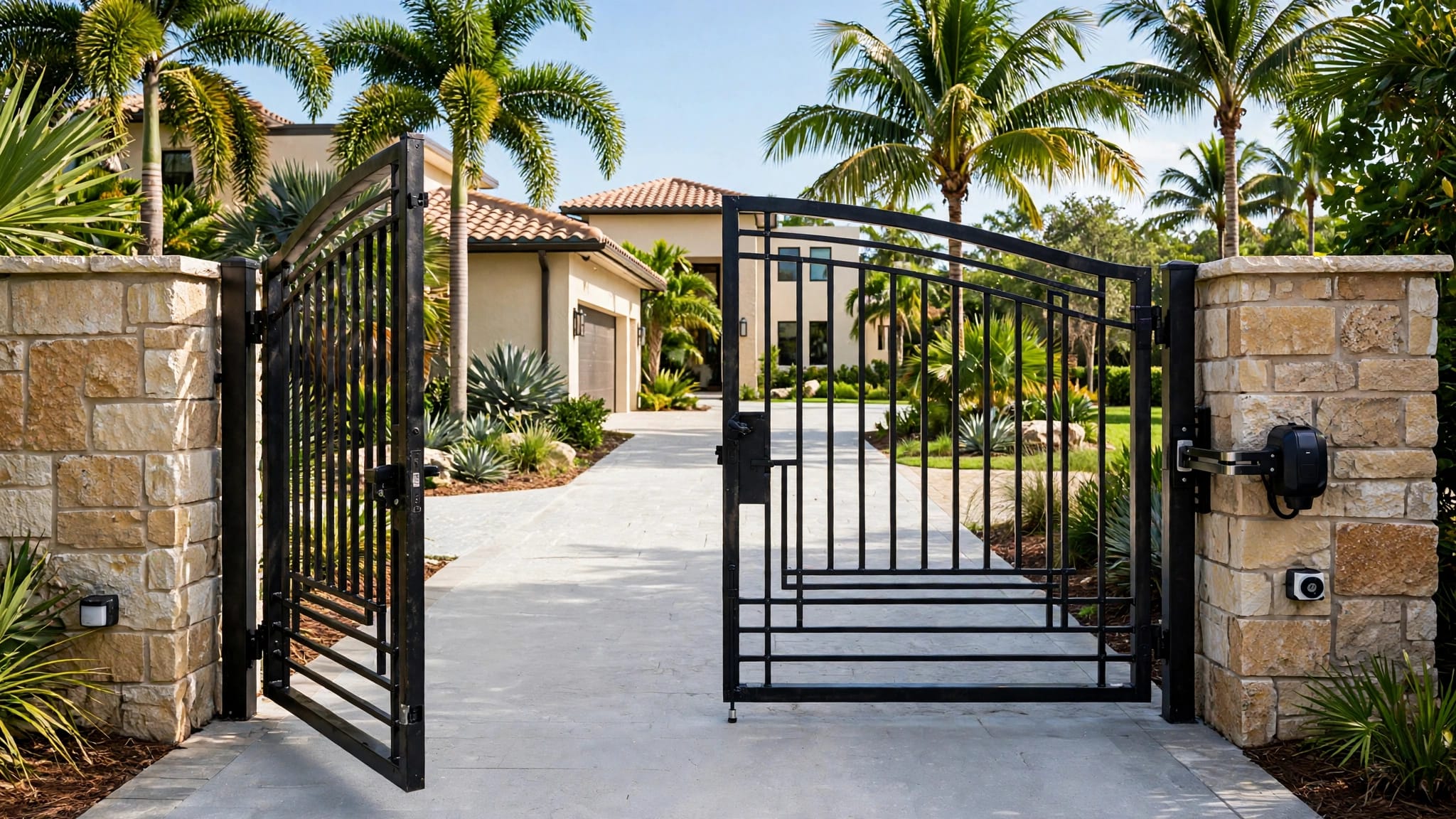
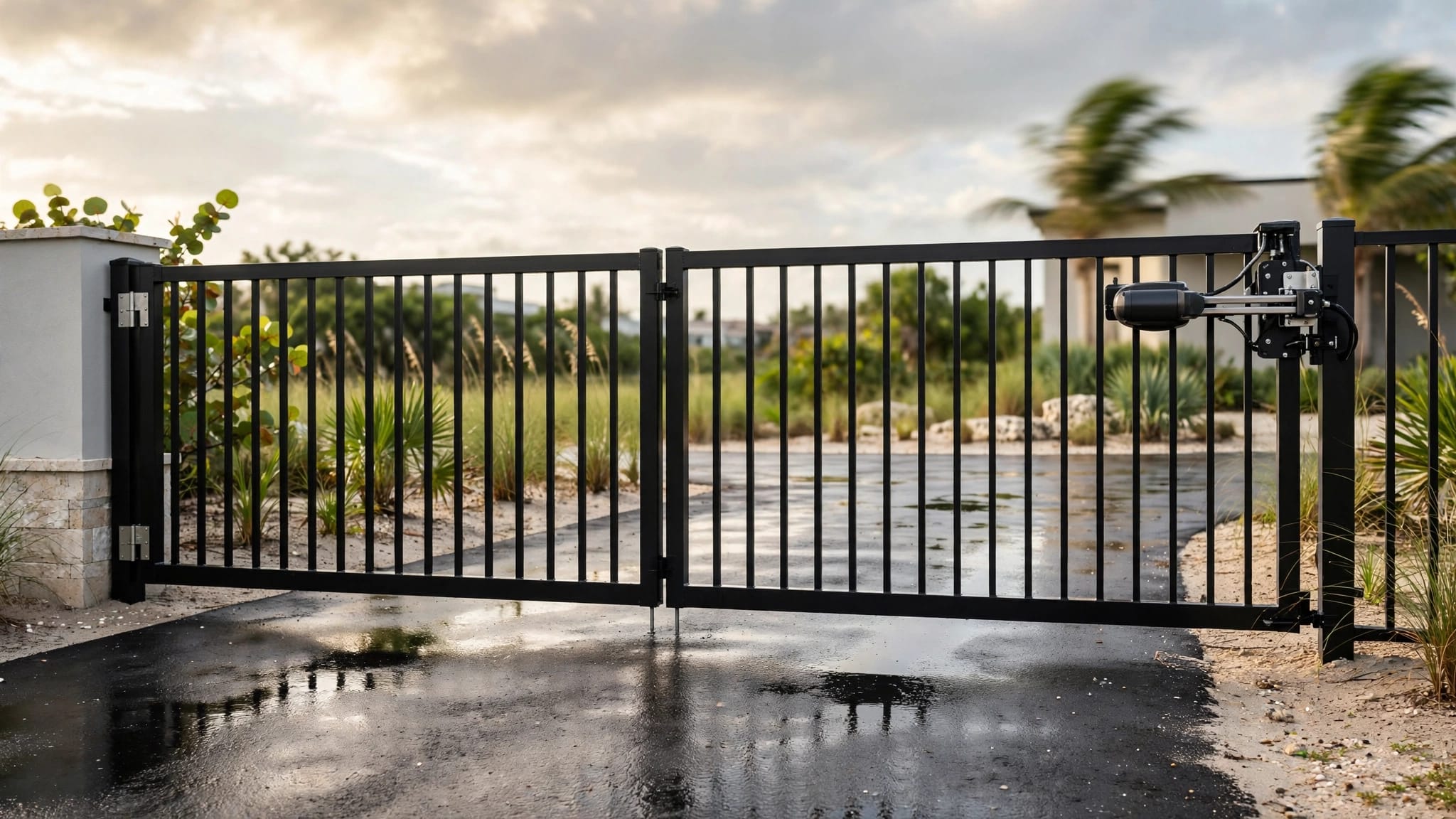
Wide gates deserve particular attention because their weight and wind exposure place demands on hinges, posts, and operators. Include gate framing and support details in the original scope.
Adding privacy material changes how an open fence handles wind. Include the screening in the original design rather than treating it as an accessory.
For exposed sites or unusual layouts, a licensed design professional can address structural requirements. Also, keep trees and stored materials away from fence lines where they could strike panels during a storm.
Design gates around daily access
Separate visitor and service movements
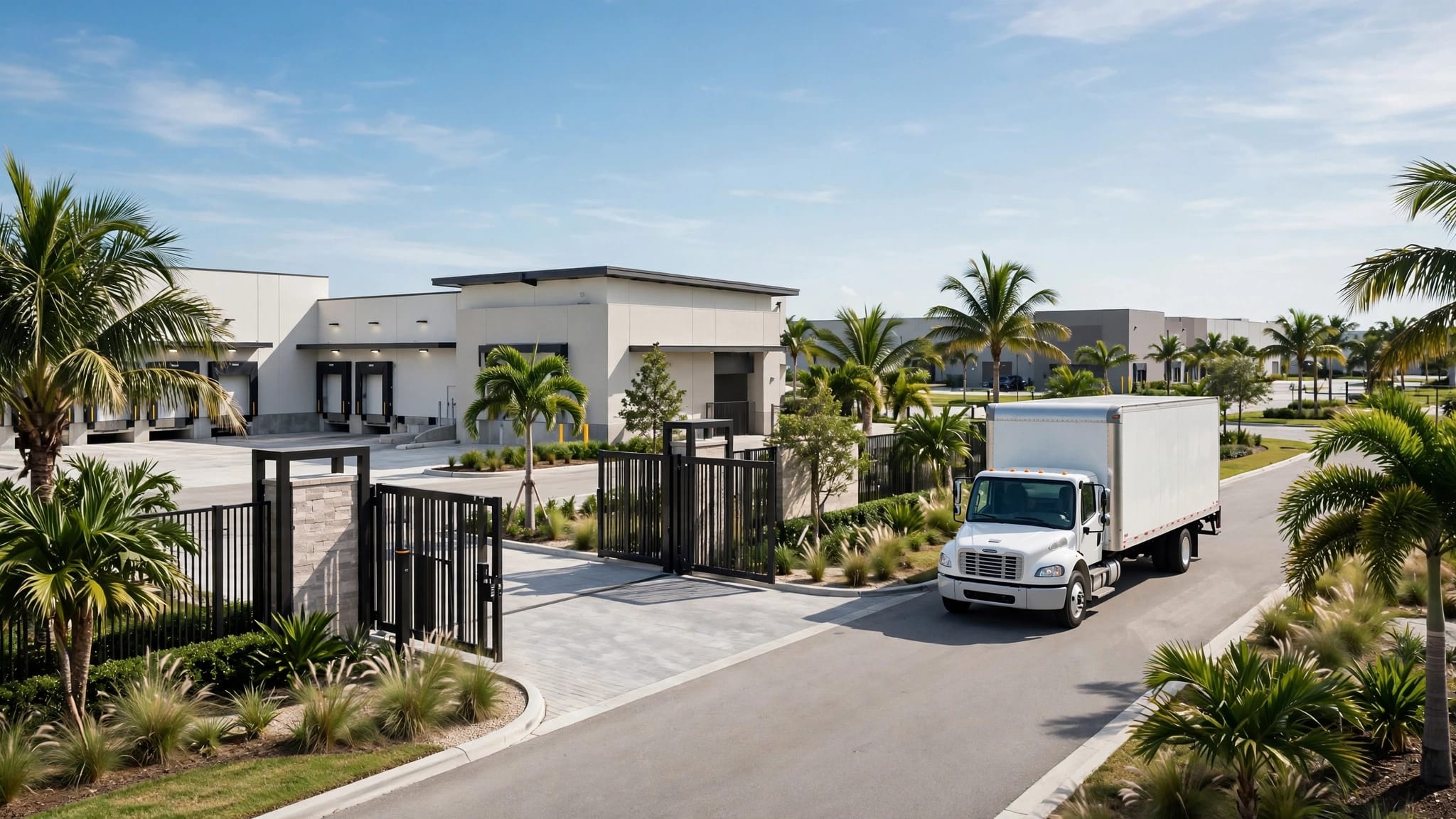
Locate gates around actual traffic patterns. Employees, visitors, delivery vehicles, and maintenance crews don't always need the same entrance.
A pedestrian gate should connect naturally with the walkway. Meanwhile, a vehicle gate needs room for drivers to approach without blocking a sidewalk or queuing into the street. Swing gates require clear operating space; sliding configurations need room alongside the opening.
Place service access where deliveries won't interrupt the main entrance. Include the required clear opening in the proposal rather than relying on a nominal gate size.
Include operating and safety details
Automatic gates add access control, but they also add equipment and maintenance. Budget for the operator, electrical work, access devices, and required entrapment-protection features.
Our fence contract checklist highlights useful specifications, including gate width, swing direction, latch type, and hardware. Those details matter on office projects, too.
Emergency access and exit routes belong in the layout from the beginning. Keep required pedestrian egress independent of a vehicle gate's normal operating cycle, and include fire-access requirements in the gate design.
Apply the rules for your specific parcel
Jurisdiction and property restrictions come first
A Cape Coral address follows city procedures, while an unincorporated Lee County parcel follows county procedures. Commercial zoning, easements, approved site plans, and access requirements can all affect placement.
Business parks may also impose private standards for materials, colors, and screening. Those restrictions operate separately from building permits. Likewise, a fence inside the property line can still conflict with a drainage or utility easement.
Our guide to commercial fence permit requirements explains how jurisdiction, application documents, and placement rules shape the project.
Cape Coral illustrates why height rules vary
Cape Coral requires approval of a fence's height, type, design, and location, plus a permit before construction. Its district-specific fence provisions generally limit fences to 6 feet in nonresidential and mixed-use districts.
Certain commercial, professional, or mixed-use properties with nonresidential uses may have an 8-foot fence along sides abutting residential use. That provision defines abutting as immediately adjacent or separated only by an alley.
These distinctions matter when choosing privacy screening beside neighboring homes. A height allowance along one boundary doesn't establish the allowed height around the whole property. Frontage, district, and adjoining uses remain part of the design.
Budget for the complete installation
Compare proposals using the same material, height, footage, gate sizes, and installation scope. Otherwise, a lower total may simply leave out work another contractor included.
A useful commercial fence budget accounts for:
- Removal and disposal of existing fencing, vegetation clearing, and installation access.
- Posts, panels, coatings, hardware, foundations, and any specified reinforcement.
- Gates, operators, electrical work, and access-control equipment.
- Permit preparation, required design work, and restoration of disturbed surfaces.
Site conditions matter, too. Working beside occupied parking spaces or cutting through existing pavement changes the installation process. Phasing may be necessary to keep the office accessible during business hours.
Then consider ownership costs. Wood refinishing, coastal metal care, replacement hardware, and gate servicing affect the long-term budget. Spending more on a suitable finish or simpler gate layout may reduce recurring work.
At Supreme Fence of SWFL, we offer free quotes. A marked survey, photos of the proposed fence line, and a clear list of access and privacy needs help define the scope without guesswork.
Key takeaways for office property owners
- Use open fencing where visitor visibility and an attractive entrance matter.
- Concentrate privacy screening around the areas that need it.
- Specify coatings, fasteners, gates, and structural details alongside the fence material.
- Build permitting, property restrictions, installation access, and maintenance into the decision.
For commercial fencing in Southwest Florida, the right combination usually matters more than choosing a single material for every boundary.
Frequently asked questions
Is aluminum a good choice near the coast?
Aluminum is a practical option for open office frontage. Its finish, fasteners, and gate hardware still need attention, including freshwater rinsing where salt accumulates. It provides boundary definition without solid screening.
Can privacy slats go into an existing chain-link fence?
Slats add screening, but they also change wind exposure. The existing posts, foundations, and framework need to suit that added load. Include slats in the designed scope rather than assuming any existing fence can support them.
Can an office use different fence materials?
Yes. A coordinated layout can use aluminum at the entrance, chain link along service boundaries, and vinyl or wood around private areas. Local rules and private property standards still govern the design.
Choose the fence around your office's priorities
A successful office fence supports safe access while providing the security and privacy each area needs. Southwest Florida's salt exposure, humidity, and storms also make hardware and installation details part of the material decision.
Start with a clear layout and a complete scope. Then choose the materials, gates, and finishes that fit both the property and the maintenance you're prepared to manage.