Flat-Top vs. Spear-Top Aluminum Fences: How to Choose
Choose a flat-top aluminum fence for a continuous top rail, or a spear-top fence for visible, pointed pickets. Among aluminum fence styles , that distinction shapes the look, but your choice should also account for children, pets, gates, and the property's layout.
For Southwest Florida homes, salt exposure and installation details deserve attention alongside appearance. Start with the profile you like, then consider how the complete fence will work around your home.
Key Takeaways
- Flat-top fencing has a continuous upper rail, while spear-top fencing has pointed pickets extending above a rail.
- Security and containment depend on the complete system, including panel construction, spacing, posts, and gates.
- Children, pets, pool access, and nearby walking routes should influence the design.
- Compare installation proposals with matching specifications so differences in materials and site work don't obscure the cost comparison.
How These Aluminum Fence Styles Change the Look
The top profile is most noticeable along long fence runs and across the entrance gate. However, rail placement, picket spacing, and color also shape the finished appearance.
Flat-top fencing creates a continuous outline
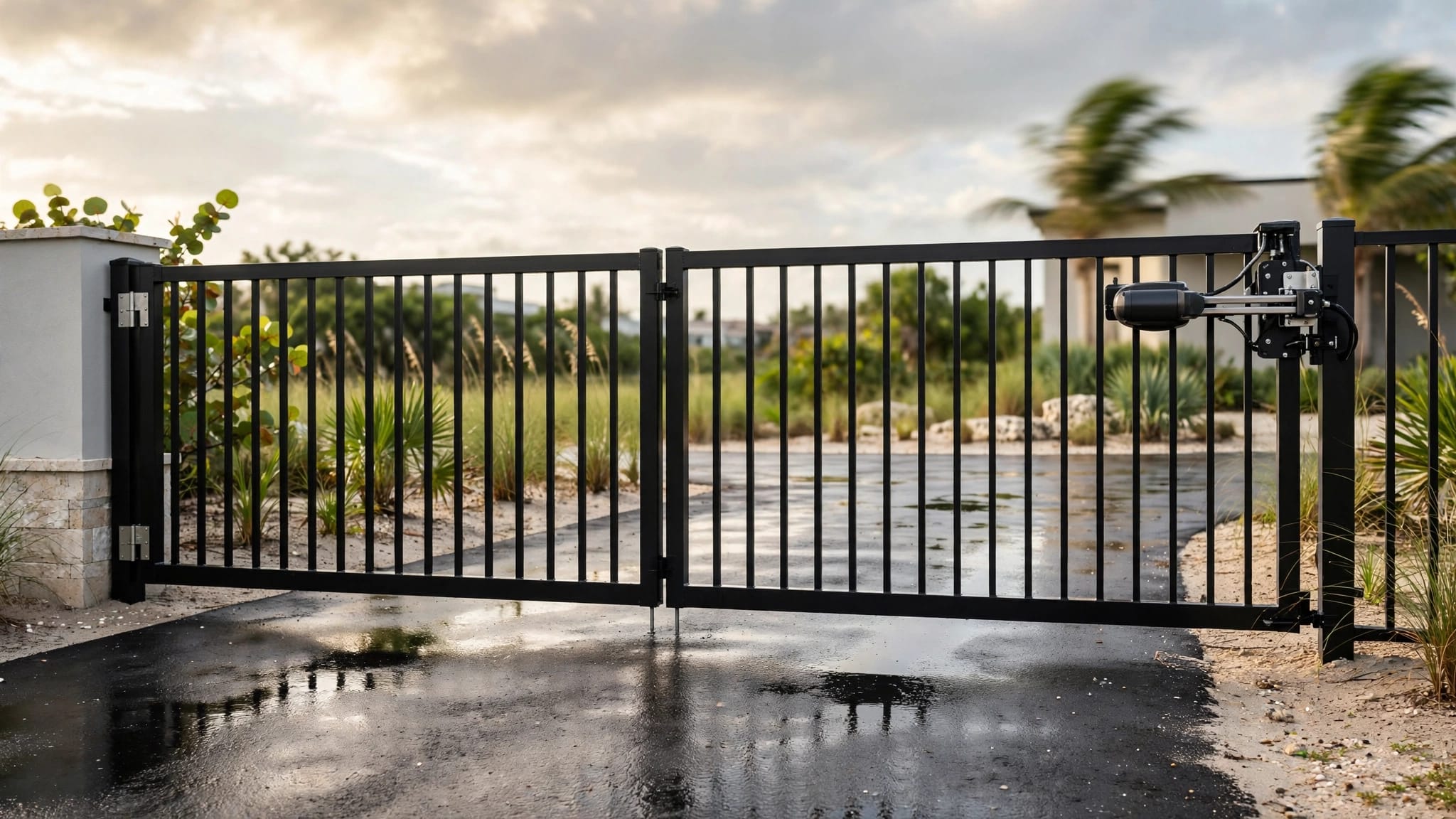
On a flat-top panel, the upper rail covers the ends of the vertical pickets. That produces an uninterrupted horizontal line.
This profile coordinates naturally with straight rooflines, rectangular windows, and simple landscaping. It also leaves room for other architectural details to draw attention, such as stone columns or a decorative front door.
Look beyond the style name, though. A flat-top fence can have different rail arrangements, picket dimensions, and post caps, so two flat-top designs may look quite different.
Spear-top fencing emphasizes the pickets
A spear-top design exposes pointed picket ends above a horizontal rail. The repeated points create a more ornamental outline associated with traditional iron fencing.
That appearance can coordinate with arched entrances, decorative exterior fixtures, and formal landscaping. The shape of the spear points also matters: a restrained pressed point looks different from a larger decorative finial.
Black, bronze, and white finishes provide another design choice. Our guide to fence styles for new homes puts these choices in the context of Southwest Florida properties.
Security Depends on the Complete Fence
A pointed silhouette doesn't establish how well a fence controls access. For either profile, security depends on the construction and layout of the whole system.
Panel height affects the boundary, while picket dimensions and connections affect the panel itself. Meanwhile, posts and footings support the installation. A loose post or poorly secured gate leaves a weakness regardless of the decorative top.
Gates deserve particular attention because they provide the intended opening through the fence. Hinges, latches, gate alignment, and the way the gate meets the adjoining panel all affect everyday operation.
Compare the gate and panel specifications alongside the top profile. Decorative points don't replace sound anchoring or reliable access control.
For a home with frequent deliveries, lawn service, or backyard access, the gate arrangement may affect daily security more than the fence's silhouette. Plan access around how people actually enter and leave the property.
Children and Pets Need More Than the Right Top
Family use calls for a closer look at openings, reachable surfaces, and activity near the fence. The top profile is only one part of that assessment.
Consider contact and climbing around children
Exposed points deserve attention wherever someone could come into contact with the top of the fence. Consider nearby steps, retaining walls, raised patios, and other surfaces that change its reachable height.
A continuous top rail doesn't prevent climbing, either. Horizontal rails and nearby objects can provide footholds or access.
Keep benches, storage boxes, and play equipment away from the boundary. Around a pool, barrier design must address the full enclosure and gate operation. A style name alone doesn't establish whether a fence is suitable for that use.
Design pet containment around the openings
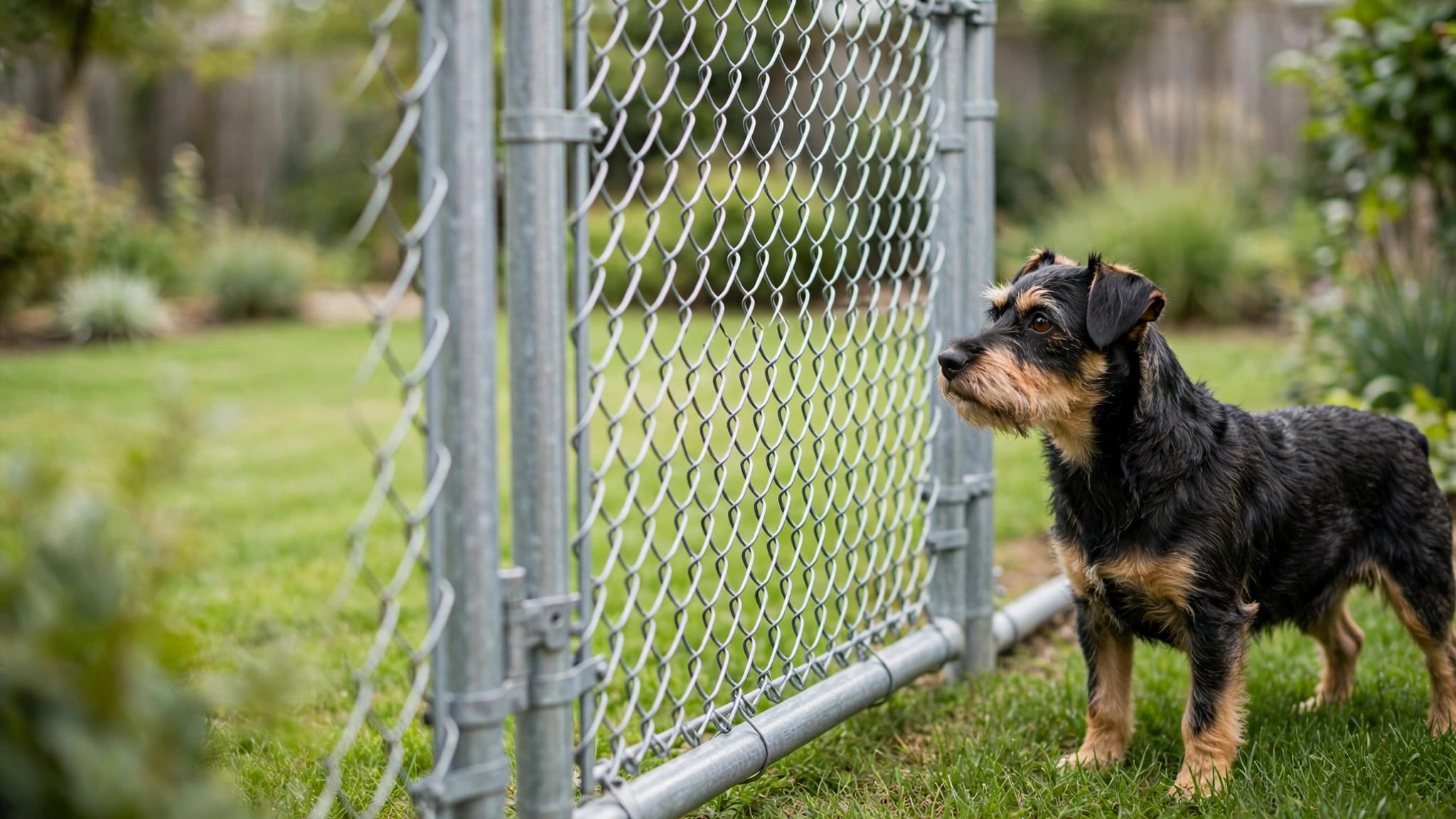
For dogs, picket spacing and ground clearance matter more than whether the upper edge is flat or pointed. Small pets can escape through openings that a larger dog couldn't use.
Our guide to aluminum puppy pickets explains how closer spacing can help contain smaller dogs without closing off the view.
Also account for digging, jumping, and gaps beside gateposts. Where the ground changes elevation, the space beneath a panel can become the escape route even when its picket spacing suits the dog.
Match the Fence to the Property's Main Use
Both profiles provide an open boundary rather than a solid privacy screen. That makes visibility part of the decision, particularly around front yards, patios, and waterfront landscaping.
Front yards and decorative boundaries
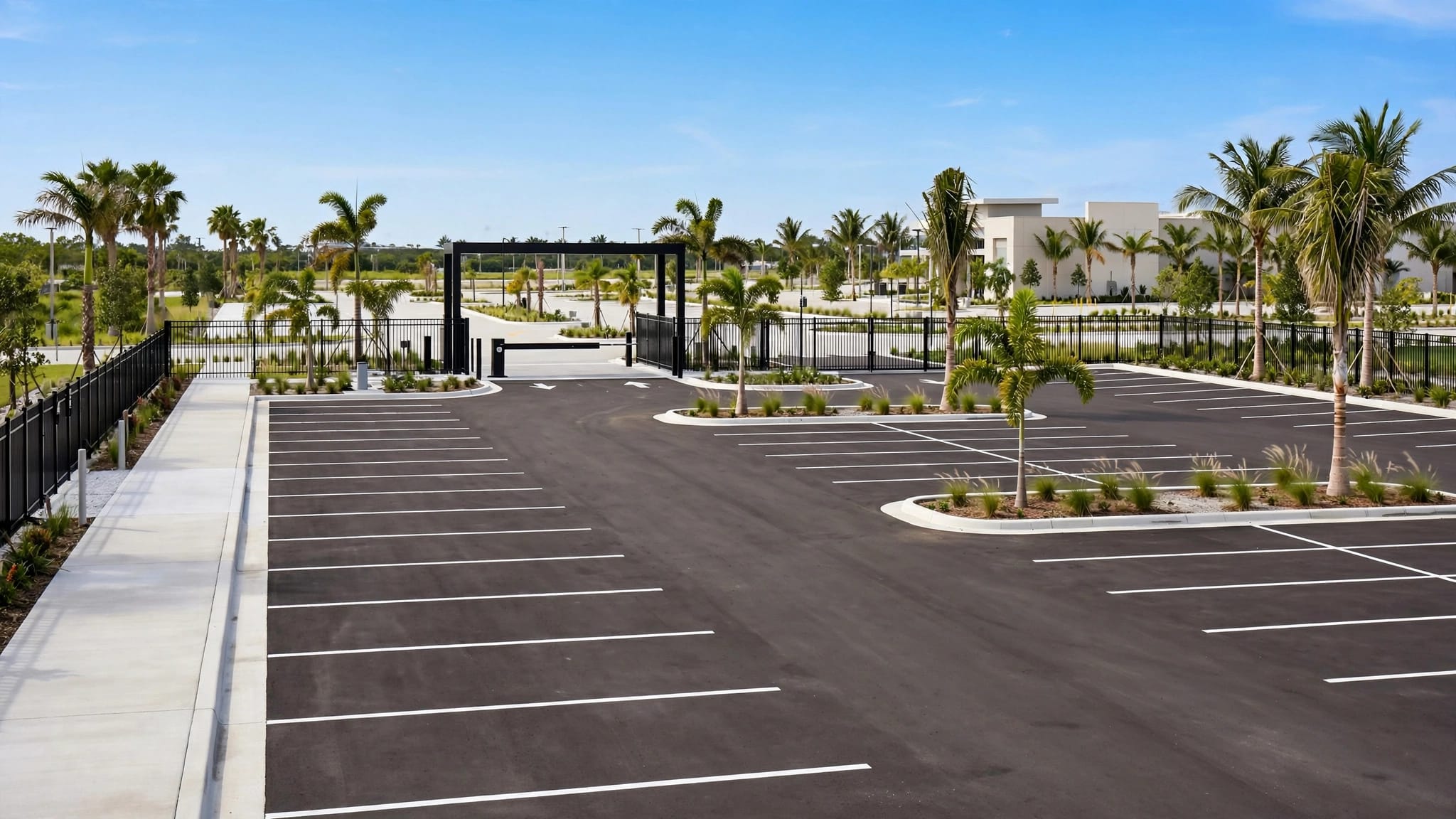
For a street-facing fence, consider how the top line relates to the house and entrance. A long, straight run highlights a continuous rail, while exposed spear points make the ornamental detail more visible.
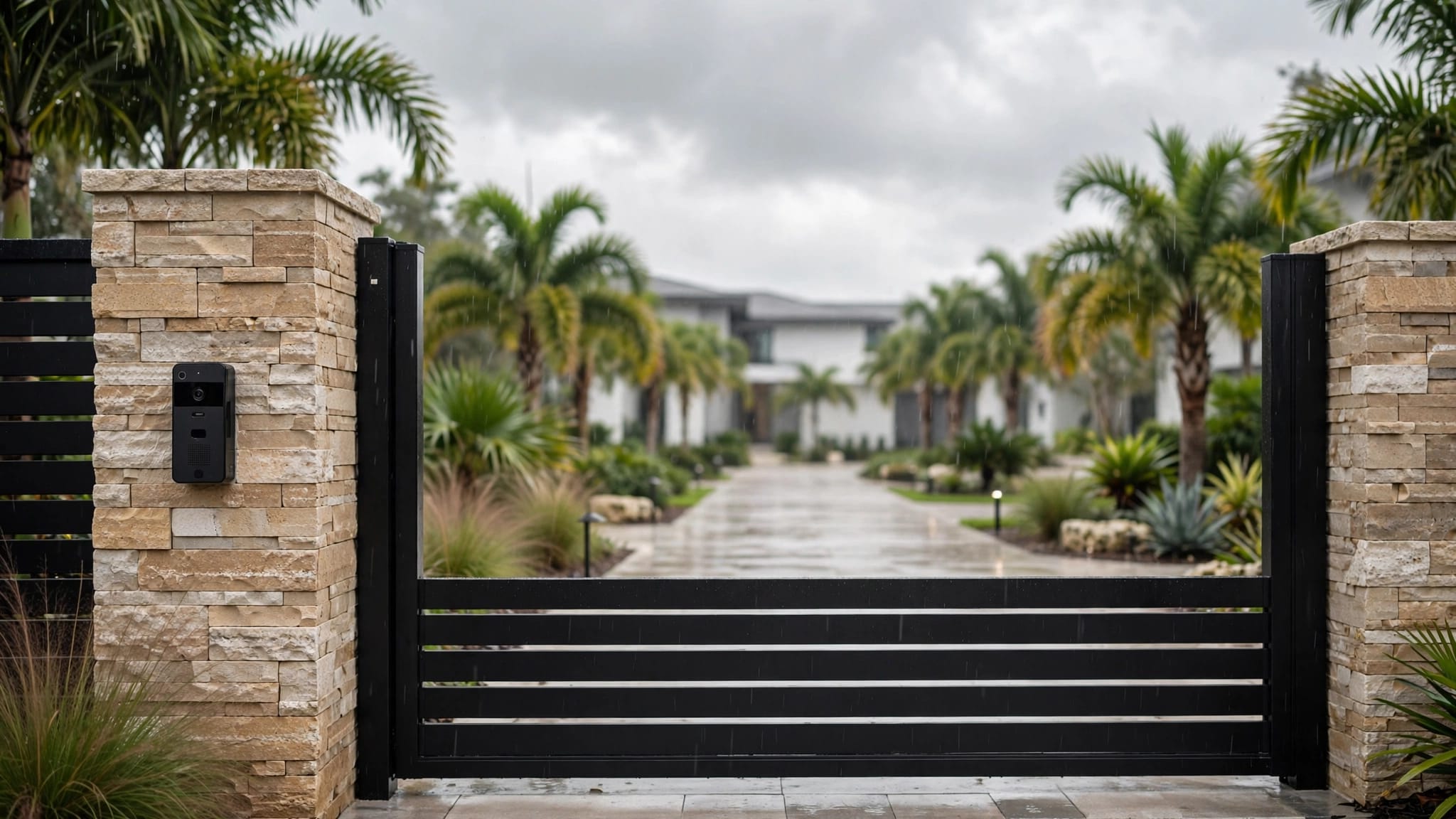
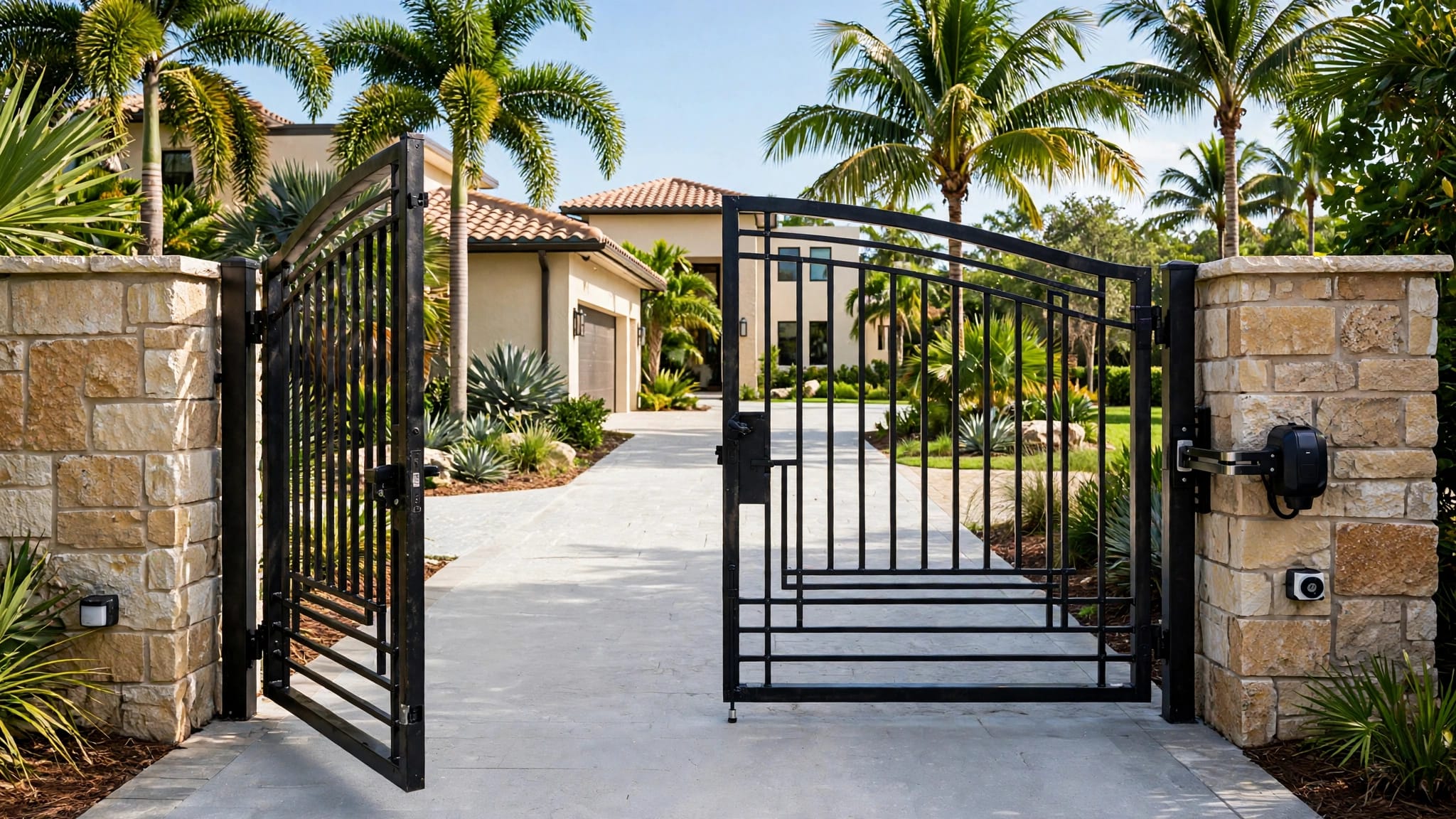
The entrance gate should belong to the same design. Its rail positions, finish, and picket pattern should coordinate with the adjoining panels.
On a corner property, the layout also affects visibility near driveways and intersections. Decorative preferences shouldn't determine placement without accounting for those sightlines.
Backyards, pools, and uneven ground
In a backyard, start with the activity the fence supports: containing a dog, defining a patio, or controlling access to a pool area.
Open aluminum pickets preserve views, but they offer limited screening of neighboring yards or pool equipment. If privacy is the main goal, neither top profile addresses that need.
Uneven ground introduces another decision. Our explanation of racked versus stepped fencing shows how installation methods affect the fence line and the openings beneath it.
Plan for Salt Air and Routine Maintenance
Southwest Florida's humidity, salt exposure, and storms affect finishes and hardware. Those conditions deserve attention whether the fence has a continuous rail or pointed pickets.
Aluminum doesn't rust like ordinary steel, but that doesn't make the entire installation maintenance-free. Coating damage, fasteners, hinges, and latches still need attention.
Rinse away salt deposits and dirt with fresh water. For routine cleaning, use a mild cleaner compatible with the finish and avoid abrasive tools that can scratch the coating.
Also distinguish a surface rub from a chip that exposes the underlying metal. Damaged coating calls for a finish-compatible repair rather than aggressive scrubbing.
After a storm, look for displaced posts, loose connections, bent components, and gates that drag or fail to latch. Open pickets allow air to pass through, but the top profile alone doesn't describe the fence's wind performance.
Post support, panel connections, and the condition of the complete installation remain part of that picture.
What Affects the Installed Cost
A useful price comparison starts with equivalent specifications. Comparing a basic flat-top panel with a taller, heavier spear-top panel won't isolate the cost of the decorative profile.
Panel construction is one factor. Height, rail arrangement, picket dimensions, spacing, and material grade all belong in the scope. Finish selections and decorative accessories can also change the proposal.
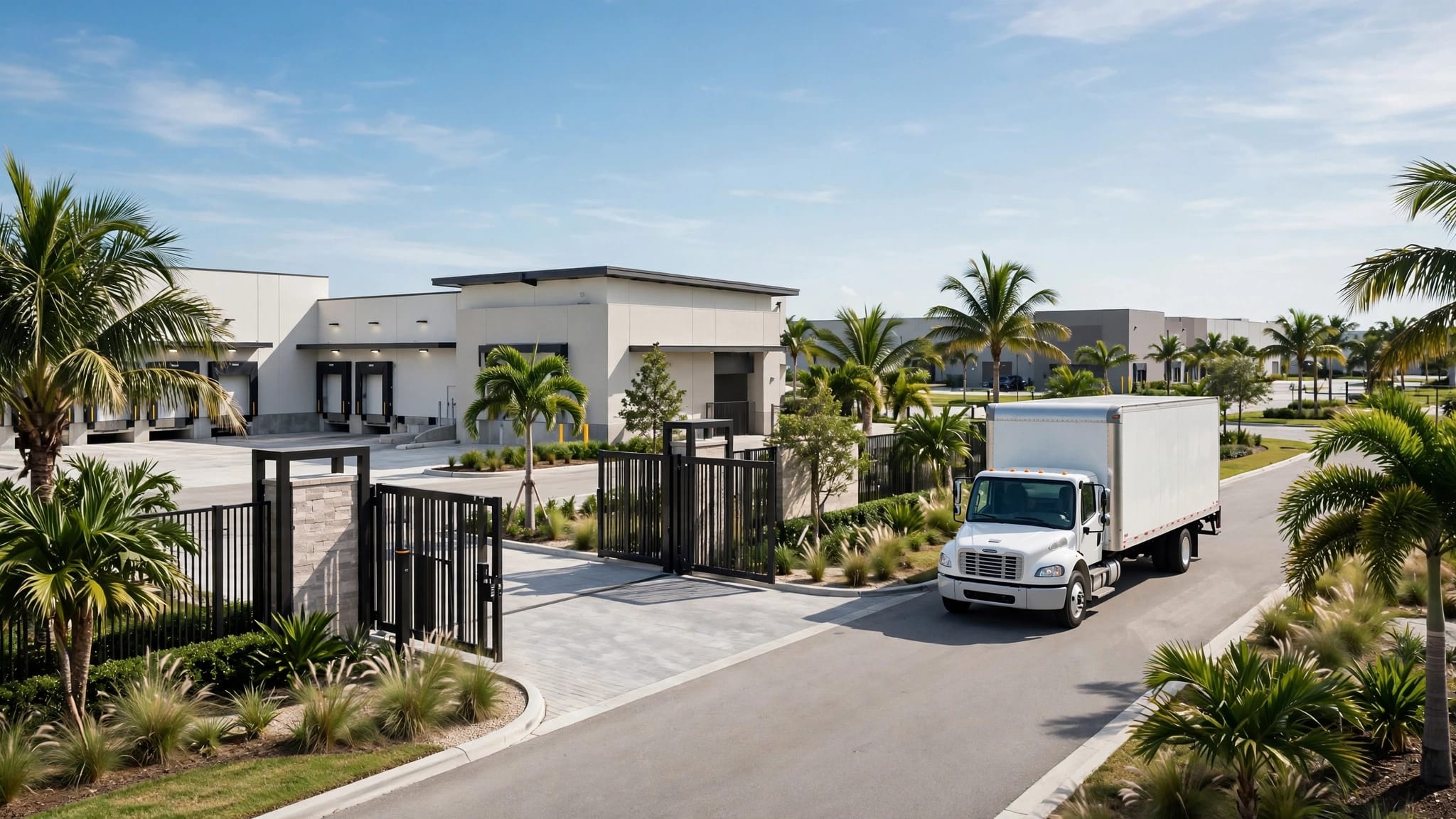
Gates add another set of variables. Opening width, the number of gates, hinges, latches, and any planned automation affect materials and labor. A driveway entrance involves different work than a pedestrian gate beside the house.
The site matters, too. Existing fence removal, restricted equipment access, buried obstructions, and changes in grade can alter installation work.
Patios introduce additional considerations because posts need suitable structural support. Pavers themselves aren't a substitute for a properly designed footing or mounting surface.
Ask for proposals that describe the same fence length, panel specifications, gate arrangement, and installation scope. That gives you a meaningful basis for choosing between aluminum fence styles without treating two different projects as equivalent.
A Practical Way to Make Your Final Choice
Start by ranking the fence's main job. A decorative front boundary, a dog enclosure, and a pool barrier place different demands on the design.
Next, narrow the visual choice. Look at the house's existing lines and details, then decide whether a continuous rail or exposed spear points better matches them. Include the gate in that decision because it often becomes the most visible feature.
Then consider the places where people and pets interact with the fence. Pay attention to walking routes, play areas, changes in ground level, and frequently used entrances.
Finally, compare complete designs rather than isolated panel photos. A fence that looks appealing in a catalog still needs appropriate spacing, workable gates, and a layout suited to the yard. The top profile should fit within those decisions.
Frequently Asked Questions
Is spear-top aluminum fencing stronger than flat-top?
The top shape alone doesn't establish strength. Panel construction, picket and rail dimensions, connections, posts, and installation determine how the system performs. Compare those specifications rather than drawing conclusions from the pointed appearance.
Can either style provide backyard privacy?
Standard open-picket versions provide limited privacy because people can see through the spaces. Choosing flat-top instead of spear-top, or vice versa, doesn't close those openings. The distinction is primarily the upper outline.
Does a flat-top fence eliminate climbing concerns?
A continuous upper rail doesn't eliminate climbing. Rail placement, nearby furniture, raised surfaces, and other footholds still matter. For children and pets, evaluate access around the entire fence rather than relying on its top profile.
Choose the Profile That Fits Your Priorities
Flat-top and spear-top fencing give you different visual outlines. The more consequential decisions involve spacing, gates, and installation , especially around children, pets, and pool areas.
Choose the appearance you prefer within a design that fits your yard's purpose. A complete plan makes the decorative choice easier.
At Supreme Fence of SWFL, we offer professional aluminum fence installation with planning tailored to your property. Request a free quote to discuss the profile, layout, and gate arrangement together.