How to Size an Automatic Gate Opener for Your Gate
Choose an automatic gate opener by matching its rated capacity to your gate's actual weight and length , considered together. Then account for the gate's design, how often it will operate, and the conditions around your driveway.
In Southwest Florida, wind, rain, and sandy soil can add demands that a gate's measurements alone don't capture. Start with the gate itself before comparing operators.
Why Gate Weight and Length Both Matter
A gate's weight affects the effort needed to move it. Length matters too, especially for a swing gate, because a long leaf places more leverage on its hinges and supporting post.
Weight Is More Than the Gate's Material
A lightweight aluminum design may be easier to operate than a heavier gate of similar size. But material alone won't tell you the finished weight. Frame thickness, decorative components, reinforcement, and hardware all add to it.
The operator must move the complete gate, not just its infill panels. A gate that drags or has damaged hinges also creates resistance that a larger motor won't fix.
Longer Swing Leaves Add Stress
As a swing gate gets wider, its outer edge sits farther from the hinge. That puts more strain on the hinge side and supporting post, even when the leaf isn't unusually heavy.
For that reason, two gates with similar weights can have different opener requirements. Our guide to gate widths, hinges, and sag prevention covers the structural side of this decision.
Measure the Gate Before Comparing Openers
Record the gate's dimensions and weight before selecting an operator. For an existing gate, take measurements of the gate itself rather than relying on the driveway opening.
Measure Each Swing Gate Leaf
Measure each leaf horizontally from the hinge side to the outer edge. For a double gate, record the leaves separately, even if they appear identical.
A 12-foot opening with two equal leaves might use leaves roughly 6 feet wide, but the actual dimensions depend on the posts and hardware. The full opening width helps with site planning; each leaf's length and weight matter for operator selection.
Also note how far each leaf needs to swing and whether it opens inward or outward. An operator's mounting position has to suit that movement and the space around the post.
Measure a Sliding Gate's Full Structure
For a sliding gate, measure the gate structure, not just the space vehicles pass through. A cantilever gate can extend beyond the driveway opening because part of its frame supports the gate as it moves.
Include the complete moving gate when establishing its weight. If the weight isn't documented, a gate professional can assess it or arrange for it to be weighed safely. Avoid guessing based only on the opening or the gate's appearance.
Match the Gate to the Opener's Capacity
An opener's published capacity information must accommodate both the gate's length and weight at the same time . A headline figure on a product listing doesn't necessarily describe every combination of dimensions.
For example, a capacity chart may allow more weight on a shorter leaf than on a longer one. Use the chart or specifications for the operator and find where your gate's measured length and weight fall together. If the combination falls outside the stated range, choose a different operator.
For a double swing gate, compare each leaf with the operator intended to move it. Unequal leaves need individual attention, and the controls must be suitable for a paired installation.
Allow Room for Real Conditions
A gate that sits at the edge of an operator's stated capacity leaves little room for added resistance. Wind, frequent use, and an exposed installation can make a more capable system a better choice.
However, extra capacity doesn't make an inadequate gate frame, weak post, or dragging hinge acceptable. Correct those problems as part of the project rather than asking the operator to overcome them.
Choose an Operator for the Gate Type
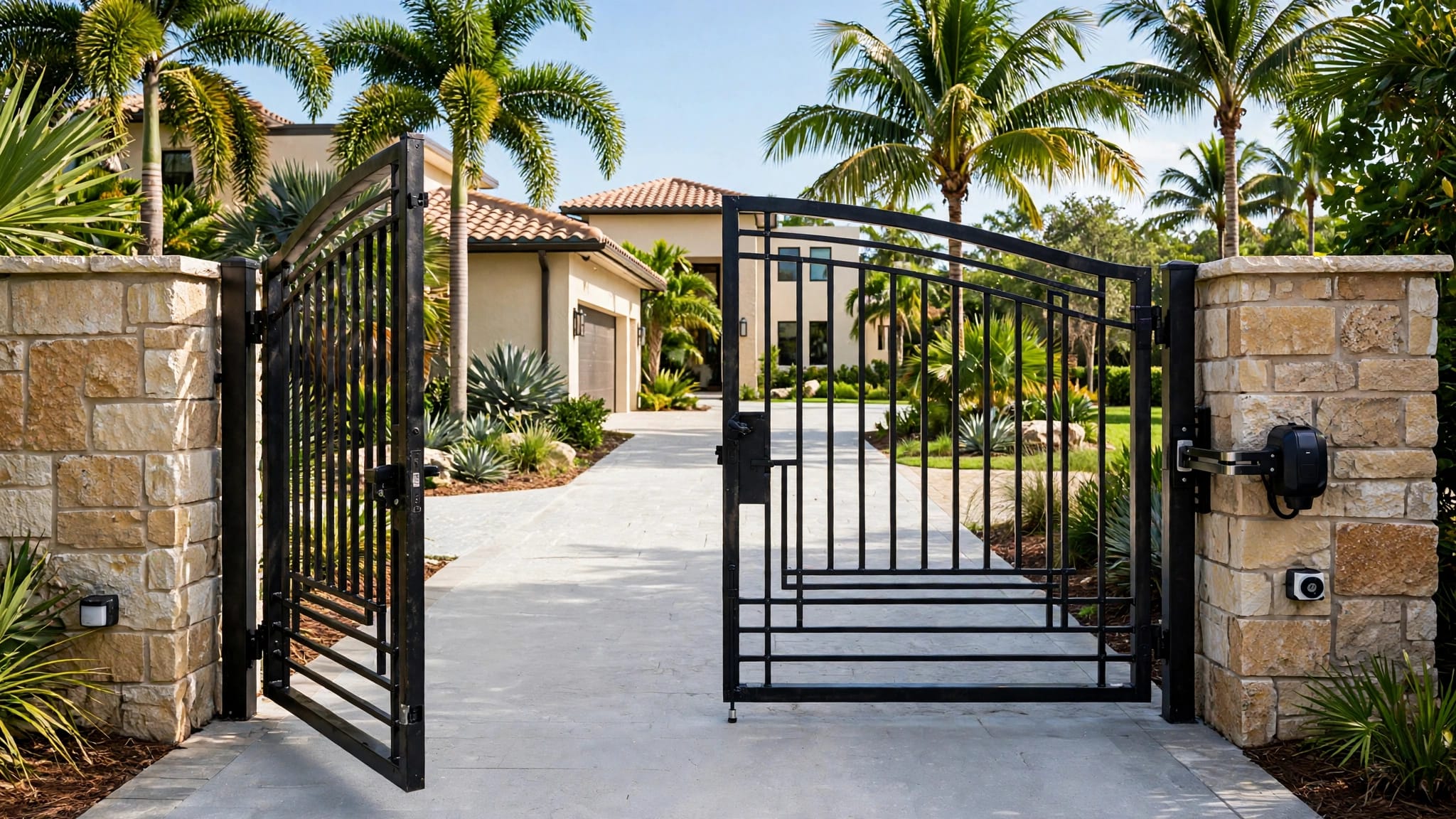
Swing and sliding gates need different operator designs. The right choice also depends on where the gate can move without hitting vehicles, landscaping, or structures.
Swing Gates Need a Clear Arc
A swing gate needs room throughout its travel, including space for a vehicle to wait clear of the moving leaf. An uphill driveway can also create a conflict between the gate's lower edge and the ground.
For a double gate, plan the movement of both leaves and the point where they meet. Brackets, hinges, and posts must support the operator's required geometry without twisting the frame.
Sliding Gates Need Side Room
A sliding gate needs a clear run beside the opening so it can move fully out of the way. A narrow side yard may rule out this layout even when the driveway itself is wide.
Track systems need attention to drainage and debris. A cantilever design avoids a ground track across the opening, but its support structure still needs adequate room. Our guide to planning a swing or sliding gate explains these layout considerations in more detail.
Account for Wind and Southwest Florida Conditions
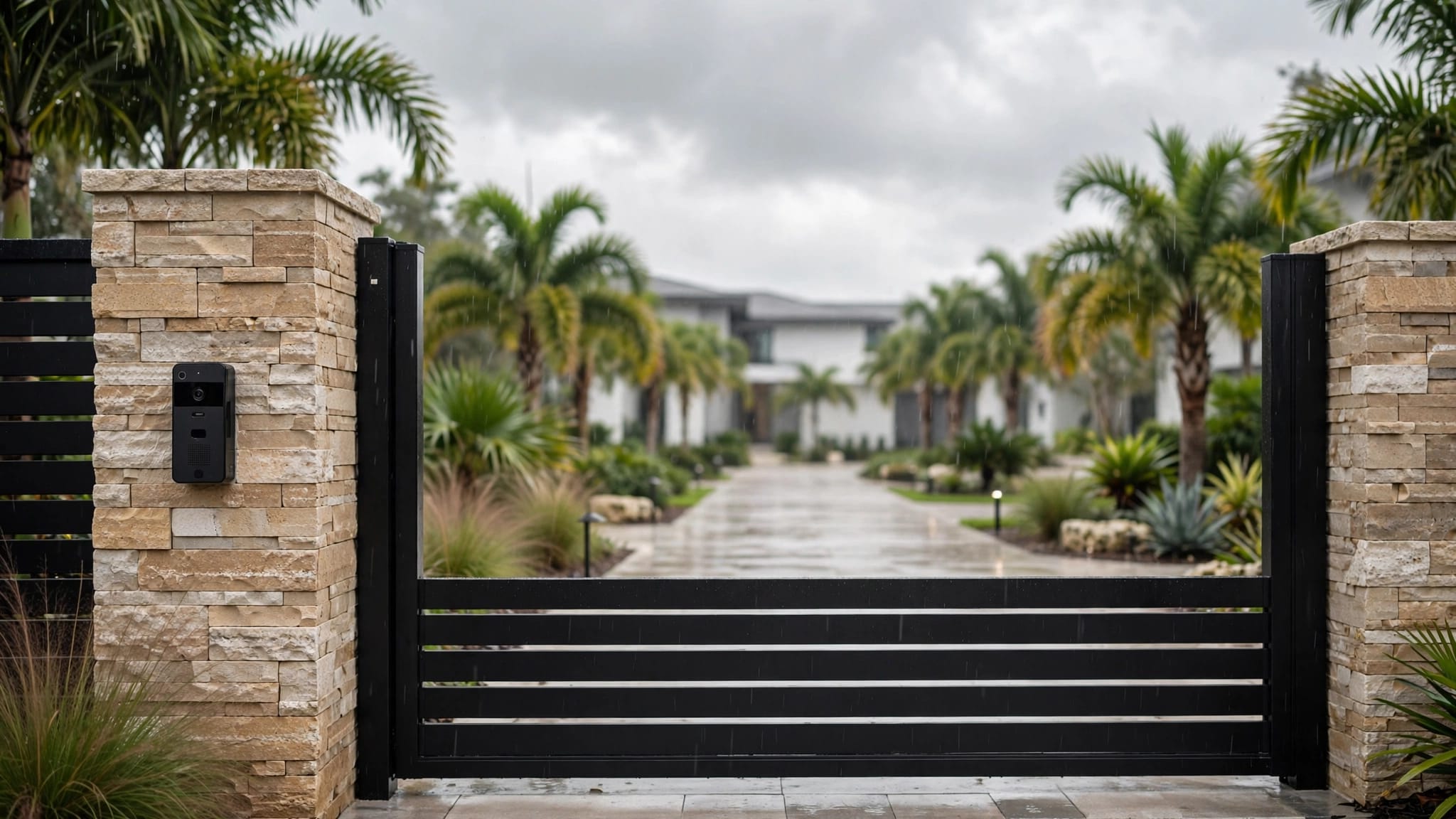
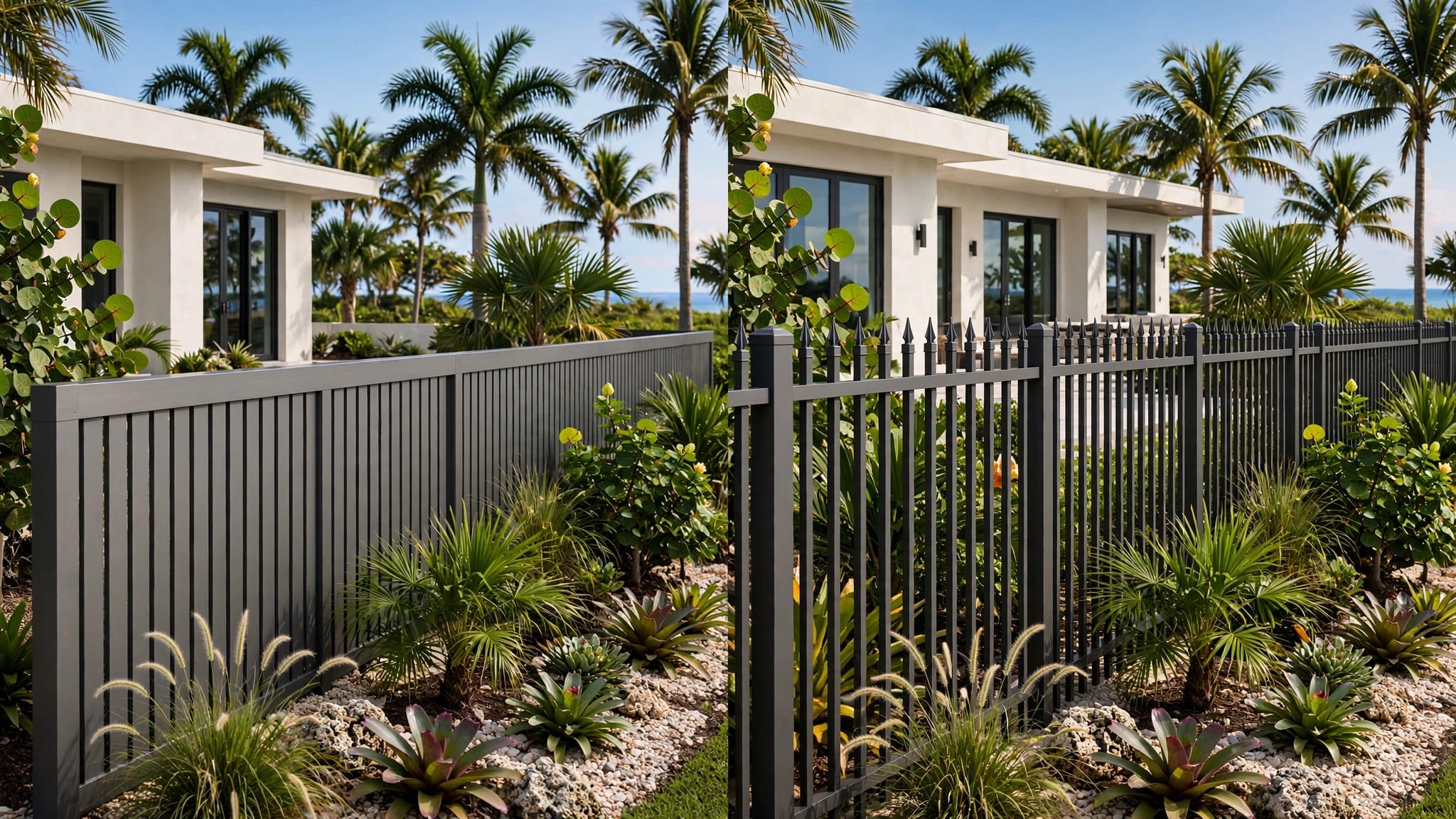
Gate weight doesn't tell the whole story on an exposed property. A solid gate presents more surface area to the wind than an open-picket design, so gusts can place extra load on the gate and operator.
Consider the Gate's Surface Area
A solid privacy gate can need a different operator choice than an open gate of similar weight and length. Wide leaves also put added stress on posts and hinges when wind pushes against them.
Discuss exposure as part of the gate design, especially on an open lot. Bracing, post support, and the way the gate is secured all matter alongside the operator. An opener should not be treated as the sole means of resisting storm winds.
Plan for Water, Sand, and Corrosion
Standing water and sand can interfere with a ground-track sliding gate. Leaves and storm debris can also collect along the track, so drainage and access for cleaning matter.
Near salt air, corrosion-resistant hinges, fasteners, and brackets help protect the moving system. Posts need stable support too: an operator can't keep a gate aligned if a post shifts or a footing fails.
Match Duty Cycle and Power to Daily Use
An operator that can move the gate may still be a poor fit if it isn't designed for the number of trips you need. Power availability also affects which system makes sense.
Estimate How Often the Gate Will Move
A duty cycle describes how frequently an operator is designed to run. Consider a complete opening and closing cycle for household vehicles, deliveries, visitors, and service access.
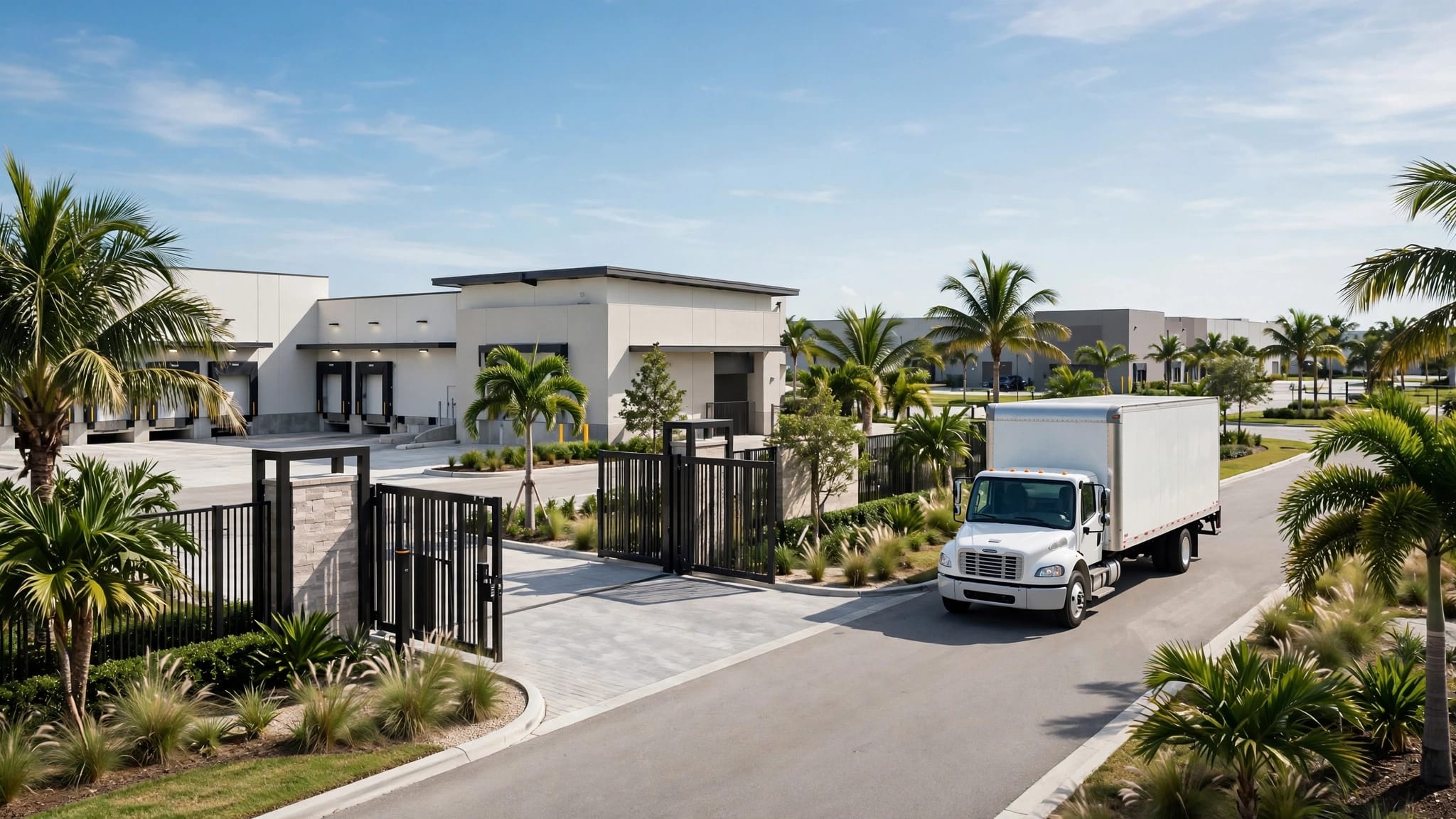
A gate at a busy business entrance can operate far more often than one at a private driveway. Choose equipment intended for the expected use, including busy periods, rather than sizing it only for gate dimensions.
Choose a Practical Power Source
A wired power supply can work well when electrical service is available near the gate. A longer run may require trenching and conduit, which should be included in the installation plan.
Solar-powered systems can be useful where wiring is difficult. Their performance depends on sunlight, battery capacity, accessories, and how often the gate runs. Battery backup can also provide operation during an outage, but its useful runtime depends on the system and conditions.
Make Safety Part of the Opener Selection
Choose an operator that complies with UL 325, the safety standard for gate operators, and plan protection around the completed installation. The operator, gate, and access controls need to work together safely.
Protect Against Entrapment
A moving gate can create pinch or crush hazards near posts, hinges, rollers, and the gate's leading edge. Monitored photo-eyes and edge sensors provide protection at applicable hazard locations.
Photo-eyes detect an interruption in a beam, while edge sensors respond to contact. The appropriate devices and their placement depend on the gate's movement and surrounding layout. A qualified installer should design and test the protection rather than relying on force settings alone.
Plan for Pedestrians and Manual Release
A separate pedestrian gate reduces the need for people to pass through an automatic vehicle entrance. Keep controls positioned so users can operate the gate without reaching through or standing in its path.
An emergency release allows manual operation when needed, but a heavy gate can move unexpectedly on a slope or in wind. Don't force an engaged gate. A qualified technician can explain safe operation of the installed release.
Fix Gate Problems Before Adding Power
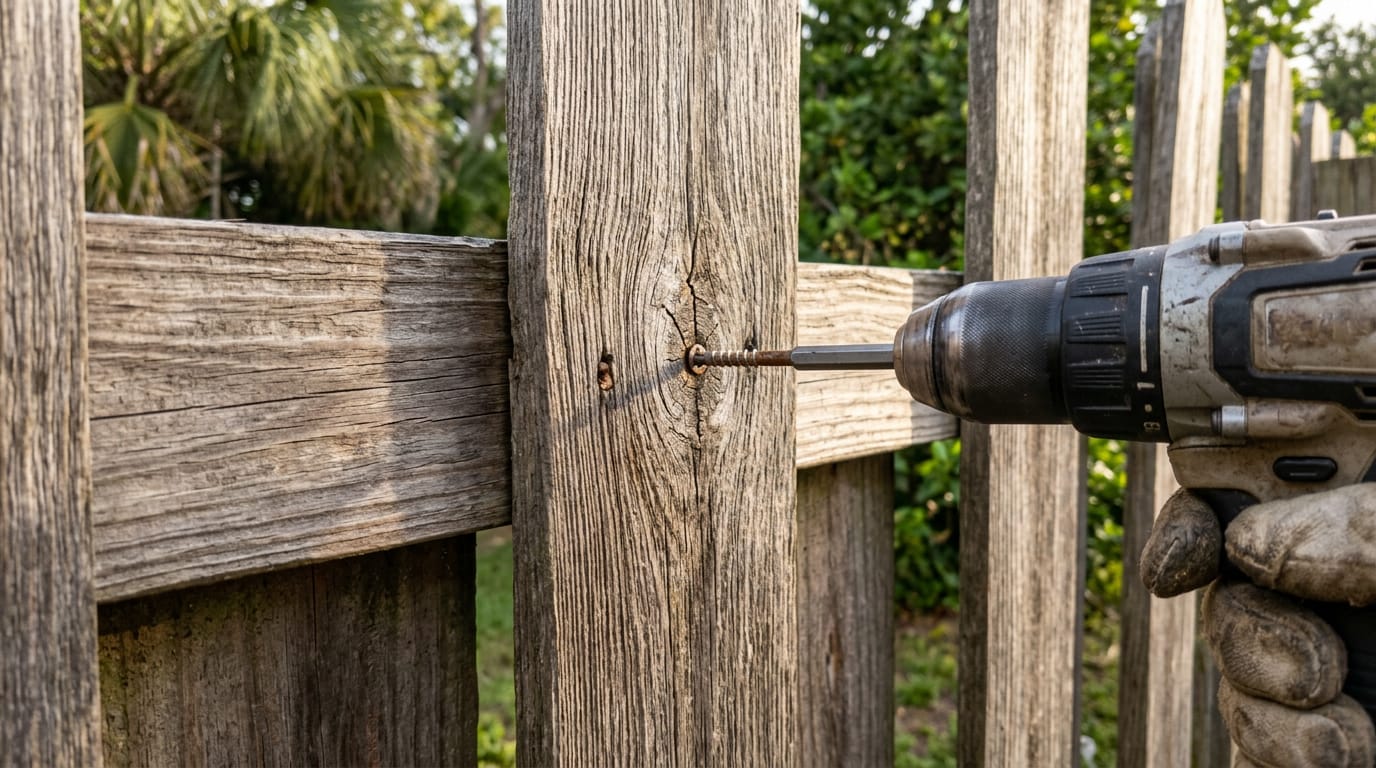
A well-sized opener needs a gate that is aligned and supported. If a leaf sags, scrapes, or twists, adding automation can put extra strain on the system.
Inspect the frame, posts, hinges, rollers, and track as applicable. On an existing gate, repairs may need to come before operator installation. Loose hardware and a shifting post call for different remedies, so the cause matters.
If an automatic gate repeatedly stops during travel, stop cycling it and keep people and vehicles clear. Our article on why driveway gates stop mid-cycle describes the observations that can help a technician diagnose the problem.
A contractor can also assess the swing arc or sliding run on site. Marking that space makes it easier to spot conflicts with cars, planting beds, drainage areas, and sidewalks before equipment is installed.
Automatic Gate Opener Selection Checklist
Use these points to compare an opener with your gate and property:
- Record the length and complete weight of each moving gate leaf.
- Match both measurements to the operator's capacity information together.
- Select equipment made for the gate type and expected frequency of use.
- Allow for wind exposure, drainage, corrosion, and available travel space.
- Include monitored entrapment protection and a plan for safe pedestrian access.
- Address sagging, damaged hardware, or unstable posts before automation.
For a new installation, include the gate structure and site work in the estimate, not only the operator and remote controls.
A Better Fit Starts With the Whole Gate
The right automatic gate opener is rated for your gate's weight and length as a combination. Its suitability also depends on how the gate moves, how often you use it, and what your property exposes it to.
At Supreme Fence of SWFL, we provide fence and gate installation and repair across Southwest Florida. A site assessment can help you plan the gate structure and clearance before selecting an opener.