Wellen Park Fence Permit Guide for 2026 Homeowners
A fence can look simple on paper, but the approval process often isn't. In Wellen Park, a new fence may need both HOA sign-off and a local permit review before installation begins.
That matters because small details can slow a project fast. A missing survey, the wrong height, or a fence that sits too close to a line or easement can send you back to the start.
How fence approval usually works in Wellen Park
For many homes, the approval path has two layers. Your HOA may review the look of the fence, while the local building or zoning office reviews the permit side.
That split matters because each reviewer cares about different things. HOA rules often cover style, color, material, gate placement, and which side faces out. The permit office often focuses on height, setbacks, lot lines, utility easements, and pool safety.
The exact rules can vary by neighborhood, lot type, and governing authority. A corner lot, lakefront lot, or pool enclosure may bring extra review. That's why the safest move is to verify current requirements before you submit plans or start installation.
| Who reviews it | What they often check | What to prepare |
|---|---|---|
| HOA or architectural committee | Style, color, material, gate design, fence direction | Community rules, fence specs, drawings |
| Local building or zoning office | Height, setbacks, lot lines, easements, pool-barrier details | Survey, site plan, permit forms |
| Both, in some cases | Whether the plan fits all rules at once | Complete package, written approvals |
HOA approval and permit approval are separate steps. You may need both before a single post goes in the ground.
The same layered review shows up in other Southwest Florida communities too. If you want a nearby comparison, the Collier County fence permit basics for 2026 homeowners guide shows how county and HOA rules can stack up.
The approval workflow that keeps your project on track
A fence job moves easier when you treat approval like a sequence, not a guess. Start with the rules, then build the plan, then buy material.
- Check your HOA documents first.
Read the fence section, design standards, and any architectural review rules. Look for height limits, approved materials, and color rules. If your community asks for written approval, get it before you schedule work. - Confirm the office that handles your permit.
Your lot may fall under a city, county, or other local authority. Ask which office reviews fence permits for your exact address. Don't rely on what worked for a neighbor two streets over. - Prepare a simple site plan.
Show your property lines, proposed fence location, gate spots, and nearby easements. Many Florida permit offices ask for a survey or site plan, so this step usually pays off early. - Match the fence to both sets of rules.
A design that fits the HOA may still fail permit review. The reverse can happen too. If your plan includes a pool fence, build in the safety details from the start. - Wait for approval before installation starts.
Ordering panels early is fine in many cases. Driving posts before approvals land is risky. One wrong assumption can cost time, money, and a second round of paperwork.
A clear packet helps the process move faster, and it cuts down on back-and-forth questions. In other words, the better the first submittal, the smoother the rest of the job tends to be.
Documents to gather before you submit
A complete file is one of the easiest ways to avoid delays. Most review offices want to see the same core items, even if the exact form names differ.
- Current survey or site plan
This shows where the fence will sit and helps confirm property lines. - Fence layout with dimensions
Include height, length, gate locations, and any corners or returns. - Material and color details
Vinyl, wood, aluminum, or chain link may all need different review notes. - HOA approval or review form
If your community requires written sign-off, attach it to the permit packet. - Owner or contractor contact information
Make sure the reviewer can reach the right person if questions come up. - Pool enclosure information, if needed
Pool fences often trigger extra safety checks and inspection requirements. - Easement notes or utility markings
If your plan runs near a utility area, note that clearly.
A clean packet does more than fill a file cabinet. It gives the reviewer fewer reasons to stop and ask for another round of corrections.
What inspectors often check after the fence is built
Inspection usually comes after installation, but it starts with the approved plan. The finished fence should match the drawing you submitted.
Inspectors often look at the fence location, height, gate placement, and overall layout. They may also check whether the fence stays clear of easements and property lines. For pool barriers, the review can get more detailed.
That's why small field changes can cause trouble. A gate that swings the wrong way, a fence section that creeps onto a setback, or a height that misses the approved limit can create a correction notice.
Keep your approved documents handy until the final sign-off. A stamped plan, HOA approval letter, and permit paperwork can help answer questions quickly if the inspector asks for them.
Common delays and how to avoid them
Most fence delays come from simple mistakes, not big disputes. The good news is that many of them are easy to prevent.
- Starting before written approval
Do not assume verbal approval is enough. Wait for the approval in writing. - Using the wrong lot data
A survey from an older project may not match the current property layout. - Missing easement or setback info
If the fence sits in the wrong spot, the project can stall fast. - Submitting a vague drawing
A sketch with no dimensions invites questions and revisions. - Picking a style that conflicts with HOA rules
A fence can meet permit standards and still fail community review. - Ignoring pool requirements
Pool fences often need extra safety details and inspection attention. - Changing the design mid-project
If the plan changes after approval, ask whether a revision is needed.
A little extra checking at the front end saves time later. It also keeps the install crew from building something that has to come back down.
Choosing a fence that fits the rules and your yard
The right fence for Wellen Park is the one that works with the rules, not against them. That sounds simple, but it matters more than most homeowners expect.
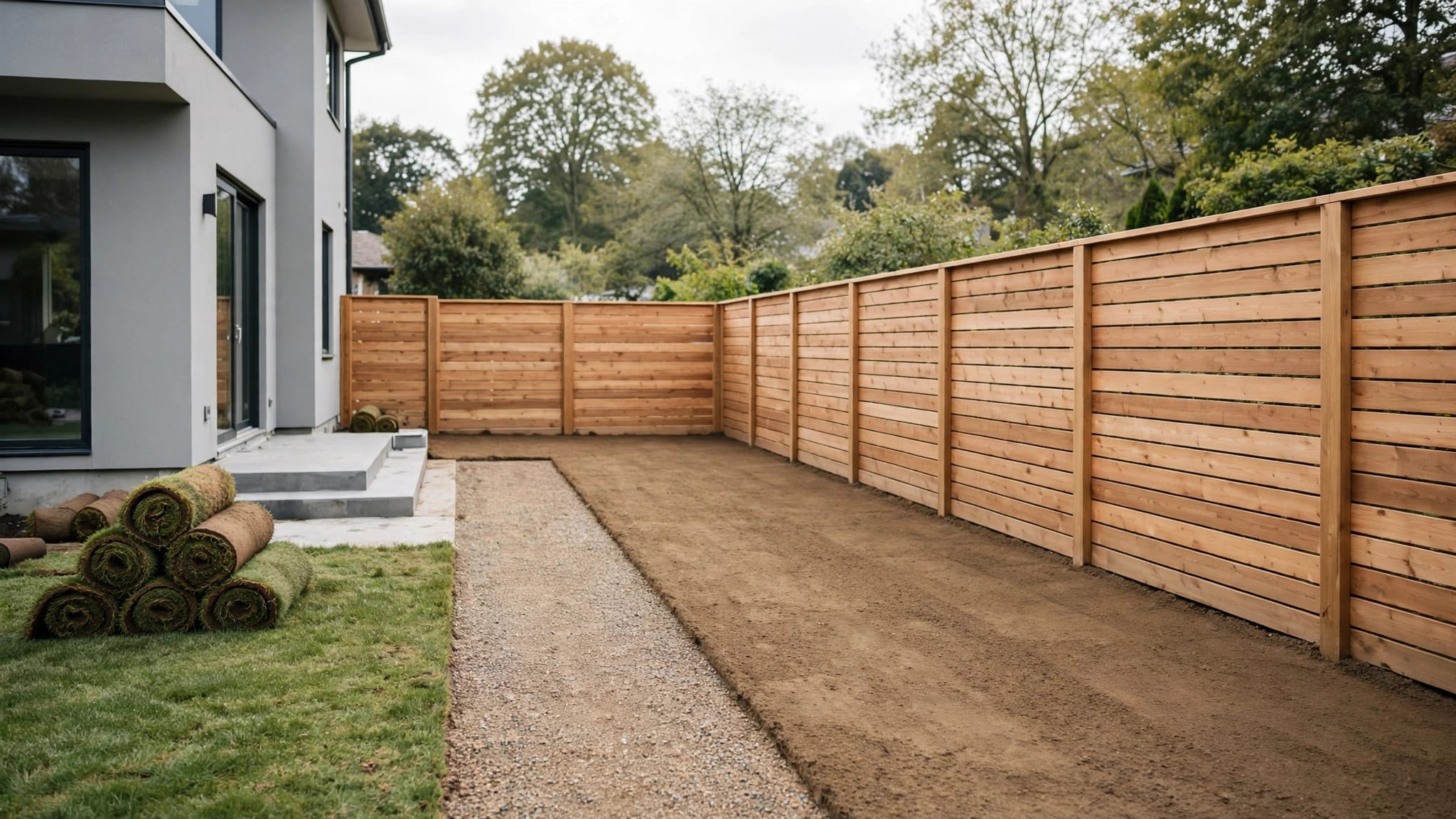
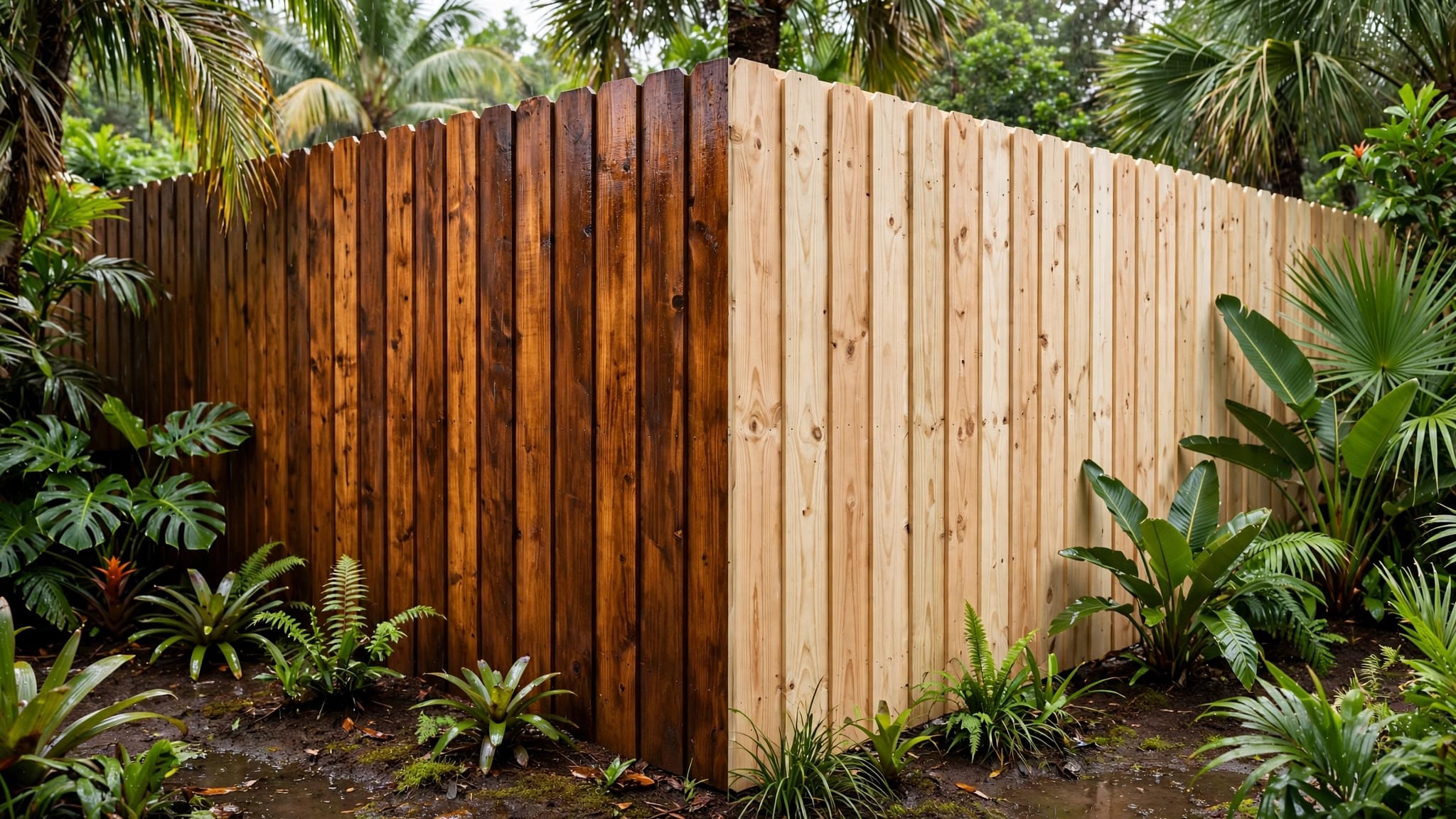
Vinyl often fits clean, low-maintenance goals. Aluminum can work well where visibility matters and the community allows open styles. Wood offers privacy, but it may face stricter review in some neighborhoods. Chain link can be practical for side yards or service areas, although HOA acceptance varies a lot.
Front yards and corner lots can bring tighter sightline limits. Side and rear yards usually allow more flexibility, but that depends on the community. Many HOAs also care about the side that faces out, which means the finished look matters just as much as the material.
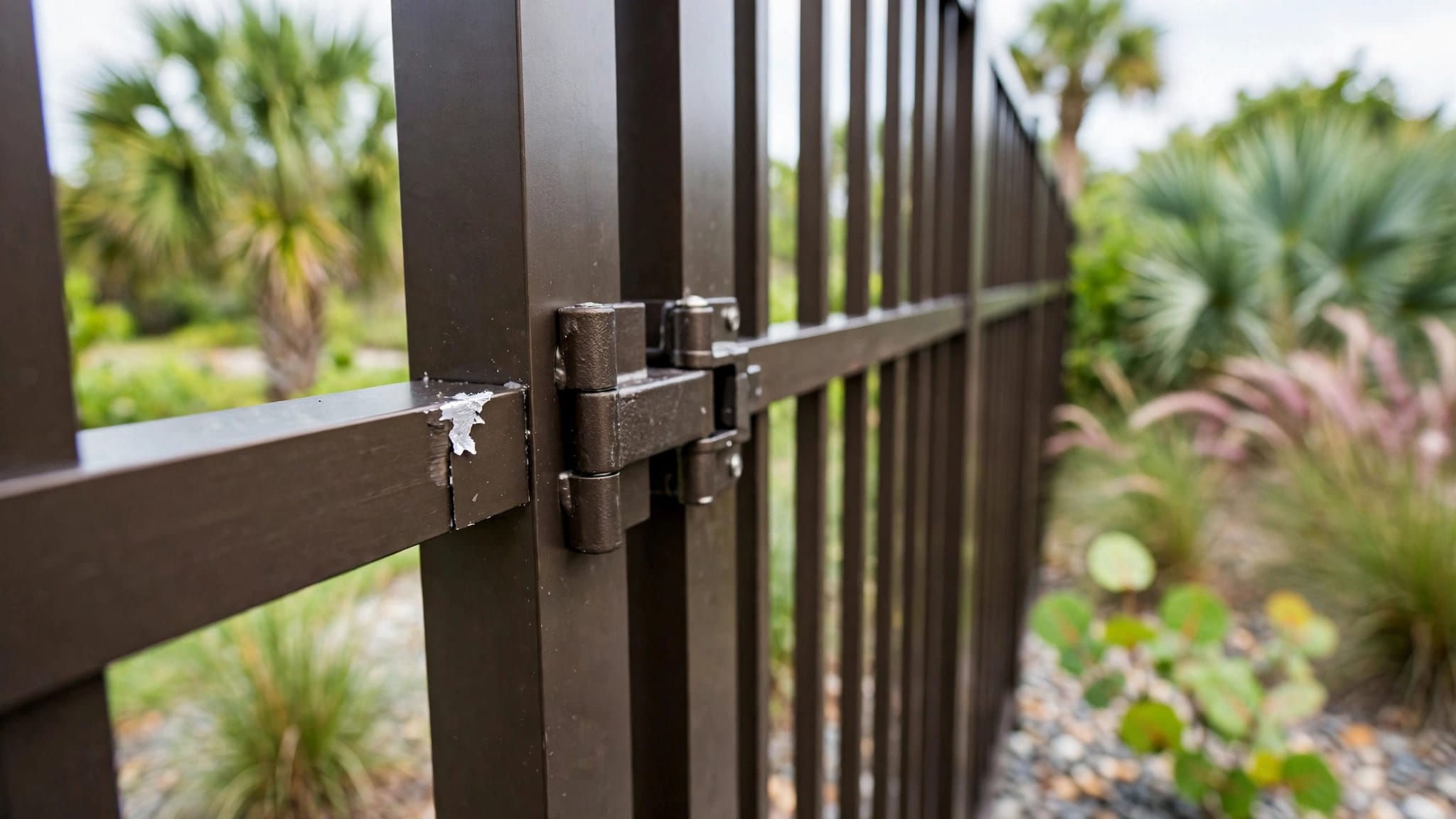
Pool areas add another layer. If the fence is part of a pool barrier, design choices should support safety requirements from day one. That includes gate function, latch details, and the overall enclosure plan.
A good contractor should be able to turn those rules into a fence that still looks like it belongs with the home.
Conclusion
A Wellen Park fence permit project in 2026 goes smoother when you treat HOA approval and local permit review as part of the same plan. The rules may shift by neighborhood, lot type, and governing authority, so the safest move is to confirm the current requirements before you submit anything.
Once you have the right survey, drawings, and written approvals, the rest of the process gets easier. That early paperwork is what keeps a simple fence from turning into a long delay.
The best fence projects start with clear rules, then end with a finished fence that fits the property and passes inspection.