Boca Grande Fence Permit Guide for 2026 Homeowners
Building a fence in Boca Grande can feel straightforward until the paperwork gets involved. A fence that looks harmless in the yard may still need county review, a survey, or a closer look at the lot line.
If you're planning a Boca Grande fence permit in 2026, the biggest mistake is assuming the rules are the same everywhere. Boca Grande follows Charlotte County requirements, and your HOA or deed restrictions may add another layer.
A little planning now can save you delays later. Start with the local rules, then check the details that usually slow a homeowner down.
Boca Grande fence permit rules start with Charlotte County
Boca Grande is an unincorporated area, so fence rules come from Charlotte County rather than a separate Boca Grande city code. That matters because permit steps, setback rules, and review triggers can change from one county to the next.
For homeowners, the first question is usually not "What fence do I want?" It is "Where does the fence sit, and what else affects that spot?" A fence near a road, easement, or corner lot line may face more review than one deep in a backyard.
HOA rules can also matter. Even if the county allows a fence, a neighborhood association may limit height, color, material, or placement. Deed restrictions can do the same.
Nearby counties handle similar projects differently, as the Lee County fence permit rules for unincorporated areas in 2026 show. That is why Boca Grande homeowners should avoid guessing based on what a friend needed elsewhere.
When the lot line is unclear, stop and verify it first. A fence is much easier to move on paper than after the posts are set.
When a permit is likely required
In 2026, the safest approach is to assume a permit may be needed if the fence affects safety, visibility, or property access. The exact trigger depends on Charlotte County review, but several project types come up often.
| Project type | Why it may trigger review | What to check first |
|---|---|---|
| Fence over 6 feet | Height often brings extra scrutiny | Measure planned height from grade |
| Pool barrier fence | Safety rules usually apply | Check pool barrier and gate requirements |
| Masonry, block, or concrete fence | Structural materials often need more review | Confirm the exact material and design |
| Corner lot fence | Visibility can matter near roads and intersections | Look for sight-line limits |
| Fence near easement or utility access | The county may protect access areas | Review survey and easement notes |
| Fence replacement with changes | New height, line, or material can change permit needs | Compare the old fence to the new plan |
A fence under 6 feet may still need review if it sits in the wrong place. Height is only one part of the picture. Setbacks, visibility, and access can matter just as much.
If the project includes a gate, measure that too. Gate swing direction can affect driveways, sidewalks, pool access, and utility access. Small details often decide whether an application moves forward or gets sent back.
What the county usually wants in an application
Most fence permit requests live or die on the drawings. A clean site plan tells the county where the fence goes, how high it will be, and what it will affect.
Common paperwork often includes:
- A site plan or survey showing the proposed fence line
- Fence height, material, and style
- Gate locations and swing direction
- Property line information
- Easement notes , if one crosses or borders the lot
- Owner-builder or contractor information , if requested
A sketch can help with planning, but it may not be enough if the lot line is close to a road, seawall, or easement. The clearer the plan, the fewer questions the permit reviewer usually has.
If you do not have a recent survey, ask before you build. Old plats, faded markers, and online maps can be misleading. A fence placed a foot off the real line can create a long headache.
Common placement problems that slow permits
Most permit delays come from the same few issues. The fence itself may be fine, but the location creates the problem.
- Easements can block a fence line even when the yard looks open.
- Corner lots may need extra attention because of street visibility.
- Utility access can affect where gates or fence panels can go.
- Driveways and shared access areas can limit placement.
- Pool areas may need special gate and latch details.
A fence that crosses an easement is one of the most common surprises. The easement may be there for drainage, utilities, or access, and the county may not allow a fence to block it.
Corner lots deserve extra care too. A solid fence placed too close to a street corner can make it harder for drivers to see oncoming traffic. That does not mean corner lots cannot have fences. It means the layout needs a closer look.
Drainage matters as well. Boca Grande gets heavy weather at times, and low spots can collect water. A fence line should not interfere with flow or access to drainage features.
A homeowner checklist before you build
A little prep goes a long way. Before you order materials or set posts, run through this quick list.
- Confirm your property line with a survey, plat, or other reliable record.
- Check HOA or deed restrictions, if your neighborhood has them.
- Measure the fence height, gate height, and gate swing direction.
- Look for easements, utility access, and corner visibility concerns.
- Gather the site plan, material details, and any application forms.
- Confirm the current permit rule with Charlotte County or the proper governing authority before you build.
If you are hiring a fence company, ask who handles the permit paperwork and who answers revision requests. Some homeowners want the contractor to manage that process, while others prefer to keep control of the paperwork. Either way, you should know what gets submitted under your name.
The safest move is to wait for approval before digging holes or pouring concrete. That one step can prevent a costly rework later.
Picking a fence that fits Boca Grande
Permit rules focus on placement and compliance, but the fence still has to live in a coastal setting. Boca Grande sun, salt air, and wind can wear on the wrong material fast.
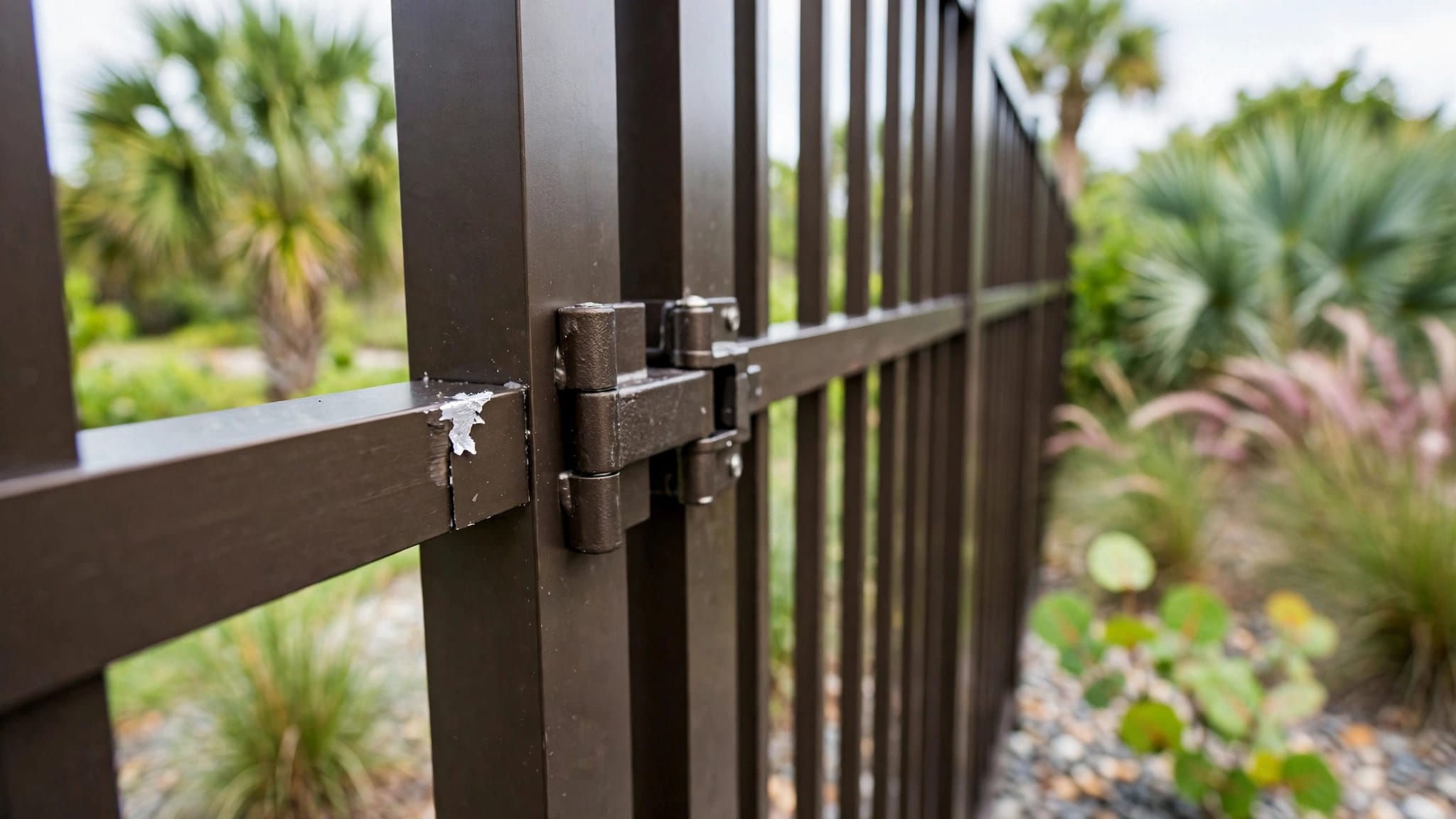
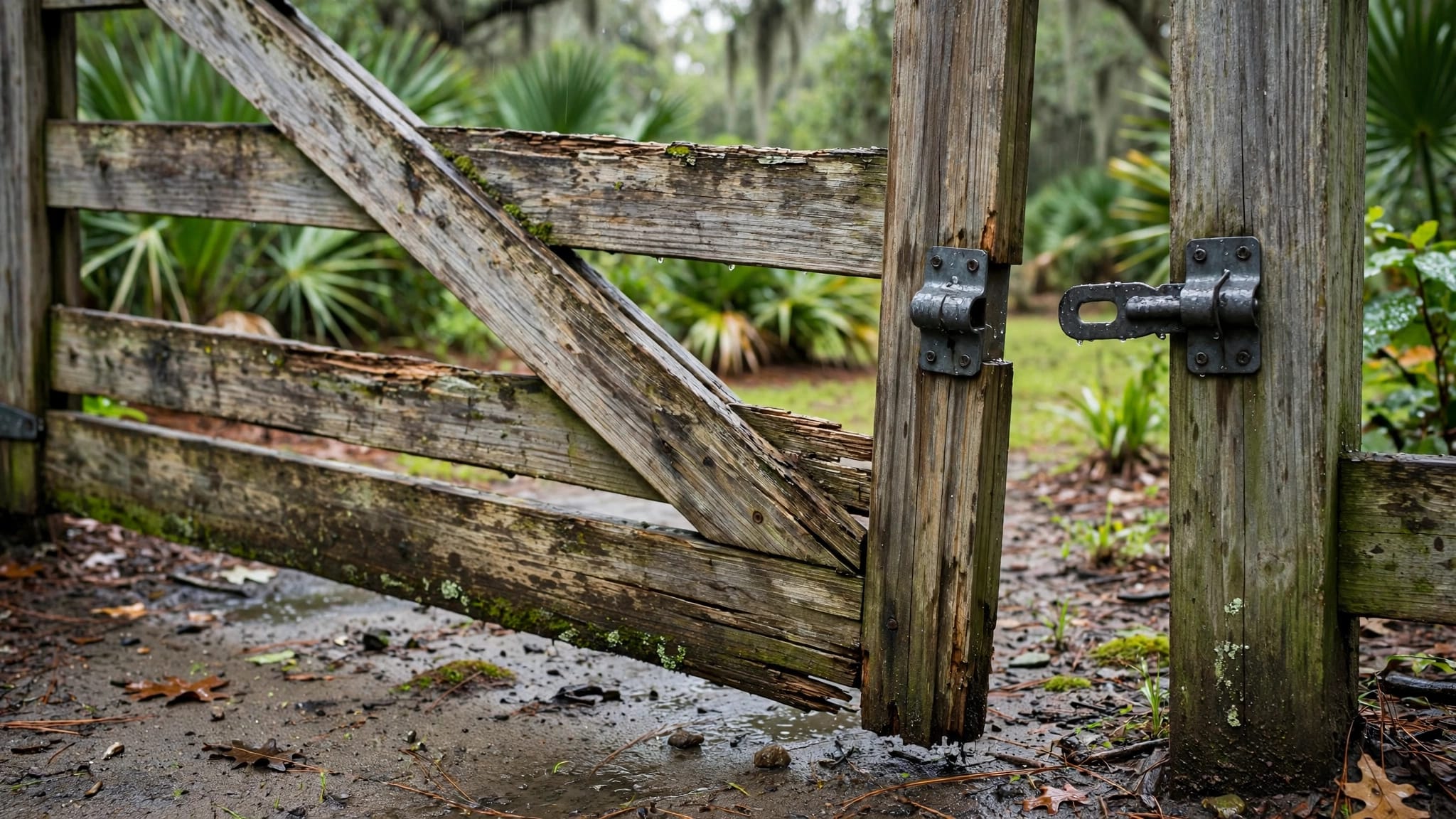
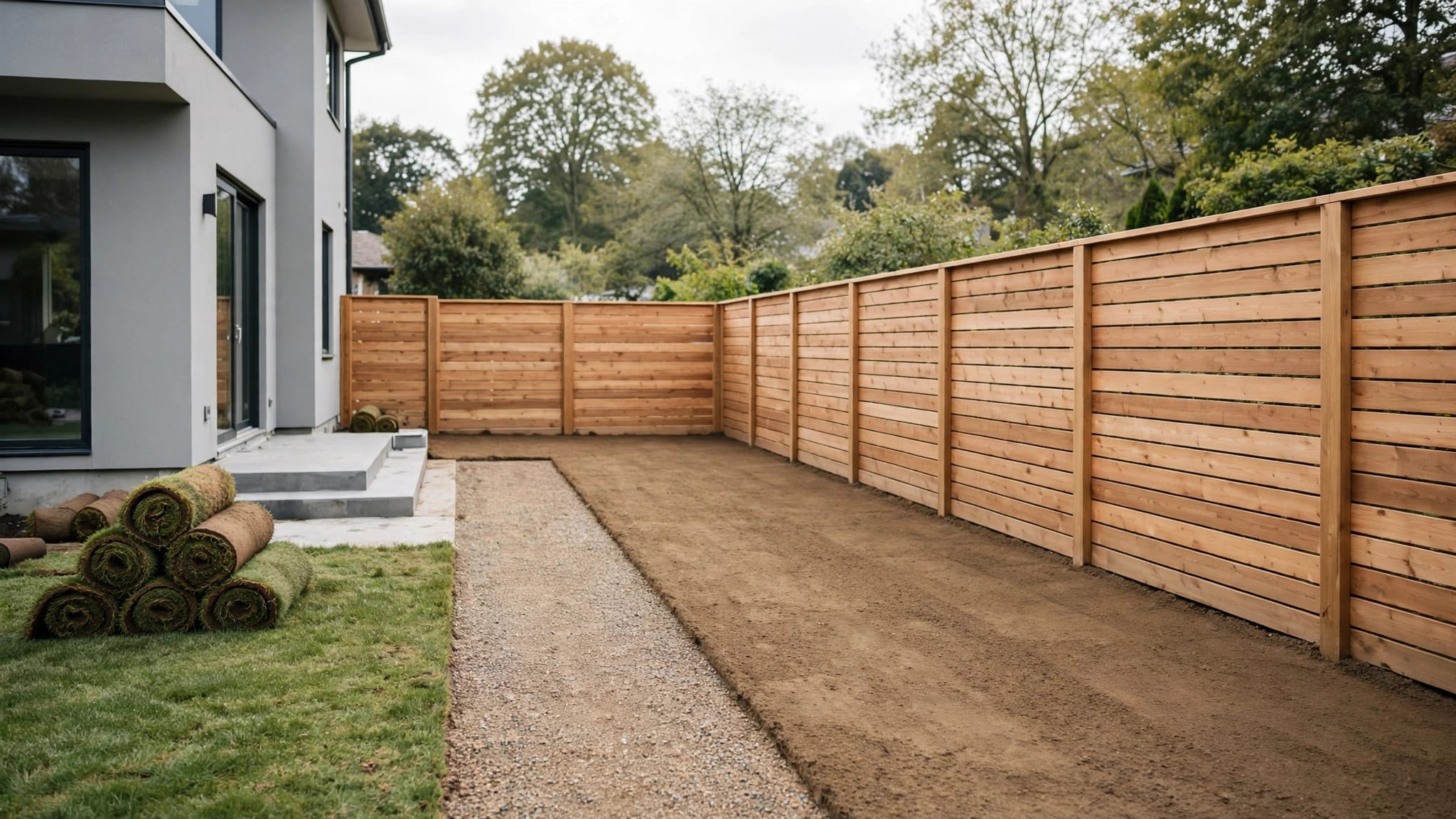
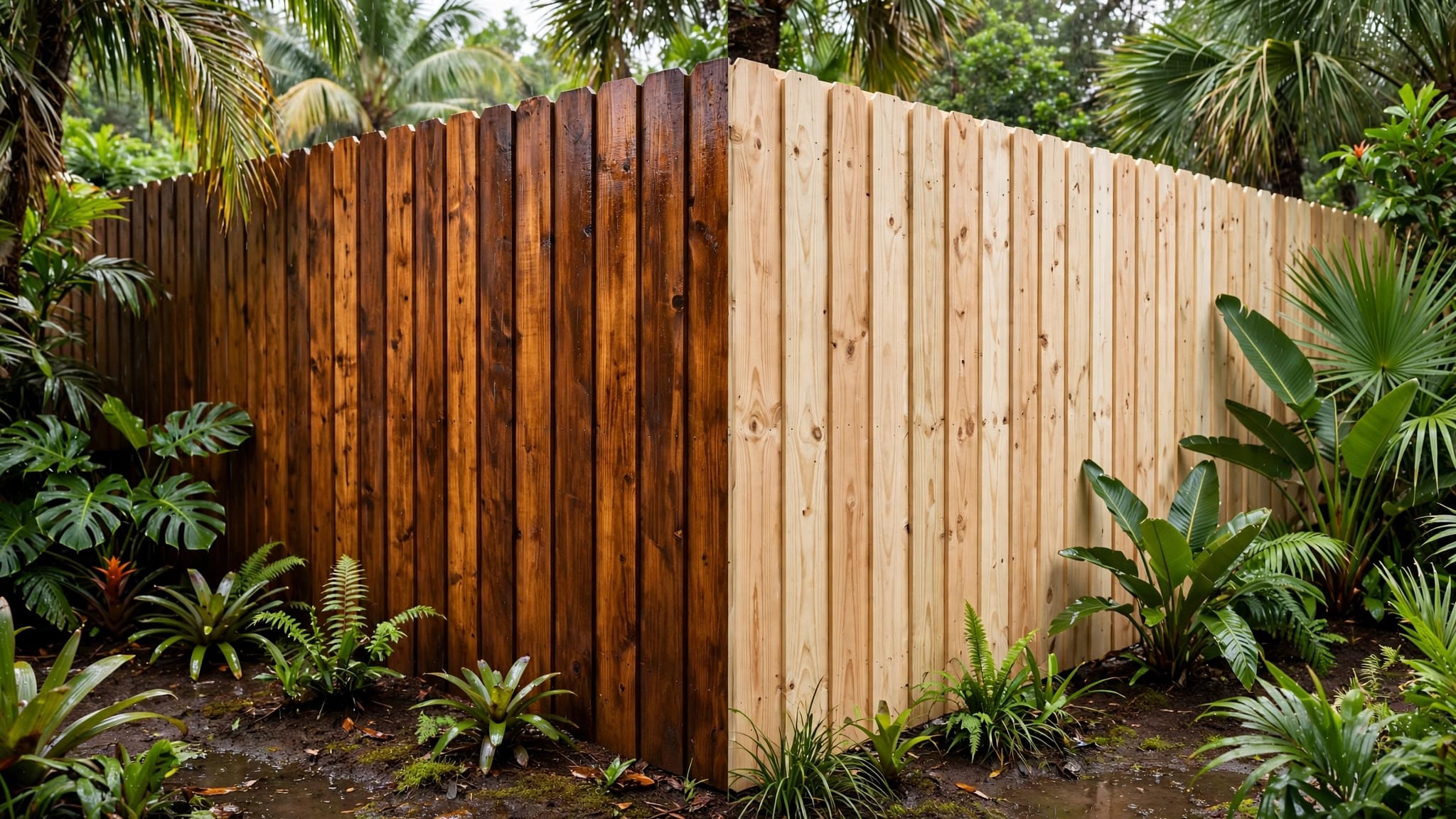
Aluminum works well for many homeowners who want a clean look with less upkeep. Vinyl is popular too, especially when privacy matters. Wood gives a warmer feel, but it needs more care over time. Chain link can work for utility areas or practical boundaries, though it is not the first choice for every front yard.
Style also matters. A fence should fit the house and the block around it. A bulky design can feel out of place near a smaller coastal home, while a lighter design can look more balanced.
The county may not care whether you like the look of a fence, but your property will. Once the posts go in, you live with that choice for years. That makes the right mix of appearance, upkeep, and code compliance worth thinking through before you submit the permit.
Conclusion
A Boca Grande fence permit is usually easier when you treat it like a paper problem first and a construction problem second. Check the lot line, look for easements, and confirm whether height or location will trigger review.
Charlotte County rules can change, and HOA limits can change too. Before you build, confirm the current requirements with the proper local building department or governing authority.
A fence that starts with the right plan is less likely to turn into a move-it-later project. In Boca Grande, that preparation saves time, money, and a lot of frustration.