Ave Maria Fence Permit Guide for 2026 Homeowners
A fence project in Ave Maria can move faster than most people expect, until the paperwork slows it down. The main reason is simple: you may need both HOA approval and a county fence permit before any work starts.
That catches a lot of homeowners off guard. One approval does not replace the other, and a fence that looks fine on paper can still get stopped by a setback line, an easement, or a community rule.
HOA approval does not replace the permit, and a permit does not replace HOA approval.
If you're planning a fence in 2026, the safest move is to line up both approvals before you buy materials. Here's how to handle the Ave Maria fence permit process without guessing.
Why Ave Maria fence approval has two parts
In Ave Maria, fence planning usually runs on two tracks. One track is the county permit . The other is neighborhood or HOA approval through the Ave Maria master or community association.
The county side looks at the project as a code and placement issue. It cares about things like where the fence sits, whether it crosses an easement, and whether the fence meets local rules. The HOA side looks at appearance and community standards. That often includes height, color, style, and where the fence can go on the lot.
Here's a simple side-by-side view.
| Approval | Who reviews it | What it covers | Why it can stop a project |
|---|---|---|---|
| HOA approval | Ave Maria association or neighborhood reviewer | Style, color, height, placement, and community standards | The fence may not match neighborhood rules |
| County permit | Collier County | Code compliance, site plan, setbacks, easements, and safety rules | The fence may sit in the wrong place or miss required documents |
For a Collier County-specific walk-through of the permit side, see Collier County fence permit basics. The key takeaway is easy to miss: the county and the HOA are checking different things , so you need both answers before you build.
The safest order for getting a fence approved
A lot of permit trouble comes from doing steps in the wrong order. Start with the community rules, then move to the county paperwork, then build only after both are clear.
1) Read the HOA fence rules first
Begin with the Ave Maria HOA or community guidelines. Look for rules on fence material, height, finish, and where the fence can sit on the lot. Some neighborhoods limit what you can place along the front, side, or rear yard.
If the rules aren't clear, ask for written guidance. That matters more than a casual answer over the phone. A yes from one person is not the same thing as a written approval.
2) Confirm your property lines and easements
Next, check your survey or site plan. A fence that crosses an easement can create a delay, even if it looks harmless. In some cases, the permit packet may need a signed easement acknowledgment form.
That step matters because a fence line is only useful if it's in the right place. A few inches can matter when a utility strip, drainage area, or recorded easement runs near the edge of the lot.
3) Gather the fence details before you apply
Have the fence type, height, length, and location ready. The county and HOA both want to know what you plan to build. A vague sketch usually leads to questions, and questions slow things down.
4) Submit HOA approval and county permit paperwork
Some homeowners send the HOA packet first. Others prepare both packets at the same time. Either way can work, as long as both approvals are tracked carefully.
If you want to move smoothly, keep one folder with every document, email, and plan. That keeps the project from turning into a paper chase.
5) Wait for written approval before installation
Do not start setting posts until the approvals are in hand. A quick install might feel efficient, but it can become expensive if the fence needs to move.
6) Schedule any required inspection
If your permit requires an inspection, plan for it early. Keep the permit paperwork close by, and make sure the finished fence matches the approved plan.
Documents that usually make the process easier
A clean application is easier to approve. Missing paperwork is one of the fastest ways to stall a fence project, especially when the lot has an easement or a pool.
Keep these items ready before you submit:
- A dimensioned site plan or survey that shows the fence location
- Fence specs for height, material, and style
- Property line information that matches the lot
- HOA approval or HOA submittal records
- An easement acknowledgment form , if the fence touches an easement
- Pool barrier details , if the yard has a pool or spa
A complete packet gives reviewers fewer reasons to send it back. That saves time, and it also helps your contractor quote the job more accurately.
Fence details that can change the answer
Two fences can look almost the same and still get treated differently. That's why style, location, and lot conditions matter so much in Ave Maria.
Fence height and visibility
Height is one of the first things reviewers check. HOA rules often care about how the fence looks from the street or neighboring lots. County reviewers may care more about whether the fence meets code and sits in the right spot.
Fence material and finish
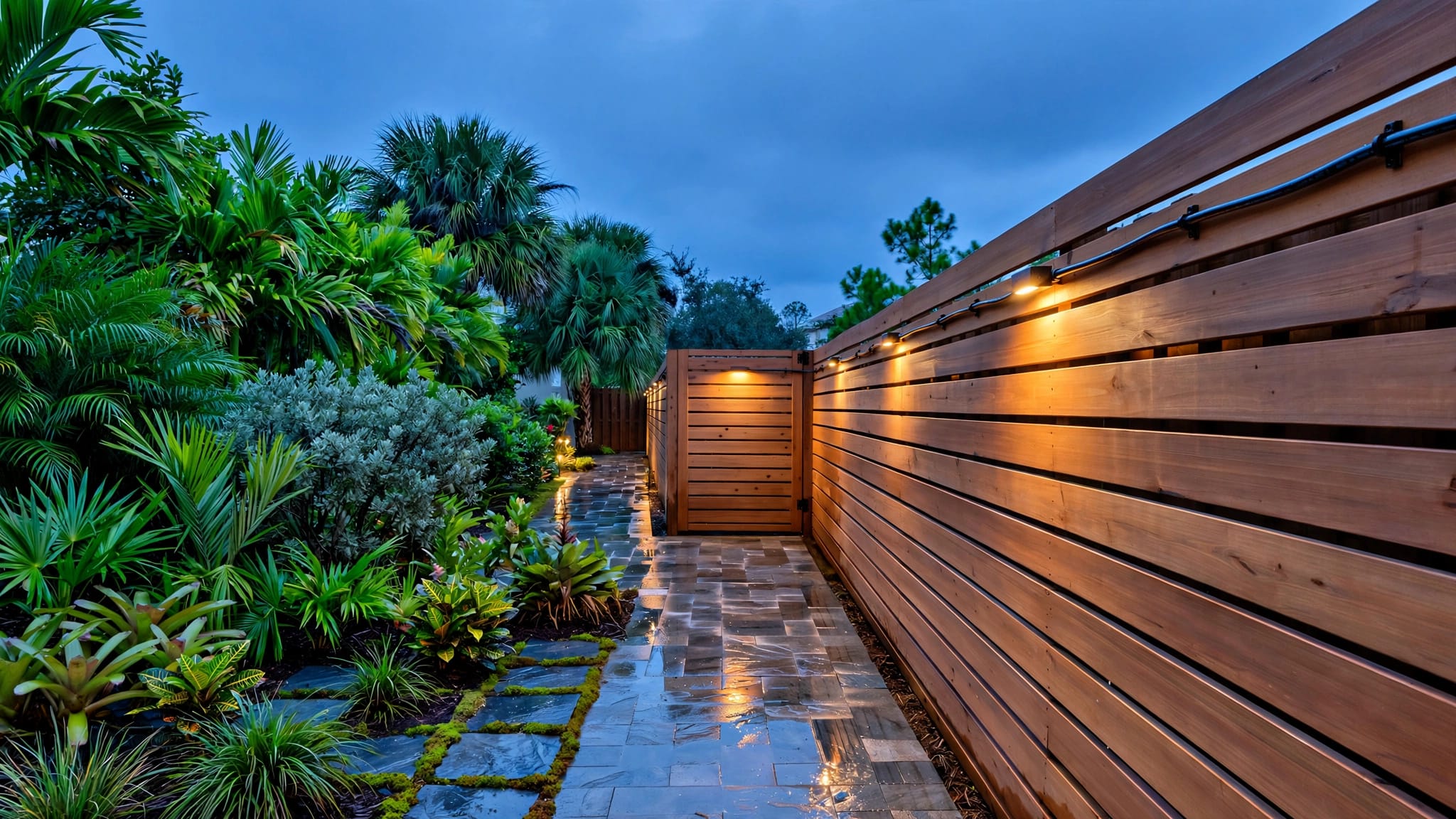
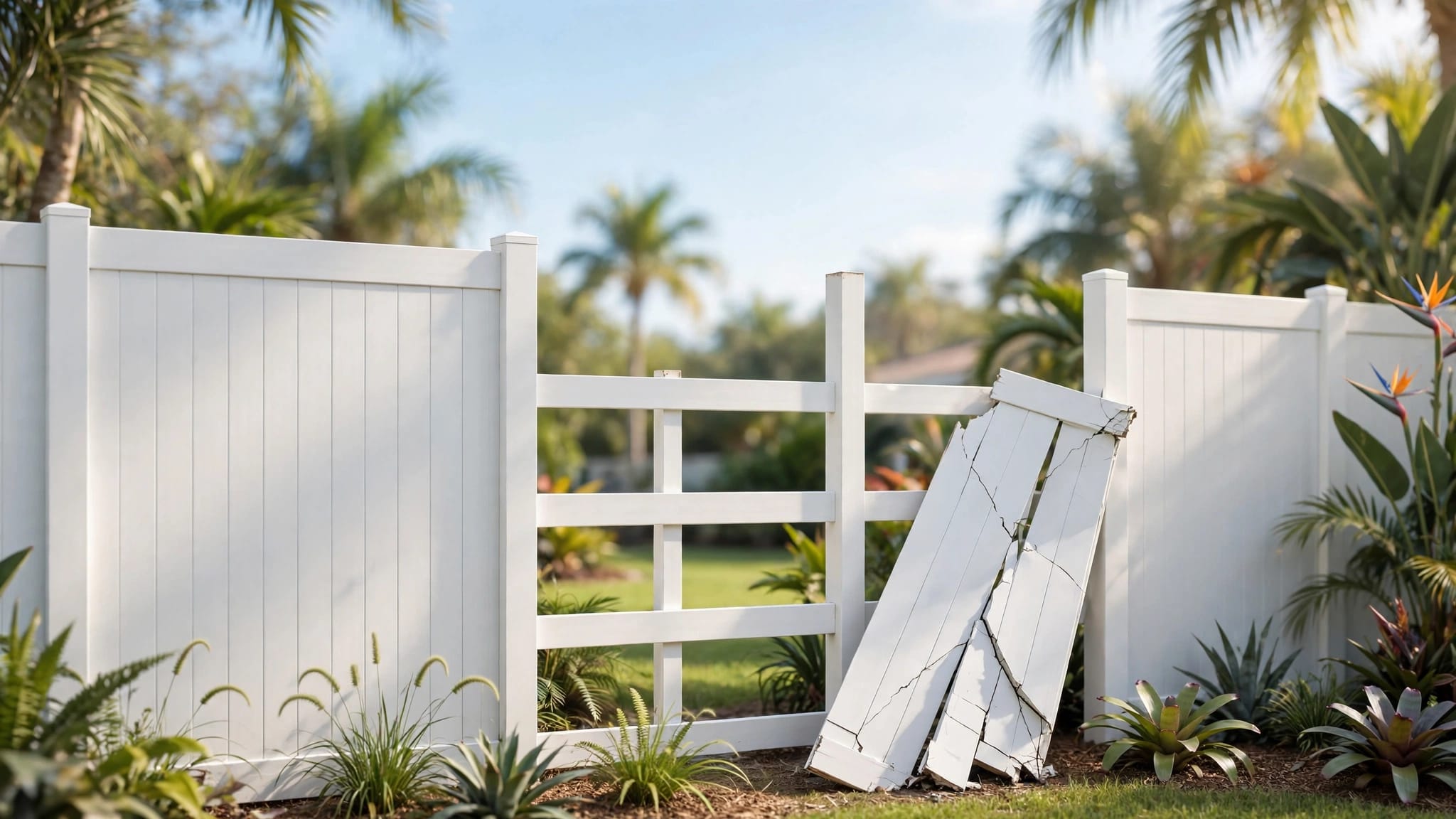
Vinyl, wood, chain link, aluminum, and metal can all bring different reactions from a community association. A county permit may not focus on color the way an HOA does, but the HOA often will. If your neighborhood has a preferred look, that can shape the whole design.
Fence placement near pools or drainage areas
If you have a pool, expect added safety-barrier rules. Those rules can affect gate swing, latch height, and fence openings. Drainage swales and easements can also change where a fence can go.
Shared edges and corner lots
Corner lots and rear lots near open space can bring extra review. Visibility, setbacks, and side-yard placement may all matter. In a community like Ave Maria, those details can affect whether a standard fence plan gets approved without changes.
A practical checklist before you call a contractor
If you want to avoid back-and-forth, review the basics before you ask for a bid. A good contractor can help, but the homeowner still needs the core facts.
Use this quick check:
- Do you know your lot lines?
- Have you read the HOA fence rules?
- Do you know whether an easement touches the fence line?
- Is there a pool, spa, or other barrier issue?
- Do you want privacy, security, or a cleaner yard boundary?
- Have you checked whether the county wants a permit packet for your exact project?
Those answers help the contractor design the fence correctly the first time. They also cut down on change orders and permit revisions.
Working with a fence contractor in Ave Maria
A good contractor does more than set posts. They should help you think through placement, materials, and the paperwork that comes with the job. That matters even more in a planned community, where the HOA and county may review different parts of the project.
Ask how they handle permit preparation. Ask whether they can work from your survey. Ask if they've dealt with Ave Maria approvals before. Those questions are simple, but they tell you a lot about how smooth the project will be.
You should also ask how the finished fence will be checked against the approved plan. A fence that matches the permit packet is far less likely to cause trouble later.
Common mistakes that delay Ave Maria fence projects
Most delays come from a few repeat problems. The good news is that they're easy to avoid once you know what to watch for.
The biggest mistakes are starting construction before written approval, using a sketch instead of a proper site plan, and assuming the HOA's yes covers the county permit. Another common issue is forgetting that an easement can change the allowed fence line.
Pool yards create another snag. If the fence is meant to act as a barrier, the safety rules need attention before anyone installs a post.
Small errors can turn into large delays. A fence is a simple project, but the approvals need careful handling.
Conclusion
A fence in Ave Maria is usually a two-step approval process, not one. You need the HOA's written approval and the county permit side handled before installation begins.
If you start with the survey, check the community rules, and confirm easements early, the project is much easier to manage. That's the part many homeowners miss when they rush toward the build.
Before you install anything in 2026, verify the current requirements with the Ave Maria association and the proper Collier County office for your address. A few extra minutes at the start can save you a lot of trouble later.