Florida Tenant Fence Rules for Rental Homes
A Florida tenant fence project usually requires the property owner's written approval before any contractor breaks ground. Even if you pay for the work, a fence changes the property and may affect drainage, access, property lines, and future maintenance.
Florida law doesn't create one statewide rule that lets renters install fences without permission. Your lease, landlord's approval, local building rules, and any HOA requirements all matter. Start with the lease, then confirm the project details in writing before requesting a final installation quote.
Key Takeaways
- Get written landlord approval before installing, replacing, or substantially changing a fence.
- Review the lease for alteration, landscaping, maintenance, and restoration terms.
- Check city or county permit rules, setbacks, drainage easements, and right-of-way restrictions.
- Confirm HOA or condominium approval before choosing a material, height, color, or gate design.
- Put payment, ownership, repairs, removal, and property restoration terms in the approval agreement.
Can a Florida Tenant Fence Be Installed Without Permission?
In most rental situations, a tenant shouldn't install a fence without the landlord's written consent. A fence is a permanent improvement, even when the tenant considers it temporary. Posts are set into the ground, gates can affect access, and the structure can change how the yard looks and functions.
The lease may prohibit alterations entirely or require the landlord's prior written approval. Some leases also address landscaping, exterior improvements, sheds, pools, patios, and other outdoor changes. A verbal statement such as "that should be fine" may not settle questions about cost, damage, ownership, or removal later.
Florida's Residential Landlord and Tenant Act, found in Chapter 83 of the Florida Statutes, sets landlord and tenant responsibilities. Under Florida Statutes Section 83.51, landlords must follow applicable building, housing, and health codes. The statute also covers certain structural components and common areas. However, it doesn't impose a blanket requirement for a landlord to provide a fenced yard at every single-family rental home.
That distinction matters. If the home came with a fence, the lease assigns fence maintenance to the landlord, or the fence was an important part of the rental agreement, different issues may arise. If you want to add a new fence, your right to make that improvement usually depends on the lease and the owner's approval.
A tenant's payment for the fence doesn't automatically create ownership or permission to alter the property.
Written permission protects both sides. It also gives a fence contractor clear direction about who authorized the work and what the finished project should include.
Get Written Approval Before Planning the Fence
Ask your landlord for approval before ordering materials or scheduling an installation. Send a short written request that identifies the property, proposed fence location, approximate dimensions, material, color, gate placement, and the reason for the project.
The landlord may approve the idea but reject the proposed design. For example, an owner might allow a fence but require vinyl instead of wood, a specific gate location, or a style that matches nearby homes. HOA rules can impose similar limits.
A useful approval agreement should answer these questions:
- Who will pay for materials, labor, permits, surveys, and repairs?
- Who will hire the contractor and supervise the work?
- Who will own the fence during the tenancy and after the lease ends?
- Who will repair storm damage, gate problems, rot, rust, or accidental damage?
- Can the tenant remove the fence before moving out?
- Must the tenant restore the yard or remove the posts at move-out?
- Does the landlord require a particular contractor, license, insurance, or warranty?
- Will the landlord reimburse any part of the cost, or is the improvement entirely tenant-funded?
Both parties should sign the approval, and each should keep a copy with the lease. Include drawings or a marked site plan when the fence location is important.
Avoid paying a deposit to a contractor until these terms are settled. If the landlord later changes their mind, a tenant could face a difficult dispute over unfinished work, stored materials, or a nonrefundable payment.
The Florida Bar's landlord-tenant consumer information can help renters understand general lease issues. For advice about a particular disagreement, speak with a Florida attorney or a qualified tenant assistance organization.
Check Florida Permits, Local Rules, and HOA Requirements
Landlord approval is only one part of the process. Cities and counties can regulate fence height, placement, materials, permits, visibility, and access. The rules may differ between Cape Coral, Fort Myers, Naples, Sarasota, Port Charlotte, and unincorporated areas.
Contact the building or zoning department for the property's exact address. Ask whether the project needs a permit and whether the city has rules for:
- Front, side, and rear setbacks
- Maximum fence height
- Corner-lot visibility
- Drainage areas and swales
- Utility or drainage easements
- Public rights-of-way
- Pool barriers
- Gate width and emergency access
- Prohibited materials or construction methods
Cape Coral, for example, requires a permit for fence installation, according to the project information available for local fence work. Requirements can change, so confirm current instructions with the city's permitting department before construction.
In addition, a fence can't cross a neighbor's property or block an easement simply because the location seems convenient. The University of Florida IFAS publication on Florida fence and property law discusses boundary disputes, easements, and encroachment concerns. A survey may be worthwhile when property pins are missing, the lot has an unusual shape, or an older fence appears misplaced.
HOA and condominium rules create another approval layer. An association may require an architectural application, color sample, site plan, or owner submission. Some associations won't process a request from a tenant without the property owner's signature.
Don't assume a previous fence establishes the correct location or current compliance. An old fence may predate a code change, sit inside an easement, or have been installed without proper approval. The contractor can help identify visible site concerns, but the owner or tenant may need a surveyor or government office for a final determination.
Decide Who Pays, Maintains, and Owns the Fence
Most tenant-funded fence projects need clear financial terms. A landlord may agree to pay for the entire installation, contribute a fixed amount, credit approved work against rent, or allow the tenant to pay without reimbursement. Put the exact arrangement in writing.
A tenant also shouldn't assume the landlord must reimburse an improvement. Unless the lease or a separate written agreement says otherwise, the owner may not have agreed to cover the cost. Rent credits can create accounting and lease issues, so never deduct the expense from rent on your own.
Maintenance deserves equal attention. Florida law doesn't provide a universal rule requiring a landlord to maintain a fence at every single-family rental home. The lease may assign exterior upkeep to the tenant, the landlord, or neither party. The approval agreement should fill any gaps.
For example, specify who handles a sagging gate, loose latch, broken panel, fallen tree, termite damage, or storm-related repairs. State whether the tenant must report damage promptly and whether the landlord controls repair decisions.
Ownership can become complicated when a tenant pays for a fence attached to the land. A fence generally stays with the property unless the parties agree on removal. If you want to take the fence with you, get written approval before installation and state how the yard will be restored.
A landlord may also require removal at the end of the lease. That could involve pulling posts, filling holes, repairing irrigation lines, replacing grass, or removing concrete. Those costs can exceed the original estimate if the agreement doesn't address them.
Choose a Fence That Fits the Rental and the Approval
Once the owner and authorities approve the plan, choose a material that fits the property's use and the written terms.
Vinyl fencing offers privacy options and doesn't require painting. It can suit tenants who want a clean appearance with limited routine maintenance. The owner may still have preferences about panel style and color.
Wood fencing provides a traditional privacy look and can accommodate custom designs. However, wood needs attention over time, and the agreement should identify who handles staining, painting, and damage.
Chain-link fencing often provides a practical boundary for pets or yard access. Privacy slats may change the appearance and may require separate HOA approval.
Aluminum fencing creates an open view and works well where visibility matters. It may be useful around certain pools or yards, subject to code and association rules.
Ask the contractor to review gates, utility lines, irrigation, drainage, soil conditions, and the proposed property line. A written estimate should identify the fence length, height, material, number of gates, hardware, permit responsibilities, and cleanup.
If the project is in Cape Coral, review the Cape Coral fence installation timeline before setting move-in or landscaping plans. Permit processing, utility marking, post installation, curing time, and gate work can affect the schedule.
What If the Existing Rental Fence Needs Repairs?
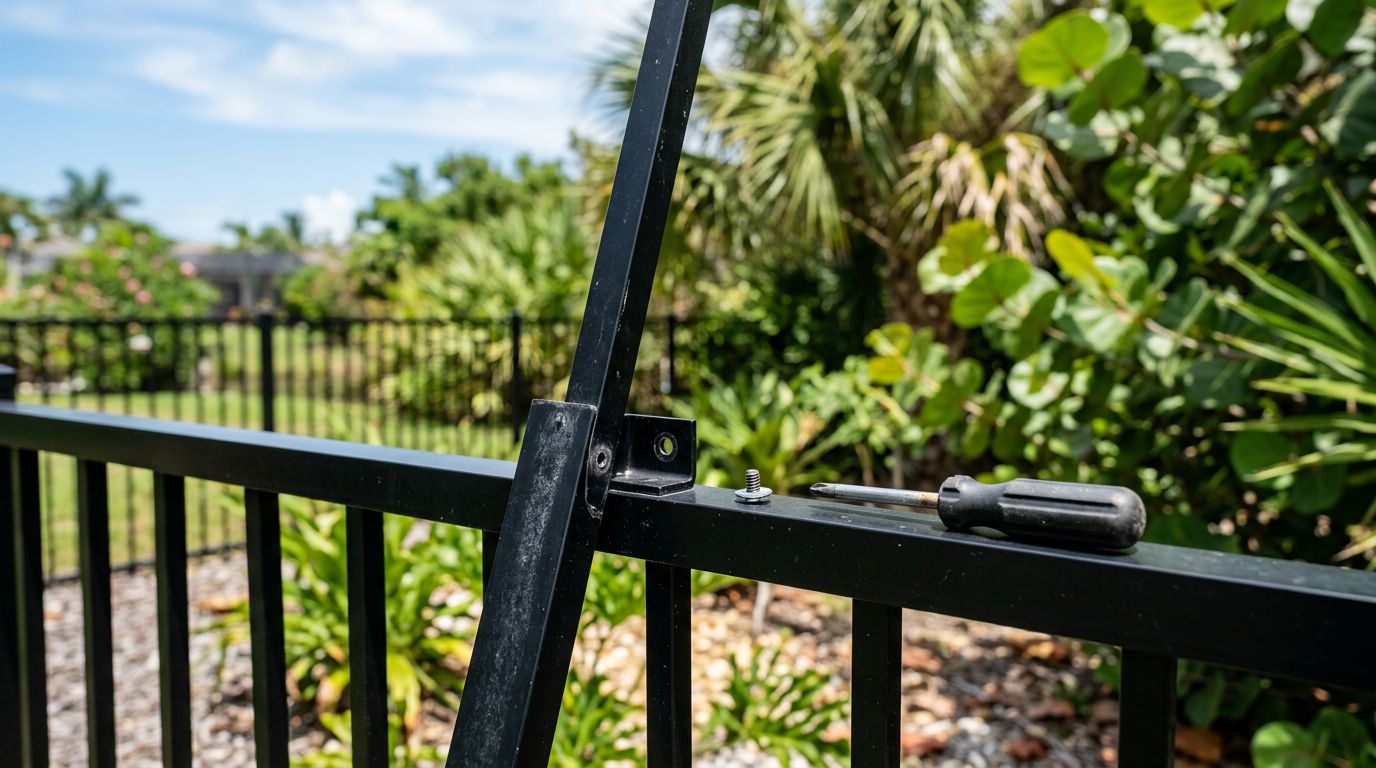
A damaged fence is a different issue from a tenant-requested improvement. Report the condition to the landlord in writing, include clear photographs, and review the lease for repair responsibilities. Describe whether the problem affects security, pets, children, access, or storm damage.
Don't hire a contractor or replace sections without authorization unless an emergency creates an immediate safety concern and you understand the potential cost risk. Even then, contact the landlord promptly and keep invoices, photos, and messages.
If the fence was promised as part of the rental, its condition may matter more than an optional improvement. The lease language, move-in records, advertisements, and communications can help show what the parties agreed to. A local attorney can explain available options if the landlord refuses a repair required by the agreement.
For boundary fences, tenants should let the property owner handle discussions with adjoining owners. Florida doesn't generally require neighboring owners to build a dividing fence or share its cost without an agreement. A tenant shouldn't sign a boundary or maintenance arrangement on the owner's behalf without written authority.
Conclusion
A Florida tenant fence can be possible, but the safe starting point is written landlord approval. Review the lease, confirm local and HOA rules, verify the proposed location, and settle payment, ownership, maintenance, and removal before work begins.
A fence contractor can help with design, materials, permits, and installation details. The landlord's written agreement remains the document that protects your rental relationship and clarifies what happens when the lease ends.