What Happens If You Skip a Fence Permit in Florida
A fence can look like the simplest part of a yard project, until the paperwork catches up with it. In Florida, skipping the permit can lead to fines, a stop-work order, or a demand to change the fence after it is already installed.
The details change by city, county, and even neighborhood. This is general information, not legal advice, so always check with your local building department before you build.
Why skipping the permit creates fast problems
A fence permit is not just a formality. Local officials use it to check setbacks, height limits, easements, visibility near corners, and pool barrier rules. If you skip it, the fence may still go in, but the problem usually shows up later.
That can happen in a few different ways. A neighbor may complain. A code officer may spot the work. A permit review for another project may bring attention to the fence. Sometimes the issue comes up when you sell the house and the records do not match what sits in the yard.
If your city wants a site plan or survey, that step matters before anyone sets a post. For many homeowners, understanding Florida fence permit site plan rules helps avoid a late surprise.
The bigger issue is this, an unpermitted fence can force you into a cleanup process that takes more time and money than the permit would have cost in the first place.
The fines, orders, and extra costs that can follow
The first notice is often the least painful one. After that, the costs can stack up fast if the violation stays open.
| Possible consequence | What it usually means | Why it matters |
|---|---|---|
| Code enforcement notice | The city or county says the fence may violate local rules | You may need to respond quickly with paperwork or changes |
| Daily fines | Fees can add up as long as the violation stays open | A small problem can turn into a larger bill |
| Stop-work order | Work must stop until the issue is cleared | This matters if the fence is only partly built |
| Retroactive permit | You apply after the fence is already up | Expect extra forms, fees, and possible inspections |
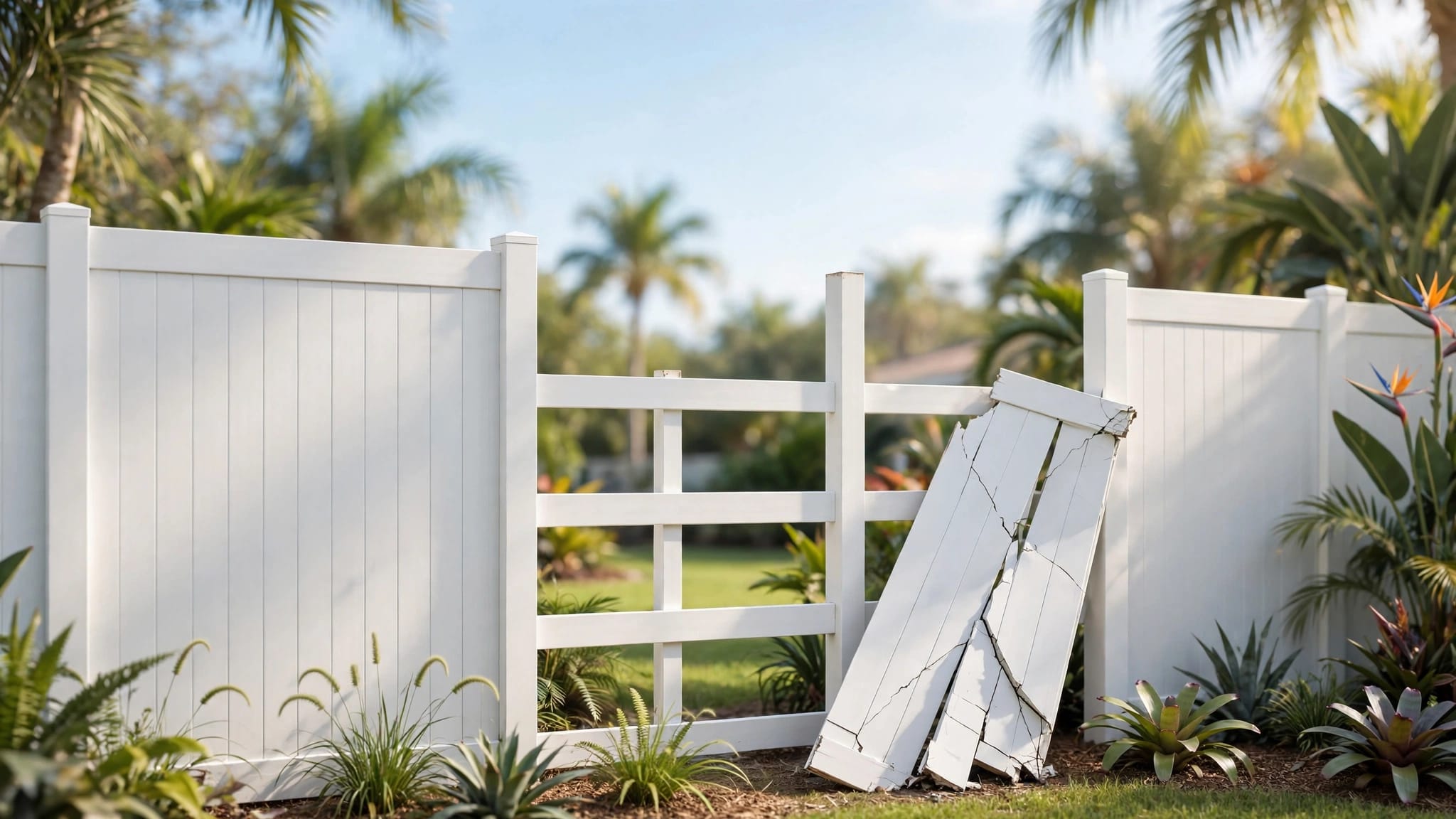
| Fence removal or changes | Part of the fence may need to move, shrink, or come down | This can be the most expensive outcome |
| Property lien | Unpaid violations can attach to the property | Selling or refinancing can get harder |
The table tells the story. A missed permit can turn into a paper chase first, then a money problem, and sometimes a construction problem too.
If a fence is out of compliance, fixing it early is usually cheaper than waiting for enforcement to grow.
Pool barriers deserve special attention. Florida treats those fences more seriously because safety is involved. In some cases, a pool barrier violation can become more than a code issue if it is not corrected within the allowed time.
Why one Florida fence rule does not fit every town
Florida does not have one simple fence rule that works everywhere. Local building departments set many of the day-to-day requirements. That means a fence allowed in one town may need a different permit, setback, or height limit a few miles away.
City limits and unincorporated county areas can follow different rules. HOAs can add another layer. Even if the city would allow the fence, the neighborhood may still require approval. If you skip HOA approval, you can face fines or removal orders on top of any city issue.
That is why homeowners in Southwest Florida should verify the rules with their local office before they buy materials. If you are in Collier County, the process has its own local steps, and Collier County fence permit requirements for homeowners are a good example of how specific these rules can get.
Fence type matters too. Vinyl, wood, chain link, and aluminum can all fall under different review points. Corner lots, driveways, and utility easements can add more limits. A fence that looks fine on paper may still fail if it blocks a sight line or sits in the wrong place.
That is also why a permit denial does not always mean the project is impossible. It often means the documents, location, or design need to be corrected first.
What to do if the fence is already built
If the fence is already up, the best move is to deal with it quickly. Waiting usually makes the problem more expensive.
- Pause any more work. Do not add gates, extensions, or extra sections until you know the local rules.
- Call the building department. Ask whether the fence needs a permit, an after-the-fact permit, or a correction plan.
- Gather your records. Keep photos, property documents, surveys, HOA paperwork, and any contractor invoices.
- Prepare for an inspection. An inspector may want to see the lot lines, fence height, and placement.
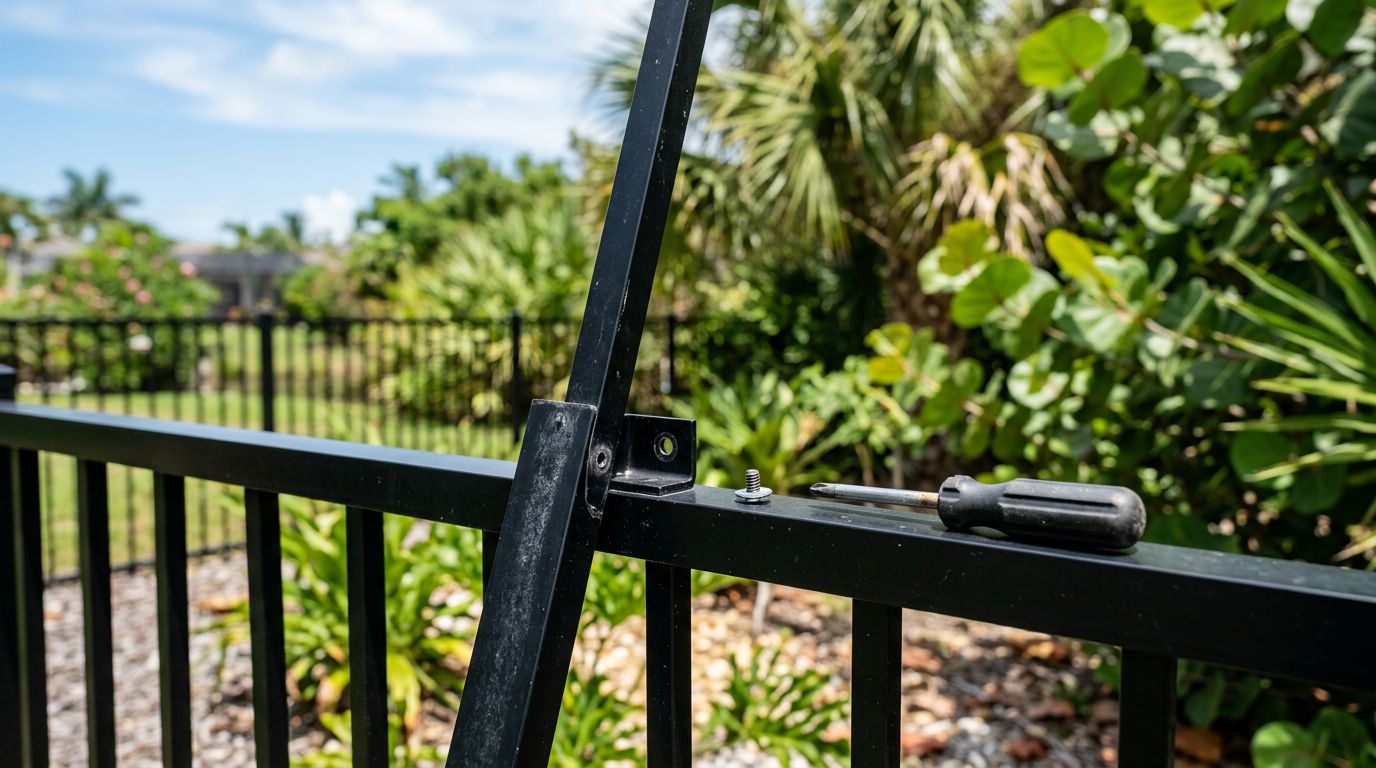
- Fix what the office flags. That may mean changing a section, moving the fence, or shortening it to meet code.
The paperwork part can be frustrating, especially if the first permit request gets sent back. Missing measurements, unclear placement, and weak site drawings are common reasons applications get rejected. If you need to clean up the file, common reasons for fence permit denials in Florida can help you avoid the same mistakes twice.
A retroactive permit is not always a simple stamp. Sometimes it takes a survey, a revised site plan, or proof that the fence sits outside an easement. In some cases, a property owner has to hire help to move a section before the permit can close out.
The goal is to get the violation corrected before it turns into a bigger record problem. Unpaid fines and unresolved notices can make a future home sale harder than the fence project ever should have been.
How to keep the next fence project on track
The easiest way to avoid permit trouble is to check the rules before you order posts or concrete. That small step can save days of delay later.
A few checks matter more than most:
- Confirm whether your address is inside a city or in unincorporated county land.
- Ask whether a survey or site plan is needed.
- Check fence height limits for your lot type.
- Verify HOA approval rules before work starts.
- Mark utility lines and easements before the first hole is dug.
These steps sound basic, but they stop the most common mistakes. They also make the permit review go smoother because the office gets the details it needs upfront.
For homeowners planning a fence in Southwest Florida, the local rules are the real guide. A good contractor will know which permits, drawings, and approvals apply before the first panel goes up. That saves time, and it can keep your project from getting pulled into code enforcement later.
Conclusion
Skipping a fence permit in Florida can lead to fines, stop-work orders, added fees, and sometimes removal of the fence. The exact outcome depends on where you live, because municipal and county rules vary across the state.
If the fence is already built, the best move is to call the local building department, gather your property records, and fix the issue as soon as possible. A little paperwork now is far better than a bigger problem later.