Best Fence Options For Dogs That Dig In Florida Sand
If your dog can move sand like a tiny excavator, you're not alone. In Southwest Florida, soft soil and heavy rain can turn a small digging habit into a real escape route fast. The good news is that the right dog digging fence setup isn't just about the fence style. It's also about what happens at ground level.
Below are Florida-appropriate fence options that hold up in sand, plus humane anti-dig methods that work in wet seasons and coastal air.
What a dog digging fence needs in Florida sand (and why)
Florida sand collapses easily, so dogs don't need much time to create a tunnel. Add summer storms and you get washouts along fence lines, especially where water runs off the yard. In other words, even a well-built fence can end up with a surprise gap under it.
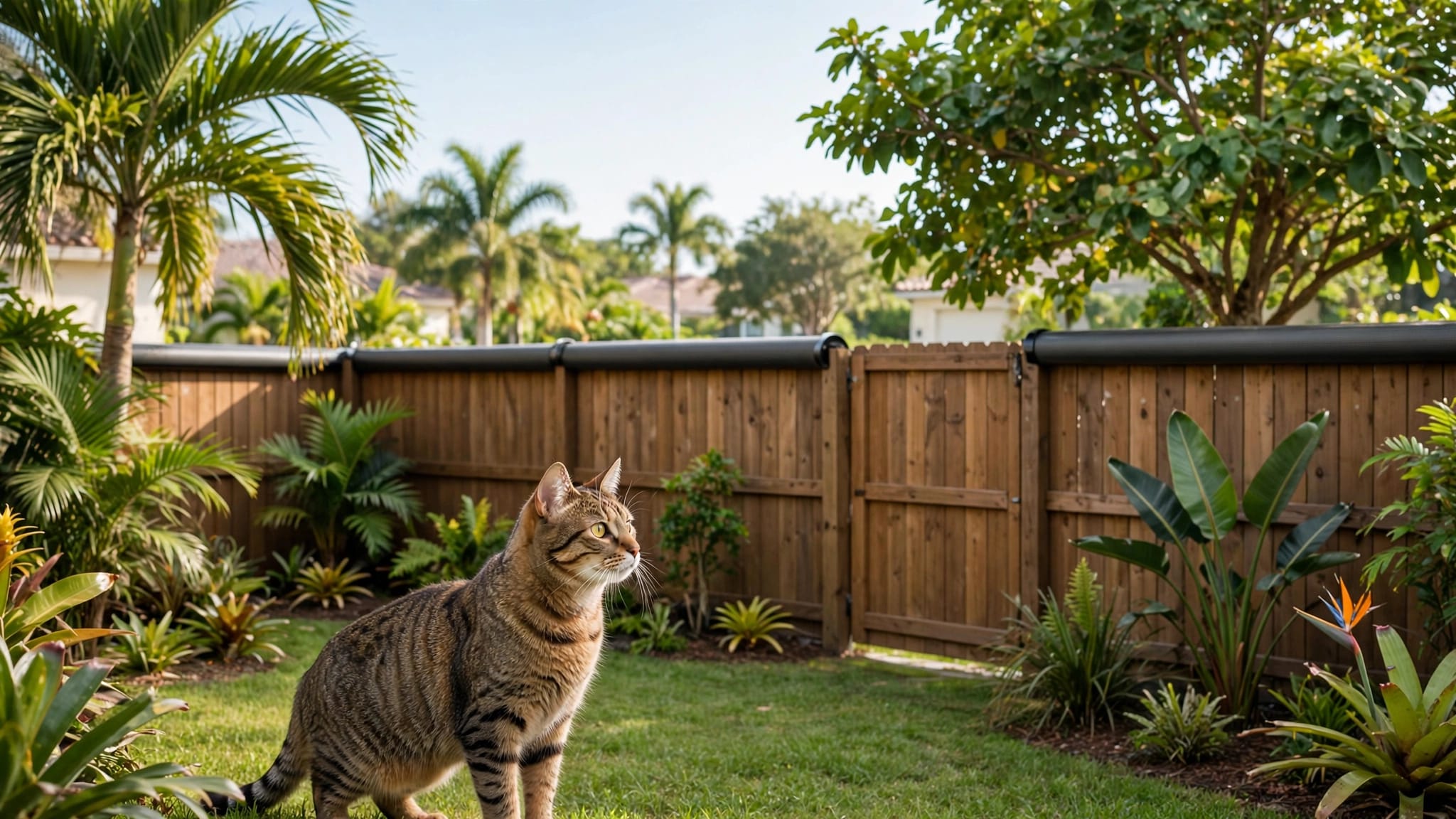
Digging is also self-rewarding. The sand is cool below the surface, lizards leave scent trails, and the other side of the fence feels like a mission. Once a dog succeeds one time, they'll often return to the same spot like it's their "favorite door."
A strong plan usually includes two layers:
First, a fence that stays straight and secure as the ground shifts. Posts matter as much as panels. In sandy soil, post depth, concrete footings, and proper drainage around the base all help prevent settling that opens up gaps.
Second, a ground barrier that stops the first scoop. That barrier has to handle rain, sprinklers, and salt air without rusting apart.
Coastal conditions are the silent fence killer. Salt air speeds up corrosion on fasteners, ties, and any exposed steel. For hardware near the ground, hot-dipped galvanized or stainless steel parts tend to last longer than basic plated options.
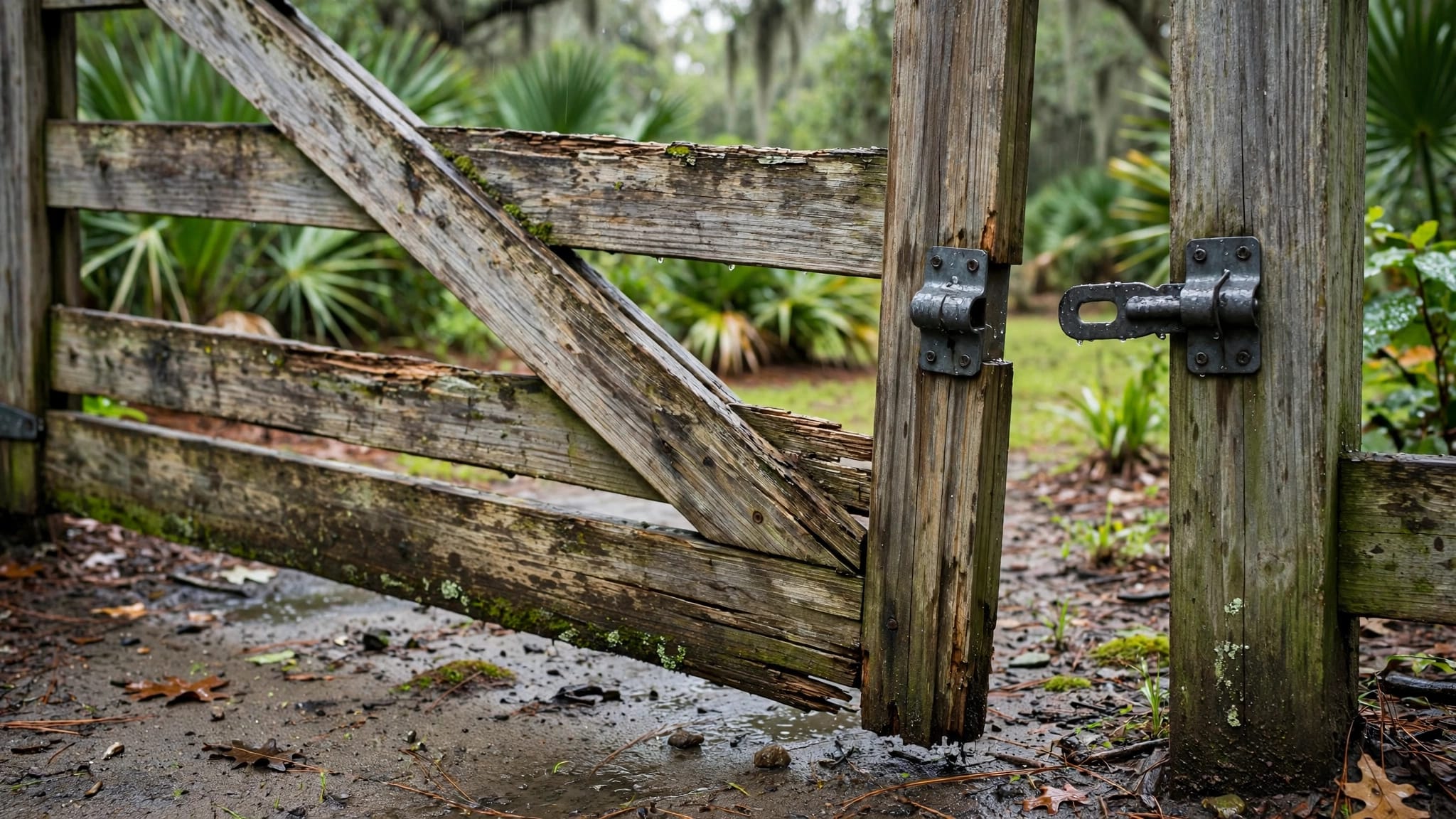
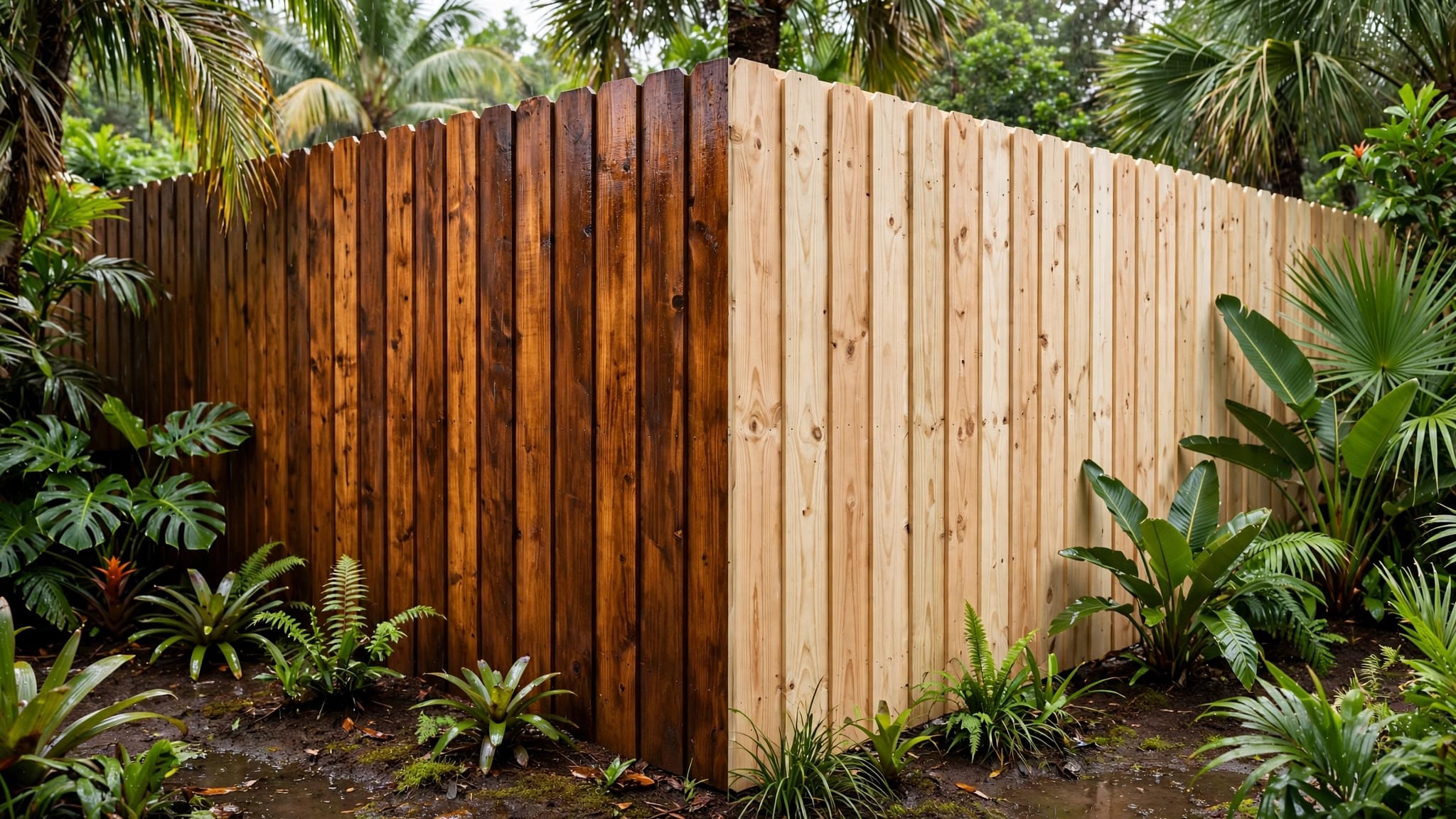
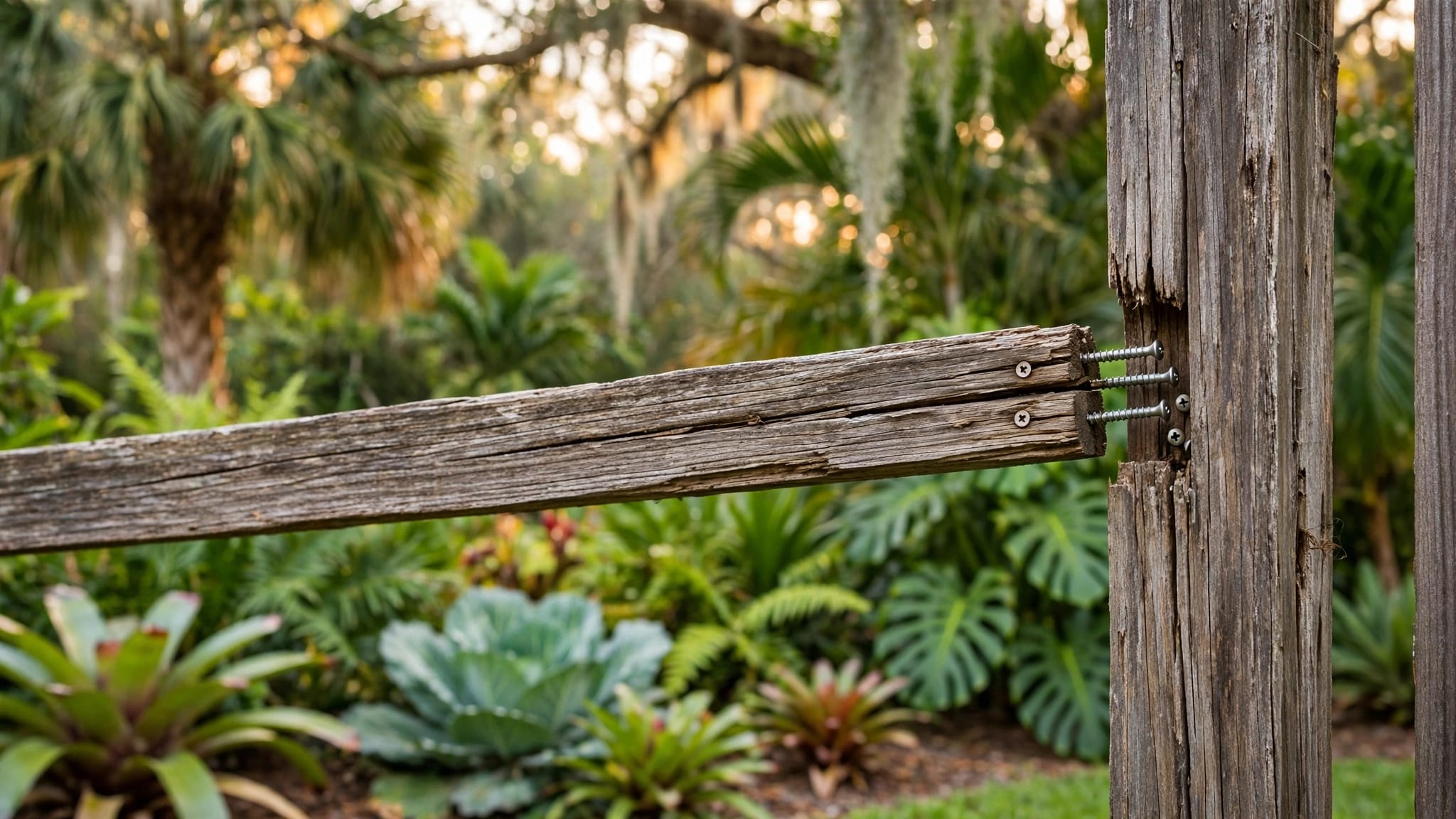
Wood fences can work, but Florida adds two complications: termites and rot. If the bottom of wood pickets stays in wet sand, the fence ages faster and repairs become routine.
Finally, don't ignore wind. Solid privacy panels catch gusts like a sail. If you want privacy, the structure needs posts and framing that match Florida weather, not a bargain build.
Fence materials that stand up to diggers in Southwest Florida
The "best" fence depends on your dog's size, drive, and your neighborhood rules. Still, a few options show up again and again because they perform well in sand when installed correctly.
Chain link is a practical choice for determined diggers because it's hard to break, and it pairs well with buried barriers. It also sheds wind instead of fighting it. For many yards, Cape Coral chain link benefits for pet containment come down to durability, visibility, and easier repairs after storms.
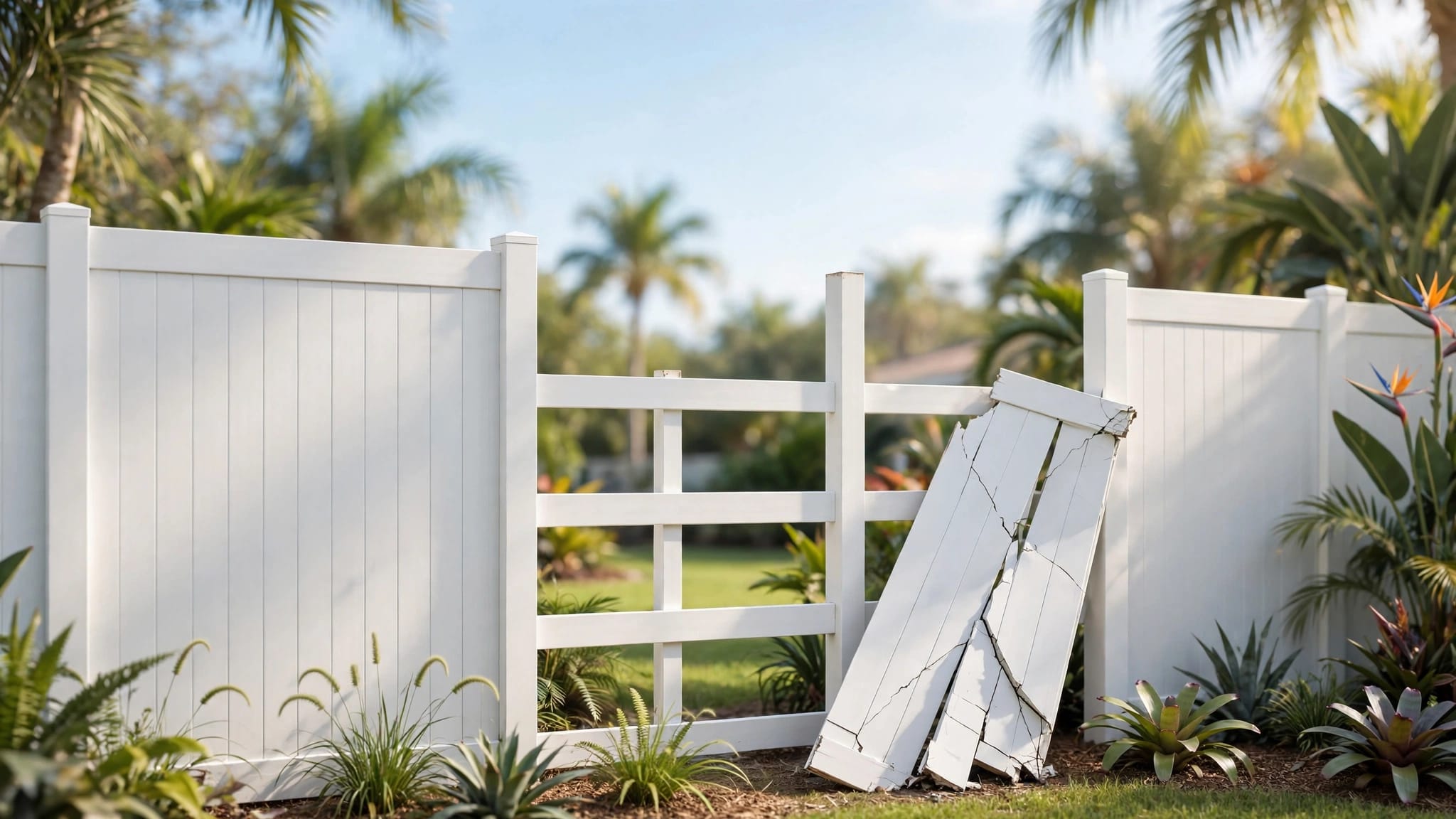
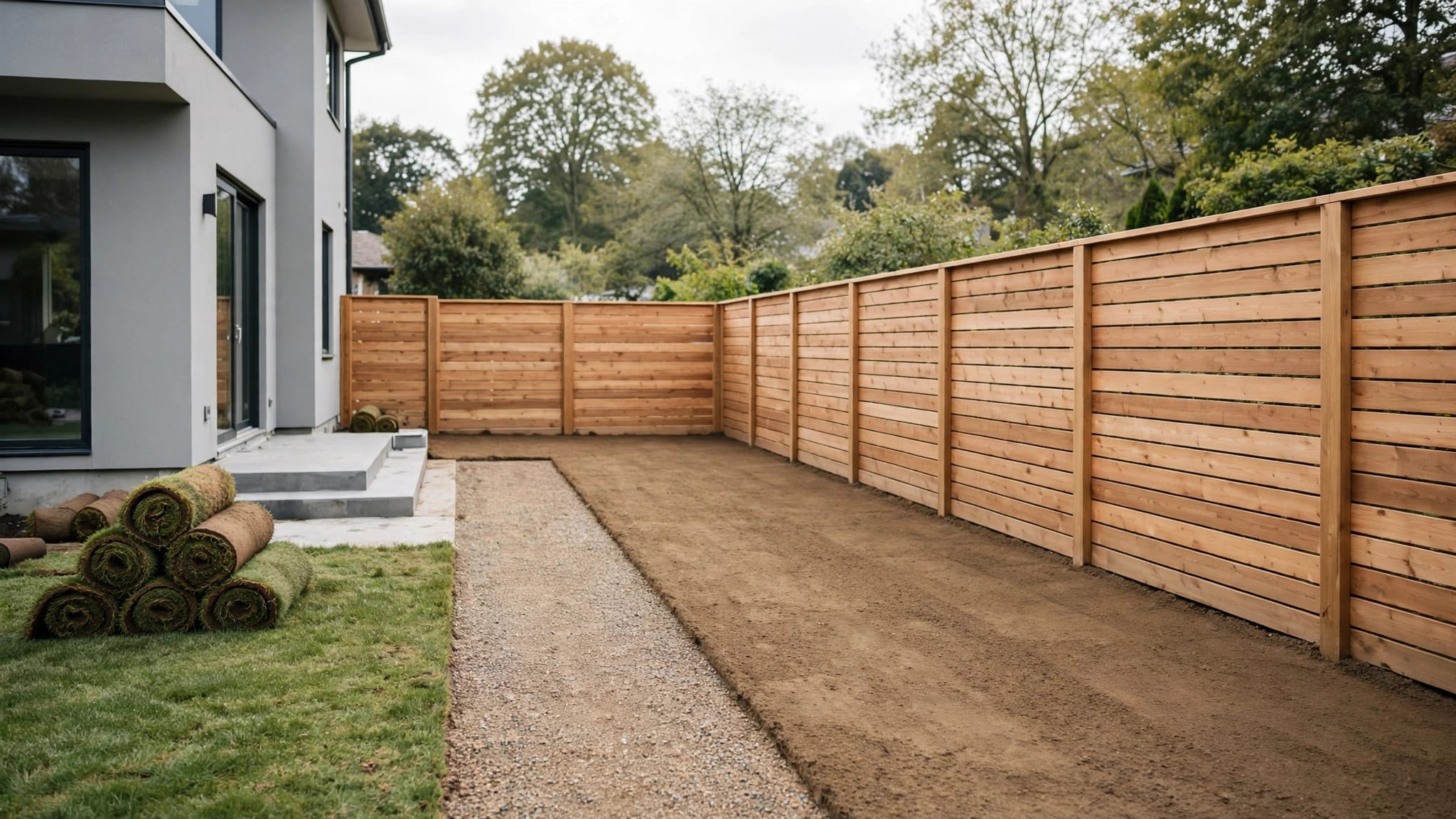
Vinyl privacy works great for many families because it blocks sight lines that trigger fence-running. The panels also don't rot, which matters in humid seasons. The tradeoff is wind load, since privacy fencing is solid. If your yard needs a clean look with low upkeep, vinyl privacy fences preventing dog digs in sand often come down to strong posts, proper spacing, and a smart anti-dig detail at the bottom.
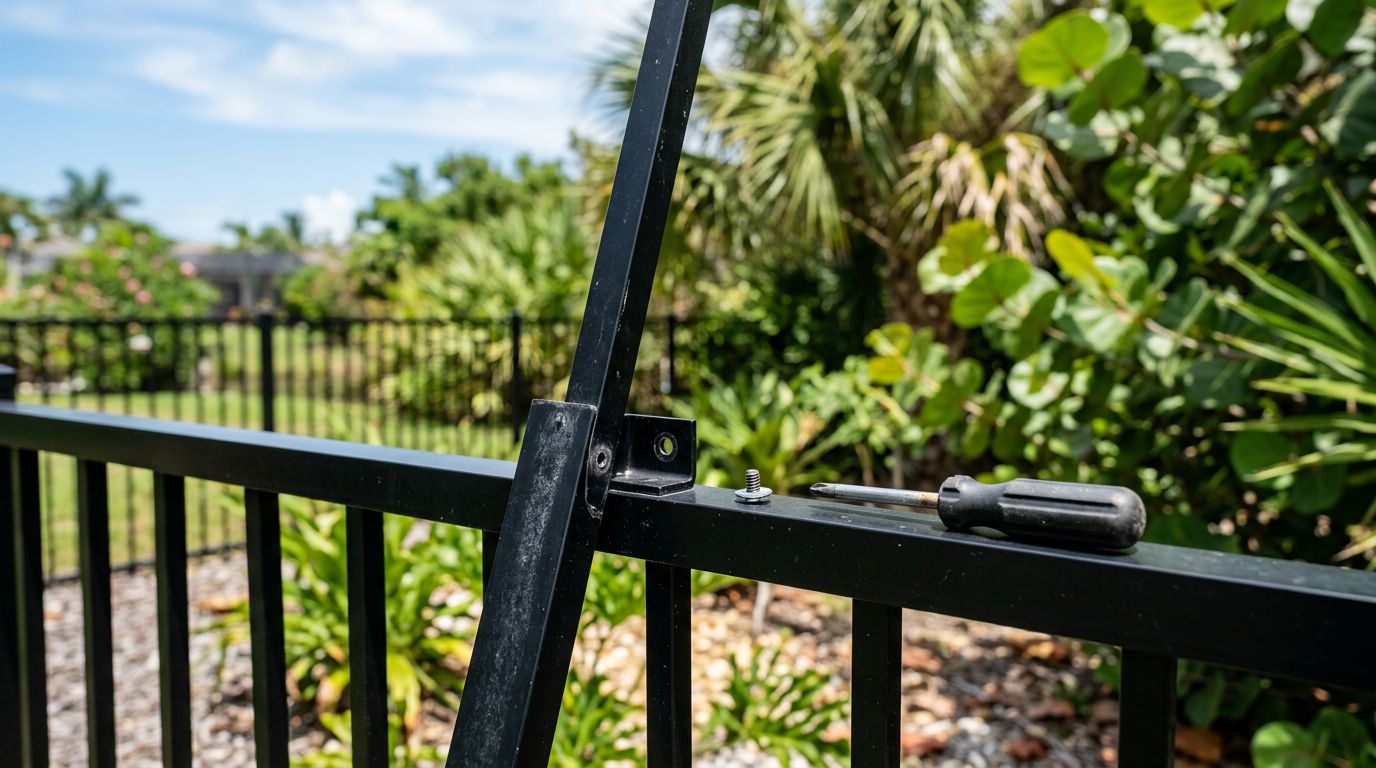
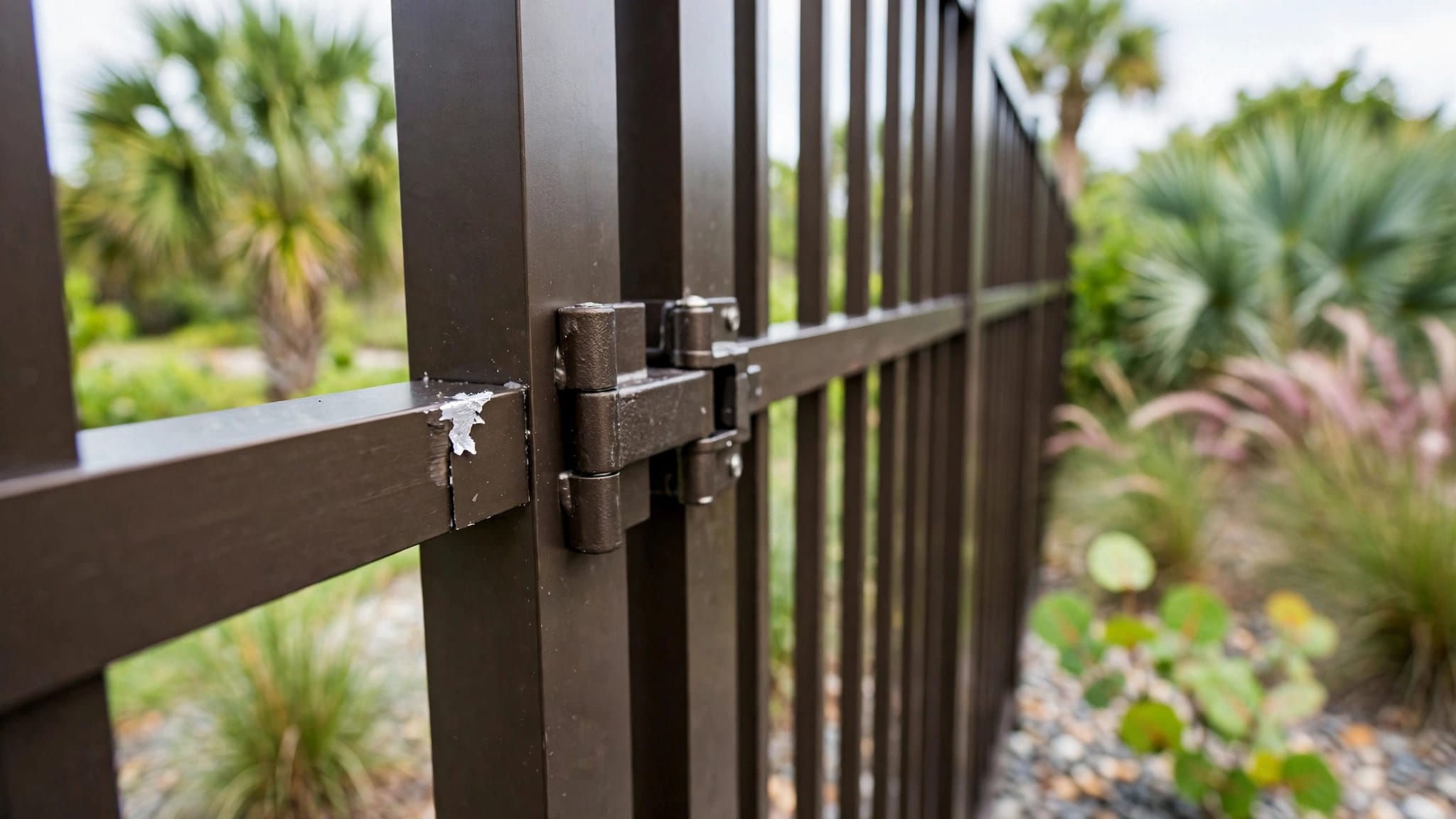
Aluminum and other metal styles are a strong fit near the coast because they resist rust better than many steels, and they don't trap wind like a solid wall. They also help with visibility around pools and corners. If you like an open look with long-term durability, see beautiful metal fencing for pet security in FL.
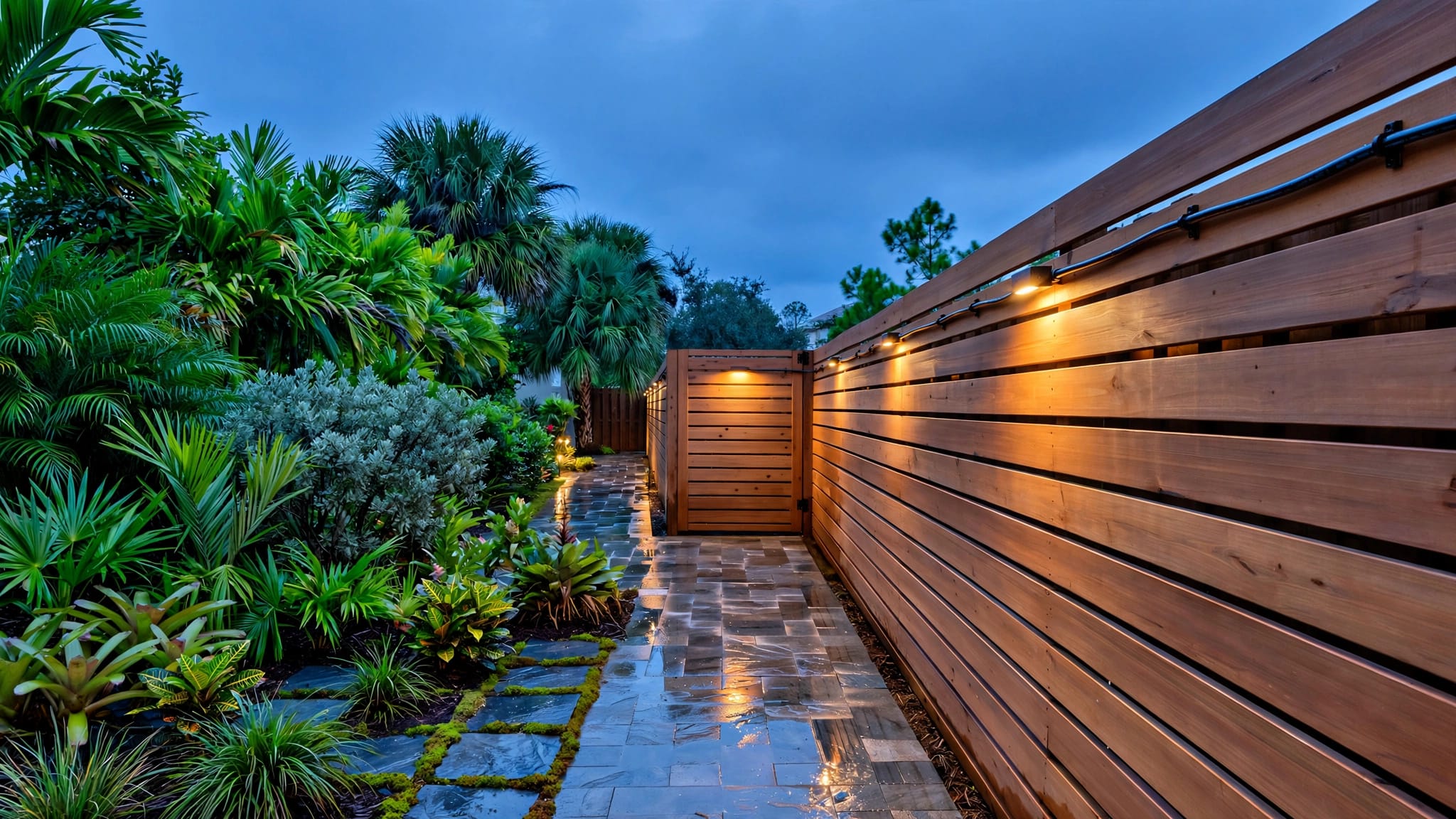
Wood can be beautiful, but it's the most maintenance-heavy in Florida. Termites, moisture, and ground contact are constant threats. If you choose wood, keep pickets off the soil, seal cut ends, and plan for periodic repairs.
Here's a quick, realistic cost snapshot. Pricing varies by height, gates, terrain, and permits, but these ranges help set expectations.
| Fence type | Best for | DIY materials (per ft) | Installed (per ft) |
|---|---|---|---|
| Chain link (galvanized or vinyl-coated) | Strong diggers, storm-prone areas | $6 to $12 | $12 to $25 |
| Vinyl privacy | Privacy, low upkeep | $15 to $25 | $25 to $45 |
| Aluminum (powder-coated) | Coastal areas, pools, open look | $12 to $25 | $25 to $50 |
| Wood (pressure-treated) | Traditional look, budgets | $10 to $20 | $20 to $40 |
Takeaway: chain link and aluminum handle wind well, vinyl wins on low maintenance, and wood needs the most care in Florida.
Anti-dig methods that actually work in sand and heavy rain
If a dog can dig under it, they will. The fix is to extend the "wall" below grade or outward at ground level so digging turns into frustration, not freedom.
The goal isn't to punish digging. It's to make the escape route fail every time, starting with the first scoop.
Welded-wire apron (best all-around in sand)
A welded-wire apron is a flat sheet of wire that extends outward from the fence on your side of the yard. When the dog starts digging at the base, they hit wire and usually stop.
Step-by-step (sandy soil friendly):
- Mark a strip along the fence line, typically 18 to 24 inches wide.
- Remove sod and dig down about 2 to 4 inches (deeper in areas that wash out).
- Lay galvanized welded wire (not chicken wire) flat on the ground, tight to the fence.
- Attach it to the fence with galvanized ties or stainless steel hog rings.
- Pin the outer edge with landscape staples every few feet.
- Cover with soil and sod, then water it in to reduce air pockets.
Aprons drain well, which makes them great for rainy months. In coastal neighborhoods, spend a little extra on better wire and fasteners, because near-ground rust spreads fast.
Buried L-footer (great for high-drive diggers)
An L-footer is wire that goes down and then turns outward, like an L shape. It blocks deeper digging without needing a full trench across the yard.
Install notes:
- Dig a narrow trench 8 to 12 inches deep along the fence.
- Fasten welded wire to the fence, drop it into the trench, then bend the bottom outward 12 to 18 inches.
- Backfill and tamp in layers so the sand doesn't settle later.
This method is tough on escape artists, especially along corners and gate returns.
Concrete mow strip (clean, strong, and low maintenance)
A mow strip is a thin band of concrete under the fence line. It stops digging and also makes edging easier.
Practical Florida tips:
- Keep it thick enough to resist cracking, and slope it slightly so water runs off.
- Don't trap water against posts. Good installers plan drainage so puddles don't sit at the base.
- Use corrosion-resistant fasteners for any brackets near the strip.
Mow strips cost more, but they're hard to beat for long-term results.
What about training?
Training helps, but it shouldn't be your only defense. Pair the barrier with simple habits:
- Burn off energy : A tired dog digs less. Add a walk or structured play before backyard time.
- Give a legal dig spot : A small sandbox or "dig pit" can redirect the habit.
- Interrupt and reward : If you catch digging early, redirect to a toy and reward calm behavior.
Conclusion
A reliable dog digging fence in Florida sand combines the right fence material with a real anti-dig detail at ground level. For many SWFL homes, chain link with an apron, vinyl privacy with a mow strip, or aluminum with an L-footer can stop escapes without harsh methods. If you want the fence to survive salt air, heavy rain, and wind, choose durable materials and corrosion-resistant hardware from the start.
If your dog has already picked a favorite digging spot, it's time to change the ground rules, not just patch the hole.