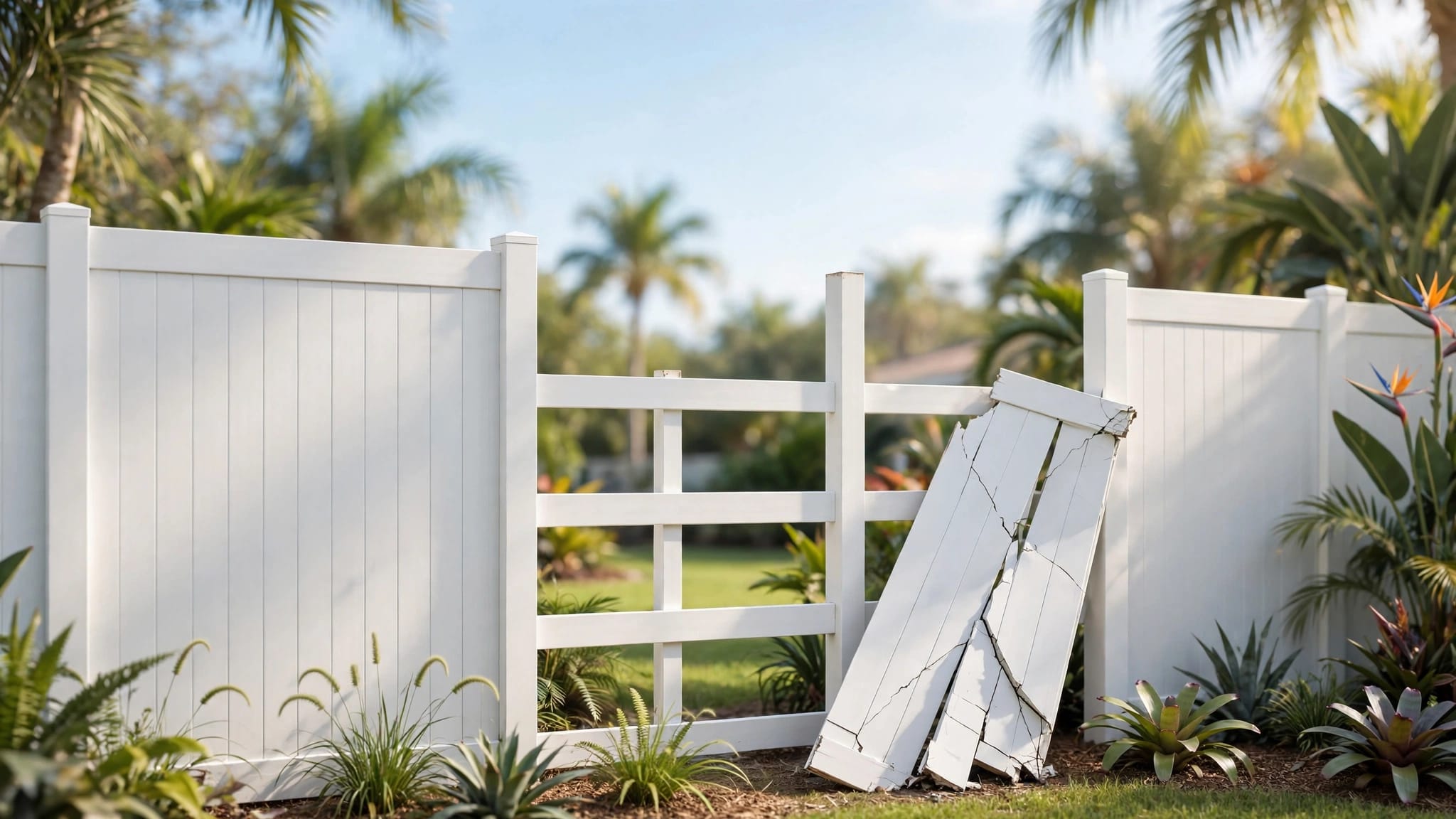
Clewiston Fence Permit Guide for 2026 Homeowners
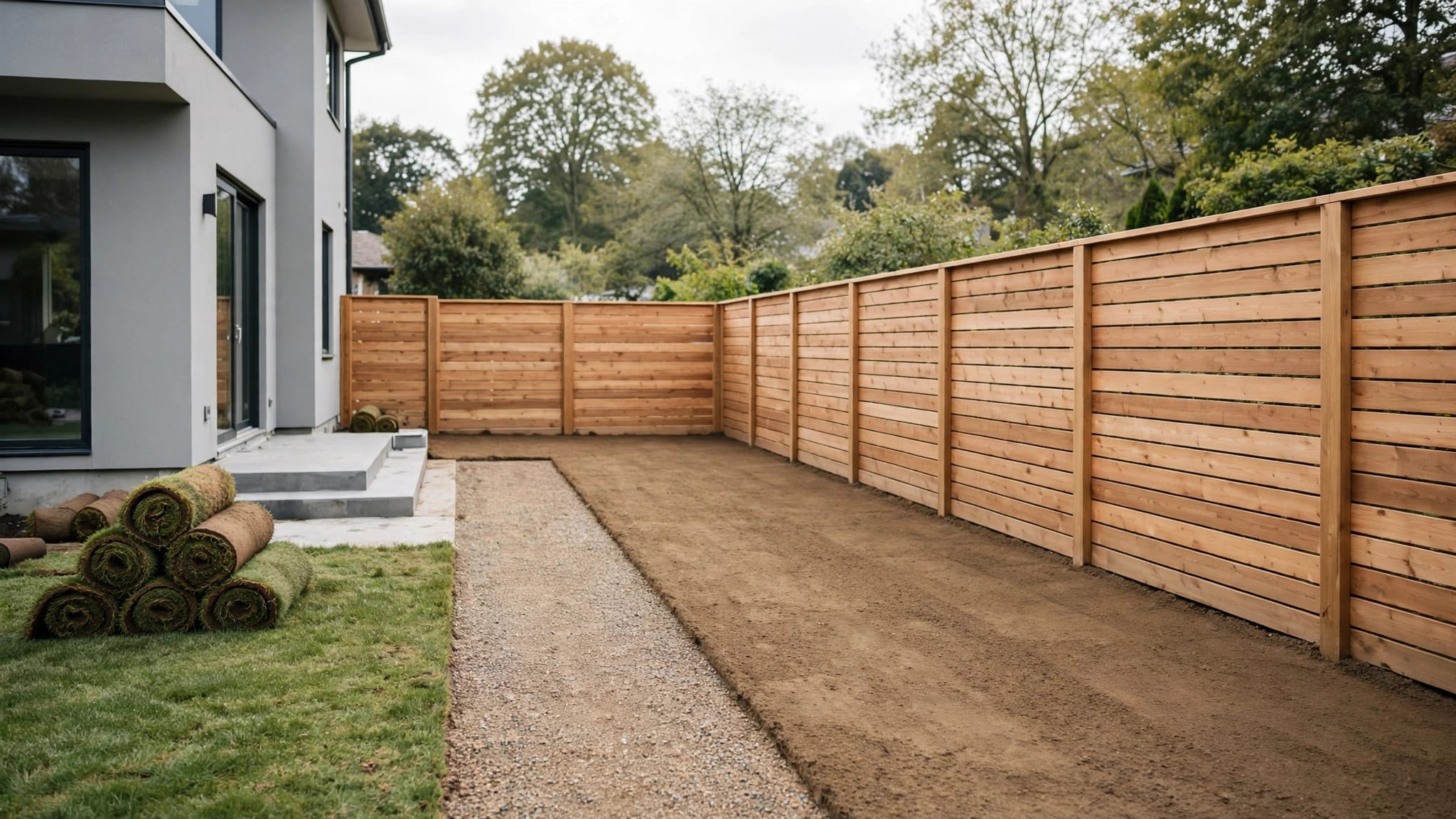
A fence can seem like a simple project until the permit office wants details. In Clewiston, the safe move in 2026 is to check the Clewiston fence permit rules before you buy posts or dig holes.
The exact requirements can change based on your address, zoning, fence height, material, pool safety rules, corner lot status, easements, waterfront conditions, and HOA rules. If you get the paperwork right early, the job moves faster and the fence is less likely to need changes later.
When a Clewiston fence permit is needed
For properties inside the city limits , current Clewiston guidance says a residential fence usually needs a permit before work starts. The city also reviews plans first, so a fence is not something to build now and explain later. If your property is outside the city limits, the city directs homeowners to Hendry County instead.
That jurisdiction line matters more than many people expect. A lot near the city boundary can fall under a different permitting office, even if the street looks the same. If you live in Montura, Harlem, Sky Valley, or another nearby area outside city limits, confirm the county process before you schedule installation.
A few factors can change the review:
| Situation | Permit risk | Why it matters |
|---|---|---|
| New residential fence inside city limits | High | The city usually wants a permit before construction |
| Fence replacement | High | Replacements can still need review |
| Taller privacy fence | Medium to high | Height can affect zoning and visibility |
| Corner lot or street-facing fence | High | Sight lines and setbacks matter |
| Pool barrier fence | High | Pool safety rules are separate |
| Waterfront or easement area | High | Placement can affect property boundaries |
A fence that fits your yard can still fail review if it lands in an easement or blocks visibility at a corner.
Local rules also differ across Southwest Florida. The Cape Coral fence permit checklist for homeowners shows the same basic pattern, placement matters as much as the fence style. In other words, the location on the lot can matter more than the material in the catalog.
What to gather before you file
The paperwork is usually easier than homeowners fear, but it has to match the site. A clean application gives the reviewer less to question and gives you fewer back-and-forth emails.
Most Clewiston fence permit packets should include:
- A site plan that shows where the fence will go
- Fence height, material, and style
- Gates and access points
- Distances from property lines, structures, and easements
- Pool barrier details, if the fence will serve that purpose
- Contractor license and insurance information, if a contractor submits the permit
- Any product approval or spec sheet that the city asks for
A survey can help, especially on older lots or irregular parcels. Waterfront properties and corner lots often need extra care because the fence line can interact with setbacks, drainage, or sight triangles. HOA approval can also be part of the picture, but it is separate from the city permit.
HOA approval and city approval are two different steps. You may need both before installation starts.
If your community has its own design rules, check those before you order materials. The Bonita Springs residential fence permit process is a good reminder that private neighborhood rules can shape the project just as much as city code.
How the permit application usually works
The process is usually straightforward when the packet is complete. It still pays to slow down at the start, because small mistakes can add days or weeks.
- Confirm the correct office.
First, check whether your property is inside Clewiston city limits or under Hendry County. That one step keeps you from filing in the wrong place. - Prepare the drawing and documents.
Next, gather the site plan, fence specs, and any contractor paperwork. If the fence is near a pool, mark that clearly. - Submit the application and fee.
The city or county will review the packet and collect the permit fee. Some projects may also face plan review charges or revision costs. - Answer correction requests quickly.
If staff spots a missing document or a layout issue, respond fast. A short delay on your side can create a long pause on the permit side. - Wait for approval before building.
Once the permit is issued, you can start installation under the approved plan. Keep the permit handy in case the inspector asks for it.
The Fort Myers residential fence permit requirements show a similar pattern, complete paperwork first, then build to the approved layout. Different cities use different forms, but the logic stays the same.
Inspections, timelines, and fees
After the permit is approved, the city may inspect the work during or after installation. The exact timing depends on the local process and the type of fence. Some projects only need a final check, while others may need attention if the fence sits near a pool or a sensitive boundary.
A clean application usually moves faster than a messy one. However, review times can still shift because of workload, seasonal demand, or extra questions about the property. A simple backyard fence can be quicker than a corner lot fence, a pool barrier, or a waterfront layout.
Fees also vary. In many cases, the amount depends on the permit schedule and the details of the job, such as fence length or type. Vinyl, wood, chain link, and aluminum may all be treated a little differently. The local authority is the only safe place to confirm the current fee before you file.
Here is a simple way to think about the timeline:
| Stage | What happens | Common delay |
|---|---|---|
| Submission | Documents enter review | Missing site plan or wrong address |
| Plan review | Staff checks code details | Fence height or placement issues |
| Approval | Permit is issued | Open corrections |
| Installation | Fence is built | Contractor changes the approved layout |
| Final inspection | The job is checked | Fence line, gates, or pool barrier concerns |
The main point is simple. A complete packet saves time, and a fence built exactly as approved avoids trouble later.
Common reasons a permit gets delayed or rejected
Most permit problems are not about the fence itself. They usually come from the layout or the paperwork.
The most common problems include:
- The site plan does not show the full fence line
- The fence sits too close to a property line, easement, or drainage area
- The height does not match zoning limits
- The project does not account for corner lot visibility
- The application leaves out pool barrier details
- The contractor paperwork is missing license or insurance proof
- The plan does not match HOA rules
- The applicant uses the wrong jurisdiction
Waterfront lots can also bring extra questions. So can homes with odd-shaped parcels or older surveys. If a reviewer cannot tell where the fence starts and stops, the file often gets pushed back.
That is why early layout checks matter. A few minutes with the property line can save days of delay. If your fence will run near a pool, gate, or side street, double-check those points before you submit anything.
A homeowner checklist before you start
Use this quick check before you order materials or schedule installation:
- Confirm whether your property is inside Clewiston city limits
- Check whether Hendry County handles your address instead
- Review HOA design rules, if your neighborhood has them
- Verify fence height, material, and style limits
- Mark any easements, drainage areas, or setback concerns
- Note whether the fence will be a pool barrier
- Gather a current site plan or survey
- Make sure contractor license and insurance documents are ready
- Submit the application before any digging begins
If your project is in another nearby city, the steps still look familiar, even when the forms change. The permit office wants to know where the fence goes, how tall it will be, and whether it affects safety or property lines.
Conclusion
A Clewiston fence permit is usually about more than one form. It comes down to where your property sits, how the fence will be built, and whether anything about the lot needs extra review.
If you confirm the jurisdiction, line up the site plan, and check height, pool, easement, and HOA rules early, the process gets much easier. The best fence projects start with a clear plan, not a pile of corrections.