Placida Fence Permit Guide for 2026 Homeowners
A fence can look like a weekend project until the county asks for a site plan and permit review.
If you live in Placida, the permit path usually runs through Charlotte County, and the details can shift by parcel. That means the lot next door might follow a different rule.
This 2026 guide keeps the process plain and practical, so you know what to check before you buy materials or book a crew.
Do you need a Placida fence permit?
For most Placida homeowners, the answer is yes. Charlotte County says a residential fence permit is required for most fence installations, replacements, and many repairs. The narrow exception covers some enclosure-style fences for garbage containers or mechanical equipment, but only when the fence has 3 panels or less and one gate, stays behind the front edge of the home, and does not enter an easement without separate approval.
That sounds simple, but the details matter. A fence that works on one lot can fail on another because of setbacks, zoning, drainage easements, or HOA limits.
| Situation | Likely permit path | What to verify first |
|---|---|---|
| New residential fence | Permit likely required | Height, location, easements |
| Old fence replacement | Permit usually required | Same footprint, same height, current rules |
| Trash or equipment enclosure | May be exempt | 3 panels or less, one gate, placement |
| Fence near a pool | Permit likely required | Barrier rules, gate hardware, inspections |
If the fence line gets close to an easement, stop there and check first.
A fence that looks fine on paper can still fail if it sits in the wrong place.
What to gather before you apply
Charlotte County asks for an Application Package for a Residential Fence Permit and a Site Plan . Those two items drive most of the review.
A strong site plan should show the property lines, the proposed fence location, any gate openings, and anything close to the fence path, such as easements or driveways. If the reviewer has to guess, the permit usually slows down. If you have a recent survey, use it with the site plan, because old drawings can miss lot changes or recorded access areas.
Keep these items ready before you submit:
- The residential fence permit application package
- A site plan that matches the lot
- Written owner consent if the property is rental property
- Owner-builder disclosure paperwork if you plan to build it yourself
- Any HOA approval, if your community requires it
If you hire a contractor, make sure that contractor is licensed and is the one pulling the permit. That keeps the application tied to the person doing the work and avoids problems later.
For fees, Charlotte County lists a $30 Zoning Review fee at issuance , plus building fees and surcharges that depend on project value. Those numbers can change, so check the current fee sheet before you submit.
How the permit process usually works in Charlotte County
Placida homeowners usually follow the county process, not a city process, because Placida is in the county area. The cleanest route is to start with zoning, then move to the paperwork.
- Call Zoning at 941-743-1964 and ask about height and location rules for your district.
- Check your deed restrictions and HOA rules at the same time.
- Gather the permit package, site plan, and any extra consent forms.
- Submit the application in person or online, with signed and sealed documents as needed.
- Pay the fees and wait for review.
- Answer any county questions quickly, then schedule inspections if the job card calls for them.
If you are unsure which forms apply, ask before submitting. Wrong forms create the longest delays. A complete packet usually moves faster because the reviewer can check the facts without asking for a second round of paperwork.
Rules that can change your fence plan
Fence rules in Placida can shift by parcel, zoning district, flood zone, and community. That is why a fence permit is not a one-size-fits-all form.
| Factor | Why it matters | What to verify |
|---|---|---|
| Zoning district | Height and placement rules can change | Ask zoning before you buy materials |
| Easements | Utility and drainage access must stay open | Check the survey and site plan |
| Flood zone or drainage area | Posts and access points may face extra limits | Confirm with county review |
| HOA or deed rules | Community rules can be tighter than county rules | Get written approval when needed |
Front-yard fences often face tighter limits than side or rear fences. Corner lots can also bring sight-line concerns. If you are near a canal, shared drive, or drainage swale, ask about placement before you dig holes.
Some communities also care about fence color, solid panels, or visibility near the street. Those rules may come from the HOA rather than the county, so it helps to check both sets of rules before you sign a contract.
Picking a fence type that fits the permit review
Material matters less than location, but it still affects the way the project gets reviewed. A tall privacy fence needs different attention than a low aluminum fence.
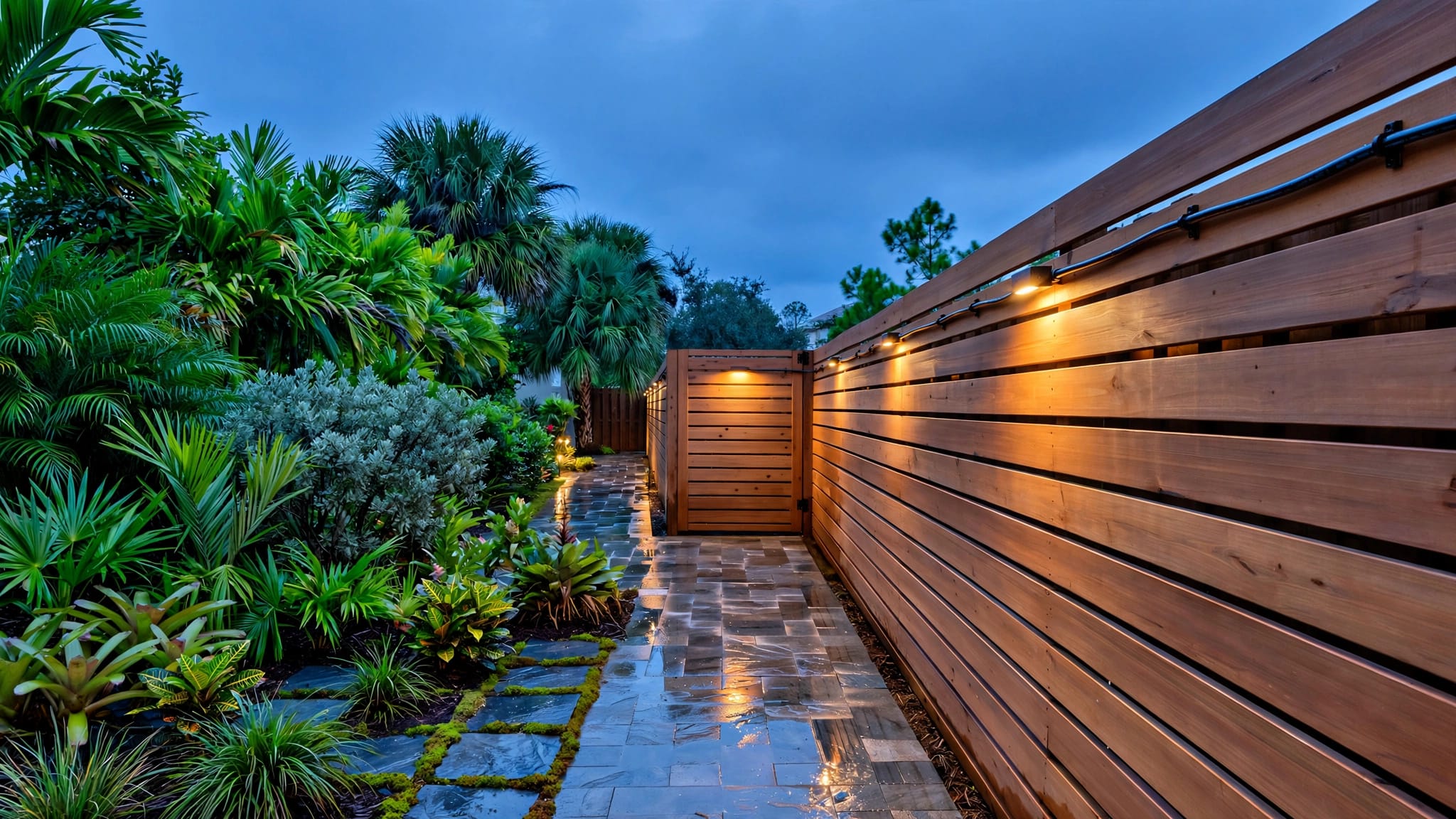
- Wood fences can be simple to install, but height and spacing still matter.
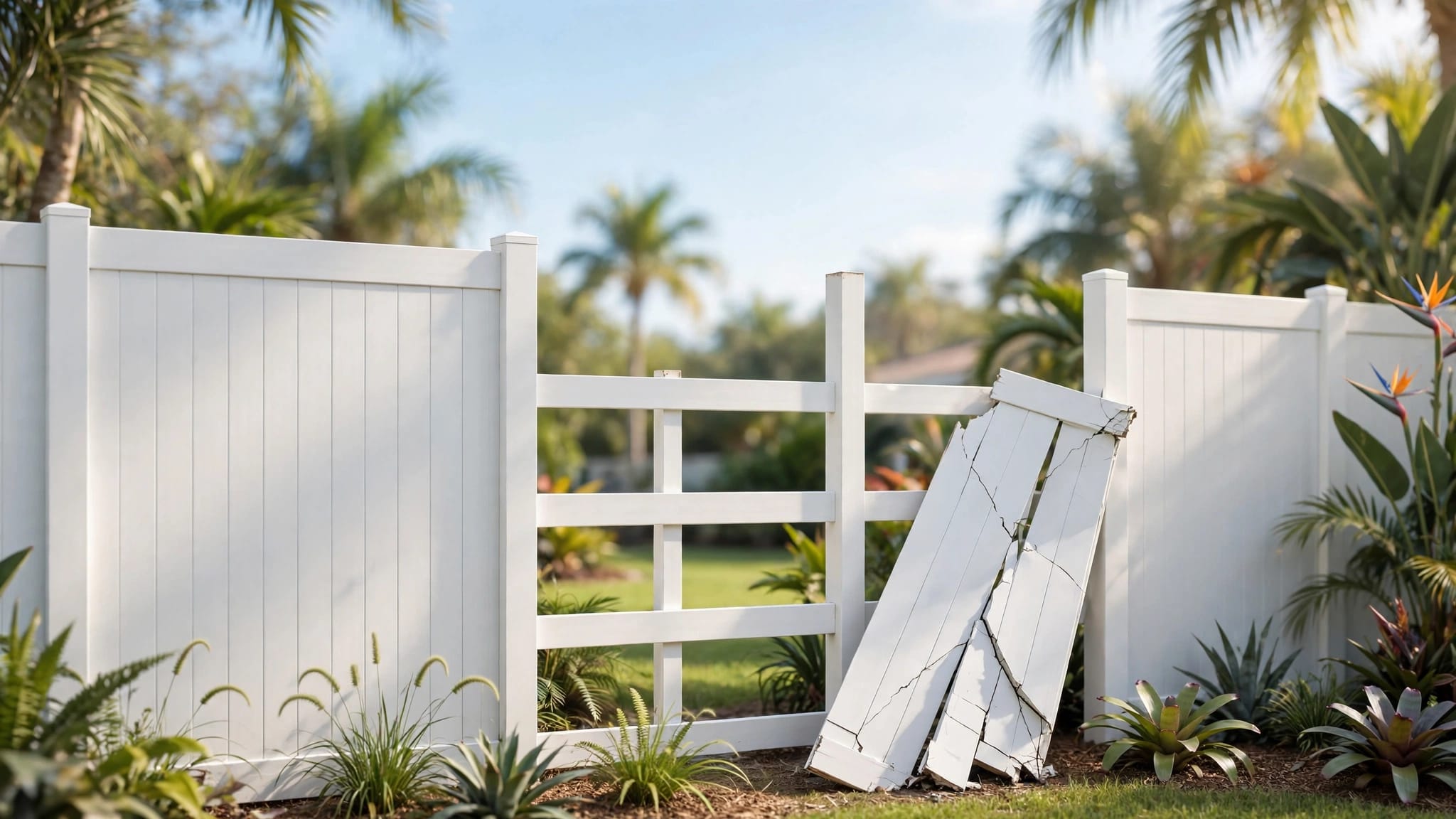
- Vinyl fences often raise the same questions as wood, especially near setbacks.
- Chain link fences may work well for pets or utility areas, but the location still has to fit the lot.
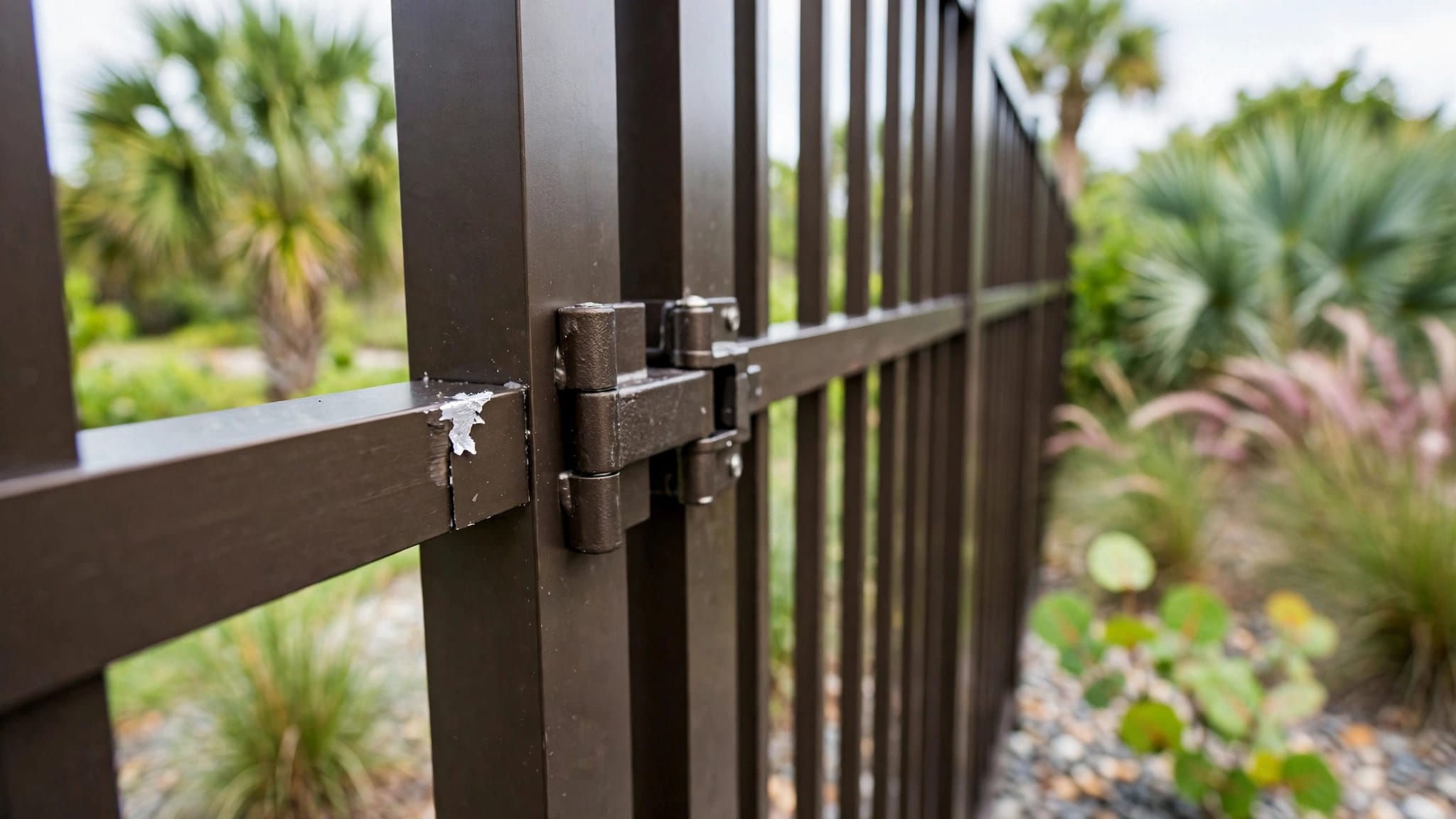
- Aluminum and other metal fences often make sense where visibility matters, such as near drives or corners.
- Pool barriers need special care because gate hardware, openings, and latch height matter.
Replacing an old fence does not always mean you can skip review. If the new fence changes height, material, or line placement, treat it like a new project until the county says otherwise.
Common mistakes that slow Placida fence permits
A few small errors cause most delays. Missing one of them can add days or weeks.
- Starting work before the permit is approved
- Leaving easements off the site plan
- Skipping the zoning call
- Forgetting owner consent on rental property
- Assuming an owner-builder path works without the disclosure form
- Hiring someone who is not licensed or doesn't pull the permit
If the county asks for more information, answer fast and keep your paperwork in one place. Clear files beat scattered photos and half-finished sketches every time.
Conclusion
A Placida fence permit comes down to three things, zoning, placement, and paperwork. If you check those first, you avoid the most common delays and keep the project moving.
Start with the zoning office, build a site plan that matches the lot, and confirm whether easements, HOA rules, or fence type change the answer. That simple order saves time and keeps a fence project from turning into a redo.
FAQ
Do most Placida fences need a permit?
Yes. Charlotte County says most residential fences need a permit. The narrow exception for some small enclosure fences is limited and should be checked first.
Can I pull the permit myself?
Yes, if you qualify and choose the owner-builder route. You still need the right disclosures and paperwork. If you hire a contractor, the contractor should pull the permit.
What if my property is a rental?
You need the owner's written consent before the county can process the fence permit.
How long does approval take?
It depends on the review load and whether the county needs more details. A complete application moves faster than one with missing forms or a vague site plan.
Do I need a new permit to replace an old fence?
Usually yes, especially if the new fence changes the height, line placement, or material. Check before you start, because replacement work can still trigger review.