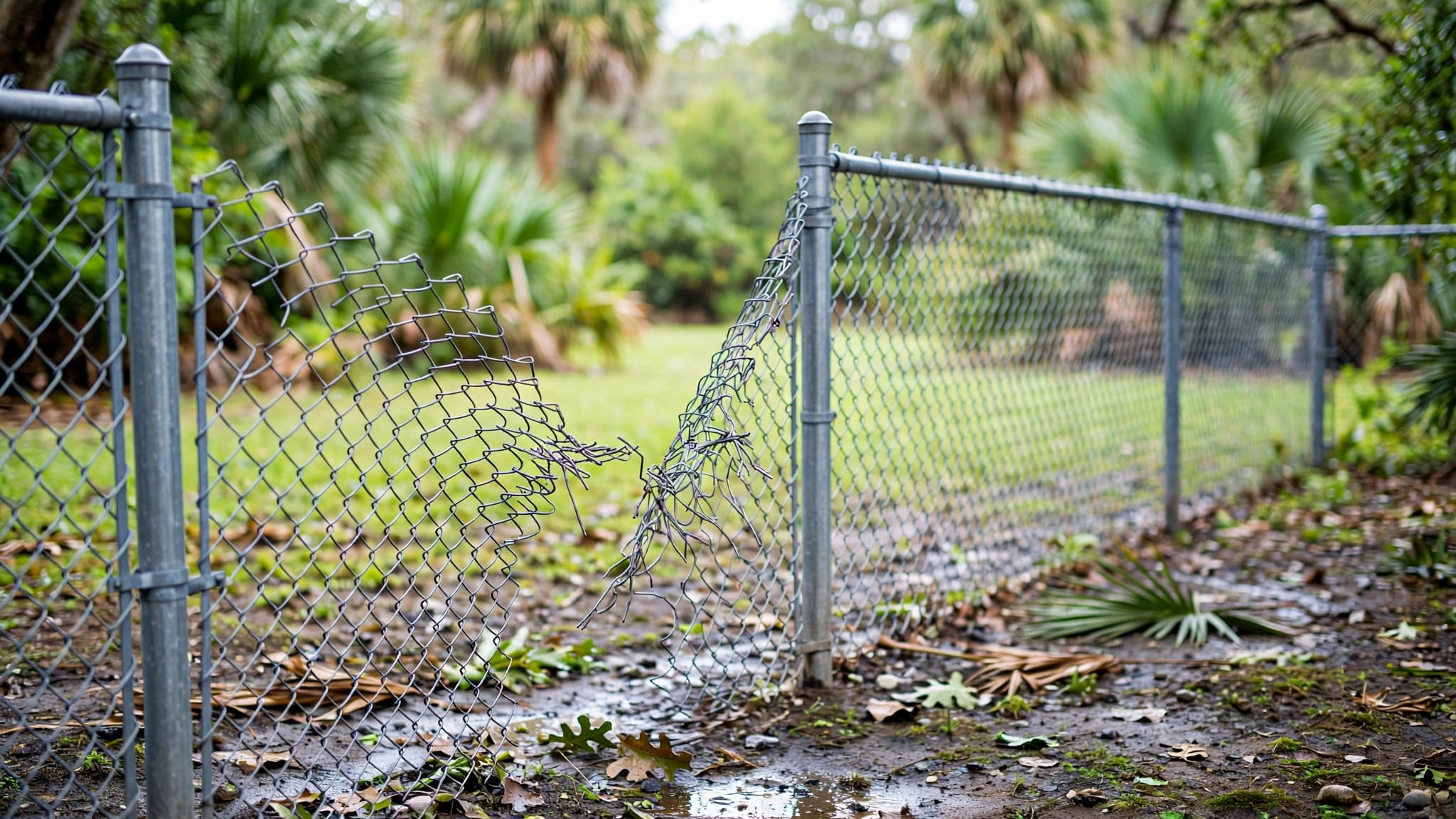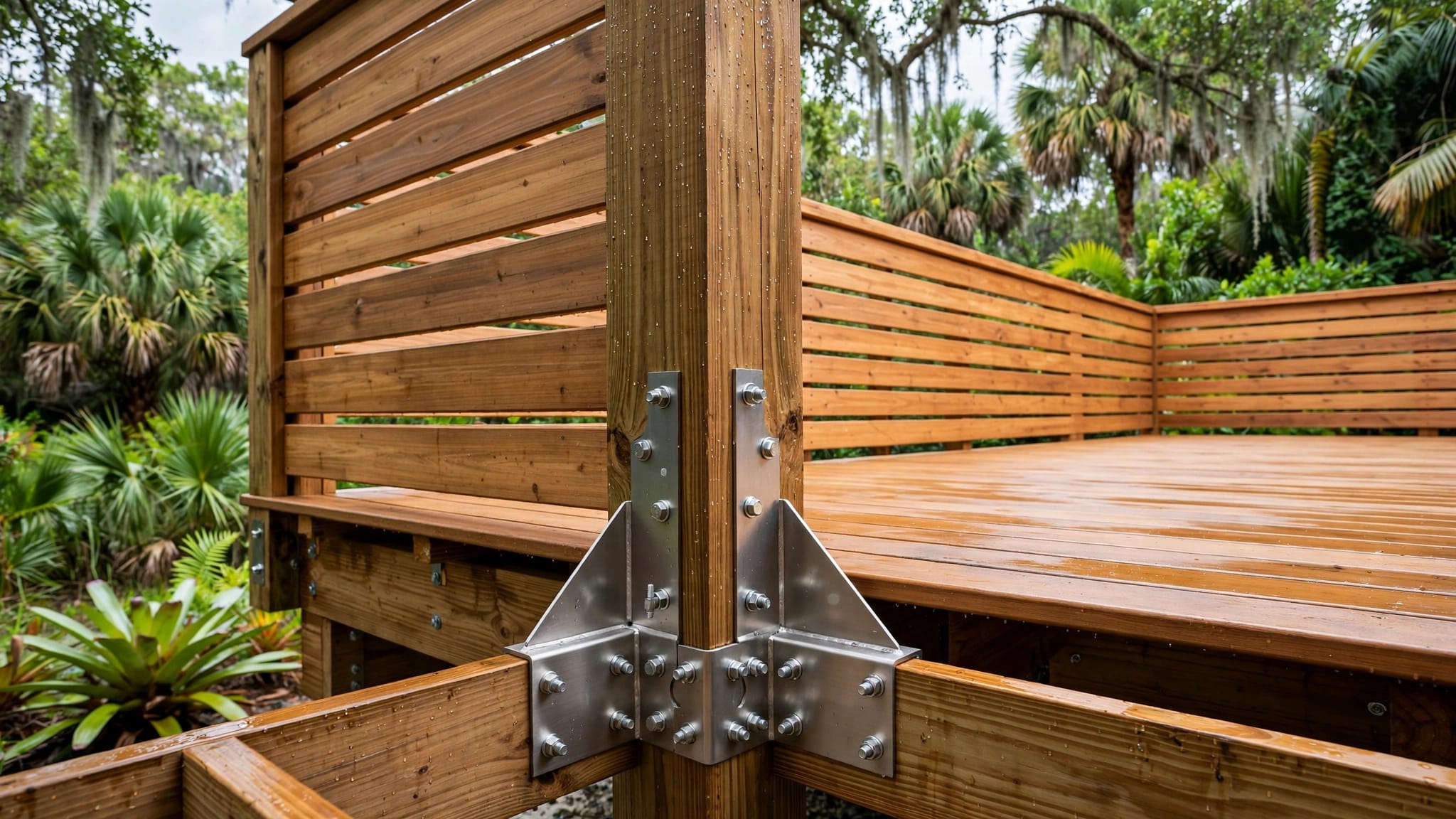
Pine Island Fence Permit Guide for 2026 Homeowners
A fence can look like a simple weekend project, until the permit office asks for a site plan, property lines, and more detail than you expected. On Pine Island, the Pine Island fence permit is part of the job, not an extra step at the end.
For 2026, Lee County is the place to start for most Pine Island properties, but your exact parcel may still fall under a different local rule set or district. That means the first move is to confirm which building or zoning authority reviews your address before you buy materials or dig post holes.
Does Pine Island need a fence permit in 2026?
Yes, for most fence projects on Pine Island, Lee County requires a permit. The current fence and wall guidance says a new fence and a fence replacement need a building permit. In other words, you should assume approval is required before work begins.
A taller fence can bring in another layer of review. For fences over 6 feet , except chain-link, Lee County requires signed and sealed plans from a Florida architect or engineer. That matters because the permit reviewer needs more than a sketch. They need a clear drawing that shows what goes where.
Here's a quick view of the common triggers:
| Project type | What to expect |
|---|---|
| New fence | Lee County building permit |
| Fence replacement | Lee County building permit |
| Fence over 6 feet, except chain-link | Signed and sealed plans from a Florida architect or engineer |
| Site plan | Show property lines, setbacks, easements, and the fence route |
| Vegetation removal on Pine Island parcels over 2 acres | May also need a permit |
That table covers the big items, but it does not replace a parcel-by-parcel check. If your lot has a gate, a corner line, a drainage area, or a shared boundary, the review may need more detail.
What to gather before you apply
A smooth permit starts with clean paperwork. The county wants to know exactly where the fence will sit, who is doing the work, and whether the plan matches the parcel. If any part of that is fuzzy, the application can stall.
Start with the basics:
- Parcel details : Make sure the address, parcel ID, and owner name are correct.
- Site plan : Show the fence line, gates, distances to lot lines, and any setbacks.
- Survey or plat : A recent survey helps confirm the true boundary lines.
- Fence specs : List the material, height, and any changes in elevation.
- Contractor information : If you hire a contractor, keep the license and insurance info ready.
- Sealed drawings, if needed : This applies when the fence is over 6 feet, except chain-link.
A missing attachment can slow the whole review. The most common fence permit mistakes in Florida usually come down to unclear plans, weak measurements, or incomplete documents, and that same problem shows up here too. If you want a deeper look at those setbacks, see common fence permit mistakes in Florida.
If the reviewer can't tell where the fence will go, the application usually comes back for correction.
That is why the site plan matters so much. It should read like a map, not a guess. The stronger the plan, the fewer questions you get later.
Property lines, setbacks, and easements can move the fence line
A fence can be built on your lot and still cause trouble if it crosses the wrong area. That is why property lines matter just as much as fence style. Old fences, worn markers, and assumptions from previous owners are not enough.
Start with the survey if you have one. If you don't, or if the boundary markers are missing, get the line confirmed before you place a single post. A few feet can make a big difference, especially near corners, drainage swales, shared driveways, or utility corridors.
Easements deserve the same attention. An easement is not always open land you can ignore. It may give a utility company, drainage district, or other party access to part of the lot. If a fence blocks that access, the county may reject the layout, or you may have to move the fence later.
Setbacks can matter too. Your site plan should show the fence distance from the boundary and any required clear space. That gives the reviewer a clean picture of the project and helps you avoid a layout that looks good on paper but fails in the field.
If the property sits close to a neighbor's line, a short conversation can help. That is not legal advice, just good sense. A neighbor who knows what is going up is less likely to question the line after the posts are in.
What happens if you build without approval?
Skipping the permit can create more problems than it solves. A fence that goes up too early can trigger a stop-work order, a fine, or a demand to fix the paperwork after the fact. In some cases, the county can require changes to the fence itself.
The most common fallout looks like this:
- Stop-work orders : Work has to pause until the permit issue is handled.
- Correction requests : You may need new drawings or a revised site plan.
- Added fees : Late paperwork can cost more than a clean application.
- Fence changes or removal : If the layout does not meet the rules, part of the fence may need to move.
- Delays later : Problems can show up again when you sell, refinance, or document the property.
The hard part is that the fence may already be finished when the issue gets caught. Then the fix feels twice as expensive, because you are paying for the build and the correction. That is why it pays to slow down before the first post hole.
A permit review is much cheaper than a tear-out. It also gives you a chance to catch bad measurements, boundary problems, or drainage conflicts before they turn into a jobsite headache.
Fence height and material choices that affect review
Style matters to the homeowner, but the permit office focuses on height, placement, and documentation. That means you should choose the fence design early, because the permit packet needs the final plan, not a rough idea.
Height is the big one. A low decorative fence is easier to plan than a tall privacy fence, and anything over 6 feet can bring in the sealed-plan requirement. Chain-link gets a different treatment in that rule, so do not assume every fence type follows the same path.
Material still matters for the drawing, even if it does not change the permit type by itself. Vinyl, wood, aluminum, chain-link, and other metal styles all need a clear layout that shows where they sit on the lot. Gates should be shown too, along with swings and access points.
This is where many homeowners save time by deciding on the final look early. If you change from a 5-foot open fence to a 6-foot privacy fence midway through the process, the drawings may need to change as well. That can add another round of review.
For Pine Island homes, it helps to think of the fence as a project with two tracks. One track is the look, and the other is the permit file. Both have to match.
Conclusion
Pine Island fence permits in 2026 are manageable when you start with the right details. New fences and replacements usually need a Lee County permit, and taller fences can require signed and sealed plans.
The safest path is simple, confirm the current rules with the correct building or zoning authority, map your property lines, and build the fence around the survey instead of around assumptions. That approach keeps the project moving and lowers the chance of expensive changes later.
A fence is easier to approve when the paperwork is clear and the layout respects the lot from the start.