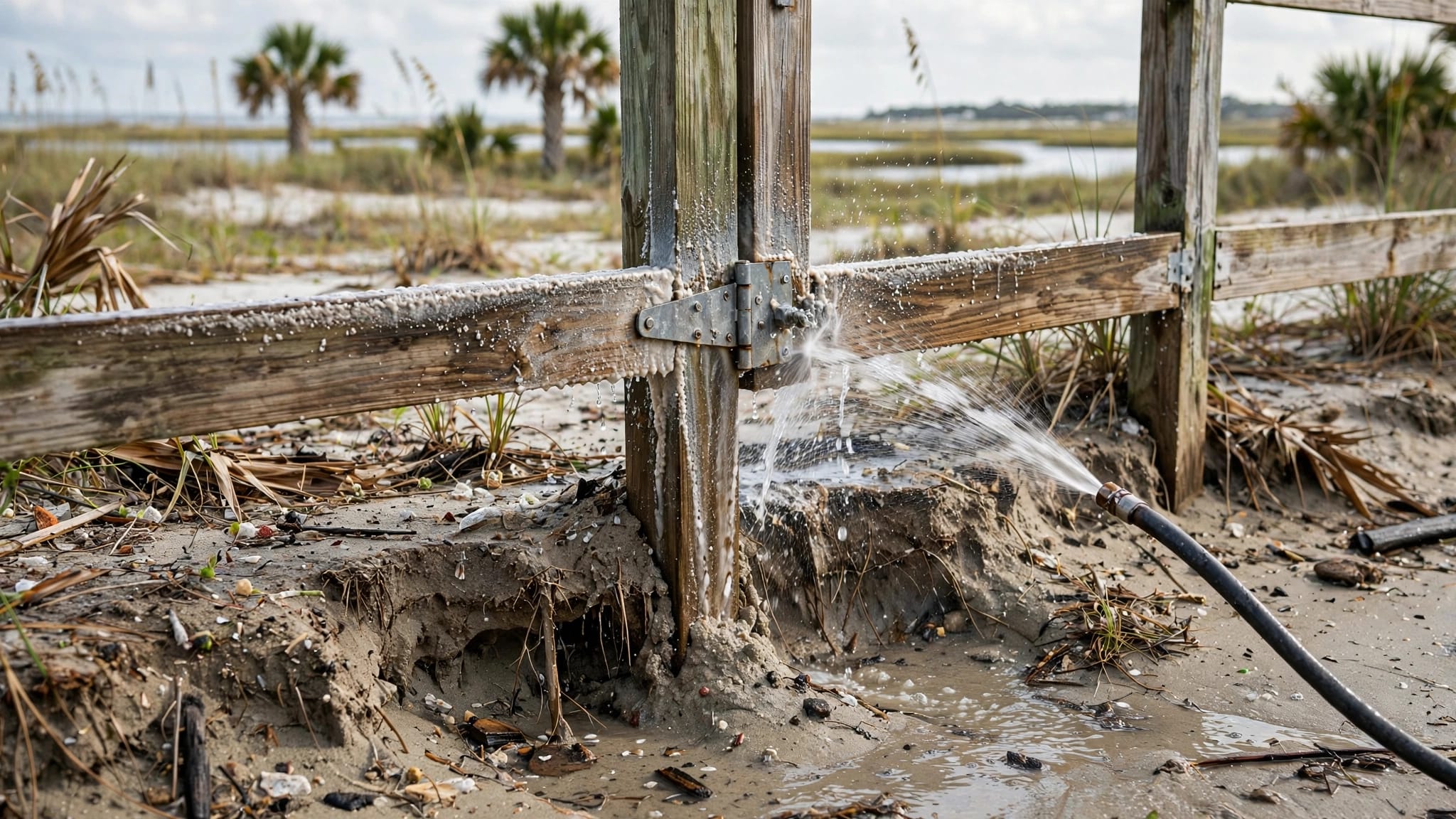
Missing Survey Pins Before Fence Installation: What to Do
Missing survey pins before fence installation can turn a simple project into a guessing game. The answer is not to guess harder or start digging in hopes of finding them.
When boundary markers are gone, the safest move is to slow down, check the paperwork, and confirm the line before any posts go in. That extra step can save you from a fence that ends up too close to a lot line, a setback, or a neighbor's yard.
Start with the papers you already have
A missing pin does not always mean the property line is unknown. In many cases, the line is already shown on a survey, plat, or closing packet. The corner markers may be buried, moved, or hidden by mulch and growth.
If you have a recent survey, how to read a Florida property survey can help you match the corners, bearings, and easements before anyone starts layout. That drawing may show more than just lot lines. It can also point out right-of-way lines, easements, and notes about found or set monuments.
Look for these documents first:
- The survey from closing or a later land survey
- The property plat or recorded map
- Any permit sketch tied to an older fence or pool barrier
- HOA or community guidelines, if they apply
If the survey is old, compare it with the current yard. A lot can change over time. Trees grow, driveways get widened, and landscaping shifts the eye in the wrong direction.
Do not trust an old fence line just because it looks straight. Old fences are often installed by eye, not by a surveyor.
Treat visual clues carefully
A yard gives off plenty of clues, but many of them lie. A row of shrubs, a clean edge of mulch, or an old fence can look like a property line. It may only be a habit line from past work.
This is where people get into trouble. They see something that looks official, then build from it. Later, the new fence is off by a few inches or more.
| Visual clue | Why it can mislead you |
|---|---|
| Old fence line | It may have been built off a guess or an outdated marker |
| Sidewalk or curb edge | Public improvements do not always match lot boundaries |
| Irrigation heads | Sprinklers are placed for coverage, not property lines |
| Hedge or tree line | Plants grow where people want them, not where surveys end |
A visible feature can help you start the search, but it should never be the final answer.
A fence should follow the property line, not the memory of an old post.
Also, watch for slopes, fill dirt, and recent landscape work. Those changes can hide markers or make a corner look farther away than it is. In Southwest Florida, heavy trimming, mulch, and storm cleanup can also cover small pins fast.
The rule is simple. Use visual clues as hints, then confirm with a survey or a surveyor.
When a new survey or boundary staking is the right call
A new survey makes sense when the old one is missing, too old, or hard to match to the current yard. It also makes sense when corner markers cannot be found after a careful search.
If a fence is going close to a line, a current survey is the cleanest way to move forward. It gives your installer a document they can trust. It also lowers the chance of a costly redo later.
If you are unsure whether your project needs one, do I need a survey for my new fence is a useful place to check what permit offices often want. Permit rules vary by city and county, so it helps to confirm early.
Here is a simple action plan:
- Gather every document you can find, including the old survey and closing papers.
- Walk the property and look for pins without digging or pulling up landscaping.
- Compare the site to the survey drawing and check for easements or setbacks.
- If corners are still unclear, order a current survey or boundary staking.
- Mark the confirmed corners clearly before the fence layout starts.
Boundary staking is useful when a surveyor confirms the corners and places fresh markers or flags on the line. That is especially helpful on lots with thick landscaping or corners that disappeared years ago.
If the line is still uncertain after the search, stop there. A tape measure cannot replace a confirmed boundary.
Coordinate with the fence installer before layout starts
A good fence crew should not set posts until the line is confirmed. That may sound slow, but it protects the whole project. Assumptions are expensive when a post hole is already dug.
Share the survey with the installer before the first visit. Point out any easements, setbacks, slopes, gates, or tight spots. If the crew sees a mismatch between the drawing and the yard, pause and sort it out before work begins.
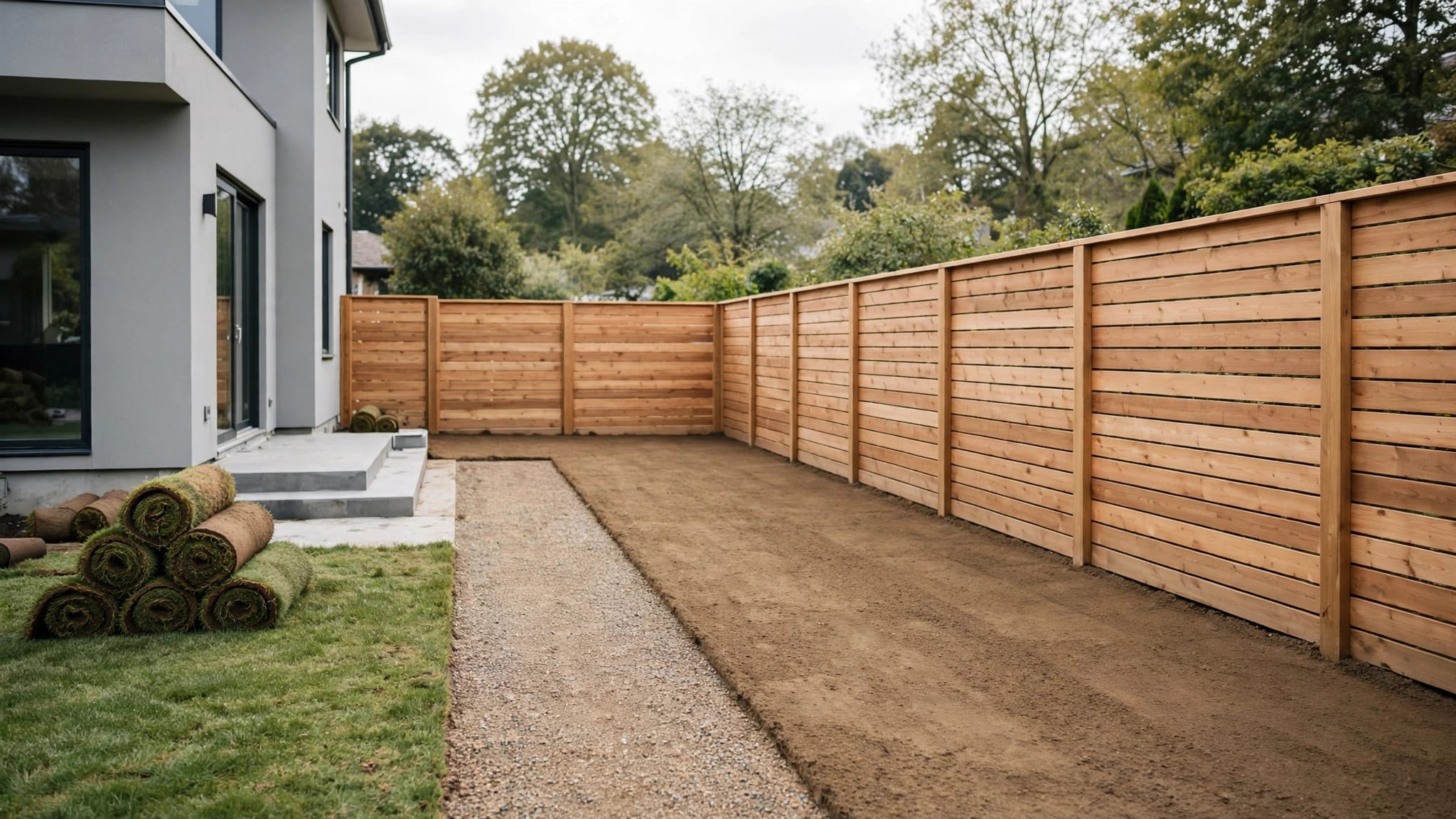
Once the line is confirmed, preparing your property for fence installation can help you get ready for the crew. Clear access matters. So does moving vehicles, trimming back plants, and keeping pets away from the work zone.
A few small details help the install go smoother:
- Keep the confirmed corner markers visible.
- Mark sprinklers, drains, and utility boxes.
- Leave room for gates to swing open.
- Tell the crew about any grade changes or buried features.
If a contractor asks for a fresh survey, that is a good sign. It means they want the fence in the right place, not the fast place.
Conclusion
When survey pins are missing before fence installation, the safest path is still the simplest one. Check the documents, question visual clues, and confirm the boundary before anyone starts digging.
A fence is a long-term part of your property. That makes accuracy more important than speed. If the corners are unclear, a new survey or boundary staking is cheaper than moving a finished fence later.
FAQ
Can a fence installer find the property line without survey pins?
Sometimes, but only if there is enough reliable information to work from. A recent survey, clear corner markers, or boundary staking can help, but a guess should never guide the layout.
Is an old survey enough for a new fence?
It can be a useful starting point, but not always the final answer. If the yard changed, the markers are gone, or the drawing is hard to match to the site, a current survey may be the better choice.
What should I do if I find one pin but not the others?
Do not build from a single marker alone. A surveyor can often verify the corner layout and place new staking where needed, which gives the installer a better line to follow.
What if my neighbor's fence looks like it is on the line?
That does not prove anything. Neighbor fences are often offset, and some were installed before current markers disappeared. Check your survey instead of matching an old fence.