Immokalee Fence Permit Guide for Homeowners in 2026
A fence project can look simple until the permit question slows everything down. In Immokalee, that paperwork is part of the job, not a side task.
For most residential fences in Collier County, homeowners should expect to get approval before work starts. That applies whether you're replacing an old fence, adding privacy, or changing materials.
Rules, fees, and document needs can change, so verify the current requirements with the local building or permitting office before you buy materials or dig post holes. With that in mind, the right permit plan saves time, money, and a lot of back-and-forth.
Do you need an Immokalee fence permit?
For residential fences in Immokalee, the short answer is usually yes. Collier County generally requires a building permit before fence work begins, and that includes replacing an existing fence.
That matters because many homeowners assume a swap-out is a repair. In county review, a full replacement often gets treated like new work. The fence still has to meet current rules for height, placement, and materials.
Here is a quick look at the most common situations:
| Fence project | Permit likely needed? | Main review focus |
|---|---|---|
| New backyard fence | Yes | Height, property line, setbacks |
| Replacing an old fence | Yes | Same rules as new work |
| Fence over 6 feet high | Yes | May need sealed plans |
| Fence in a floodway or special flood area | Yes | Extra documents may apply |
| Minor repair to a damaged section | It depends | Scope of work and county rules |
The table gives a useful starting point, but it does not replace local review. If the project changes the fence line, height, or structure, expect permit questions.
One more detail matters. A county permit does not take the place of HOA approval, deed restrictions, or a neighbor agreement if those apply to your property.
What Collier County usually asks for
The permit packet is usually simple, but it has to be accurate. Missing one line on the site plan can send the whole application back.
For most fence permits, homeowners should expect to provide:
- A building permit application
- A site plan or plot plan that shows the fence location
- Property lines, easements, and setbacks
- Fence height and material details
- Product or design information, if asked
- Signed and sealed drawings for some taller fences
- Extra flood documents if the lot sits in a special flood area
The site plan matters most. It shows the county where the fence will sit in relation to the lot line, house, driveway, and utility easements. If you are not sure where the line is, do not guess. A small shift today can become a big issue later.
Height also matters more than many homeowners expect. Collier County guidance says fences over 6 feet high, other than chain link, may need signed and sealed plans from a Florida architect or engineer. That step adds time, so it helps to know before ordering materials.
The county's Growth Management and Building Plan Review and Inspection office handles permit review. Because processing steps can change, confirm the current submittal method and fee schedule before you file.
A clean application is often faster than a rushed one. The county can only approve what the paperwork shows.
Fence rules that can change the design
A fence can look fine in one yard and fail review in another. That is because placement and material rules depend on the property, the zone, and where the fence sits on the lot.
Collier County says a fence can be built on the property line, and the finished side should face outward toward the neighbor or street. That is a small detail, but it matters during inspection and neighbor conversations.
Front yards deserve extra care. Chain link and wood fences can be restricted in some front-yard areas, and in some cases they may not be allowed forward of the main front face of the house. That does not mean those materials are banned everywhere. It means the location and lot layout change the answer.
A few common design questions come up again and again:
- Fence height : Taller fences need more review, especially above 6 feet.
- Fence material : Wood, chain link, vinyl, aluminum, and other metal styles may have different placement rules.
- Fence location : Front yard, side yard, and back yard rules are not always the same.
- Flood area rules : Lots in floodways or special flood zones may need extra review.
HOA rules can add another layer. A county-approved fence can still get rejected by a neighborhood association. For that reason, it helps to check both sets of rules before the first post hole goes in.
If you are weighing material choices, the permit process is easier when the design is settled early. That is one reason many homeowners start with a clear plan instead of changing the style halfway through.
Step-by-step: how to move a fence permit forward
The easiest way to handle the process is to break it into pieces. That keeps the project moving and lowers the chance of a rejected application.
- Confirm your property lines first
Use a recent survey if you have one. If not, find out whether you need one. A fence placed on the wrong line can create disputes fast. - Check the local fence rules for your lot
Review height limits, front-yard restrictions, and setback needs. If the property is in a flood area, ask what extra papers are required. - Gather the permit packet
Put together the application, site plan, fence details, and any drawings the county asks for. If the fence is tall, sealed plans may be part of the packet. - Submit before you build
Do not start digging until the permit is approved or the county says you may proceed. Even a short delay now is better than tearing out posts later. - Keep the approved documents handy
Save the permit, stamped plans, and inspection records. You may need them if you sell the home or make changes later.
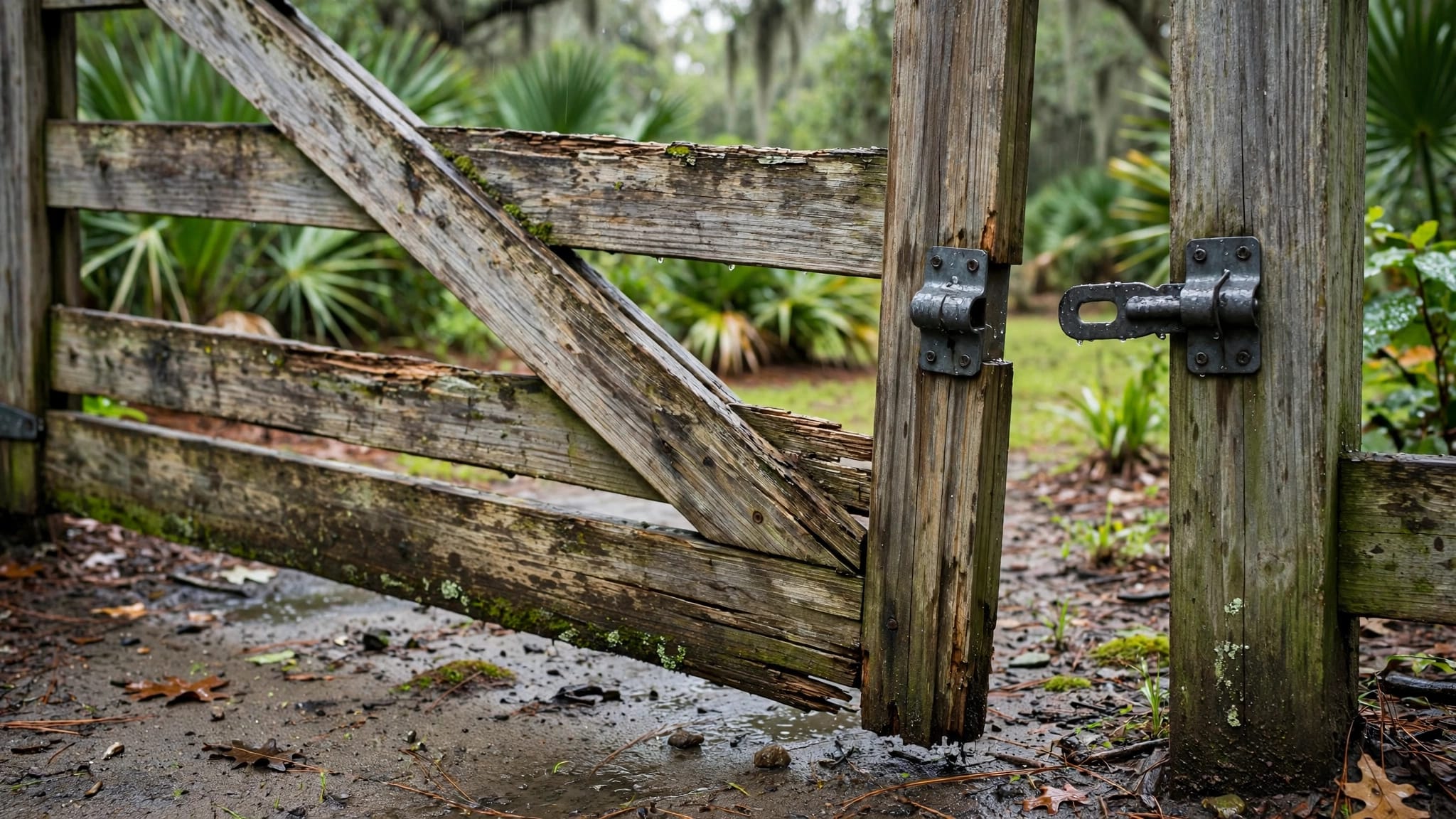
If a project already includes storm damage or age-related wear, it can help to compare repair and replacement early. In some cases, repair is enough. In others, a full replacement is cleaner. Homeowners looking at that choice can review professional fence repair services before they decide on the next step.
Mistakes that slow down approval
Small errors cause most permit delays. The county does not need a perfect application, but it does need one that matches the property.
The most common problems are easy to avoid:
- The site plan does not match the actual fence location.
- The fence crosses an easement without showing it.
- The height on the application does not match the design.
- The homeowner assumes a replacement does not need a permit.
- The front-yard material choice does not fit local rules.
- Flood-zone paperwork is missing.
- HOA approval was skipped.
A missing survey or unclear lot line can also slow everything down. When that happens, the county may pause review until the property details are clear.
Another common issue is starting work too soon. Some homeowners order the fence and the permit at the same time, then begin installation before approval arrives. That can turn a simple project into an expensive one.
If the project feels complicated, choosing the right installer can help. A contractor who works in Southwest Florida should know how to read the local rules, prepare a cleaner packet, and avoid common review problems. Homeowners who want a good screening process can also read how to select a qualified fencing expert.
When a contractor helps the most
Some fence jobs are straightforward. Others need a sharper eye because of height, drainage, storm damage, or lot layout.
A contractor is most helpful when the project involves more than a simple backyard run. For example, taller privacy fences may need sealed plans. Lots near flood areas may need extra review. Older properties can also hide easements or boundary questions that are hard to spot from the yard.
Contractors are also useful when the fence needs to match an existing style or when a damaged section might be repaired instead of replaced. That decision can affect the permit path and the total cost.
A good local installer should help you think through the design before the application goes in. They should also know when to stop and ask the county a question instead of guessing. That kind of caution saves time later.
The best fence projects start with the permit, not the post hole digger. When the plan fits the property, the rest of the job runs smoother.
Conclusion
An Immokalee fence permit is more than paperwork. It is the part that helps your fence match county rules, property lines, and lot conditions before the first post is set.
For 2026, the safest approach is simple. Confirm the current rules, gather a clear site plan, and verify whether your lot needs extra review for height, flood areas, or front-yard placement. Rules and fees can change, so check with the local permitting office before you start.
A little prep now can save days of delay later, and it keeps the project moving in the right direction.