Bonita Springs Fence Permit Guide for 2026 Homeowners
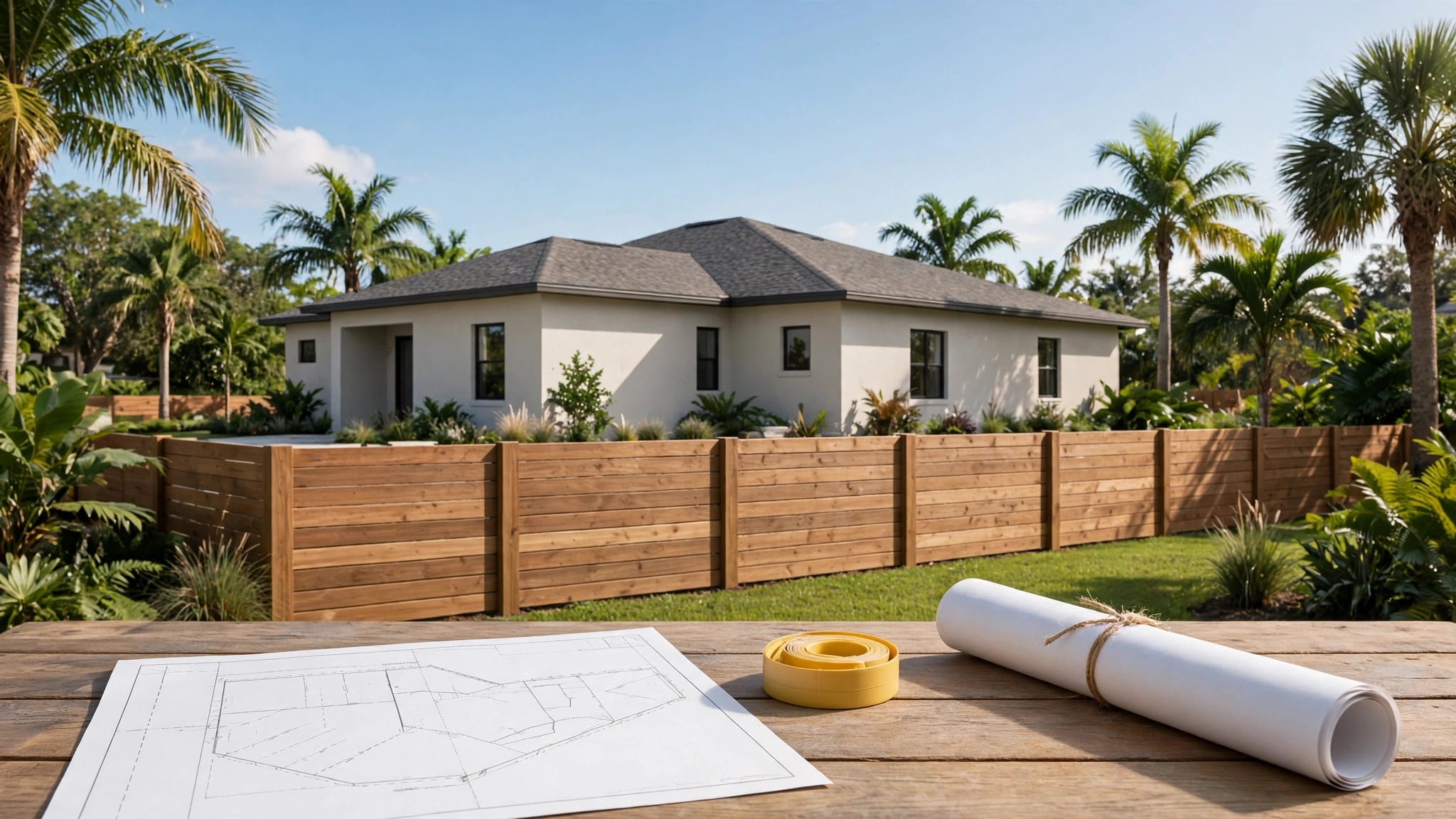
A fence can feel like a simple weekend upgrade, right up until someone asks for a survey, a site plan, and a permit number. For most homeowners, the safest starting point in 2026 is simple: assume a Bonita Springs fence permit question needs an answer before posts go in the ground.
Based on current March 2026 guidance from the City of Bonita Springs Community Development Department and Lee County permitting resources, fence rules still come down to three things, jurisdiction, location, and height . Get those right first, and the rest gets much easier.
First, confirm who controls your fence permit
In Bonita Springs, the rulebook depends on where your property sits. Most homes inside city limits work through the City of Bonita Springs. Homes outside the city, but still with a Bonita Springs mailing address, may fall under unincorporated Lee County instead.
This quick comparison helps:
| Who reviews the fence | When it applies | What matters most |
|---|---|---|
| City of Bonita Springs | Property inside city limits | City height limits, placement, right-of-way, easements |
| Lee County | Unincorporated areas outside city limits | County permit rules, zoning, setbacks, easement disclosures |
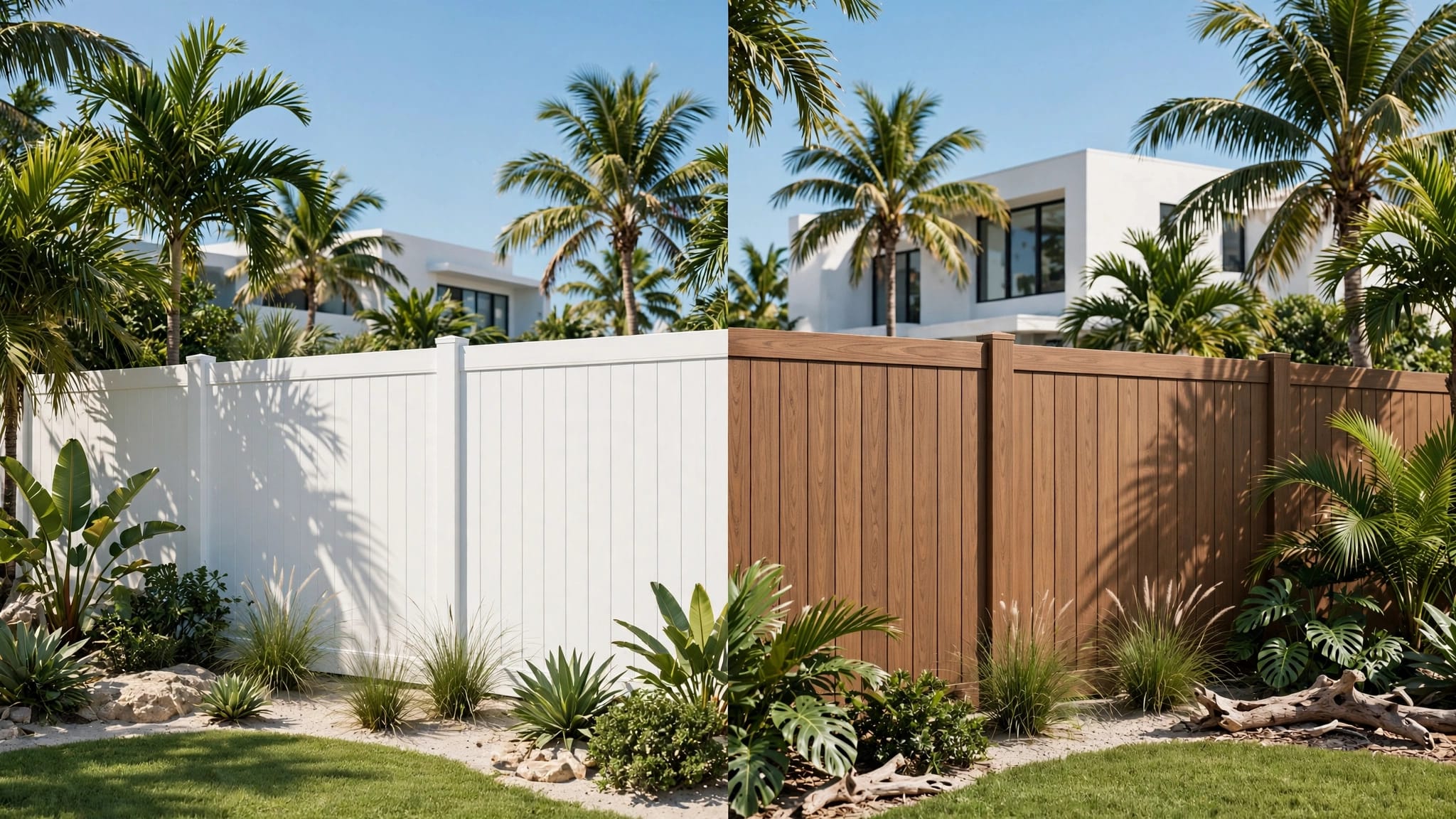
| HOA or condo association | Community with private rules | Style, color, material, gate placement, "good side" direction |
The big takeaway is simple. HOA approval does not replace a city or county permit. You may need both.
As of March 2026, current city guidance indicates that front-yard fences at 4 feet or lower may not need a permit if they meet zoning rules. That does not mean every 4-foot fence is allowed everywhere. Height, openness, lot shape, and driveway visibility still matter.
Lee County is different. In unincorporated areas, homeowners should expect permitting for new residential fences. If your address lands outside city limits, this guide to Lee County unincorporated fence permit rules is a helpful next read.
If you are unsure who has control, don't guess from the ZIP code alone. Two homes near each other can follow different permitting offices. That's why the first call should be about your parcel, not your fence style.
Bonita Springs fence rules that can change your layout fast
Current city guidance for Bonita Springs measures fence height from the ground on your property. That sounds simple, but it changes plenty once you start drawing the line.
For city properties, the common residential limits in 2026 are:
- Front yard : up to 3 feet for solid fencing
- Front yard open mesh : up to 4 feet, if visibility stays clear
- Side and rear yards : up to 6 feet
- Near water : within 25 feet, fencing above 3.5 feet generally needs to stay open mesh
Those numbers matter because many permit corrections come from front-yard plans. Homeowners often picture a full-height privacy fence near the street, then learn the front yard plays by stricter rules.
A fence can sit in "your yard" and still be in the wrong place if an easement or right-of-way crosses it.
That's why a survey matters. Easements, drainage strips, and utility access areas can block a fence line even when the grass looks usable. Corner lots also need extra care because sightlines near streets and driveways must stay open.
Another common rule is the finished-side requirement. In Bonita Springs, the nicer side of the fence usually needs to face outward, toward neighbors or the street. Plan for that before materials arrive, not after the first panel is set.
Before you order materials, check these points:
- Survey in hand : Don't rely on memory or an old fence line.
- Front-yard location : Shorter limits often apply near the street.
- Corner visibility : Tall solid panels near intersections can trigger changes.
- Waterfront conditions : Open-style sections may be required near canals or water.
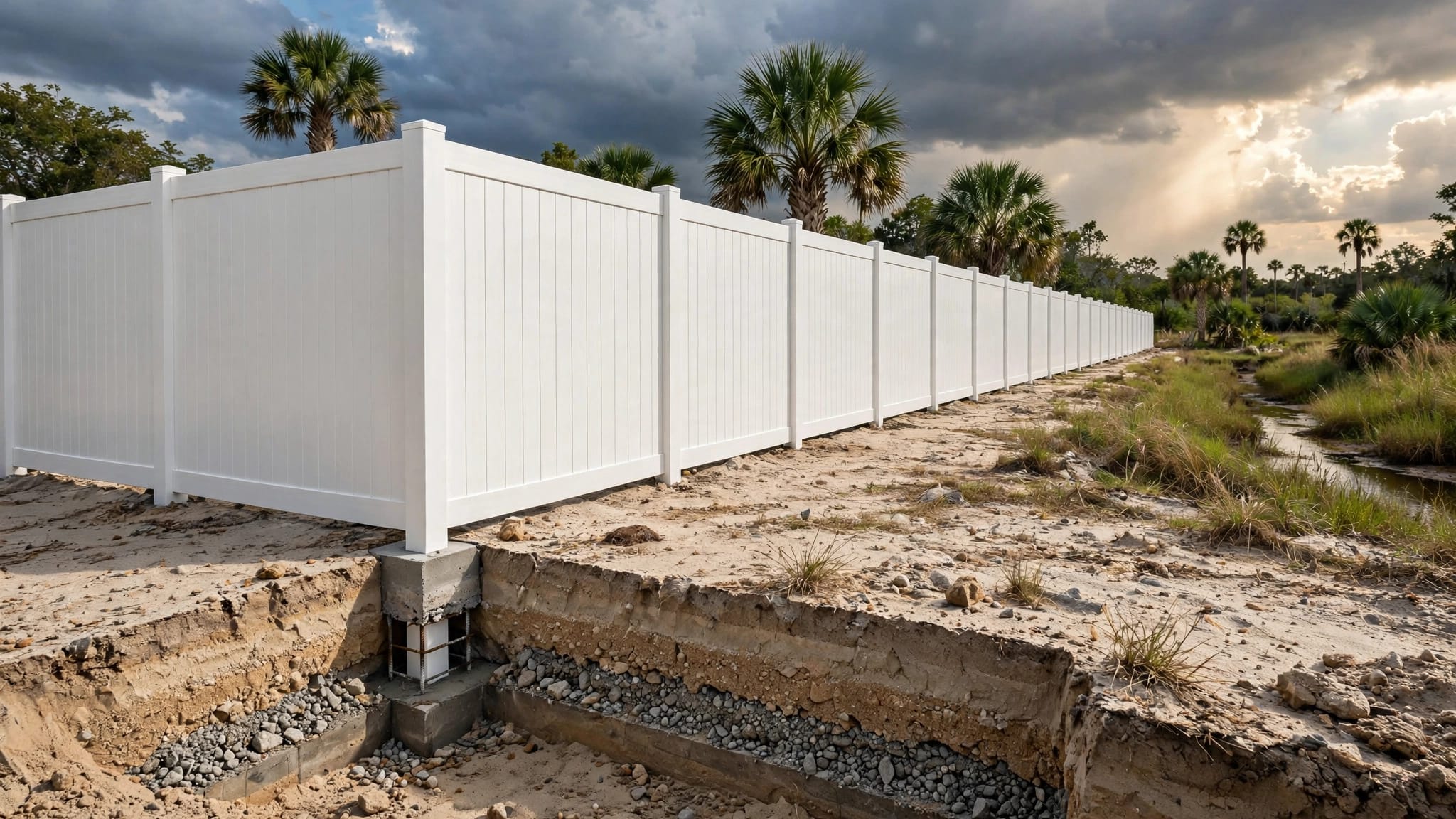
- Fence height over 6 feet : Engineering may be required for some designs.
If your fence will run along a shared property line, talk with the neighbor early. A handshake is not the same as an agreement. This plain-English look at Florida shared fence laws helps explain ownership and cost-sharing issues before they turn personal.
How to apply for a Bonita Springs fence permit in 2026
The permit process is easier when you treat the fence like a small construction job. That means clear paperwork, accurate placement, and no digging until approval is in hand.
Here's the usual order that keeps projects moving:
- Confirm jurisdiction and HOA rules
Check whether your property is in the city or unincorporated Lee County. Then confirm any HOA design rules before you choose a style. - Gather your documents
Most submittals need a survey or clear site plan. Show property lines, fence runs, gates, easements, and distances. - List fence details clearly
Include height, material, and where the gates will go. If the fence acts more like a wall, or goes above common height limits, the reviewer may ask for more. - Submit the application and respond fast
Current city guidance indicates homeowners can submit through Community Development, online or in person depending on the project. If reviewers ask for changes, quick answers save time. - Wait for approval, then build and inspect
Call 811 before digging. After installation, schedule the required inspection so the project closes out properly.
Fees and processing times may vary. Current official sources reviewed in March 2026 do not show a single, fixed fence fee for every case. The smart move is to contact the permitting office for the current amount before you budget the job.
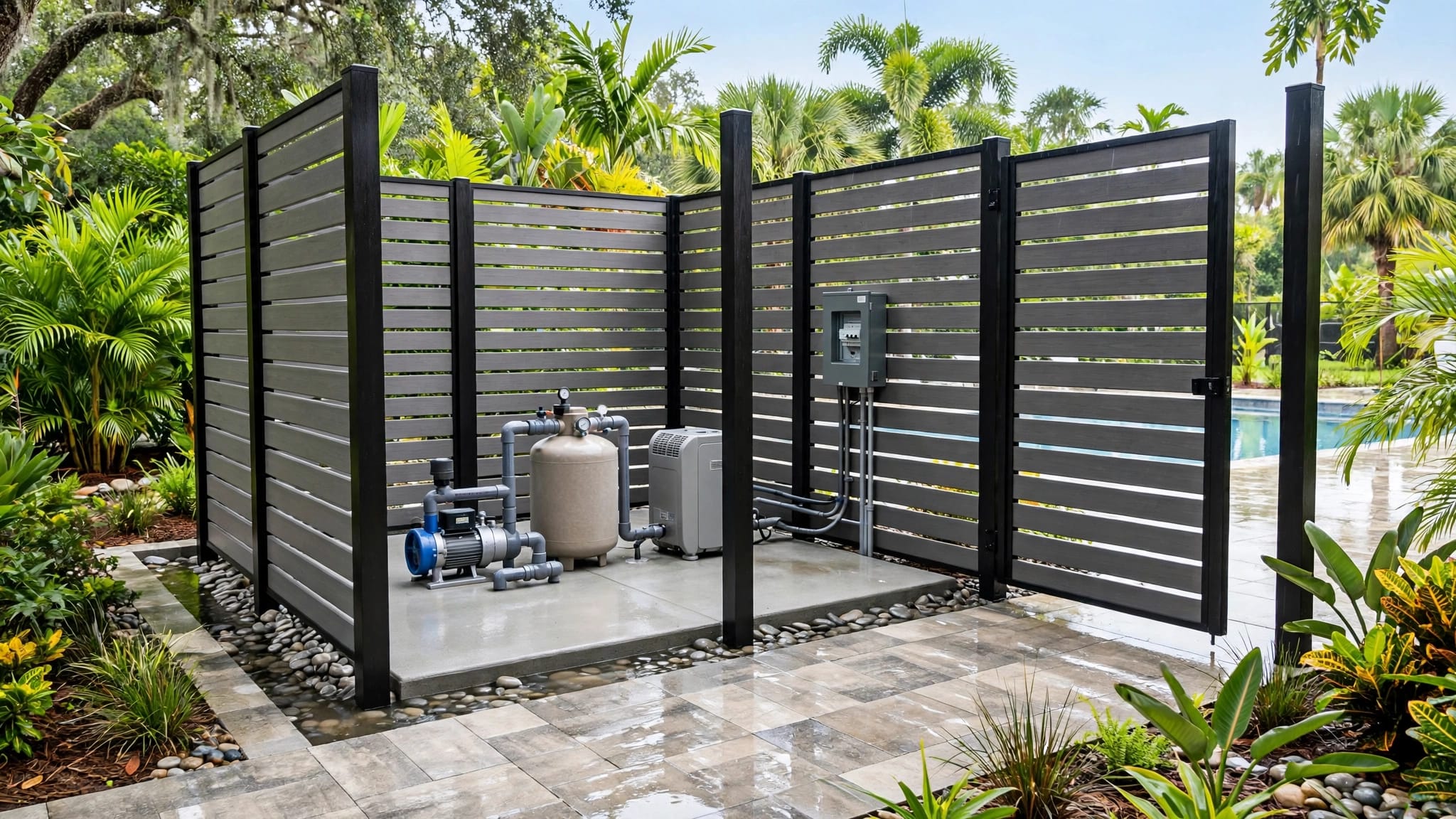
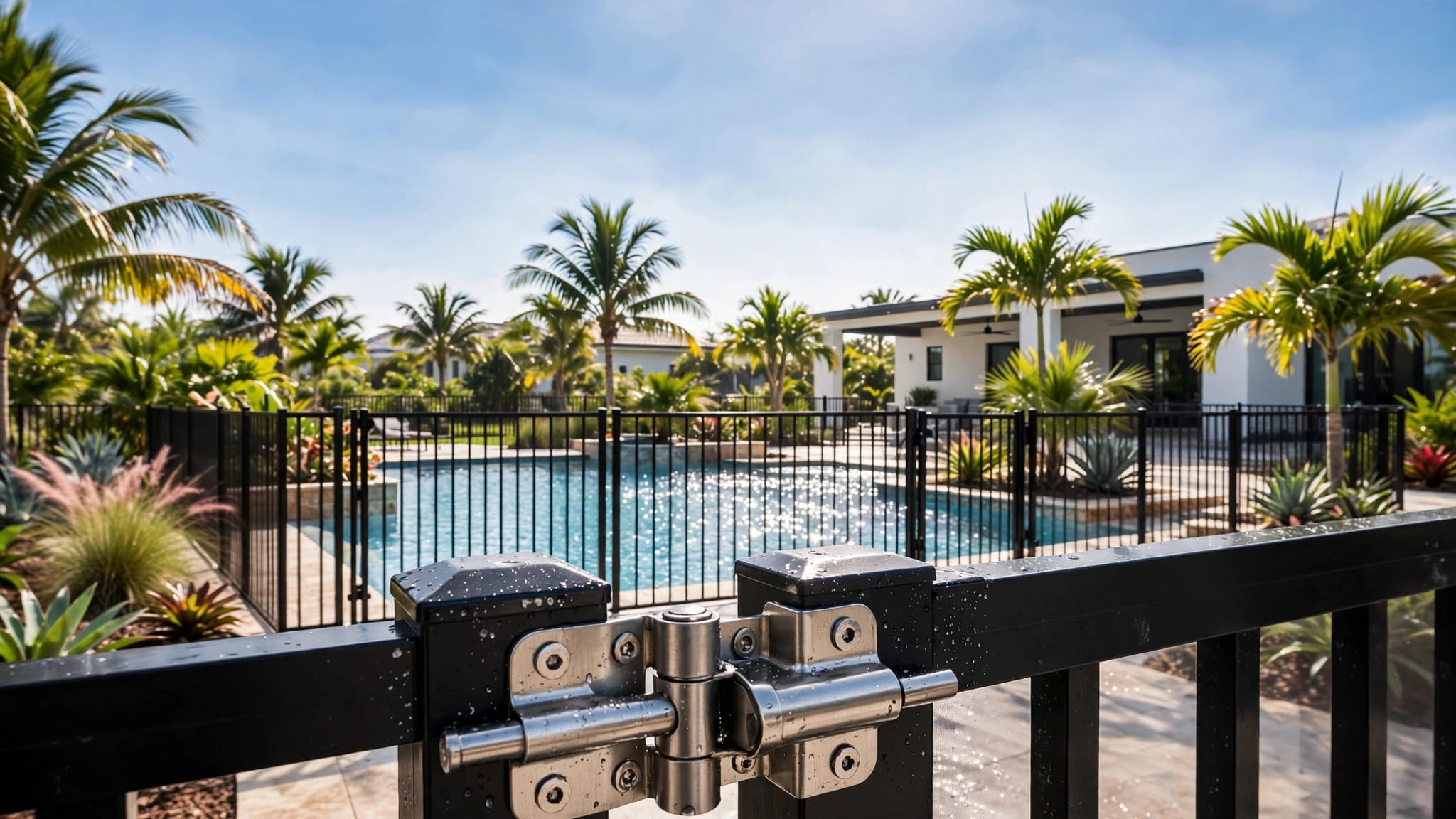
Pool fences deserve special attention. If your fence will serve as a pool barrier, expect stricter gate and latch rules than a standard yard fence. Don't assume a regular privacy fence automatically passes that review.
Quick FAQ for Bonita Springs homeowners
Do I always need a Bonita Springs fence permit?
Not always. Current city guidance indicates some front-yard fences at 4 feet or lower may not need a permit. Still, zoning, visibility, and placement rules continue to apply.
Does HOA approval count as permit approval?
No. HOA approval is private approval. City or county approval is government approval. Many homeowners need both.
Can I replace an old fence without pulling a permit?
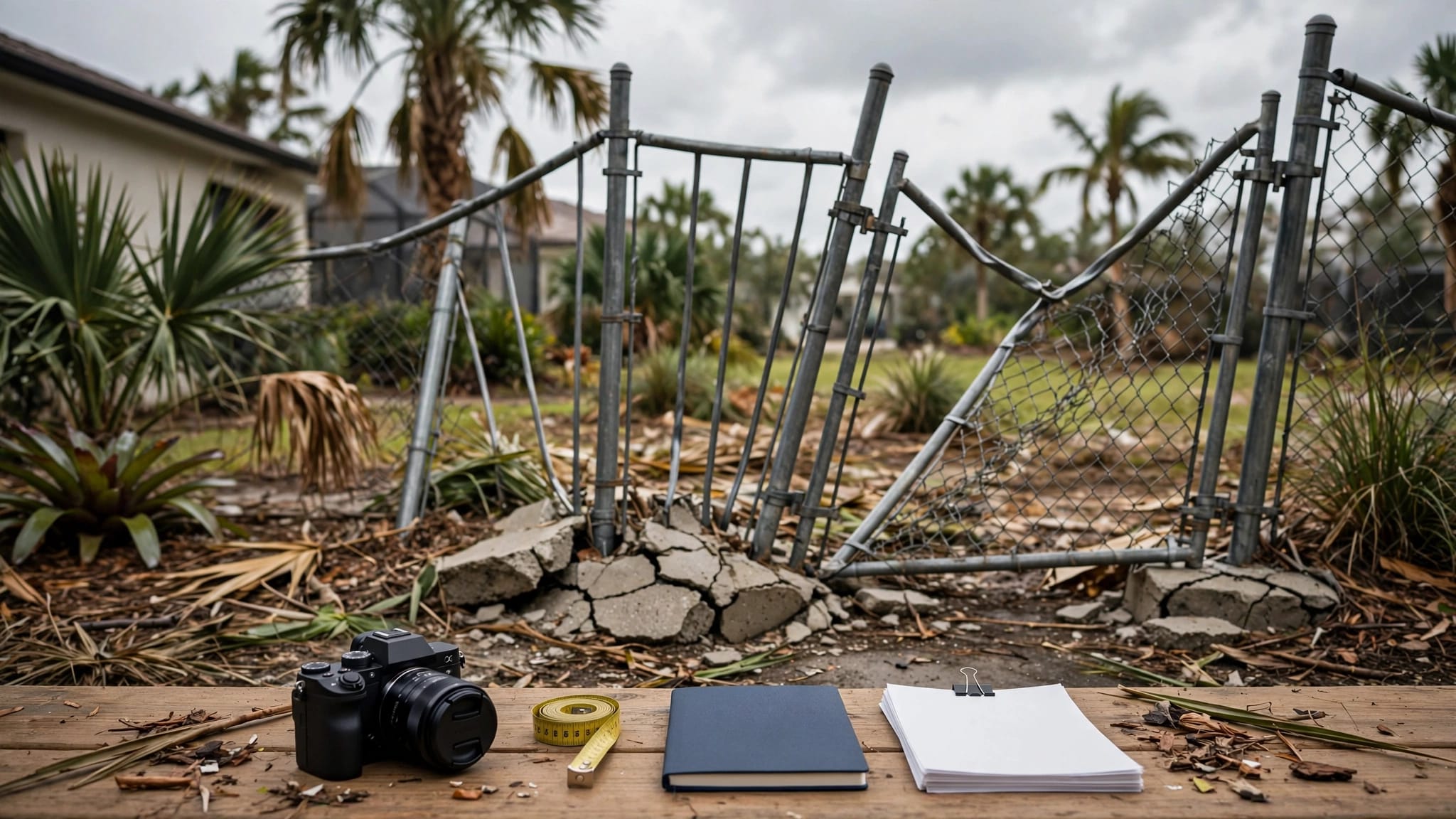
Don't assume you can. Replacement projects often get reviewed like new work, especially if height, material, or location changes.
What if my property is near a canal or water?
Expect extra review. Current city guidance indicates fencing within 25 feet of water may need open-mesh design above certain heights.
Get the paperwork right before you set a single post
A Bonita Springs fence permit is usually less about paperwork for paperwork's sake, and more about proving the fence fits your lot safely. Start by confirming city versus county control, then use a real survey, not a guess. Finally, check HOA rules, verify current fees and submittal steps with the official permitting office, and build only after approval. That extra planning protects your budget, your timeline, and your finished fence.