What to Do When Your Old Fence Has No Permit Record
An old fence with no permit record can leave you with more questions than answers. You search the county site, find nothing, and then wonder whether the fence is fine, needs a permit, or needs to come down.
The good news is that a missing record does not automatically mean trouble. It usually means you need to verify the fence's history, check local rules, and compare the fence you have with the fence that should exist on the lot today.
A missing record is a clue, not a verdict. Treat it like the start of the investigation.
Start with the property, not the paperwork
The first step is to confirm which rules apply to your address. City limits, county land, and HOA covenants can all point in different directions, and the fence rules may change from one side of a street to the other.
That matters in Southwest Florida, where local requirements can shift quickly. If your home sits in unincorporated Lee County, the Lee County fence permit requirements are a good example of how the address controls the process. A fence inside a city may follow a different path, and an HOA can add another layer on top.
When the permit file is missing, ask the building department for archived records using the address, parcel ID, and, if you know it, the approximate year the fence went up. Old permits may sit in paper files, scanned archives, or records under a previous owner's name. If the property changed names, was renumbered, or sat through a jurisdiction change, that can hide the trail.
Do not assume a blank search means no permit ever existed. Sometimes the record is just hard to find. That is why the address matters more than the search result.
Build a paper trail for an older fence
If no permit record shows up, the next move is to prove the fence's age and condition as clearly as you can. The goal is to assemble facts, not guesses.
Start with what you already have at home. Closing packets, old inspection reports, seller disclosures, and renovation invoices can all help. Dated listing photos are useful too, especially if they show the fence from the street or yard. If the fence appears in older photos, that can narrow the timeline fast.
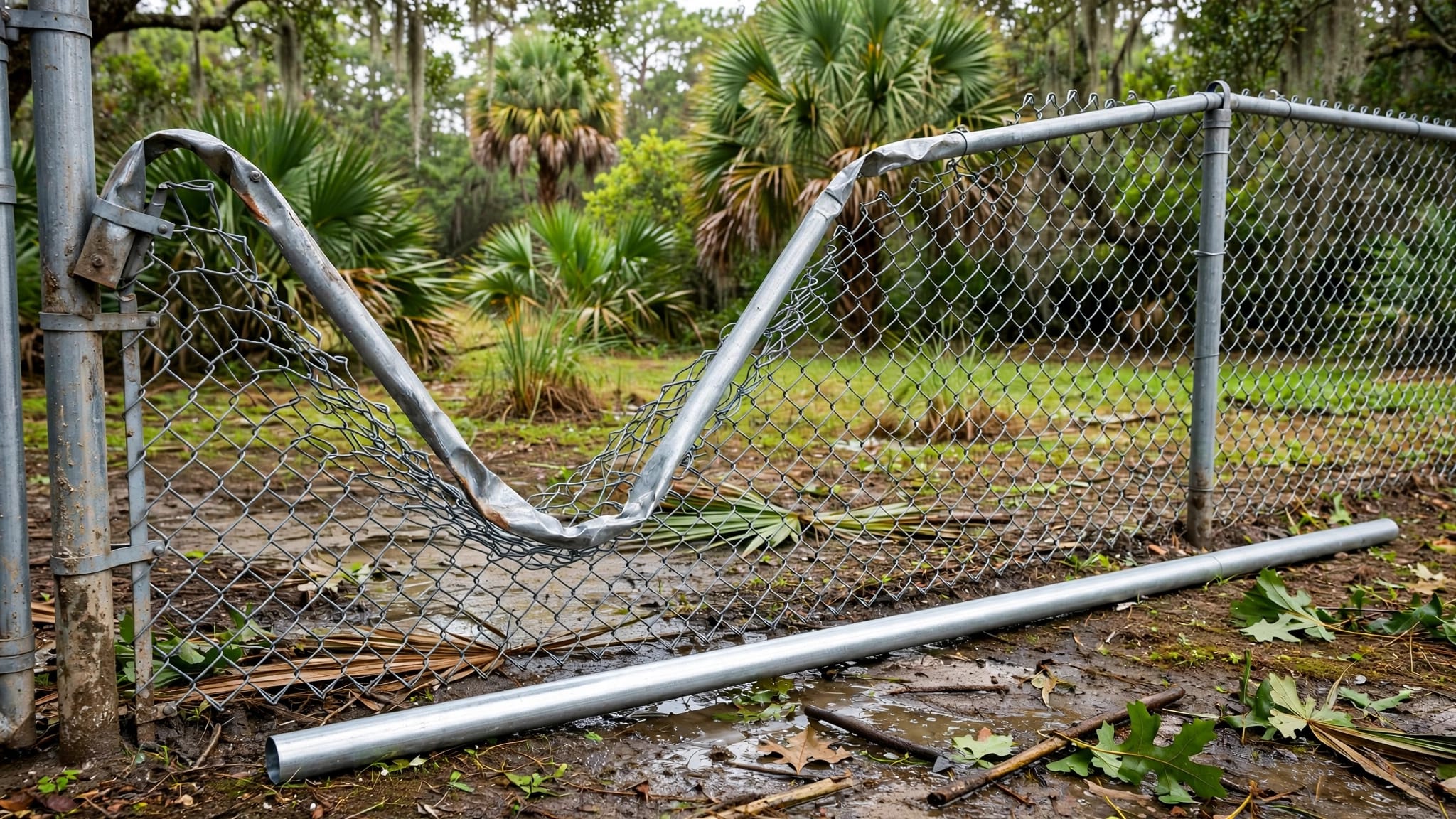
A short photo file of the fence as it stands today also helps. Take pictures from both sides, include corners and gates, and get close shots of any rot, rust, leaning posts, or broken sections. Measure the height in a few spots and note where the fence sits in relation to the house, driveway, sidewalk, and visible lot lines.
Here is a simple way to organize what you find:
| What to collect | What it can show | Why it helps |
|---|---|---|
| Dated photos | Approximate age | Helps confirm the fence existed before a certain year |
| Closing documents | Prior owner details | Can point to a contractor or permit search trail |
| Old invoices or estimates | Fence type and install date | Shows who built or repaired it |
| HOA letters or emails | Past approval history | Helps if the neighborhood has design rules |
| Current photos and measurements | Condition and size | Useful for repair, sale, or replacement planning |
Take photos before you repair, repaint, or replace anything. Once the work starts, the fence's original condition gets harder to prove.
If your fence has been repaired over the years, keep track of that too. A fence may be old, but a section could have been replaced recently. That difference matters when someone asks what is original and what is new.
Check setbacks, height limits, and fence type
Age alone does not solve the problem. A fence can be decades old and still sit too close to a setback, rise too high in a front yard, or use a material that no longer fits the neighborhood rules.
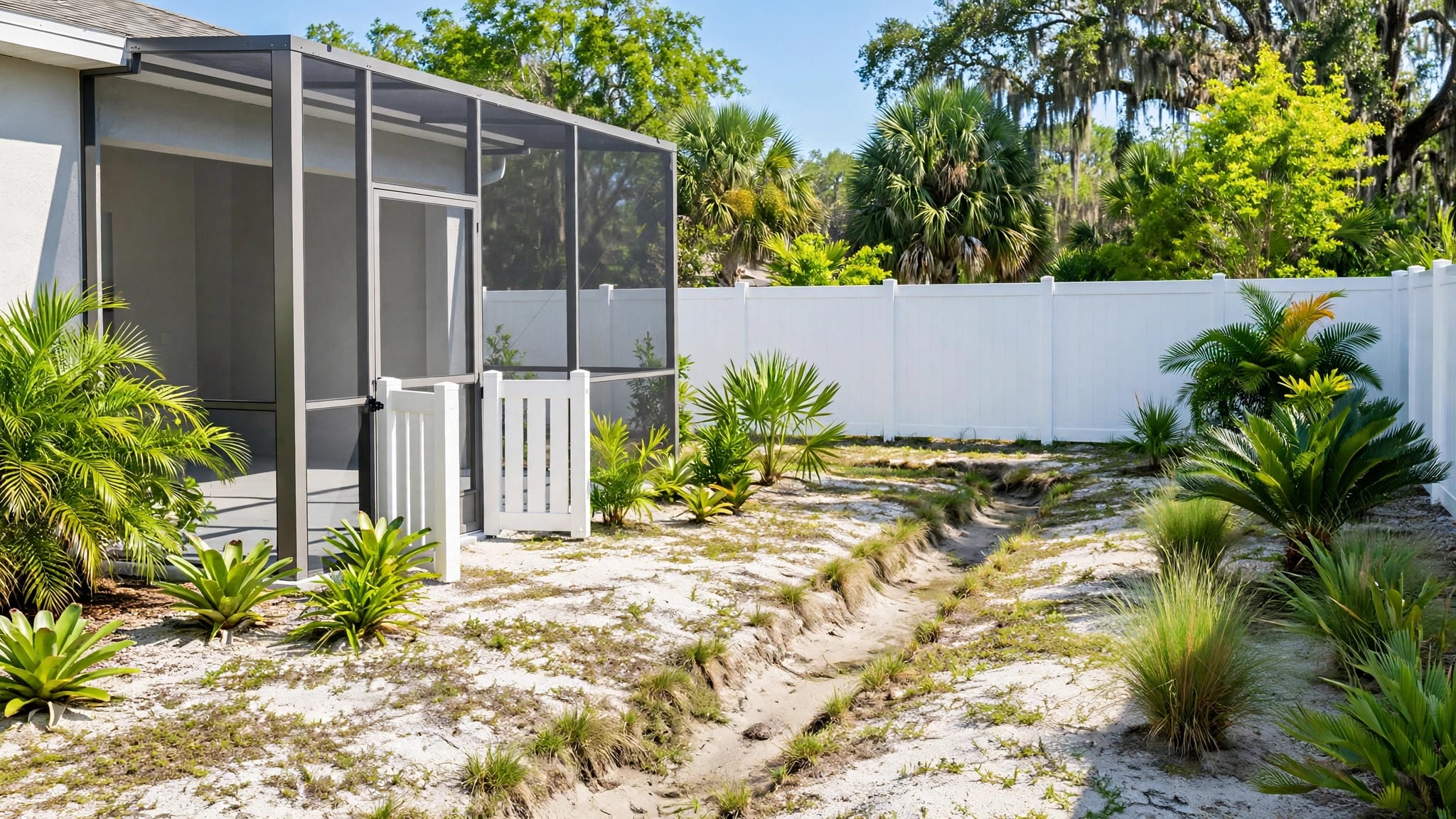
That is why the next step is a location check. Look at the property line, easements, corner visibility areas, and any pool-related requirements. A fence that works in the back yard may not be allowed at the street corner. The same fence can also face different height limits depending on where it sits on the lot.
Fence type matters too. Wood, vinyl, chain link, aluminum, and metal can all face different local or HOA rules. Some neighborhoods limit solid privacy styles near the front of the home. Others care more about color, finish, or how the fence lines up with neighboring lots.
If you need a local example of how those details change by jurisdiction, the Sarasota fence permit guide shows why city and county rules should be checked separately. That same approach applies anywhere in Southwest Florida.
One fence can also be treated as legal in one place and out of place in another. That is where people get tripped up. A fence may have been fine when it was installed, but current rules may be different. Only the local building department, and sometimes a qualified attorney, can confirm whether an older fence is allowed to remain as it is.
If the fence seems close to the line, do not guess. A recent survey or a clearly marked lot line can save a lot of back-and-forth.
What changes when you're selling, replacing, or facing a complaint
The next move depends on why the missing record matters. A fence tied to a sale needs different handling than a fence tied to a neighbor complaint.
| Situation | Best next move | Why it helps |
|---|---|---|
| You are selling the home | Gather your photos, measurements, and any old paperwork | Buyers and inspectors often ask about fence history |
| You received a complaint | Ask for the issue in writing and compare it with local rules | Gives you something specific to review |
| You want to replace the fence | Treat the project as new until proven otherwise | Replacement work often triggers current permit review |
If you are selling, the file should be easy to hand over. A buyer, title company, or inspector may ask when the fence was built and whether it was permitted. If you already have measurements, photos, and prior correspondence, those questions get easier to answer.
If a complaint comes in, keep the response calm and practical. Ask what rule is being cited, where the fence is believed to be out of line, and whether the concern involves height, setback, material, or visibility. That gives you a real issue to compare against the records and the site.
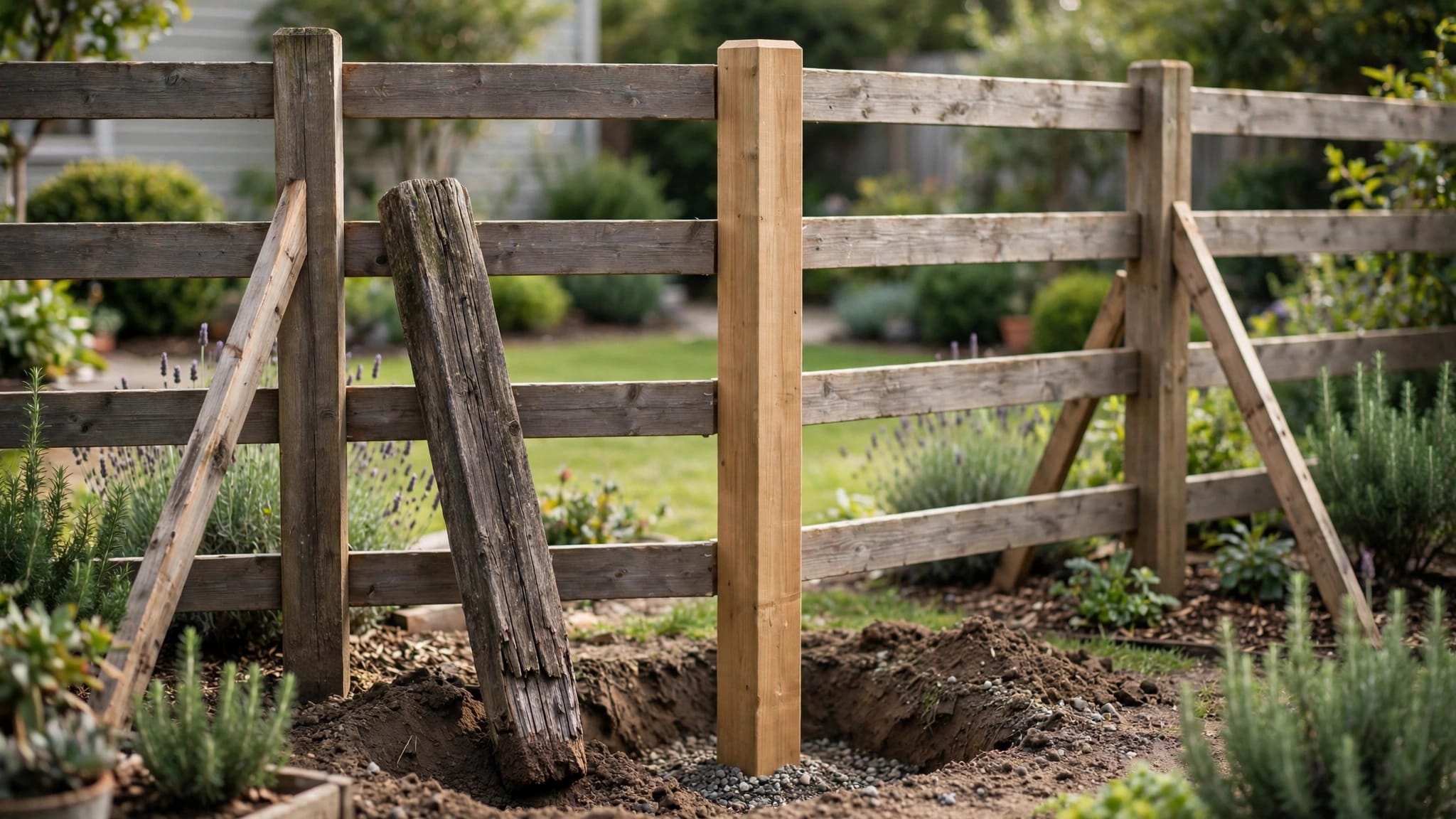
For a replacement project, do not assume the old fence location is automatically acceptable. A new fence usually needs its own review, even if the old one has stood for years. This is a good time to work with a local fence contractor who knows how to spot permit issues before materials are ordered.
When to call the building department or attorney
Some problems are easy to sort out with documents and a tape measure. Others need a second set of eyes.
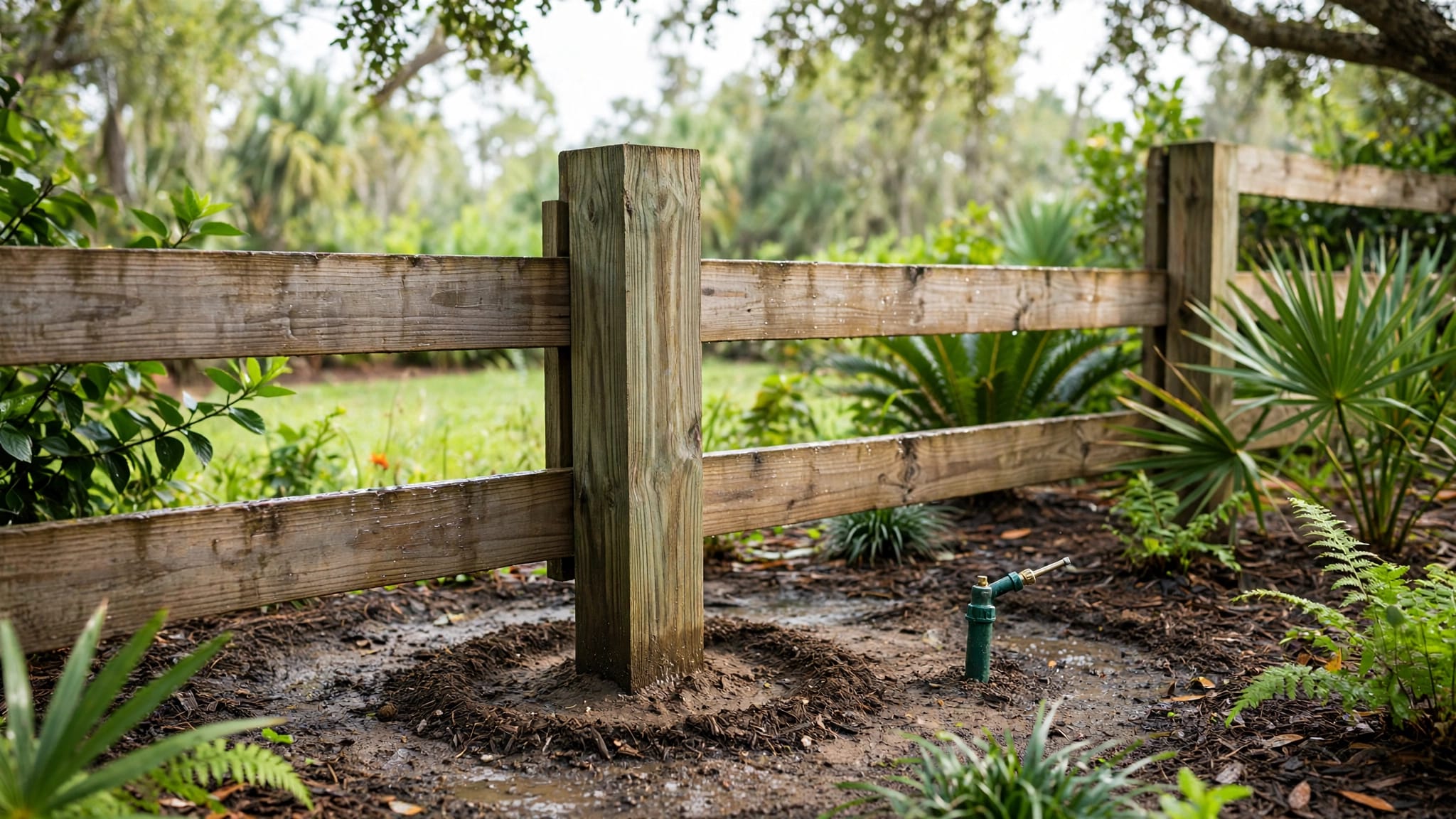
Call the local building department when the question involves permit history, fence height, setback rules, or whether a replacement needs approval. If the fence is near a pool, easement, drainage area, or street corner, ask for the exact rule that applies to your parcel. The staff may not settle a property dispute, but they can often tell you what the code office expects.
If the fence sits on or near a property line dispute, or if a neighbor claims the fence crosses into their land, a surveyor or qualified attorney may need to get involved. The same is true if an HOA notice, code enforcement letter, or boundary argument is not clear. In those cases, local legal advice is safer than guessing.
If your address is in Charlotte County, the Charlotte County fence permit guide is a useful starting point for understanding how local fence rules can differ by jurisdiction. That kind of local check is worth the time because one permit question can turn into several if the fence also touches a setback, easement, or HOA rule.
A good contractor can help with measurements, material options, and the practical side of replacement. Still, permit questions tied to property lines or legal disputes should be confirmed with the right public office or attorney.
Conclusion
An old fence with no permit record is common, especially when records were filed long ago or never made it into a modern database. The safest path is simple: confirm the jurisdiction, document the fence's age and condition, and check setbacks, height limits, and HOA rules before you assume the fence is fine.
That approach matters whether you are selling, dealing with a complaint, or planning a replacement. When the paperwork is thin, the fence itself, plus a clear paper trail, becomes the evidence.