Golden Gate Estates Fence Permit Guide for 2026 Homeowners
You plan a new fence for privacy or pet safety in Golden Gate Estates. Then county rules hit you with permit needs. Many homeowners skip this step and face fines or tear-downs later.
Golden Gate Estates sits in unincorporated Collier County. No HOA means fewer restrictions, but county codes still apply. You'll follow zoning rules for your lot. This guide covers what you need for a smooth Golden Gate Estates fence permit in 2026.
Start here to avoid delays. Next, check if your project needs approval.
Does Your Fence Need a Permit in Golden Gate Estates?
Collier County requires a building permit for new fences, replacements, or changes. This rule covers all lots in Golden Gate Estates. No exemptions exist for simple swaps or small runs.
Most lots fall under Estates (E) or Agricultural (A) zoning. These allow fences, but heights and placements vary. Front yards often limit to lower profiles. Side and rear yards permit taller options.
Pool barriers or gates add extra checks. Self-closing hardware matters for safety. Always confirm your zoning first. The county's Land Development Code outlines details in section 5.03.02.
Because GGE has no HOA, you skip those approvals. However, neighbor talks help on shared lines. County rules demand the finished side faces streets or neighbors. This keeps things neat.
In short, assume you need a permit. It protects your investment from code violations.
Fence Placement Rules and Lot-Specific Limits
Placement causes most headaches. Fences must stay off easements and respect setbacks. Show these on your plans to pass review.
Septic lots dominate GGE. Keep fences at least 5 feet from tanks or drain fields. Mark this clearly, or expect revisions.
Drainage easements need an Encroachment Use Authorization (EUA) package. Include your plat and deed. No HOA letter required here.
Zoning sets height maxes. Front yards cap lower in residential zones. Rear yards allow up to 6 feet usually. Check your parcel for exacts.
Corner lots face stricter visibility rules. Avoid blocking sight lines near roads. Right-of-ways stay off-limits too.
| Lot Feature | Key Fence Rule | Why It Matters |
|---|---|---|
| Septic System | 5 feet minimum distance | Protects repair access |
| Drainage Easement | EUA package required | Prevents flood issues |
| Front Yard | Lower height limit | Matches neighborhood look |
| Property Line | Finished side out | County aesthetic standard |
This table sums common limits. Review your survey before drawing plans. Wrong spots lead to rework.
Step-by-Step Process to Get Your Permit
Apply online through the Collier County Growth Management Portal. It's straightforward once you gather docs.
First, create an account at colliercountyfl.gov. Select Fence/Wall (PRFW) as the type.
Next, answer basics. Note work scope, like new install or repair. Describe materials and lengths.
Upload files then. Pay fees online. Processing takes 24-48 hours for initial review.
Wait for approval. Build after. Schedule inspections if flagged.
Owner-builders file a notarized form. Contractors handle this often.
For a full rundown on Collier County fence permit basics, see county parallels. Steps stay similar across lots.
Follow this order. It cuts wait times.
- Verify zoning and survey lot lines.
- Sketch site plan with heights and gates.
- Submit via portal.
- Respond to any review notes fast.
- Call 811 before digging.
Documents You Must Submit and Pitfalls to Dodge
Reviewers check clarity first. Vague plans bounce back.
Core items include a site plan. Draw fence lines to scale. Note heights, materials, and gate swings.
Add fence details. List types like vinyl or chain link. Include drawings for posts or concrete.
Boundary survey proves lines. Old ones may not suffice.
EUA goes with easements. Download forms from the county site.
Common pitfalls slow you. Missing septic offsets top the list. Unmarked gates confuse reviewers.
Submit everything at once. Partial apps drag on.
Chain link may restrict in front yards. Verify per zone.
Fees and timelines vary. Portal shows current costs. Plan for weeks, not days. Confirm with Building Plan Review at 2800 N Horseshoe Dr, Naples.
Pro tip: Hire a pro for plans. They spot issues early.
Practical Tips to Avoid Delays and Extra Costs
Start with your survey. Update if over five years old. It flags easements you miss.
Talk to neighbors on shared fences. Florida law splits costs fairly.
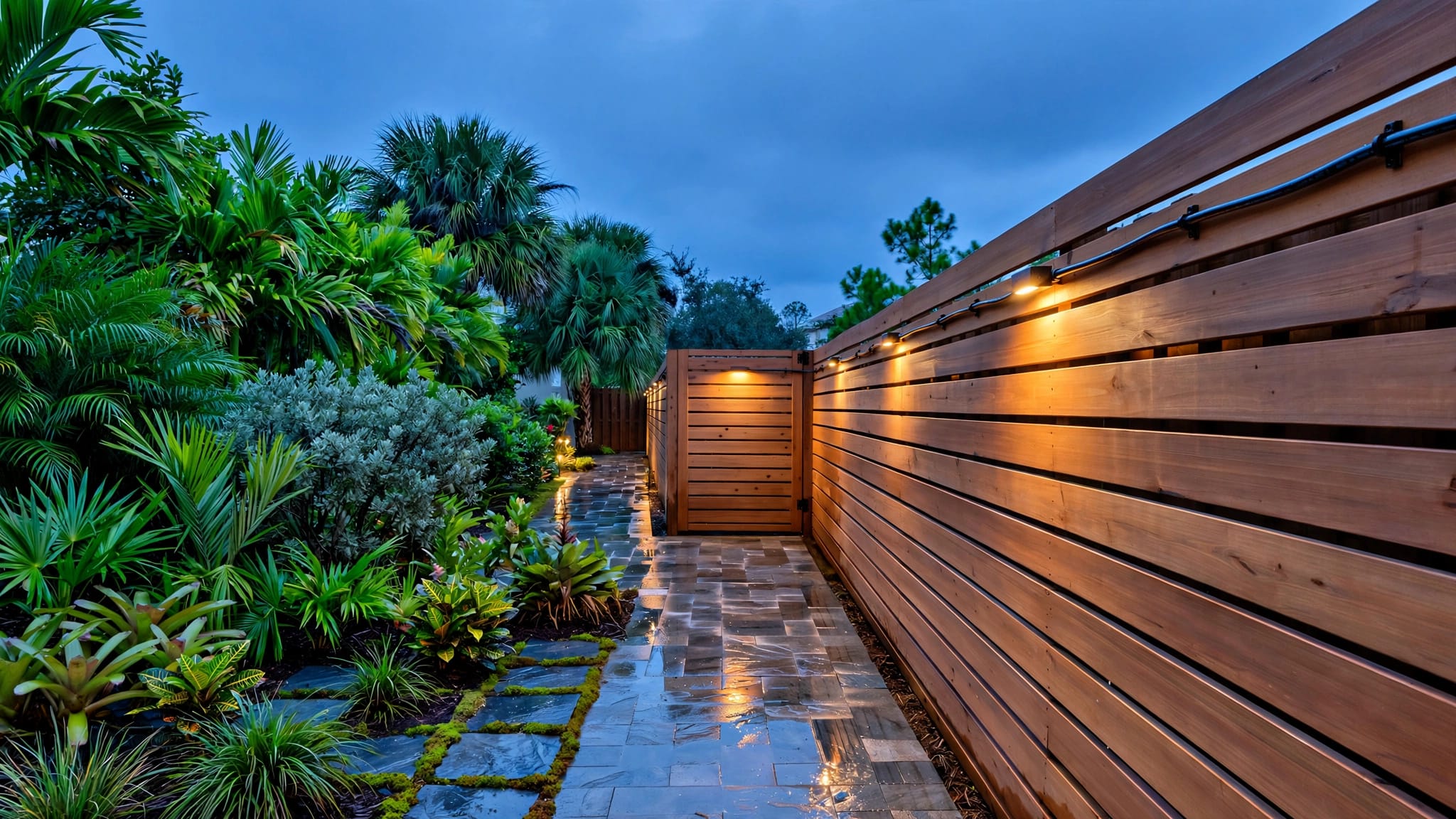
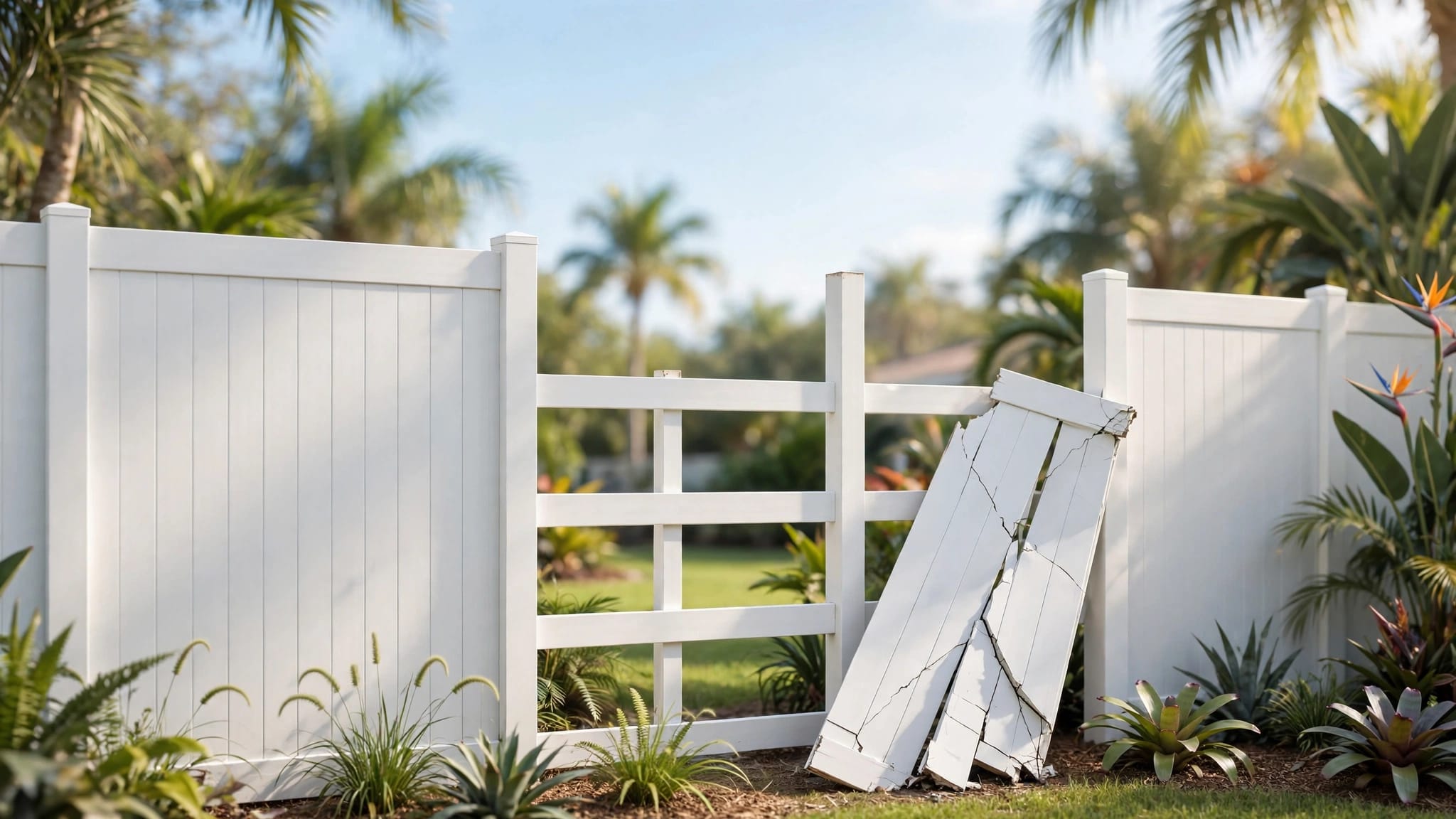
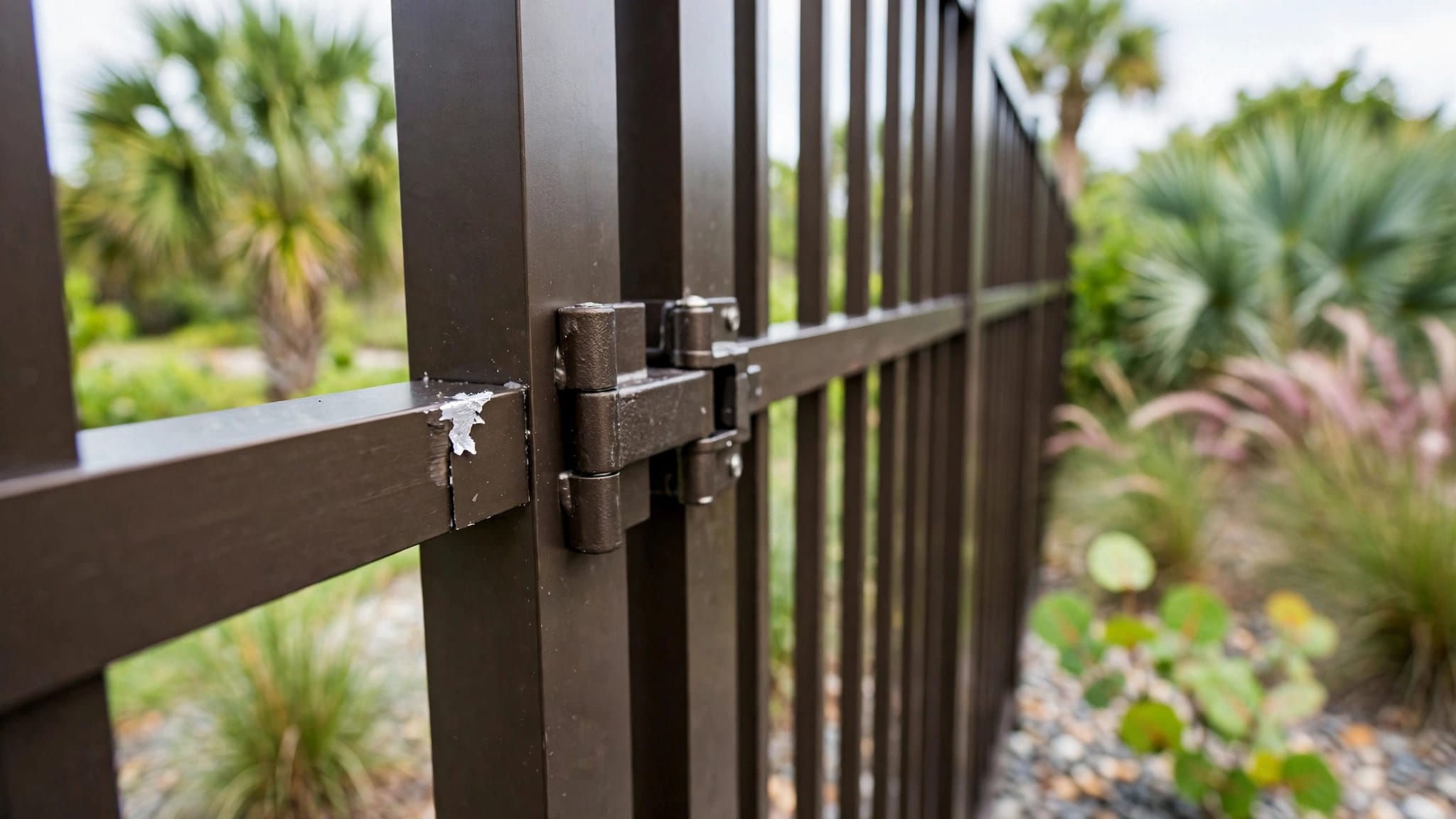
Choose materials that fit rules. Vinyl lasts in humidity. Aluminum suits pools.
Budget for fees upfront. They scale with project size.
Track portal updates. Rules tweak yearly.
Inspections focus on placement and height. Pass them clean.
If unsure, call county staff. They guide without commitment.
Local contractors know GGE quirks. They pull permits often.
Wrap Up Your Fence Project Right
A Golden Gate Estates fence permit keeps your yard legal and safe. Respect septic setbacks, easements, and heights per zoning.
No HOA simplifies things. Still, county portals make apps easy.
Confirm details yourself. Fees and times shift, so check collier.gov.
Your new fence boosts privacy fast when planned right. Ready for install? Local pros handle the rest.