LaBelle Fence Permit Guide for 2026 Homeowners
Planning a new fence in LaBelle? You might hit a snag if you skip the permit step. Many homeowners assume they can build right away, but local rules say otherwise.
A LaBelle fence permit often comes into play for residential projects. Rules depend on your spot in the city limits or out in unincorporated Hendry County. Get it wrong, and you face delays or fines. This guide breaks down what you need for 2026, so you start strong.
First, figure out your jurisdiction. That sets everything else in motion.
Confirm Your Jurisdiction: City of LaBelle or Hendry County?
Your address decides who reviews your fence plans. LaBelle sits in Hendry County, but properties split between city limits and unincorporated areas. Mix this up, and your application bounces back.
Check your property records or tax bill. They list if you're in the City of LaBelle or county land. Call your HOA if you have one; they add their own rules sometimes.
For city properties, the City of LaBelle handles initial checks. Hendry County Building Code Enforcement steps in for most building permits, even inside city lines. Their office sits at 640 S. Main St. in LaBelle. Phone numbers include (863) 675-5222 for the building official and (863) 675-6007 for planning and zoning.
Unincorporated spots follow county rules straight up. City folks might see slight tweaks, like stricter front-yard looks. Always ask directly. A quick call saves weeks.
In short, start here. Confirm before you sketch your fence line. Next, see if a permit fits your project.
When Does a LaBelle Fence Permit Become Required?
Not every fence needs approval. Short ones under 4 feet often skip the process in residential zones. However, taller builds trigger reviews.
County guidelines point to permits for fences over 4 feet. Pool barriers always require one, plus inspections. They count as safety features, not just borders.
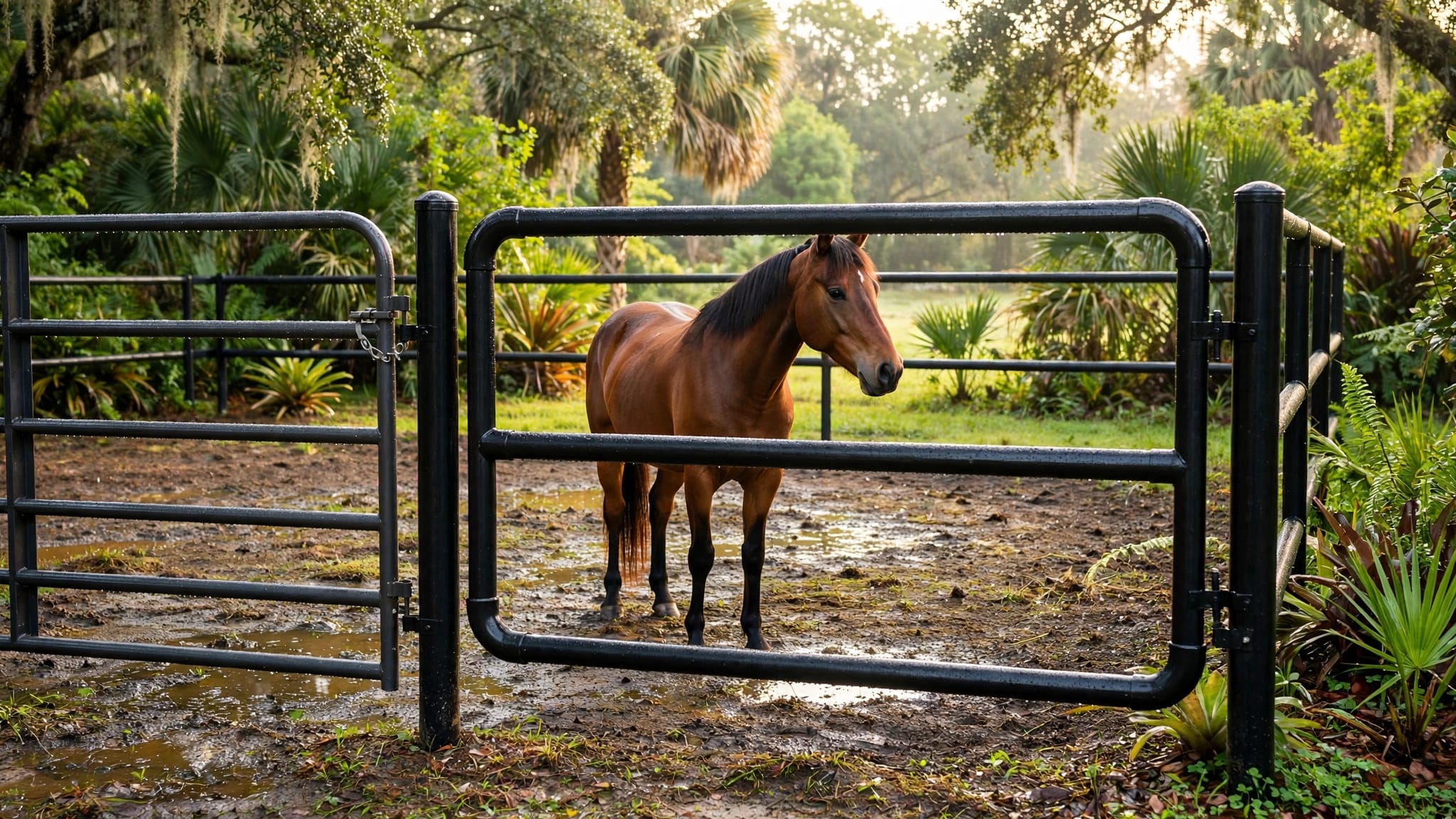
Gates matter too. Self-closing types on pools face extra checks. Materials like chain link or vinyl follow the same height rules.
Zoning plays a role. Agricultural land near LaBelle might allow taller rear fences. Corner lots or easements add limits.
Your best move? Call the building department with your address and fence height. They confirm in minutes. This avoids rework later.
Pool owners, note this: Florida law demands barriers meet strict standards. Height alone won't cut it; latches and gaps count.
Key Height Limits and Setbacks to Follow
Heights keep neighborhoods uniform and safe. Front yards cap at about 4 feet in most spots. Side and rear runs go up to 6 feet.
Setbacks keep fences off lines. Expect 5 feet from side or rear boundaries. Front ones stay 25 feet from the road right-of-way.
These numbers come from common county expectations. They shift with zoning or drainage needs. For example, canal properties face extra buffers.
Here's a quick table of typical limits (verify yours):
| Area | Height Limit | Setback from Line |
|---|---|---|
| Front Yard | 4 feet | 25 feet (road) |
| Side Yard | 6 feet | 5 feet |
| Rear Yard | 6 feet | 5 feet |
| Pool Barrier | 4-5 feet | Varies by code |
Use this as a starting point. Draw your plan around it. Inspectors measure from the approved sketch.
Easements trip up many. Utilities run through them, so fences can't block access. Your survey shows these clearly.
Step-by-Step Process to Secure Your Permit
Ready to apply? Gather basics first. You need a site plan, survey, and fence details.
Step one: Get your survey. Mark property lines, easements, and your fence path. Note heights and gate spots.
Next, call 811. They mark utilities free. Wait for colors before posts go in.
Submit online or in person. Include owner info, contractor license if hired, and drawings. County forms live on their site.
Wait times run 1-2 weeks for simple jobs. Pools take longer. Approved plans guide your build.
Changes mid-job? File a revision. Stick to the plan, or inspections fail.
Hire help if needed. Local crews know LaBelle quirks. For county details, check our Hendry County fence permit guide.
Fees, Inspections, and Pitfalls to Dodge
Base fees start around $50-$100. They climb with size or pool features. Call for your quote.
Inspections hit key stages: posts set, full frame, final look. Pass them, or tear out sections.
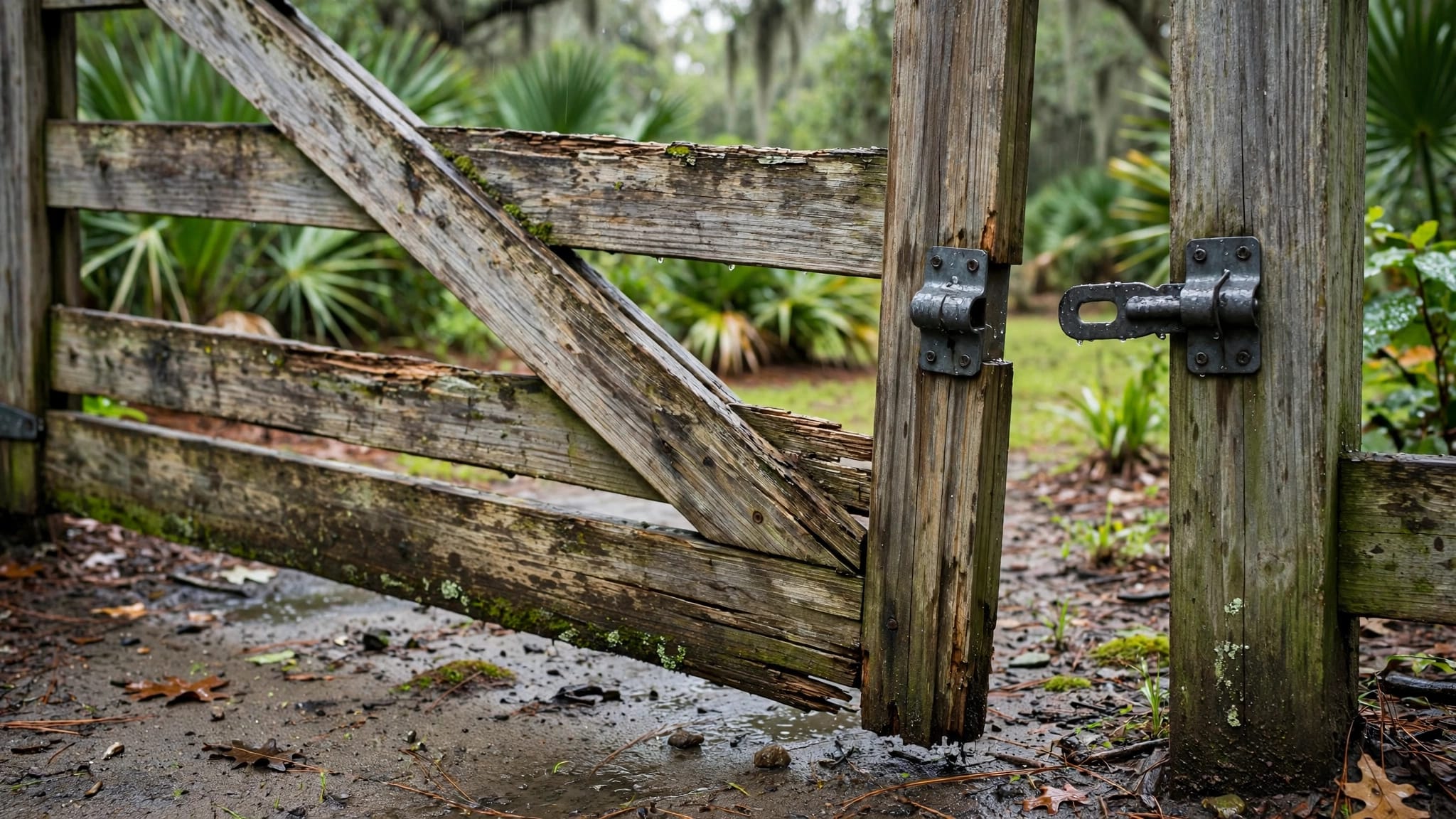
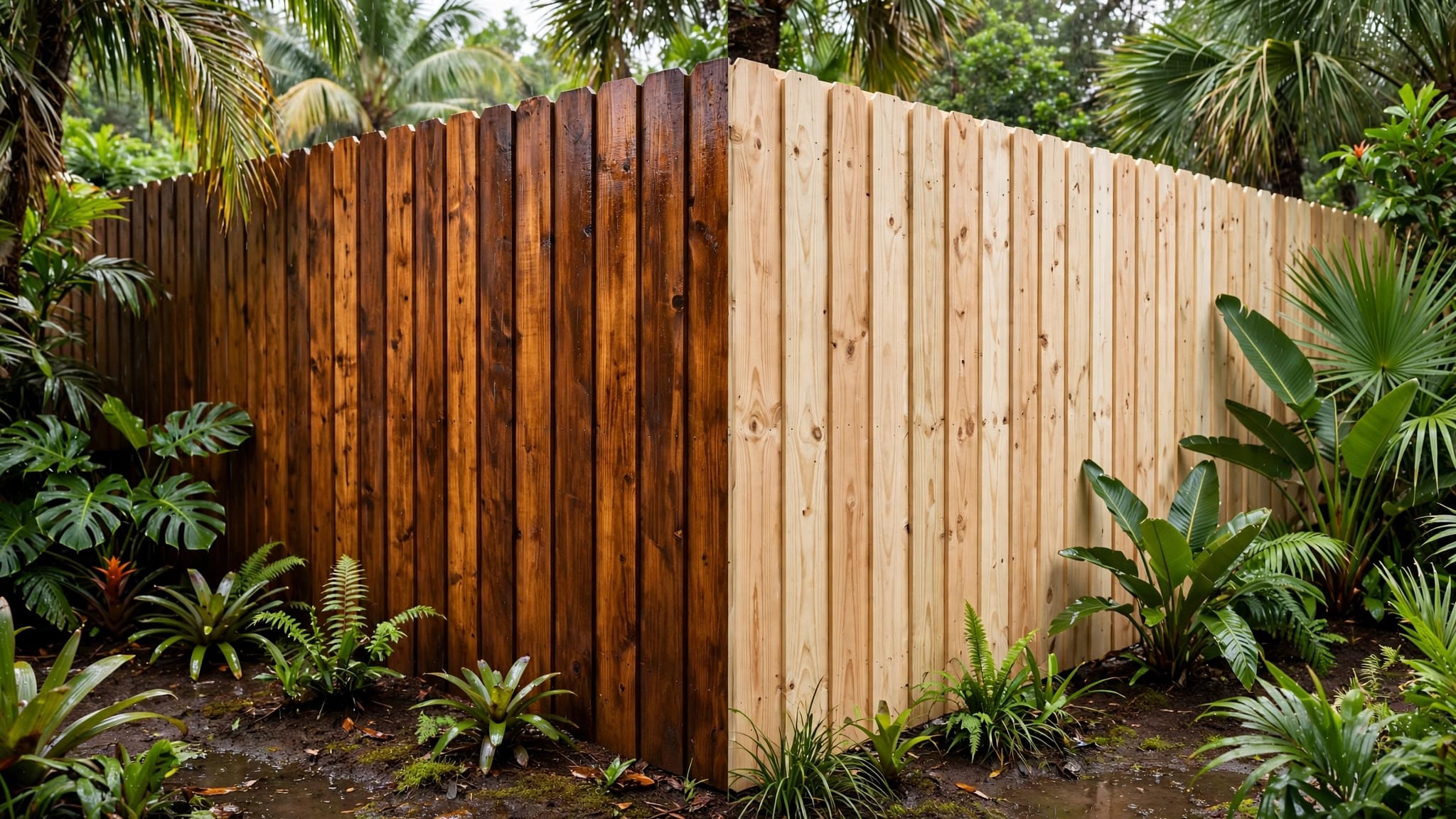
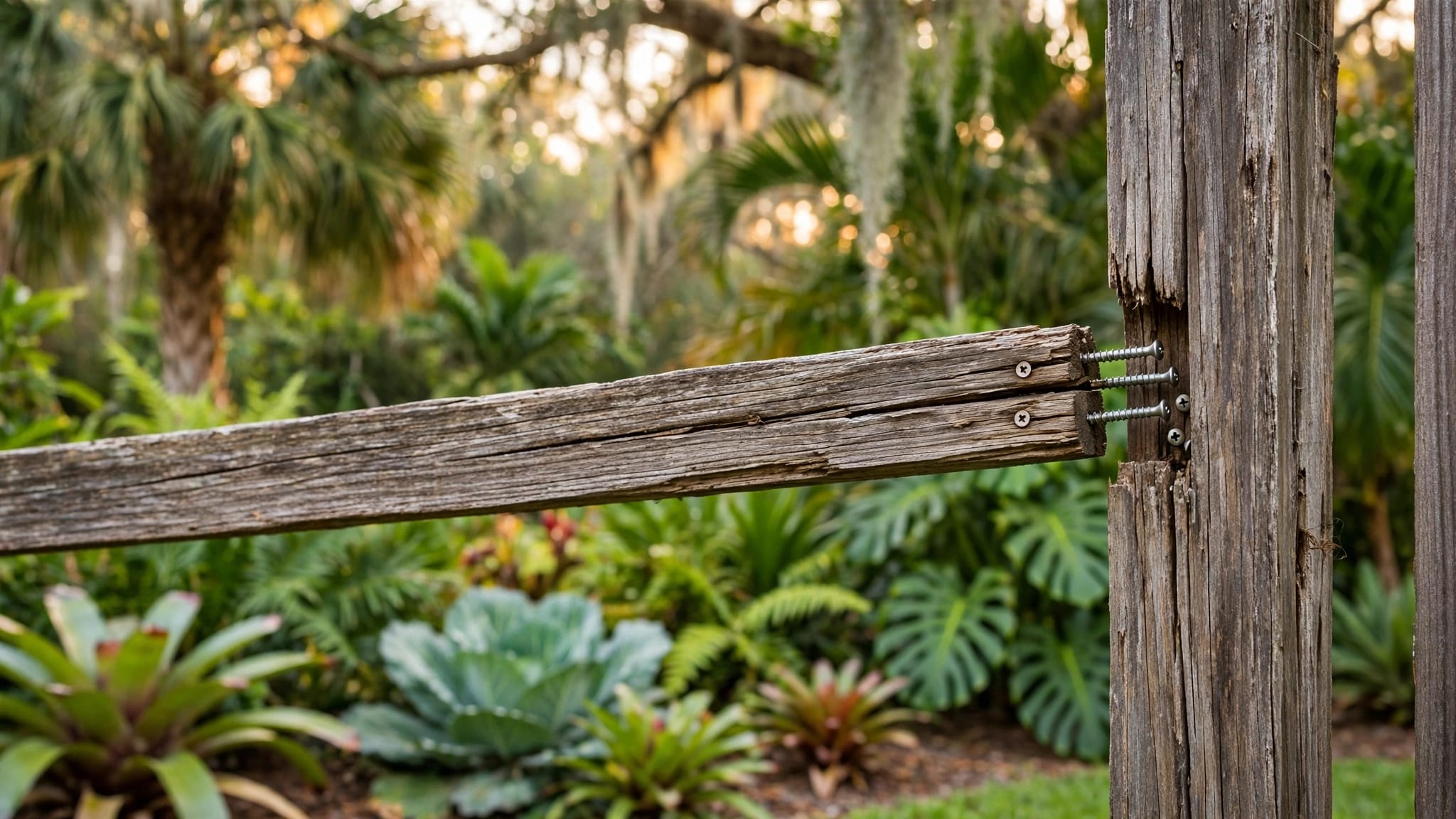
Watch these traps. Neighbors dispute lines; talk early. HOA skips get fines. Wood rots fast here; pick lasting options.
Verify everything. Rules shift yearly. Contact Hendry County or city hall direct.
A smooth permit means your fence stands strong.
LaBelle fences boost privacy and curb appeal when done right. Confirm jurisdiction, match heights to setbacks, and apply early. You'll avoid most headaches.
Build with confidence. Your property deserves it. Call the building office today for the latest 2026 rules.