Alva Fence Permit Guide for 2026 Homeowners
A fence can look like a weekend project, until permit rules slow everything down. In Alva, that surprise is common, especially if you're replacing storm-damaged panels or planning a fresh privacy fence.
For 2026, the safest approach is simple: verify the current rules before you buy materials or set posts. That matters because permit requirements can change, and the approval you need may depend on your lot, your fence height, and where the fence will sit.
When an Alva fence permit is usually required
If your home is in unincorporated Lee County, plan on getting a fence permit before you build. A new residential fence or wall usually needs county review, and that review starts before the first hole is dug.
That also applies to many replacement jobs. If you are moving the fence line, changing the height, switching materials, or turning a repair into a full rebuild, the county may want a permit. Even when the old fence was already there, the new one still has to match current rules.
A lot of homeowners assume "same spot, same fence" skips the paperwork. It often doesn't. The county cares about where the fence sits, how tall it is, and whether it crosses property lines, easements, or the right-of-way.
If you are not sure whether your property falls under a special district, HOA, or another local rule set, confirm that before you schedule work. The permit office should be the final word on current requirements, not an old neighbor's advice.
What to gather before you apply
Good permit applications start with good paperwork. The county usually wants enough detail to see where the fence will go and why it fits the lot.
Before you file, collect these items:
- A recent property survey or a clear site plan
- Fence height, material, and style
- The exact fence location on the lot
- Gate locations and swing direction
- Any easements, drainage areas, canals, or water bodies nearby
- HOA approval, if your neighborhood requires it
- Contractor information, if a licensed pro will do the work
If your corners are unclear or the old markers are hard to find, a survey can save a lot of guesswork. This guide on Florida fence survey rules explains when a survey helps and why local offices ask for one.
HOA approval is separate from county permit approval. Get both before you schedule installation.
A simple site sketch goes a long way. Show the lot lines, the house, driveway, sidewalks, gates, and the planned fence line. If the county reviewer can picture the project in one glance, the permit process usually moves faster.
How fence height, placement, and lot layout affect approval
In Lee County, fence location matters as much as fence style. A fence that looks fine in a backyard can fail review if it sits too close to the street, crosses an easement, or blocks a visibility area on a corner lot.
Here is a quick comparison of the factors that matter most.
| Factor | Why it matters | What to check |
|---|---|---|
| Front yard near the street | Height is often limited, commonly around 3 feet | Measure from the street side and confirm the setback rule |
| Side and rear yards | Taller fences may be allowed | Check zoning, fence type, and any HOA limits |
| Easements and right-of-way | Fences cannot block access or sit in protected areas | Compare your survey, plat, and the planned fence line |
| Corner lots and driveways | Visibility can affect safety and approval | Keep sight lines open near intersections and driveways |
| Fences over 6 feet | Extra review is common | Prepare signed and sealed plans or engineering documents |
The biggest mistake is placing a fence where the owner thinks the line is, instead of where the survey says it is. That small gap can turn into a costly move later.
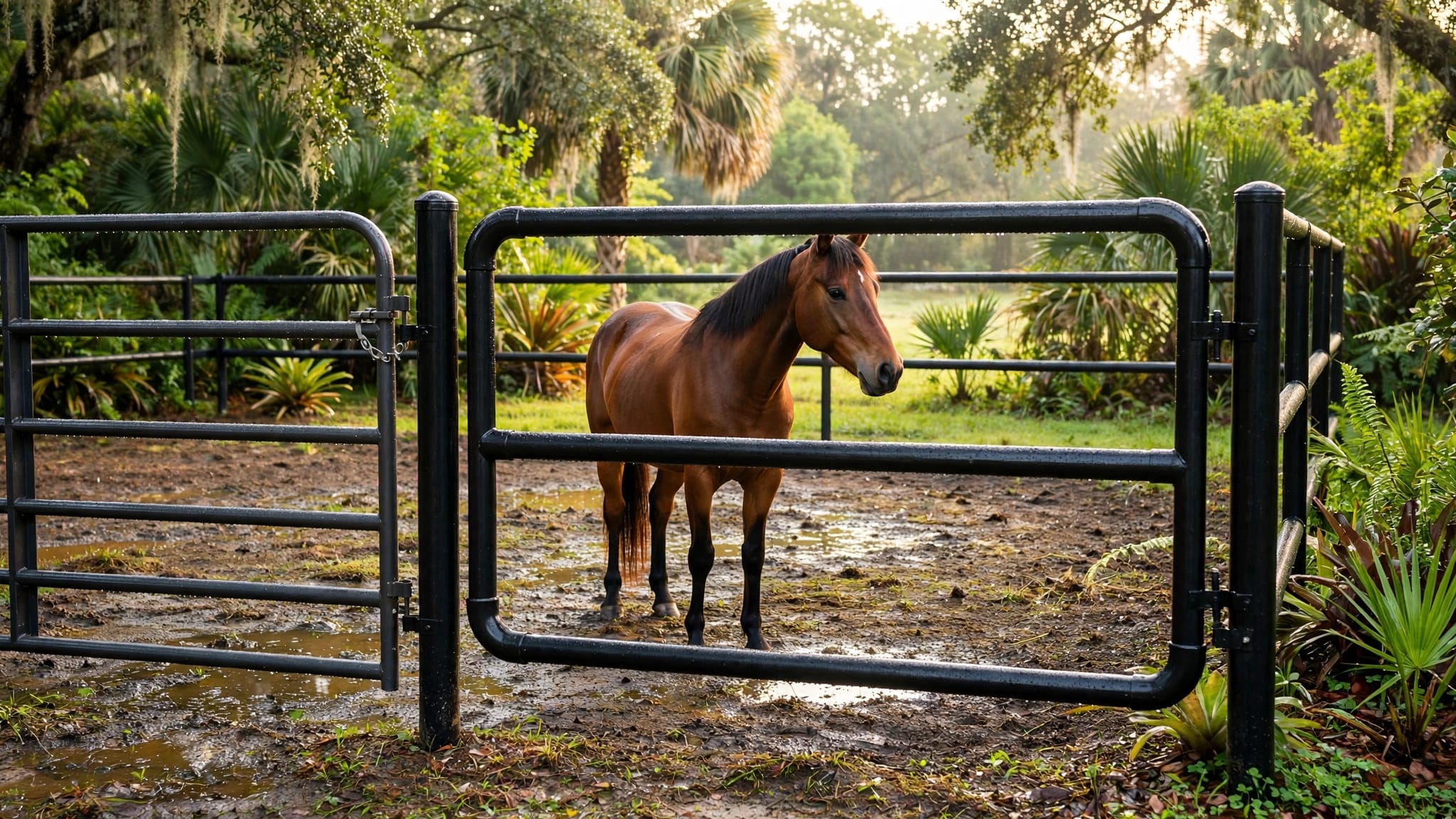
Pools need extra care too. If the fence will act as a pool barrier, ask about gate hardware, latch height, and required clearances before you buy materials. A pool enclosure is not treated like a simple backyard divider.
The county also restricts certain fence features near residential property. Barbed wire, sharp top pieces, spire tips, and electrified materials can be limited unless specially allowed. If your design includes security features, confirm that those details fit local rules before you finalize the plan.
What to expect during review and inspection
Once you submit the permit package, the county reviews the documents first. They are checking location, height, lot boundaries, easements, and whether the fence fits the property as shown on the plan.
If something is missing, the office may ask for extra documents. That can include a clearer site plan, a survey, or a revised drawing. A clean first submittal helps, but it still pays to expect one round of questions.
After approval, the inspection side is usually straightforward. Inspectors want to see that the fence matches the approved plan and stays inside the property lines. They may also look at gate placement, post location, and, for pool barriers, whether the fence meets the safety setup on the permit.
Do not assume a contractor will handle every detail the same way. Many licensed fence builders do manage the permit process, but you should still know what was submitted under your address. If the paper plan and the finished fence do not match, the project can be delayed.
Before digging, call 811 to mark underground utilities. Fence posts can hit lines faster than most homeowners expect, especially near irrigation, service runs, or older lots. That call is cheap insurance against a much bigger mess.
Common Alva homeowner scenarios
Some permit questions show up again and again. These examples cover the ones Alva homeowners run into most often.
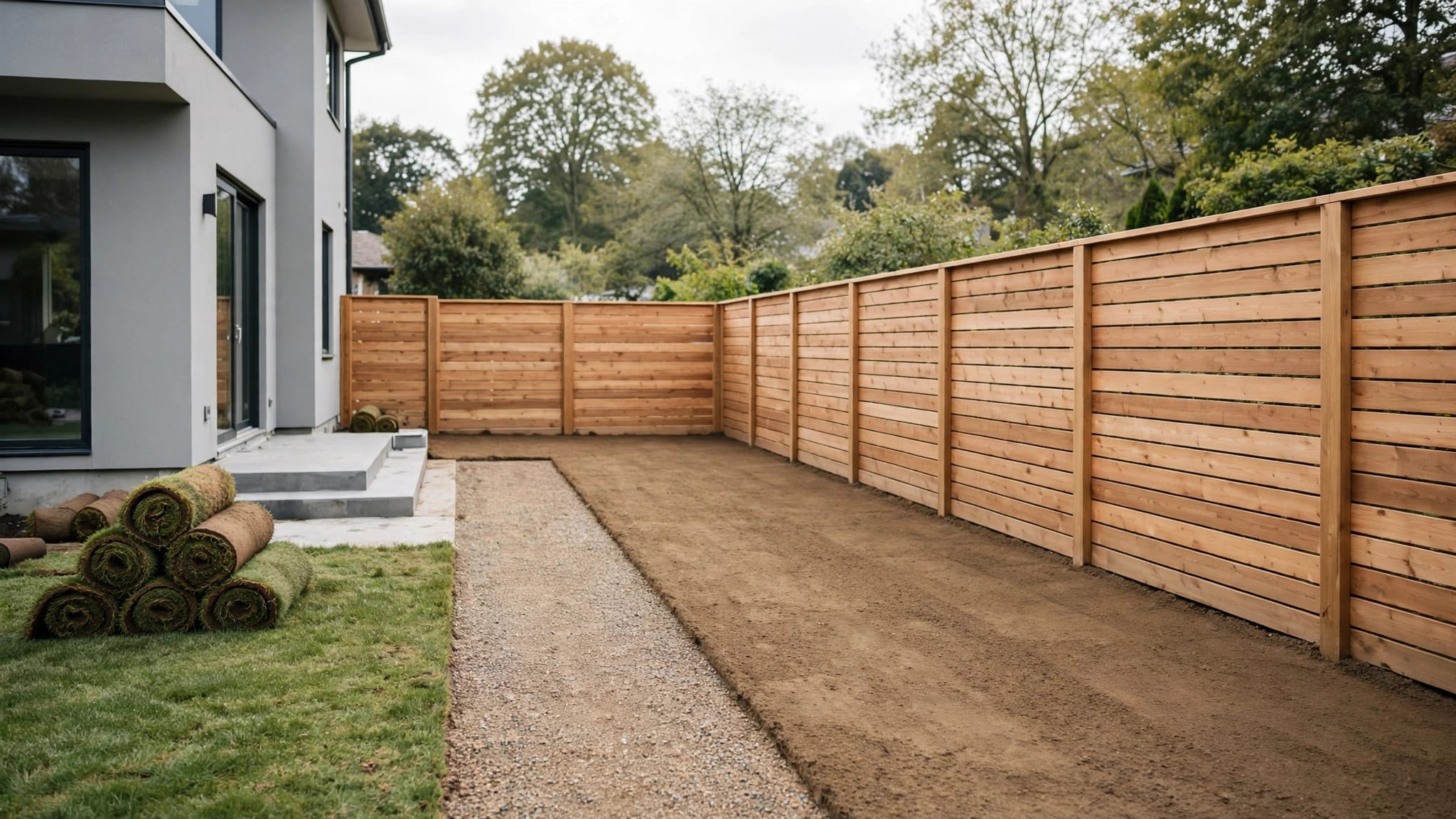
- A first-time homeowner wants a privacy fence in the back yard. The county will care about the property line, rear setback, and fence height. A site plan and survey should come first.
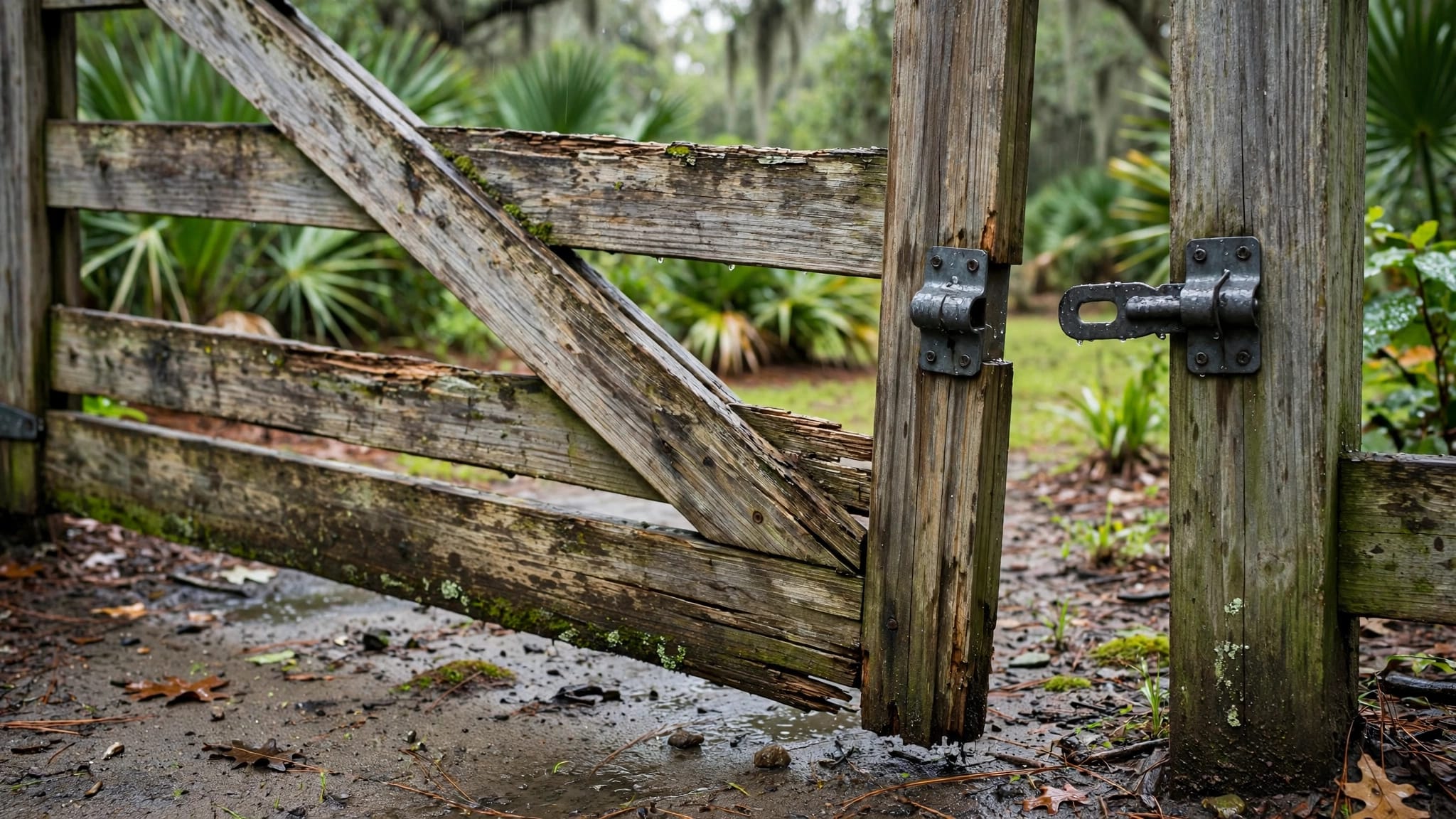
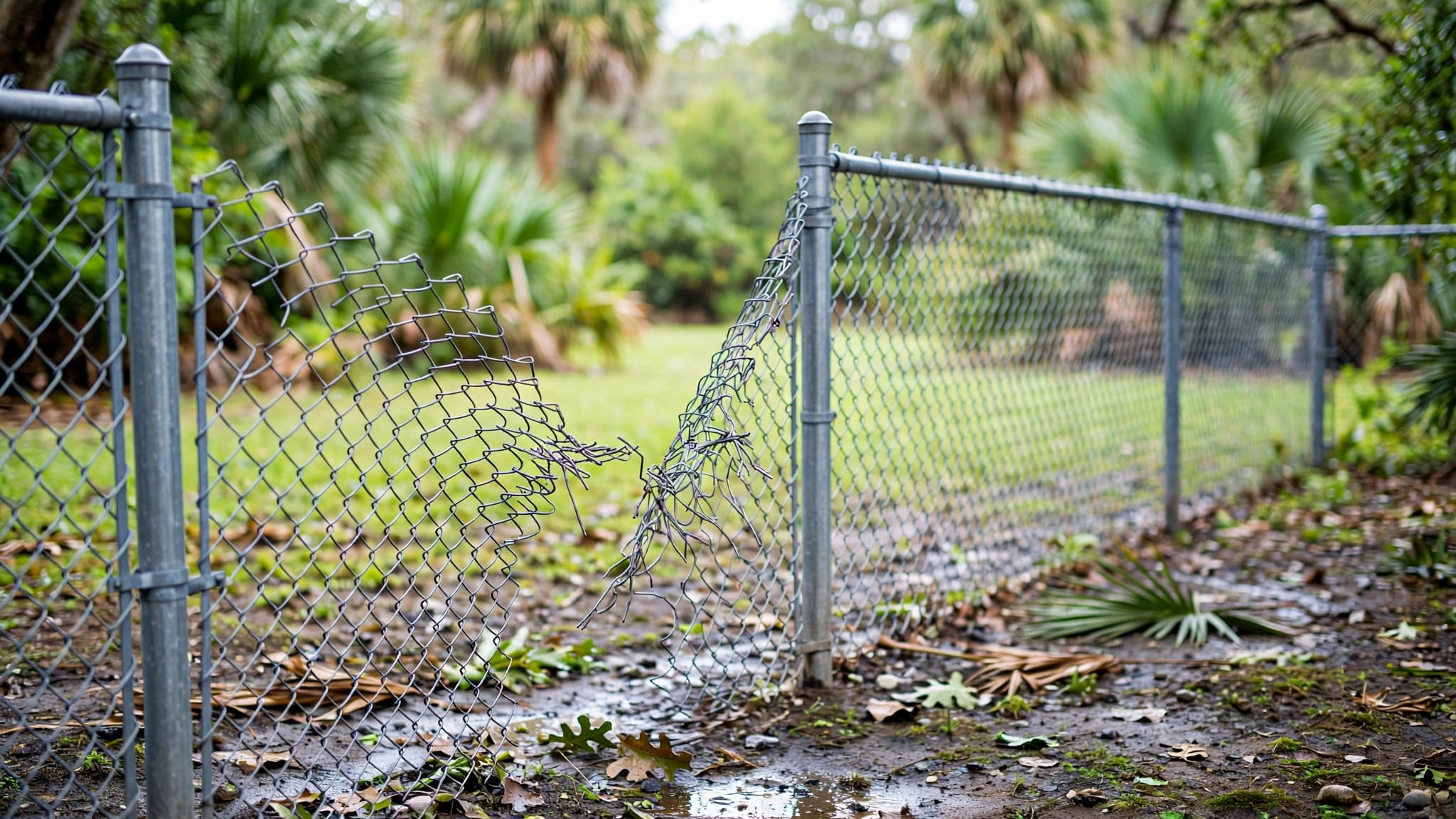
- A family is replacing a storm-damaged wood fence with vinyl. If the new fence changes height, location, or structure, the county may still want a permit, even if the old fence was already approved years ago.
- A homeowner on a corner lot wants extra privacy. The tricky part is often visibility, not style. The fence may need to stay lower near the street corner or driveway opening.
- A pool is going in behind the house. The fence may need to act as part of the pool barrier, which means gate and latch details matter more than they do for a normal yard fence.
These examples all point to the same lesson. The best time to solve a fence issue is before posts go in the ground.
Conclusion
A well-planned fence project starts with the permit, not the lumber order. For Alva homeowners in 2026, that means checking current Lee County rules, preparing a clear site plan, and confirming where the fence can legally sit.
Height limits, easements, corner lots, and pool barriers can all shape approval. So can HOA rules, which often run alongside the county permit instead of replacing it.
If you verify the details first, the project moves with far less stress. A fence should define your yard, not turn into a setback.