Siesta Key Fence Permit Guide for 2026 Homeowners
A fence project can look simple until the permit question slows it down. On Siesta Key, the answer depends on height, material, location, and whether the fence affects visibility or drainage .
That's why a quick check before you buy posts or panels can save time and money. Permit rules can change, so treat any guide as a starting point and verify the current requirements with the local building department before work begins.
What Siesta Key homeowners should check first
For most Siesta Key homes, the first stop is Sarasota County. Still, the county rule is only part of the picture. HOA covenants, easements, corner-lot sight lines, and flood-related concerns can all change what you can build.
A fence can fit the neighborhood and still miss the rules if it crosses a utility easement or blocks a driver's view. That's why a property survey matters. If you do not have a current survey, use caution before you mark a fence line by eye.
Local offices in Southwest Florida also handle paperwork a little differently. The Naples fence permit checklist shows how another nearby area can ask for different site plan details, which is a good reminder that permit steps are not identical across the region.
If your fence line is close to a property edge, easement, or driveway, check it before you dig. That one step can keep the whole project from stalling.
When a fence usually needs a permit
The simplest rule is this, taller fences and harder materials usually need more review. In Siesta Key and the rest of Sarasota County, the height and use of the fence matter a lot.
Here's a quick way to think about it:
| Fence situation | Permit likely? | Why it matters |
|---|---|---|
| Front-yard fence at 4 feet or less | Often no building permit | Visibility rules still apply |
| Side or rear fence at 6 feet or less | Often no building permit | Property lines and setbacks still matter |
| Fence over 6 feet | Usually yes | Height triggers permit review |
| Masonry, block, or concrete fence | Usually yes | These are more structural |
| Pool or spa barrier | Usually yes | Safety rules apply |
| Fence in an easement or restricted area | Often yes | Extra approvals may be needed |
| Fence that affects drainage or sight lines | Often yes | County review can be required |
The table gives you a practical first read, not a final answer. A short fence can still need review if it sits in the wrong place. A taller fence may be allowed in one yard and limited in another.
If you are close to a corner, driveway, sidewalk, or intersection, expect more scrutiny. Visibility rules matter because drivers, cyclists, and walkers need a clear view.
What to gather before you apply
A clean permit packet makes the process easier. It also helps the reviewer see exactly what you plan to build.
Start with your property survey if you have one. It shows the lot lines, and that matters more than guesswork. If the pins are unclear or the survey is old, get help before you set the line.
Next, prepare a simple site plan . It should show the house, fence location, gates, and distances from property lines or easements. The cleaner the drawing, the fewer questions you get back.
You should also have these details ready:
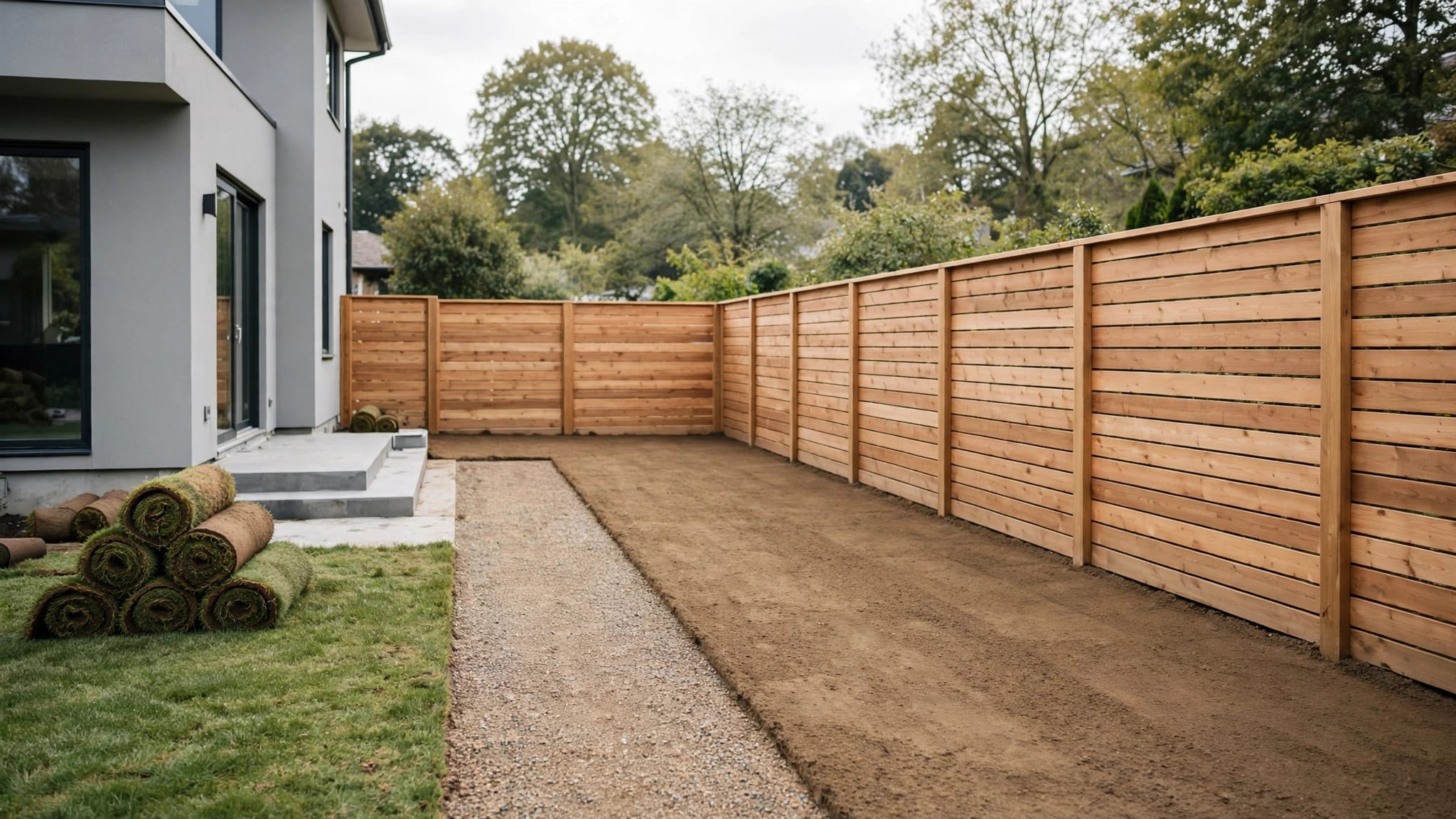
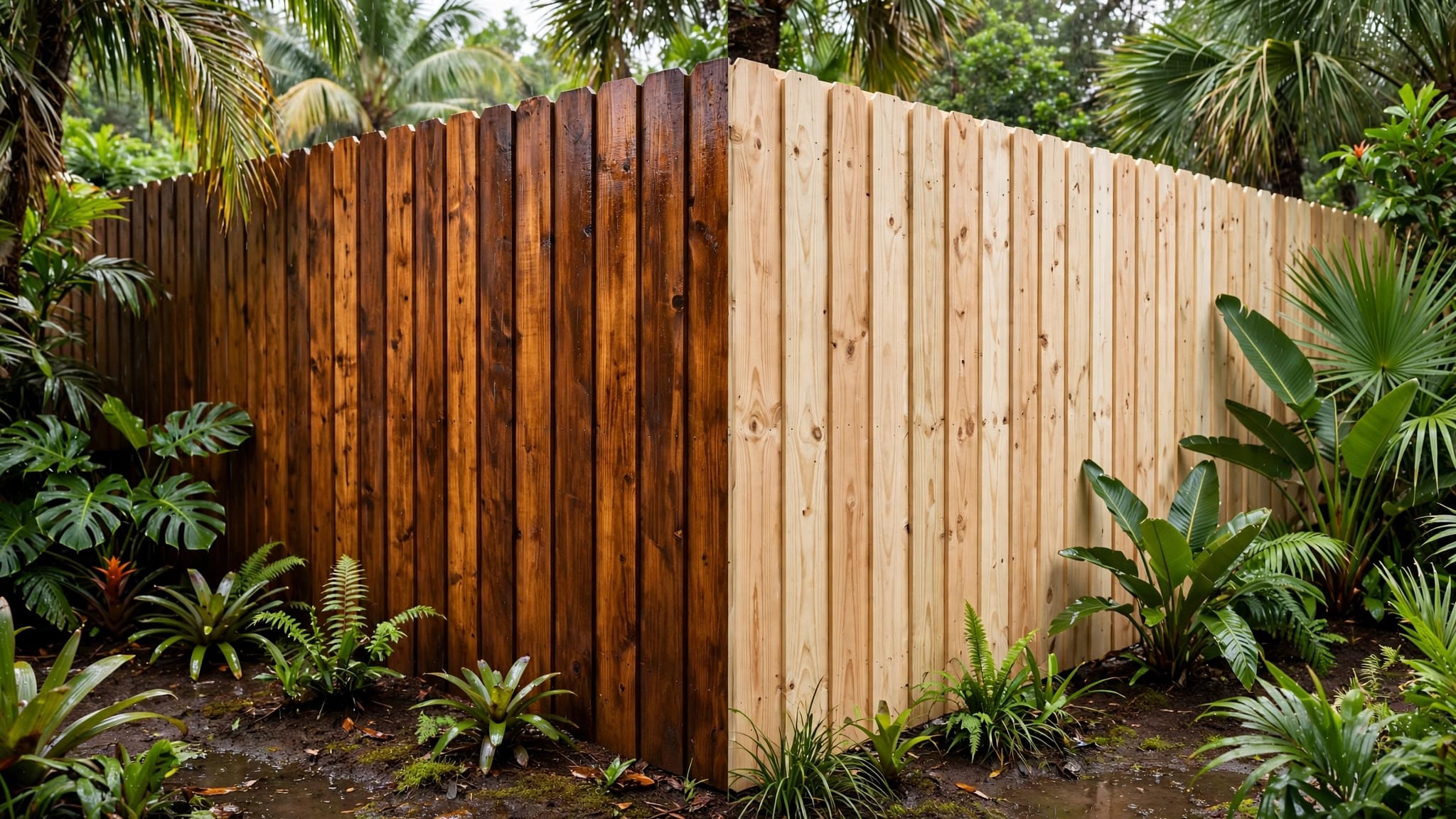
- Fence height and material . Note whether you want wood, vinyl, aluminum, chain link, or masonry.
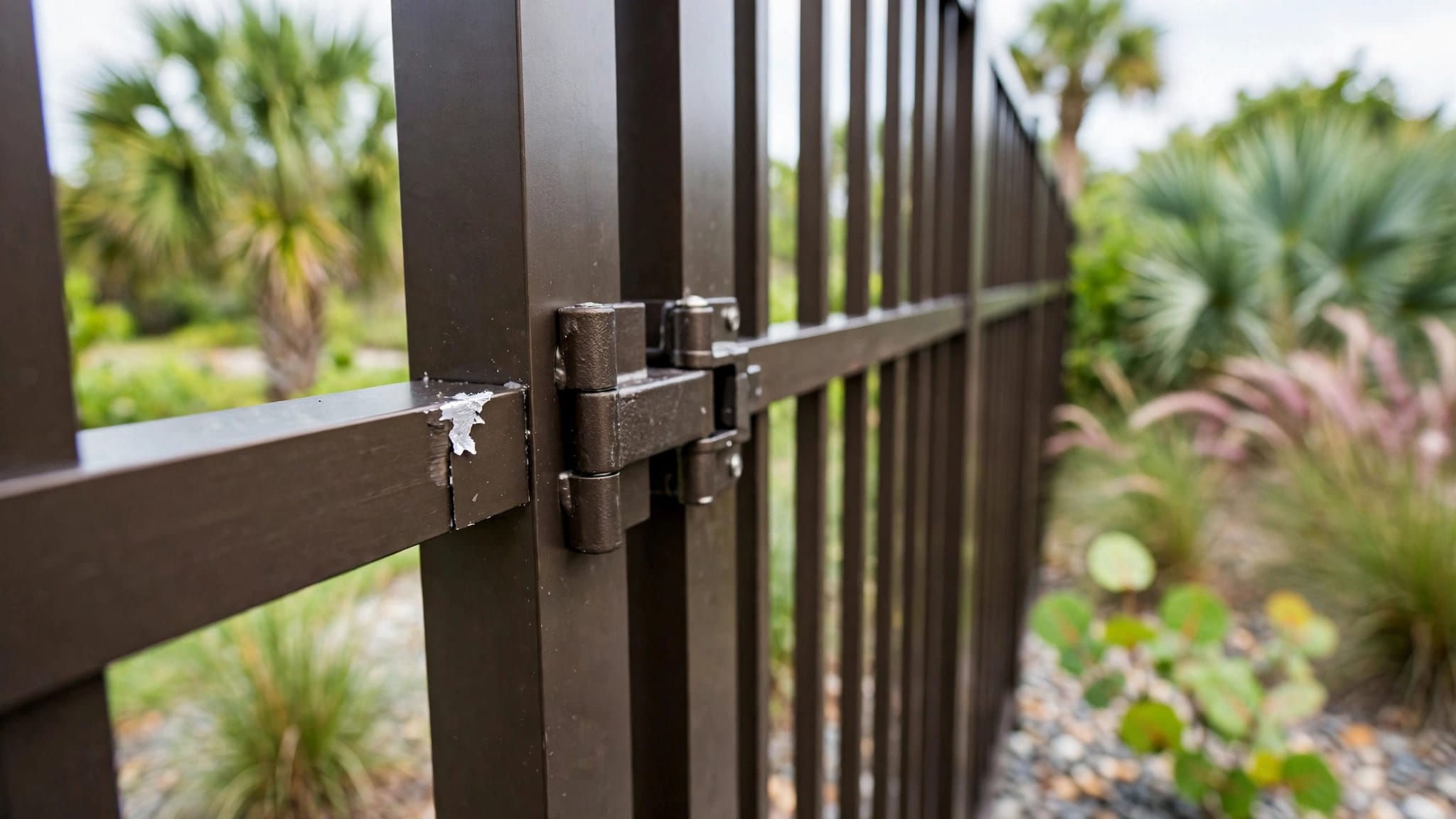
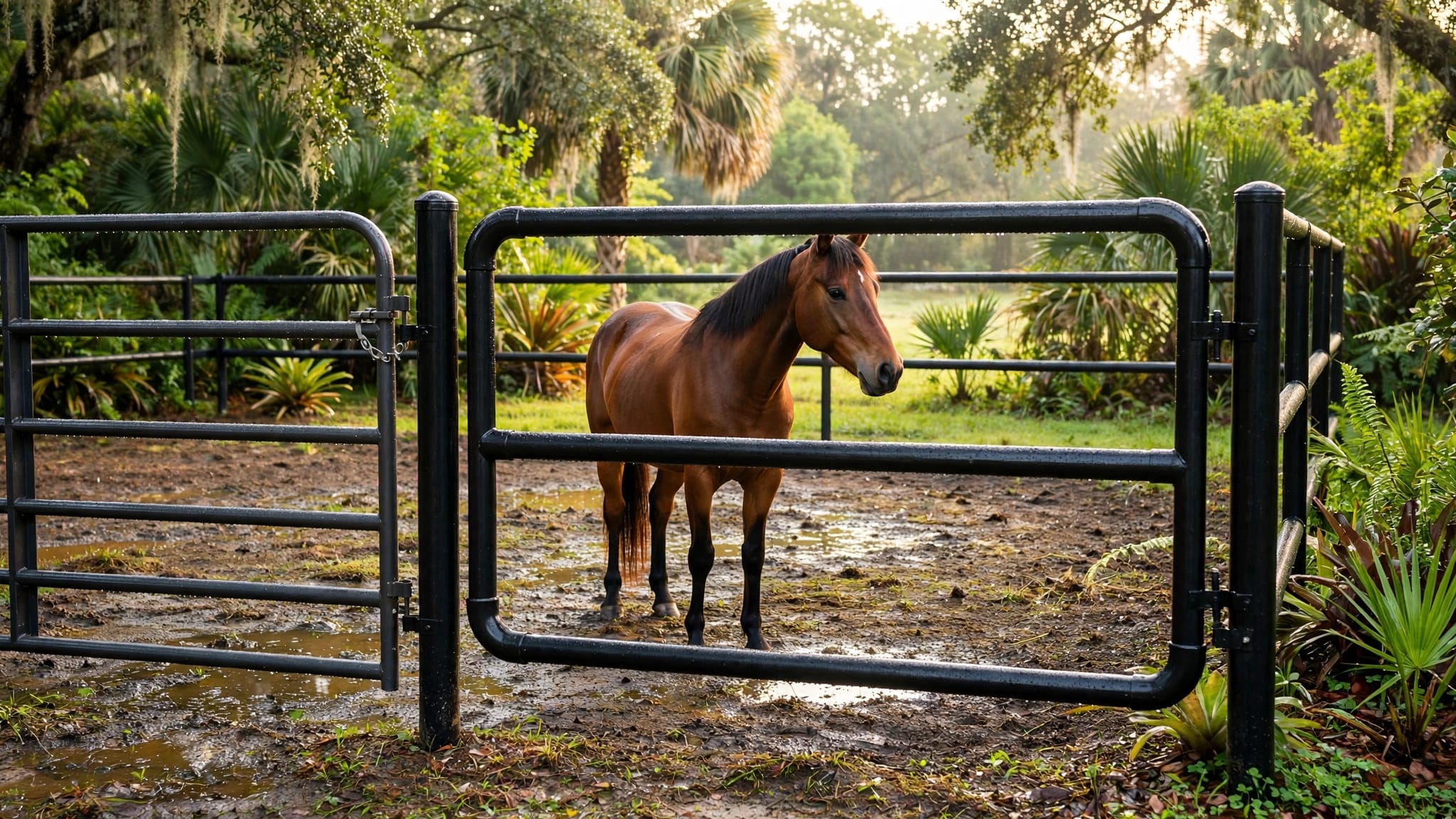
- Gate placement and swing direction . Gates can affect driveways, sidewalks, and safety clearances.
- HOA approval, if needed . Some communities want written approval before county review.
- Ownership or permission documents . If you are not the owner, expect extra paperwork.
- Contractor information . If a licensed contractor is doing the work, have their details ready.
A few minutes of prep can spare you a second round of revisions later. That matters because small errors, like missing gate widths or vague measurements, often cause the longest delays.
How the permit process usually works
The process is usually straightforward when you follow it in order. Rushing the steps is where homeowners get stuck.
- Confirm the exact rules for your property . Start with Sarasota County, then check your HOA and survey. If anything looks unclear, ask before you buy materials.
- Measure the fence line carefully . Confirm the height, layout, and location. A fence that is off by even a small amount can create a setback issue.
- Put the plan in writing . Draw the fence on a site plan and include gates, corners, and distances. Keep it simple and readable.
- Submit the permit package . Include the application, site plan, fence details, and any needed approvals. If the county asks for more, answer quickly.
- Wait for approval before starting work . This part matters. Starting early can create a bigger problem than the original delay.
- Schedule any required inspection . Some jobs need final sign-off after installation, especially when height, safety, or location rules apply.
If you use a fence contractor, ask who handles the permit filing. Some homeowners want to manage the paperwork themselves, while others prefer to hand it off. Either way, the permit needs to match the actual fence.
Mistakes that slow down approval
Most permit delays come from avoidable mistakes, not hard rules. A few small oversights can turn a simple fence into a waiting game.
The biggest mistake is assuming a short fence never needs review. That idea causes more trouble than almost anything else. A low fence can still run into an easement, visibility rule, or HOA limit.
Another common problem is building off an old survey or a rough guess. Property lines feel simple until they are not. If the fence ends up on the wrong side of a line, the fix can be expensive.
Watch for these problems too:
- Skipping HOA approval when the neighborhood requires it
- Using the wrong fence height on the application
- Leaving out gates or driveway access points
- Ignoring drainage or easement areas
- Starting installation before the permit is approved
When a reviewer asks for changes, answer with updated drawings, not guesses. Clear paperwork usually moves faster than a back-and-forth of vague notes.
A practical fence plan for 2026
The safest path on Siesta Key is simple. Check the height, check the location, and check the property records before work starts. Those three items solve most permit questions before they become delays.
For many homeowners, the real test is not the fence style. It's whether the plan fits the lot, the rules, and the neighborhood. That is where a Siesta Key fence permit question gets answered the right way, before the first post goes in.
Keep the county rules, HOA rules, and your survey in front of you. If anything conflicts, verify the current requirements with Sarasota County Building Division before you move ahead.