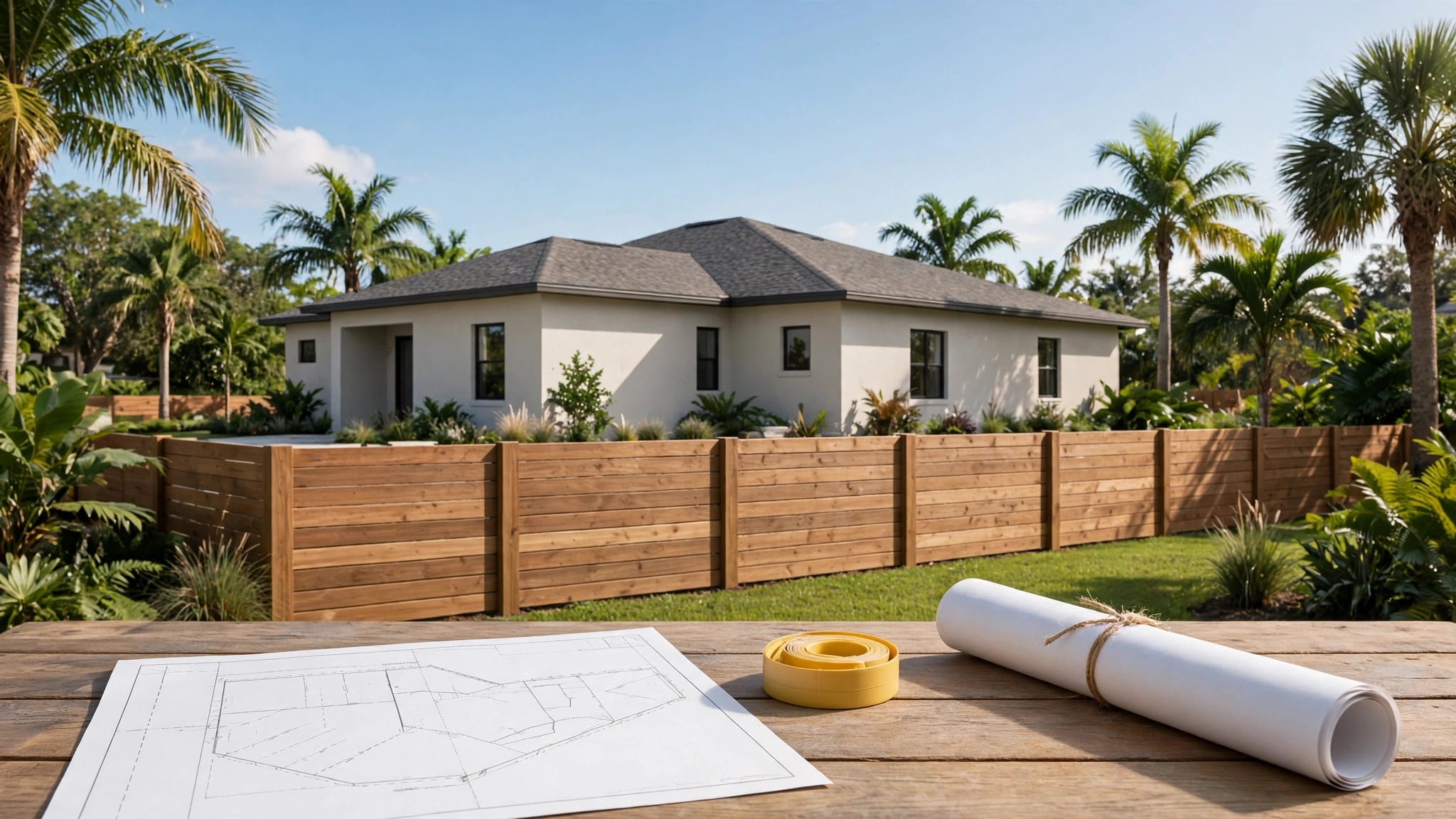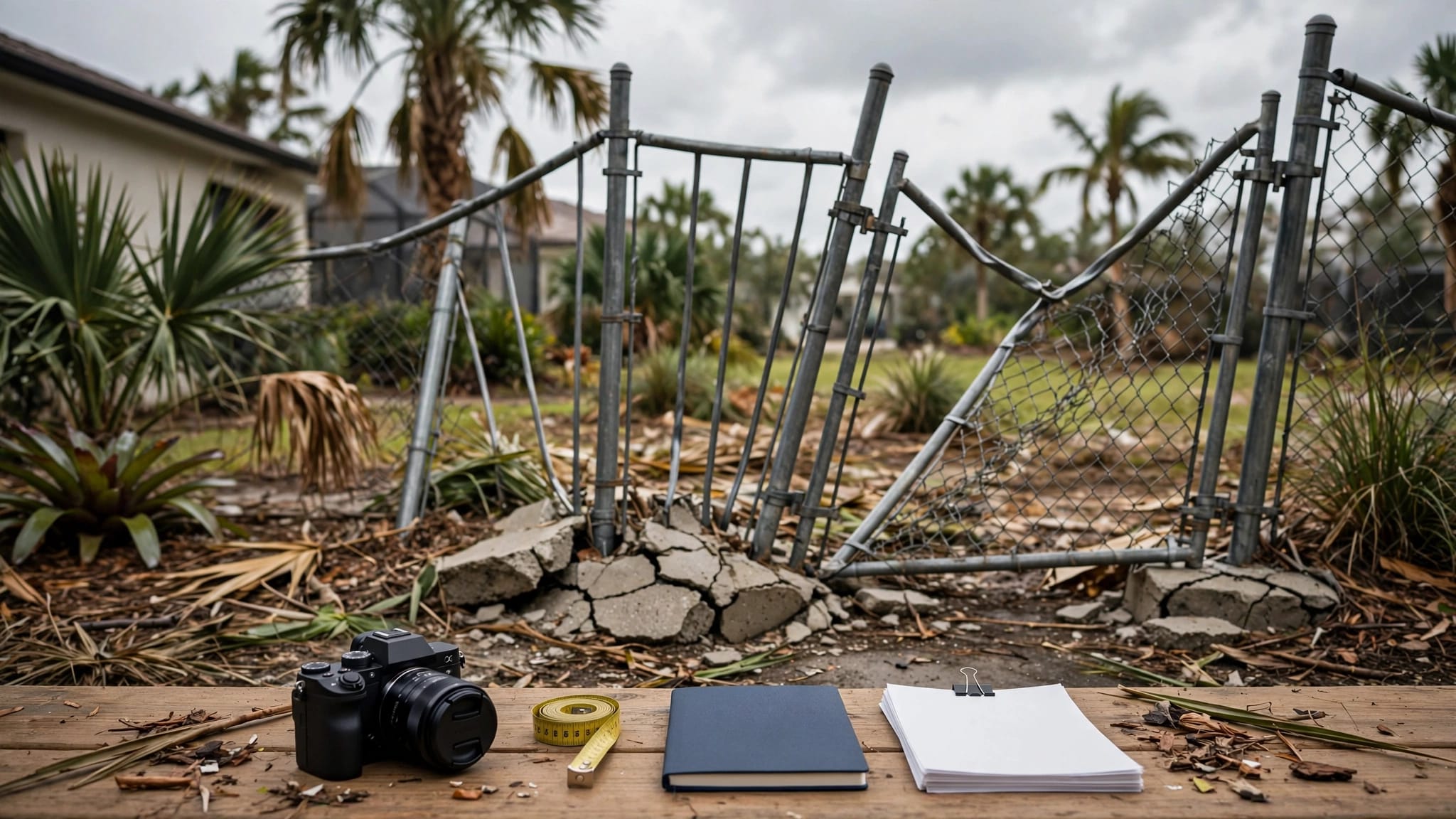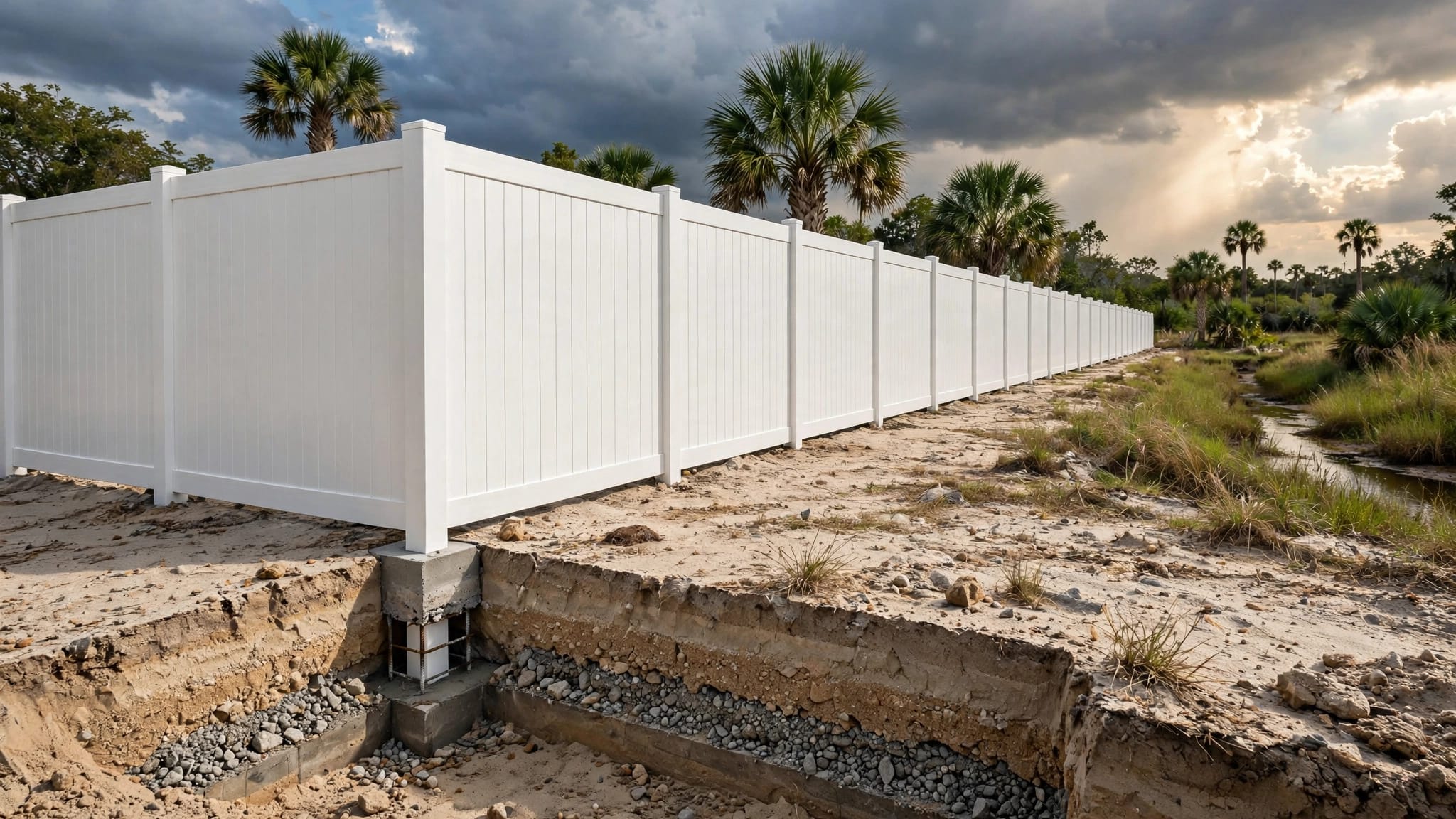
Naples Fence Permit Guide for 2026 Homeowners
A fence can feel like a simple yard project, right up until someone asks for a survey, a site plan, and a permit number. For homeowners in Naples, that paperwork matters because the rules change based on one big detail: are you inside the City of Naples, or in unincorporated Collier County?
Here's the short version. In March 2026, a Naples fence permit often depends on fence length, location, and use. Pool barriers get extra review. Corner lots, waterfront parcels, historic areas, and HOA communities can add another layer. The smart move is to confirm jurisdiction first, then design the fence around the rules, not the other way around.
Start by checking whether the city or county controls your lot
A Naples mailing address does not always mean City of Naples rules apply. Some homes near Naples fall under unincorporated Collier County, and that changes the permit path.
This quick comparison helps:
| Topic | City of Naples | Unincorporated Collier County |
|---|---|---|
| Permit trigger | Usually required for most fences over 50 feet, or any pool/spa barrier | Building permit generally required for new fences |
| Front yard height | Often capped at 3 feet outside the building envelope | Varies by zoning, verify current county rules |
| Side/rear height | Usually up to 6 feet | Varies by zoning district |
| Easements | May need a Letter of No Objection | Verify easements and right-of-way before building |
The takeaway is simple: location drives the rulebook .
Inside the city, start with the City of Naples Building Department and City Code Section 56-37. In unincorporated areas, start with Collier County Fence Information, the county permit application pages, and the Land Development Code. If your neighborhood has an HOA, add those rules too, because HOA approval can be stricter than city or county code.
Lot shape matters as well. A corner lot can act like it has two front yards. A waterfront lot may bring extra setback or easement concerns. Historic district properties may need closer review, even when the main fence standards look the same on paper.
If your lot touches two streets, plan like you have two front-yard conditions until zoning tells you otherwise.
When a Naples fence permit is usually required in 2026
As of March 2026, the City of Naples generally requires a permit for most fences over 50 feet long. A permit is also typically required for any fence used as a pool or spa barrier, even if the run is shorter.
Shorter city fences under 50 feet may skip the permit, but they still have to meet code. That's where many homeowners get tripped up. No permit does not mean no rules.
Current city guidance points to these common height limits:
- Front yard outside the building envelope : up to 3 feet
- Front yard within the building envelope : up to 6 feet, with some post allowances
- Side and rear yards : up to 6 feet in many residential settings
Height is measured from the lower ground grade, either inside or outside the fence. That detail matters more than people think. A fence that looks fine from the patio can measure taller from the sidewalk.
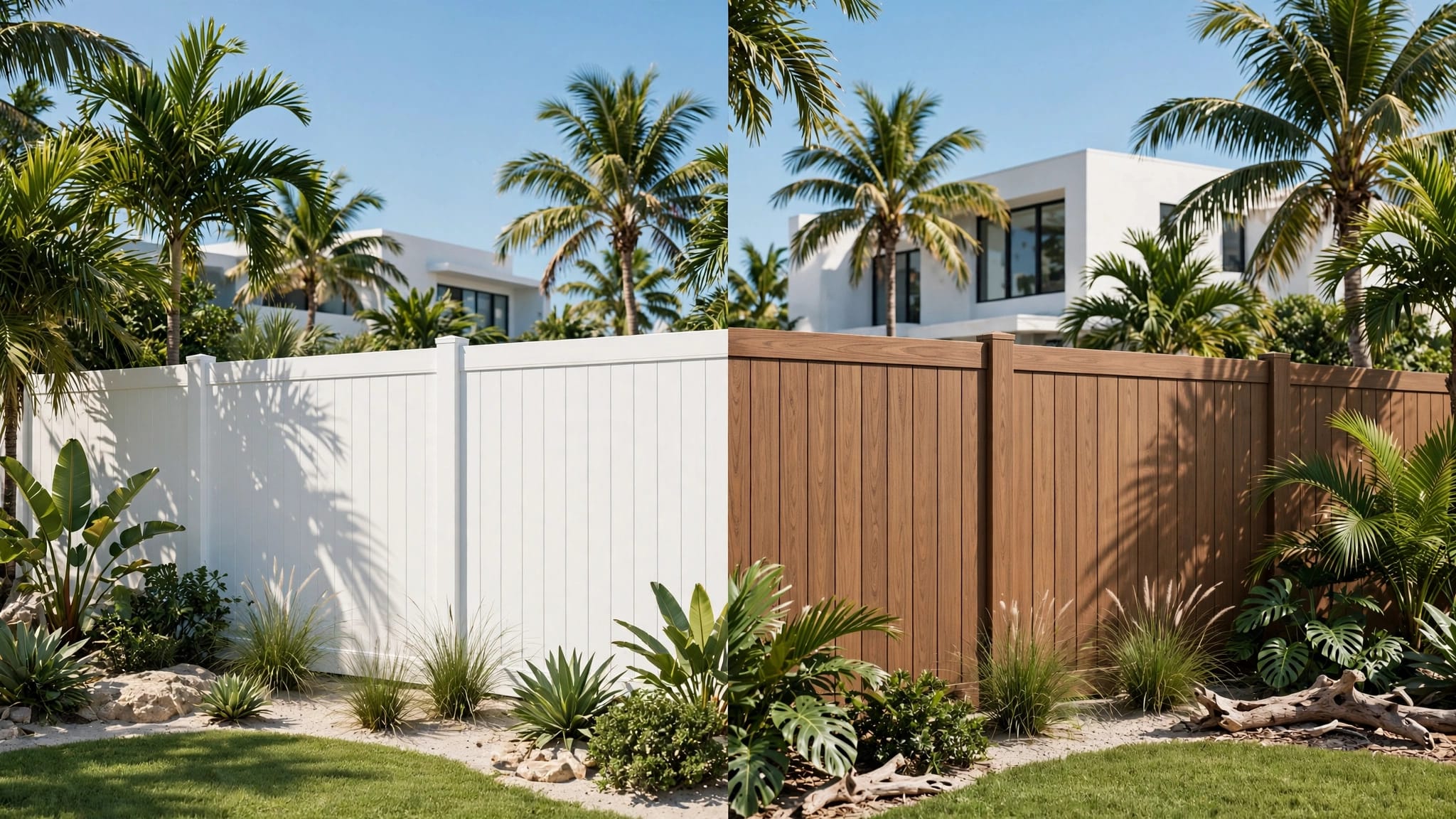
The city also bars chain link in front yards in most residential settings. Commercial and industrial zones can be different, so zoning still matters.
If you live in unincorporated Collier County, the safer assumption is easier: plan on needing a permit. County guidance says a building permit must be obtained first, even when the fence sits on the property line. The county also expects the finished side to face the neighbor or street.
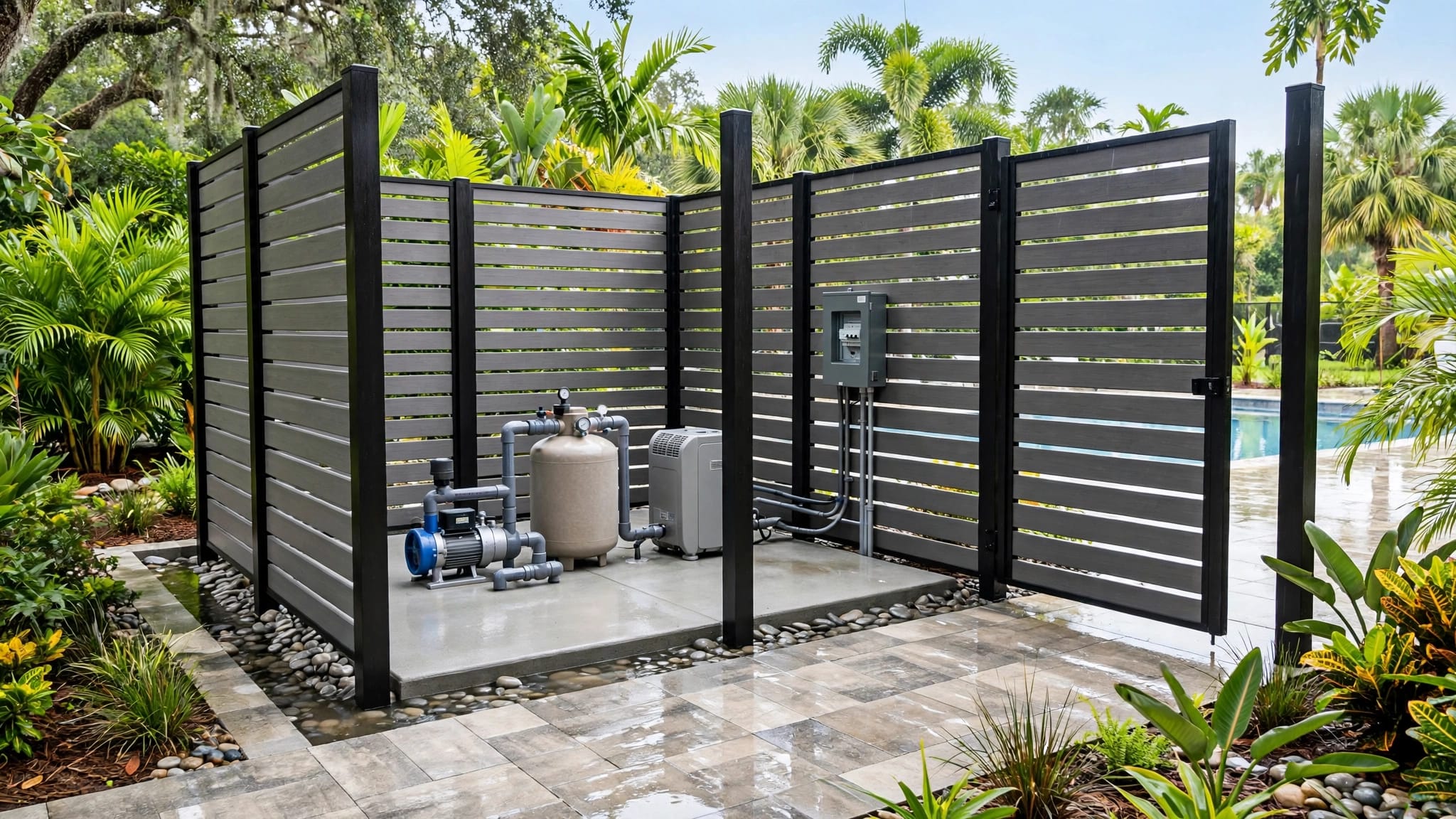
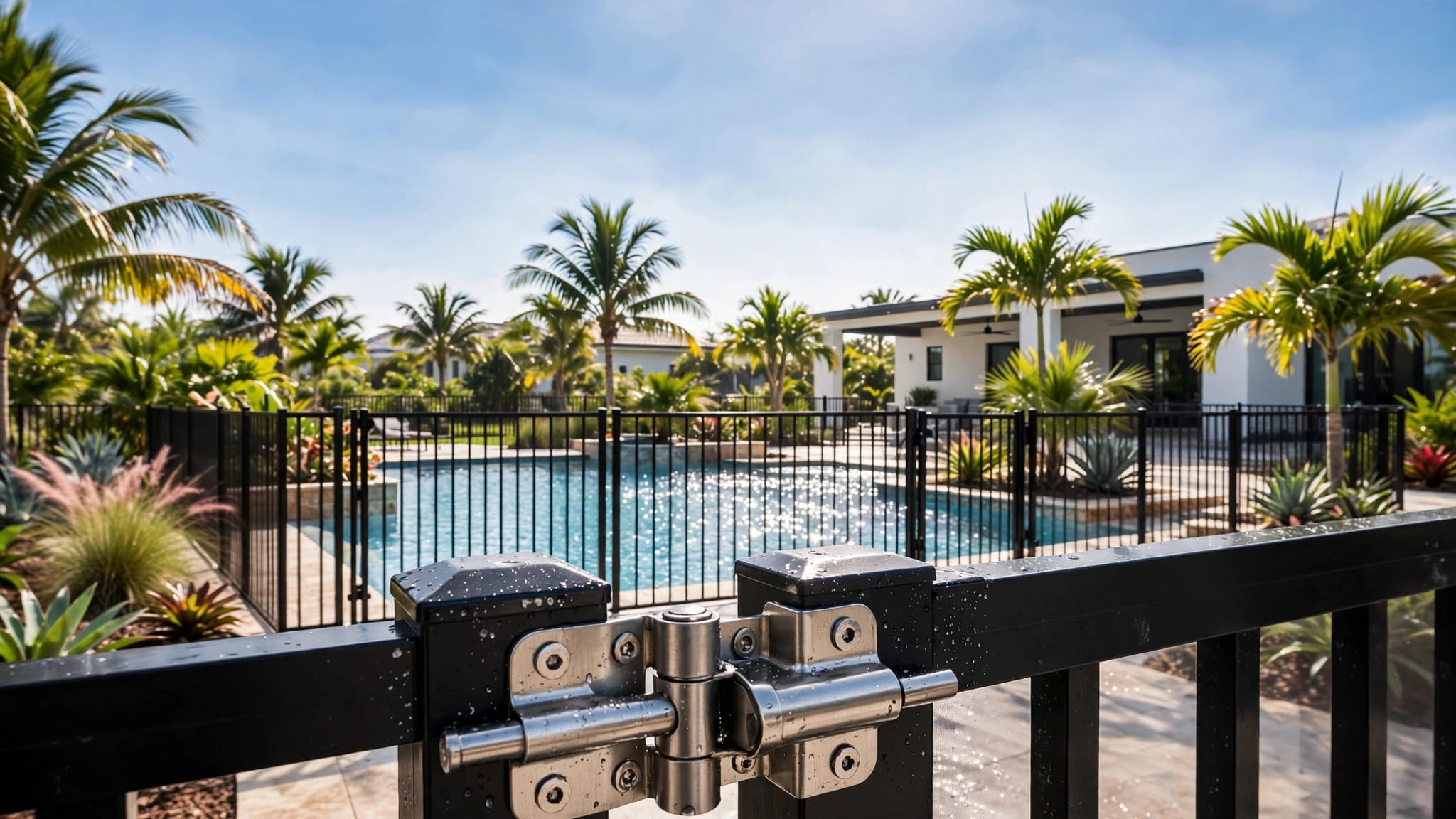
Pool fences are their own category. Gate swing, latch height, and self-closing hardware can affect approval, so don't treat a pool barrier like a standard backyard privacy fence.
What the city or county will ask for before approval
Permit approval usually comes down to one thing: can you clearly show what you're building and exactly where it goes?
For a City of Naples fence permit, homeowners often need the following:
- Permit application : The city's standard form starts the review. If your fence touches a public utility or drainage easement, you may also need a right-of-way permit.
- Boundary survey : City guidance calls for a survey with clear "X" marks showing the proposed fence line. A rough sketch usually won't carry the job.
- Site plan : Show property lines, fence distances, gates, and any nearby easements. If the project includes a retaining wall, elevations may be required too.
- Fees : In current city guidance, the permit fee is $100, plus a plan review fee that often runs about 20 to 35 percent of the permit fee.
- Final sign-off : After installation, the city may require inspection steps before issuing a Certificate of Completion.
Retaining walls over 4 feet typically need engineered drawings. That's a separate level of review, so don't lump it into a "simple fence" budget.
In city easements, a fence may need a Letter of No Objection. That is a major gotcha. A strip of land can look like part of your yard while still carrying utility or drainage limits.
The county process is similar in spirit, although exact forms and fees can differ. Expect a permit application, a clear layout, and proof that the fence stays out of the public right-of-way.
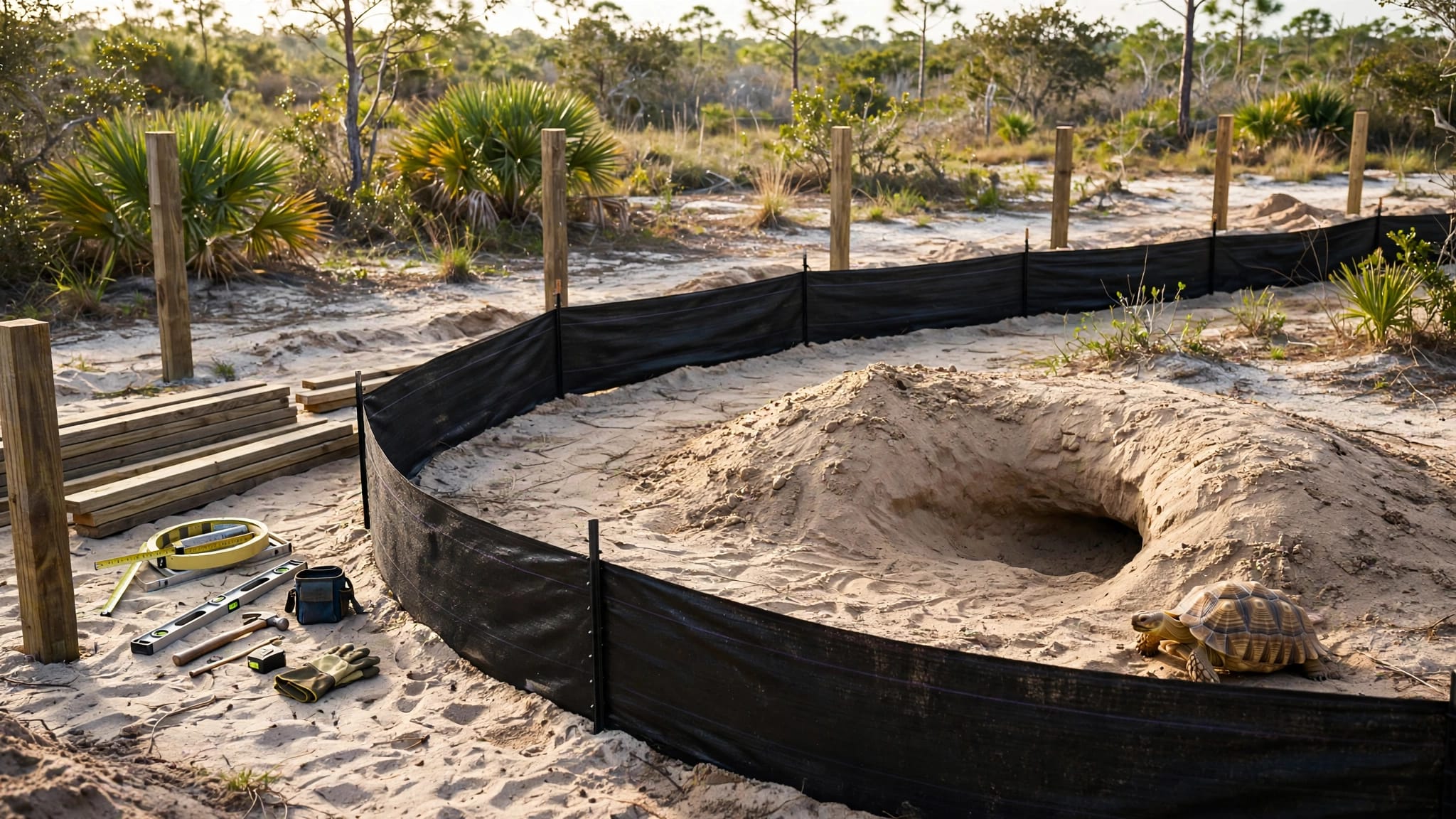
Before any digging, call 811. A permit won't protect you from hitting a buried line.
If you want a feel for how fence permit rules can shift across Southwest Florida, compare them with these Lee County fence permit rules for unincorporated areas. The local details change faster than most homeowners expect.
The problem spots that cause the most permit delays
Most fence permits do not get delayed because the fence is too fancy. They get delayed because the layout collides with a basic site condition.
Easements top the list. A fence on the property line may still be a problem if that line overlaps drainage, utilities, or access rights. Next comes the right-of-way. The grass near the road may look private, but part of it may not be yours to build in.
Corner lots are another common snag. Naples front-yard limits can affect both street sides, and visibility near intersections matters. A tall, solid fence at the wrong corner works like a blindfold for drivers.
Waterfront properties deserve extra caution. Current search results do not show a stand-alone Naples waterfront fence rule, but water-adjacent lots often involve setbacks, easements, or seawall issues. Verify those with the building department before ordering materials.
Then there's the human side. If the fence sits on or near a shared boundary, talk to your neighbor early. For a plain-English look at who pays for what, read these Florida shared fence law basics. A five-minute conversation can prevent a month-long argument.
Conclusion
A 2026 Naples fence project goes smoother when you treat the permit like part of the build, not a last-minute chore. Confirm whether the City of Naples or Collier County has control, match the fence to your lot type, and verify current rules before materials arrive. In short, the best Naples fence permit plan is simple: check the line, check the code, then set the posts.