Captiva Fence Permit Guide for 2026 Homeowners
A Captiva fence permit can seem like a small step, but it often decides whether your project moves smoothly or gets delayed. On Captiva, the lot itself can shape the process as much as the fence design.
For 2026, the safest assumption is that you will need permit review through the county. That's especially true if your property sits near water, within an easement, or inside an HOA that has its own rules. The good news is that most delays come from missing paperwork, not from the fence idea itself.
Do Captiva homeowners need a fence permit?
For most Captiva homeowners, the answer is yes, or at least very likely. Captiva is in Lee County, and fence work usually gets checked through the county permitting process.
The exact path depends on the property. A standard backyard fence may move through more easily than a taller privacy fence, a pool barrier, or a fence near a flood area. Because rules can change, confirm the current requirement before you buy material or set posts.
| Situation | What to expect |
|---|---|
| Standard residential fence | Plan for permit review |
| Fence over 6 feet | Expect extra review |
| Pool safety barrier | Expect closer inspection |
| Fence near easement, flood zone, or special zoning area | Expect added questions |
A permit is more than paperwork. It helps confirm that your fence fits the lot, the setbacks, and the rules tied to the property.
If you're unsure whether your project is simple or tricky, ask before you dig. That first call can save a lot of rework later.
What Lee County usually wants to see
Most fence applications go faster when you bring clear property details. The county wants to know where the fence will sit, how tall it will be, and what the site looks like around it.
A current survey or site plan is often the best place to start. It should show the property lines, easements, and the proposed fence line. If your lot sits near water or in a flood-prone area, that matters too.
Here's the kind of information that helps:
- A recent survey or site plan
- The exact fence location marked on the plan
- Property lines and easements
- Fence height and general material type
- Any pool barrier details, if the fence is part of a pool enclosure
That paperwork matters because a fence can be perfectly fine in one spot and a problem a few feet away. A misplaced post line can create a setback issue, and a fence over an easement can lead to removal later.
If you want to compare options before finalizing the layout, planning for grade changes can help too. For uneven lots, how to fence a sloped yard in Florida is a useful way to think about placement before you submit the drawing.
Captiva rules that can slow approval
Captiva has a few factors that matter more than they would inland. Flood zones, easements, and neighborhood rules can all affect the approval path.
Upper Captiva can also have special code rules, so don't assume every part of the island follows the same playbook. A property that looks simple from the street may still need extra review because of access, drainage, or local zoning limits.
HOA rules are another layer. Even if the county allows a fence, your association may limit height, color, style, or placement. That's why homeowners should check both sides before they order materials.
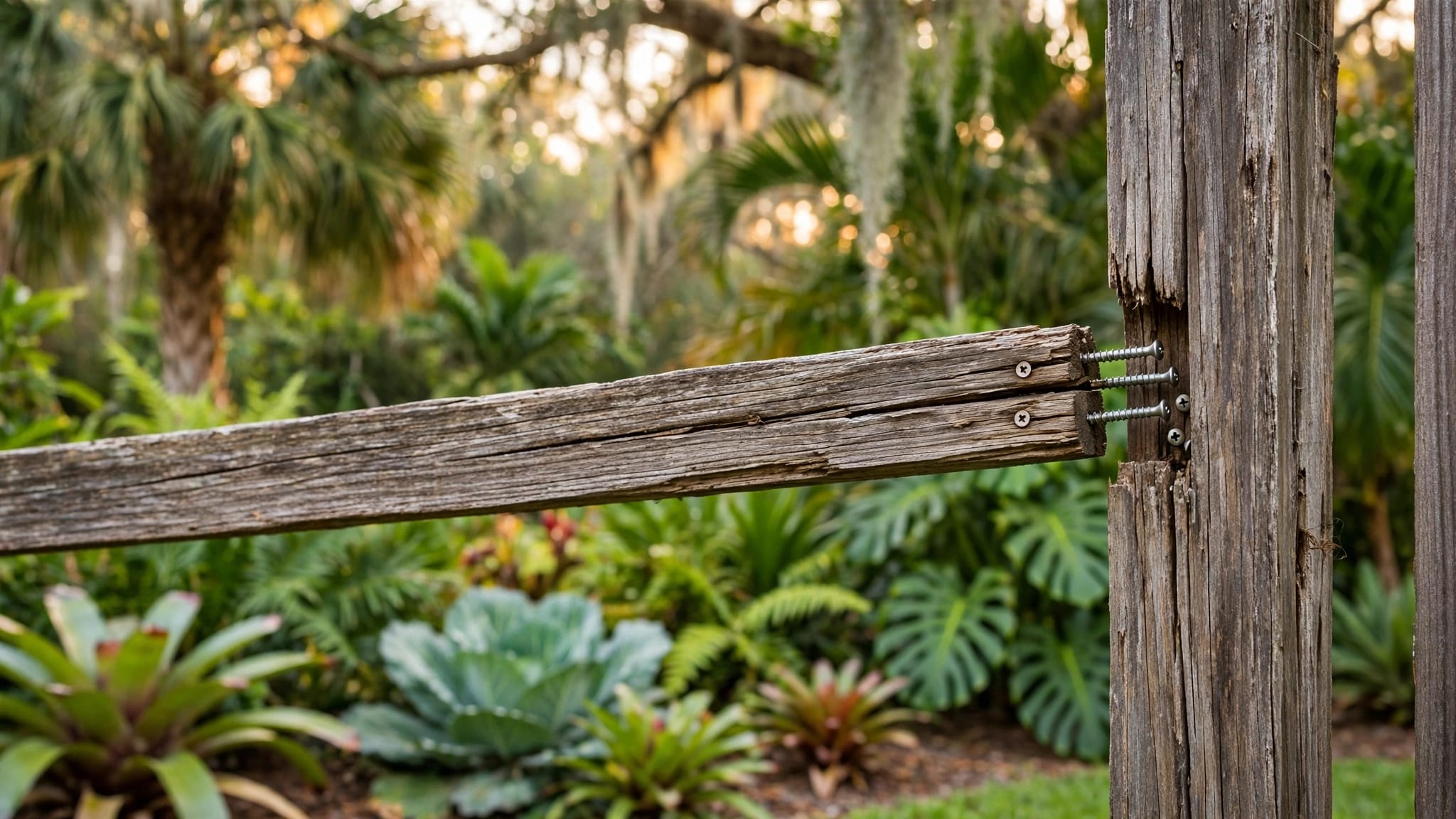
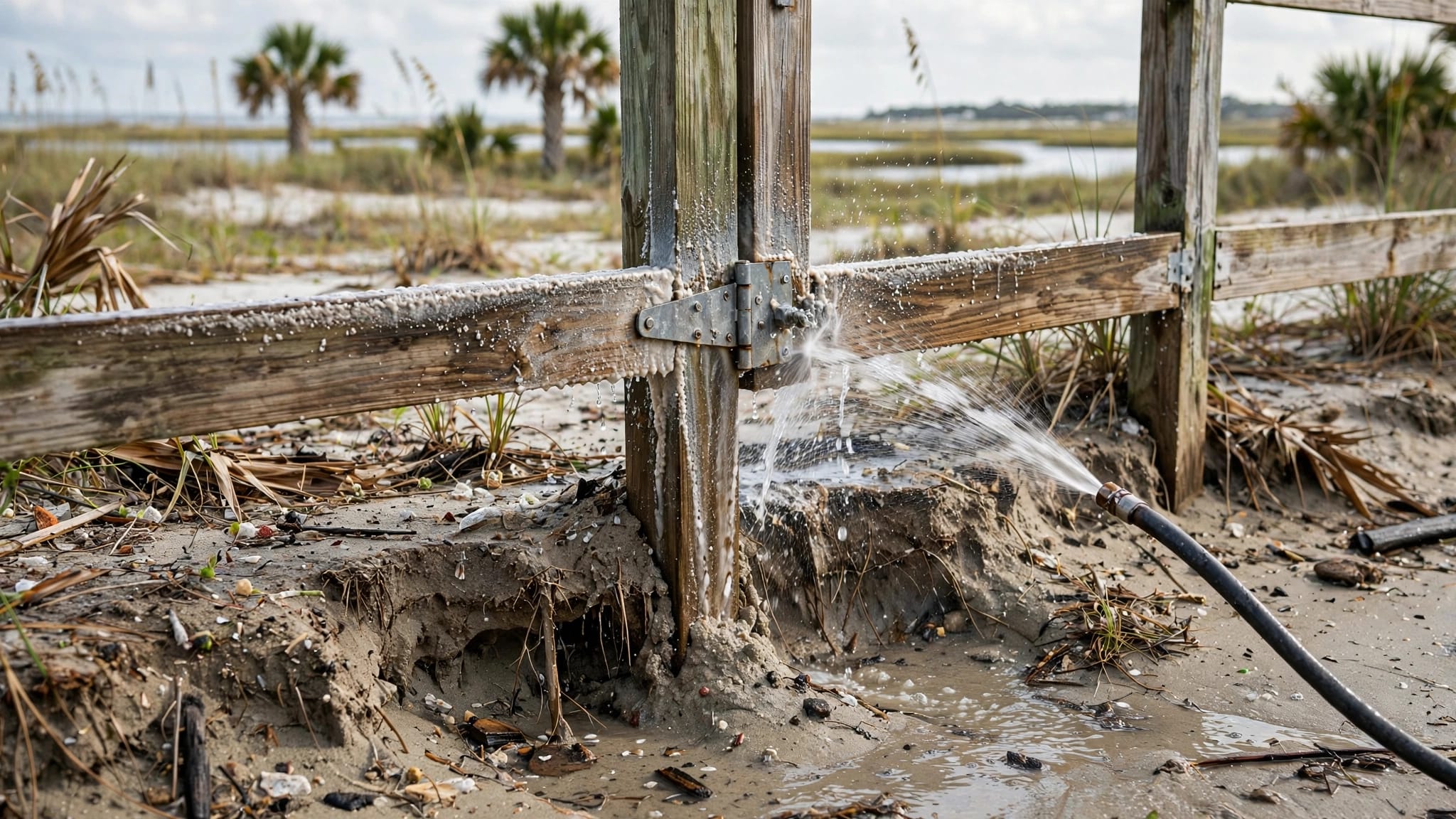
Coastal conditions matter too, even when they are not part of the permit itself. Salt air, strong wind, and heavy rain can shorten the life of the wrong fence. If your lot has exposure to wind or shifting soil, choose a design that fits the site, not just the style you like on paper.
Here's the main point. The permit review is not only about whether a fence is allowed. It's also about whether that fence makes sense for the property around it.
A practical permit checklist for 2026
A clean application usually saves time. Before you submit anything, get the basics in order and confirm the current rules with the county, zoning office, and HOA.
- Check your HOA rules first.
Height, color, and fence style may be restricted before the county ever looks at the plan. - Confirm the current county requirement.
Ask whether your Captiva property needs a permit, and ask what review path applies. - Gather a survey or site plan.
Mark the fence line clearly so there's no guessing about placement. - Note special site conditions.
Flood zones, easements, pools, gates, and drainage areas should all be shown. - Pick the fence height and material early.
The county may review the design differently depending on whether it's ornamental, privacy, or a safety barrier. - Wait for approval before building.
Starting early can create expensive fixes if the line or height needs to change.
The best applications are plain and complete. They don't try to hide the hard parts. They show the site clearly, ask the right questions, and leave little room for confusion.
If your lot has a tricky shape or a tight boundary line, a contractor who works in Southwest Florida can help you draw it correctly the first time. That matters more on Captiva, where space and setbacks can be tight.
Fence materials that fit coastal Captiva lots
The permit is about compliance, but the fence material still matters. On Captiva, the right choice should handle wind, salt air, and regular maintenance without creating extra work.
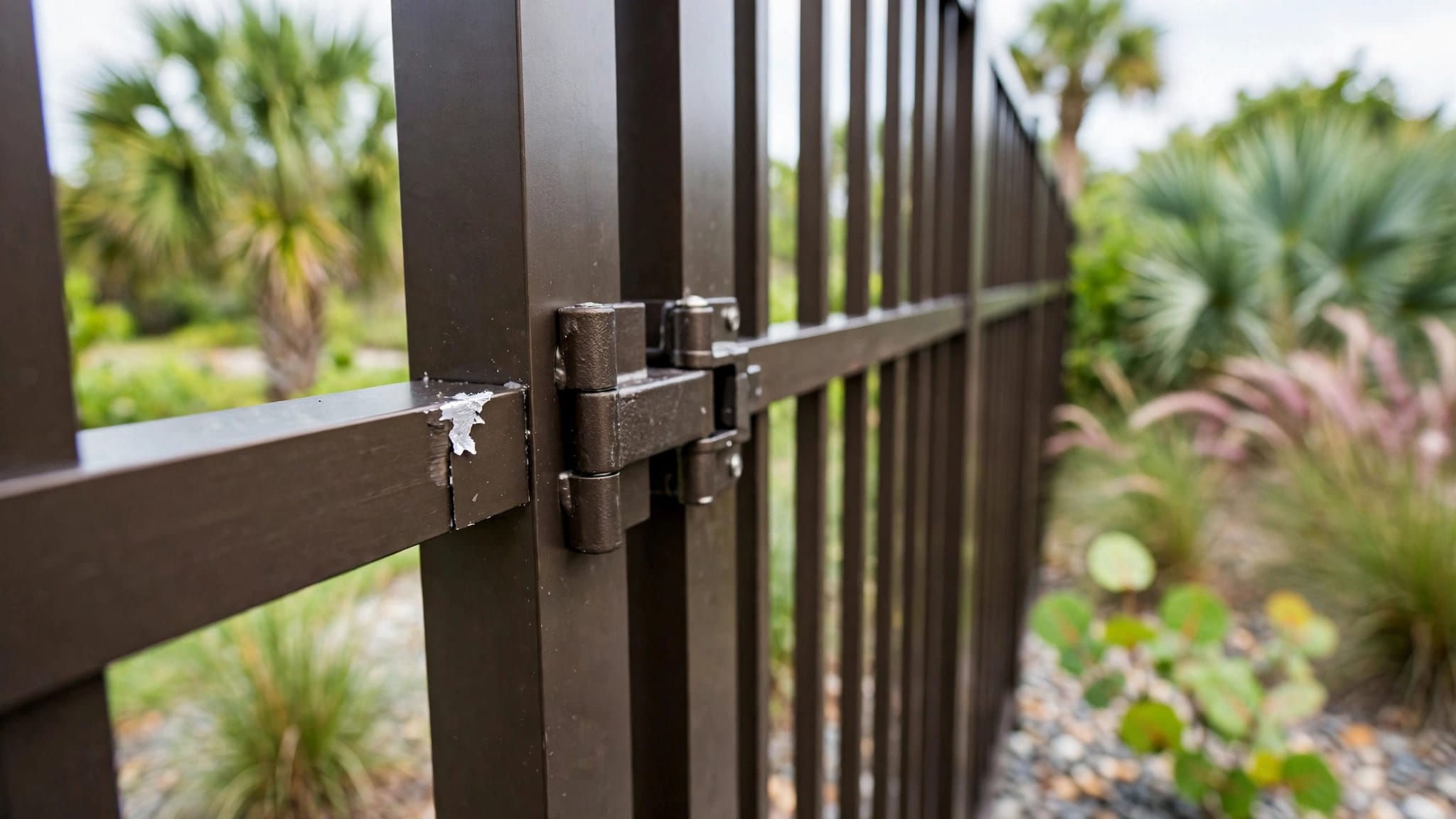
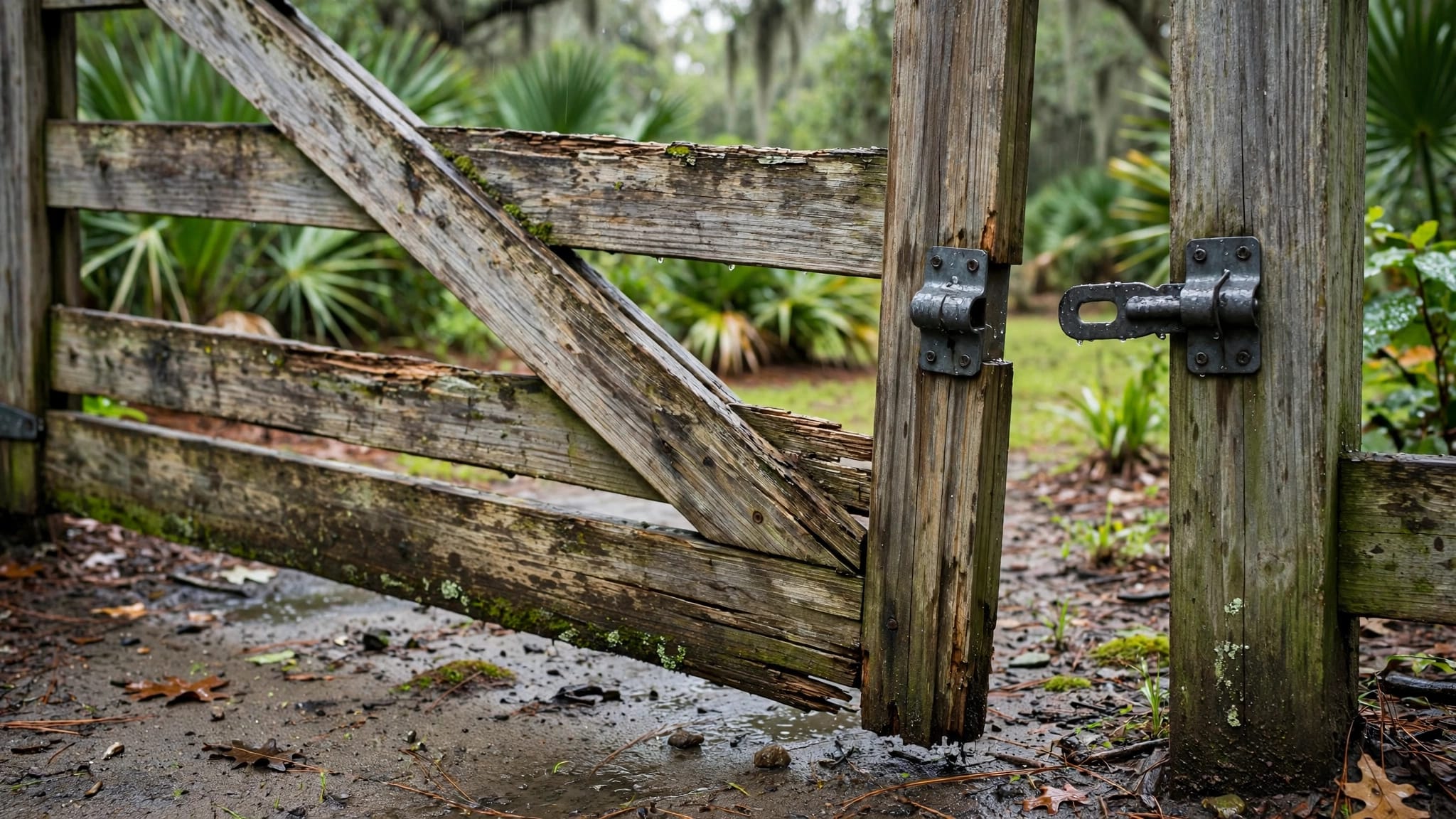
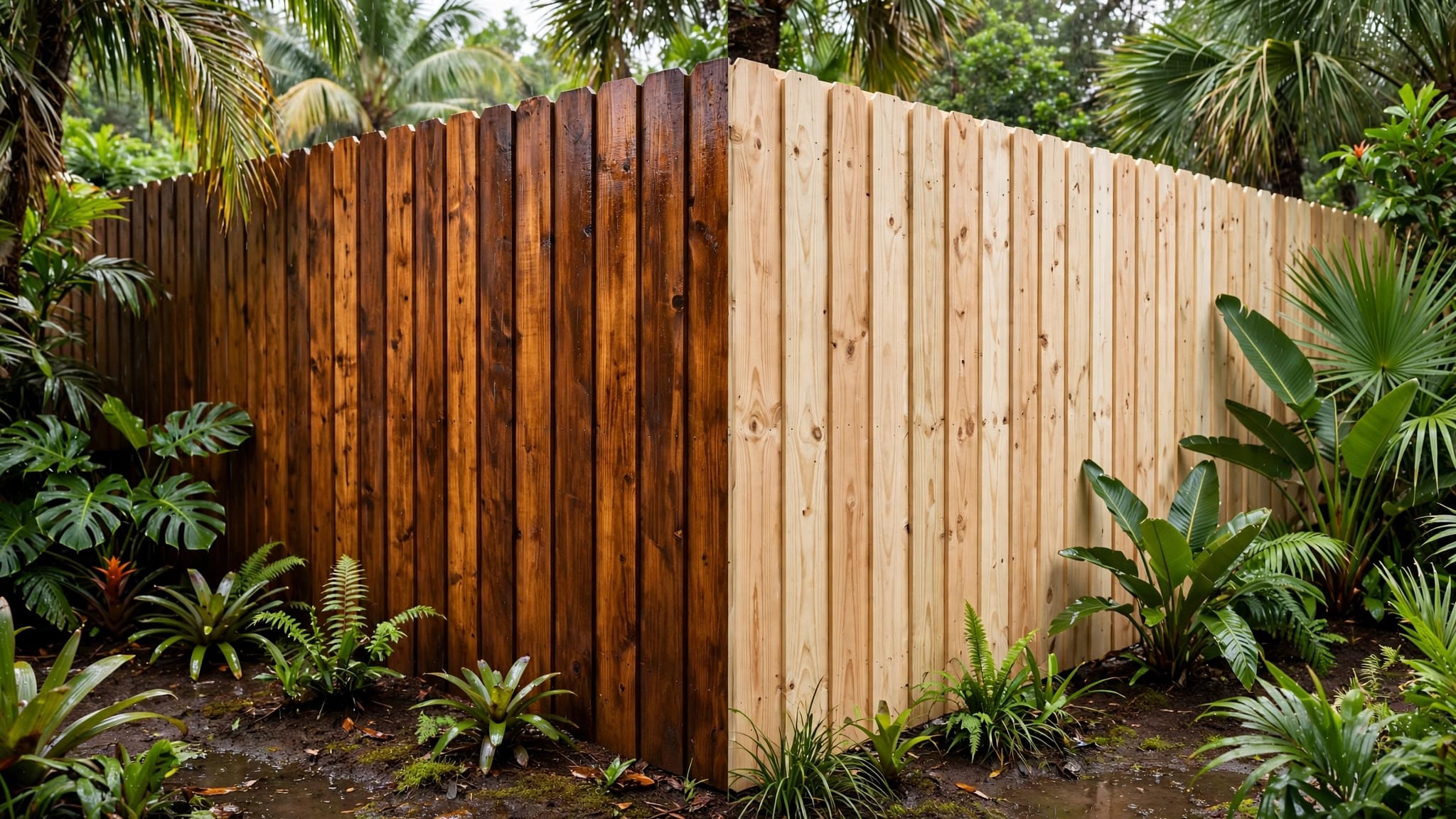
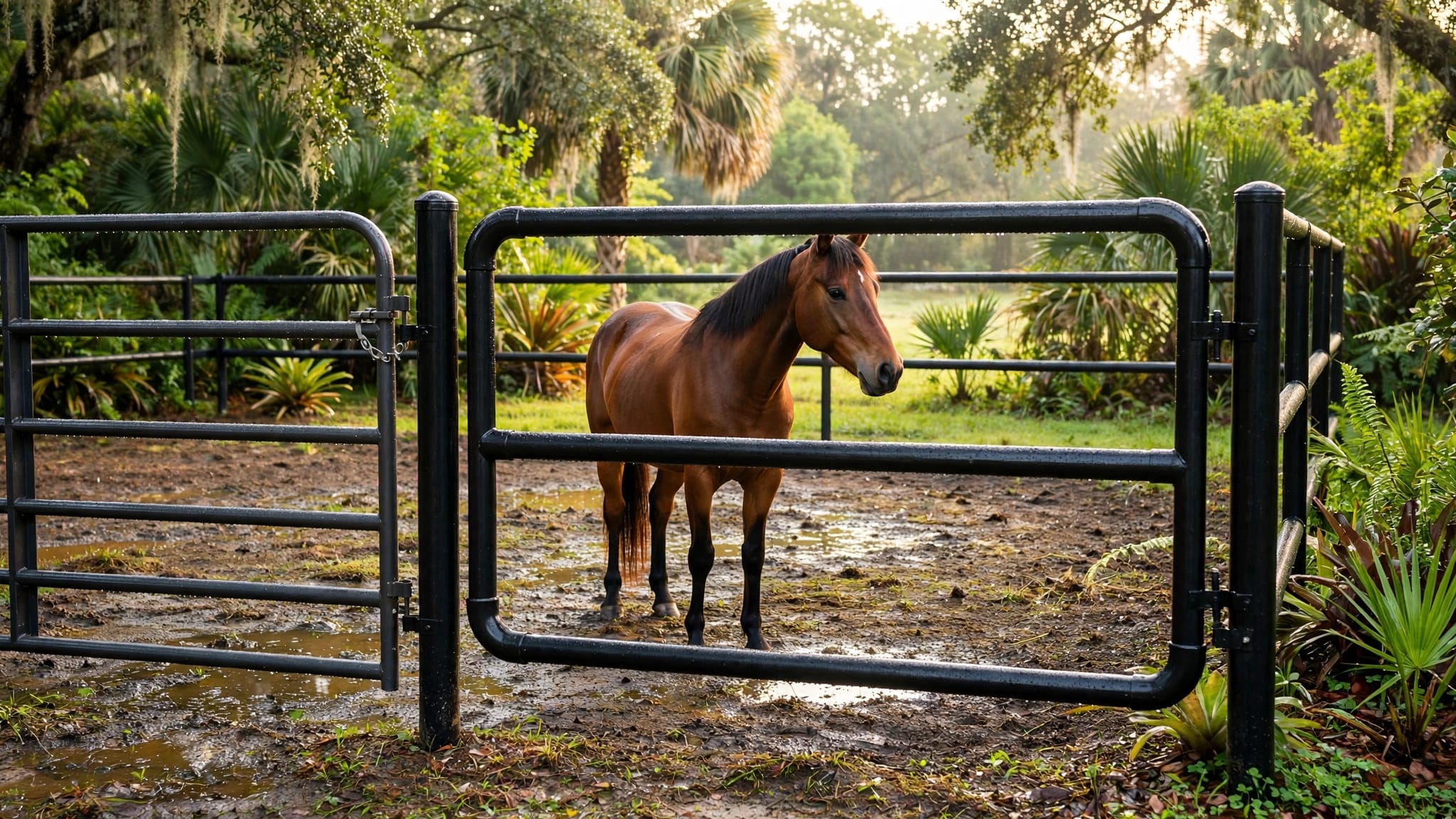
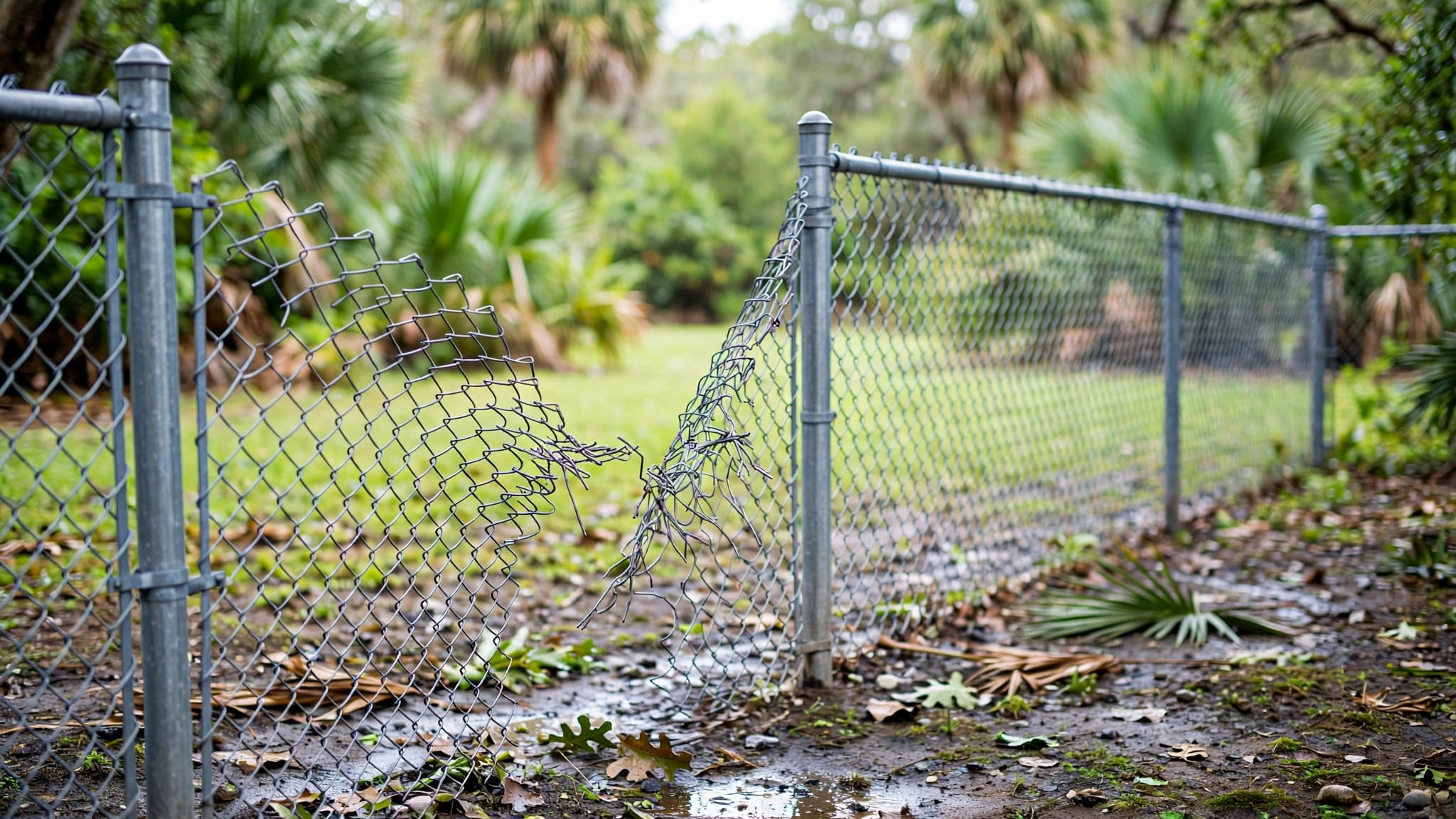
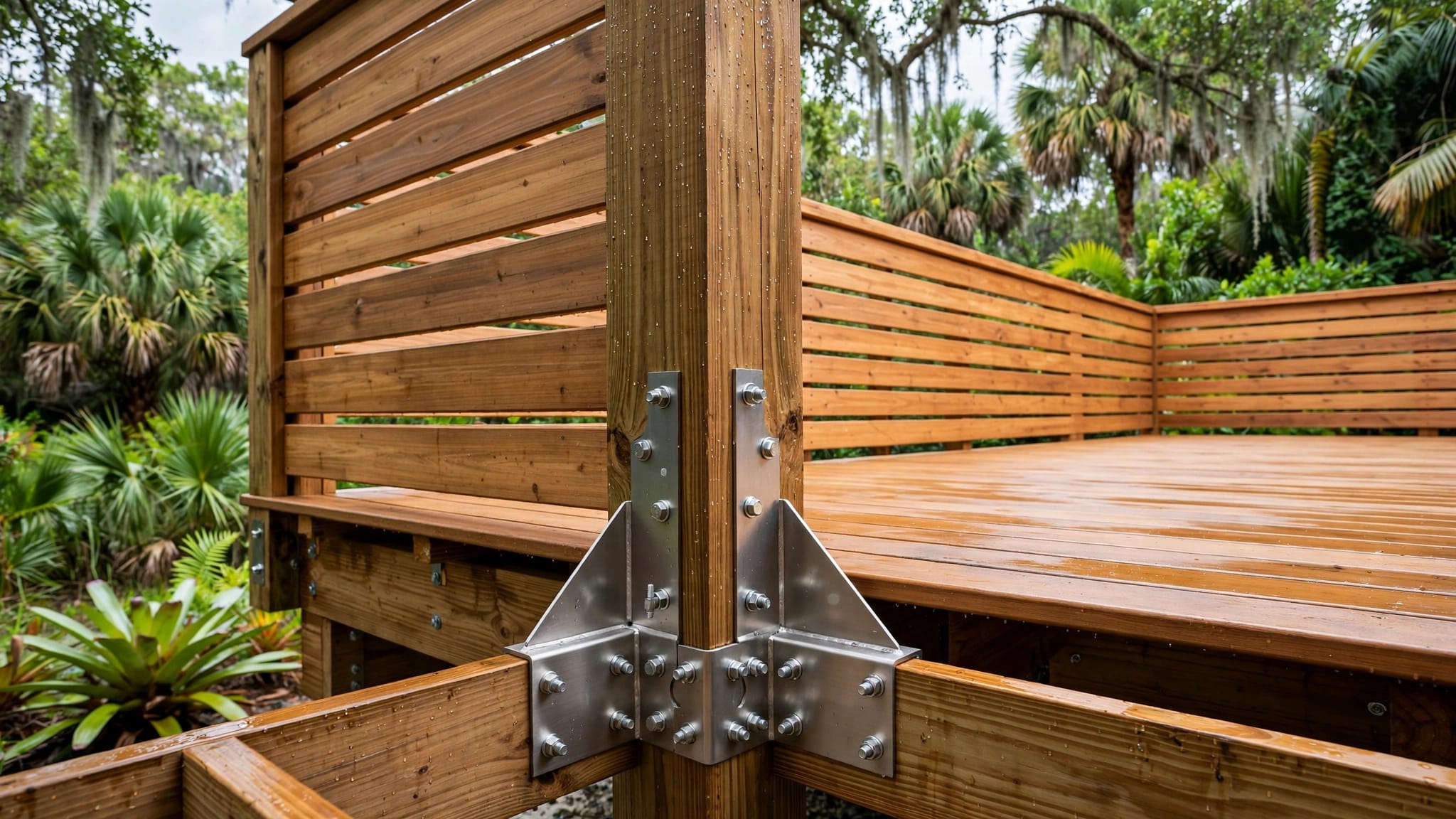
Aluminum is a strong option for many coastal homes. It looks clean, handles wind well, and fits front yards or pool areas nicely. Vinyl works well when you want privacy and a lower-maintenance surface. Wood gives a classic look, but it usually needs more upkeep near the coast. Chain link can be practical for visibility and budget control, especially when the goal is containment rather than privacy.
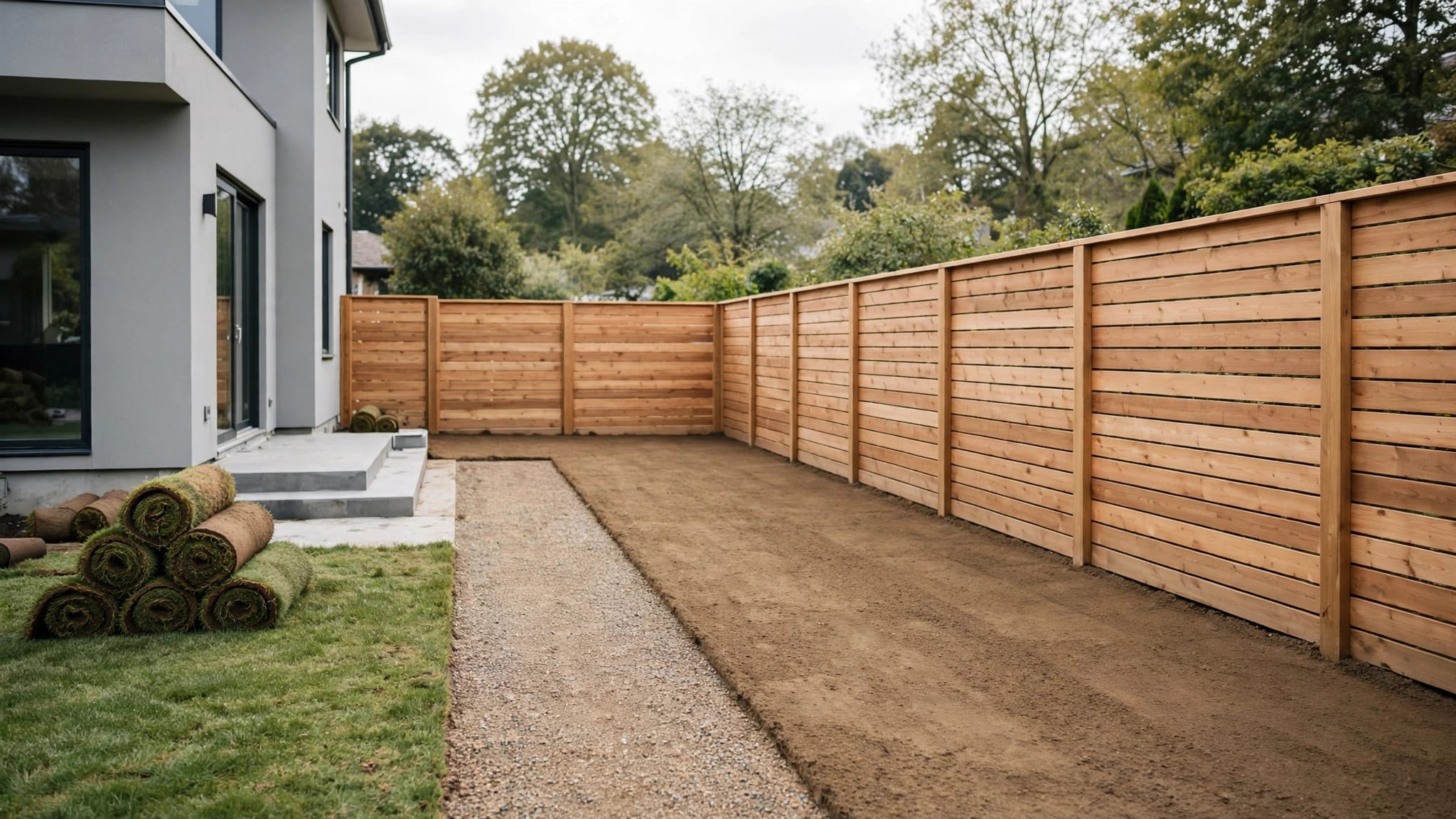
The material can also affect the permit conversation. Taller privacy fences may draw more review than open-style fencing. Pool barriers and structural fence types may also need closer attention.
You don't need to pick the most expensive option. You need a fence that fits the site, the use, and the local rules. That combination usually creates fewer problems later.
A smart choice today is the one that still looks good after storm season.
Conclusion
A Captiva fence permit is easier to handle when you start with the property, not the fence catalog. The permit process usually comes down to the site plan, the fence height, the location, and the extra rules that may apply to your lot.
For 2026, the safest move is simple. Confirm the current requirements with Lee County, check zoning and HOA rules, and review anything tied to flood zones, easements, or special island rules before you build.
That small amount of prep can save time, money, and a lot of backtracking. On Captiva, the best fence project is the one that fits the lot the first time.