What Burrowing Owl Burrows Mean for Cape Coral Fence Plans
A fence project in Cape Coral can slow down fast when a burrowing owl burrow shows up near the line. A round opening, fresh soil, or a bird using the area can change where posts go and when work can start.
That matters because Cape Coral fence plans often need more than a sketch and a materials quote. Wildlife protections, setback distances, permit steps, and construction timing can all affect the final layout. If you spot a burrow, the safest move is to pause and sort out the site before anyone digs.
What a burrowing owl burrow changes right away
A burrowing owl burrow is not just another hole in the yard. In Cape Coral, it can trigger wildlife rules that affect excavation, post placement, and even whether the fence line needs to move.
Do not fill, block, or destroy a burrow without checking the current permit process. If the burrow is active, the work area may need to stay outside the protection zone. If it is inactive, it still may need review before any removal or grading happens.
The easiest way to sort the issue is to compare the burrow location with the part of the fence that needs digging.
| Situation | What it can change | What to check |
|---|---|---|
| Burrow sits inside the planned fence line | Posts and trenching may need a new route | Survey, buffer zone, state guidance |
| Burrow is near a corner or gate | Gate swing or corner post may need to move | Measured setback, access path |
| Burrow is on an adjacent lot | Protection zone may still reach your property | Boundary line, buffer distance |
| Burrow seems inactive | It may still be protected | Permit needs, documentation |
If any row sounds familiar, the plan needs a site review before digging begins.
A fence line can look simple on paper and still fail in the yard because of one small burrow.
Why the fence line matters more than the fence material
A lot of homeowners start with style. They compare vinyl, wood, aluminum, and chain link before they look at the ground. With a burrowing owl site, that order usually flips.
The burrow cares about disturbance, not fence brochures. Posts, auger holes, trenching, and heavy equipment are the real concern. That means the best fence style is the one that fits the protected area without forcing work into a buffer zone.
A contractor who knows the local rules can save time here. A crew that handles professional fence installation in Cape Coral can review the lot, mark the burrow area, and adjust the layout before the first hole is dug.
Active burrows and the buffer zone
Active burrows get the most attention because the owl is using the site. Current guidance commonly points to a 10-foot buffer in the non-breeding season and a 33-foot buffer in the breeding season .
Those distances can affect more than one post. A corner post, gate opening, or brace may all need to shift. If the planned line enters the protected space, the fence usually needs a new route.
That change can be minor, or it can reshape the whole side yard. The key is to measure before digging, not after the auger starts turning.
Inactive burrows still need attention
An inactive burrow sounds easier, but it is not a free pass. Even if nobody is using it right now, current rules may still treat it as protected.
That means the fence plan should still include a check on status, permit needs, and timing. A buried hole that looks abandoned can still become a problem if a crew fills it or builds over it without review.
When homeowners assume "inactive" means "no issue," they risk delays. A quick confirmation is a lot easier than fixing a failed inspection or moving a post line later.
Setbacks, survey work, and permit timing
Cape Coral projects often begin with a visual look at the lot. If a burrow is found during that step, the next move is usually to contact the state for direction before construction goes farther.
That order matters. The city may expect a survey before development, and the burrow needs to be part of that review. If the fence line touches a protected zone, the project may need a revised layout, added documentation, or a permit tied to wildlife conditions.
Timing matters too. If burrow removal is allowed for an inactive hole, the work is usually tied to a short window before the active part of the project begins. In many cases, that means the removal or excavation has to happen within 48 hours before the job starts.
That short window can affect subcontractors, material delivery, and inspection scheduling. So the fence plan should come together in the right order:
- Confirm the burrow location.
- Check whether the burrow is active.
- Verify the current buffer or setback rule.
- Resolve any permit steps before setting posts.
- Schedule construction only after the site is clear for work.
Keep posted permits on site when they are required. It sounds minor, but missing paperwork can stop a project fast.
Fence layouts that often avoid the problem
A burrow near the fence line does not always mean the project is dead. It often means the layout needs a smarter shape.
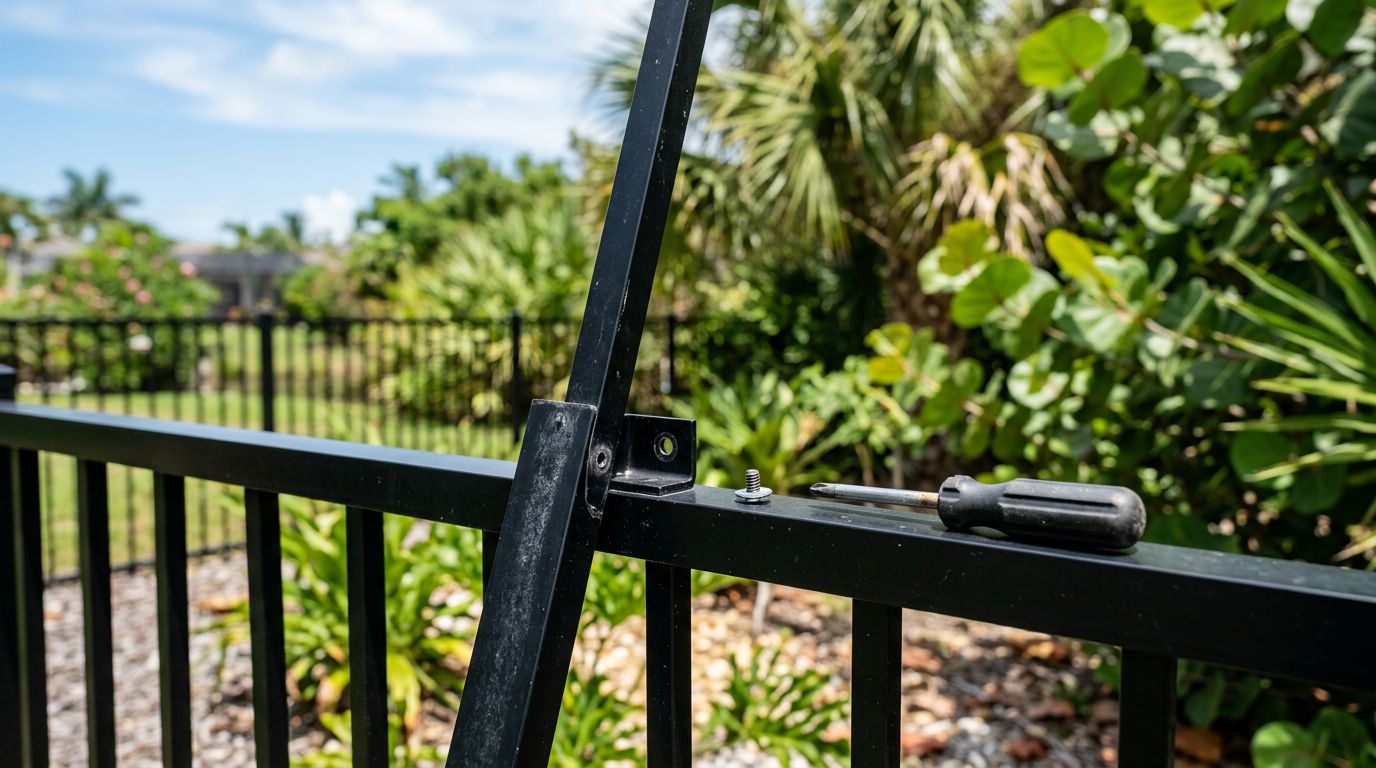
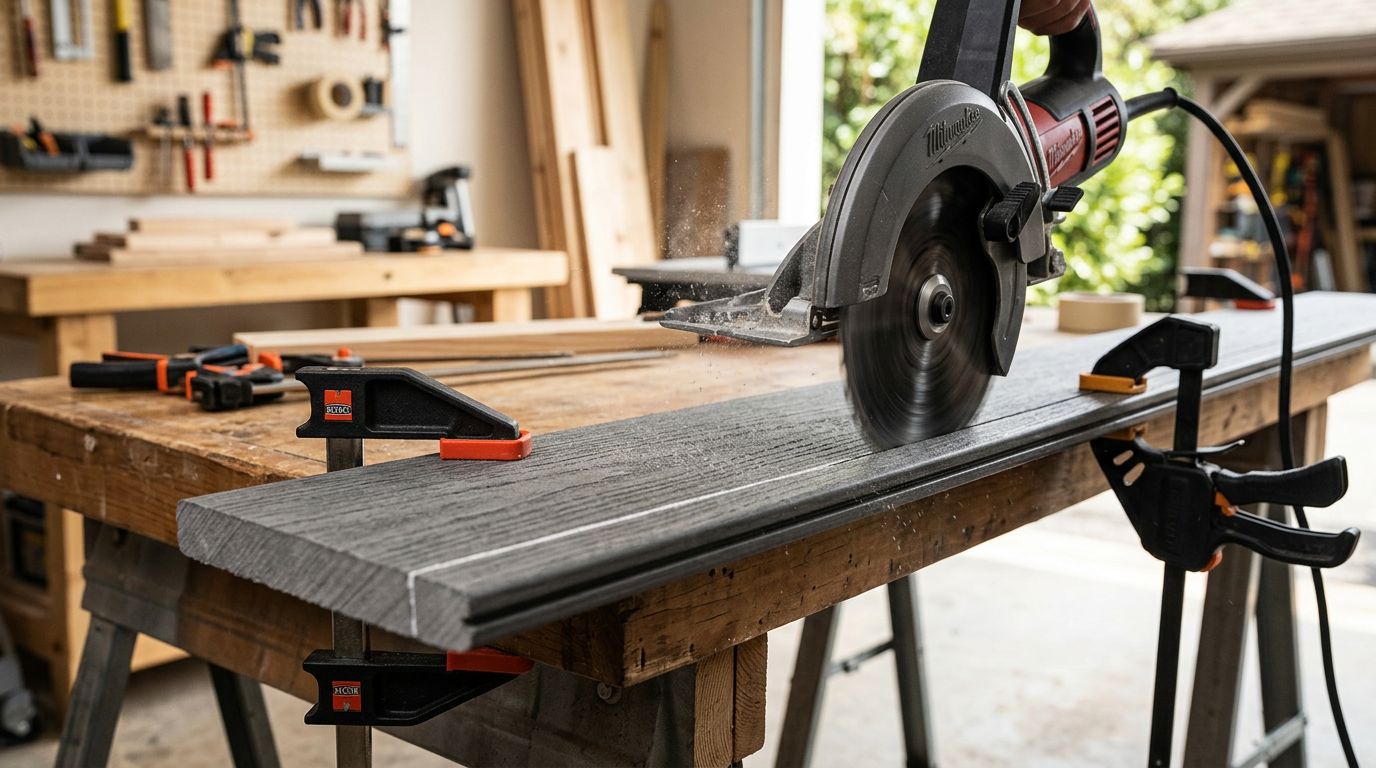
Small changes can make a big difference. A few of the most common fixes include moving the fence inward, shifting a gate, shortening one run, or changing where the corner post lands. Sometimes the answer is a cleaner line with fewer tight turns. Other times, the best choice is a fence that fits the lot with more custom cuts.
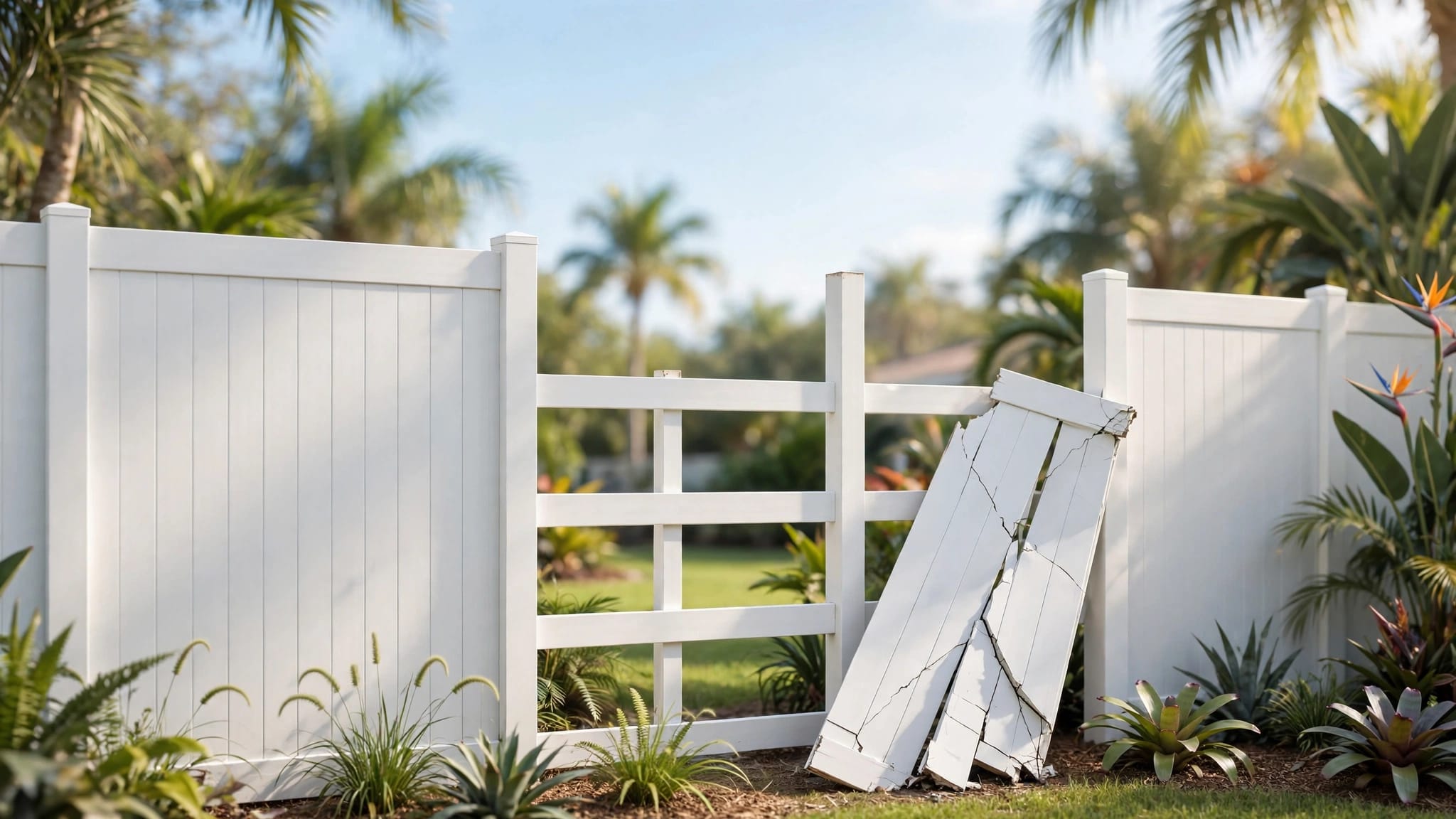
For many homeowners, that is where material choice comes back into play. If the revised plan calls for a clean, low-maintenance look, vinyl fence installation in Cape Coral is one option many people compare because it can work well with custom runs and altered boundaries.
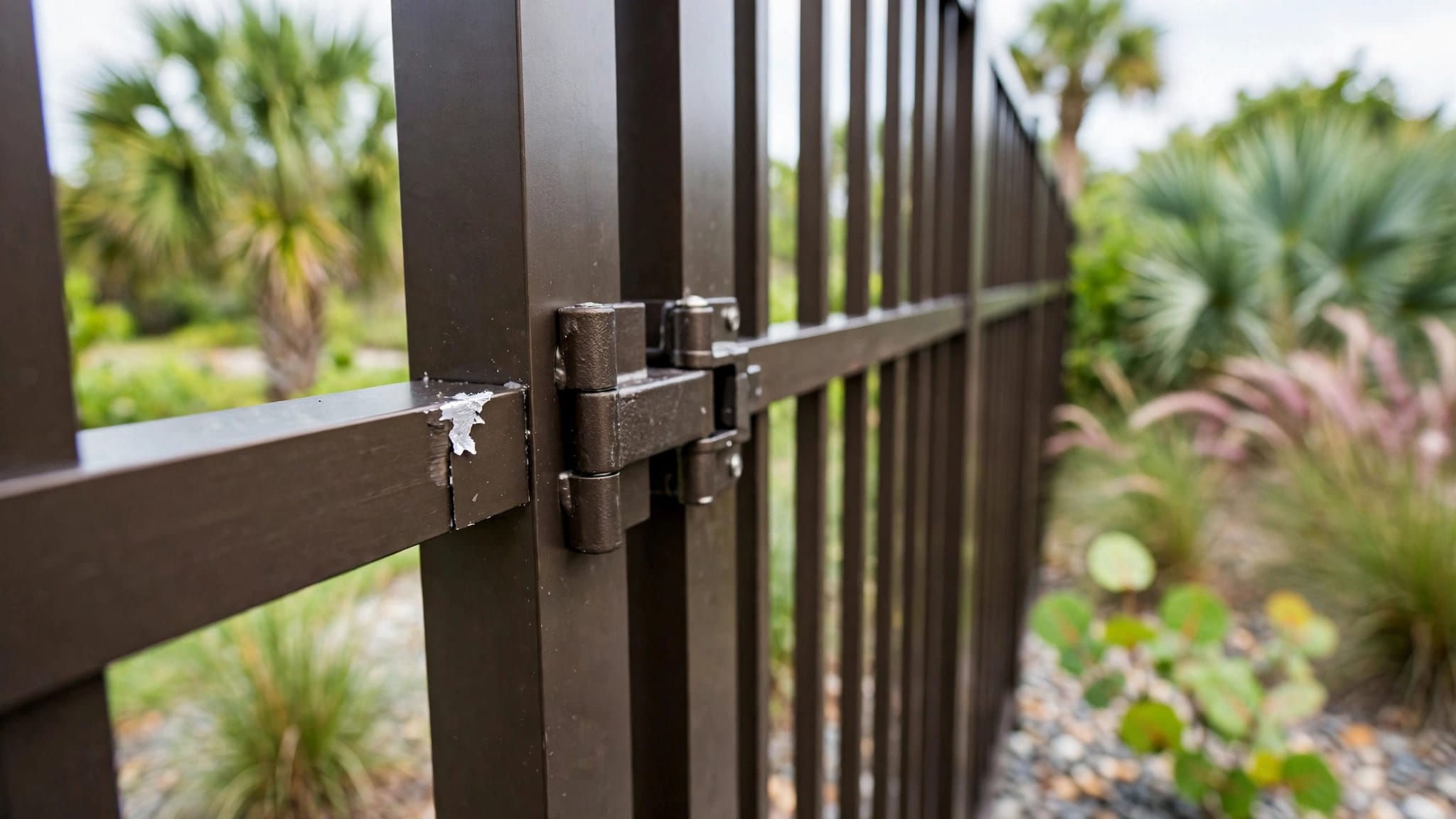
Some layouts also work better with open visibility. Aluminum or chain link can keep sight lines clear near a sensitive area, while still defining the property. Wood can work too, but it may need more exact cuts when the fence line moves.
Here are the most common design changes that help:
- Move the fence line a few feet inward so posts stay outside the buffer.
- Shift the gate to a different side of the yard.
- Use shorter fence sections near the burrow area.
- Change one corner location instead of forcing the whole run.
- Recheck utility and drainage lines before finalizing the new route.
A revised layout is usually easier than asking for a do-over after digging starts.
Working with a Cape Coral fence contractor before you dig
The best time to solve a burrow issue is before the estimate turns into a schedule. A local contractor can walk the property, check the fence line, and compare it with the burrow area. That should happen before anyone marks post holes.
A good site review should cover more than the owl concern. It should also check property lines, gates, drainage, and utilities. Those details matter because a burrow fix that ignores the rest of the lot can create a second problem.
Look for clear answers on a few points:
- Where the fence will sit in relation to the burrow.
- Whether the burrow seems active.
- What setback or buffer rule applies right now.
- Whether a permit or wildlife step comes first.
- How the crew will handle the project if the line needs to change.
If the contractor answers those questions clearly, the project is in better shape. If the answers stay vague, that is a sign to pause and verify the current rules.
Conclusion
A burrowing owl burrow can change a fence project in a hurry, but it does not have to derail it. Most of the trouble comes from starting too soon, before the burrow status, setback, and permit path are clear.
When you build your Cape Coral fence plan around the site first, the rest gets easier. The layout can move, the timing can shift, and the right fence style can still fit the yard.
If you suspect a burrow near your property, verify the current local and state requirements before any digging starts. That step protects the project, and it respects the wildlife already using the lot.