Why Fence Posts Lean in Southwest Florida Sandy Soil
A fence post that leans in Southwest Florida usually has more than one problem. Sandy soil , heavy rain, storm winds, and salt air all work on the same weak spot until the fence starts to drift out of line.
That tilt may look minor at first. Still, once the base moves, the rest of the fence often follows. The good news is that the cause is usually easy to spot once you know what to look for.
Sandy soil gives fence posts less side support
Southwest Florida soil drains fast, which helps after a downpour, but it also means the ground holds a post less tightly. Sand does not lock together the way heavier soil types do, so it gives a fence post less side support.
That matters most where the post meets the soil line. Every push from the wind, every pull from a gate, and every small shift in the ground works on that same point. Over time, a post can start to wobble a little. Once that happens, the hole around it loosens more with each movement.
In some low-lying parts of the region, the water table sits close to the surface. When the ground stays damp near the bottom of the hole, the footing can lose strength. A post that seemed solid during dry weather may lean after a stretch of rain.
This is why a fence in Cape Coral may behave differently than one in a drier inland area. The soil under it is not as firm, and it often keeps changing after storms or heavy irrigation.
Rain and drainage keep moving the ground under the fence
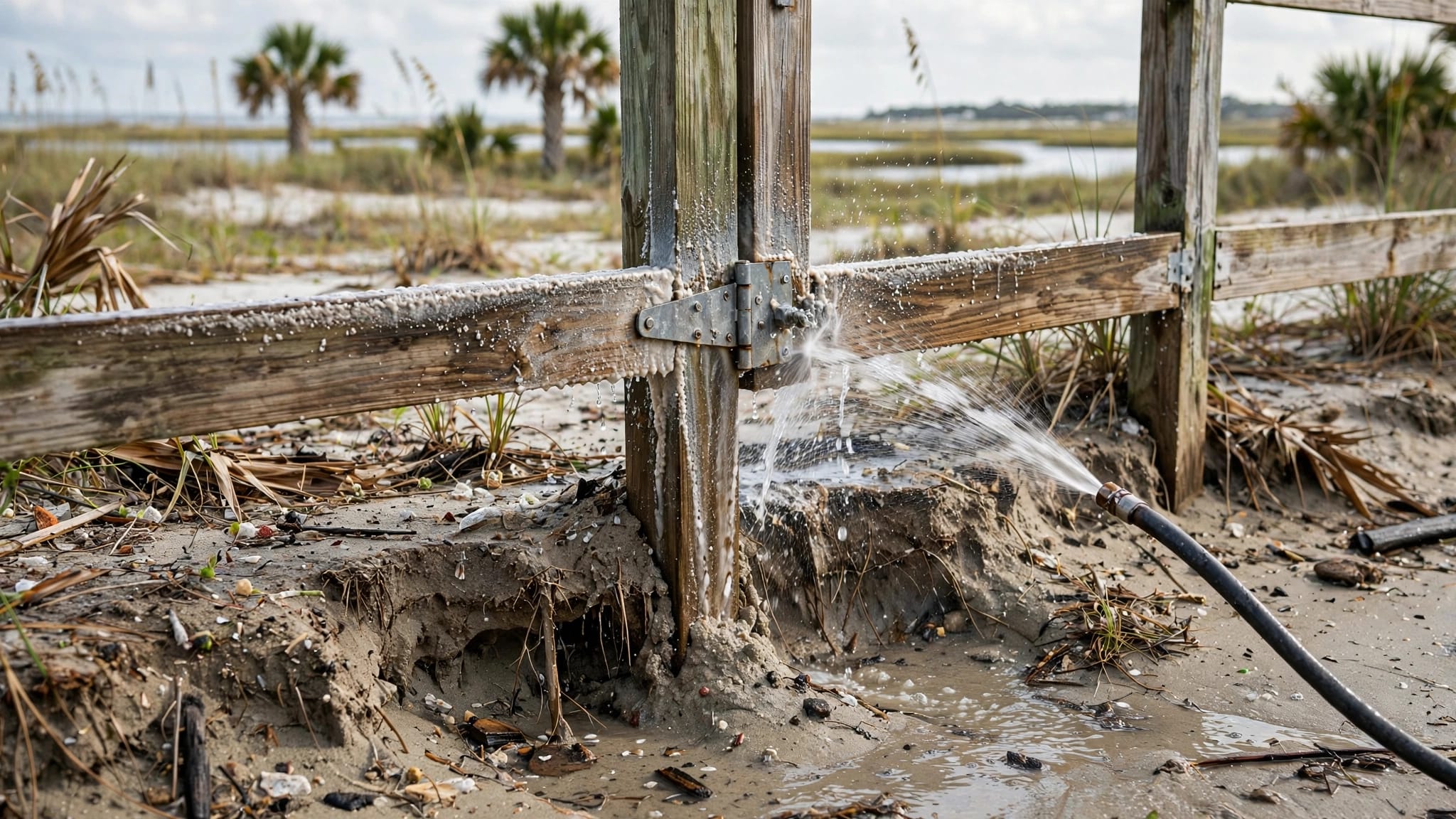
Summer rain does more than wet the grass. It can soak the ground around a post, wash away loose sand, and leave a pocket of soft soil behind. If water pools near the fence line, the post loses the firm base it needs to stay straight.
Runoff can make the problem worse. Water from roofs, downspouts, or sloped yards often moves toward the same low spot again and again. That repeated flow can erode one side of a footing and leave the post leaning in that direction.
Sprinklers add another layer. A fence line that gets hit every day by irrigation stays damp longer than the rest of the yard. Over time, that extra moisture can weaken wood, rust hardware, and soften the soil around the base.
A few common moisture issues show up the same way on many properties:
| Moisture issue | What it does to the post | What you may notice |
|---|---|---|
| Standing water | Softens the soil around the footing | The post rocks after rain |
| Poor grading | Sends runoff to the fence line | Low spots or washed-out sand |
| Sprinklers and downspouts | Keeps the area wet day after day | Dark wood, rust, or soft ground |
| Erosion | Removes support from one side | A lean that points in one direction |
When the soil keeps moving, the post never gets a chance to settle.
That is why a fence can look fine during a dry week and start to shift after one hard rain. The movement is often slow, but the damage keeps building.
Storm winds turn a small tilt into a bigger lean
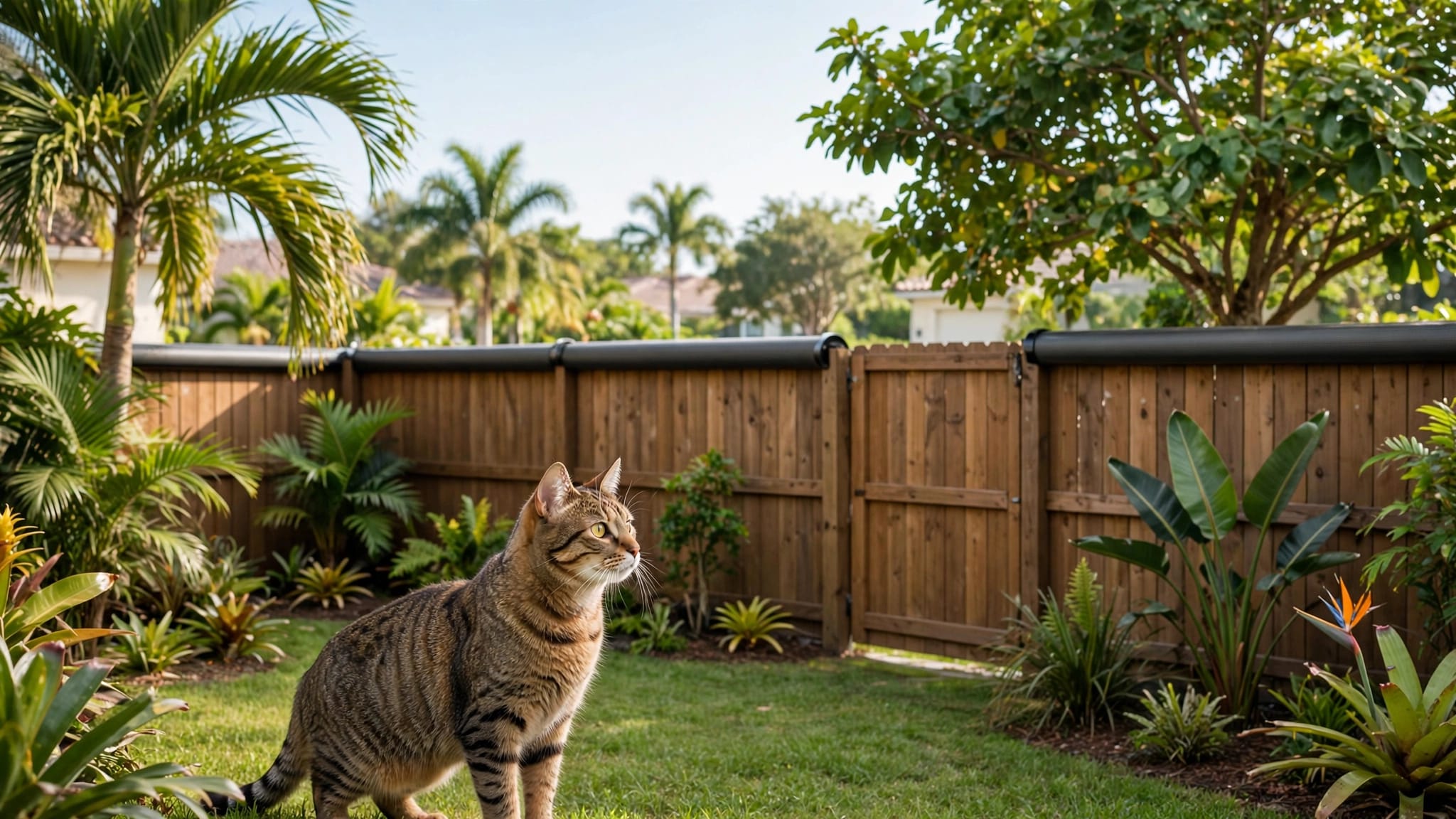
Wind puts a lot of force on a fence, especially on privacy styles with solid panels. Those panels catch gusts like a sail, so the post has to absorb the push. When the soil is loose, that pressure can make the post twist or sink on one side.
Corner posts, end posts, and gate posts take the most abuse. They handle more pull and more twist than the posts in the middle of the line. If one of those posts starts to lean, the rest of the section may follow.
Summer thunderstorms can do the first bit of damage, then a tropical system finishes the job. The fence may not fall right away, so the lean gets ignored. After the next storm, the tilt is larger, and the gate may stop closing cleanly.
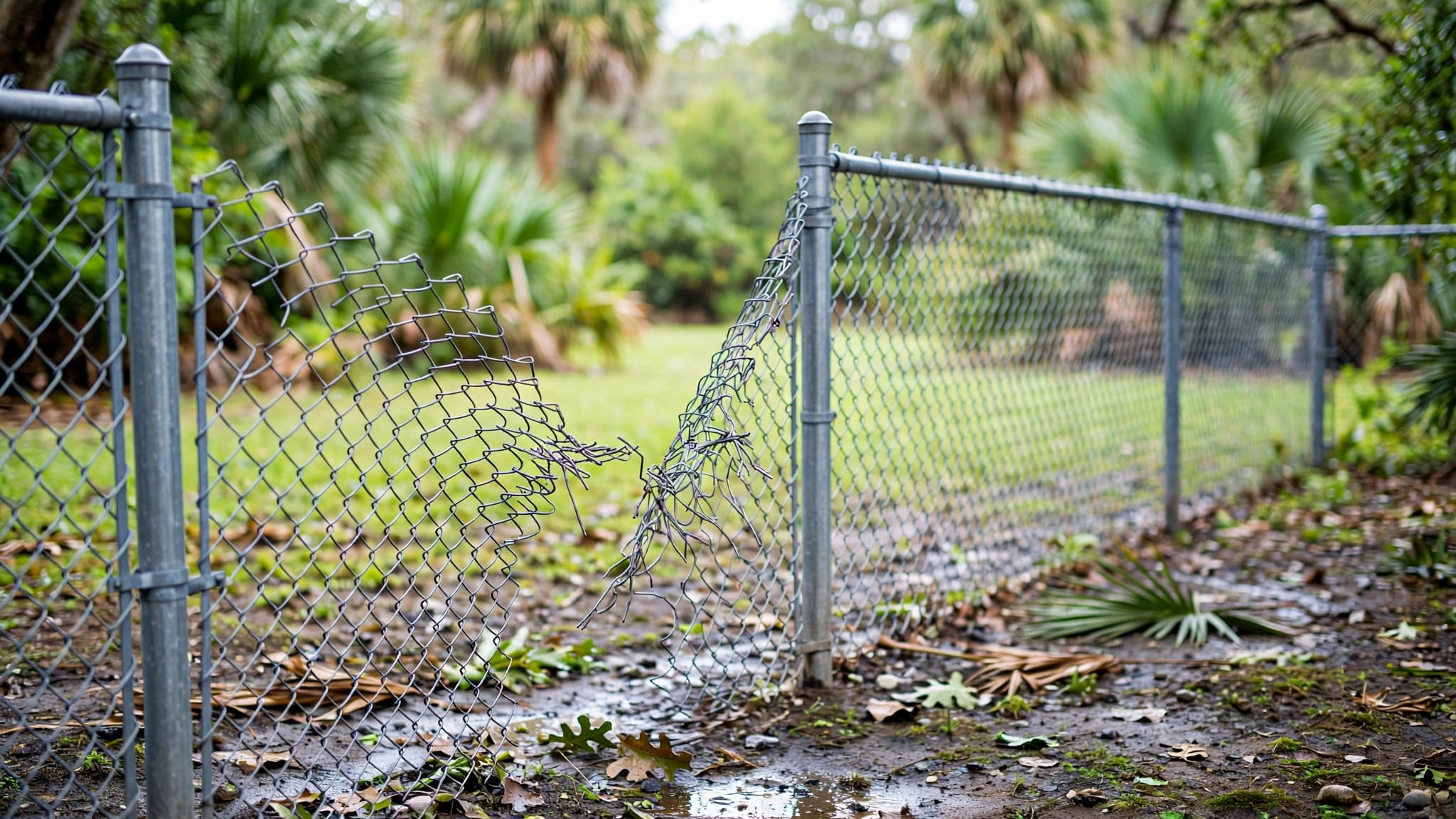
If a fence moved after a strong storm, it deserves a closer look before the next round of wind arrives. For homeowners dealing with that kind of damage, repairing storm damaged fences early can prevent one loose post from putting stress on the whole run.
Salt air and worn hardware add hidden stress
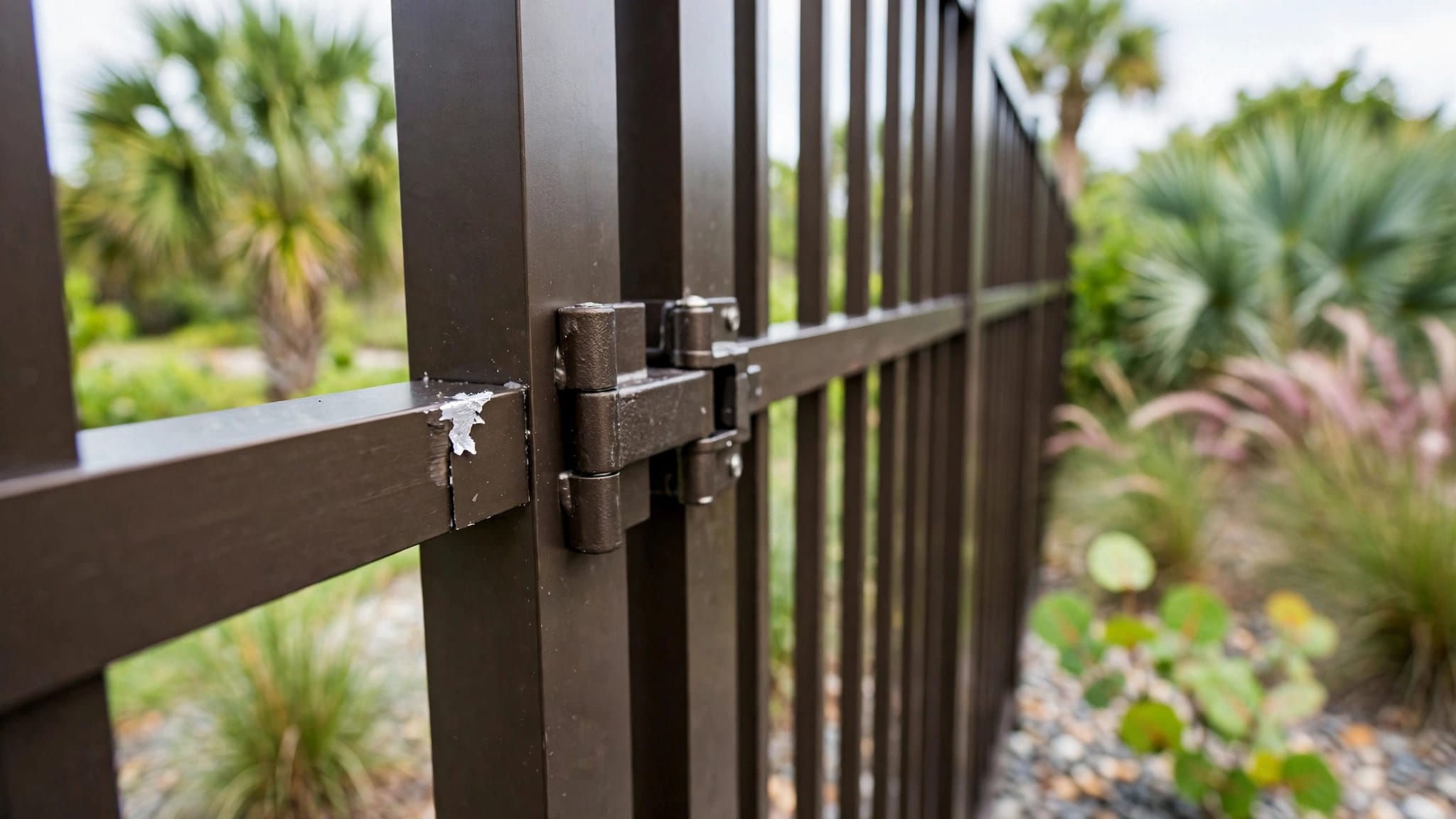
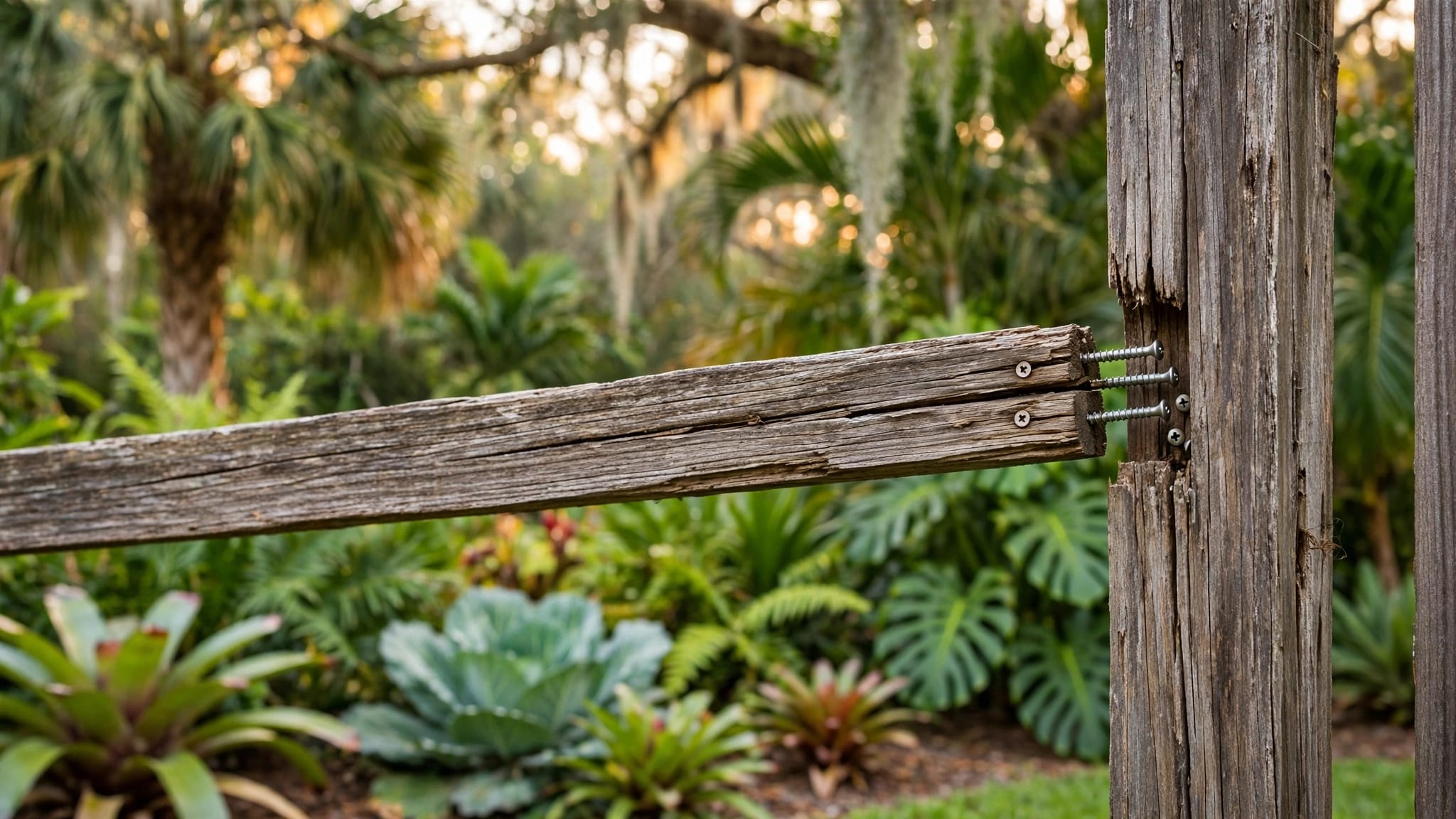
Not every leaning post starts with the soil. Sometimes the real issue is hardware wear. Salt air speeds up corrosion on screws, brackets, and hinges, especially near the coast. When those parts weaken, the post has to take more of the load.
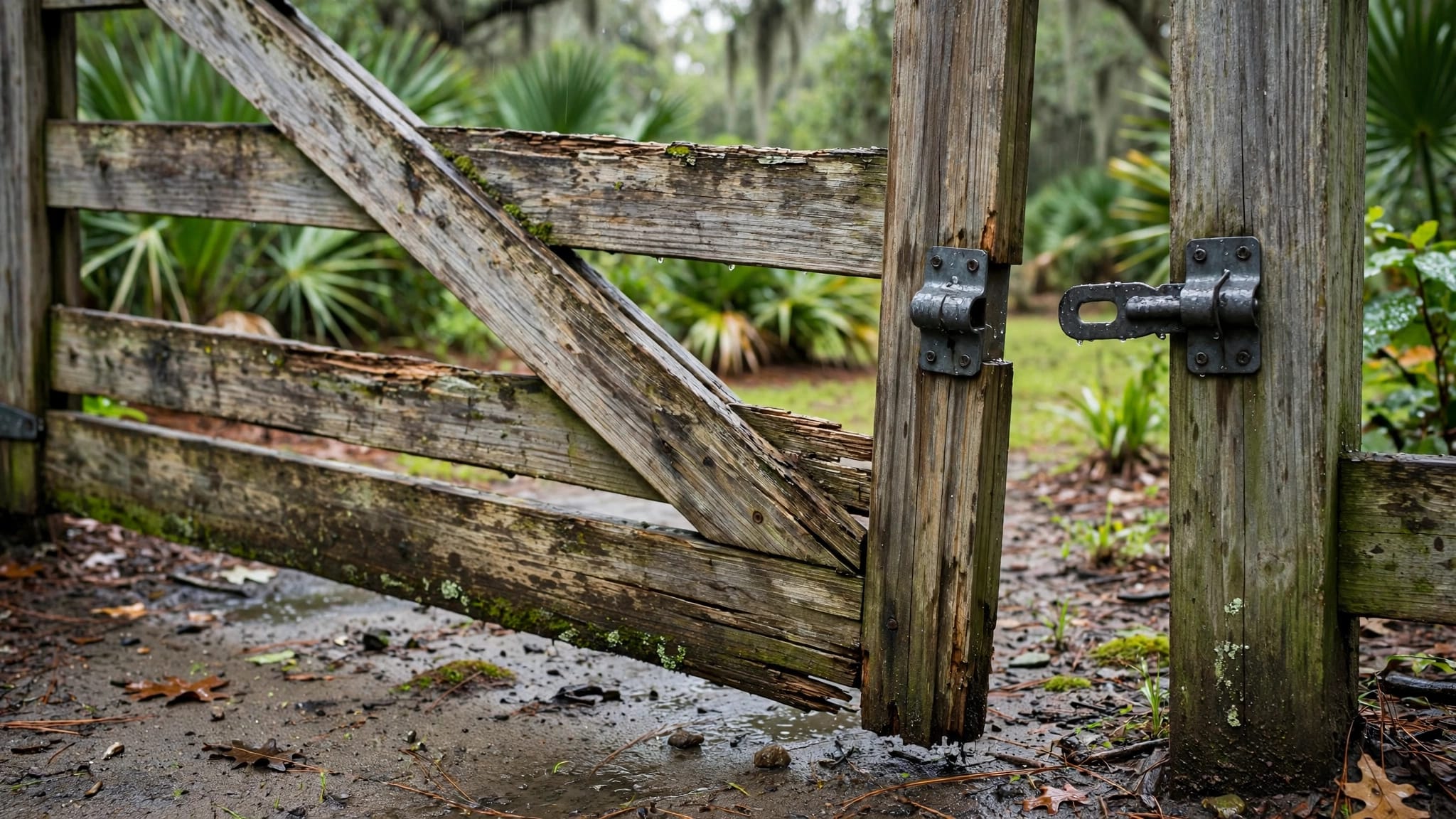
A gate shows this problem fast. If the hinges loosen or the latch shifts, the gate begins to sag. Then every open and close adds strain to the post that supports it. That extra pull can make a solid post look crooked even when the footing is still partly stable.
Wood fences face another issue. The area near the ground often stays damp longer than the rest of the board or post. When moisture hangs around, the lower section of the post can soften and lose strength. Once the wood starts to weaken, the lean usually gets worse.
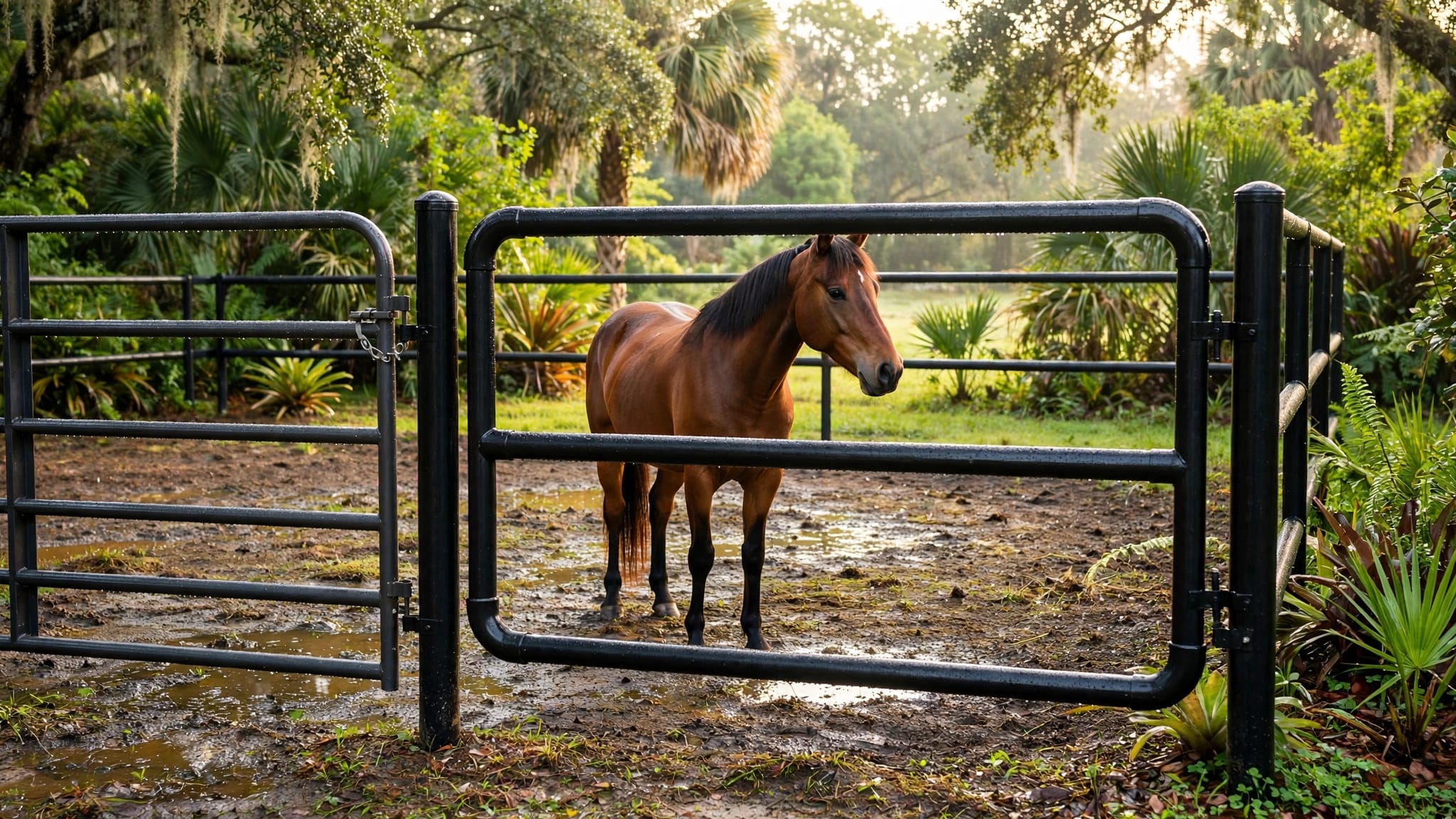
Metal fences can move for a different reason. If fasteners loosen or brackets shift, the rails stop sharing the load the way they should. The post then carries more stress on its own, and that can lead to movement over time.
A fence in Southwest Florida has to deal with sun, salt, rain, and wind all in the same year. That mix wears on the parts you can see and the parts buried below the surface.
How to prevent leaning fence posts
A few simple habits can help keep a fence line straighter for longer. None of them remove the effects of sand and weather, but they do reduce the strain.
- Keep water away from the fence line. Aim sprinklers so they do not soak the posts, and move downspouts where you can.
- Watch the ground after heavy rain. If soil keeps washing away from one side, the post will start to shift.
- Check gate hardware each season. Loose hinges and latches put extra pull on the nearest post.
- Trim plants back from the fence. Overgrown roots and trapped moisture can hide early movement.
- Inspect the line after storms. A small lean after a windy day can turn into a larger repair if you leave it alone.
Early attention matters more in Southwest Florida because the ground changes fast. One week of dry weather can hide a problem, then one storm can show it again. If a post keeps leaning after you push it back, it's time for a closer look.
For homeowners in Cape Coral and nearby areas, professional fence repair services can help sort out whether the issue is soil, hardware, rot, or storm damage. That matters because the fix should match the cause. Straightening a post without correcting drainage or a failing base often leads to the same lean later.
How repairs usually work when a post starts leaning
The right repair depends on why the post moved in the first place. A post that shifted in loose sand needs a different fix than one damaged by rot or rust.
| Problem | Common repair | Why it helps |
|---|---|---|
| Loose footing in good material | Reset the post in a new, stable base | Gives the post fresh support |
| Rot or corrosion near the ground | Replace the post and worn hardware | Removes the weak part |
| Drainage problem | Regrade the area or redirect water | Keeps the soil from washing out |
| Gate post out of line | Rehang the gate and reset the post if needed | Takes pressure off the support post |
A quick brace may hold the fence upright for a short time, but that is not a full repair. If the soil keeps shifting or the post material has failed, the lean will return. In those cases, fixing the base matters more than fixing the visible tilt.
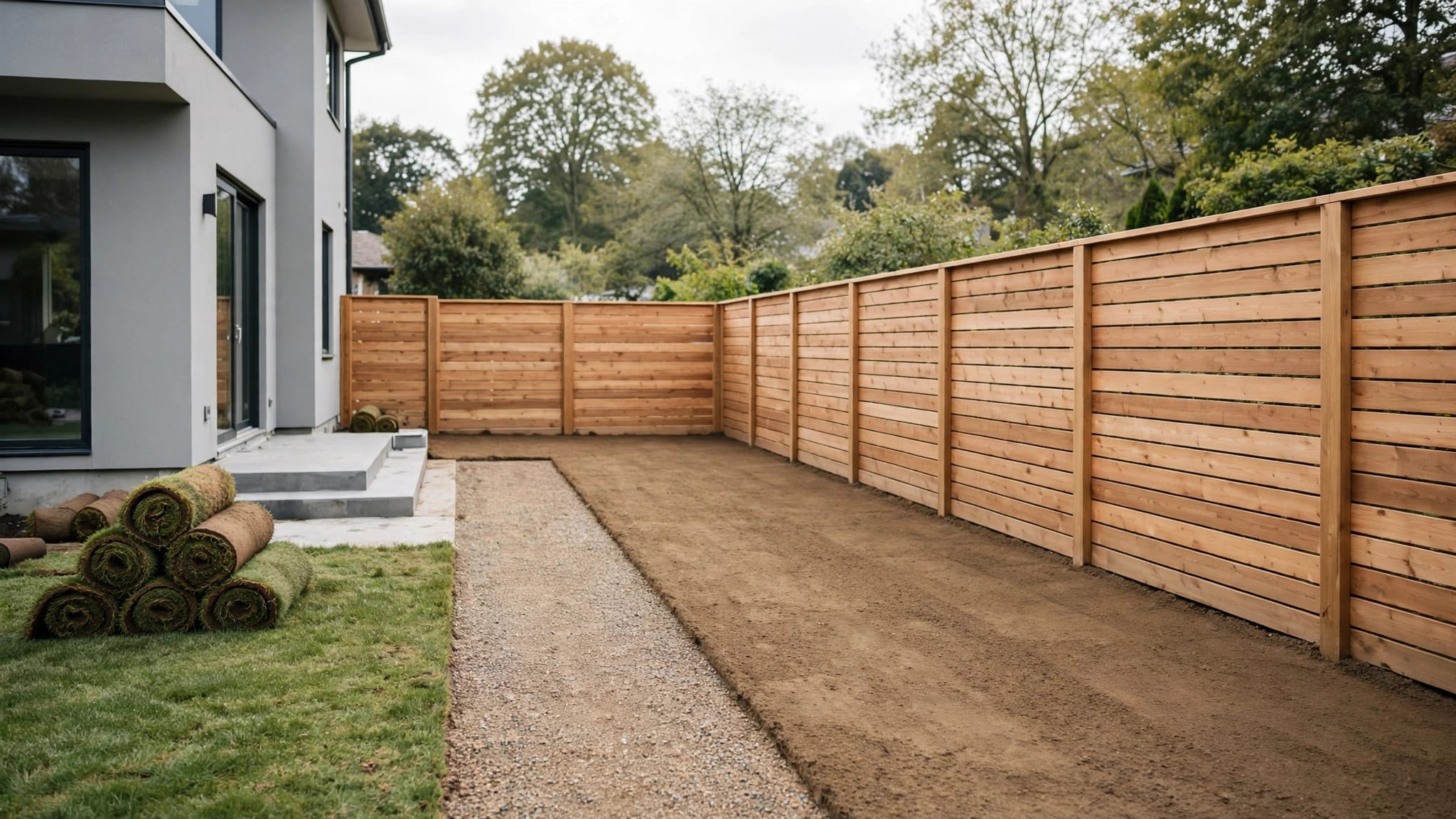
Sometimes a repair team can save the section. Other times, a full post replacement is the better choice. That decision should come from what the ground and the hardware are doing, not from how the fence looks on the surface.
Conclusion
Fence posts in Southwest Florida lean for a reason. Sandy soil gives them less grip, rain softens and moves the ground, storm winds push on the panels, and salt air wears out the parts that hold everything together.
The best time to act is when the tilt is still small. Catching the problem early gives you a better shot at fixing the base, not just straightening what you can see.
A straight fence in this part of Florida starts with a post that stays planted.