When a Fence Repair Needs a Permit in Florida
A loose board usually stays a simple fix. A taller section, a new fence line, or a full rebuild can change the picture fast.
When you search fence permit Florida rules, the answer depends on what the repair changes. Small maintenance often stays simple, but bigger work may count as replacement or alteration.
That matters because Florida permit rules can shift from one city or county to the next. Before you spend money on materials, it helps to know where the line is.
Simple fence repairs that often stay below the permit line
Minor repairs usually stay in the maintenance bucket when the fence keeps the same height, location, and material. The goal is to fix damage, not rebuild the fence into something new.
Common repairs that may not need a permit include:
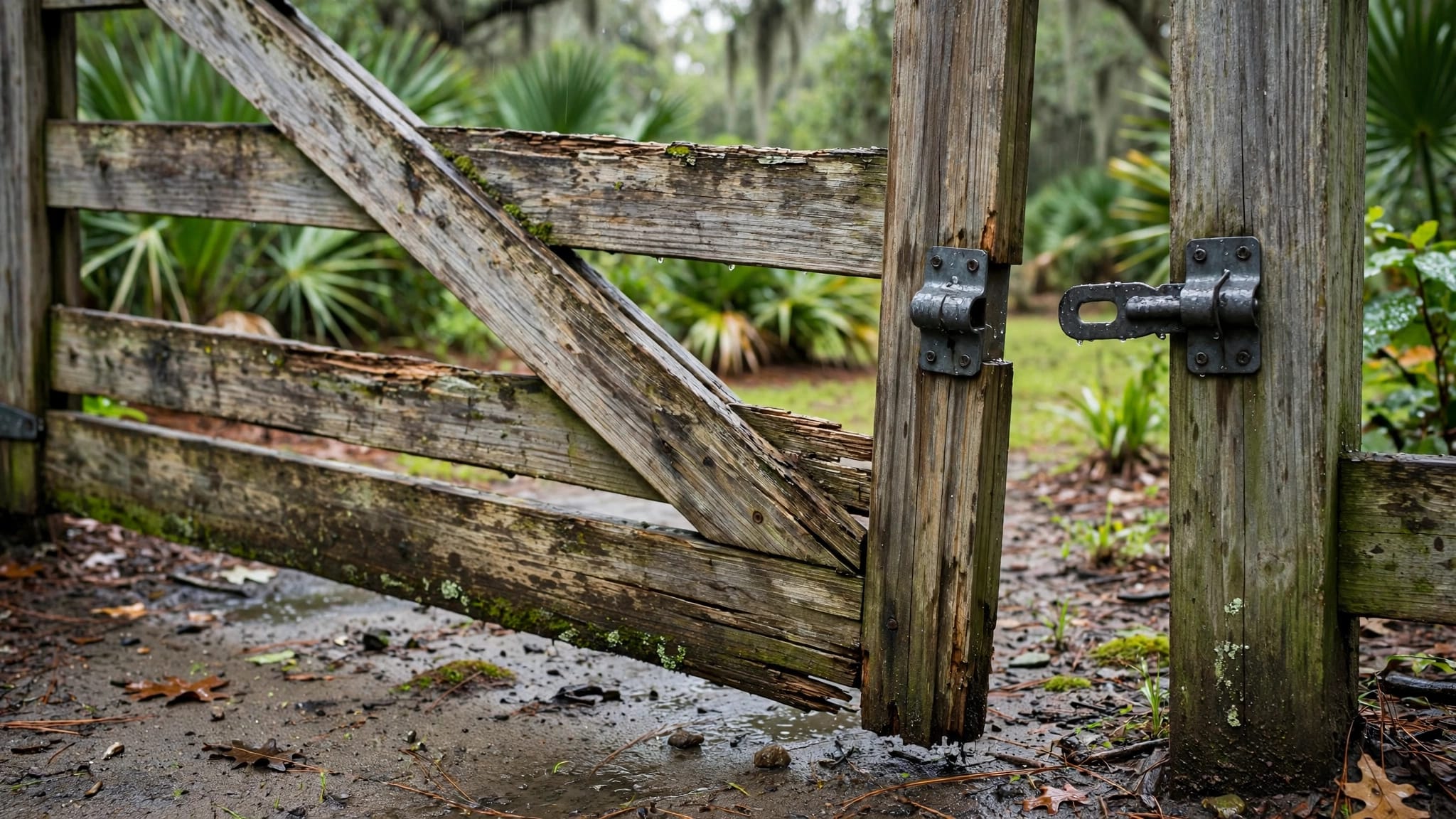
- Replacing a few pickets, boards, or panels that cracked or rotted
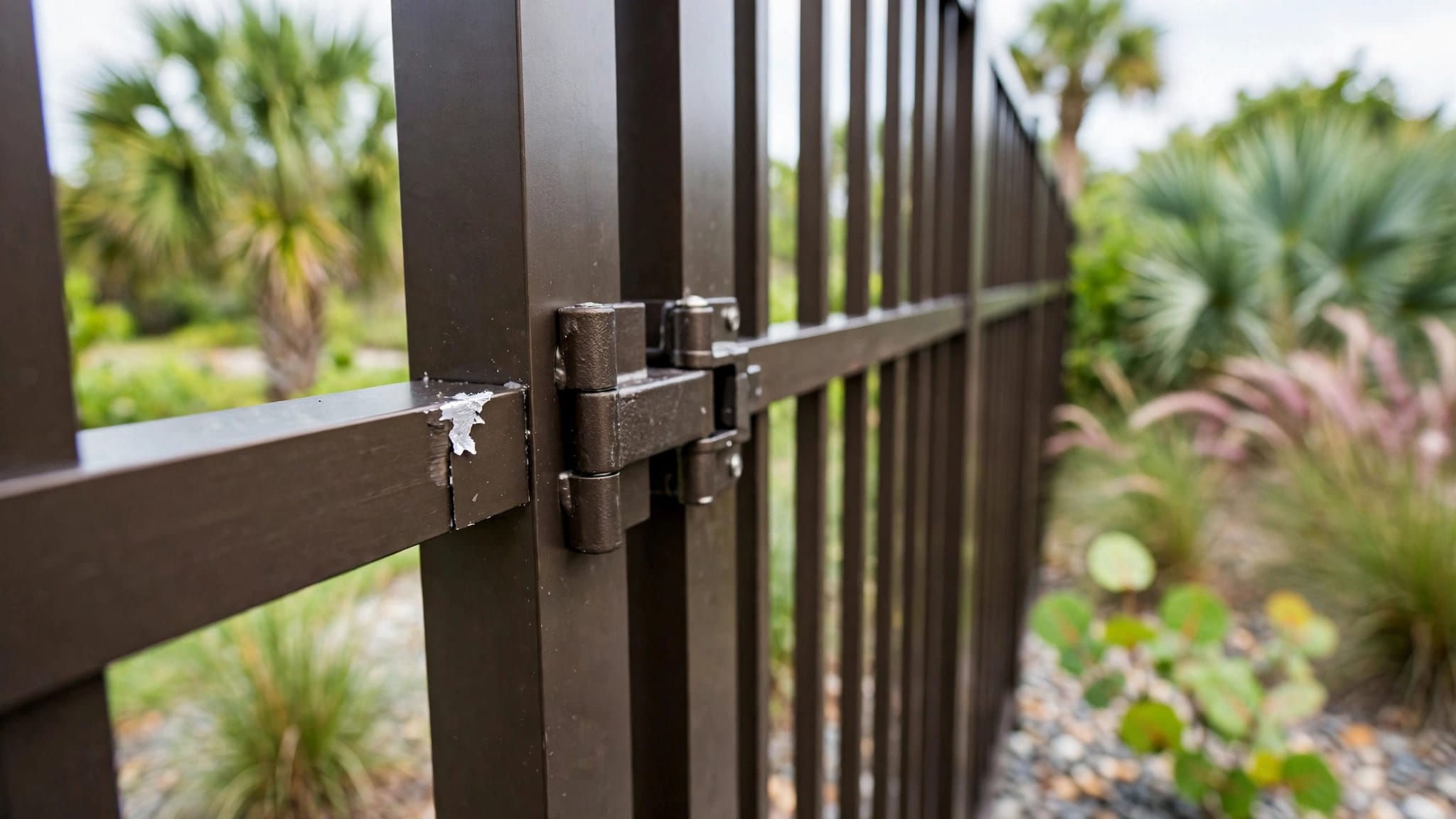
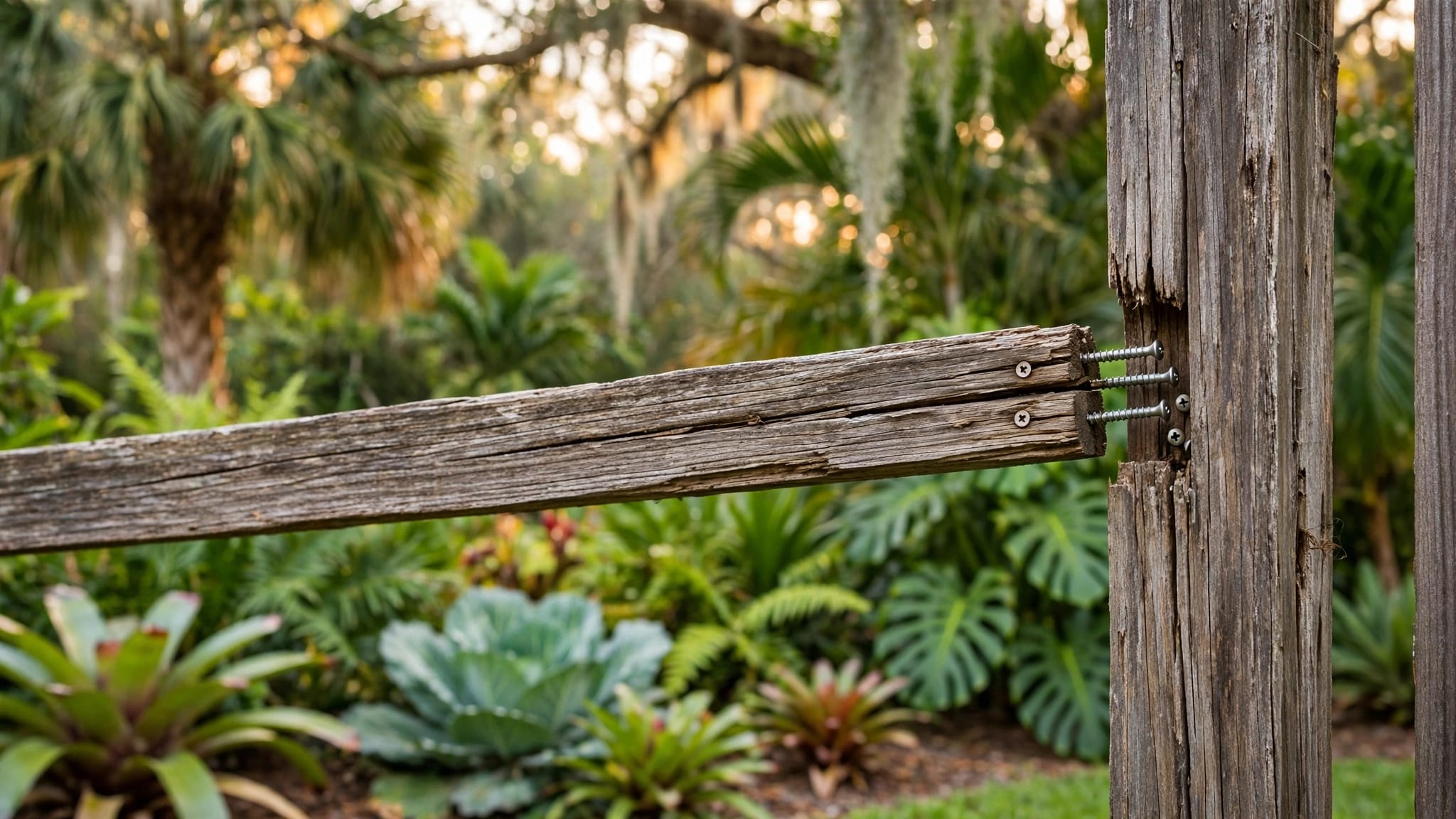
- Tightening loose rails, screws, hinges, or latch hardware
- Fixing a sagging gate without changing its size
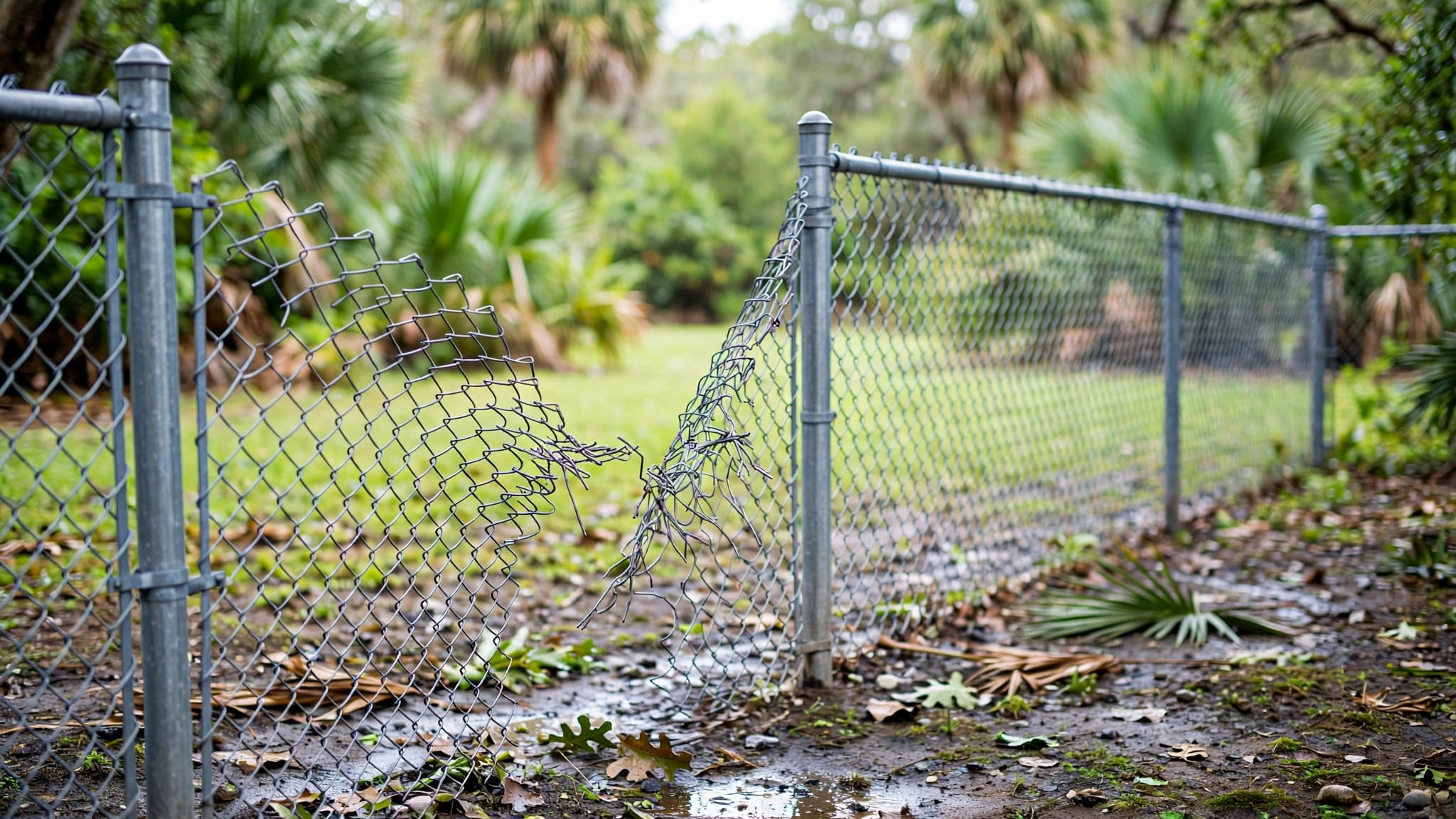
- Patching a small section of chain link or reattaching a panel
- Touching up paint, stain, or sealant
Those jobs are usually small enough that the fence still looks and functions the same. Still, if the repair spreads across a large part of the fence, the rules can change.
If the work keeps the fence in the same place and at the same height, it is often treated differently from a rebuild.
A good test is simple. If the repair only restores what was there before, it may stay permit-free. If it changes the fence itself, it deserves a closer look.
When a repair starts to look like replacement
The bigger the change, the more likely a permit enters the picture. Many local offices treat work as replacement or alteration when it affects a large section of the fence, often more than half.
Here is a quick side-by-side view.
| Repair or project | Permit risk | Why it matters |
|---|---|---|
| Replace a few broken boards | Low | The fence stays the same overall |
| Fix a gate hinge or latch | Low | Hardware work usually does not change the fence |
| Rebuild one short damaged section | Sometimes | Size and local rules can change the answer |
| Replace a long run of fencing | Higher | Large areas may count as replacement |
| Change fence height | Higher | Height changes often trigger review |
| Move the fence line | Higher | Placement changes usually need approval |
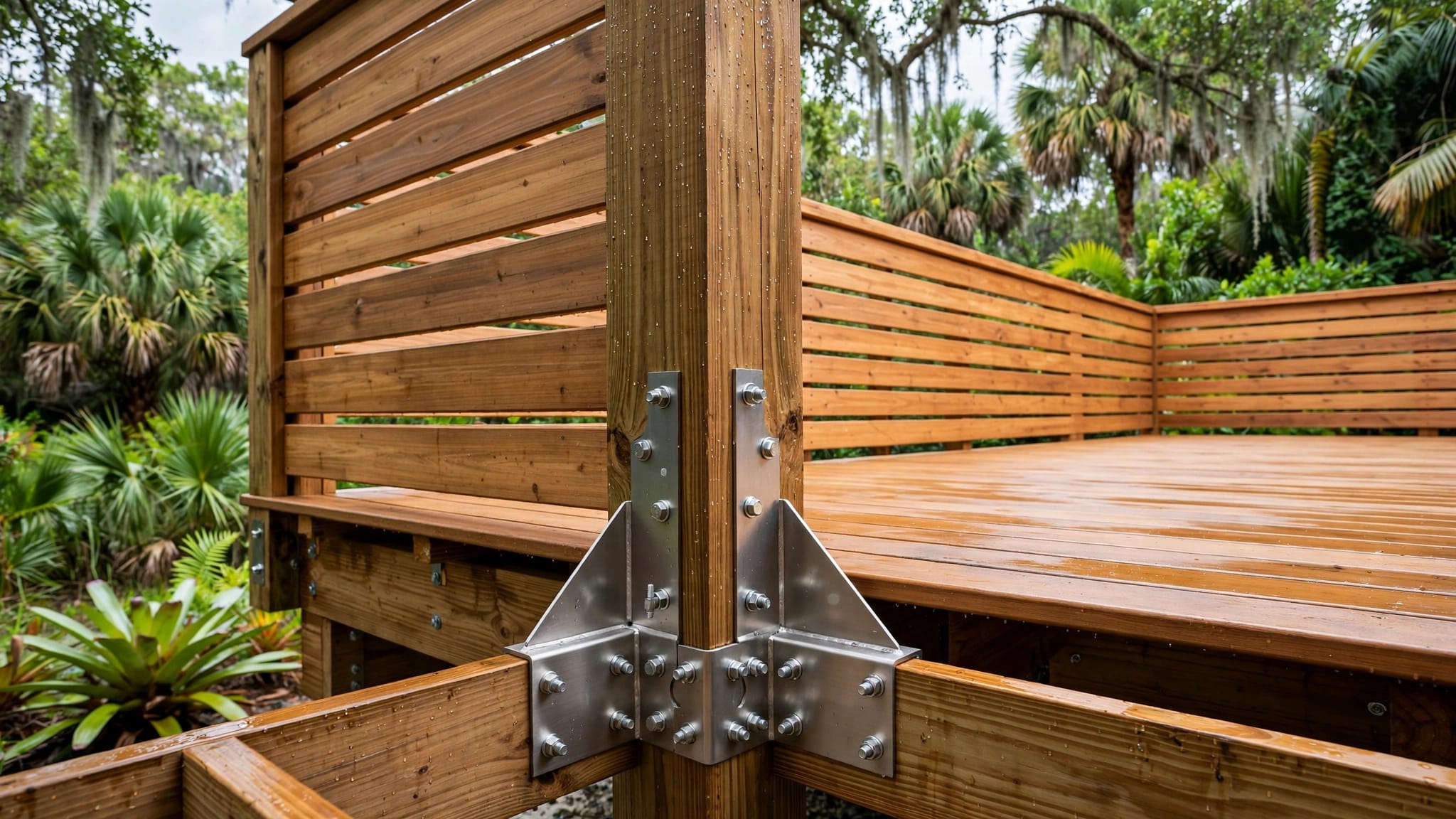
| Switch from wood to vinyl, or chain link to aluminum | Higher | Material changes can count as alteration |
The key point is the amount of change. A fence that looks repaired on the surface may still count as new work if the posts, panels, or layout change.
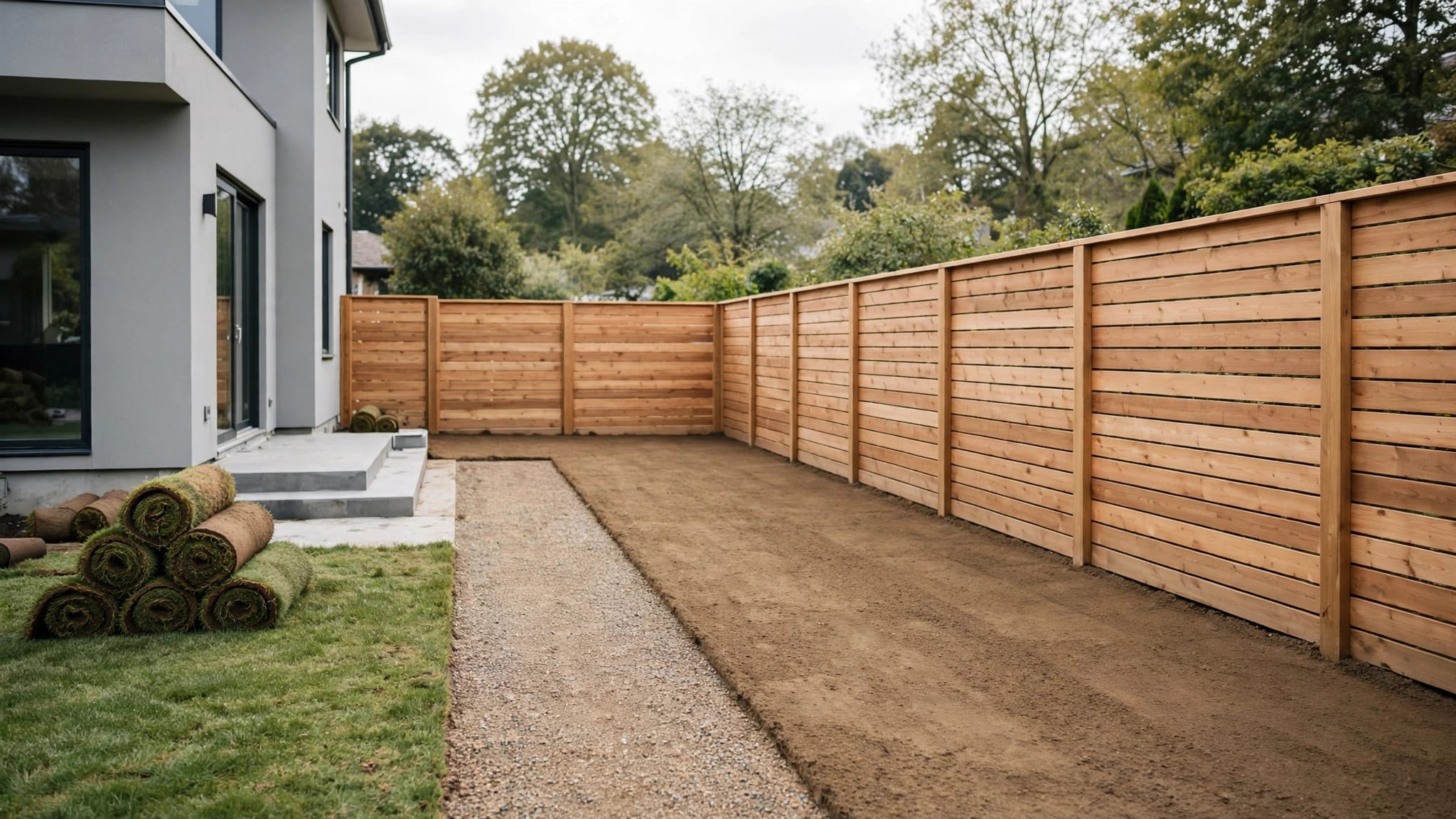
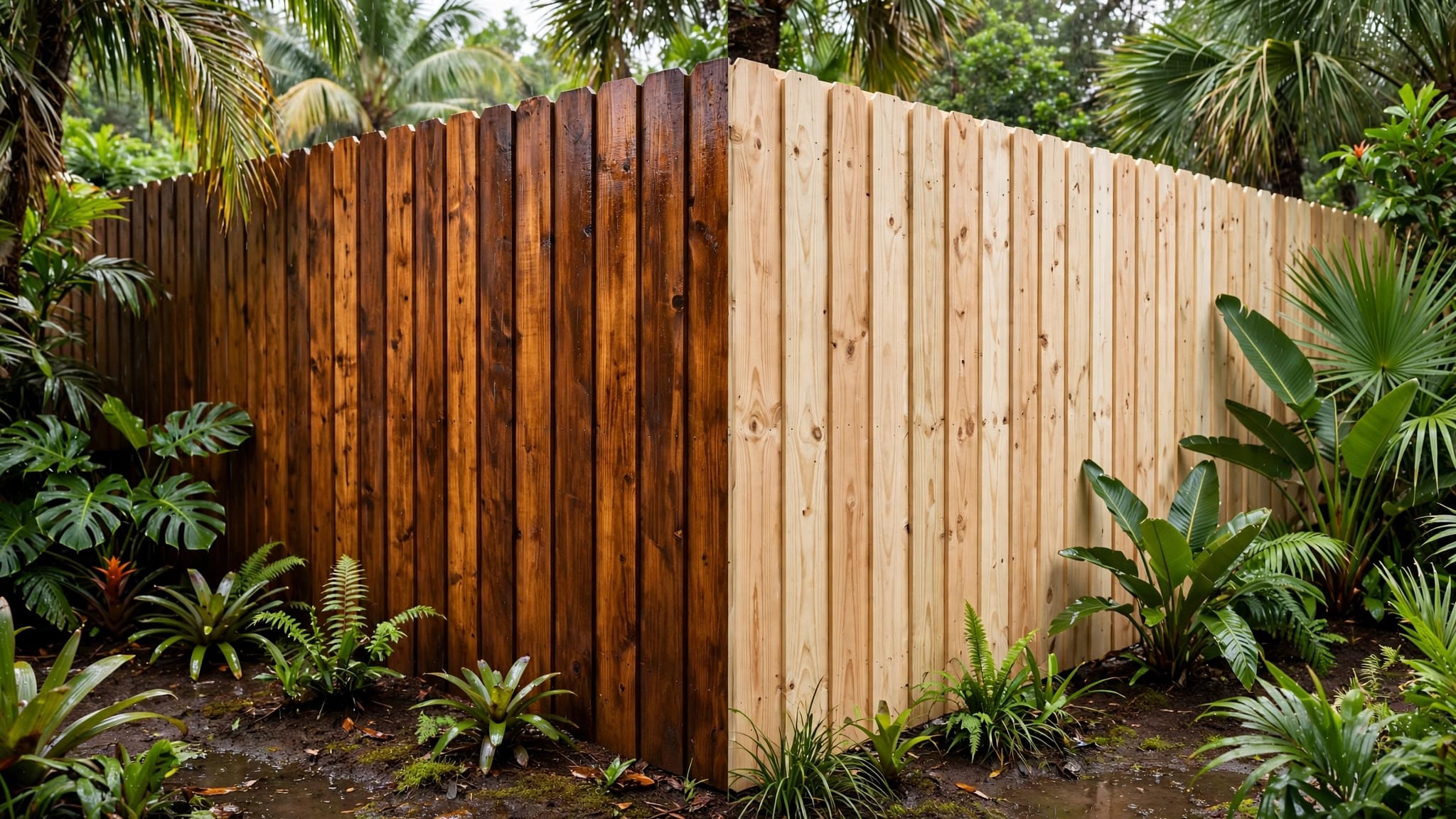
A few examples help make it clear. If you replace two warped boards on a wood fence, that is usually a repair. If you tear out 60 feet of old fencing and rebuild it with a new style, that starts to look like replacement. If you raise a six-foot fence to seven feet, that is no longer the same project.
The fence line matters too. Moving posts a foot or two can create a permit issue, even when the new fence looks similar. If the line shifts, you may also need to confirm where the property boundary sits. That is where property survey rules for fence installation can become part of the conversation.
Florida cities and counties do not all read the same rulebook
There is no single answer that fits every address in Florida. A city building office, a county office, and an HOA can each have their own rules.
That is why one neighbor may replace a fence section without trouble, while another gets told to file paperwork first. Both can be right in their own area.
Local offices often care about the same basic details, but they may ask for different documents. Some want a site sketch. Some want measurements. Some want a full permit packet. For readers who live in Sarasota County, local guidance like Sarasota County fence permit basics shows how specific those requirements can get.
The safest habit is to call the building department tied to your address before work begins. If you hire a contractor, ask who will pull the permit and what they need from you. A quick call can save you from ripping out fresh work later.
Storm damage can turn a patch job into a permit question
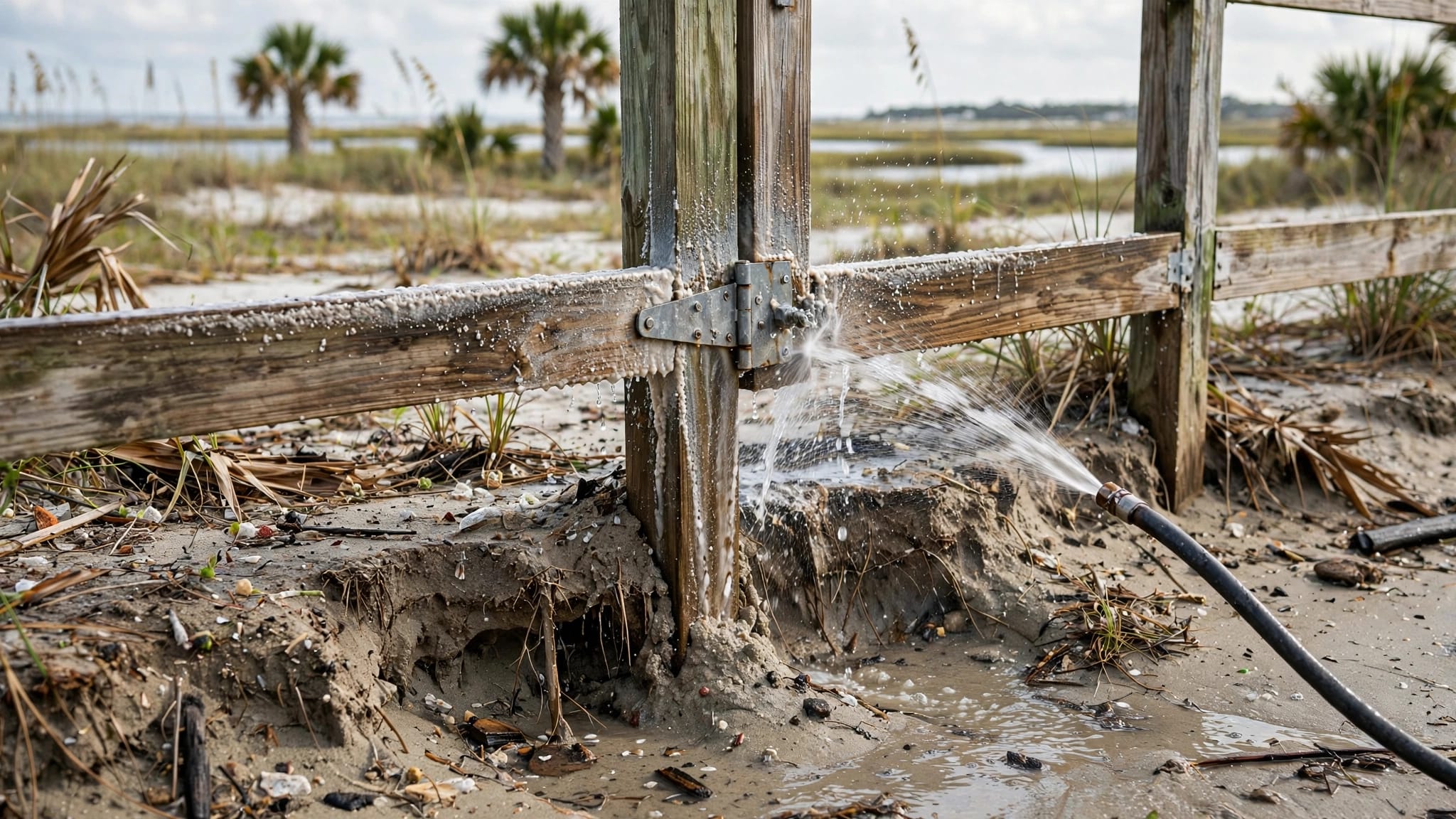
Florida weather can do a number on a fence. Strong wind, falling branches, or storm surge can break posts, twist panels, and leave whole stretches on the ground.
Small storm repairs often look the same as ordinary maintenance. Replacing a few slats or a damaged gate latch may stay simple. Once the damage spreads, the answer changes.
A rebuild after storm damage may need a permit when you are:
- Replacing a large part of the fence
- Installing new posts in a different way
- Raising or lowering the fence height
- Switching to a different material
- Moving the fence because the old line no longer works
The job can get tricky when the old fence is gone and only the property markers remain. In that case, measure first and build second. If the line is unclear, sort that out before new posts go in.
If the damage is heavy, ask whether the work is still a repair or now counts as replacement. That one question often decides the next step.
How to check before you start repairs
A few small steps can prevent a permit headache.
- Measure the part you plan to fix. Note the length, height, and material.
- Compare the repair to the old fence. Ask whether the job changes the look, line, or size.
- Call the local building department. Give them the address and a plain description of the work.
- Take photos before you remove anything. Pictures help explain what was damaged.
- Ask your contractor how permits are handled. Many handle the paperwork for you.
If the office says no permit is needed, ask whether they want a sketch, photos, or written notes anyway. Some places like a paper trail even for small repairs.
The same rule helps with bigger decisions. If you are only fixing a few parts, the process stays simple. If you are rebuilding a lot of the fence, start with the permit question first, not after the materials are ordered.
Conclusion
A fence repair can look small and still cross into permit territory. In Florida, the big triggers are usually the same, a change in height, location, material, or the amount of fence being rebuilt.
That is why local confirmation matters more than guesswork. A quick call to the right building department can tell you whether your project is a simple repair or a permit job before the first post comes out.
When a fence needs more than a patch, the safest move is to check first and build once.