Cape Coral Fence Post Depth Guide for 2026, How Deep Posts Should Go in Sandy Soil (Vinyl, Wood, Aluminum)
A fence can look perfect on day one, then start leaning after the first big summer storm. In Cape Coral, that usually comes down to post depth and how well the hole is built for sandy soil.
This guide breaks down practical, contractor-accurate depth ranges for vinyl, wood, and aluminum fences in 2026. You will also get storm and gate reinforcement tips, groundwater and drainage notes, and the permit links you should check before you dig.
Why Cape Coral sandy soil makes post depth non-negotiable
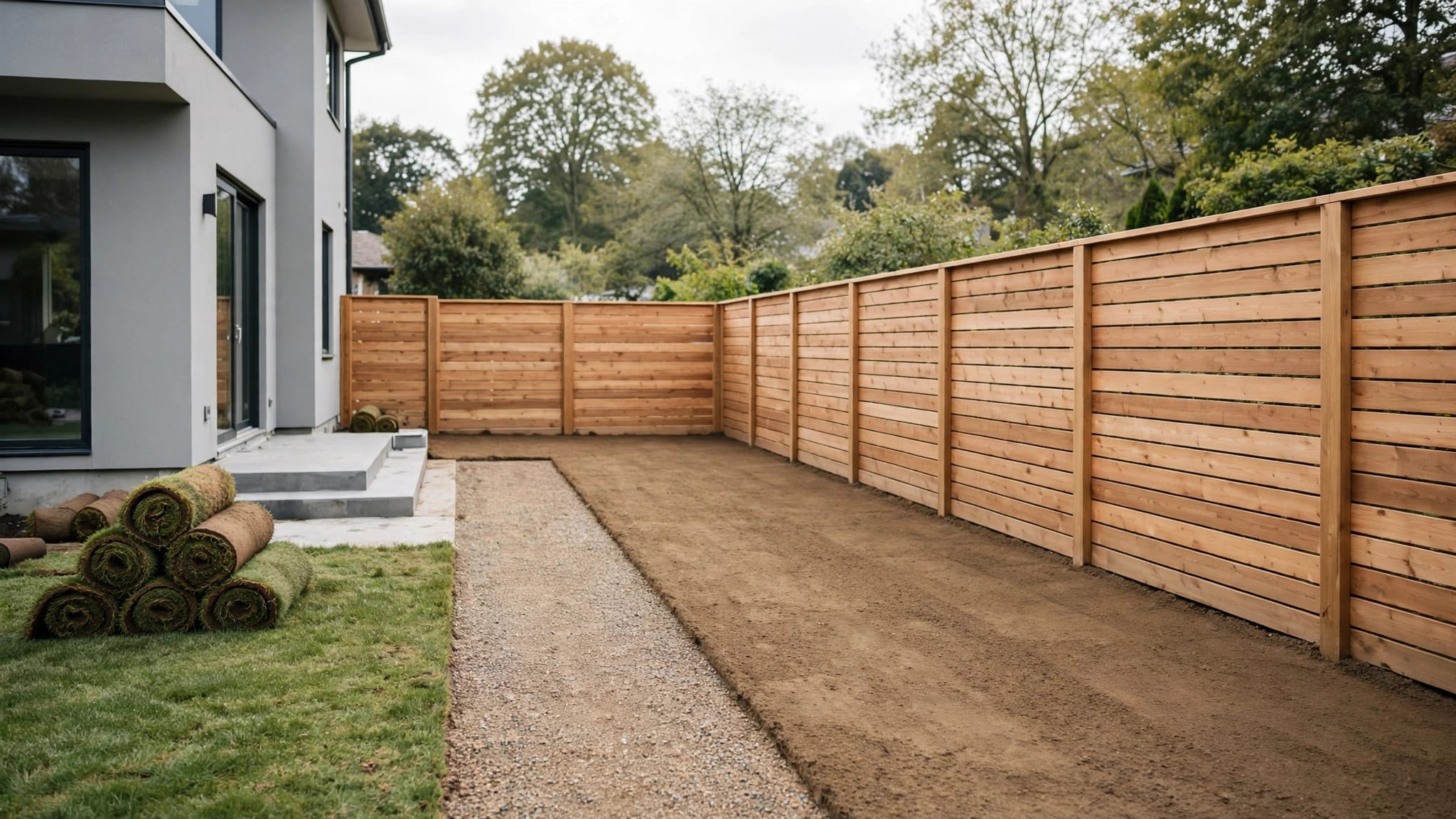
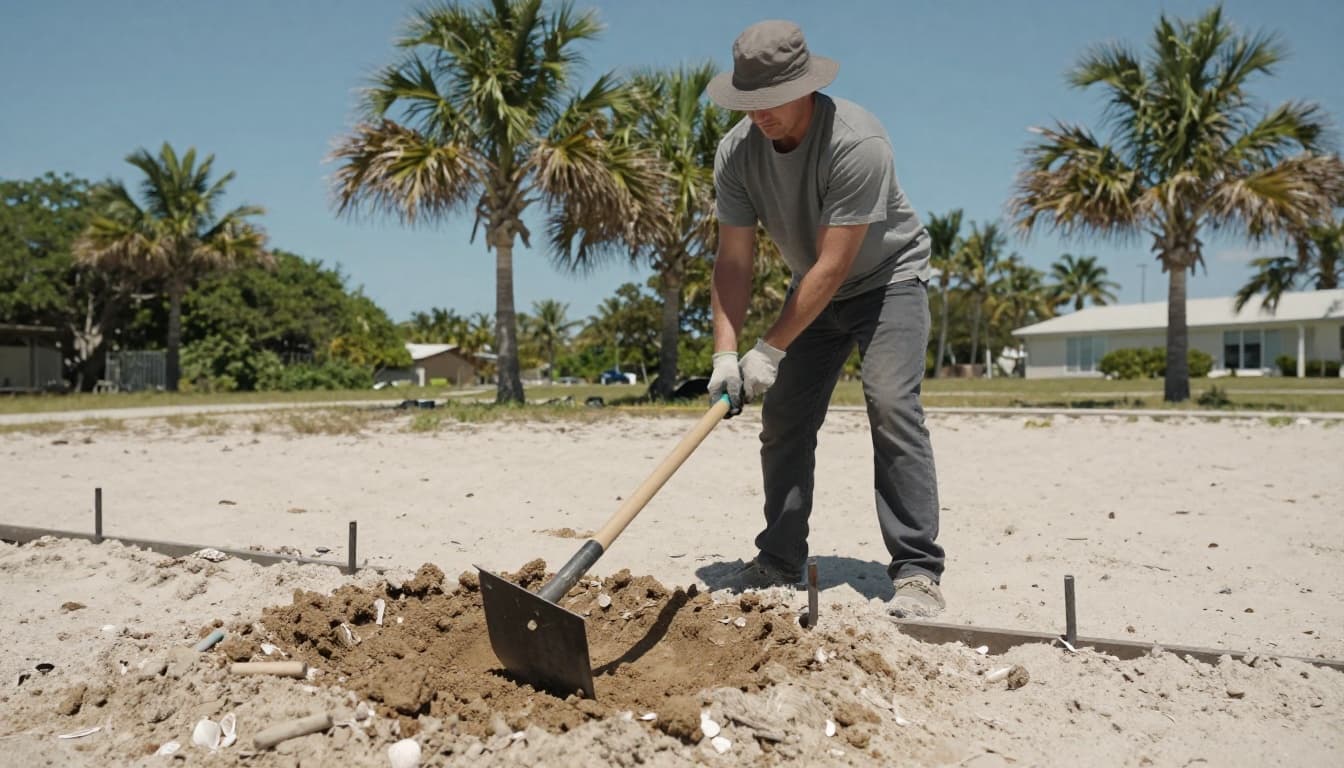 Digging in Cape Coral sand often looks easy, until the sides cave and groundwater shows up. Created with AI.
Cape Coral soil often behaves like a bucket of dry sugar. It drains fast, but it also doesn't "grab" a post the way clay does. As a result, shallow posts can wobble, settle, or lean even when the fence panels look solid.
Wind makes the problem worse. A long fence run acts like a sail, especially solid privacy styles. Add open exposure near canals, intersections, or wide streets, and the posts take repeated side loads. That is why many local installs go deeper than what DIY rules of thumb suggest.
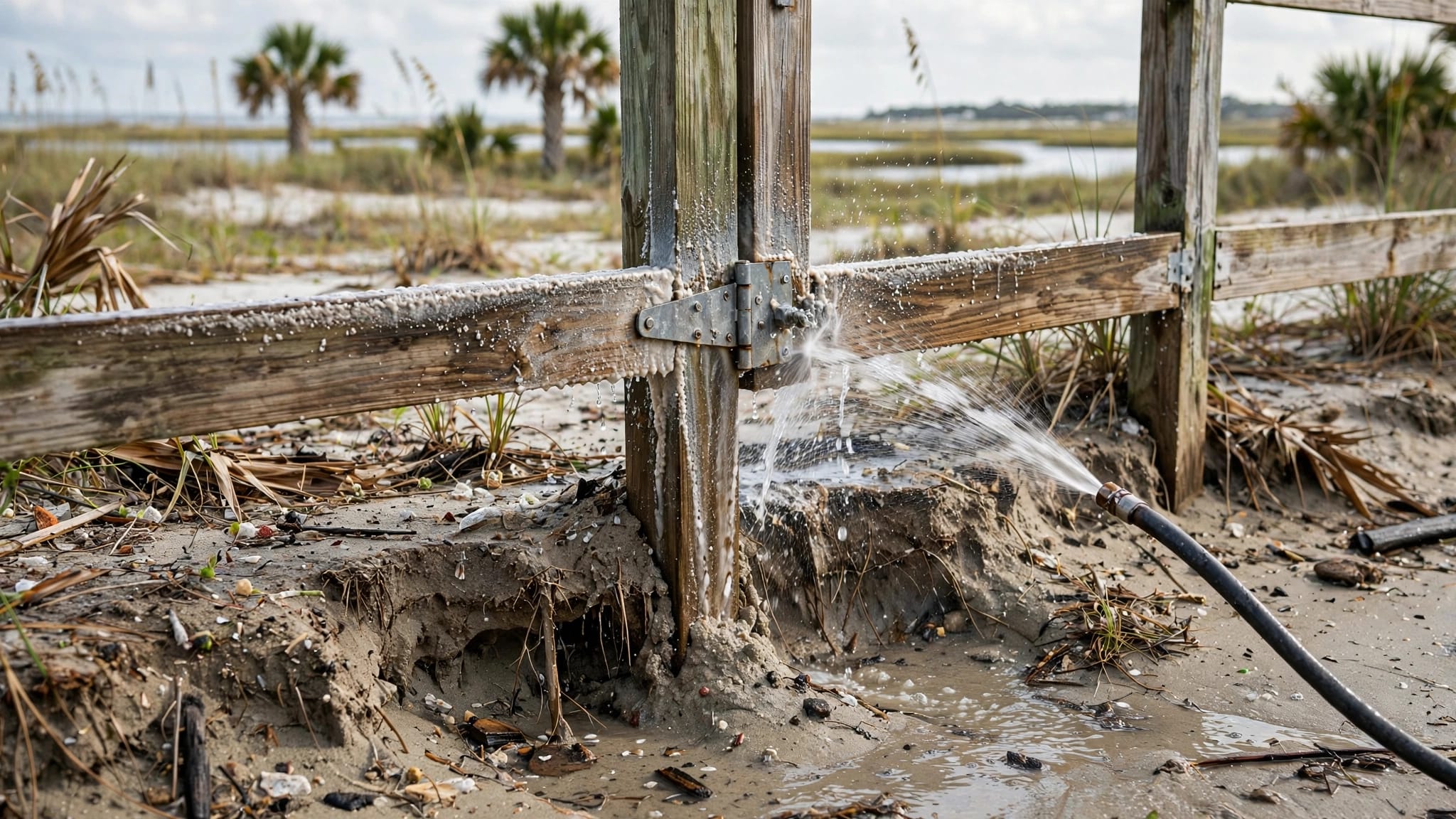
Groundwater also changes the game. In some yards, you will hit water not far below grade, especially in wetter months. If you pour concrete into a hole that is already wet and unstable, the post can drift out of plumb while the mix cures. On top of that, saturated sand can slump around the footing and reduce hold.
Before you start, handle two safety basics:
- Call 811 a few business days before digging so utilities can be marked.
- Confirm property lines and easements before setting a single post (a great-looking fence in the wrong spot is still wrong).
A good post set is like a strong tree root, most of the strength is below ground, even if you never see it.
2026 recommended post depths in Cape Coral (line posts, corners, and gates)
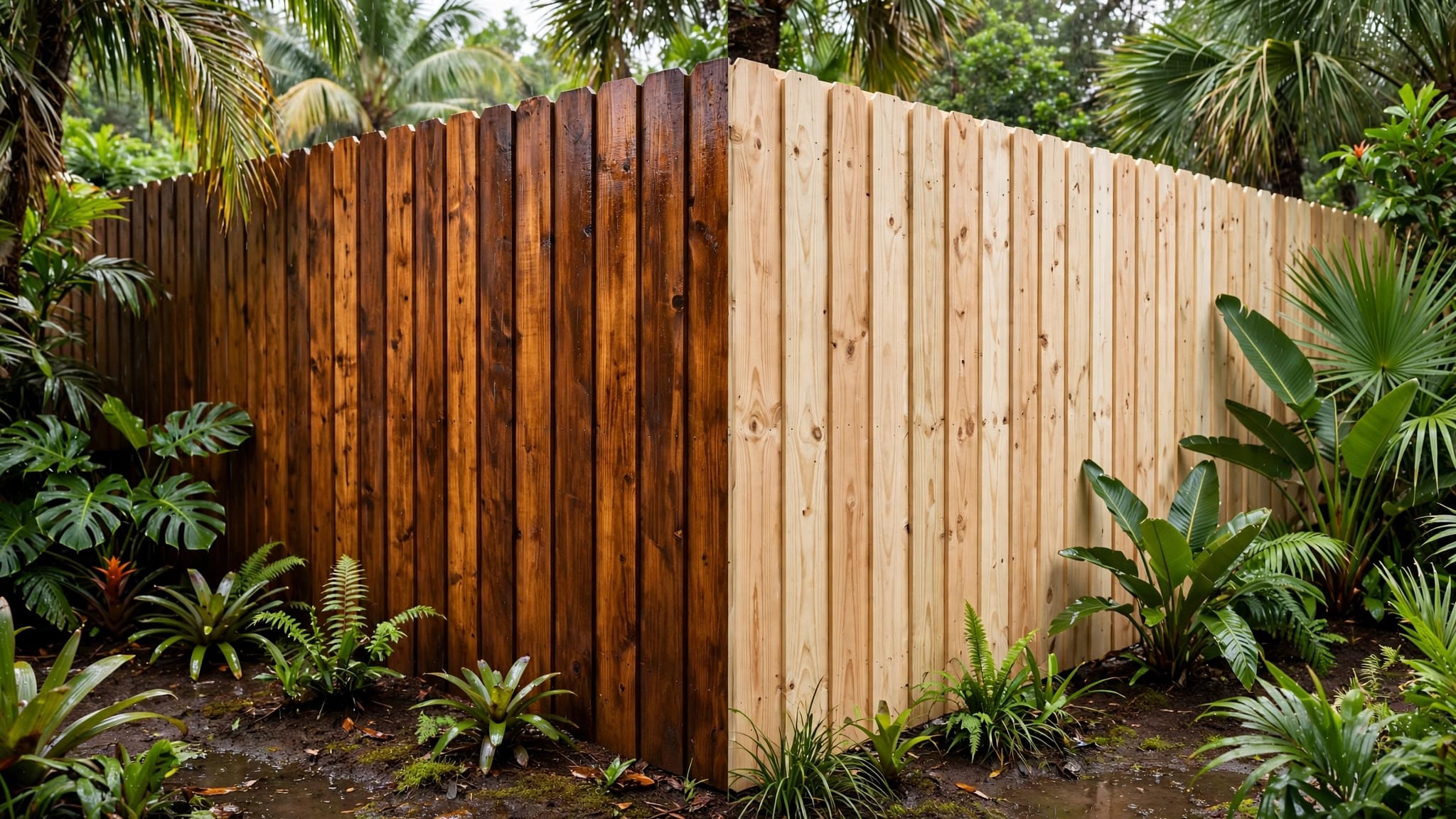
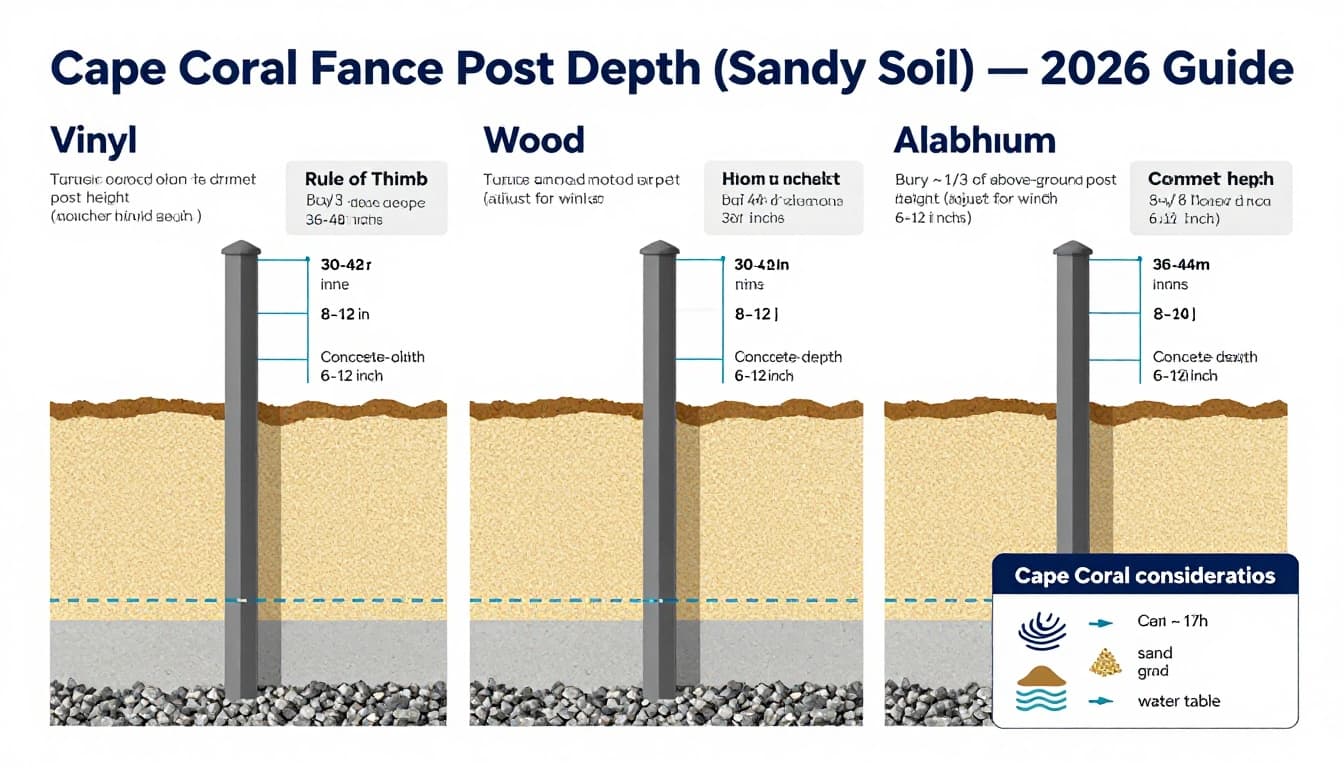 Quick visual guide to common depth and hole size ranges for sandy soil installs. Created with AI.
For most residential fences in Cape Coral, a common baseline is at least 36 inches of total hole depth in sandy soil, with many contractors pushing to 42 to 48 inches for better wind resistance, especially on 6-foot privacy fences and long runs. Local guidance and inspections focus more on safe construction and permits than on a single universal depth number, so your site conditions and fence layout matter.
Here is a practical starting point for cape coral fence post depth planning (always adjust for gates, corners, wind exposure, and soil collapse):
| Fence situation (typical residential) | Total hole depth | Post embedment target | Hole diameter | Concrete notes (common practice) |
|---|---|---|---|---|
| 4-foot fence, line posts | 36-42 in | 30-36 in | 8-10 in | Gravel base helps drainage, concrete optional by design |
| 6-foot fence, line posts | 42-48 in | 36-42 in | 10-12 in | Concrete collar or footing often used for stability |
| Corner/end posts (any material) | 42-54 in | 36-48 in | 10-14 in | More mass resists racking and pull |
| Gate posts (walk gate) | 48-54 in | 42-48 in | 12-16 in | Deeper and wider helps stop sag over time |
| Gate posts (drive gate) | 54-60 in (site-dependent) | 48+ in | 14-18 in | Frequently needs engineered hardware or deeper footings |
| Canal-front or very open exposure | 42-54 in | 36-48 in | 10-14 in | Prioritize depth plus bracing and smart panel layout |
Permits and placement rules can affect your plan set and inspections. Start with the City's published documents, including the Cape Coral residential fence permit guidelines (PDF) and the Cape Coral Land Development Ordinance. If you are in unincorporated areas of Lee County, this Lee County residential fence permitting guide (PDF) is also worth skimming before you buy materials.
Material-specific notes and build details that add storm strength
Depth gets most of the attention, but sandy-soil performance comes from the whole "below grade system", the hole shape, the base, drainage, and reinforcement at stress points.
If you are still deciding materials, talk with local installers for each style, including vinyl fence installers Cape Coral, an expert wood fence services team, or a rust-resistant aluminum fencing crew.
Vinyl (privacy panels create higher wind load)
Vinyl privacy fences look clean, but they catch wind. That means line posts need solid embedment, and corner posts and gate posts need extra attention . Many vinyl systems also rely on post stiffness plus proper concrete work to keep panels aligned.
If you want privacy, it helps to understand how wind and layout choices affect the install. This overview of a vinyl privacy fence Cape Coral is a good starting point for style expectations.
Wood (strong posts, but protect against moisture)
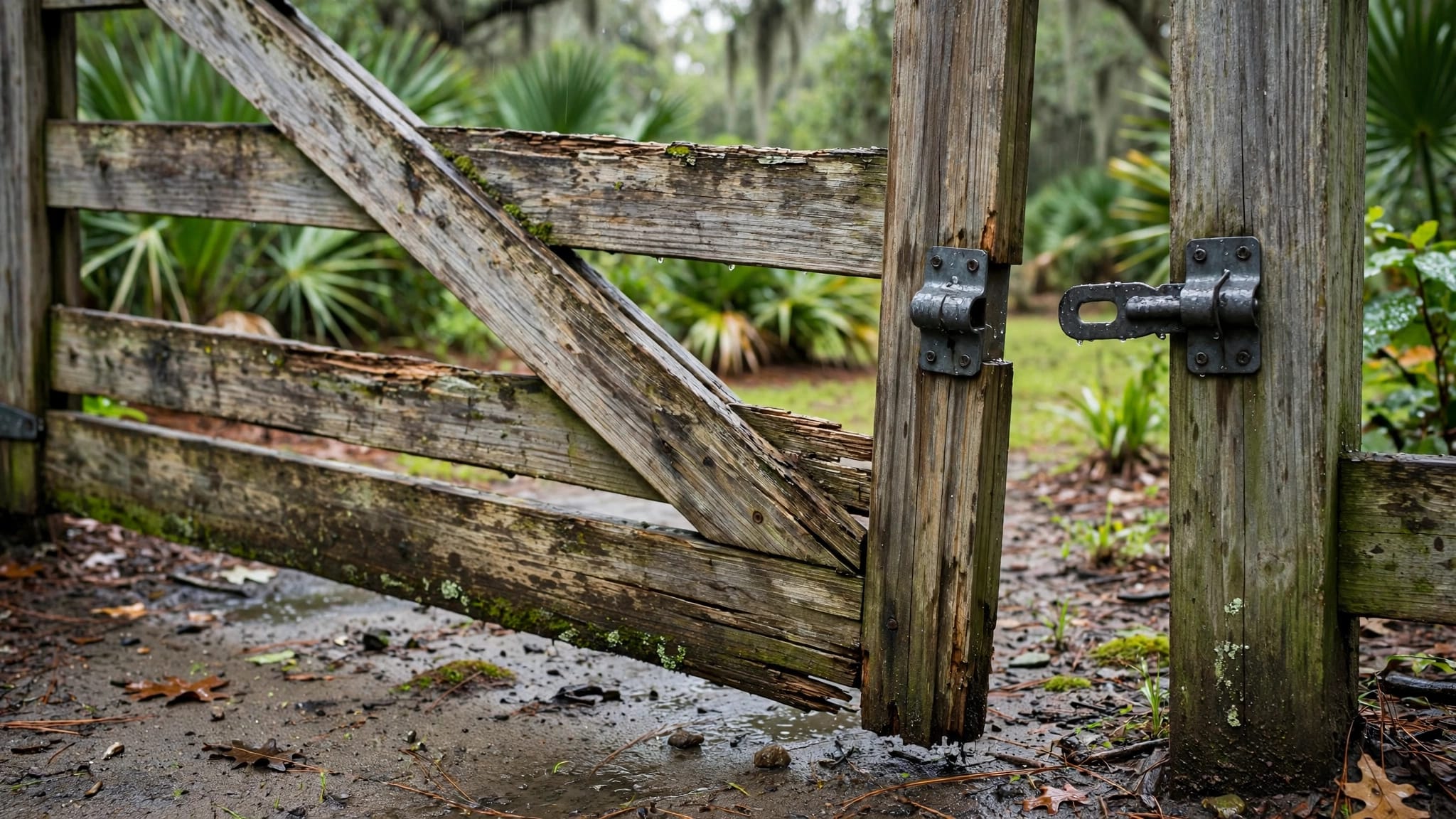
Wood fences can be very sturdy, but SWFL moisture and wet sand can shorten the life of the post base if you trap water. A gravel base at the bottom of the hole can help drainage. Also, keep grade sloped away from posts so water does not pond at the collar.
Aluminum (lighter panels, still needs solid footings)
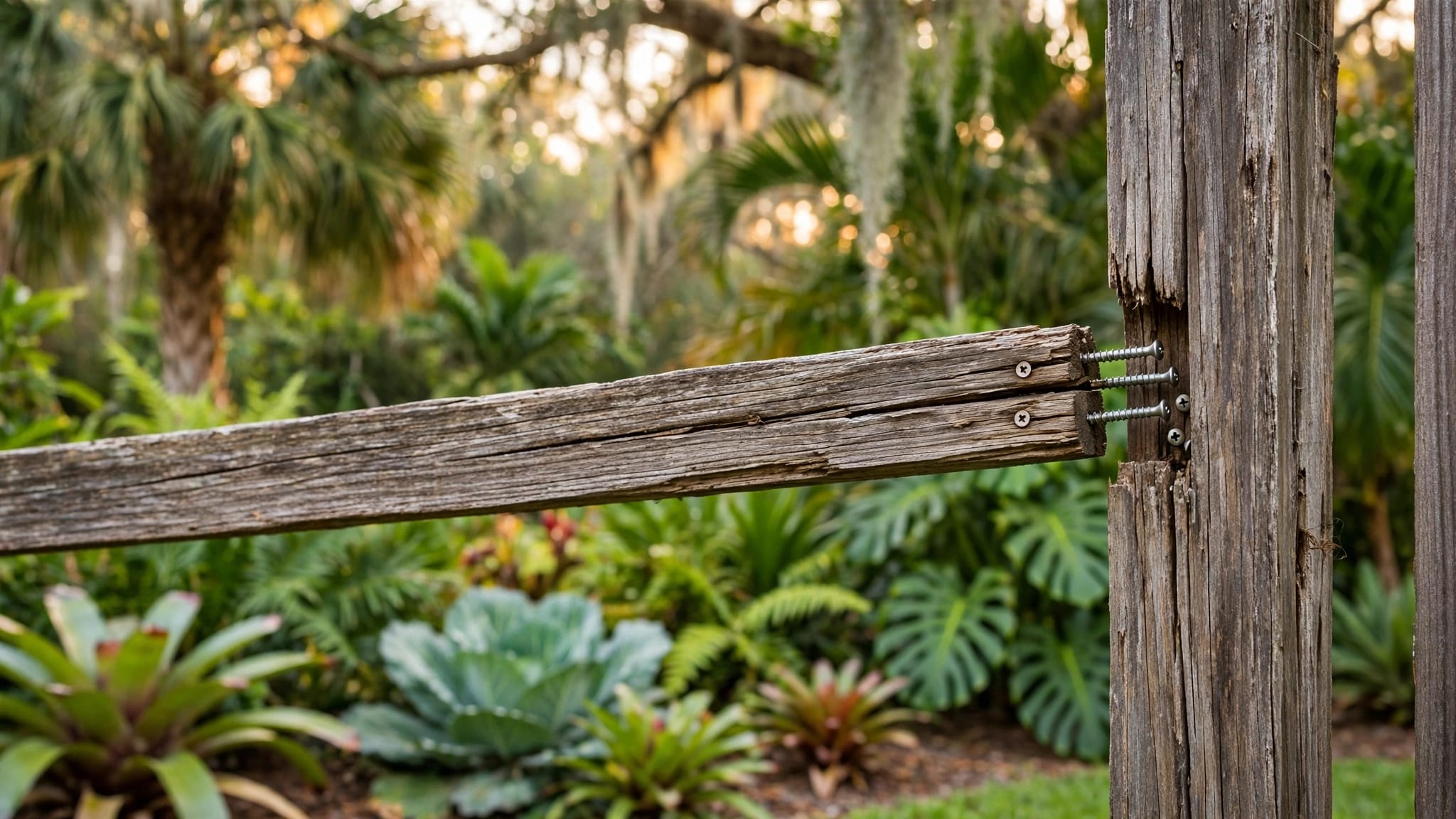
Aluminum does not rot, and it usually "spills" wind better than solid privacy panels. Still, the posts can lean if the footing is too shallow or narrow in sand. Gates are the common failure point, so set those posts deeper and wider than line posts.
Drainage and high groundwater tips (quick and practical)
Wet holes happen. When they do, slow down and build the base right.
- Add 4 to 6 inches of compacted gravel at the bottom when groundwater is a concern.
- Avoid over-watering your concrete mix, weak concrete is not your friend.
- Brace posts until the concrete cures, because sandy sidewalls can shift.
Summary checklist (before you pour anything)
- Utility marks completed via 811, plus a plan for irrigation lines.
- Permit path confirmed for your address and scope.
- Depth plan set (line vs corner vs gate posts).
- Hole size matched to load, with wider holes for gates and corners.
- Gravel base ready if water or loose sand shows up.
- Bracing on hand to hold posts plumb while curing.
- Reinforced corners and gates planned (extra depth, hardware, and alignment).
When to call a pro in Cape Coral
Some fence jobs look simple until you hit the first complication. Bring in a contractor when:
- Your fence includes large drive gates or heavy gate frames.
- The yard is canal-front or very open to wind.
- You keep hitting water-filled holes that will not stabilize.
- The layout crosses easements, drainage features, or tight setbacks.
- You need help aligning long runs so the fence does not "snake" over time.
Conclusion
A fence that stays straight through Cape Coral storms starts with enough depth , a stable base, and extra reinforcement where forces concentrate. Aim for at least 36 inches in sandy soil, then push deeper for 6-foot privacy, corners, and gates. If your yard has high groundwater or wide-open wind exposure, build the hole like it matters, because it does. When in doubt, get an experienced installer to confirm the plan before you dig.