Cape Coral Fence Wind Rating Guide for 2026, Posts, Bracing, and Panel Styles That Hold Up Better
In Cape Coral, a fence isn’t just a boundary. In hurricane season, it’s a big outdoor “sail” that can tug at posts, rack a gate, and turn one weak connection into a domino line.
That’s why the Cape Coral fence wind rating conversation matters in 2026. Not because you need a fence that “survives X mph,” but because you need a fence that’s designed for the right wind pressures at your specific property, with paperwork to match.
This guide breaks down what “wind rated” should mean, which post and bracing details usually perform better, and which panel styles tend to fail less often in Southwest Florida. Always confirm requirements with Cape Coral permitting and Lee County, and use a licensed engineer when wind loads, exposure, height, or site conditions call for it.
What a Cape Coral fence wind rating really means in 2026 (and what paperwork proves it)
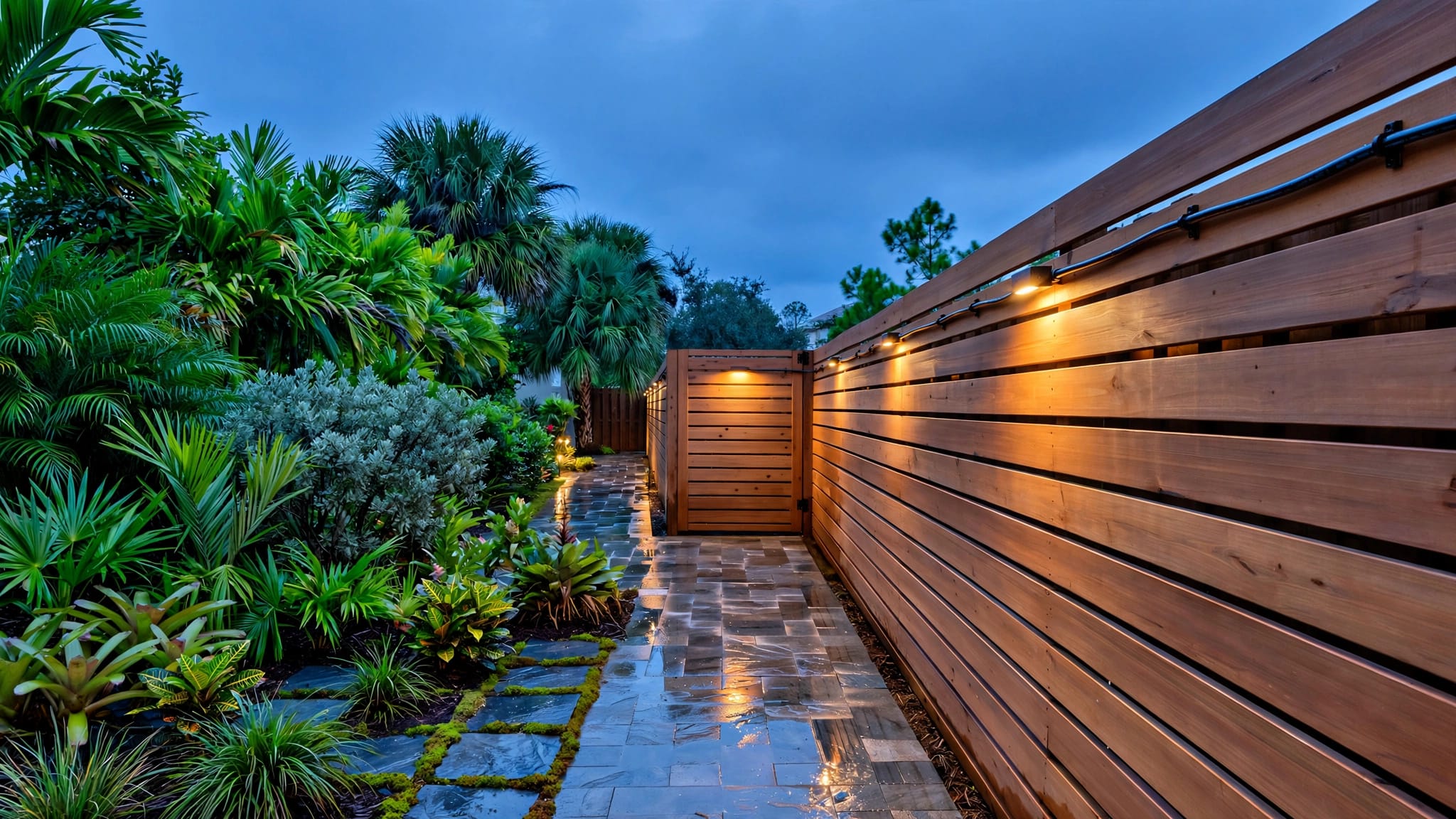
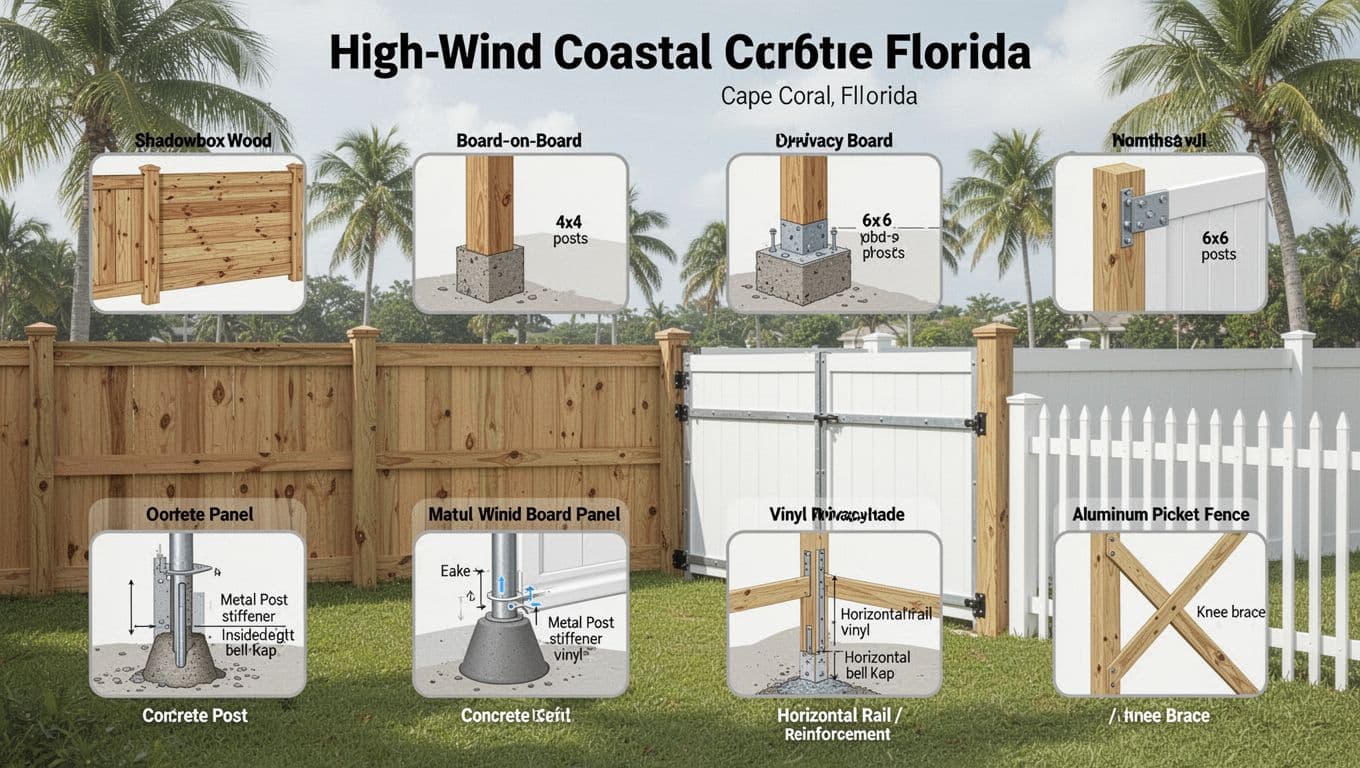 Fence panel styles and reinforcement details commonly used for higher-wind installs (created with AI).
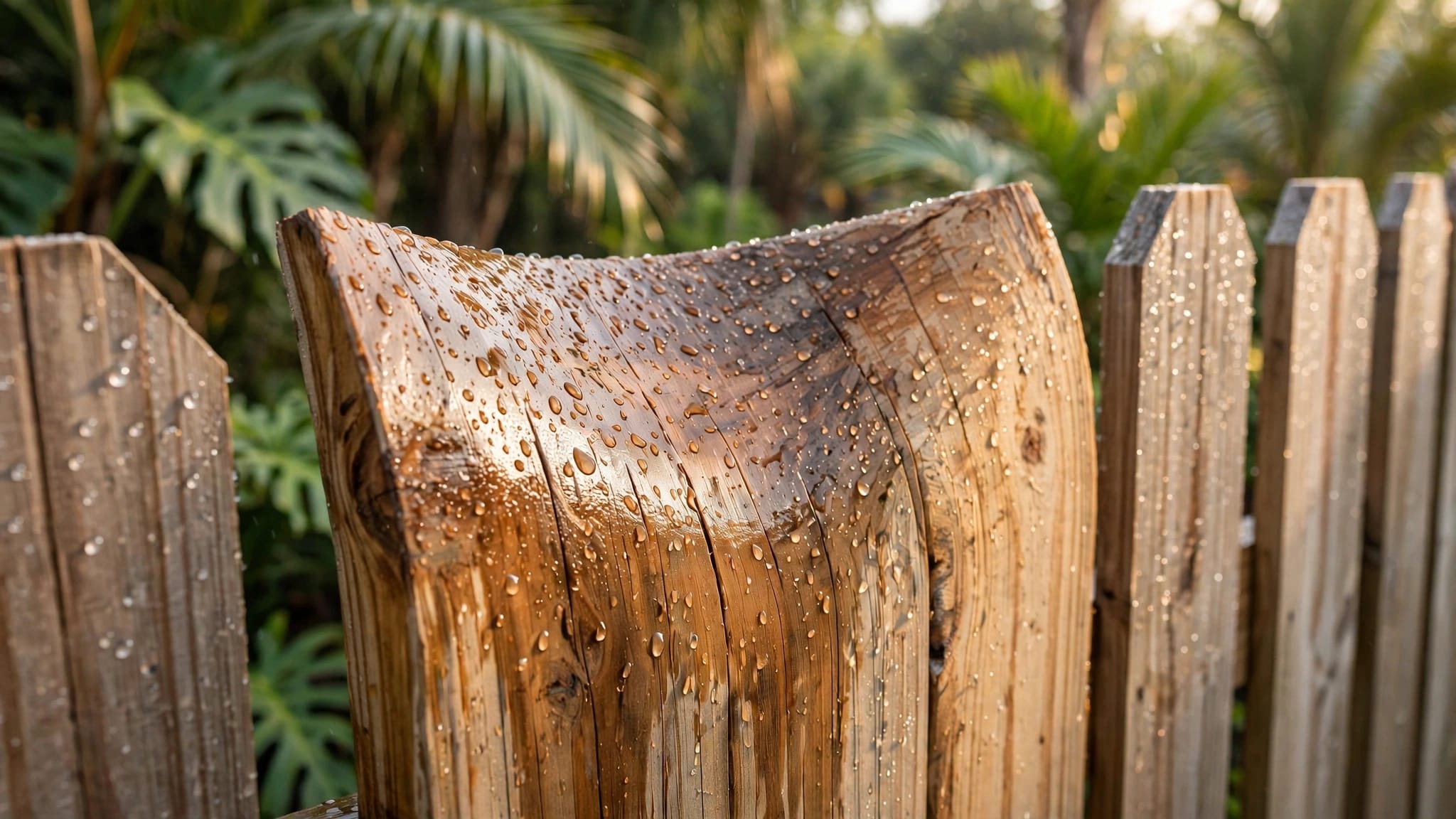
A “wind rating” for fencing is best understood as design pressure (often expressed in psf), not a marketing number. Design pressure depends on your wind speed zone, exposure (open areas and waterfront are harsher), fence height, how solid the fence is, and even the length of uninterrupted runs.
For homeowners, the practical takeaway is simple: the strongest fence isn’t always the thickest panel, it’s the fence with the right engineered layout (post size, embedment, spacing, bracing, and hardware) for your site. A solid 6-foot privacy fence takes much more wind load than an open picket style because it blocks airflow. Open designs can “breathe,” which reduces load on posts and rails.
Documentation matters more than slogans. When a permit is required, reviewers may look for items like a site plan, fence height and location, and supporting details for wind loads. Start with Lee County’s official permitting checklist, the Residential Fence or Wall Application and Permitting Guide (PDF). For Cape Coral zoning and placement rules (setbacks, frontage limits, corner visibility), the Cape Coral Land Development Code viewer is a solid reference point.
Codes and adopted standards can change over time, so if you’re trying to understand the bigger picture of Florida code cycles, a plain-English explainer like Florida Building Code requirements (2026 update) can help you know what to ask about, even though your permit reviewer is the final word for your address.
Posts and footings: the hidden choices that decide whether a fence stays put
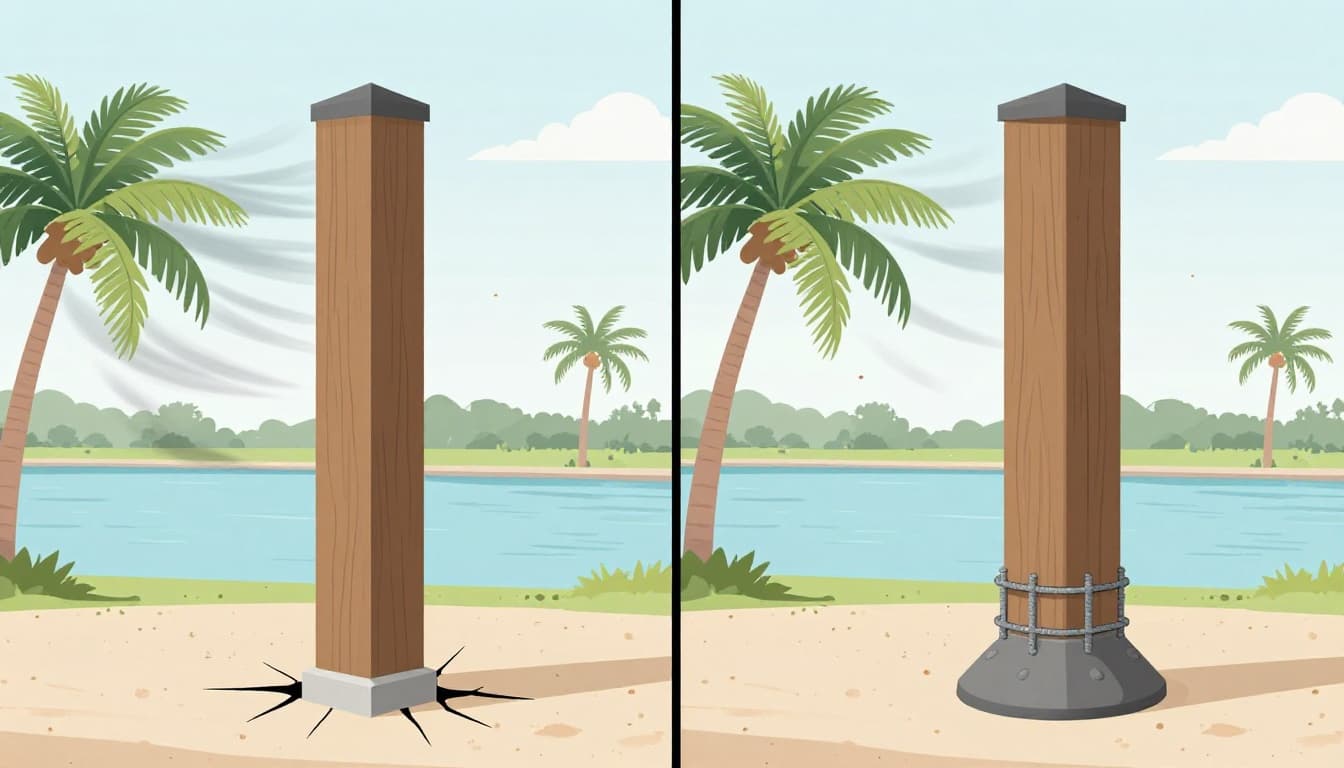 Side-by-side look at shallow versus deeper reinforced post footings (created with AI).
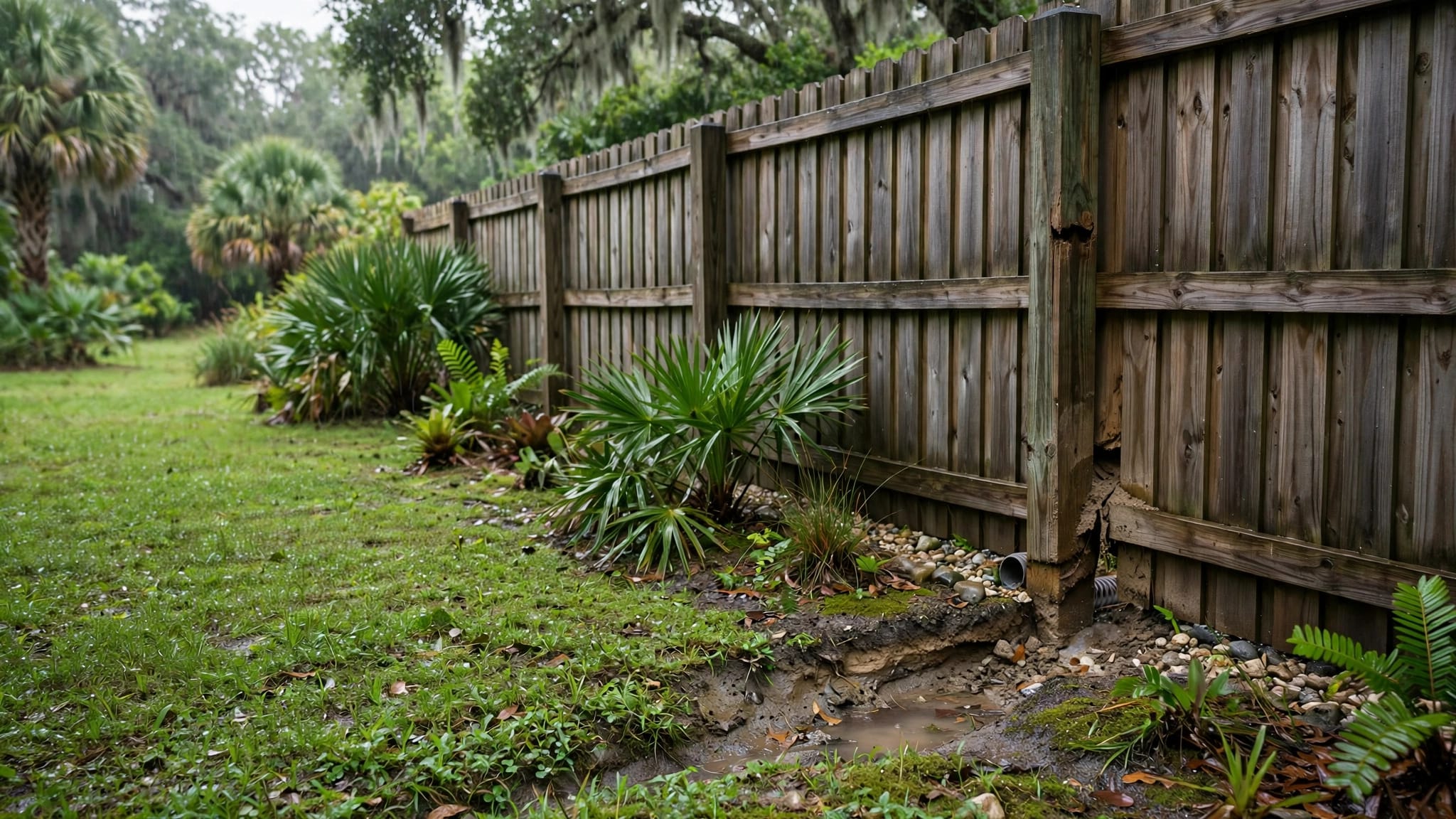
If you’ve ever seen a fence “hinge” in a storm, it usually starts at the post. In Cape Coral, sandy soils and high water tables can make shallow footings and small posts a bad bet, especially near canals where gusts hit harder.
For many residential fences, the upgrade path looks like this:
- Bigger posts where loads concentrate : Corners, ends, and gate posts carry more stress than line posts. Upsizing those posts (and their footings) is often where extra money actually buys extra performance.
- Deeper, better-shaped concrete : A bell-shaped or wider-bottom footing can resist pull-out better than a straight shaft in loose soil. Depth and diameter should be based on your fence type and site conditions, and sometimes an engineer’s detail.
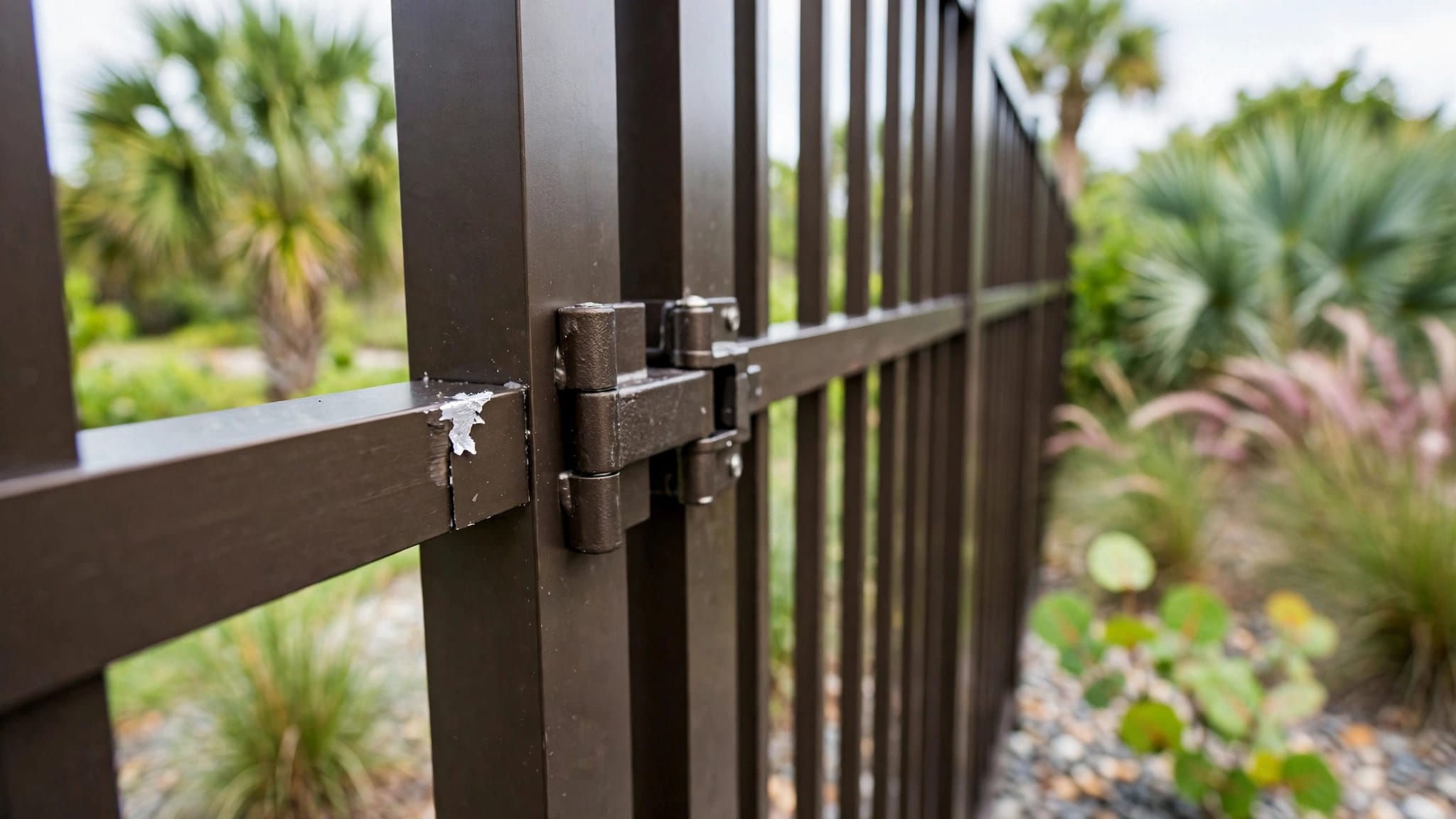
- Corrosion-resistant connectors : Salt air is quiet but relentless. Use hardware appropriate for coastal exposure (and avoid mixing metals that can speed up corrosion).
- Post stiffness inside “soft” systems : Vinyl fences can benefit from internal metal stiffeners in posts and sometimes rails, because the shell alone can flex under pressure.
Wood can still be a good option here, but it needs the right structure behind the look. If you’re comparing layouts for a privacy fence or shadowbox, see what a local team considers “standard build” versus “wind-conscious build” on a page like this wood fence installer in Cape Coral, then verify the details against permitting requirements for your property.
Bracing, rails, and panel styles that usually do better in Cape Coral wind
Wind doesn’t just push forward, it twists. That’s why bracing and connections often matter as much as the panel material.
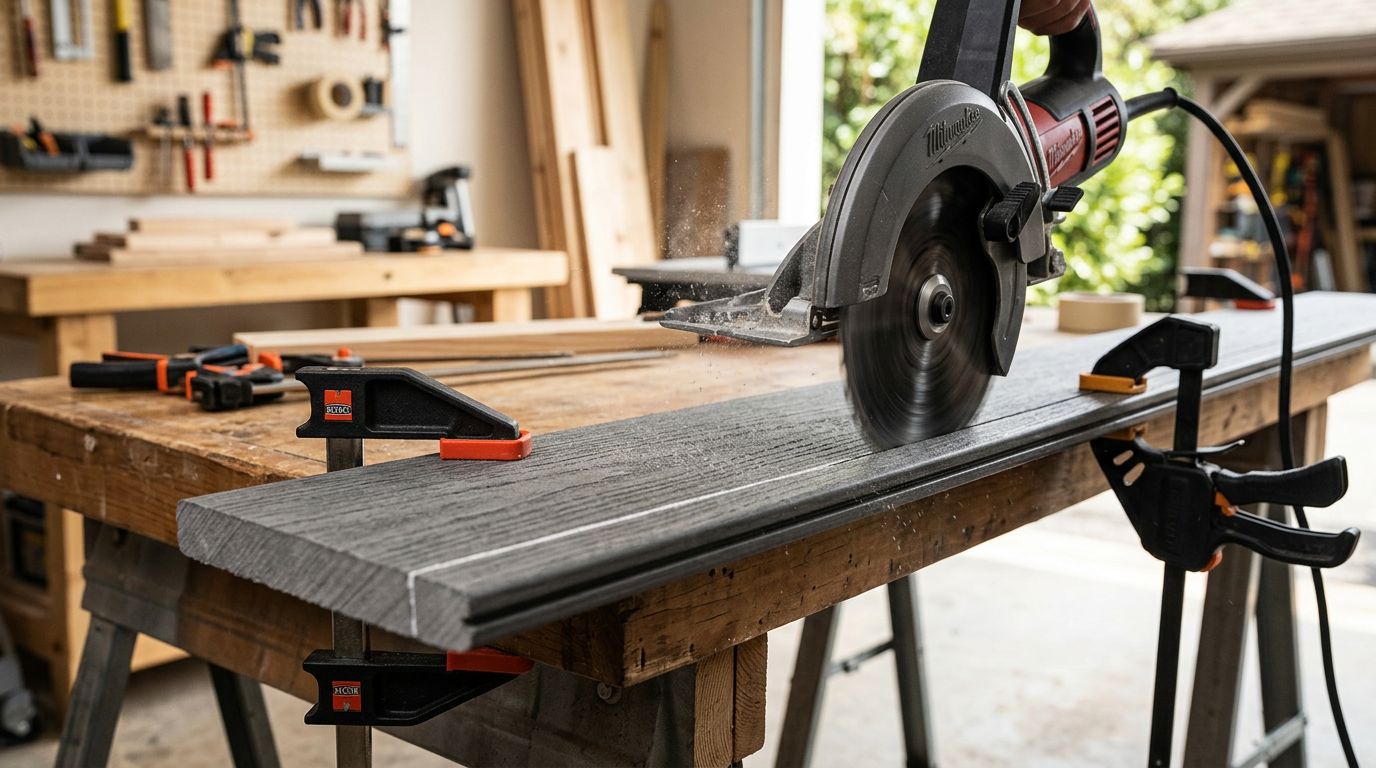
Bracing that helps in real storms often includes diagonal bracing at corners and end posts, stronger gate framing, and added reinforcement on long runs so the fence doesn’t “rack” like a loose bookshelf. On privacy fences, keeping rails well-fastened and properly supported reduces the chance of panels loosening and popping.
Panel style choices also change how wind hits your yard:
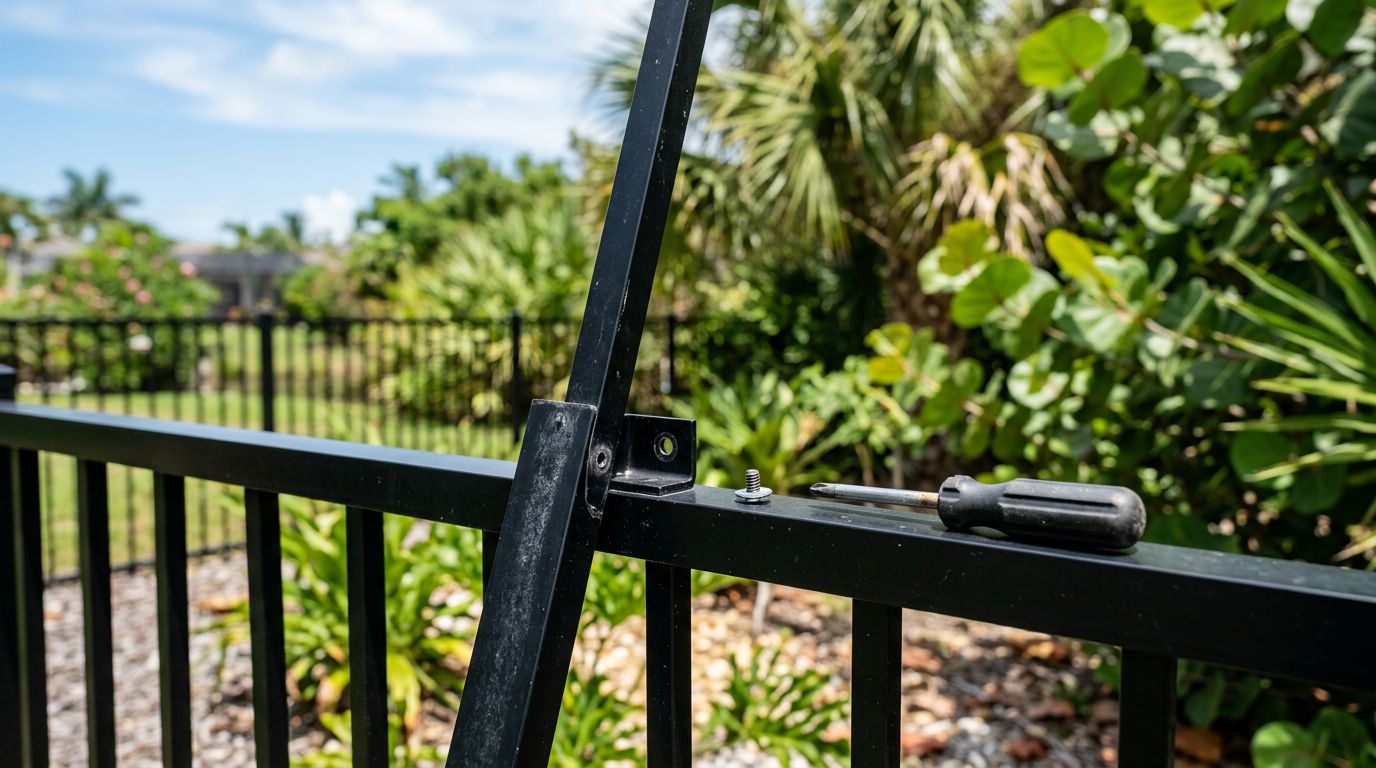
- Aluminum picket : Open airflow, strong rails, and good corrosion resistance make this a consistent performer in coastal Florida. For examples and basics, this aluminum fence installer Cape Coral page shows why many homeowners choose it for wind and salt exposure.
- Vinyl privacy with reinforcement : Great for low maintenance and privacy, but it’s not magic. Look for reinforced posts (and sometimes rails) and avoid extra-long uninterrupted spans.
- Shadowbox wood : Alternating boards let more air pass than a solid wall, which can reduce peak loading compared to full privacy styles.
- Board-on-board : Strong privacy, heavier wind load. It can work, but the post and rail package needs to match the “sail” you’re building.
Chain link is also naturally wind-friendly because it passes air. If you’re weighing airflow versus privacy, the local pros and cons in benefits of chain link fencing in Cape Coral are worth a quick read.
Here are practical configurations that often make sense locally (final design should match your permit and site conditions):
| Common Cape Coral scenario | What tends to hold up better | What to watch out for |
|---|---|---|
| 6-foot backyard privacy | Reinforced vinyl or well-framed wood with stronger corner and gate posts | Long solid runs without bracing act like a sail |
| 4-foot front-style picket | Aluminum picket or spaced wood picket | Weak gate posts cause sag fast |
| Long runs (100 feet plus) | Breaks in the run, stronger terminals, tighter post spacing as designed | One failure can cascade down the line |
| Corner lots | Lower, more open styles near sight lines, strong corners | Zoning and visibility rules can limit height/placement |
| Canal-front or salt exposure | Aluminum, stainless or approved coated fasteners, careful hardware selection | Corrosion and softer soils increase risk |
Common failure points, the right questions to ask, and a quick checklist
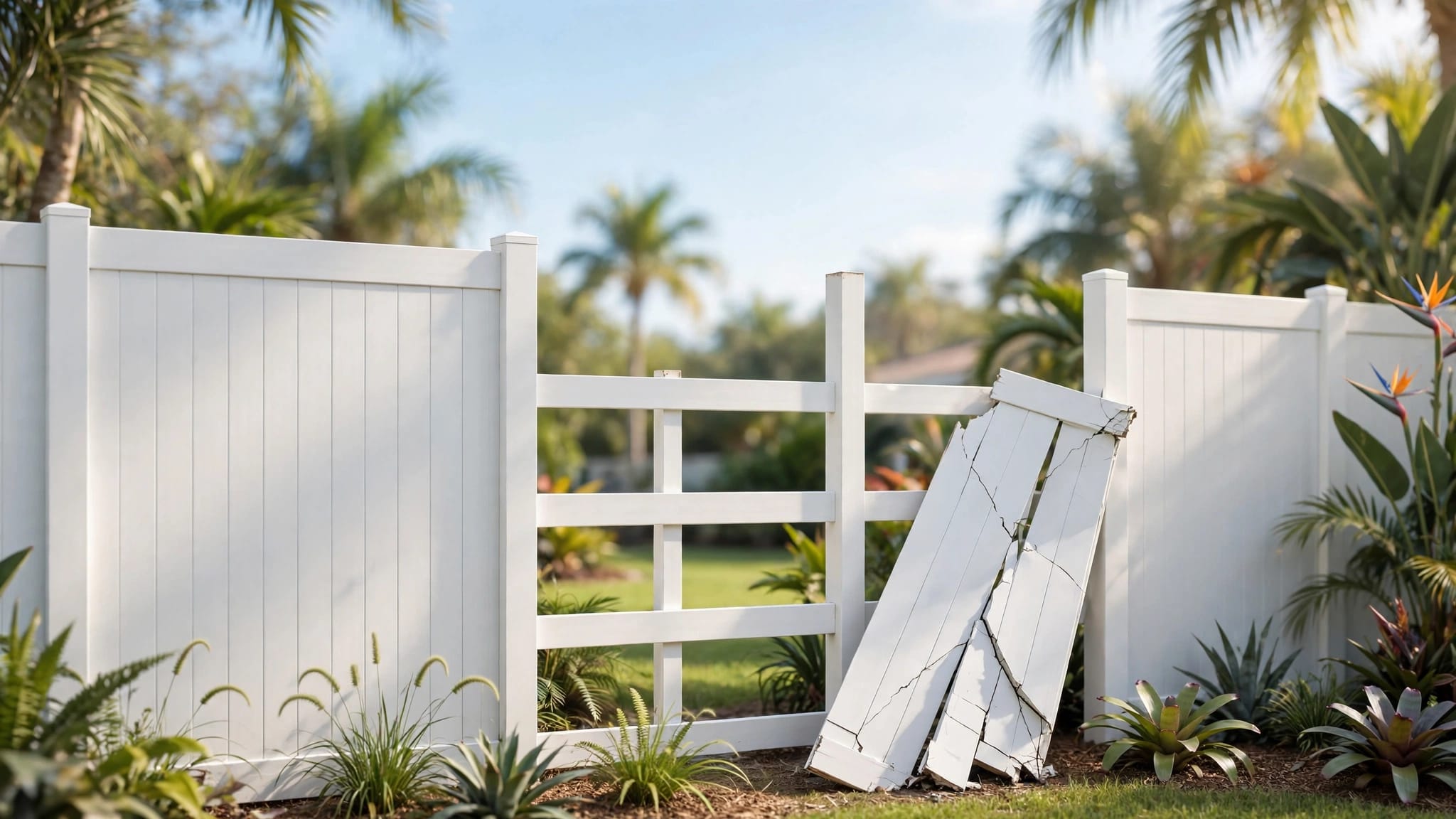
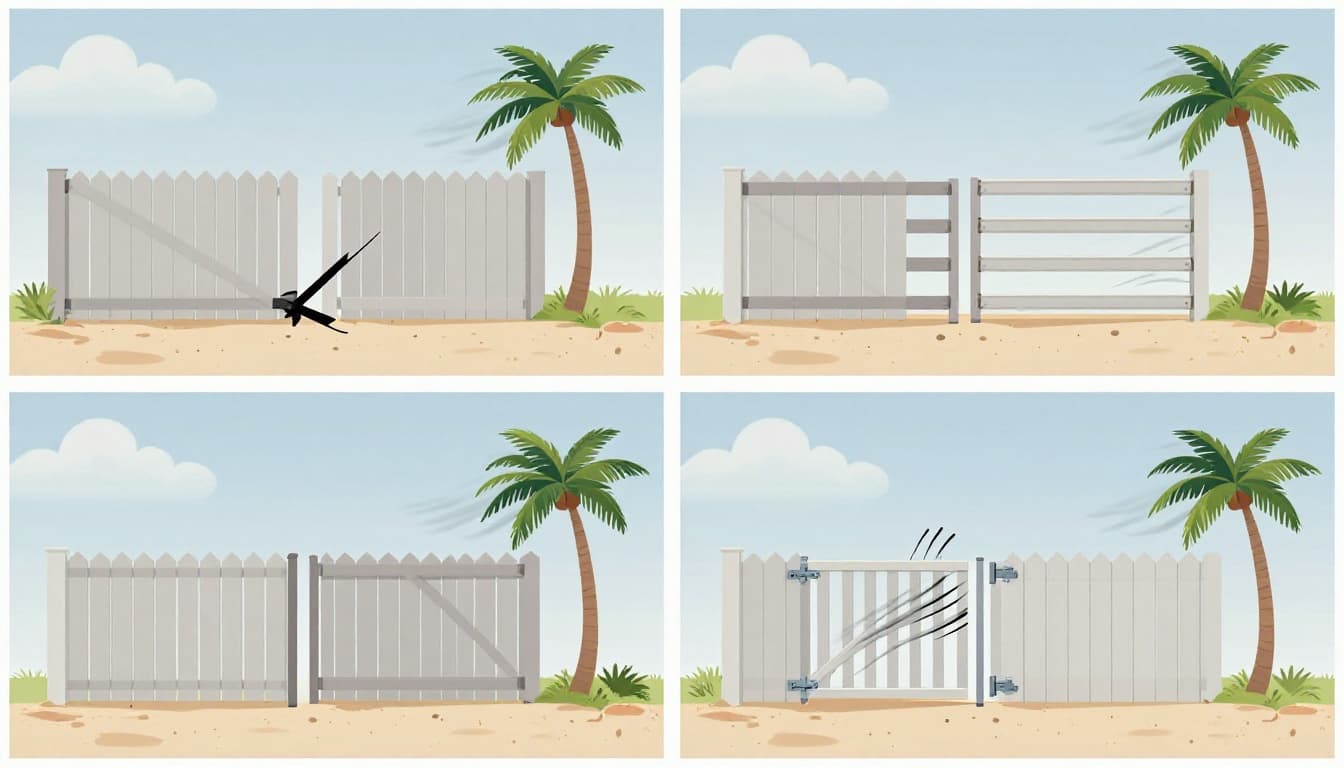 Typical storm failure points and the reinforcement choices that reduce risk (created with AI).
Most storm-damaged fences don’t “wear out,” they let go at a weak point. The usual culprits in Cape Coral are post snap at grade (often tied to shallow footings or rot), rail pull-out (weak fasteners or poor rail attachment), hinge and gate sag (undersized posts or light-duty hinges), and panel blowout (solid panels taking too much pressure for the frame behind them).
Before you sign a contract or buy materials, ask questions that force clear, job-specific answers:
- Will this require a permit for my address and scope? If yes, who’s pulling it, and whose name is on it?
- What design pressure basis are you using for my exposure? Canal-front and wide-open lots can be different than interior blocks.
- What are the post sizes at corners, ends, and gates? Don’t accept “all the same” without a reason.
- How deep and wide are the footings, and what’s the concrete detail? (Depth, diameter, shape, and reinforcement if specified.)
- How are rails and panels attached? Screws, brackets, pocket systems, and reinforcement details matter.
- What hardware is used for coastal corrosion? Ask for the exact grade or coating type.
- If a section fails, will it pull neighboring sections with it? Good layouts limit chain-reaction failures.
Quick summary: A better Cape Coral fence wind rating outcome usually comes from open styles where you can use them, reinforced posts and rails where you can’t, and a layout that treats gates, corners, and long runs as the high-stress zones they are.
Fast checklist for homeowners
- Confirm fence placement and height rules for your lot type (especially corners).
- Verify if permitting is required, and what documents are needed.
- Match fence style to exposure (canal-front and open areas need extra care).
- Upgrade corners, ends, and gate posts first.
- Use corrosion-appropriate hardware for salt air.
- When loads are unclear, get engineer input and keep sealed documents.
A fence should make life easier, not give you one more thing to worry about when the wind starts rising. Build for your site, document it the right way, and you’ll be in a much better spot when the next storm track shifts toward Lee County. When in doubt, confirm with permitting and a licensed engineer before you dig the first hole.