Automatic Driveway Gates In Southwest Florida For 2026 Homeowners
An open driveway is convenient, but it's also an invitation. In 2026, more Southwest Florida homeowners are choosing automatic driveway gates for privacy, security, and curb appeal, without turning daily life into a hassle.
The trick is getting a gate that behaves in August like it does in January. Heat, salt air, heavy rain, and storm season can punish the wrong design. Below is a practical guide to choosing the right gate type, materials, safety features, and budget for SWFL conditions.
Why Southwest Florida weather changes what "good" looks like
In Southwest Florida, a driveway gate lives outside 24/7. That sounds obvious, but it changes everything about what lasts.
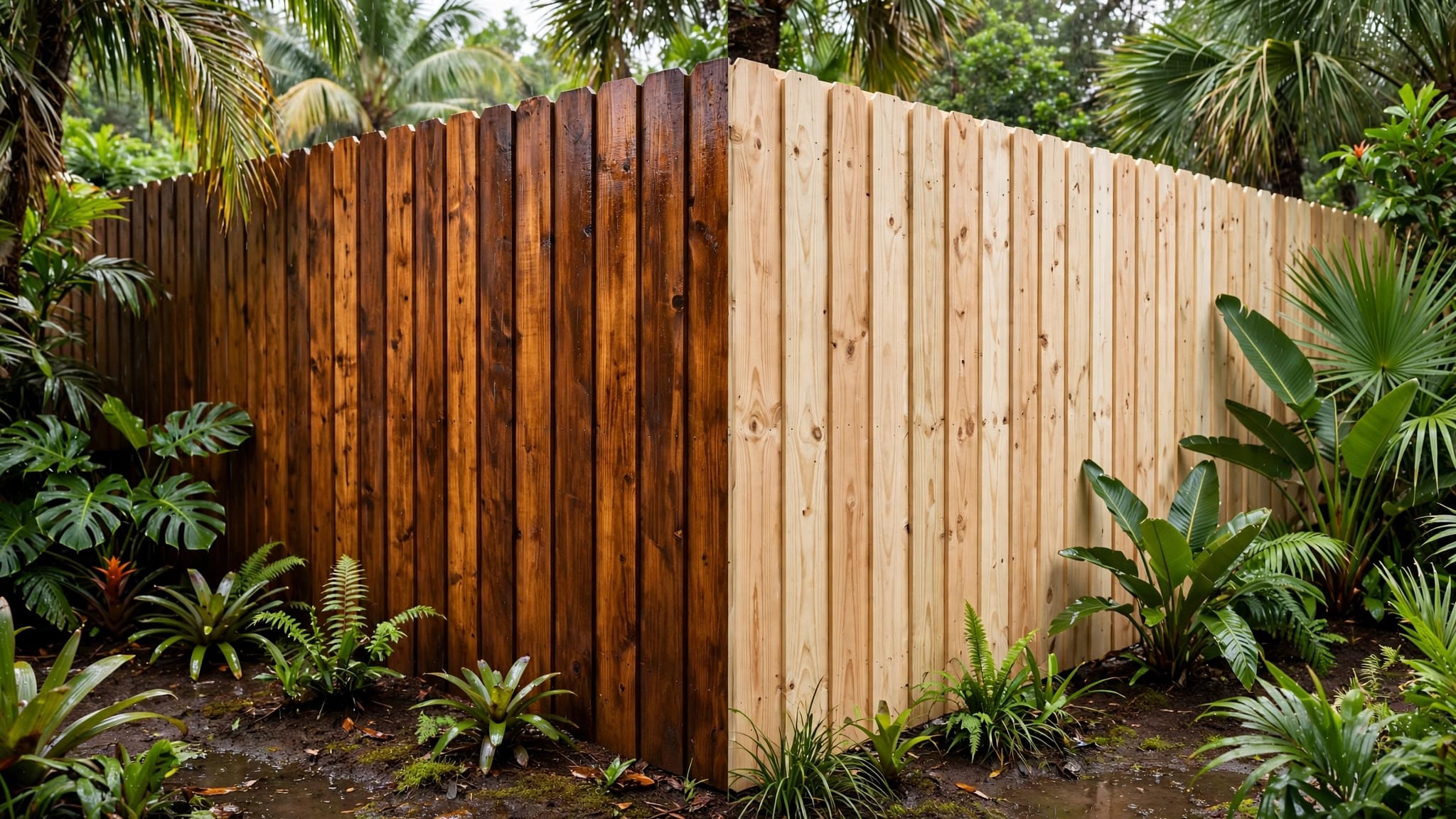
Heat and sun can warp cheaper materials and bake finishes until they chalk and fade. Dark colors look sharp, but they also run hotter. A gate that's slightly out of square in spring can start rubbing the ground by late summer, especially if posts or footings weren't built for wet soils.
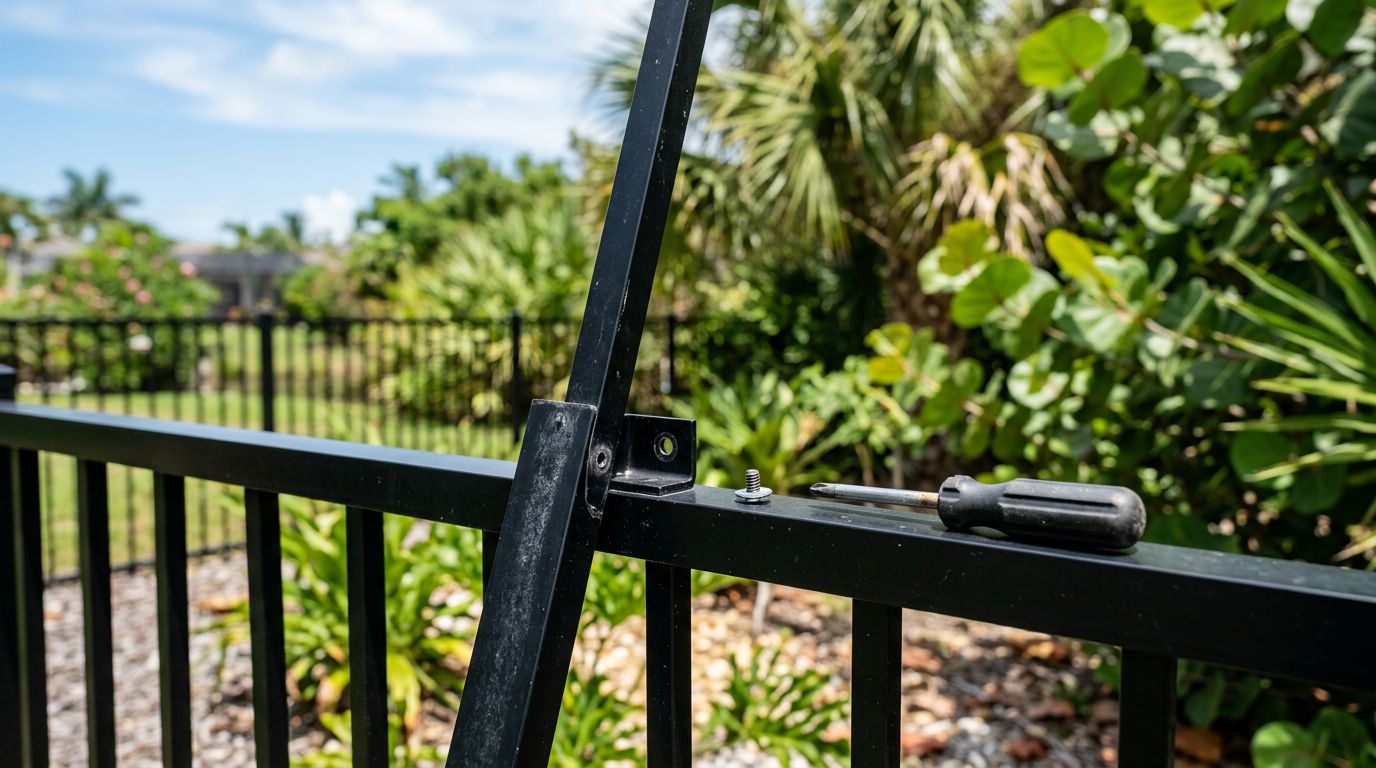
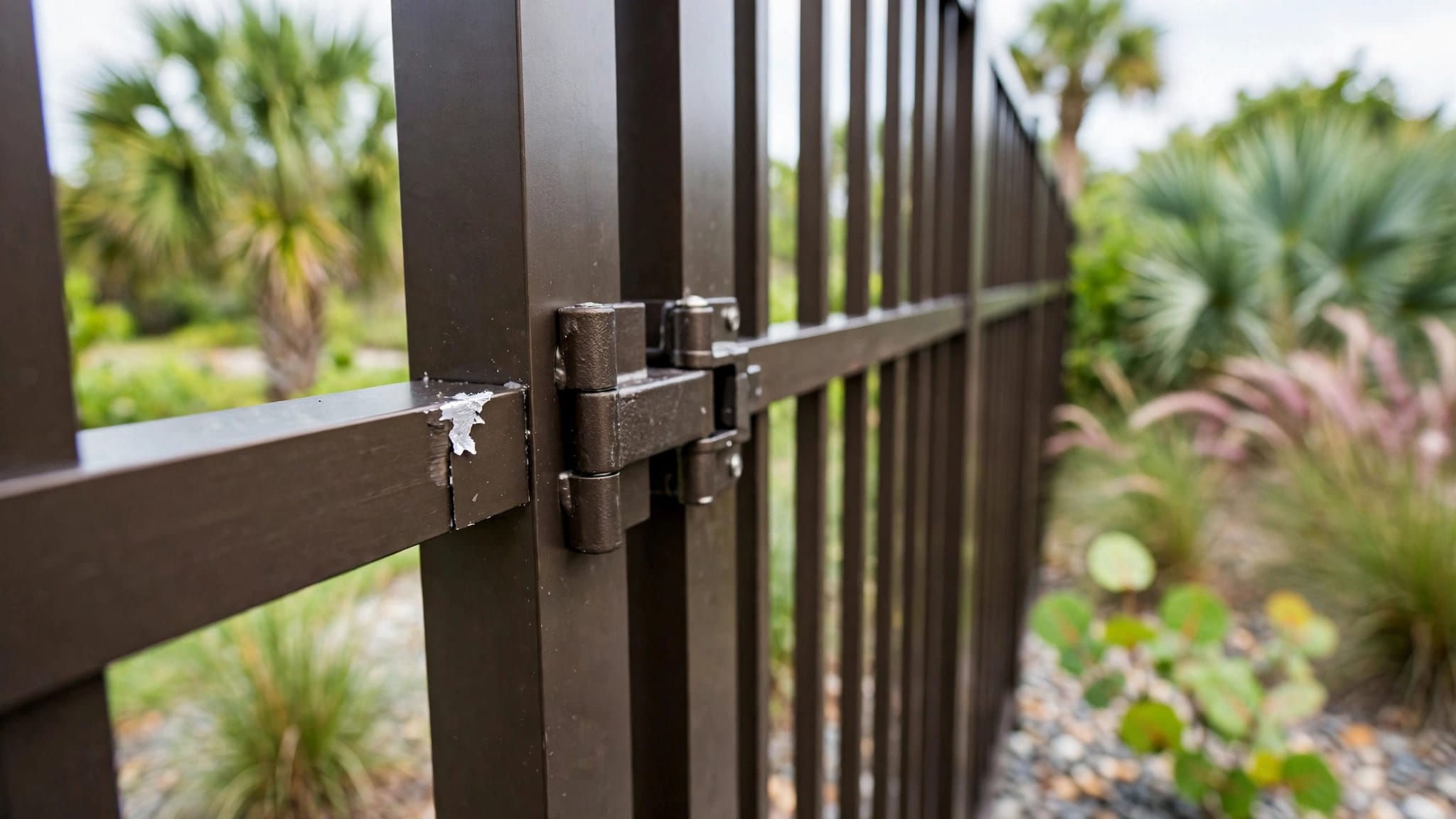
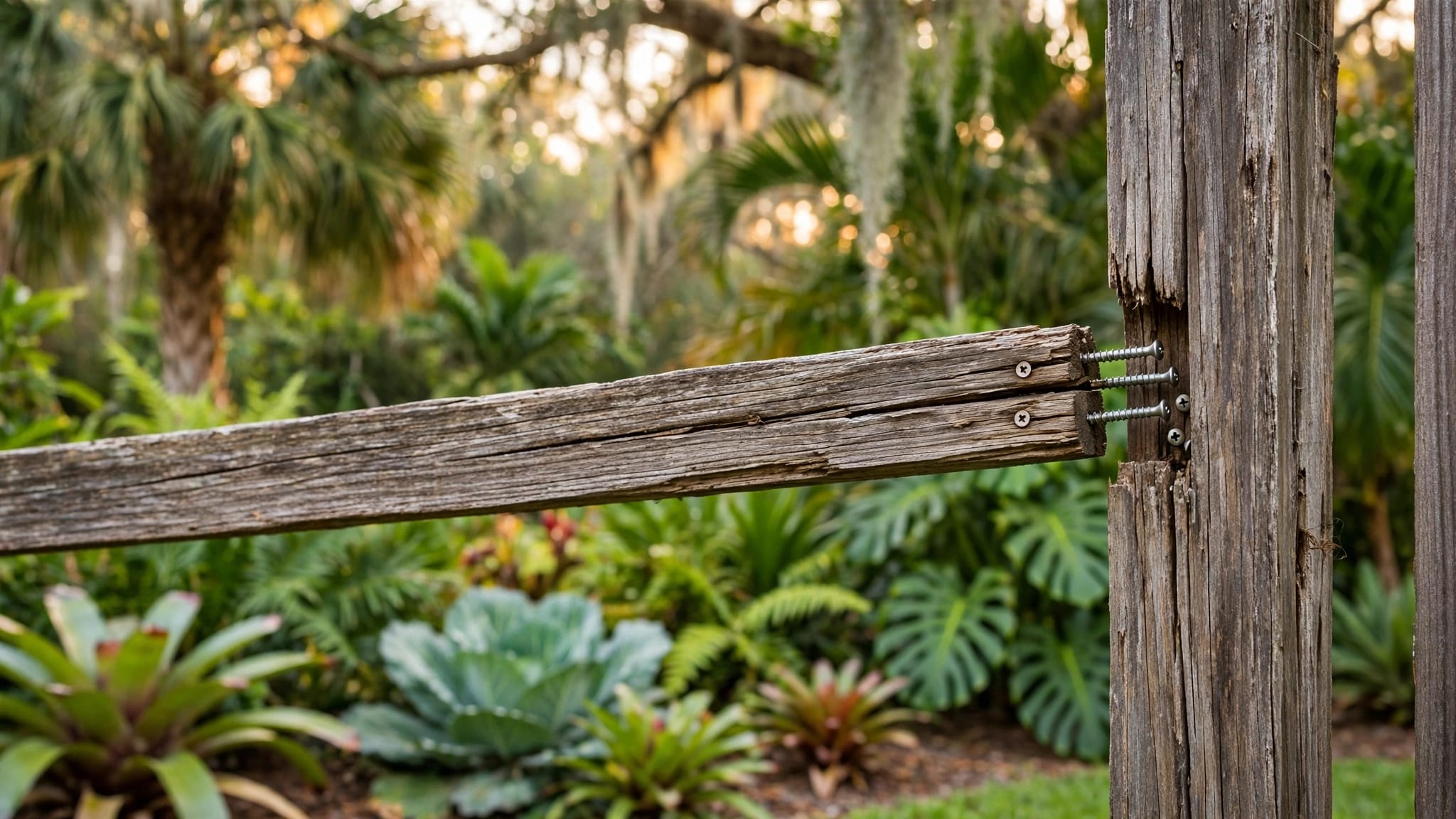
Humidity and salt are the silent troublemakers, particularly in Cape Coral, Fort Myers, Sanibel-adjacent areas, and anywhere with coastal airflow. Salt speeds up corrosion on standard hinges, fasteners, and internal operator parts. That's why coastal-ready builds lean on powder-coated aluminum, stainless hardware, and galvanized components where steel is used.
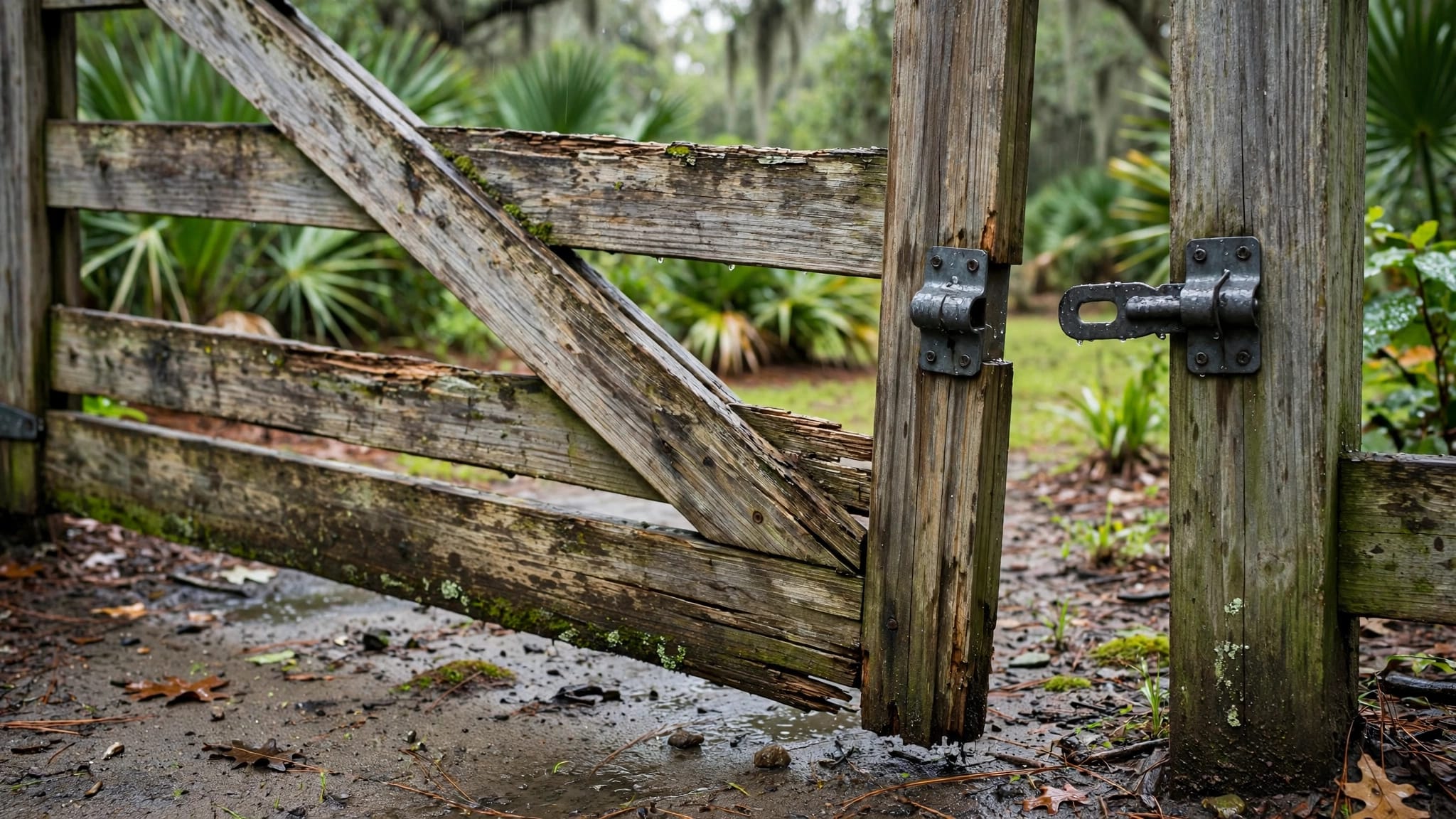
Then there's rain and drainage . A gate needs a clean "path" to move through, whether it swings or slides. If your driveway edge holds water after storms, you'll want to plan drainage and grade before you pick the gate style. Standing water near posts can loosen soil over time, and pooling along a slide track area can cause repeated service calls.
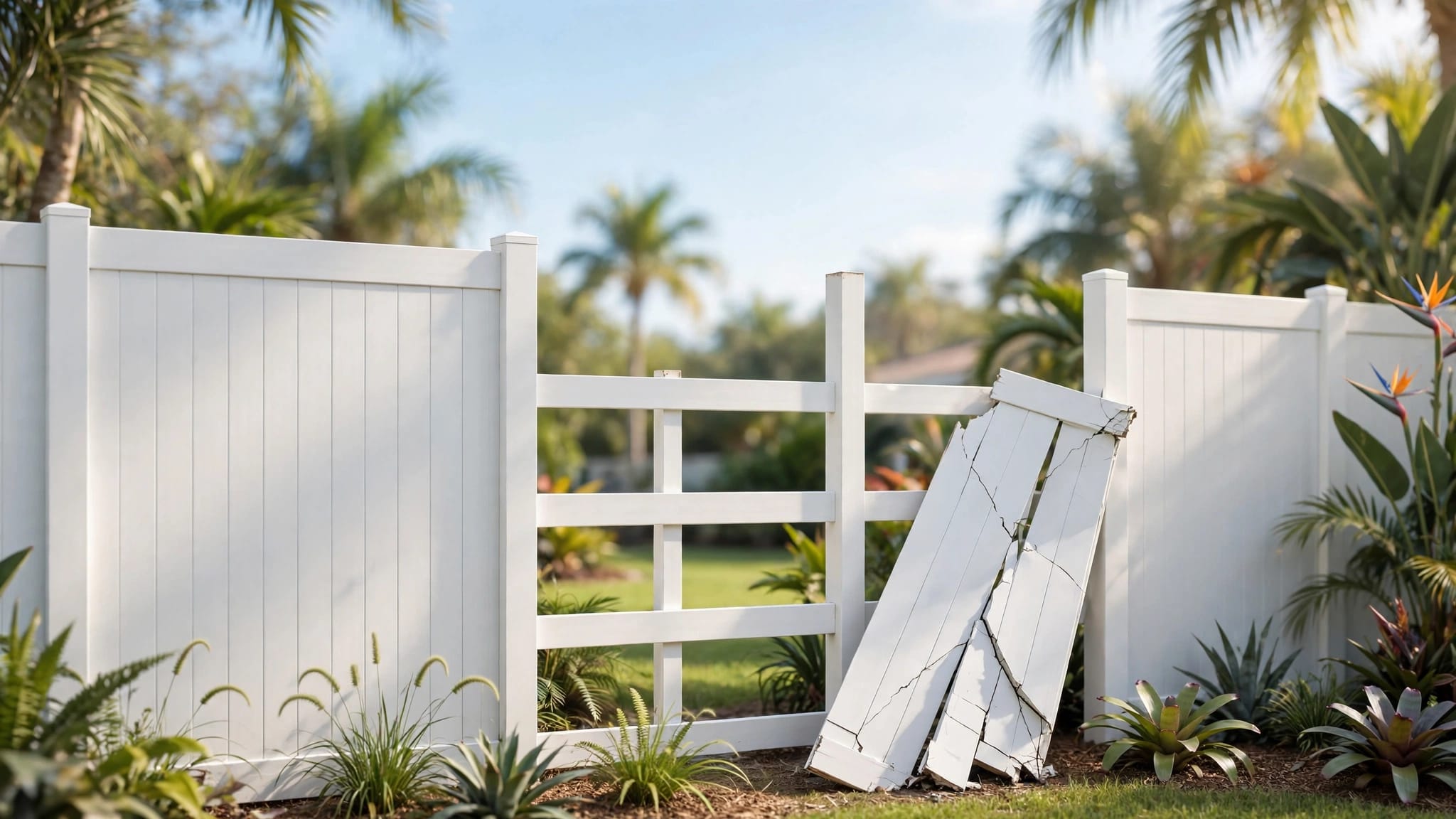
Finally, hurricane season adds a real-world stress test. Wind pushes on a solid gate like it's a big paddle. If your home sits in an open area with long wind exposure, the safest design is often the one that presents less surface area, has stronger bracing, and can be secured quickly when a storm is coming.
A reliable gate in SWFL isn't just about the operator. It's also about drainage, corrosion resistance, and wind behavior.
Swing vs sliding gates: a practical way to choose
Most residential driveway gates in SWFL come down to two styles: swing or sliding. Both can work well, but each has "deal-breakers" depending on your driveway.
Here's a quick comparison to frame the choice:
| Decision factor | Swing gate (single or dual) | Sliding gate (cantilever or track) |
|---|---|---|
| Space needed | Needs clear swing area | Needs run space along fence line |
| Driveway slope | Can be tricky on slopes | Often better on sloped drives |
| Wind exposure | More wind load when closed | Can be better with open-picket design |
| Drainage and flooding | Less sensitive to ground water | Track systems dislike pooling water |
| Wide driveways | Dual swing works well | Needs long side run to clear opening |
| Daily feel | Classic look, simple motion | Smooth, controlled, "secure" feel |
Choose a swing gate when you have a flat approach and enough room so the gate won't hit cars, landscaping, or the sidewalk. Dual swing gates also look balanced on wider driveways. However, if your driveway rises quickly from the street, the gate can scrape unless the design accounts for the slope (for example, with adjusted geometry or a shorter leaf).
Choose a sliding gate when space behind the gate is tight, when the driveway slope makes swing clearance hard, or when you want a gate that stays within its own footprint. In SWFL, many homeowners prefer cantilever sliding gates because they don't rely on a ground track that can fill with sand, leaves, or storm debris.
A few local "reality checks" help finalize the call:
- Tight side yards can rule out sliding gates because you need room for the gate to slide fully open.
- High-wind lots do better with open pickets and strong bracing, regardless of swing or slide.
- Flood-prone edges push many homeowners away from track sliding gates, unless drainage gets addressed first.
If you're not sure, ask your installer to mark the swing arc or slide run on-site. Seeing the footprint on the ground makes the decision much easier.
Safety features and storm-readiness that matter in 2026
An automatic gate should feel effortless, but it should never feel unpredictable. In 2026, homeowners should look for operators and installations that follow well-known safety best practices, especially around entrapment protection.
Start with an operator that's UL 325 compliant (a common safety standard for gate operators). Then confirm the installer is adding monitored protection devices, not just relying on "force settings."
Key safety features to discuss:
- Photo-eyes : These stop or reverse the gate when something crosses the beam.
- Edge sensors : These add contact protection on leading edges and pinch points.
- Safe clearances : Proper gaps reduce pinch and crush hazards near posts, hinges, and rollers.
- Emergency release : You should be able to disengage the operator for manual operation.
- Separate pedestrian access : When possible, a walk gate reduces foot traffic through the driveway gate area.
If your property also includes a pool area, gate hardware rules and self-latching behavior come up often during permitting and inspections. This overview of Cape Coral pool gate rules is a helpful refresher on the kind of gate details inspectors tend to focus on.
Storm-readiness is the other half of the safety talk in SWFL:
- Battery backup keeps the gate working during outages, which are common after storms.
- Surge protection helps protect boards and controls from power spikes.
- Lightning considerations matter here, especially with long driveway runs and buried wiring.
- Cellular access control can be more dependable than Wi-Fi when your router resets or the internet is out.
Think of your gate like a garage door for the whole property. It should operate safely on sunny days, and still make sense when power and internet are shaky.
2026 pricing in SWFL: what drives the total cost
Automatic driveway gates vary widely in price because the "gate" is really a system: structure, operator, power, controls, and site work. In Southwest Florida, realistic 2026 installed ranges often land here, assuming typical residential conditions:
| Tier | Typical installed range | Best fit for |
|---|---|---|
| Basic | $6,500 to $11,000 | Standard-size opening, simple controls |
| Mid-range | $11,000 to $20,000 | Custom fabrication, better access control |
| Premium | $20,000 to $35,000+ | Large openings, high-end finishes, cameras, smart features |
Before you compare quotes, ask for the line items. The biggest cost drivers usually include gate fabrication , the operator and controls , and the "hidden" work that makes it reliable.
Common line-item factors that move pricing up or down:
- Operator and control board quality (and whether it's sized correctly)
- Gate fabrication (size, infill style, bracing, finish)
- Posts and footings (soil conditions can change the plan)
- Electrical trenching and conduit runs to the gate
- Access control (keypad, remotes, RFID, phone entry)
- Intercom and camera add-ons
- Smart integration setup (as simple as a relay, or more involved)
- Permits and inspections (often required, always worth checking locally)
To keep long-term costs down, prioritize coastal-friendly materials: powder-coated aluminum , stainless-steel fasteners , sealed bearings, and corrosion-resistant brackets. That's the difference between "looks great at install" and "still runs smooth after three wet summers."
Maintenance doesn't need to be complicated, but it must be consistent. A simple rhythm works well:
- Monthly: rinse and visual check for rubbing, loose bolts, or debris
- Every 3 to 6 months: clean hinges or rollers, check safety devices
- Yearly: professional service to check settings, wiring, and wear parts
When you're hiring, a short screening checklist keeps you out of trouble:
- Do they install UL 325 compliant operators and monitored safety devices?
- Will they plan for drainage at the gate area, not just the fence line?
- Do they use stainless or corrosion-resistant hardware by default?
- What's the service response plan if the gate stops mid-season?
- Is there a clear written warranty for both labor and equipment?
Conclusion
Automatic driveway gates can be a smart upgrade in Southwest Florida, but only when the design matches the site. Pick the right swing or slide layout, build for salt and rain, and don't compromise on safety features like photo-eyes and edge sensors. If you plan for storms and maintenance from day one, your gate won't just look good, it'll keep working when you need it most.