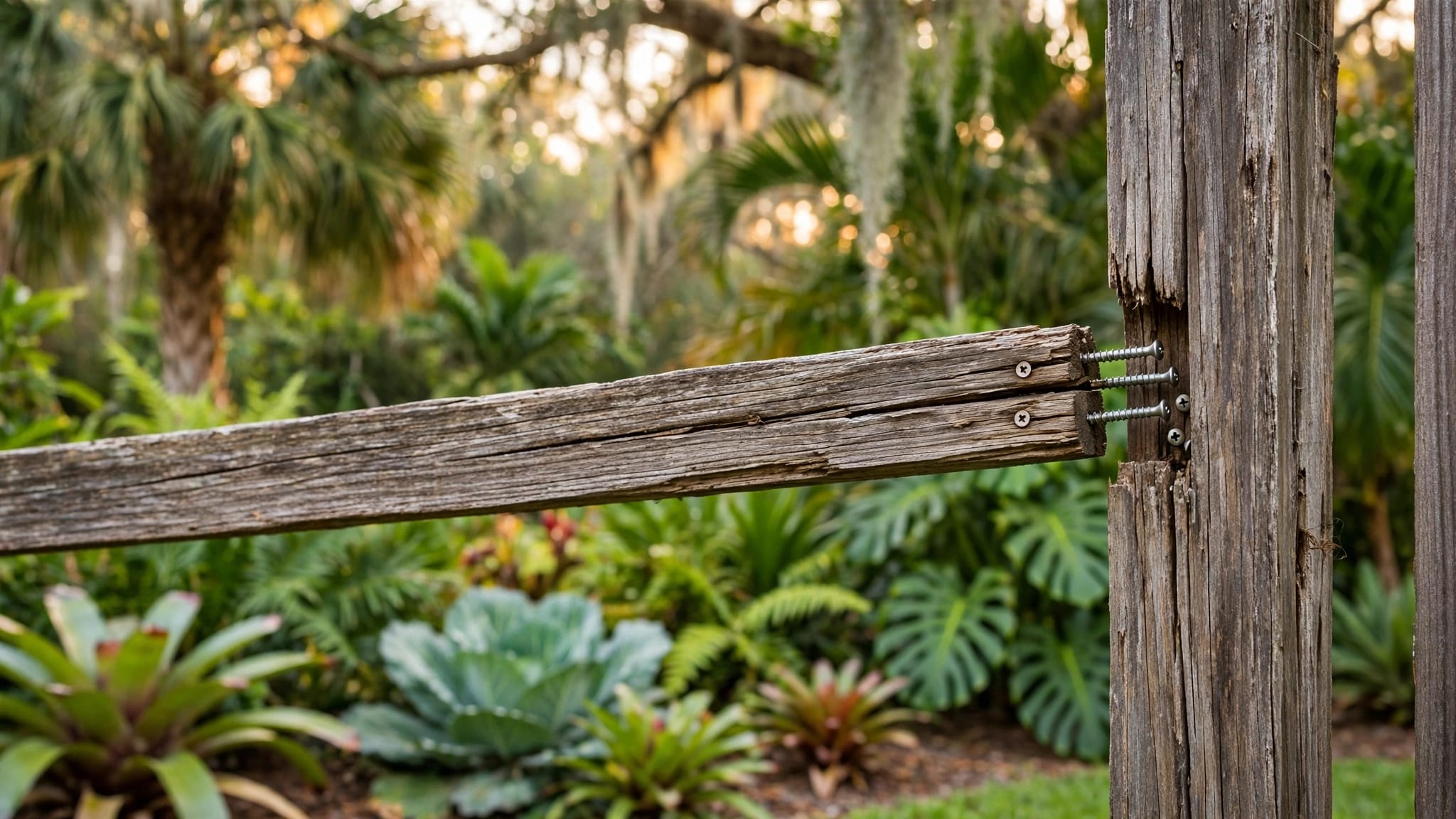
Fence Removal And Haul-Away In Cape Coral What To Expect
That old fence can turn into background noise, until the day a panel drops, a gate sticks, or rust stains show up on your pavers. If you're scheduling fence removal Cape Coral homeowners can count on, you'll want a clear picture of how the job should run, from the first walkthrough to the final haul-away.
Fence removal isn't just "rip it out and go." In Cape Coral, yards often have tight side access, irrigation lines, and landscaping you actually like. A good crew plans around those details so your property doesn't look like a storm rolled through when they're done.
Below is what to expect, what you can do ahead of time, and how to compare quotes without getting surprised.
The pre-job walkthrough: what gets checked before anything comes down
Most fence removal headaches come from skipping the walk. A contractor should look at your fence line with you and confirm exactly what's being removed (panels, posts, gates, concrete footers, and any attached hardware). This is also when you point out sprinklers, low-voltage lights, planters, and any "please don't crush this" areas.
Access matters in Cape Coral more than people expect. Crews may need a side gate opened, a vehicle parked close to the work zone, or a plan for a narrow easement between homes. If your lot backs up to a canal or seawall, they'll also think through safe carrying paths and where debris will stage.
If your fence works as a pool barrier, don't treat removal like a simple demo. You may need a temporary barrier plan so pets and kids stay safe. It also helps to understand today's gate and barrier basics, especially if you're replacing the fence right after. This guide on Cape Coral pool fence rules 2026 explains the details homeowners most often miss.
A quick heads-up: irrigation lines and shallow cables are easy to hit during post removal. Mark what you know, and talk through risk areas during the walkthrough.
A quick checklist before you schedule
- Confirm property lines if the fence sits close to a neighbor's yard.
- Unlock gates and clear side paths (trash cans, patio chairs, and planters).
- Move vehicles off the driveway edge where panels may be carried out.
- Pick a "save pile" spot if you want to keep reusable panels or gates.
- Set pet plans because open yards turn into escape routes fast.
- Call out fragile surfaces like pavers, fresh sod, or decorative rock beds.
That prep saves time, and it lowers the odds of accidental damage.
Removal day: noise, dust, and how the tear-down usually happens
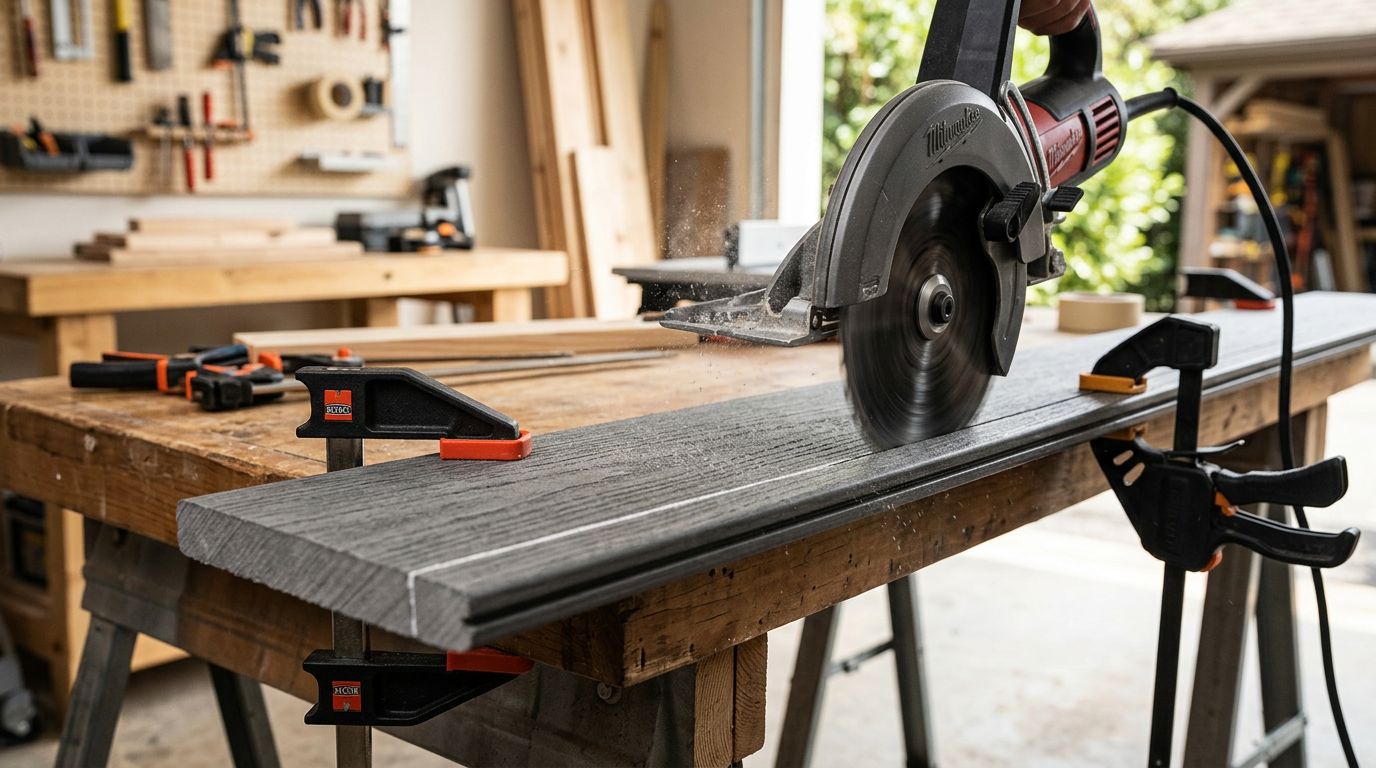
Fence removal is a lot like pulling up an old carpet. The surface looks simple, but the hidden fasteners and tack strips slow things down. On removal day, expect some noise from cutting, prying, and pulling posts, especially with older wood fences or chain link that's been "repaired" over the years with extra screws and wire.
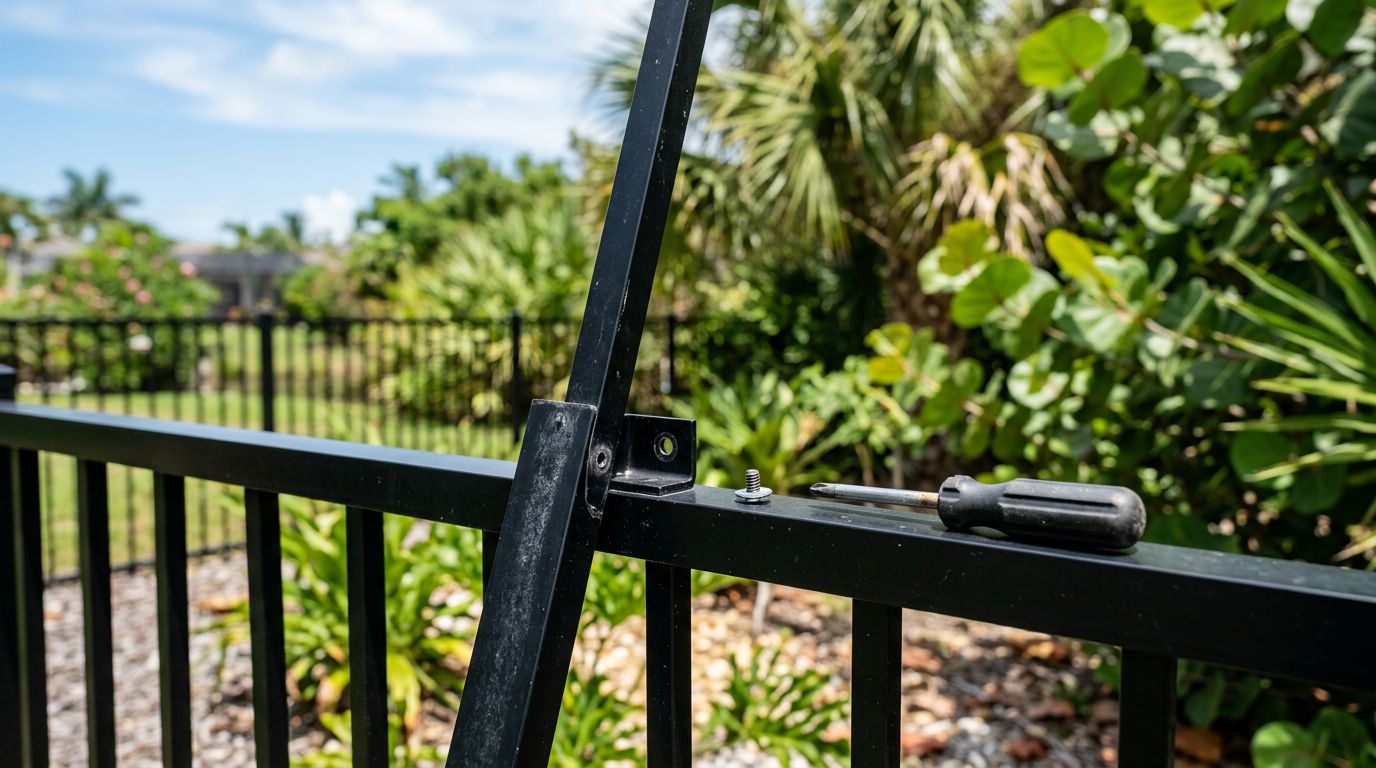
Most crews remove in sections so debris stays controlled. Panels come down first, then rails, then gates, and then posts. With vinyl, panels often pop out of rails, but posts may be set in concrete. With wood, fasteners can split boards, so crews may cut sections to keep things manageable. Chain link removal usually involves detaching tension bars and rolling fabric, then pulling posts.
Post removal is where the job changes from "loud" to "heavy." Some posts pull clean. Others have big concrete footers that need digging or breaking. In Cape Coral's sandy soil, posts can shift over time, so don't be surprised if a few footers are larger or deeper than the rest.
While all that's happening, a careful crew should protect what stays:
- They'll avoid dragging panels across pavers.
- They'll stage debris so it doesn't crush plants.
- They'll keep tools off pool decks when possible.
Dust is normal, especially on dry days. If you're sensitive to dust, close nearby windows and keep outdoor cushions inside. Also expect a work zone feel for a few hours. Kids and pets shouldn't be outside during active demo.
Weather can also change the pace. After rain, heavy footers get messier to lift, and wet soil can smear onto walkways. On the other hand, blazing sun can make vinyl and metal hot to handle, so crews may pace the work and take water breaks.
Cleanup, magnet sweeps, and haul-away: what "done" should look like
Haul-away should be more than tossing panels into a trailer. A professional wrap-up usually includes sorting materials, collecting small scraps, and leaving the yard walkable again.
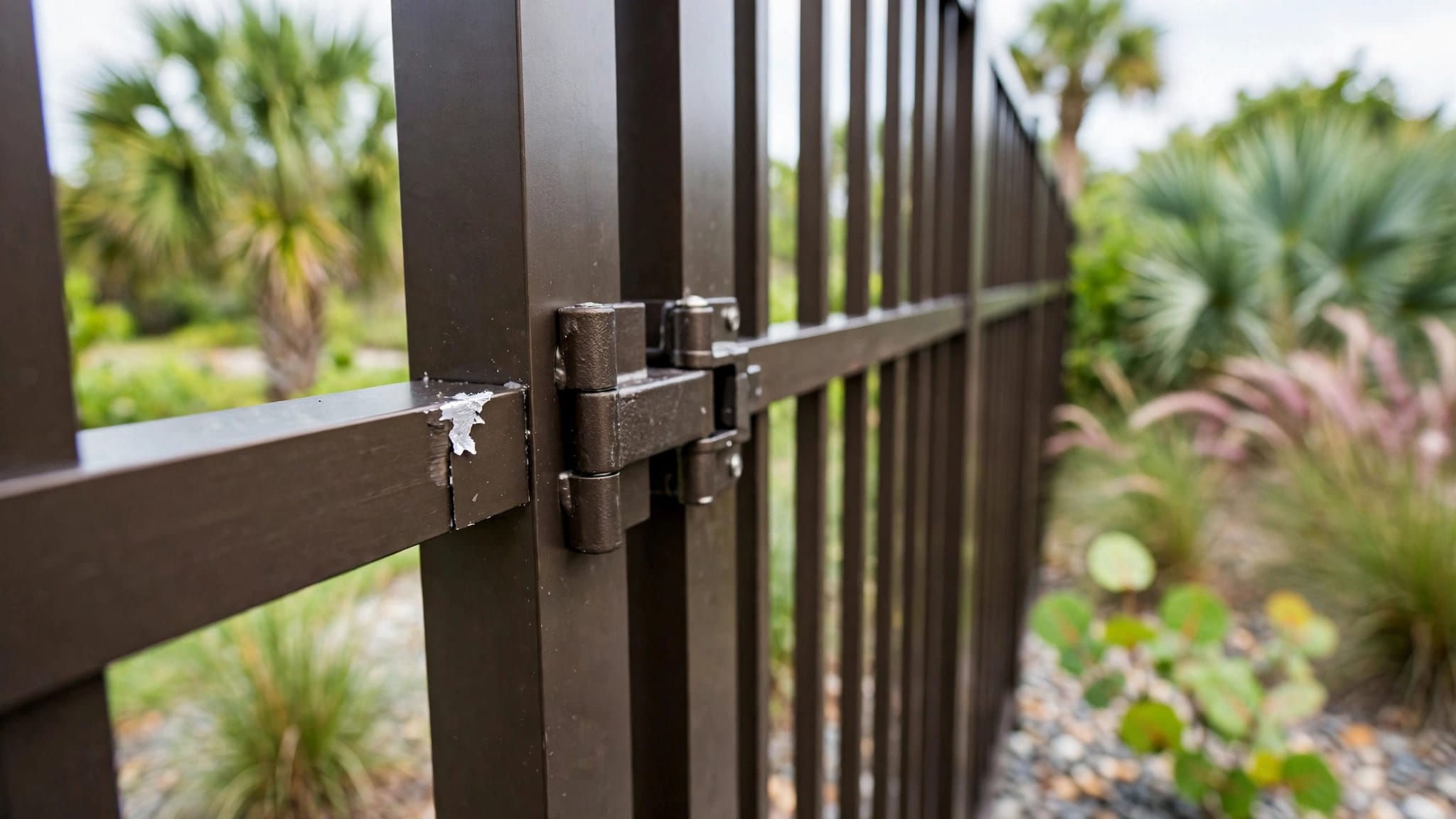
One detail Cape Coral homeowners appreciate is a magnet sweep for nails and metal fragments. Even if your fence wasn't wood, fasteners show up in surprising places, especially near gates and corners.
Before you sign off, do a slow walk along the full fence line. Look for sharp scraps, exposed concrete edges, and missed hardware near plants.
What gets hauled away (and what might not)
In most cases, haul-away includes fence panels, posts, rails, and attached hardware. Concrete is the wildcard. Some crews include concrete disposal, others price it based on weight and volume. If you want post holes backfilled, ask how they'll handle it (sand, soil, or a mix) and whether they'll tamp it down.
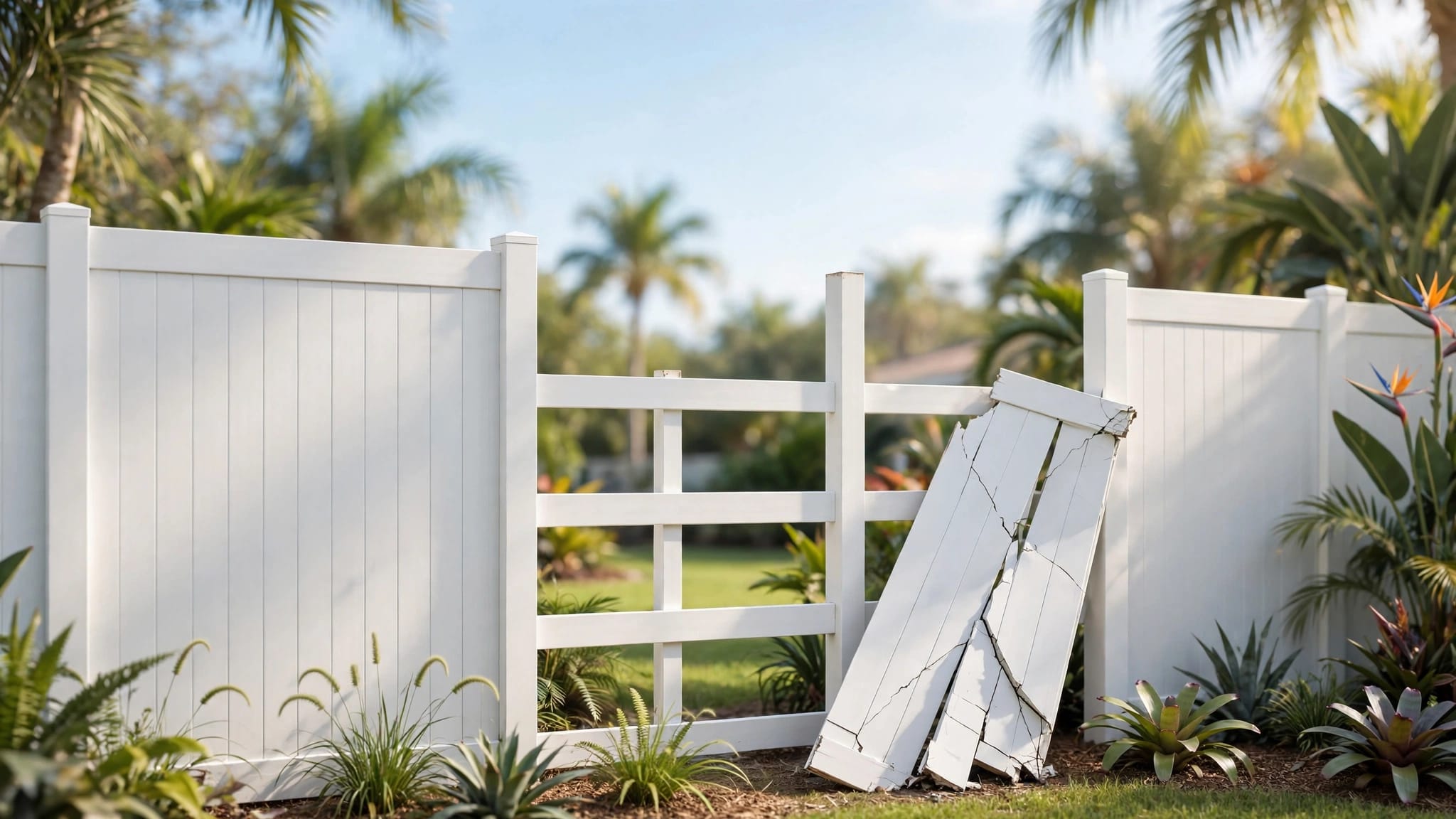
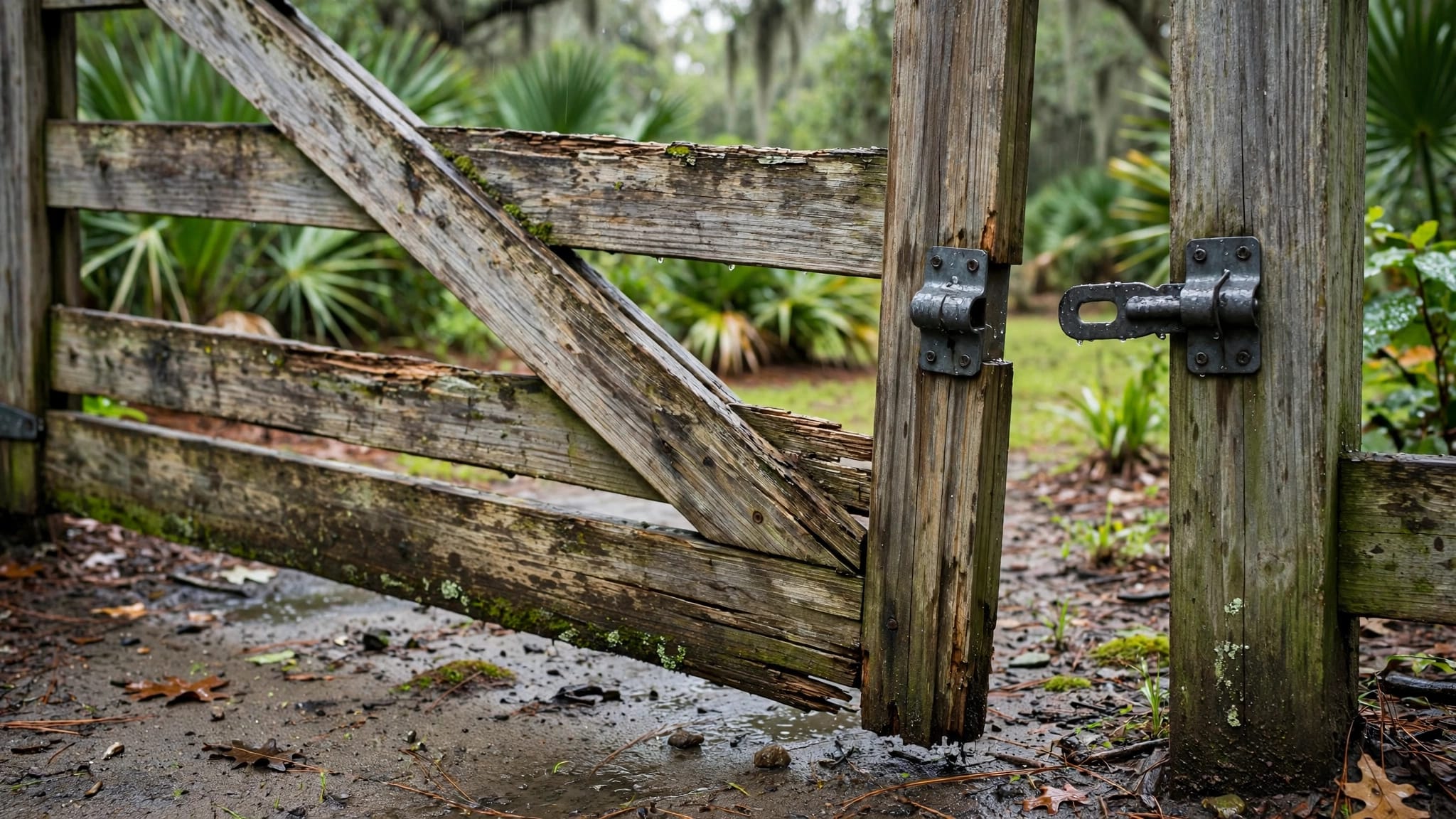
If your fence might be repairable, it's worth comparing removal versus fixing key sections. In some situations, repairing a leaning run or sagging gate buys you time, especially if you're waiting on a full replacement plan. This page on Cape Coral fence repair services can help you think through when repair makes more sense than a full tear-out.
Typical price ranges, and what changes the number
Fence removal pricing usually depends on linear footage, material type, post depth, and disposal weight. In Cape Coral, a realistic starting range for removal and haul-away often lands around $3 to $10 per linear foot , then rises for heavy concrete footers, limited access, or extensive cleanup needs. Large gates, masonry columns, and fences built into landscaping can also add time.
For broad cost context, you can compare general benchmarks in this overview of fence removal cost factors. If you're budgeting for a follow-up build, this local snapshot of Cape Coral fence cost estimates can help you understand why material choice matters.
Here's a quick way to think about common quote variables:
| Removal situation | What usually adds time | What to clarify in the quote |
|---|---|---|
| Posts set in big concrete | Digging, breaking, heavy hauling | Concrete removal included or extra |
| Tight side-yard access | Hand-carrying debris, smaller loads | Access plan and staging area |
| Fence near pavers/plants | Careful handling, protection steps | Surface protection approach |
| Mixed materials and "patch jobs" | Extra fasteners, odd connections | What counts as "all hardware" |
Questions to ask when getting quotes
- What exactly is included in haul-away , and is concrete disposal extra?
- Will you pull posts and footers , or cut posts at grade?
- Do you do a magnet sweep and final walk-through?
- How will you protect pavers and landscaping while carrying debris?
- What do you need from me for access (gate width, parking, lock codes)?
- How do you handle shared fence lines if parts tie into a neighbor's section?
Clear answers here usually mean fewer surprises later.
Conclusion
Fence removal should feel controlled, not chaotic. With a solid walkthrough, a smart access plan, and a cleanup that includes a magnet sweep and real haul-away, your yard can be ready for the next step quickly. If you're gathering quotes, focus on scope and cleanup details, not just the bottom number. After all, the best removal job is the one you barely notice once it's finished.