How to Choose a Fence Contractor in Southwest Florida (2026 Homeowner Guide)
A fence in Southwest Florida isn't just a pretty border. It has to handle salt air, sandy soil, heavy rain, and wind that can turn weak panels into a row of dominoes.
If you want a fence that stays straight, swings right, and doesn't become a yearly repair project, the contractor you choose matters as much as the material. The best path is simple: get clear on your property needs, verify licensing and insurance, confirm permits and HOA rules, then compare quotes line by line.
Start with your property and SWFL conditions (before you call anyone)
Southwest Florida fences live a harder life than most. Near the coast, salt air speeds up corrosion on screws, hinges, and metal parts. In rainy months, water sits in low spots and softens the ground around posts. Add high winds, and a tall solid fence can act like a sail.
So first, match the fence design to your lot, not just your taste.
If you're on a canal or near open water, wind and visibility often matter more than privacy. An open style can reduce wind pressure while keeping sightlines. For canal lots, it helps to read a local, practical breakdown like this Cape Coral waterfront fence guide.
Next, walk your yard and take notes. You're trying to spot the issues that change installation details and price.
Here's what to decide upfront so you can get apples-to-apples quotes:
- Purpose : privacy, pool safety, pet containment, security, or curb appeal
- Problem areas : standing water, soft sand, tree roots, sprinklers hitting the fence
- Exposure : coastal salt, canal breeze, or wide-open backyard wind
- Gate needs : how many gates, and how wide (trash cans, boat trailer, lawn equipment)
Think of your fence like a screen door on a stormy day. If the frame is light or the hinges are cheap, it'll start rubbing fast. The same logic applies to posts, footings, and gate hardware.
Verify licensing, insurance, permits, and HOA rules (don't skip this)
A fence contractor in Southwest Florida should be able to show licensing and insurance without hesitation. In Florida, contractor licensing runs through the state (DBPR), and local "licenses" aren't the main credential anymore. Ask for the license number and verify it on the official DBPR portal. Also ask for a current certificate of insurance (COI) sent directly from the agent, not a screenshot.
At a minimum, confirm:
- General liability insurance is active and adequate for your job
- Workers' comp coverage is in place (or a valid exemption, depending on the business)
- The contract matches the licensed entity name (not a different company name)
Permits are the next tripwire. Many SWFL areas require fence permits, and rules can change by city, county, zoning, and even whether you're on a corner lot or waterfront. A solid contractor will tell you who pulls the permit, what inspections are required, and what documents you'll need.
Start by checking your local building department guidance, then confirm your exact address rules:
- In Cape Coral, review the city's residential fence permit guidelines.
- In Lee County, use the county's Residential Fence Guide to see typical submittal items.
- In Collier County, their fence information page lays out common permit and placement questions.
HOAs are a separate layer. Even if the city approves your fence, the HOA can still require changes, or demand removal, if you skipped their process. Get HOA approval in writing, including height, color, placement, and gate style.
A common mistake: ordering materials before confirming setbacks, easements, and HOA rules. Once panels are delivered, every correction costs more.
Compare fence estimates with a bid checklist (so the "cheap" quote stays cheap)
Most fence quote problems come from missing details. One bid includes removal and disposal, another doesn't. One includes upgraded gate hardware, another prices the light-duty version. The totals look far apart, but you aren't comparing the same job.
Ask every contractor to quote the same scope, in writing. This quick table shows what to request so your comparisons stay fair.
| Quote item to require | What you're trying to avoid | What "good" looks like |
|---|---|---|
| Exact fence style, height, and linear footage | Surprise add-ons after measurement changes | A drawing or written layout with totals |
| Post size, spacing, and set depth | Leaning fences in sandy soils | Clear post specs and install method |
| Footing details (concrete amount and placement) | Wobbly posts after heavy rain | Concrete footings suited to soil and exposure |
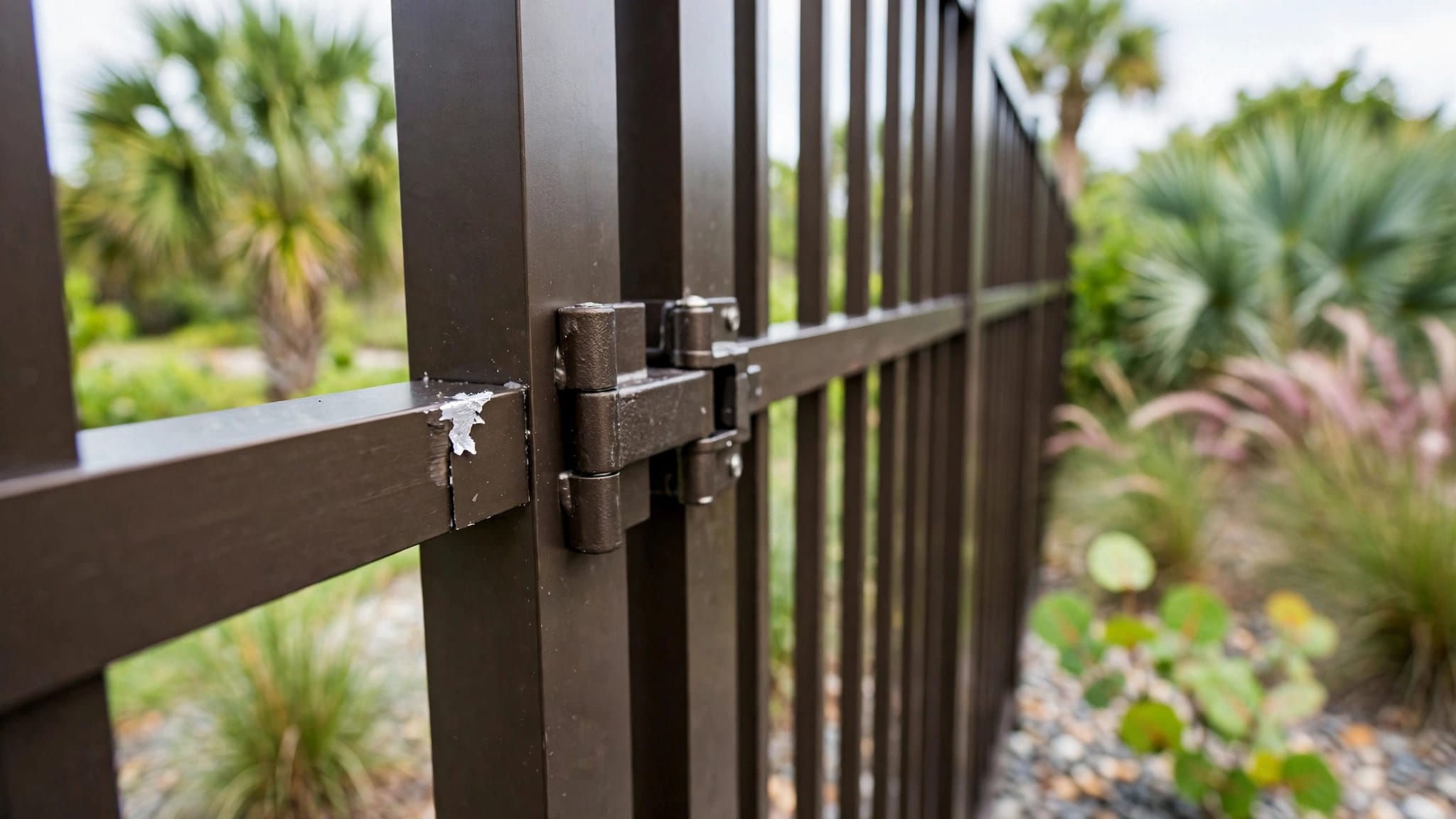
| Hardware type (hinges, screws, latches) | Rust and sagging gates near salt air | Corrosion-resistant hardware specified |
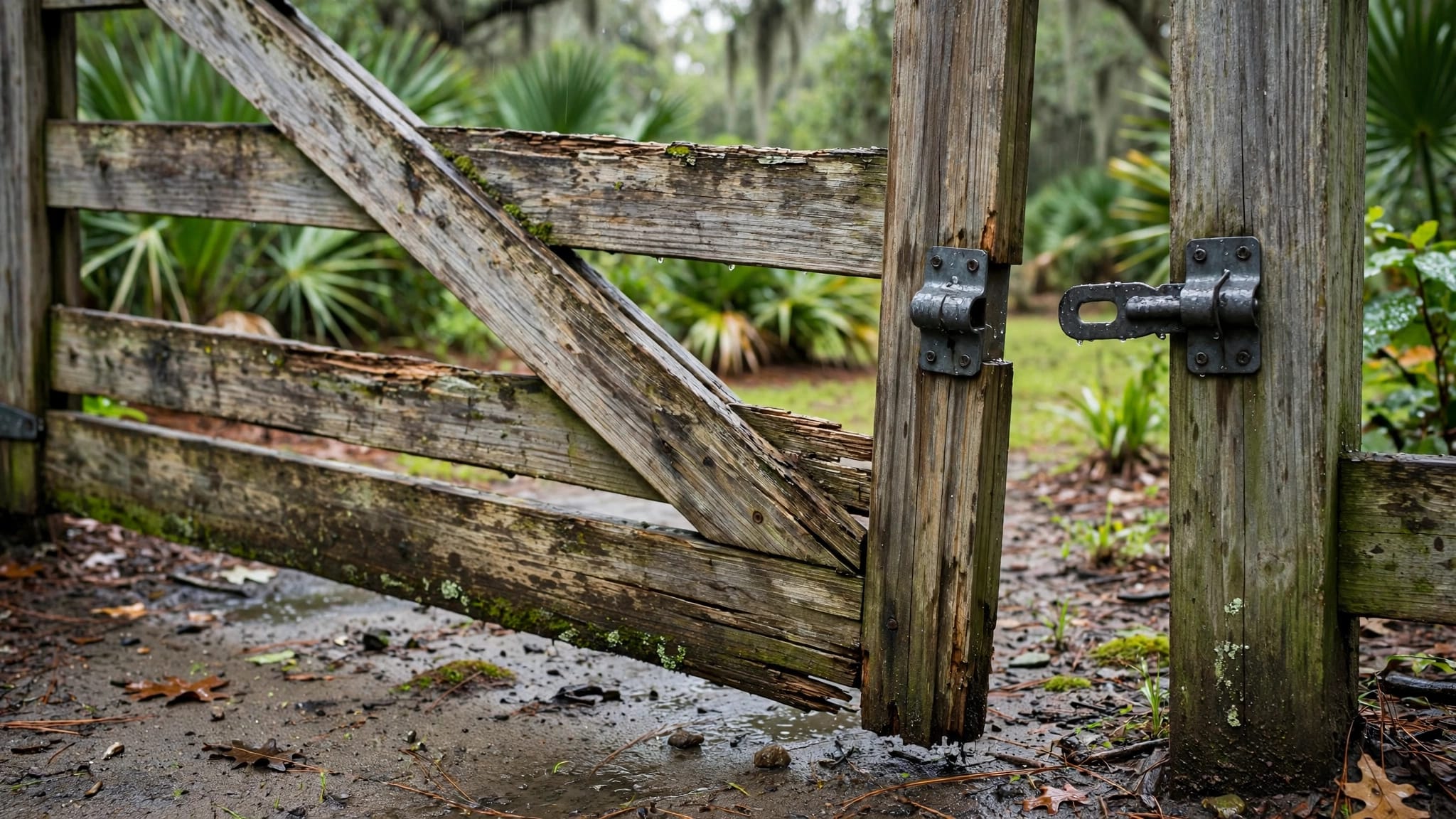
| Gate framing and reinforcement | Gates that drag or twist in wind | Braced gate frames and rated hinges |
| Permits, fees, and inspections | Job stalls or fails final inspection | Permit plan listed and assigned to a party |
| Utility locate coordination | Damaged lines, delays, liability fights | Clear responsibility stated |
| Removal and disposal | "Free" demo that becomes a charge | Demo and haul-off line item included |
| Timeline and start date window | Endless "next week" promises | A realistic schedule with dependencies |
| Warranty terms (labor and materials) | No help when a gate sags | Warranty in writing with exclusions noted |
After you collect bids, read them like you'd read a repair estimate for your car. If a line is vague, ask for a rewrite. Vague quotes create expensive misunderstandings.
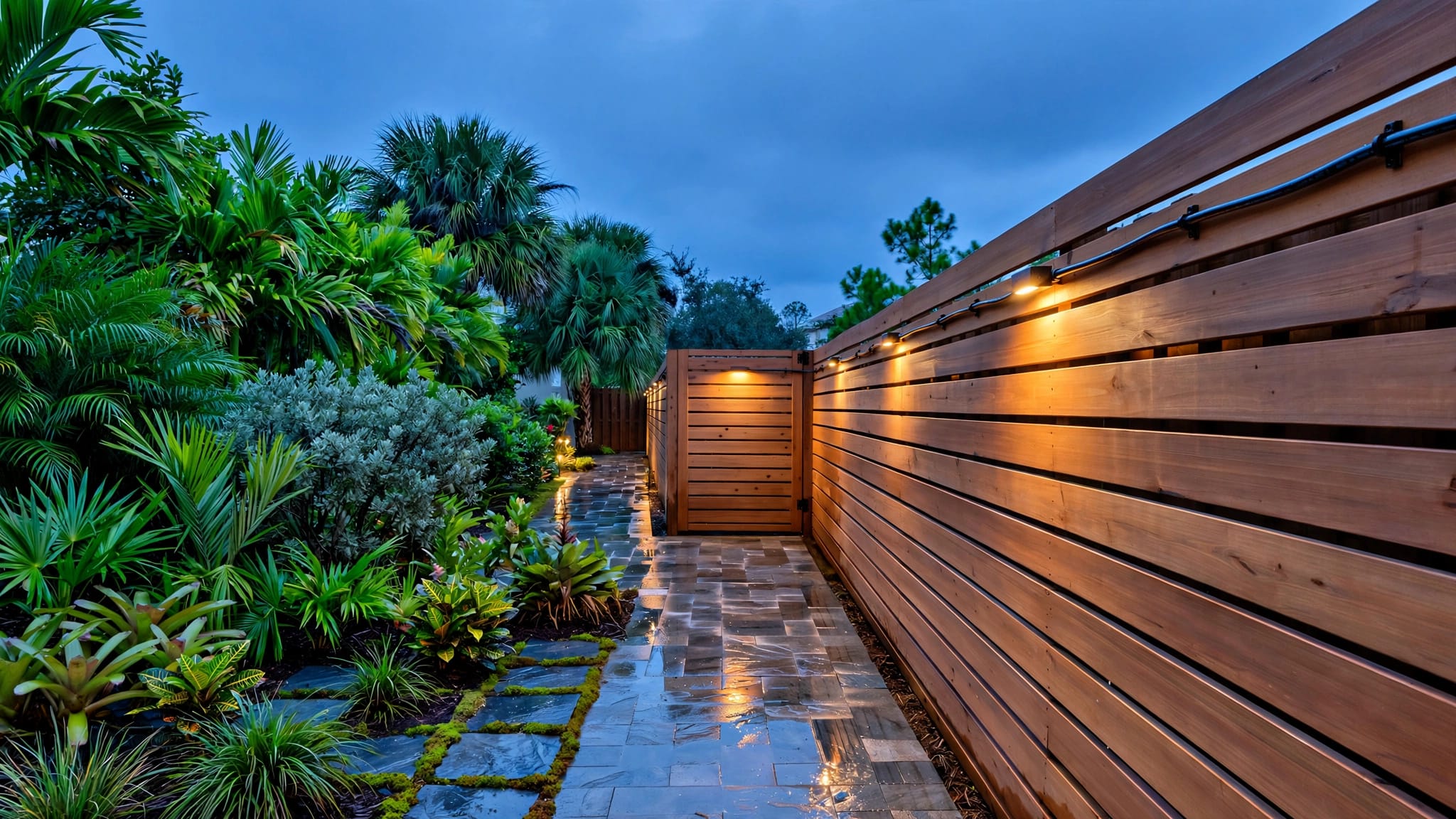
When you're comparing materials, it helps to see how each type is typically installed and used locally, for example vinyl fence installation in Cape Coral versus aluminum fence installation in coastal conditions.
Questions to ask a fence contractor, plus a "before you sign" checklist
Questions that reveal experience (fast)
You don't need to interrogate anyone. You do need answers that show they've built fences that survive SWFL weather.
- "What changes on coastal jobs?" Listen for salt-ready hardware and corrosion talk.
- "How do you set posts in sandy soil?" You want specifics, not "we've got it."
- "How will you handle drainage and low spots?" Good crews plan for water flow.
- "Who pulls the permit, and what inspections apply?" Clear responsibility prevents delays.
- "What wind considerations apply to this fence style?" Solid panels need stronger planning.
- "What gate hardware do you use, and why?" Gates are the first failure point.
- "What's included in the warranty?" Ask what's excluded too.
- "How do you manage change orders?" You want written pricing before extra work starts.
If the answers feel slippery, keep shopping. A fence should feel boring once it's installed.
Before you sign: a practical checklist
Use this list to avoid the most common surprises:
- Confirm the contractor's license and the business name match the contract.
- Get insurance proof sent from the agent (liability and workers' comp).
- Make sure the quote includes permits, fees, and inspections (or clearly excludes them).
- Verify HOA approval in writing, including style, height, and color.
- Confirm property lines and easements, especially on corners and canal lots.
- Require a written layout showing gate locations and swings.
- Specify hardware and fasteners, especially near salt air.
- Set a payment schedule tied to milestones, not just dates.
- Add a written start window and material lead-time expectations.
- Put change-order pricing rules in the contract, in writing.
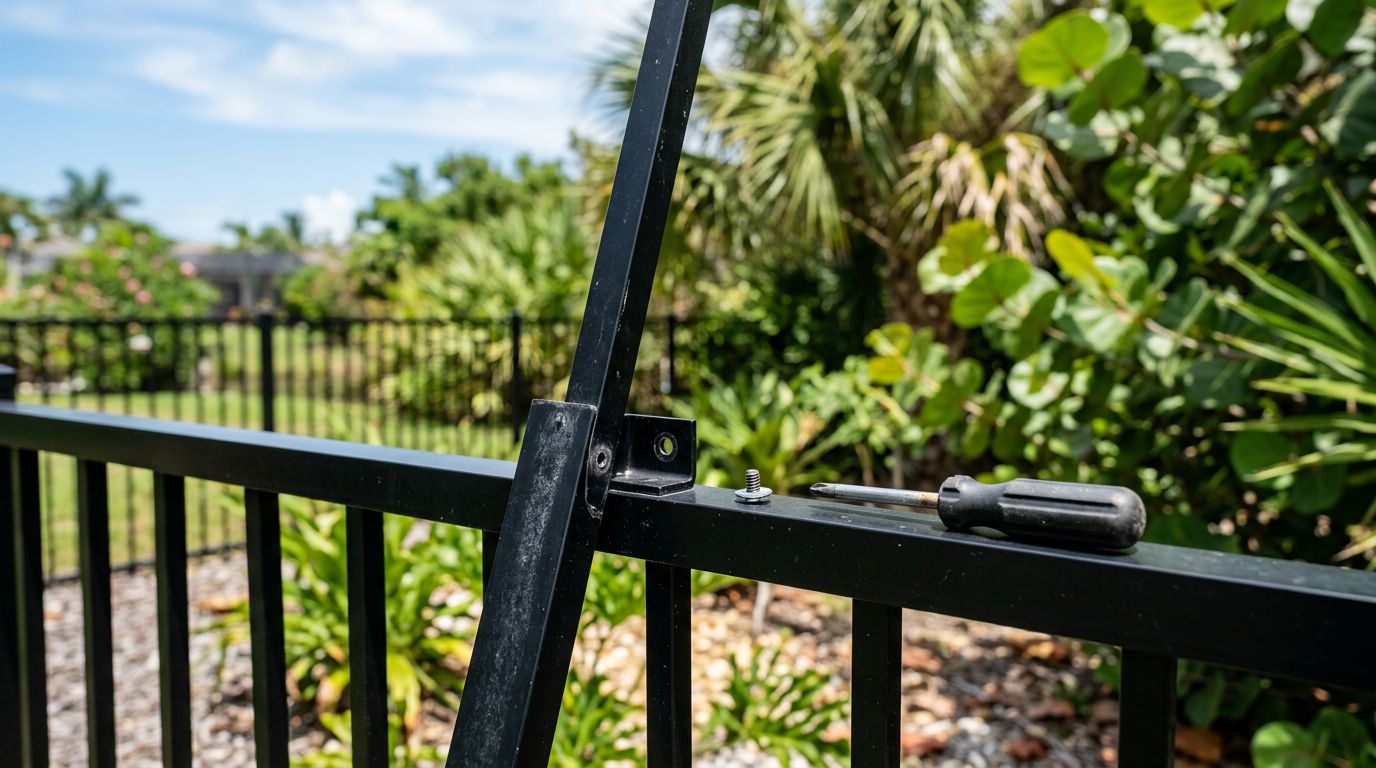
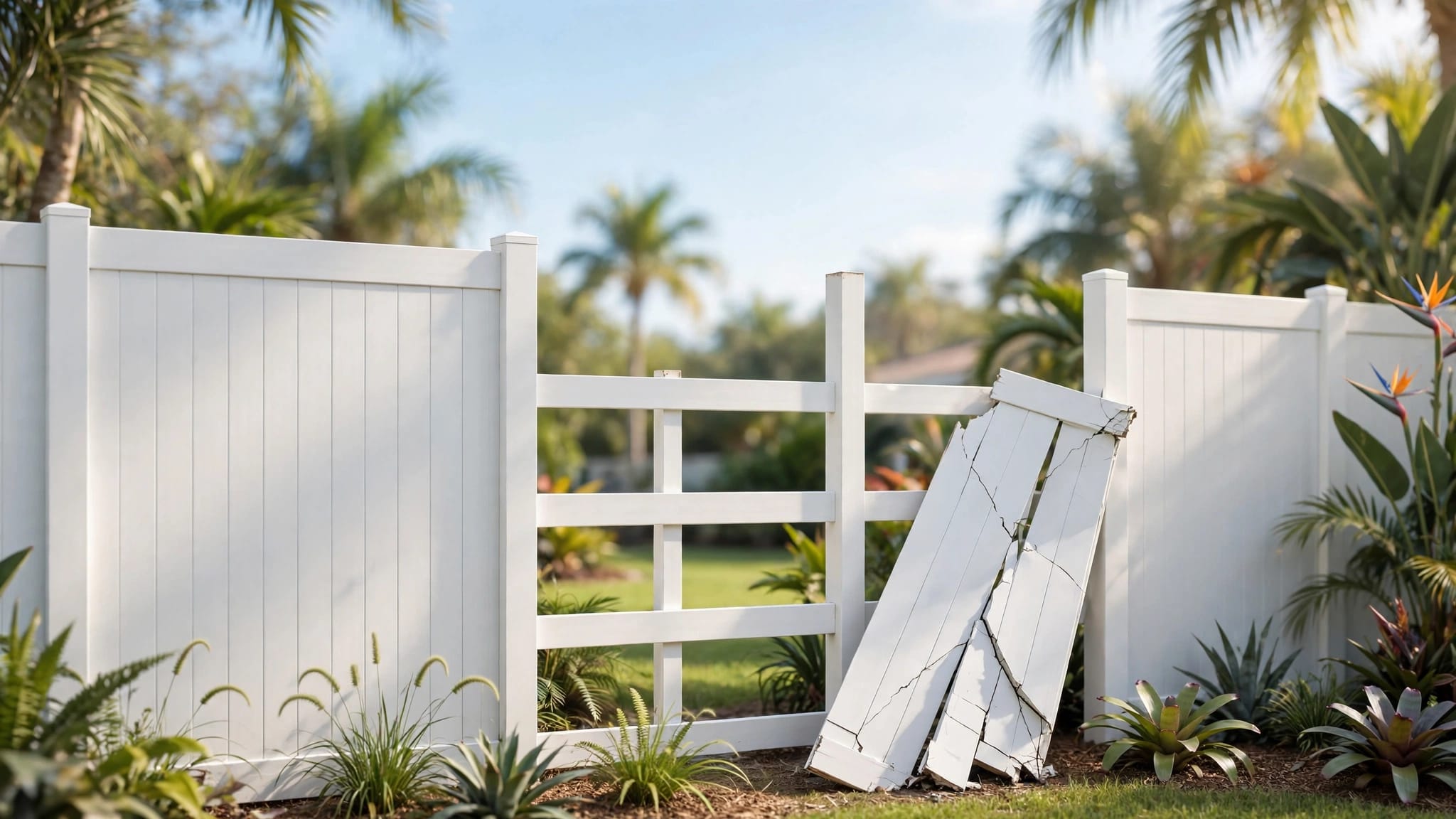
If you're on the fence between repair and replacement, it can help to get a repair-focused evaluation first, especially after storms. For example, see what's typically addressed in professional fence repair in SWFL.
If a contractor asks for a large deposit before paperwork, pause. A fair deposit is normal, but the scope, materials, and permit plan should be clear first.
Conclusion
Choosing a fence contractor southwest florida homeowners can trust comes down to proof and details. Pick someone who understands salt air, wind, rain, and sandy soils, then confirm licensing, insurance, permits, and HOA rules in writing. Finally, compare quotes using the same checklist so you know what you're paying for. A good fence should fade into the background, because it's doing its job quietly, year after year.