Florida Shared Fence Law And Homeowner Cost Sharing Basics
A shared fence can feel like a simple backyard detail until someone wants to replace it, raise it, or paint "their side." Then it turns into a property line question, a permit question, and sometimes a relationship question.
Here's the bottom line on Florida shared fence law : in most residential situations, Florida doesn't hand you an automatic 50-50 cost split just because a fence sits near a boundary. Cost sharing usually comes from a written agreement, HOA rules, or a very specific legal context.
The good news is you can prevent most fence disputes with a clear plan, a survey, and a short agreement.
What Florida shared fence law covers statewide (and what it doesn't)
Florida has fence laws, but homeowners often assume they work like a built-in "neighbor fence partnership." In reality, a lot of Florida's fence statutes grew out of agricultural needs (livestock, boundary enclosures, and rural land use). A helpful quick reference is the National Agricultural Law Center's compilation, States' fence statutes list for Florida, which points you to the statute sections to read in full.
For a plain-English discussion of adjoining landowner issues, the University of Florida IFAS guide, Handbook of Florida Fence and Property Law: Adjoining Landowners, is a strong starting point. It explains the concepts that tend to matter in real life: boundary lines, ownership, access, and what happens when neighbors disagree.
So what's the practical takeaway for most neighborhoods in Southwest Florida?
- If a fence is built entirely on one owner's property , that owner generally controls it and pays for it.
- If a fence is intended as a boundary line fence , cost sharing usually depends on an agreement , not assumptions.
- If the true line is unclear, a fence can accidentally become an encroachment issue, not a "shared project."
A fence isn't "shared" because it feels shared. It's shared when the boundary and the agreement are both clear.
When you want to read the actual statute language, start with the Florida Legislature's site and search by chapter or statute number. This page is a workable entry point to the official database: Florida Statutes on Online Sunshine.
Local ordinances and HOA rules can override the plan (especially in SWFL)
Statewide law is only one layer. In Lee, Collier, Charlotte, and Sarasota areas, the rules that affect your fence most often are local: permits, height limits, corner lot visibility, setbacks, easements, and pool barrier requirements. On top of that, HOAs can be stricter about style, color, approved contractors, and where the "pretty side" must face.
If you live in an HOA, start by confirming which Florida HOA statute framework applies. Chapter 720 is commonly the center of gravity for many HOAs. For a quick reference, see Florida Statutes Chapter 720 (Homeowners' Associations), then verify details in your community's governing documents and on the official state site.
Also, some fences are not just "nice to have." They're safety items. Pool barriers are the classic example. If a pool barrier is required, you still shouldn't assume a neighbor must pay, but you do need to plan around code and inspection. For a local, homeowner-focused guide, see Cape Coral pool fence rules in 2026.
Before you talk dollars, it helps to look at realistic numbers. Here are common cost-sharing outcomes we see when neighbors cooperate.
| Scenario | Example total cost | A fair split often looks like | Example per neighbor |
|---|---|---|---|
| Replace 120 ft, 6 ft vinyl privacy | $6,600 | 50-50 if both want same fence | $3,300 |
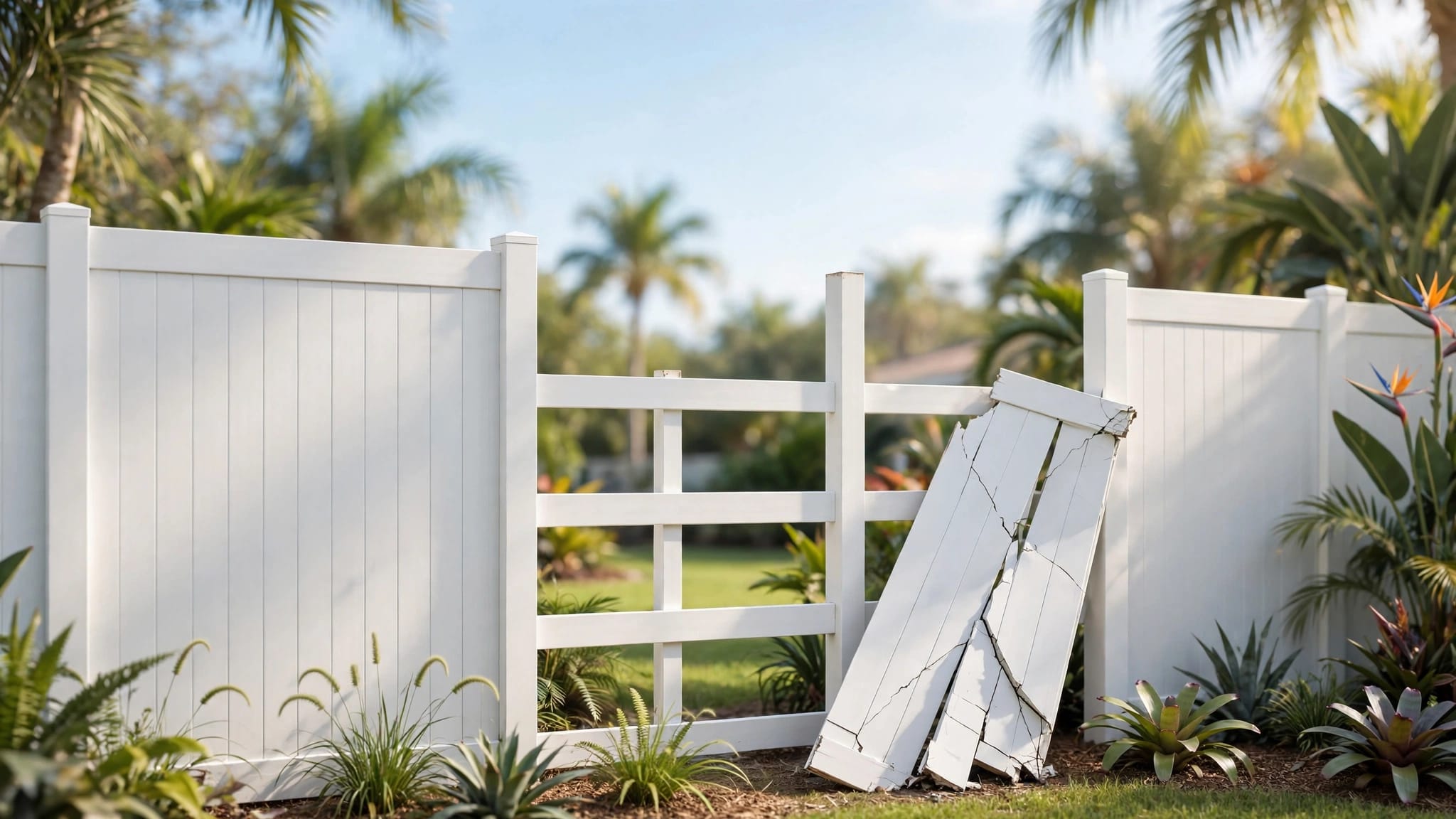
| Repair storm damage to 30 ft section | $1,200 | 50-50 if both benefit and both agree | $600 |
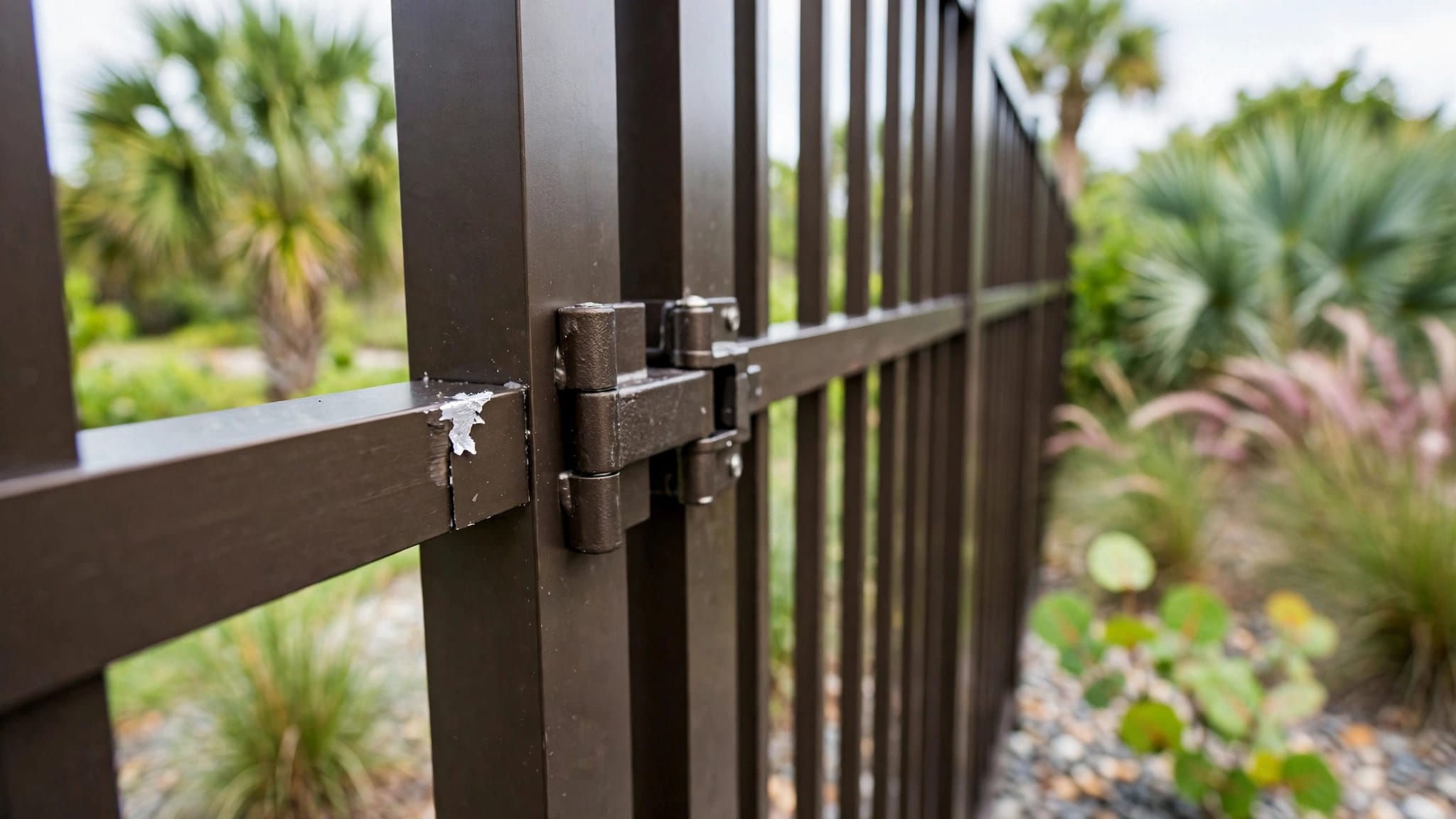
| One neighbor upgrades (vinyl to aluminum) | $7,800 | Split "basic replacement," upgrader pays the difference | Varies |
| Fence is on one property (not the line) | $6,600 | Owner pays, neighbor can contribute only by agreement | Optional |
If you're weighing privacy options for a line fence, this overview of vinyl privacy fence benefits in Cape Coral helps you compare the practical pros and cons before you negotiate a split.
A step-by-step process for cost sharing that doesn't blow up later
A shared fence agreement works best when it's boring. No vague promises, no "we'll figure it out later." Use this simple order so you don't spend money on the wrong line or the wrong design.
- Survey first : Get a current boundary survey if there's any doubt.
- Confirm the line and easements : Watch for drainage, utility, and access easements.
- Check local code and HOA rules : Height, setbacks, corner visibility, and approved materials.
- Get at least 2 bids : Compare material, post spacing, gates, and haul-off.
- Give written notice : Share the plan, the cost, and the proposed split.
- Sign a simple agreement : Put ownership, maintenance, and payment in writing.
- Document payment and keep receipts : Save the signed agreement, invoices, and proof of payment.
Here's neighbor-friendly language you can adapt:
Hi [Neighbor Name],
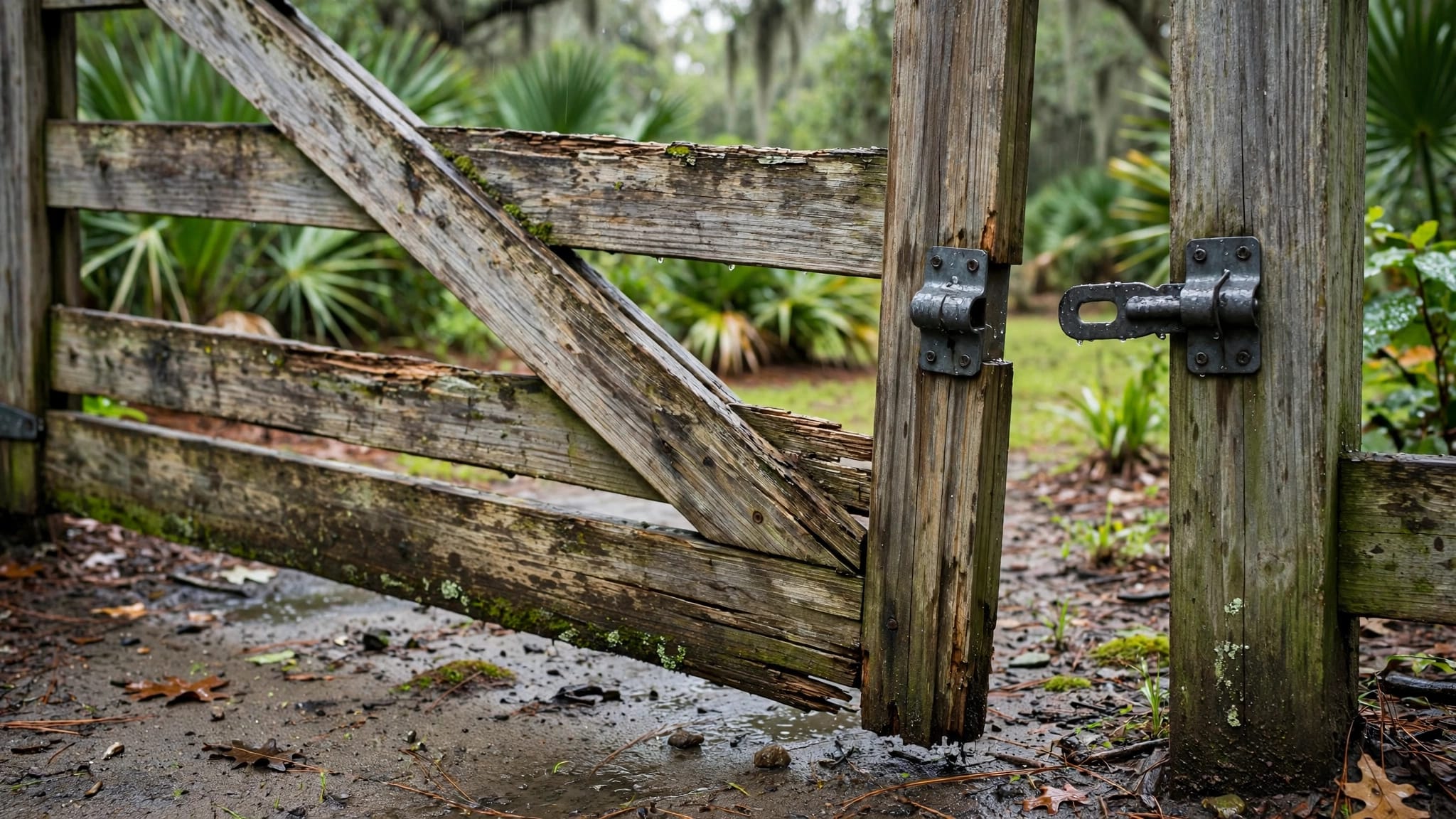
We're planning to replace the fence along the property line on the west side because it's leaning and several posts are failing. We had a survey/plat reviewed and plan to build the new fence on the boundary (not inside either yard).
The estimate for 120 linear feet is $6,600, including removal and haul-off. If you're open to splitting it 50-50, your share would be $3,300.
I can share the bid details and we can pick a start date that works for both of us. If you prefer a different material or height, let's talk through options and costs before we schedule. Thanks.
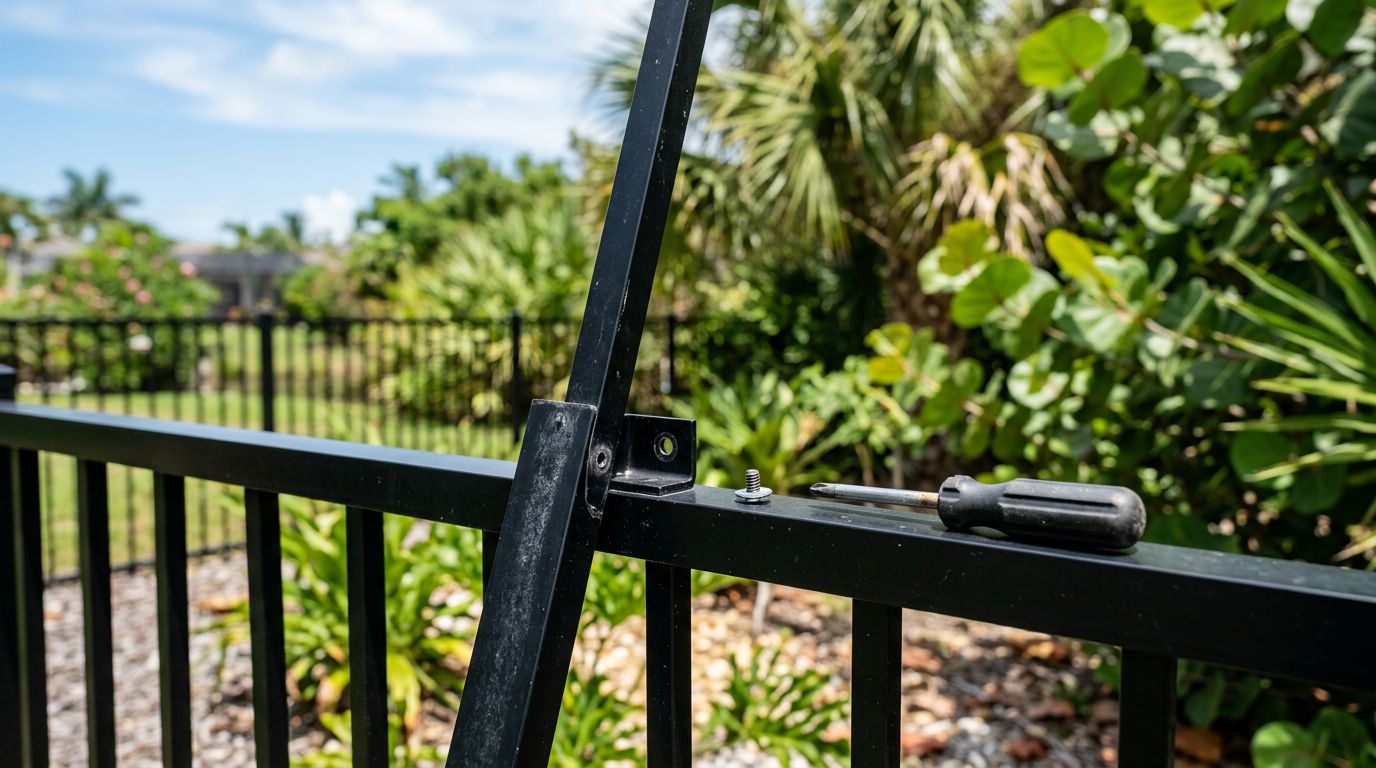
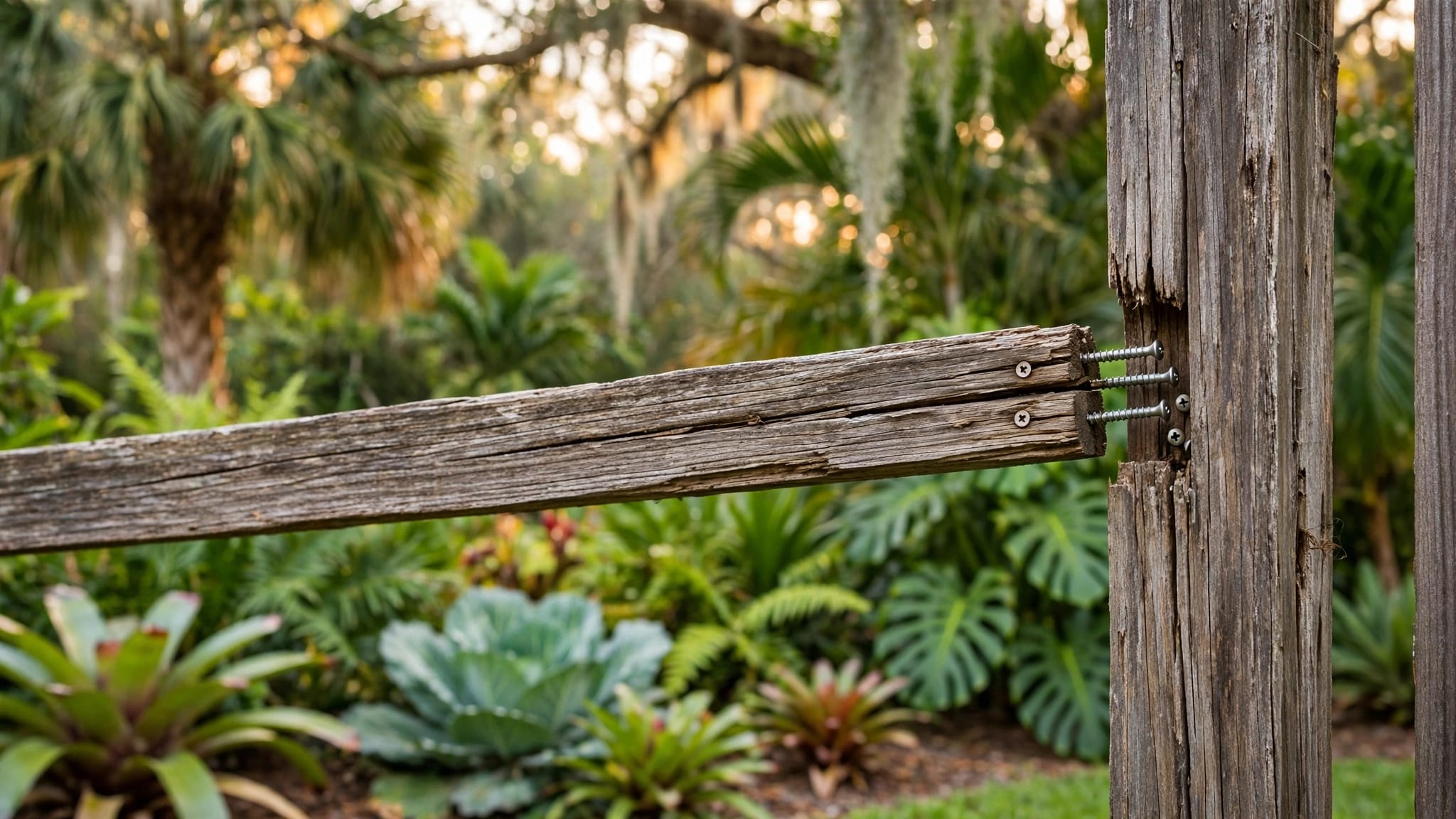
If the fence already exists and it's failing after wind or impact, repairs can be a faster, cheaper compromise than replacement. This page on fence repair services in Cape Coral is a good reference point when you're deciding whether a fix makes sense.
Not legal advice: This article is general information, not legal advice. If a neighbor dispute involves boundary claims, encroachment, threats, or refusal to allow access, talk with a Florida real estate attorney before you tear out or rebuild anything.
Conclusion
Florida shared fence law isn't a simple "split it down the middle" rule. In practice, the best results come from three things: a confirmed line, local and HOA compliance, and a short written agreement with clear numbers. Handle it that way and the fence becomes what it should be, a quiet boundary, not a loud problem.