Cape Coral Pool Fence Rules in 2026, Barrier Height, Gate Latches, and Self-Closing Basics
A pool should feel like a backyard bonus, not a stress point. In Cape Coral, the fastest way to turn a new pool (or a new fence) into a headache is to miss a small detail, like a gate that doesn’t self-latch or a gap that’s just a bit too wide.
This guide breaks down Cape Coral pool fence rules as of February 2026 in plain English. You’ll see what Florida requires statewide, what Cape Coral typically enforces through permits and inspections, and the gate basics that inspectors pay the most attention to.
Florida’s statewide pool barrier minimums (the rules every city starts with)
In Cape Coral, the baseline comes from statewide requirements, mainly the Residential Swimming Pool Safety Act and the Florida Building Code. Florida law sets the “must-have” safety feature approach for residential pools, and the Florida Building Code spells out barrier and gate construction details used during inspections. For the legal framework, see Florida Statutes section 515.27. For code adoption and updates, start with the Florida Building Code (Florida Building Commission).
At a practical level, most residential pool barrier inspections come down to a few measurements and a few “can a kid get through or under it?” tests.
Here’s a quick reference of common minimums inspectors look for (always confirm on your permit set):
| Item inspectors measure | Common statewide minimum | In feet (approx.) |
|---|---|---|
| Barrier height | 48 inches | 4.0 feet |
| Max opening (pickets, panels, gates) | 4 inches | 0.33 feet |
| Max clearance under barrier | 2 inches | 0.17 feet |
| Max decorative cutout opening | 1.75 inches | 0.15 feet |
Two details matter more than most homeowners expect:
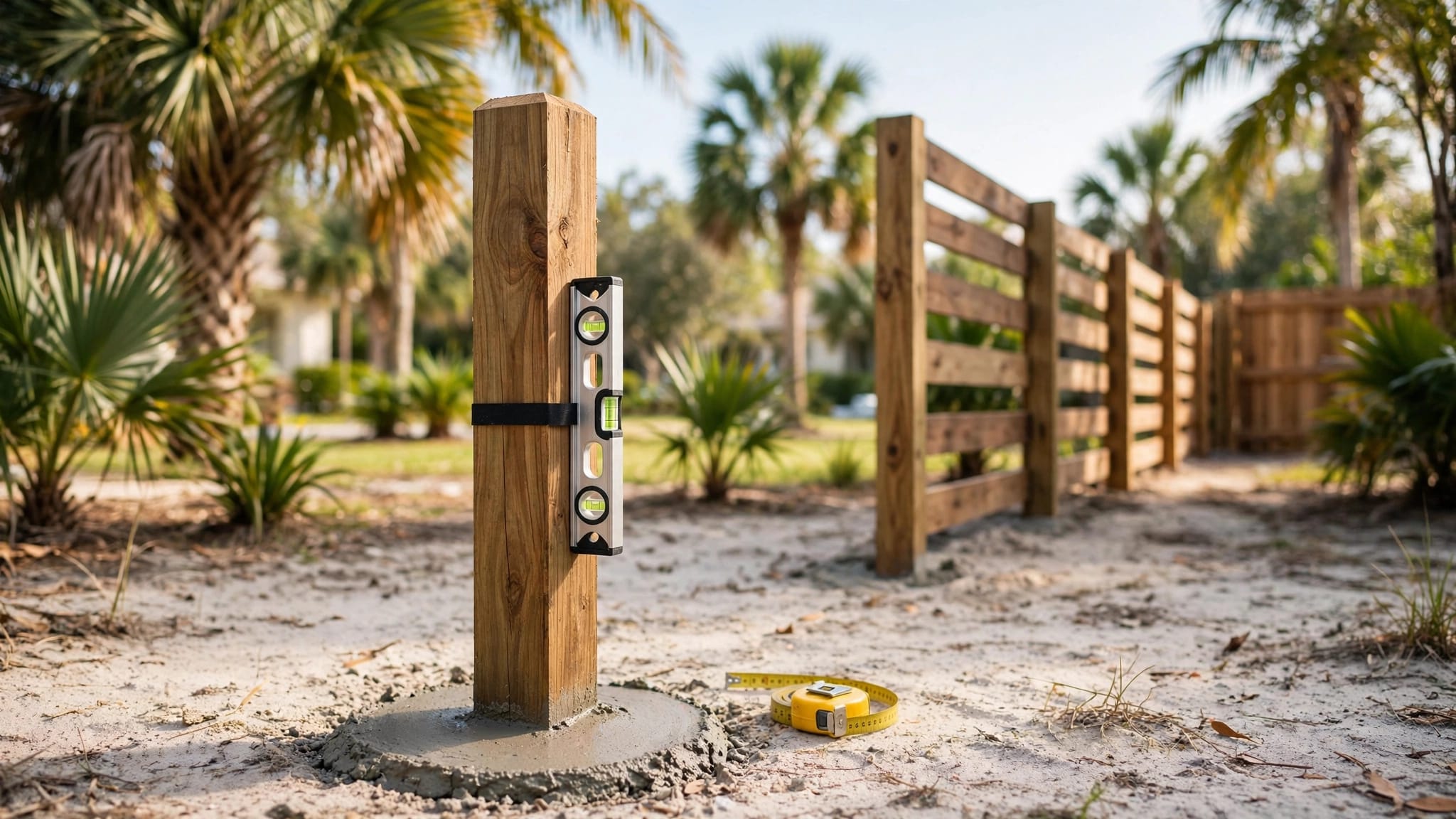
First, measurements are taken at the barrier , not from where the yard “used to be.” If you add sod, pavers, or rock later, the clearance under the fence can change.
Second, “climb-ability” isn’t just a feeling. Horizontal rails, closely spaced ornamentation, planters near the fence line, and AC pads can create a step-up that fails inspection even if the fence is tall enough.
What can be stricter in Cape Coral (and why permits matter)
Cape Coral generally enforces the statewide pool safety rules through the local permitting and inspection process. That means the city may not rewrite the entire pool barrier standard in an ordinance, but it can still be strict about what passes inspection, how it’s documented, and how it’s placed on your lot.
For local code research, you can review the city’s ordinances in the Cape Coral Code of Ordinances (Municode). For permit workflow and requirements, the best starting points are the city’s Permitting Services Division and the Permit Document Center, where current forms and submittal documents are posted.
In February 2026, Cape Coral permit packages commonly require a site plan that clearly shows:
- The pool location and the proposed barrier line
- All gate locations and swing direction
- The house doors facing the pool area (if the home forms part of the barrier)
- Fence and gate specs from the manufacturer (or build details if custom)
Cape Coral can also be “stricter” in a simple way: consistency . If one side of the fence has a 2-inch ground clearance and another side has erosion creating a 3-inch gap, it’s still a fail. The same goes for a gate that closes most of the time, but sticks after rain.
If your yard has a pool cage, a yard fence, and a side gate, expect inspectors to treat every access point like it’s the only weak link, because for a child, it is.
Gate rules in plain English: self-closing, self-latching, and latch placement
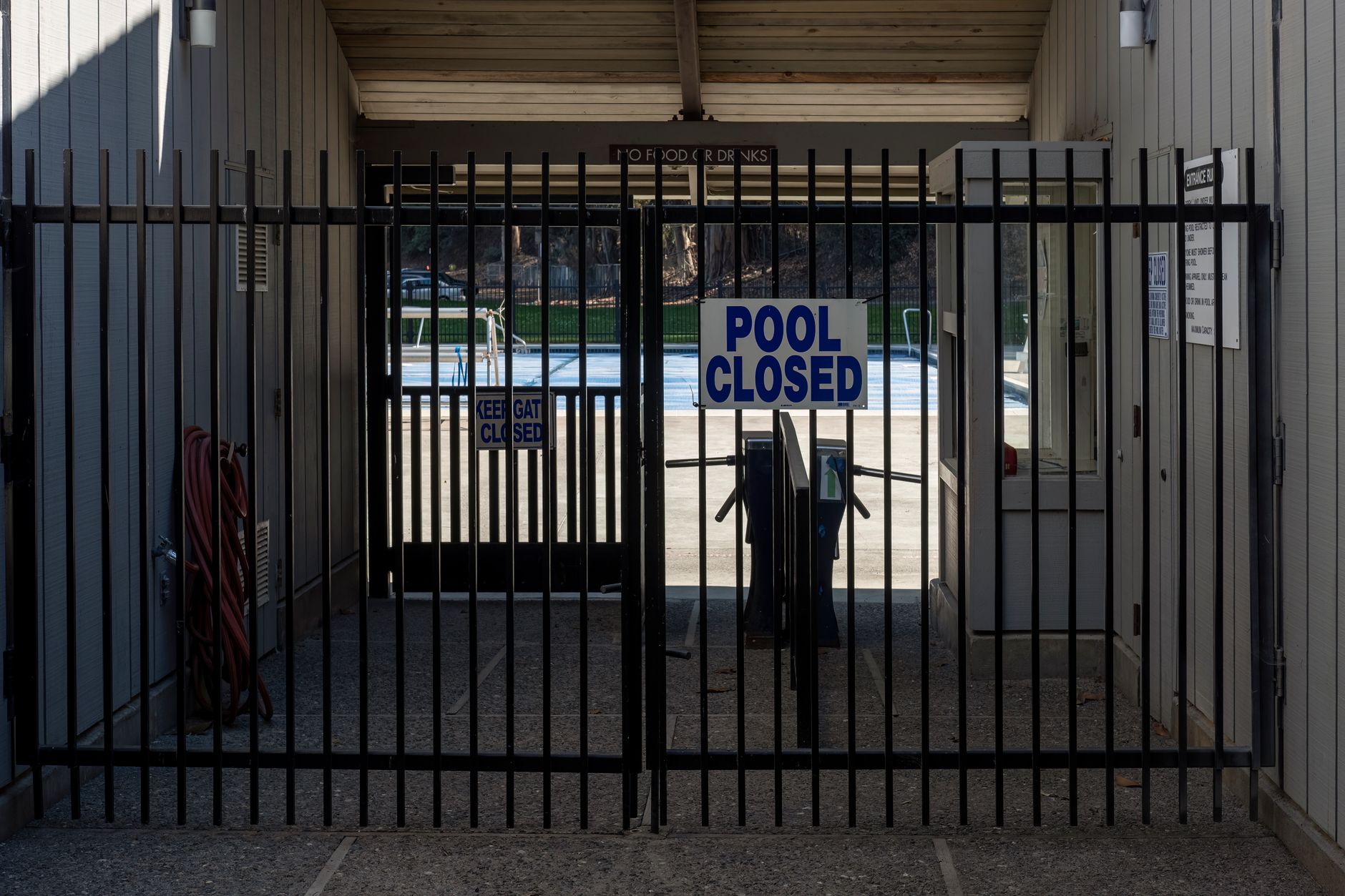 Photo by David McElwee
If the fence is the wall, the gate is the door. Most pool barrier failures happen at gates because gates move, sag, and get used daily.
Here are the basics that typically apply in Cape Coral because they’re tied to statewide code standards:
A pool gate should swing outward, away from the pool , so a child pushing on it from the outside can’t “pop it open” as easily. It must be self-closing and self-latching , meaning it returns to the closed position and latches without someone remembering to lock it.
Latch placement is where people get tripped up. The Florida Building Code commonly allows compliance in ways that prevent easy reach by young kids, such as a latch release that’s high enough above grade, or a latch mounted on the pool side with shielding so it can’t be reached through a 4-inch opening. Because hardware designs vary, inspectors will check the actual installed condition, not what the box claims.
A good real-world approach is to choose pool-rated hinges and latches that are designed for code compliance, then avoid “helpful” add-ons that create footholds. For example, a decorative handle on the outside of a gate can turn into a step and a grip.
Also watch what’s near the gate. A grill pad, a bench, or a planter placed next to the latch side can undo a compliant fence fast.
If the home wall forms part of the pool barrier , statewide rules typically require an approved protection method for doors that open directly to the pool area (often alarms or other code-approved protections). This is one reason permit drawings ask you to show doors and access points clearly.
A Cape Coral permitting and inspection checklist that prevents rework
Cape Coral pool fence projects go smoother when you treat the fence like part of the pool safety system, not a separate backyard upgrade. That starts with picking a material that holds its shape and keeps openings tight through summer heat and heavy rain.
Aluminum and other metal systems are popular for pools because they’re strong, resist rot, and can be built with tight picket spacing. If you’re comparing options, this overview of a metal fence installer in Cape Coral explains why many homeowners choose metal for safety-focused enclosures.
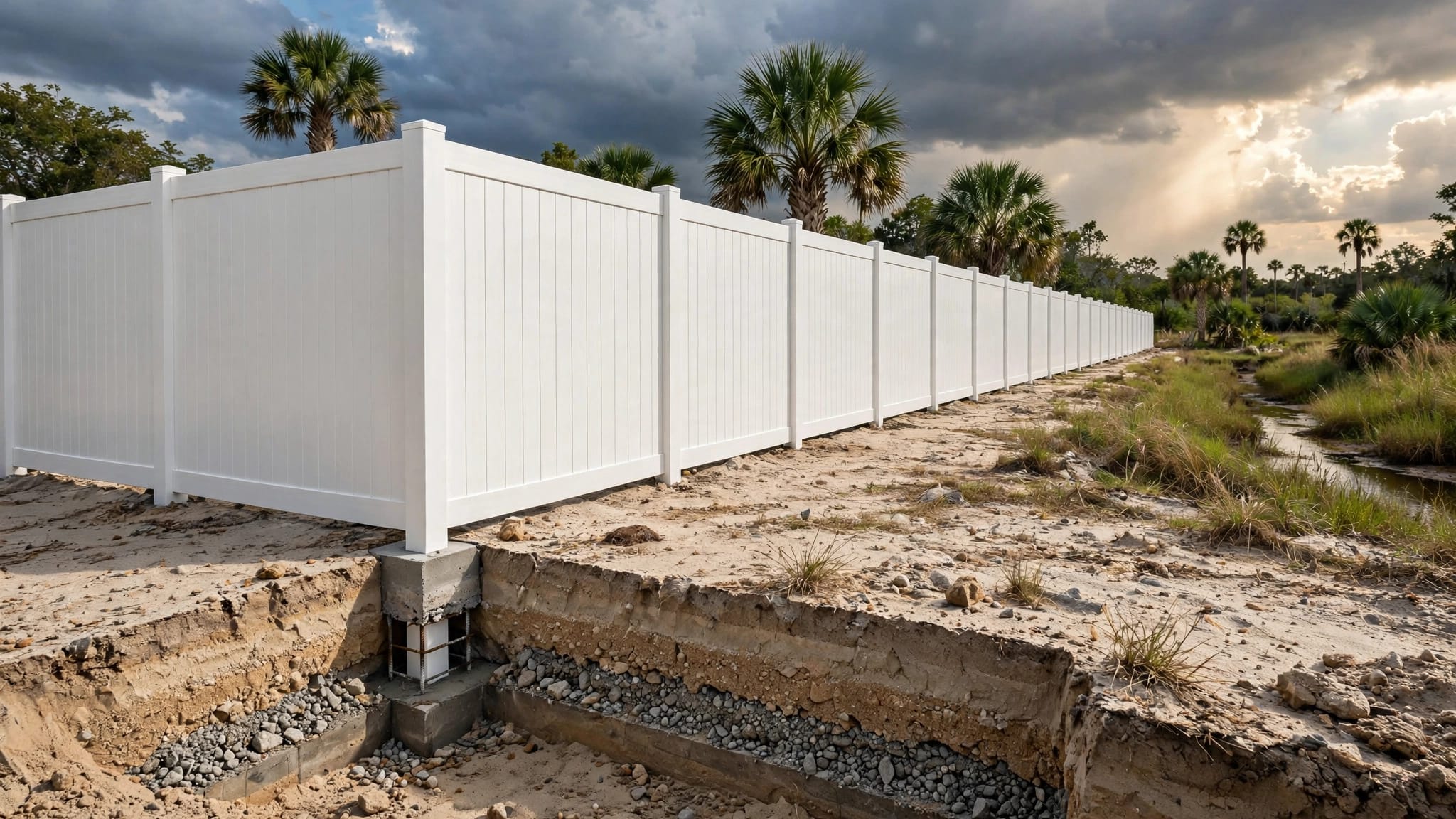
If privacy is the goal, vinyl can work too, but you still need compliant height, clearance, and a gate that meets pool barrier requirements. This article on a vinyl privacy fence in Cape Coral is a helpful starting point for weighing privacy against airflow and layout.
Before your inspection, do a quick “kid test” walk:
- Check the full perimeter for any spot where the bottom clearance exceeds 2 inches (0.17 feet)
- Confirm gate swing direction, outward and away from the pool
- Open the gate fully, let it go, and verify it closes and latches every time
- Look for climb helpers within a few feet of the barrier line (furniture, planters, railings)
If you’re unsure which rule applies to your setup, confirm with your permit documents and the city’s current resources through the Cape Coral Permit Document Center. It’s much cheaper to adjust a hinge in the shop than to rebuild a gate after a failed inspection.
Conclusion
Pool barriers aren’t about checking a box, they’re about removing the one mistake nobody gets a second chance to fix. In 2026, Cape Coral pool fence rules still come down to the basics: 48 inches (4 feet) of height, tight gaps, and gates that close and latch on their own.
Safety and legal note: Requirements and interpretations can change, and site conditions matter. Always confirm your exact barrier and gate requirements with the City of Cape Coral Building Department and your assigned inspector before installation.