Cape Coral Fence Material Comparison for 2026, Vinyl vs Aluminum vs Wood vs Composite (Pros, Cons, Best Use Cases)
Picking cape coral fence materials isn’t just about looks. In 2026, you’re buying something that has to live through blazing sun, heavy rain, salty air, and the kind of wind that turns loose panels into projectiles.
So what’s the right move for your home, your pets, your pool, and your budget? Below is a practical, Cape Coral focused comparison of vinyl, aluminum, wood, and composite, with real pros and cons, common failure points in our climate, and the situations where each material makes the most sense.
What Cape Coral weather does to fences (and what to plan for)
Cape Coral’s heat and UV exposure can fade finishes and dry out materials. Add humidity and you get mold and mildew on shaded sides, especially on north-facing runs and near sprinklers. If you’re on a canal or closer to the river, salt in the air speeds up corrosion and can eat low-grade hardware fast.
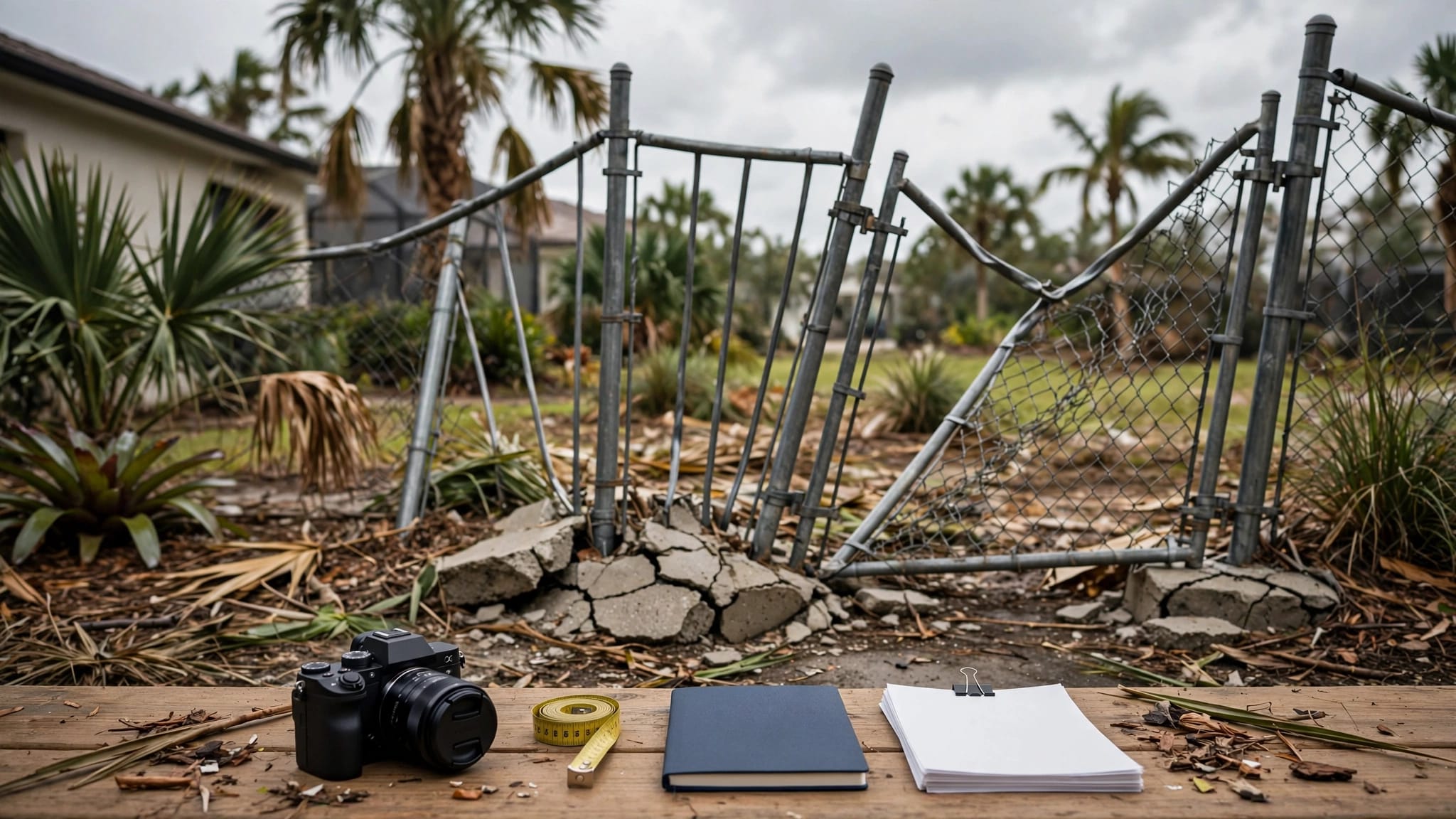
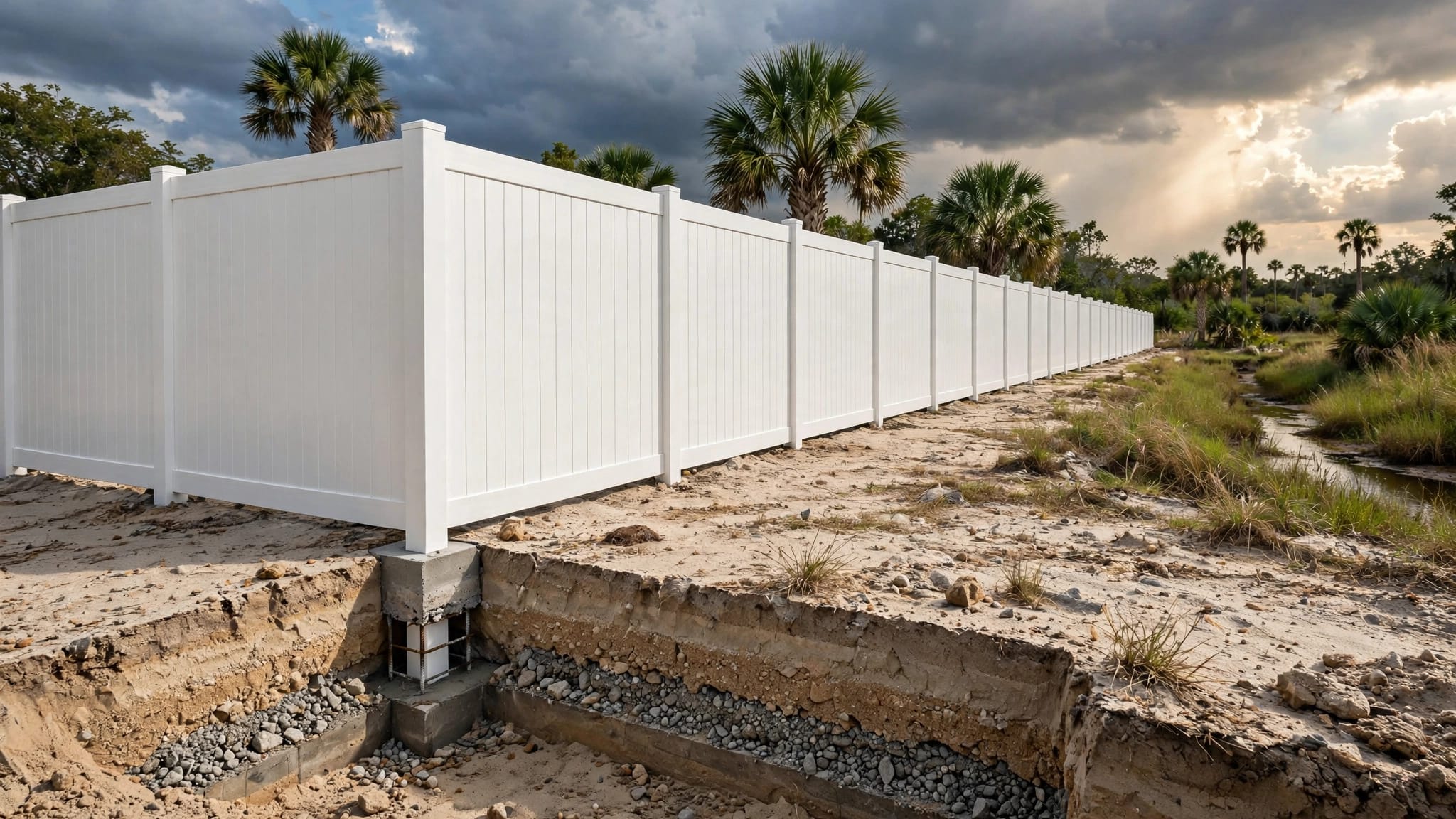
Wind matters too. A full privacy fence acts like a sail. That doesn’t mean “no privacy fences” here, it means planning for stronger posts, proper depth, quality brackets, and smart gate design.
A few fixes help across almost all fence types:
- Choose stainless steel or high-quality coated fasteners whenever possible.
- Keep fence boards or panels off the soil to reduce rot and wicking.
- Rinse fences near salt air and wash mildew early with gentle cleaners.
- Budget for the “not obvious” line items, like demolition and haul-off, gate hardware, and tricky soil or roots.
Vinyl fencing in Cape Coral: privacy with low upkeep
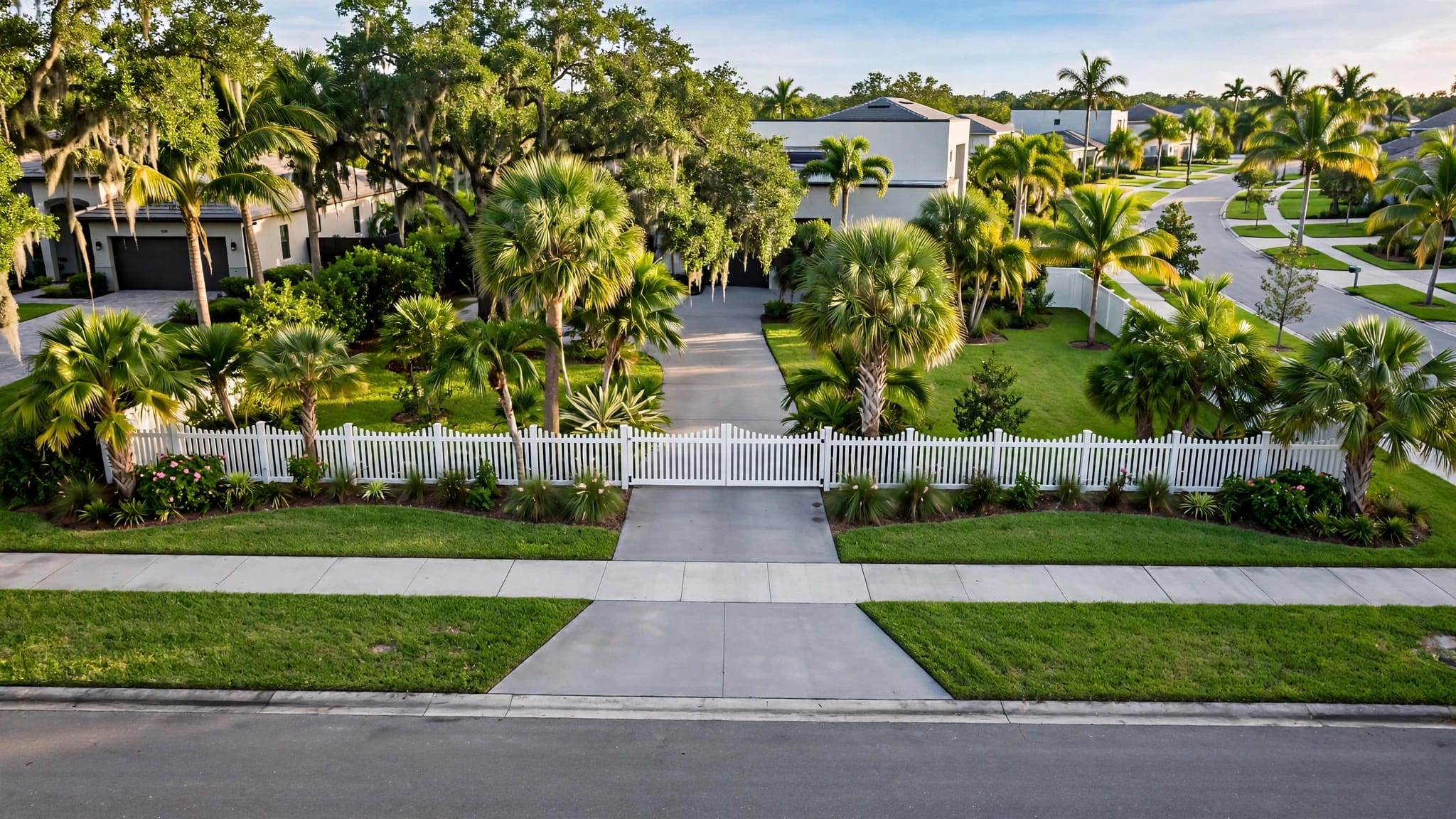
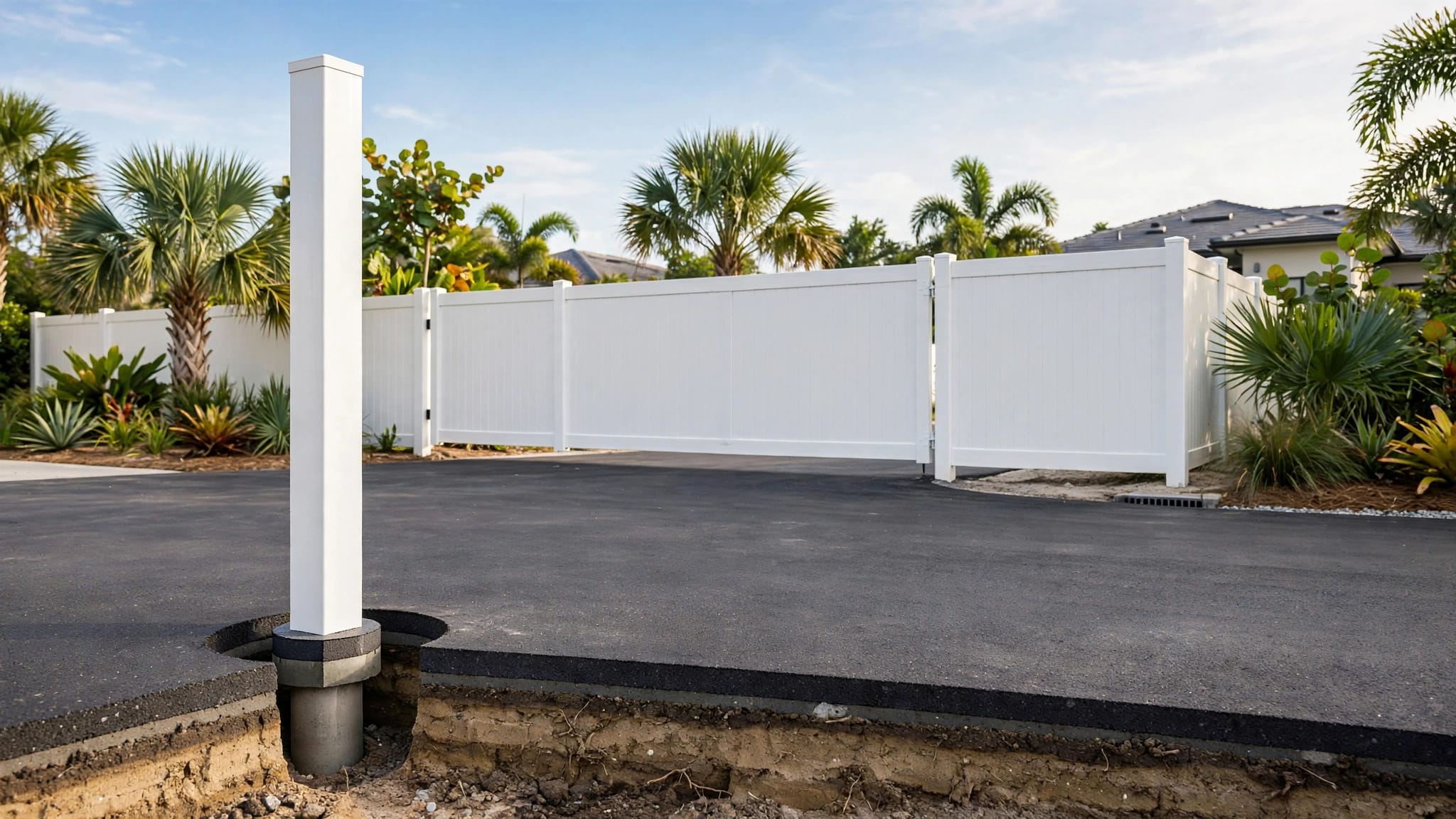
Vinyl is popular here for one reason: it stays neat without a weekend maintenance habit. It won’t rot, it doesn’t attract termites, and it handles humidity better than most materials. For backyard privacy, it’s a clean, simple look that fits many neighborhoods.
Installed cost in Cape Coral (per linear foot):
low ~$28, typical ~$40, high ~$55 (height, reinforced posts, and gates push you upward).
Expected lifespan:
often 20 to 30+ years with normal care.
Maintenance:
rinse as needed, spot-clean mildew, avoid blasting it with a pressure washer at close range.
Common failure modes in this climate:
Vinyl can chalk
over time (a dull, powdery look), and lower-grade panels can warp
or flex in heat. Wind can also rack a long run if posts are under-built.
How to reduce problems: choose thicker panels, ask about wind-rated post spacing, and use upgraded gate frames for wide openings.
If you’re leaning toward privacy, see what to expect from vinyl privacy fences in Cape Coral and what options exist for vinyl fence installers in Cape Coral.
Best use cases: pool privacy (with code-appropriate gates and spacing), rentals where you don’t want constant upkeep, and family backyards where splinters are a hard no.
Aluminum fencing: the Cape Coral “waterfront and pool” favorite
Aluminum is the go-to for homeowners who want an open view with strong boundaries. It’s also a great match for pool areas because it looks sharp, doesn’t splinter, and stays stable in wet conditions.
Installed cost in Cape Coral (per linear foot):
low ~$32, typical ~$50, high ~$70 (ornamental styles, extra rails, and powder-coat upgrades add cost).
Expected lifespan:
commonly 25 to 40+ years.
Maintenance:
rinse near salt air, check gate hinges and latches, touch up coating chips quickly.
Common failure modes in this climate:
The metal itself holds up well, but hardware can fail. Watch for fastener corrosion
and galvanic corrosion
when dissimilar metals touch (for example, wrong screws in the wrong brackets).
How to reduce problems: use stainless fasteners, avoid mixing metals, and rinse the fence after heavy salt spray days.
For a style-focused look, especially in front yards, see examples of metal fencing for Cape Coral yards.
Best use cases: canal-front homes where you want airflow and less wind load than solid panels, pools, front-yard decorative fencing, and homes where curb appeal matters as much as function.
Wood fencing: warm, classic, and high-maintenance in SWFL
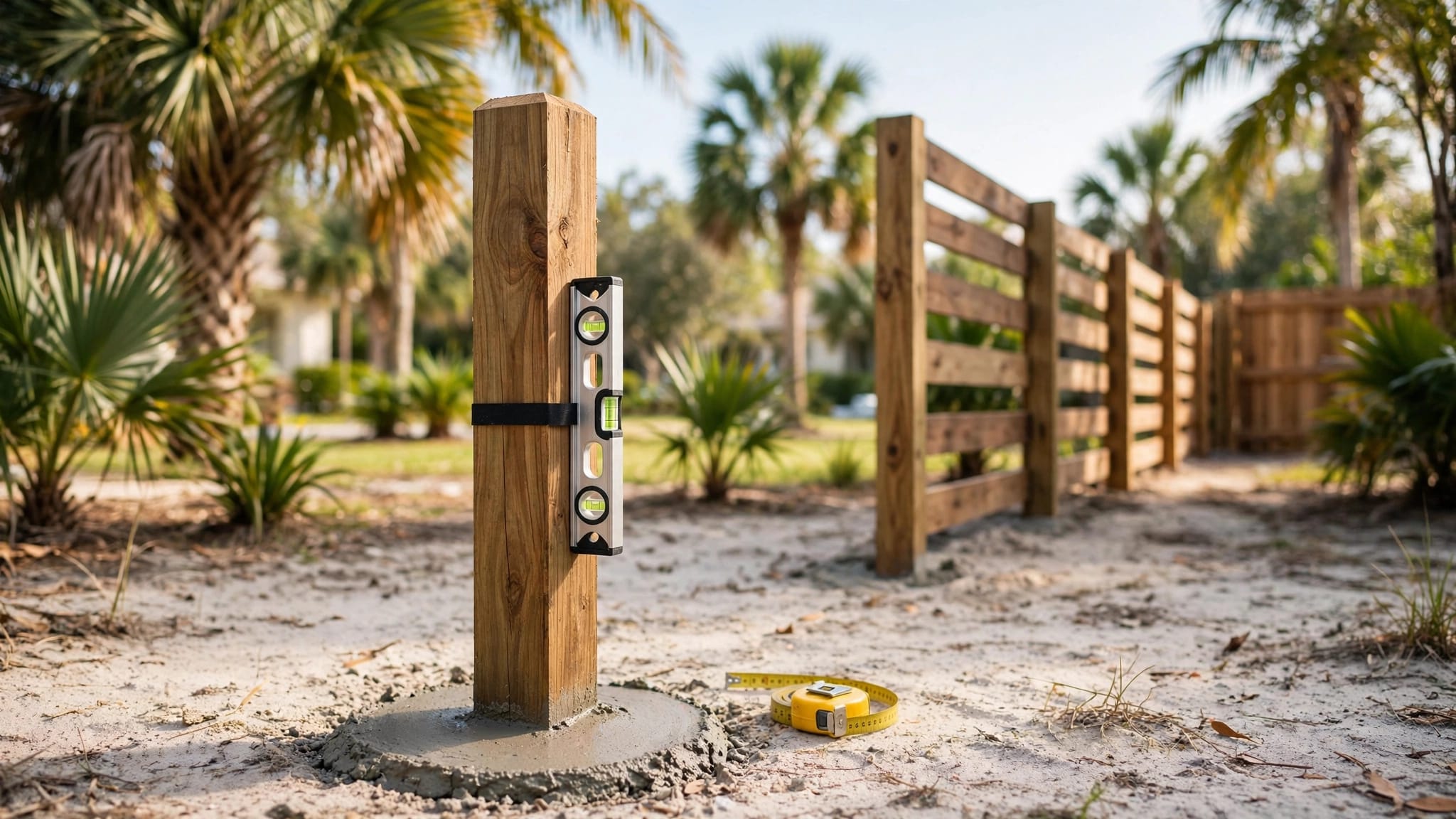
Wood has a natural look that vinyl can’t fully copy. It also gives real privacy, and it’s easy to customize for odd lot lines or unique gates. The trade-off is simple: Cape Coral weather will test it.

Photo by Gerritt Tisdale
Installed cost in Cape Coral (per linear foot):
low ~$37, typical ~$45, high ~$53 (board style, staining, and demolition are common add-ons).
Expected lifespan:
often 10 to 20 years depending on upkeep and material.
Maintenance:
plan to stain or seal on a schedule, and replace problem boards.
Common failure modes here: rot at the bottom edge, termite damage , and warping after wet seasons. Mold and mildew show up fast in shade.
How to reduce problems: keep pickets a few inches above grade, improve drainage where water sits, seal cut ends, and choose corrosion-resistant hardware. If sprinklers hit the fence daily, adjust them.
Best use cases: homeowners who love a natural look and don’t mind maintenance, pet yards where you want true privacy, and custom layouts where on-site trimming and fitting helps.
Composite fencing: the “wood look” without constant sealing
Composite is designed to bridge the gap between wood’s look and vinyl’s low upkeep. Many options use boards made from wood fiber and plastic, often with a capped outer layer for stain resistance.
Installed cost (planning range per linear foot):
low ~$45, typical ~$65, high ~$90 (brand, structural framing, and privacy panel systems drive price). For cost context, compare national pricing discussions like this composite vs. vinyl cost breakdown
and broader budgeting guidance from the HomeAdvisor fence cost estimator.
Expected lifespan:
often 25 to 35+ years when installed correctly.
Maintenance:
light washing, mildew cleanup as needed.
Common failure modes here: heat-related expansion that can cause board movement , and mold or mildew if dirt builds up in shaded, damp areas.
How to reduce problems: follow spacing rules, keep airflow, and use quality fasteners and rails that don’t flex.
Best use cases: homeowners who want a richer, wood-like look with less routine maintenance, higher-end rentals, and backyards where privacy matters but you’re done staining fences forever.
Cost drivers that change your quote in Cape Coral
Even within the same material, your price can swing fast. The biggest drivers are height, number of gates, and how “simple” the run is. Expect higher totals when you add demolition and haul-off, widen gates for boat or trailer access, or install on tough soil with roots or poor drainage. Aluminum pricing jumps with powder-coat upgrades and ornamental styles. Privacy fences (vinyl, wood, composite) often need heavier posts because they catch wind.
Here’s a quick snapshot to keep it straight:
| Material | Typical Cape Coral use | Maintenance level | Installed cost range (per ft) |
|---|---|---|---|
| Vinyl | Privacy yards, rentals | Low | ~$28 to ~$55 |
| Aluminum | Pools, waterfront, front yards | Low | ~$32 to ~$70 |
| Wood | Classic privacy, custom builds | High | ~$37 to ~$53 |
| Composite | Premium privacy, wood-look | Low to medium | ~$45 to ~$90 |
Choose this if… (fast decision guide)
- Choose vinyl if you want privacy and you don’t want sanding, staining, or termite worries.
- Choose aluminum if you’re near water, have a pool, or want an open view with a long service life.
- Choose wood if you want the most natural look and you’re okay with regular sealing and repairs.
- Choose composite if you want a wood-style fence but prefer washing over staining.
Final checklist before you commit
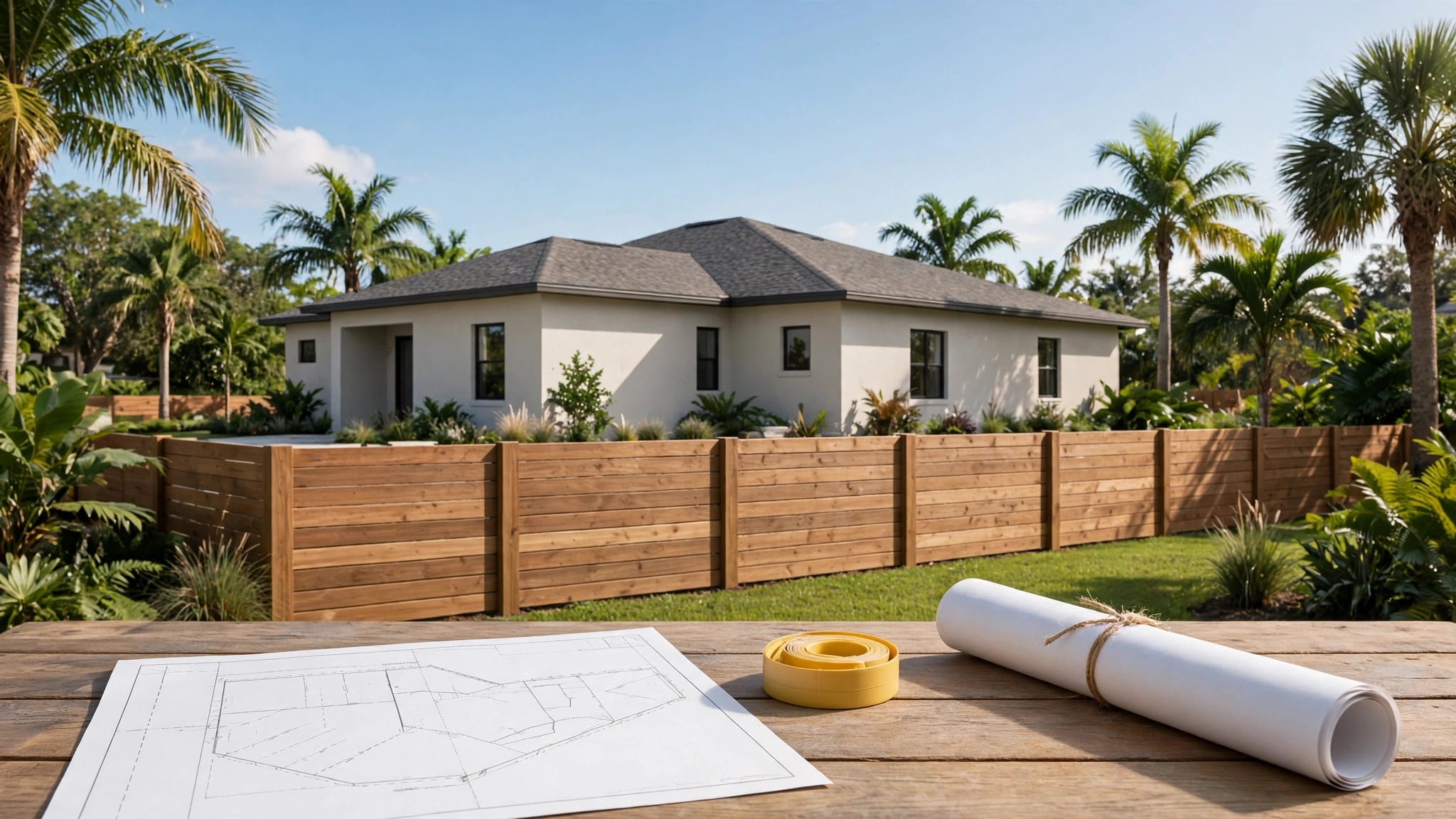
- Confirm property lines, easements, and HOA rules before layout.
- Decide what matters most: privacy, view, pet control, or curb appeal.
- Count gates and size them for how you actually use the yard.
- Ask what hardware is included (stainless or upgraded coatings matter here).
- Plan for wind: post depth, spacing, and gate bracing are not “extras.”
A fence should feel like a quiet upgrade, not a weekly chore. With the right cape coral fence materials and the right install details, you get years of privacy, safety, and curb appeal without surprises.