Fence Cost in Cape Coral in 2026, Real Price Ranges for Vinyl, Aluminum, Chain Link, and Gates
A fence quote can feel a little like ordering coffee when you haven’t had your caffeine yet. Same “size” on paper, totally different total at the register once you pick add-ons. In February 2026, cape coral fence cost depends on your material, height, layout, gates, and how “Florida” your yard is (salt air, wind exposure, and sandy soil all matter).
Below are real-world installed price ranges for Cape Coral, plus what those numbers usually include, sample project totals, and the local rules that can change your plan fast.
Cape Coral fence cost in 2026, real installed price ranges (vinyl, aluminum, chain link)
Most homeowners in Cape Coral see installed fencing land between $13 and $45 per linear foot in 2026, depending on material and design. “Installed” should mean the contractor is supplying and setting posts, concrete footers, panels or fabric, rails, fasteners, caps, and standard gate hardware , then cleaning up.
What’s often not included: permit fees, survey work, major grading, difficult dig conditions (roots, buried debris), and removal of an old fence unless it’s listed as a line item.
Here are practical installed ranges you can use for budgeting:
| Fence type (typical residential) | Low installed $/lf | Mid installed $/lf | High installed $/lf | Notes on what drives the high end |
|---|---|---|---|---|
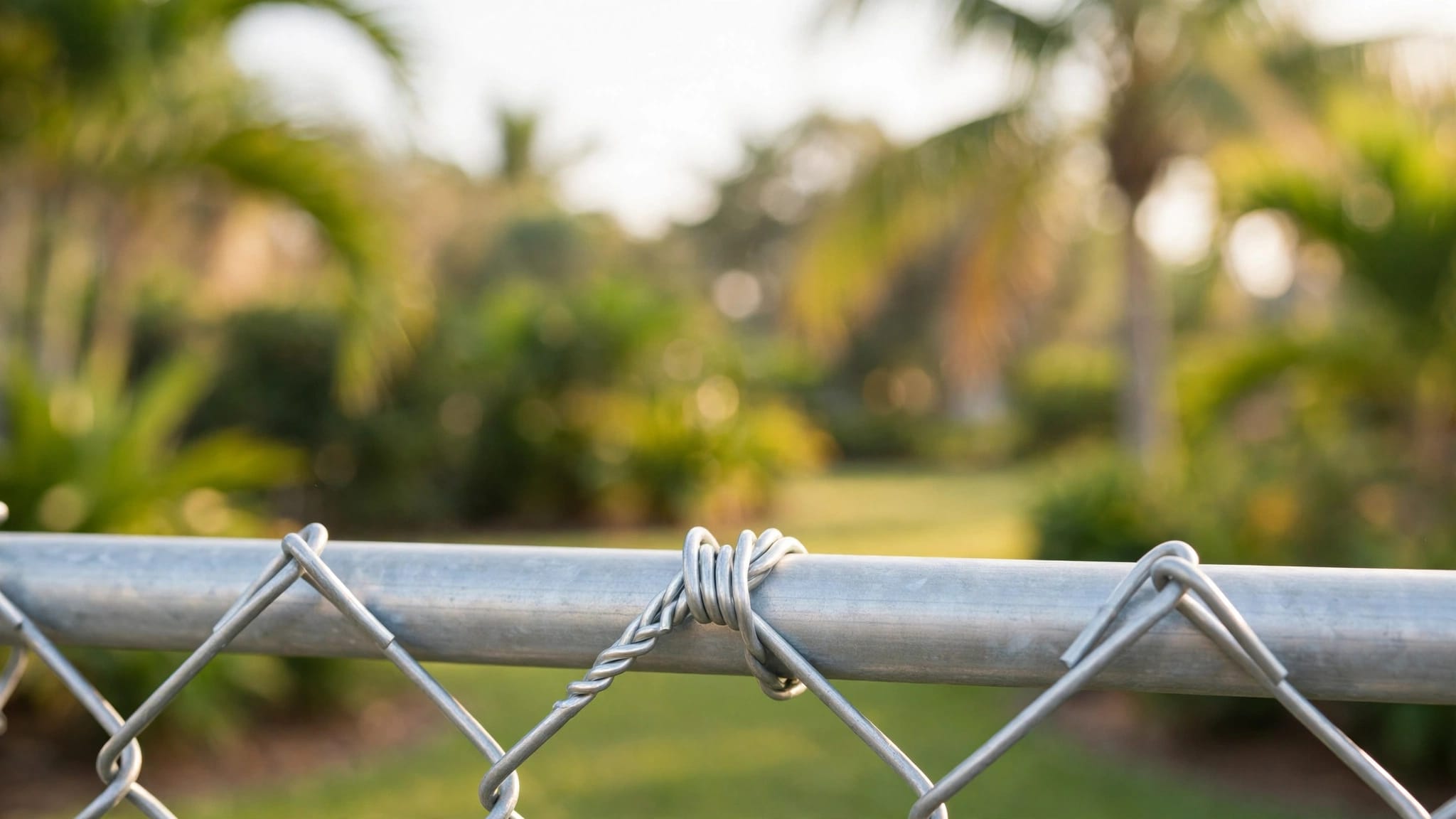
| Chain link (galvanized) | $5 | $10 | $15 | Height, thicker gauge, more terminals, tough digging |
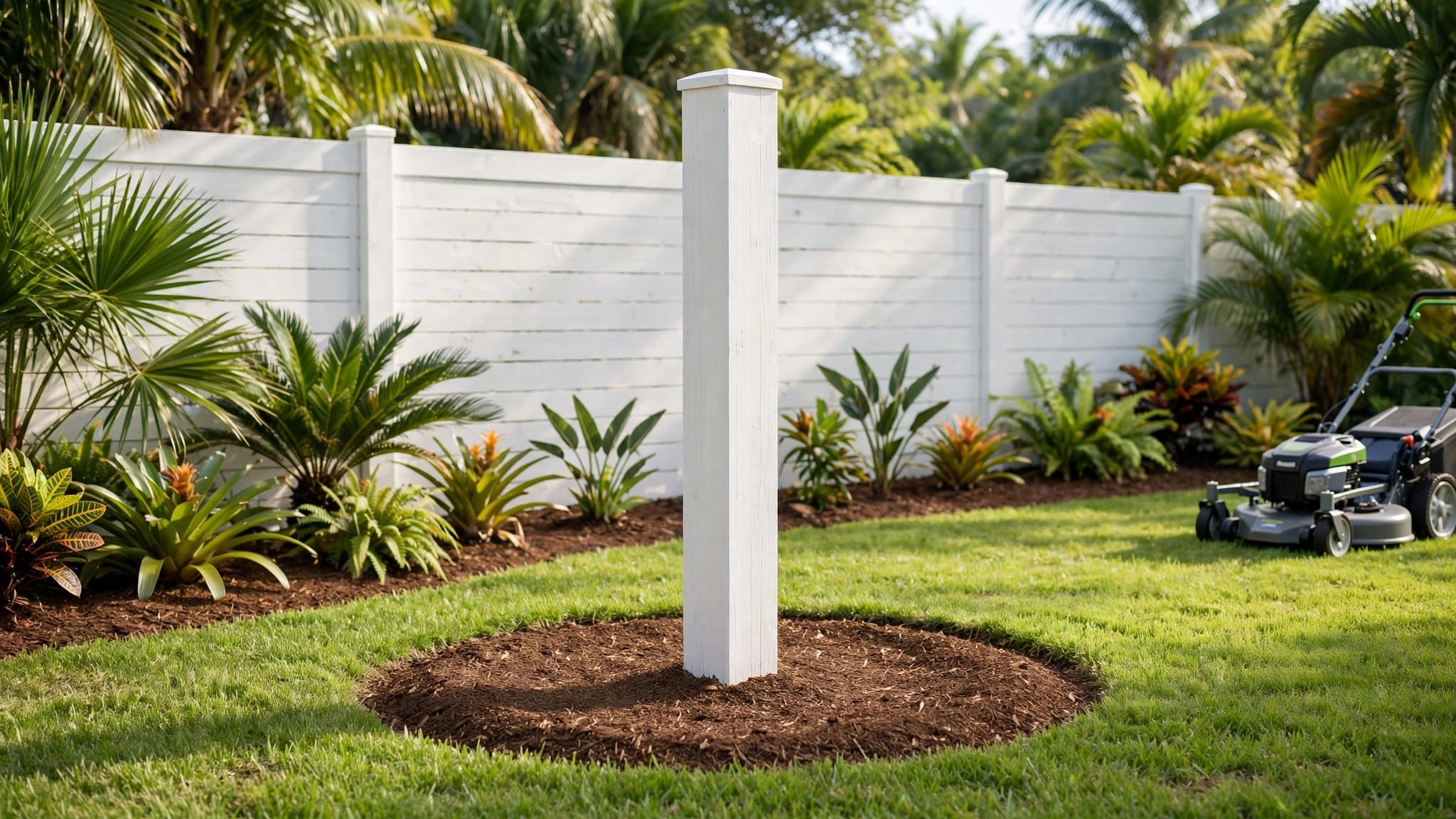
| Vinyl (PVC) | $15 | $28 | $40 | Privacy panels, heavy posts/rails, color options |
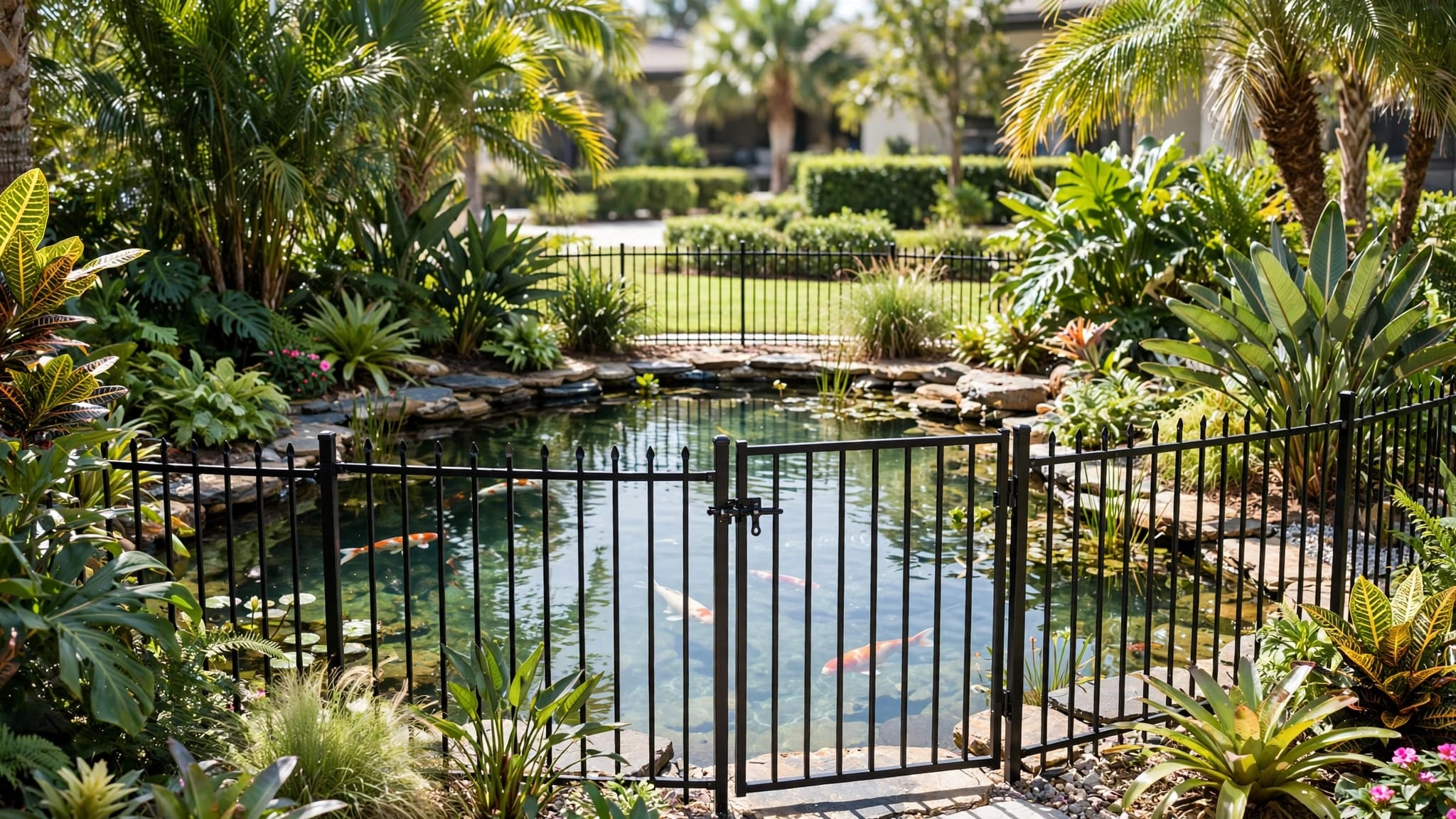
| Aluminum | $22 | $26 | $29 | Decorative styles, taller panels, extra gates |
If you’re comparing fence types for your home, it helps to look at each material in its “best use” lane: vinyl for privacy , aluminum for pool-style safety and open views , and chain link for budget-friendly boundaries . If you’re exploring options, these pages break down material pros and common layouts locally: vinyl fence installers Cape Coral and chain link fence installer Cape Coral. For broader Florida pricing context, see Florida fence pricing factors.
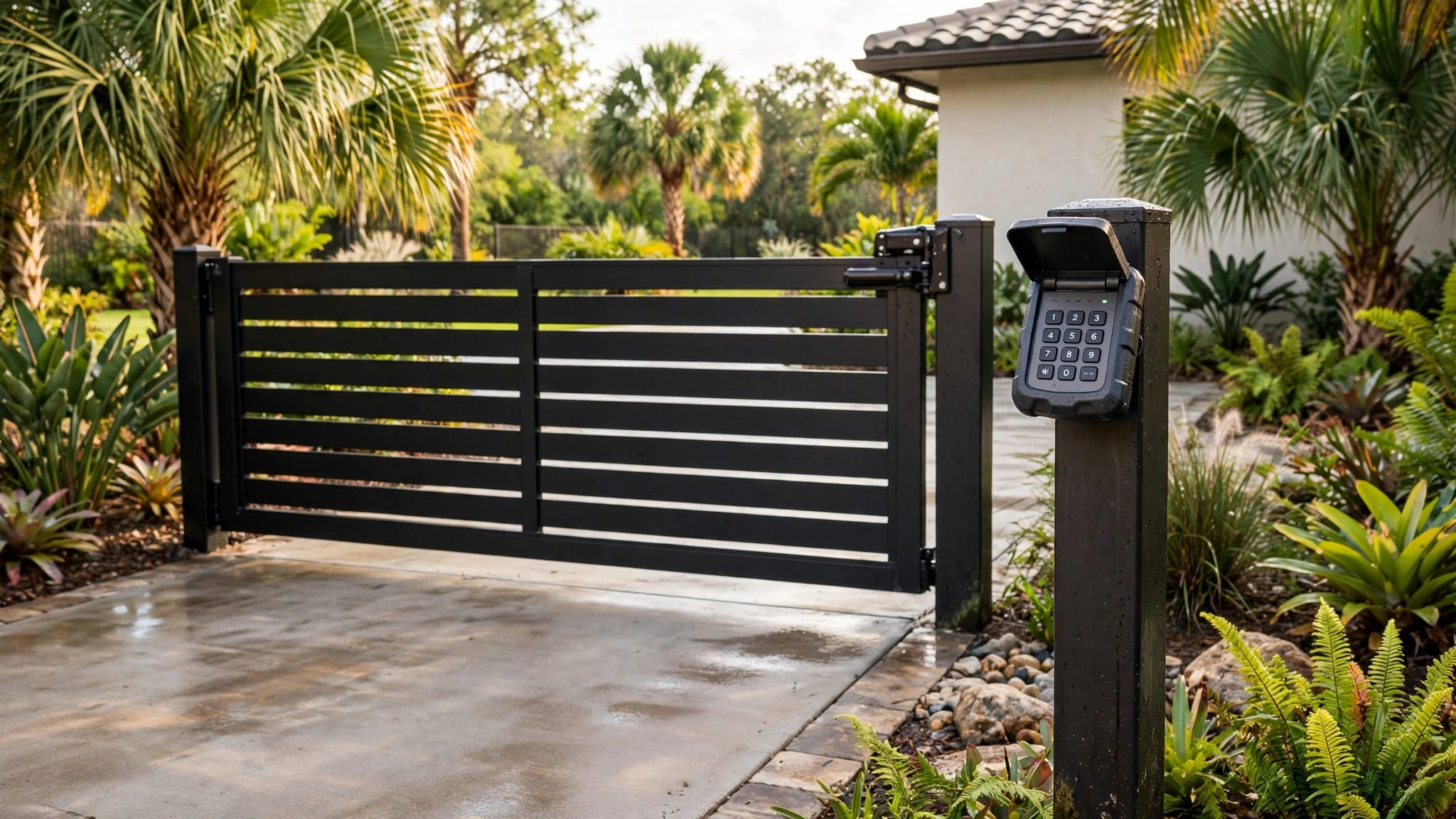
Gate pricing in 2026 (installed add-ons)
Gates are where a “simple fence” can jump in price. In Cape Coral, typical installed ranges look like this:
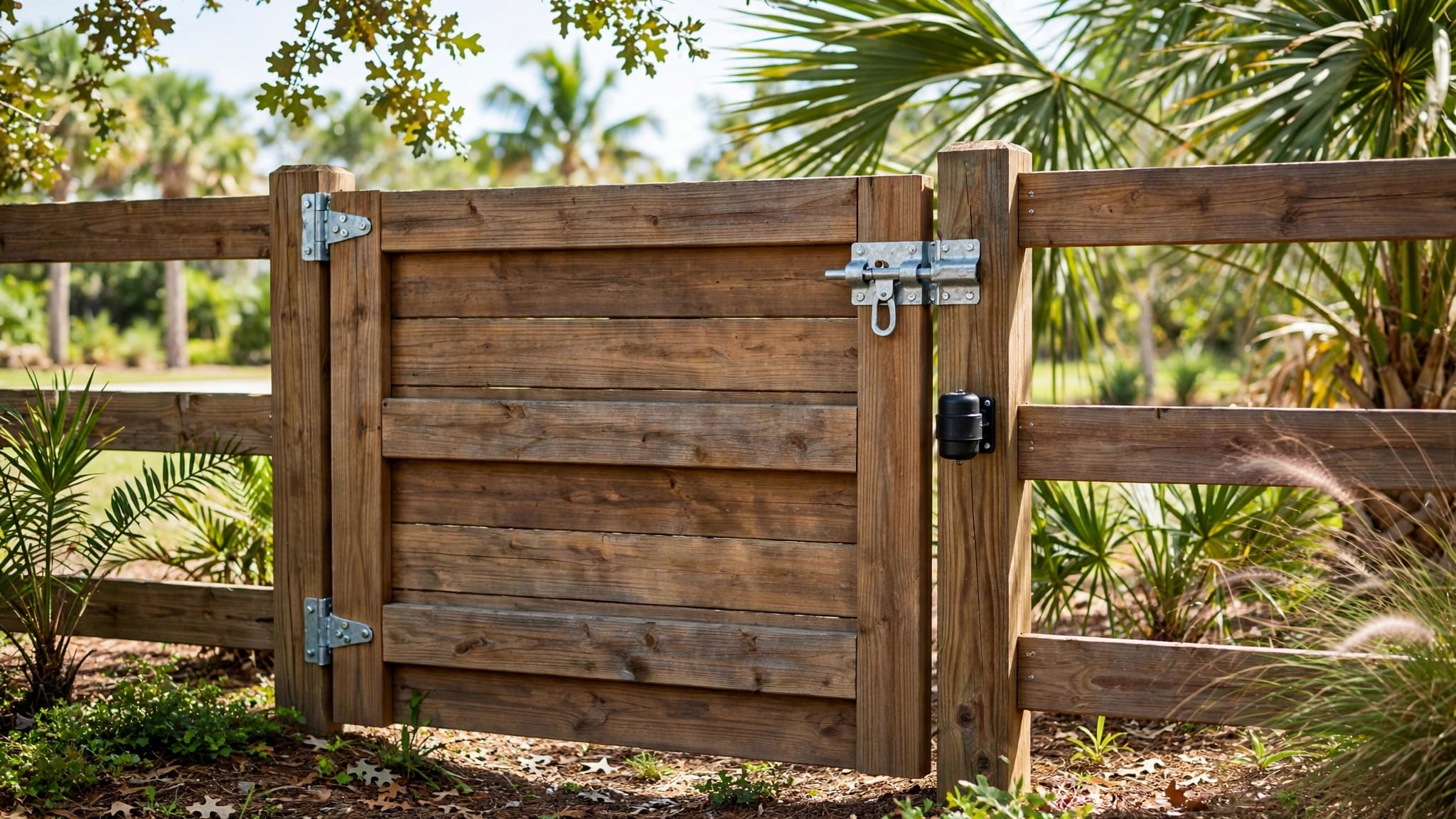
- Walk gate (3 to 4 feet) : ~$150 to $600+ depending on material, hinges, latch, and alignment needs
- Double gate (10 to 12 feet) : ~$600 to $2,000+ depending on framing, drop rods, and ground clearance
Matching gate material to the fence matters. A vinyl privacy gate needs stronger internal framing than many homeowners expect, especially with heat and wind.
What changes your fence price in Cape Coral (wind, salt, canals, and layout)
Two fences can share the same linear footage and still price out far apart. The biggest swings usually come from your yard conditions and how the fence has to perform in Southwest Florida.
Wind exposure and storm resistance is a big one. Cape Coral fences aren’t just “decor.” They live in a hurricane state. Contractors often compensate with deeper post holes, more concrete, tighter spacing, stronger gate hardware, and smarter panel choices (an open aluminum style handles gusts differently than a solid vinyl privacy wall).
Salt and brackish air also push material choices. If you’re near a canal or you get that salty smell on windy days, corrosion becomes a real cost over time. Aluminum with a quality powder coat is a common pick for canal-front homes because it resists rust well. Chain link can work too, but many homeowners prefer vinyl-coated fabric and corrosion-resistant fittings near water.
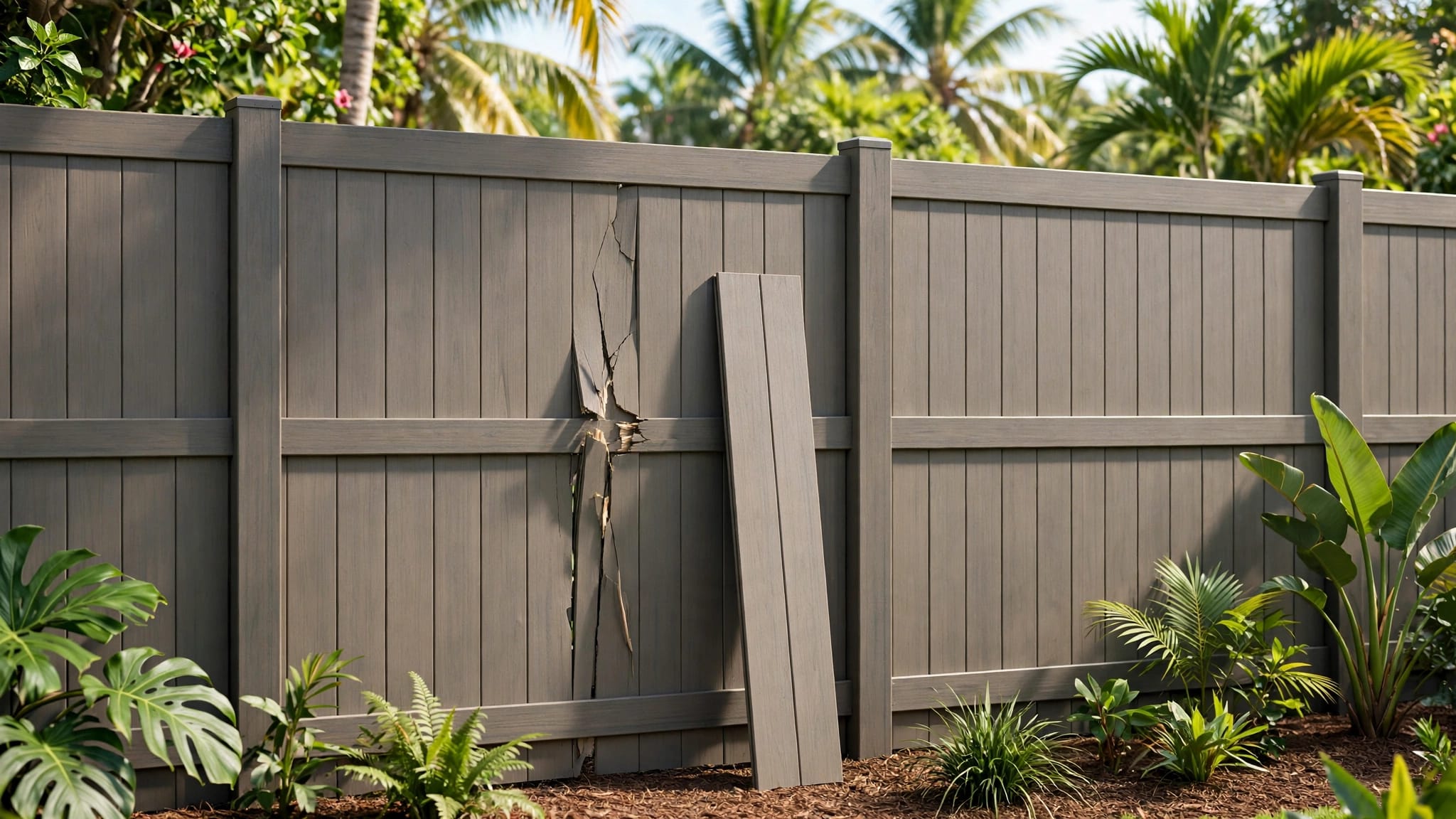
Heat and UV are the quiet stress tests. Vinyl holds up well when it’s made with UV inhibitors, but cheaper panels and weak gates can sag or warp. Aluminum doesn’t warp, but dark colors can show chalking sooner if the coating quality is low.
Then there’s the layout math. Every corner, jog, or slope adds time and hardware. A fence with four long straight runs is usually cheaper per foot than a fence that wraps around a pool deck, lines up with landscaping, and needs multiple gates.
Finally, plan for scheduling. In Cape Coral, 4 to 8 weeks is a realistic lead time in busy stretches (especially around storm season and after major weather events). Permitting and HOA reviews can add time too.
Permits and rules in 2026, plus sample project totals and hiring tips
Cape Coral is strict about paperwork compared to what many homeowners expect. The city’s published code resources are the best place to confirm what applies to your lot, including zoning details and right-of-way limits. Start with the city’s Land Development Code eReader and the city’s Code of Ordinances on Municode.
In early 2026, Cape Coral generally requires a building permit for fence installation. Many projects also need a site plan showing the fence line, heights, and gate locations. Common issues that slow permits down include fences too close to easements, visibility triangle conflicts on corners, and missing pool barrier details (when applicable).
Sample project scenarios (installed) you can budget from
These examples assume a typical residential install that includes posts, concrete, standard hardware, and one or more gates:
| Example project in Cape Coral | What it includes | Low | Mid | High |
|---|---|---|---|---|
| 150 lf chain link | 4-foot chain link, 1 walk gate | $1,000 | $1,800 | $2,850 |
| 250 lf vinyl privacy | 6-foot vinyl privacy, 1 walk gate | $4,200 | $7,300 | $10,600 |
| 350 lf aluminum | 5-foot aluminum, 1 walk gate + 12-foot double gate | $8,300 | $10,800 | $13,200 |
If privacy is the goal, it’s worth reading why many local homeowners pick vinyl in the first place, including upkeep and appearance over time: vinyl privacy fence Cape Coral.
DIY vs pro install (quick reality check)
DIY can make sense for a short, simple run, but Cape Coral’s permitting, easements, and storm risk change the usual “I’ll do it this weekend” math.
- DIY can save money : You may cut labor costs, but you’ll still pay for materials, tools, concrete, and disposal.
- DIY can cost more later : A gate that drags, posts set too shallow, or a fence in the wrong spot can lead to removal and re-install.
- Pros bring speed and accountability : A good installer builds for local conditions, handles layout and setbacks, and typically finishes in days, not weekends.
Questions to ask a fence contractor before you sign
- Will the quote clearly list post size, post depth, and concrete per post?
- Is old fence removal and disposal included, or separate?
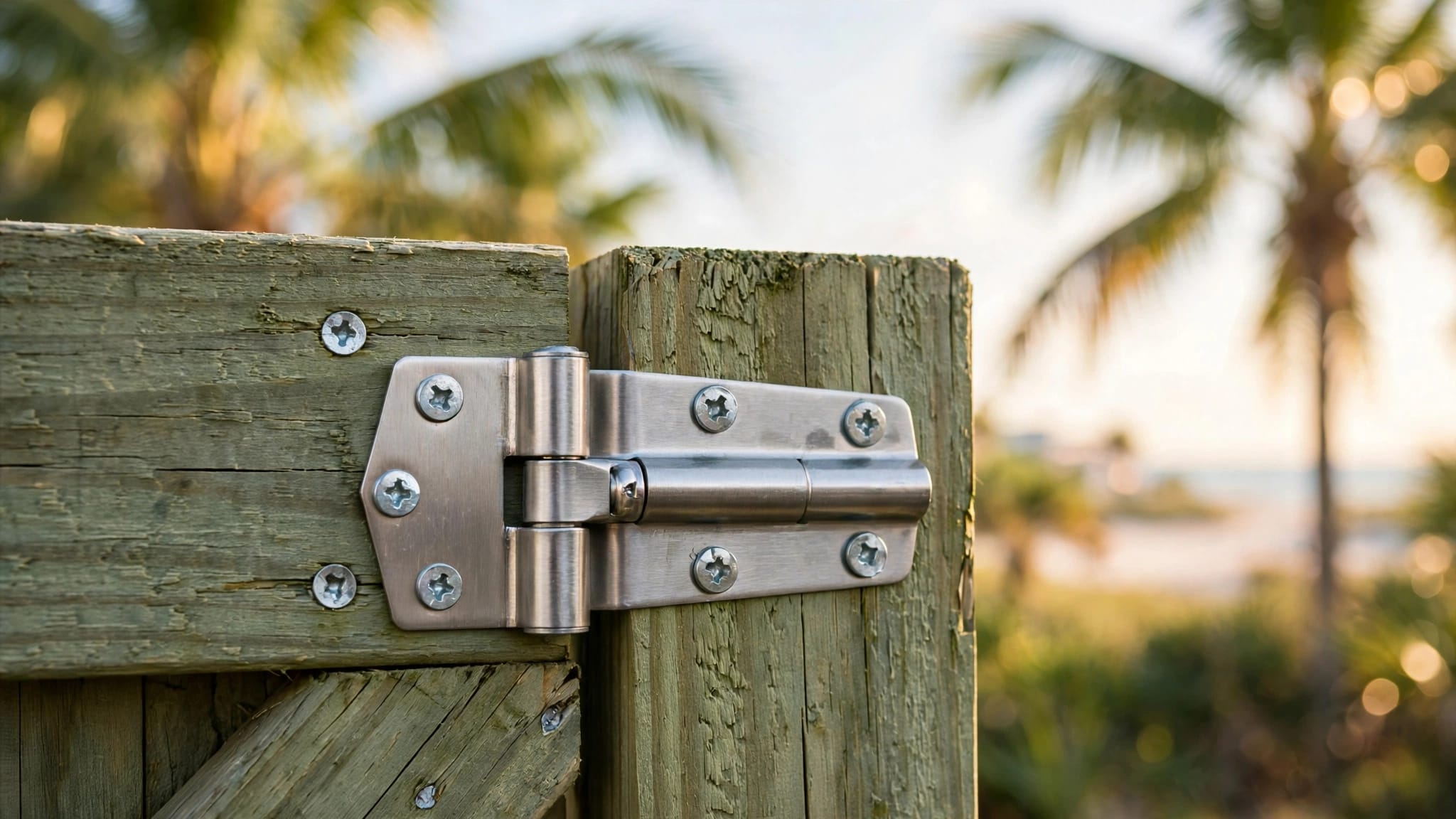
- What hardware is included for gates (hinges, latches, drop rods)?
- How will you confirm the fence line, survey, or property markers before digging?
- Who handles the permit, and what documents will you need from me?
- What changes if you hit rock, roots, or buried debris?
- What’s the expected start date and the lead time if materials are delayed?
- What warranty covers workmanship, gates, and hardware?
- If I’m near a canal, what do you recommend for corrosion resistance?
Conclusion
A fair cape coral fence cost in 2026 comes down to the right material for your yard, solid posts and gates, and a plan that won’t get flagged by permits or easements. Start with your must-haves (privacy, safety, pet control, or views), then use the price ranges and scenarios above to set a realistic budget. When you’re ready, get a written quote that spells out posts, concrete, hardware, and gates, because the details are where a fence either lasts, or becomes the next repair project.