Cape Coral Property Line Mistakes That Cost Homeowners Money (How to Avoid a Fence in the Wrong Spot)
A fence feels simple until it isn’t. In Cape Coral, a few feet in the wrong direction can turn a weekend project into a costly mess, removal, re-install, permit headaches, and a tense relationship with the neighbor.
The tricky part is that many “boundaries” people rely on, old stakes, a neighbor’s fence line, even a GIS map, aren’t reliable proof of a Cape Coral property line . This article shares practical, general information (not legal advice) on common property line mistakes and how to avoid building a fence in the wrong spot. For disputes or high-stakes situations, talk to a Florida-licensed surveyor and, if needed, a local attorney.
Why Cape Coral property lines are harder than they look
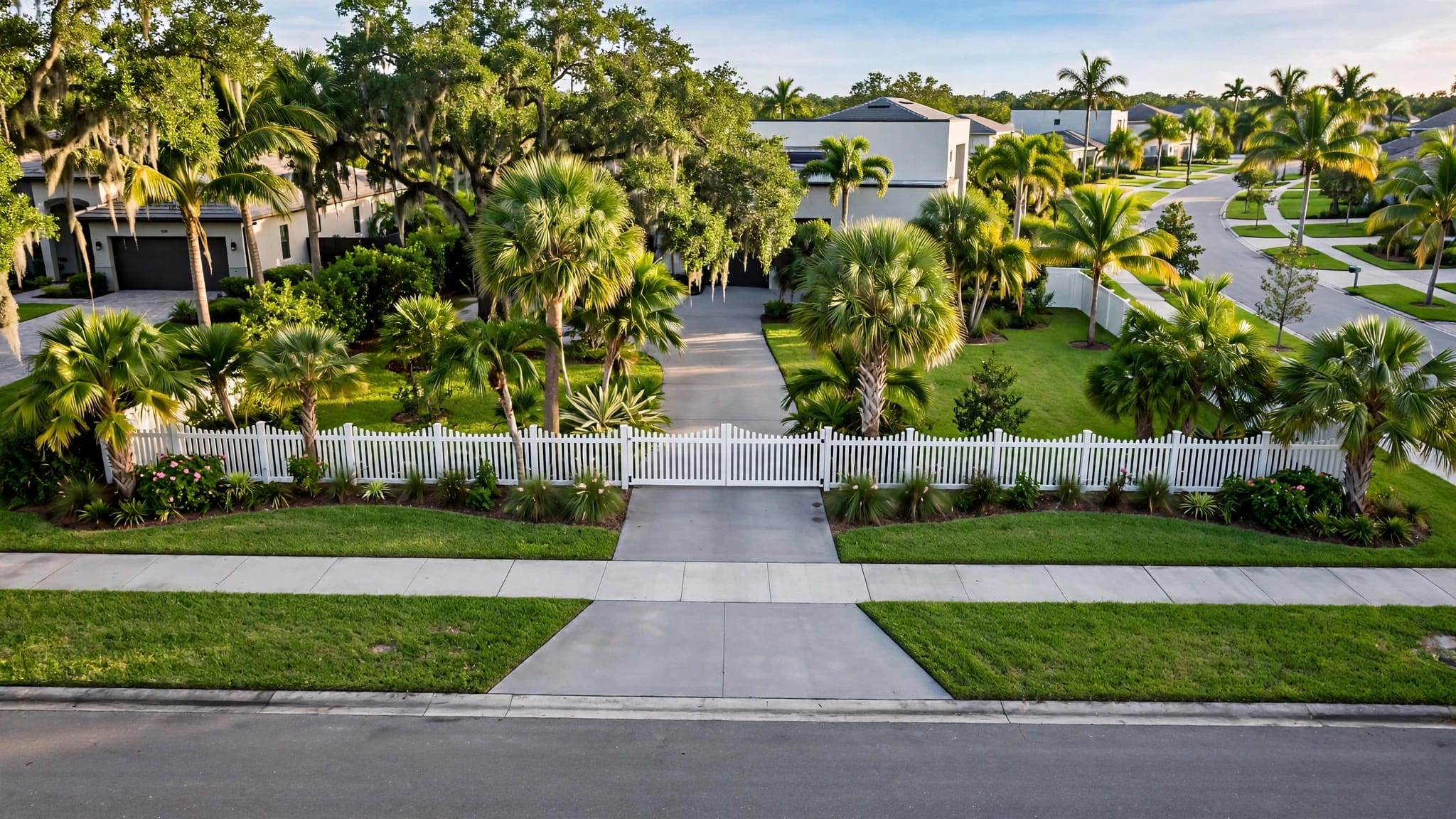
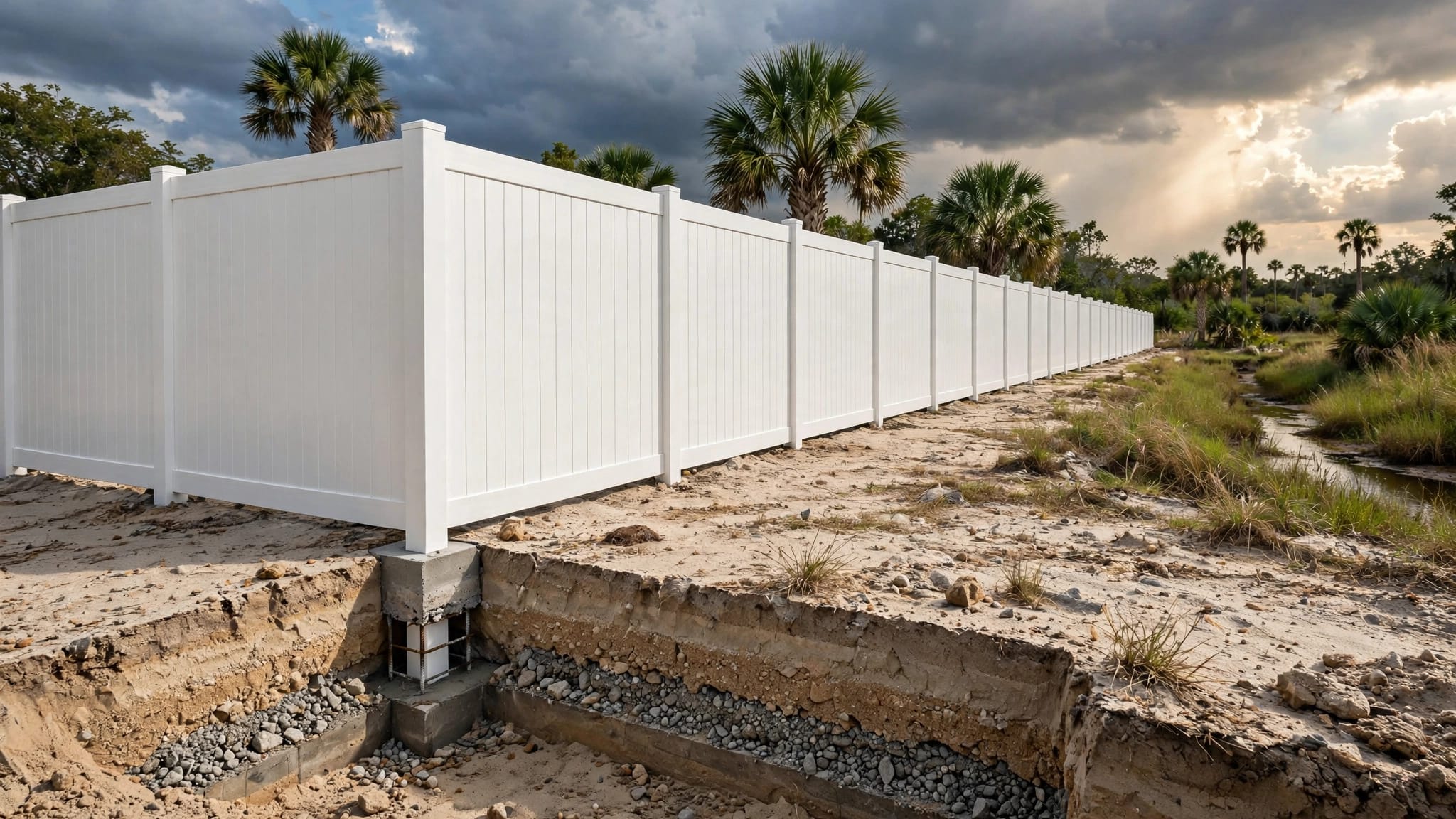
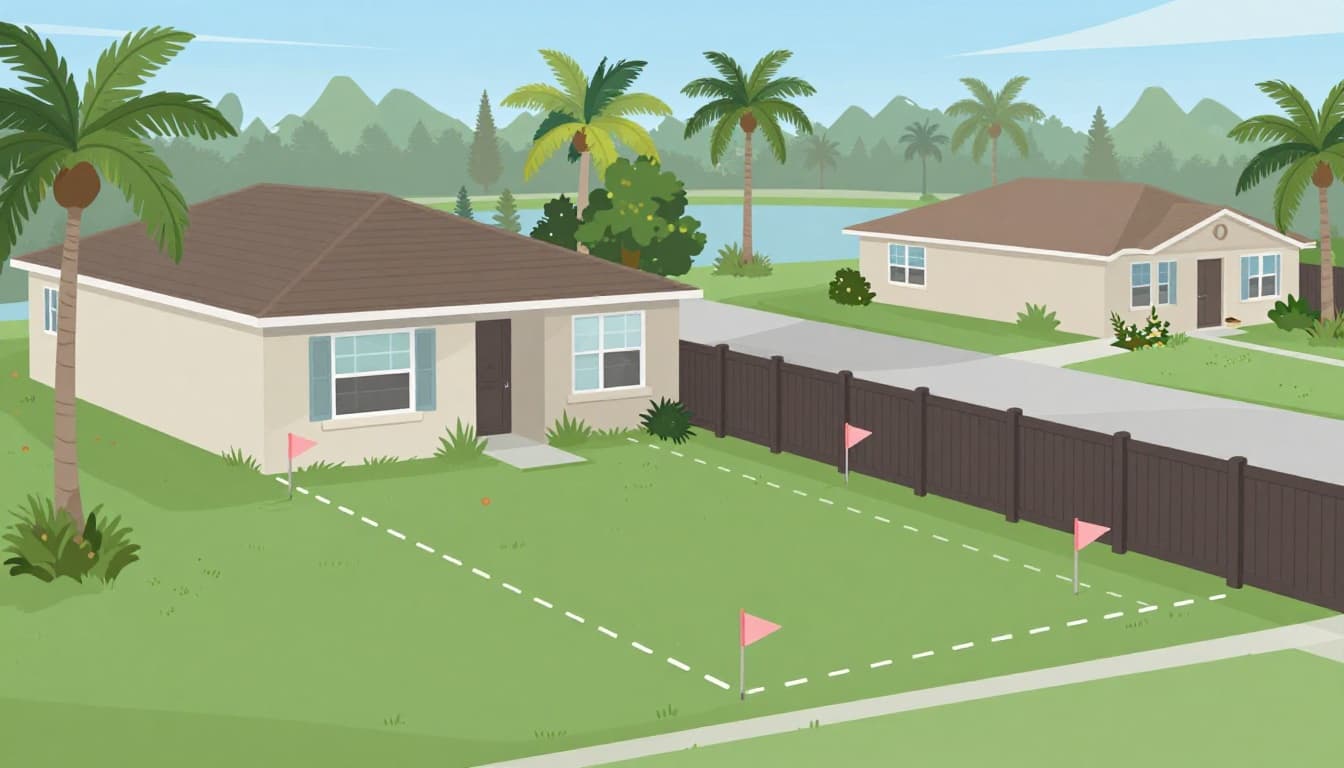 An example of how a fence can end up a few feet over the line, created with AI.
In Cape Coral, lots can be deceptively uniform. Streets feel like grids, canals run behind many homes, and neighbors often “match” fence lines without checking anything official. That’s where expensive mistakes start.
Three local realities cause most surprises:
First, missing pins happen. Survey markers get covered by landscaping, buried after grading, moved during construction, or pulled when someone sets a new irrigation line. If you can’t find pins, guessing is risky.
Second, older plats and older neighborhood records may be hard to read or may not reflect later changes in the field. The City even warns that copies from records can be too old or unclear for permit use.
Third, water changes everything. Lots near canals can have edge conditions that confuse owners, like seawalls, riprap, docks, and landscaping that makes the yard “feel” bigger or smaller than it is. Add in corner lots (visibility and street-side rules) and utility or drainage easements, and it’s easy to misplace a fence even when you’re trying to do it right.
For City guidance on documents and permitting, start with the Cape Coral Permitting Services Division and the latest forms in the Permit Document Center.
The property line mistakes that usually get expensive fast
The cost isn’t just lumber and posts. A fence placed wrong can trigger rework, inspections, delays, and even a dispute that makes selling your home harder later. Here are the mistakes seen most often around a Cape Coral property line.
The first is building off a neighbor’s fence . It’s tempting because it’s visible and “looks established.” But that fence could be off, grandfathered, or installed before current rules were enforced. If you copy a mistake, you inherit it.
The second is treating online maps as a boundary. Tools like the Lee County Property Appraiser’s mapping are helpful for orientation, not for setting posts. If you use GIS, use it only to start your research. A good example is the appraiser’s mapping guide, Using GeoView, which helps you view parcels but does not replace a survey.
The third is ignoring easements . Utility and drainage easements can limit where you can place certain fence types, and utilities may need access later. If a crew has to dig for repairs, the fence could be disturbed, and you might be responsible for fixes. This is also where “I put it on the line” can go sideways, because the line may be within an easement area with special rules.
The fourth is corner lot and visibility issues . Even if your fence is on your property, a city can still require changes if it blocks sight lines. Corner lots also create confusion about which side is treated like the “front” for fence placement.
The fifth is assuming a canal edge equals the boundary. Seawalls and water views create false reference points. Lot edges near canals are exactly where it pays to confirm corners before you build.
For permit expectations and submittal items, read the City’s current Residential Fence Permit Guidelines. Requirements can change, so rely on the latest version.
How to avoid a fence in the wrong spot (without overcomplicating it)
Avoiding a wrong placement is mostly about slowing down before any holes are dug. Think of it like baking. If the measurements are off at the start, the whole batch comes out wrong.
Start by confirming what you actually own on paper. Deeds, plats, and prior surveys are useful, but they’re not the same as marking corners in the yard. To find recorded documents, use the Lee County Clerk of Court property records. If you have a prior survey from your closing, locate it and check the date and notes.
Next, look for physical corner markers, but don’t “create” corners. If pins are missing, it’s a red flag. This is where hiring a Florida-licensed surveyor is often cheaper than paying for a tear-out later, especially on canal lots, corner lots, or properties with unclear markers.
Then, design the fence with the site constraints in mind. If you want privacy, a Vinyl fence installation in Cape Coral can be a great fit, but you still have to respect easements and any visibility rules. If you’re on a canal or need a more open look, options like aluminum or metal fence installation in Cape Coral may align better with common waterfront and sight-line needs.
Finally, don’t skip permitting. In Cape Coral, fence permits are a routine part of doing it right. If you’re unsure what documents the City wants with the application, the Residential Fence or Wall permitting guide for Lee County is also a helpful cross-check for the kinds of site plans and details reviewers often expect (even if your property is inside city limits, the format can still guide your prep).
A pre-fence checklist that prevents most boundary problems
Use this as a quick pre-build gut check. It’s not a substitute for professional advice, but it catches the issues that tend to cost homeowners real money later.
- Confirm corners : Locate survey pins or hire a Florida-licensed surveyor to mark corners and lines, especially if pins are missing.
- Verify recorded docs : Pull your deed, plat, and any prior surveys from official sources, including the Lee County Clerk’s official records.
- Check easements : Identify utility and drainage easements before choosing a fence layout or material.
- Treat canal edges carefully : Don’t assume seawalls, docks, or the waterline indicate the boundary.
- Plan for corner lot rules : Expect extra limits related to visibility and street sides.
- Use permits as a safeguard : Confirm current submittal requirements in the City’s Permit Document Center.
If you want help mapping out a build plan, material, and gate layout after the boundary questions are settled, start with Cape Coral fence installation services from a local contractor who installs every day in SWFL conditions.
What to do if you find out your fence is over the line
If you discover your fence might be over a Cape Coral property line, don’t start by arguing over screenshots or old drawings. Start by confirming facts.
First, pause any new work. If the fence is mid-install, continuing can increase damages and make a simple fix harder.
Second, get the boundary verified by a Florida-licensed surveyor. If there’s a dispute, an attorney can explain options and risks based on your exact facts. This article is general information, not legal advice.
Third, talk with your neighbor calmly once you have real documentation. Many fence disputes turn into long grudges because the first conversation is emotional and light on proof.
If the fence must move, handle it quickly and cleanly. Delaying can create bigger problems when you sell, refinance, or apply for permits. If weather, corrosion, or a rushed tear-out damages panels or posts, fence repair services in Cape Coral can help restore what’s salvageable after a correction.
Conclusion
Property line errors don’t usually happen from bad intentions. They happen from shortcuts, missing pins, fuzzy records, canal quirks, corner lot rules, and trusting the neighbor’s fence as “close enough.” A little upfront work, plus the right survey and permit steps, protects your wallet and your peace with the people next door.
If you’re planning a new fence, treat the Cape Coral property line as step one, not a detail you’ll “figure out as you go.”