How to Choose a Fence for a Canal-Front Home in Cape Coral (Salt Air, Wind, and Keeping the View)
A canal lot in Cape Coral is a little like living on the edge of a postcard. You want a fence that keeps kids and pets safe, marks the line clearly, and still lets you enjoy the water.
But canal-front fencing comes with its own headaches. Salt air works on metal like slow sandpaper, afternoon breezes test every weak connection, and a tall solid panel can block the very view you paid for. Picking the right cape coral canal front fence is less about “best material” and more about the right combination of layout, hardware, and local rules.
Below is a practical way to choose a fence that holds up in Southwest Florida in 2026, without turning your backyard into a bunker.
Start with the canal: sightlines, airflow, and Cape Coral rules
Before you compare materials, decide what matters most from the patio and pool deck. Do you want a clean boundary that “disappears” from a distance, or do you need more privacy from a side neighbor? On a canal, the answer is often both, which is why the layout matters as much as the fence type.
Cape Coral has special rules for waterfront lots that can steer your design. For example, fences near the rear of the property may need to stay more open and see-through above a certain height. Those details live in the city’s land development rules, so it’s smart to review the current language (or have your contractor confirm it) using the official Cape Coral Land Development Code portal.
Even when the code allows a more solid style, wind is the other decision-maker. A solid privacy fence near open water can act like a sail, pushing stress into posts, rails, and gate hardware. An open picket style lets gusts pass through, which usually means fewer repairs after summer storms.
To keep the view while still adding real function, many canal-front homeowners choose one of these approaches:
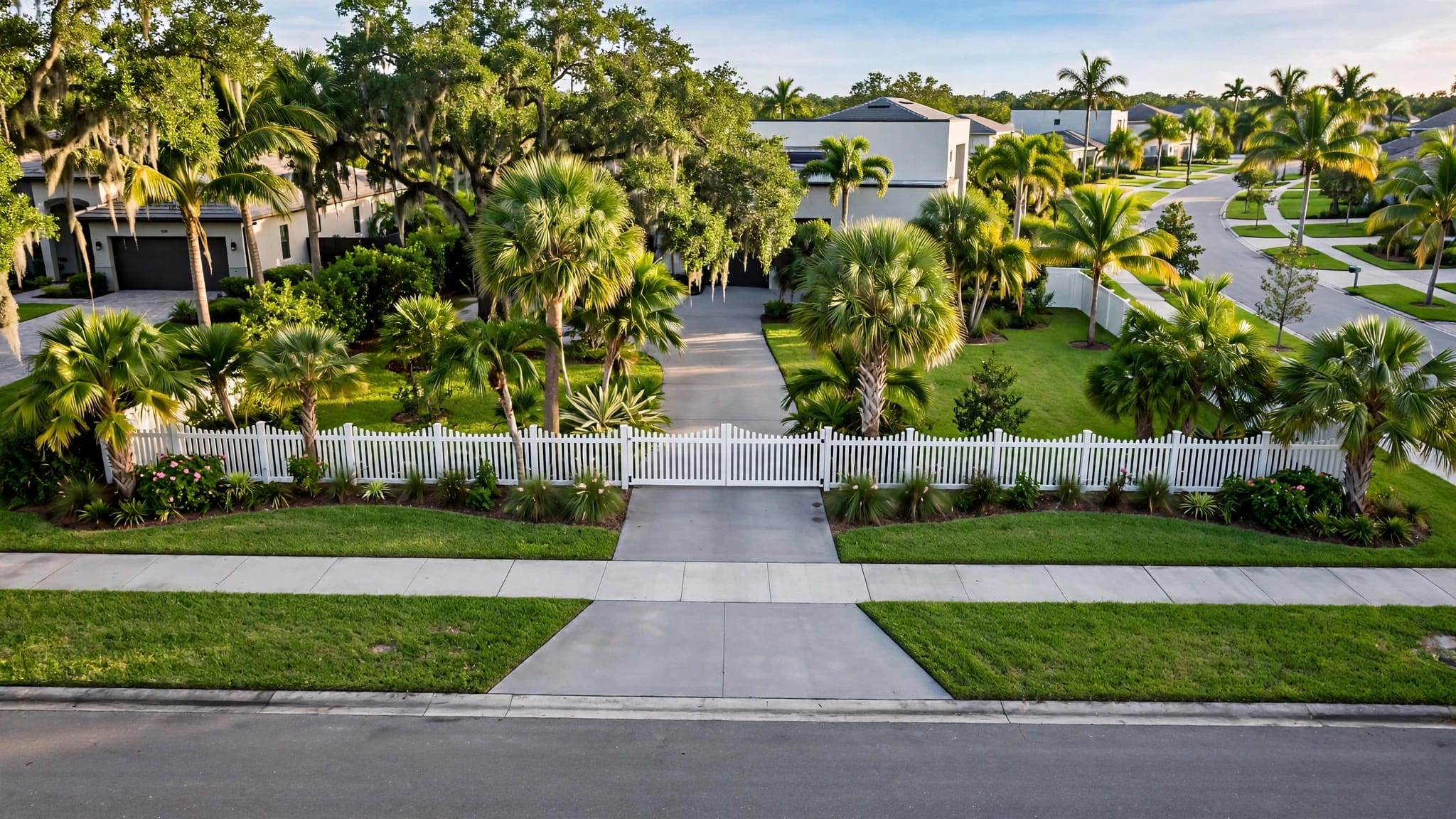
- A 4-foot to 5-foot open picket fence for pools and pets, keeping waterlines visible from inside the house.
- A short solid “kick” section (about 2 to 3 feet) with open pickets above it, which helps with dog control without feeling boxed in.
- Stepping the height down as the fence runs toward the canal side, so the highest sections stay closer to the house.
Also think about access. If you’re walking gear to a dock or seawall, a well-placed gate and a straight path matter more than people expect.
Fence materials that handle salt air, plus the hardware that makes or breaks the job
On a canal, you’re not just battling rain and sprinklers. You’re dealing with salt in the air, damp mornings, and hardware that can corrode from the inside out. The material you choose should match how close you are to the water, how much maintenance you’ll actually do, and how much “visual weight” you want in the yard.
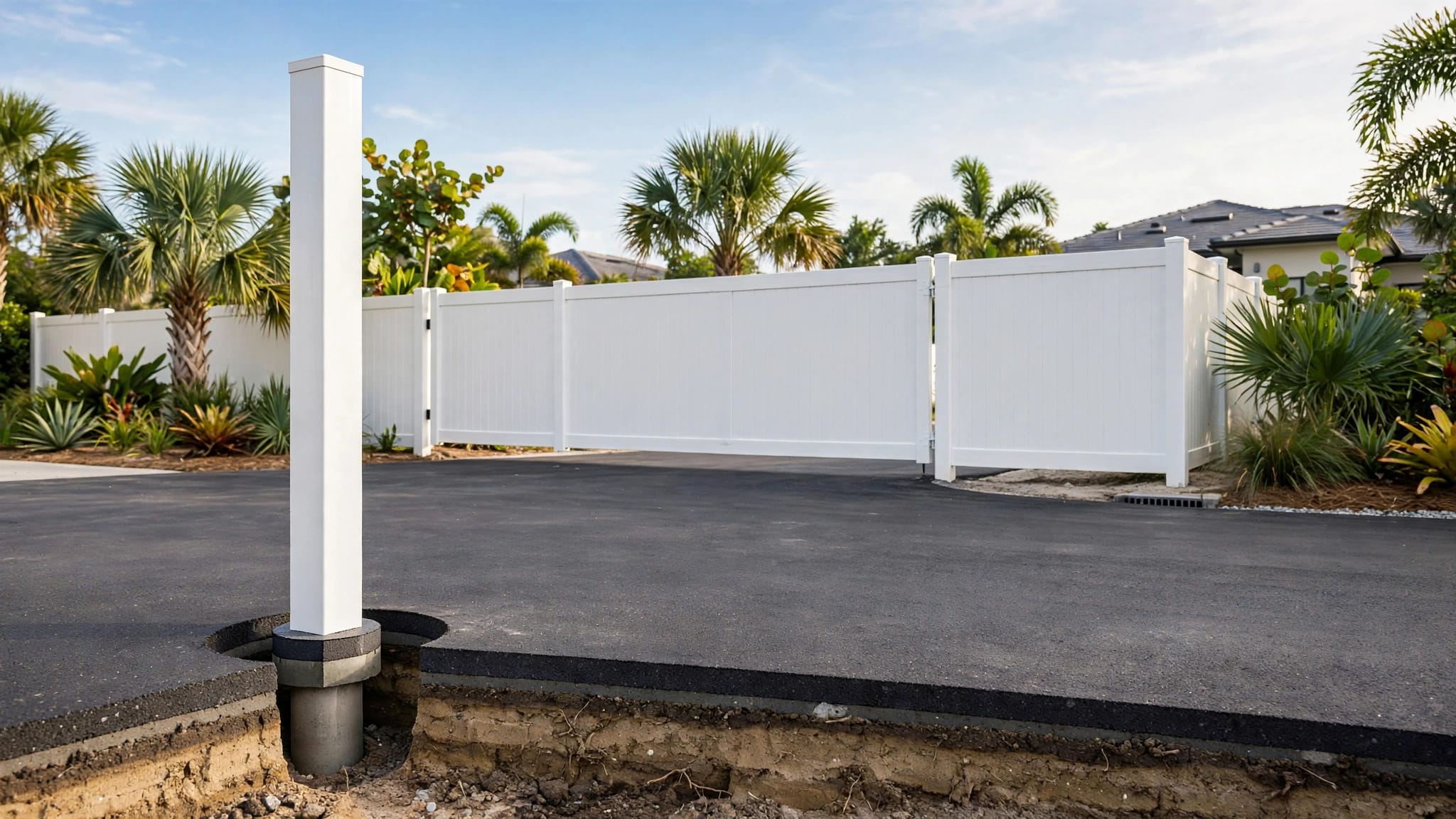
Aluminum is a favorite for canal-front homes because it doesn’t rust, it’s open by nature, and it looks sharp from the street and the water. Vinyl can also do well near water, especially when you want a clean look and low upkeep, but solid vinyl panels can take more wind stress than a spaced picket design.
Chain-link is often overlooked for waterfront homes, but a black or dark-coated chain-link fence can be surprisingly unobtrusive and very wind-friendly. Just be careful with add-ons that increase wind load, and confirm what the city allows near canals.
Wood can look great, but canal air and humidity shorten its best days. If you love wood, plan on maintenance as part of ownership, not a once-in-a-while project.
If you’re comparing options, this table gives a realistic snapshot for canal-front exposure in SWFL (actual results depend on install quality and proximity to salt spray):
| Fence material | Estimated longevity (canal-front SWFL) | Maintenance frequency | Canal-front suitability (salt, wind, view) |
|---|---|---|---|
| Powder-coated aluminum picket | 20 to 30 years | Rinse as needed, inspect hardware yearly | Excellent view, strong wind performance, won’t rust |
| Vinyl (picket or semi-privacy) | 20 to 30 years | Wash occasionally, inspect posts and gates yearly | Great low upkeep, choose wind-friendly styles |
| Galvanized chain-link (no slats) | 15 to 25 years | Rinse, check ties and tension bands yearly | Very wind-friendly, keeps sightlines open |
| Pressure-treated wood | 8 to 15 years | Stain or seal every 1 to 3 years | Warm look, higher upkeep, watch for warp and rot |
| Steel or wrought-iron style | 10 to 20 years | Touch-up coatings, watch fasteners often | Strong, but corrosion risk rises near salt air |
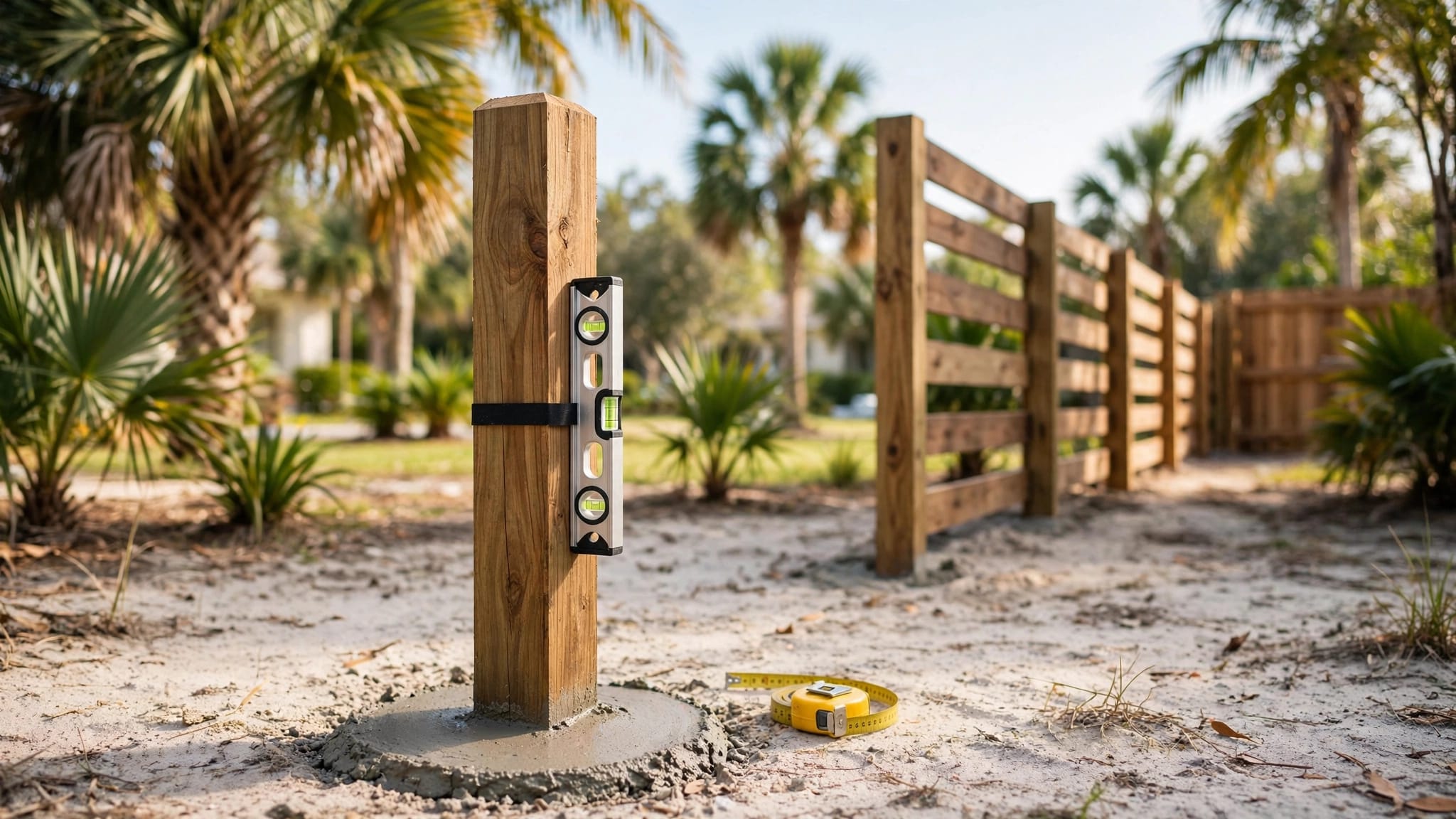
No matter what material you pick, hardware matters . For canal-front installs, ask directly about fasteners, hinges, and latches. Stainless steel (often 316 for harsher coastal exposure) or quality hot-dipped galvanized hardware usually outlasts bargain parts. If you’re leaning toward vinyl, see how pros approach it with local conditions in mind through these Cape Coral vinyl fence installation services.
Wind-friendly design details, and a “before you buy” checklist
A good canal-front fence looks simple from a distance, but it’s usually built with a few smart choices that keep it standing when the weather turns.
First, pick a layout that cooperates with wind. Open pickets, spaced rails, and see-through styles reduce pressure on posts. Gates deserve extra attention because they’re the first place fences sag, bind, or slam in gusts. A wider gate needs stronger hinges, better post support, and a latch that doesn’t rattle loose.
Second, think about what you’re trying to block. If the goal is “I don’t want to see the neighbor’s kitchen light at night,” a full-height solid panel isn’t your only option. A short solid section plus open pickets, strategic landscaping, or a privacy screen closer to the house can give relief without turning the canal side into a wind wall.
Finally, make sure the project doesn’t get tripped up by paperwork or property constraints. Use this quick checklist before you commit:
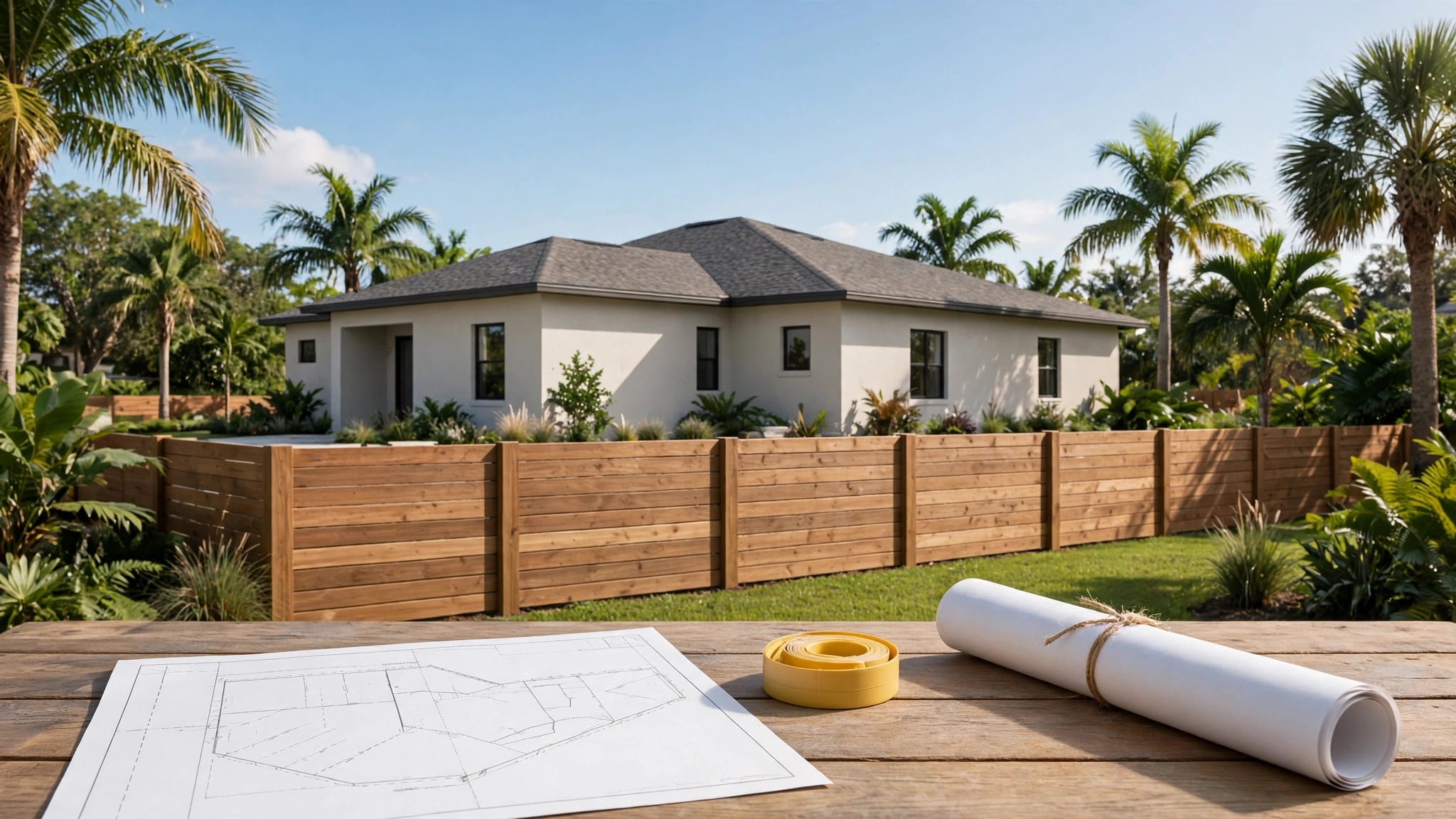
- Measure and confirm lot lines : Don’t guess, especially on irregular canal lots.
- Confirm easements and setbacks near the seawall : Waterfront properties often have extra restrictions where you can build.
- Check permit needs with the city : Start at the official Cape Coral Permit Document Center, then confirm your specific fence plan meets today’s requirements.
- Call for utility locate before digging : This protects you and your contractor from expensive surprises.
- Verify HOA rules in writing : HOAs can be stricter than the city on height, color, and style.
If you want a plain-English overview of how the city’s permitting process typically works, this City of Cape Coral permitting guide is a helpful starting point. Always confirm details with the city for the most current rules.
When you’re ready to compare styles and get a real price, it helps to talk through options with local pros who install in these conditions every day. A good place to start is a contractor page that lays out the fence installation services in Cape Coral so you can match materials to your goals.
Conclusion: pick the fence that protects, lasts, and still feels like waterfront living
The best canal-front fence is the one you don’t have to fight, it stands up to salt air, doesn’t turn into a wind sail, and keeps the water in your line of sight. Choose a view-friendly layout first, then match it with materials and hardware that won’t corrode fast. Confirm current Cape Coral rules and permit steps before anything gets ordered.
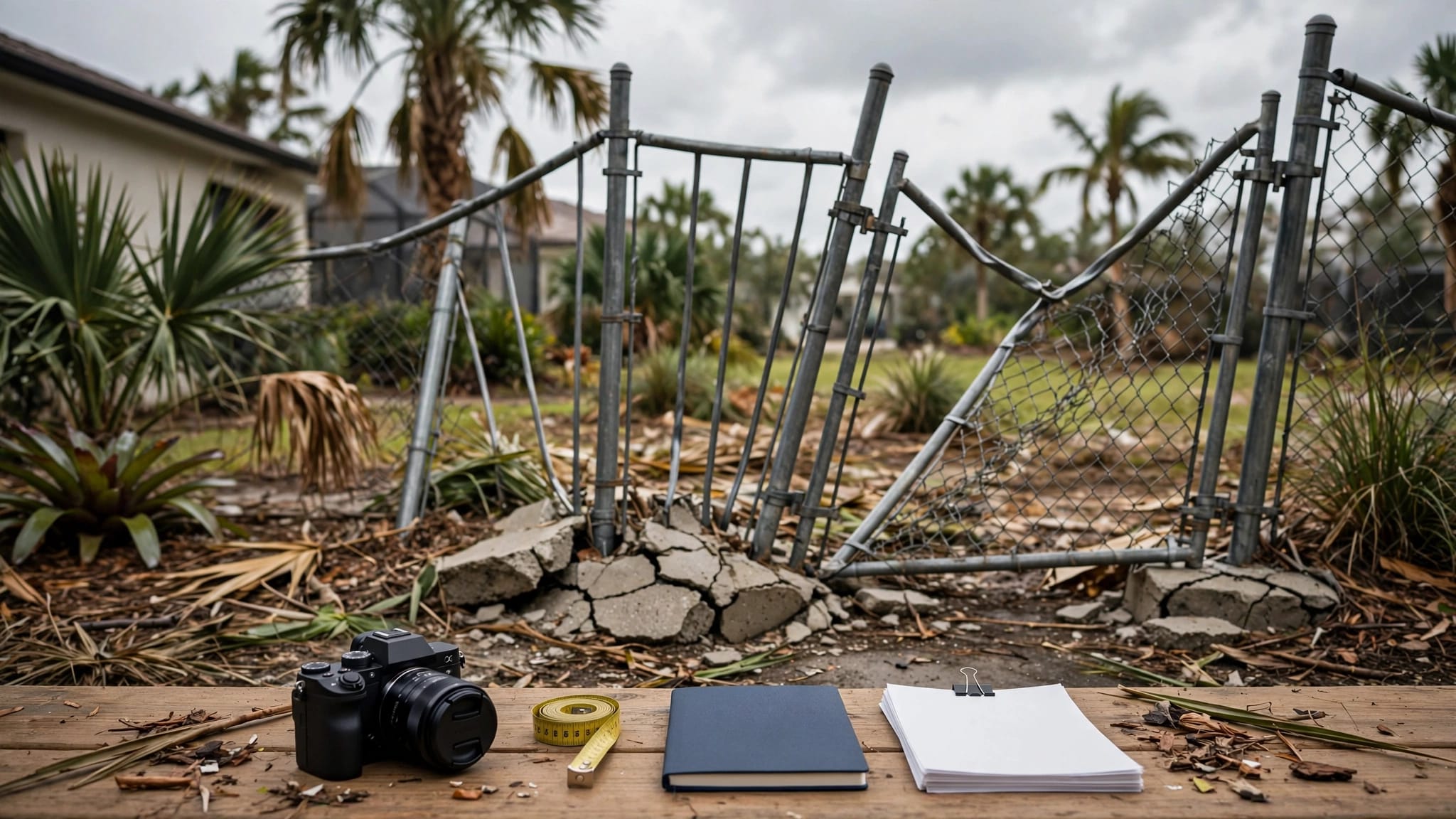
If your existing fence is already leaning, rusting, or slamming in the wind, fixing small issues early can extend its life. For help with storm wear and waterfront corrosion, consider professional fence repair services in Cape Coral.