How To Fence A Sloped Yard In Southwest Florida Racked Vs Stepped
A sloped yard can make a "simple" fence feel like a geometry problem. One panel hugs the ground, the next leaves a big gap, and suddenly the line looks crooked from the street. In Southwest Florida, the stakes are higher because sandy soil, fast summer downpours, and humidity can turn small layout mistakes into leaning posts.
The good news is that sloped yard fencing Florida homeowners want is very doable when you plan for three things first: how the fence will follow the grade (racked or stepped), how posts will stay plumb, and how water will keep draining downhill.
Start with the slope, the property line, and the way water moves
Before you pick a style, map what you're actually building on. A slope isn't always a smooth ramp. Many SWFL lots have a high spot near the house, then a swale, then a drop toward the back line. That shape affects both looks and long-term stability.
Measure the slope the simple way
Set two stakes about 10 feet apart along the fence line, then stretch a string between them. Use a line level to see the rise and fall. Move the stakes down the run and repeat. This tells you where the yard changes quickly (stepped sections) versus where it rolls gently (good for racking).
Look for "problem zones" that almost always need extra planning:
- A drainage swale or low strip that carries rainwater
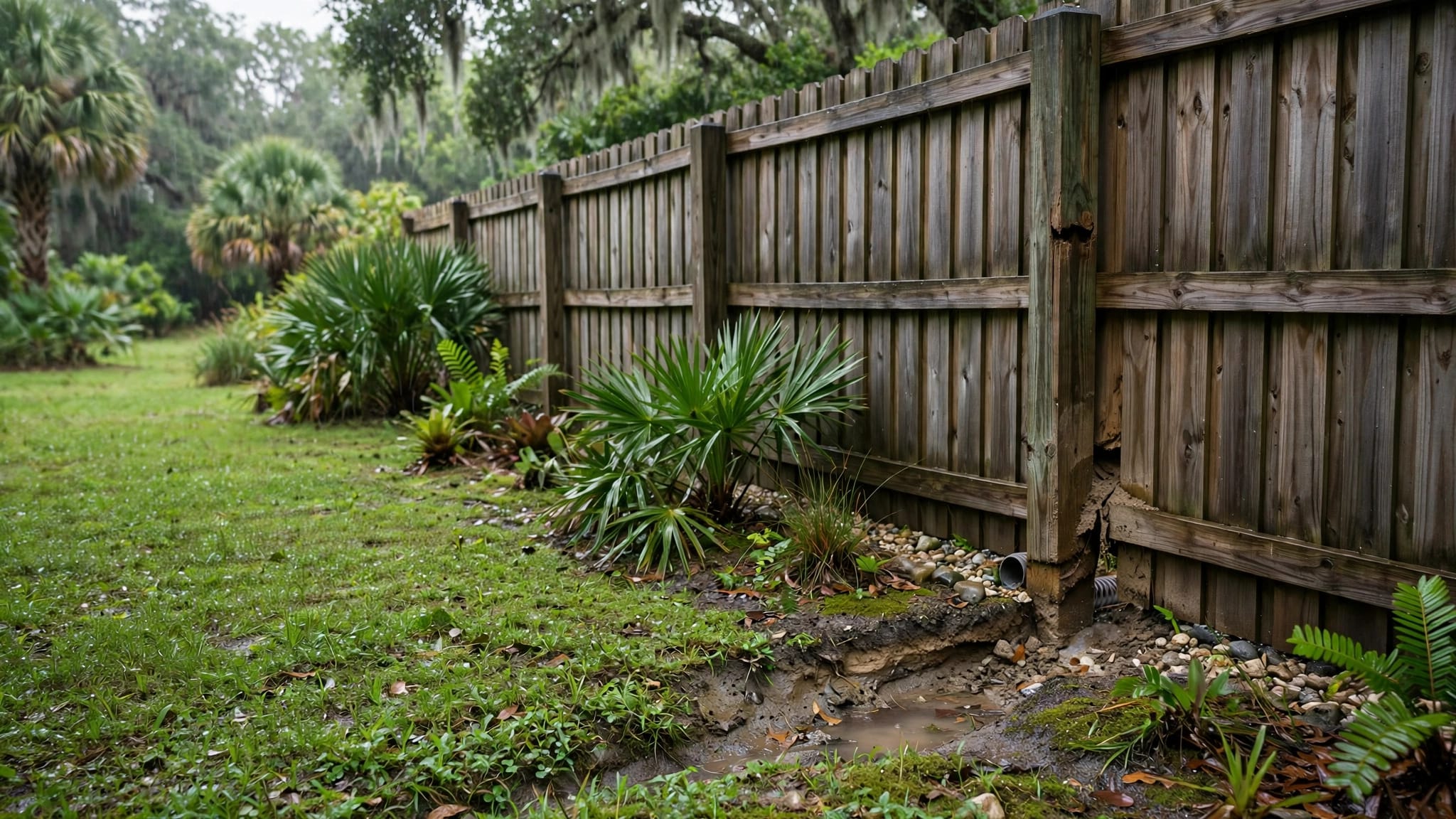
- A spot where runoff cuts a small channel after storms
- Soft, wet sand that stays damp days after rain
- Roots that force posts to shift off the ideal line
Confirm boundaries and setbacks before holes get dug
A fence that's perfectly built can still become a headache if it's in the wrong place. Check your survey for easements, drainage areas, and right-of-way notes. If you're in Cape Coral, the rules can surprise people, especially on corners and side yards. This breakdown of Cape Coral fence setback rules for sloped lots is a helpful starting point for understanding how placement is reviewed.
Safety first: locate utilities and plan access
Call 811 at least a few business days before digging. It's free, and it can prevent a dangerous strike or an expensive repair. Also plan where you'll stage materials on a slope, because carrying panels downhill with one hand on a post hole digger is a quick way to fall.
A sloped fence fails fast when you treat water like an afterthought. Plan for drainage first, then build the fence around it.
Racked vs stepped fences on uneven ground (and which looks better)
Most sloped yards in Southwest Florida come down to one big decision: do you want the fence to follow the ground smoothly, or do you want clean "stair steps" between sections? Both can look great, but each one fits certain slopes and fence types better.
Here's a quick comparison to make the choice easier.
| Feature | Racked (raked) installation | Stepped installation |
|---|---|---|
| Best for | Gentle, consistent slopes | Steep slopes or sudden grade changes |
| Look from the street | Smooth and flowing | Clean, modern, "terraced" |
| Bottom gaps | Smaller gaps, follows grade | Gaps at each step unless addressed |
| Great match for | Aluminum, chain link, some wood and vinyl systems | Vinyl panels, wood privacy, mixed materials |
| Drainage impact | Usually lower risk of "damming" | Needs careful planning to avoid blocking flow |
Racked fences: smoother lines, fewer gaps
With a racked install, the rails angle with the slope, while pickets stay plumb (straight up and down). That matters because a fence can follow grade and still look crisp when pickets stay vertical.
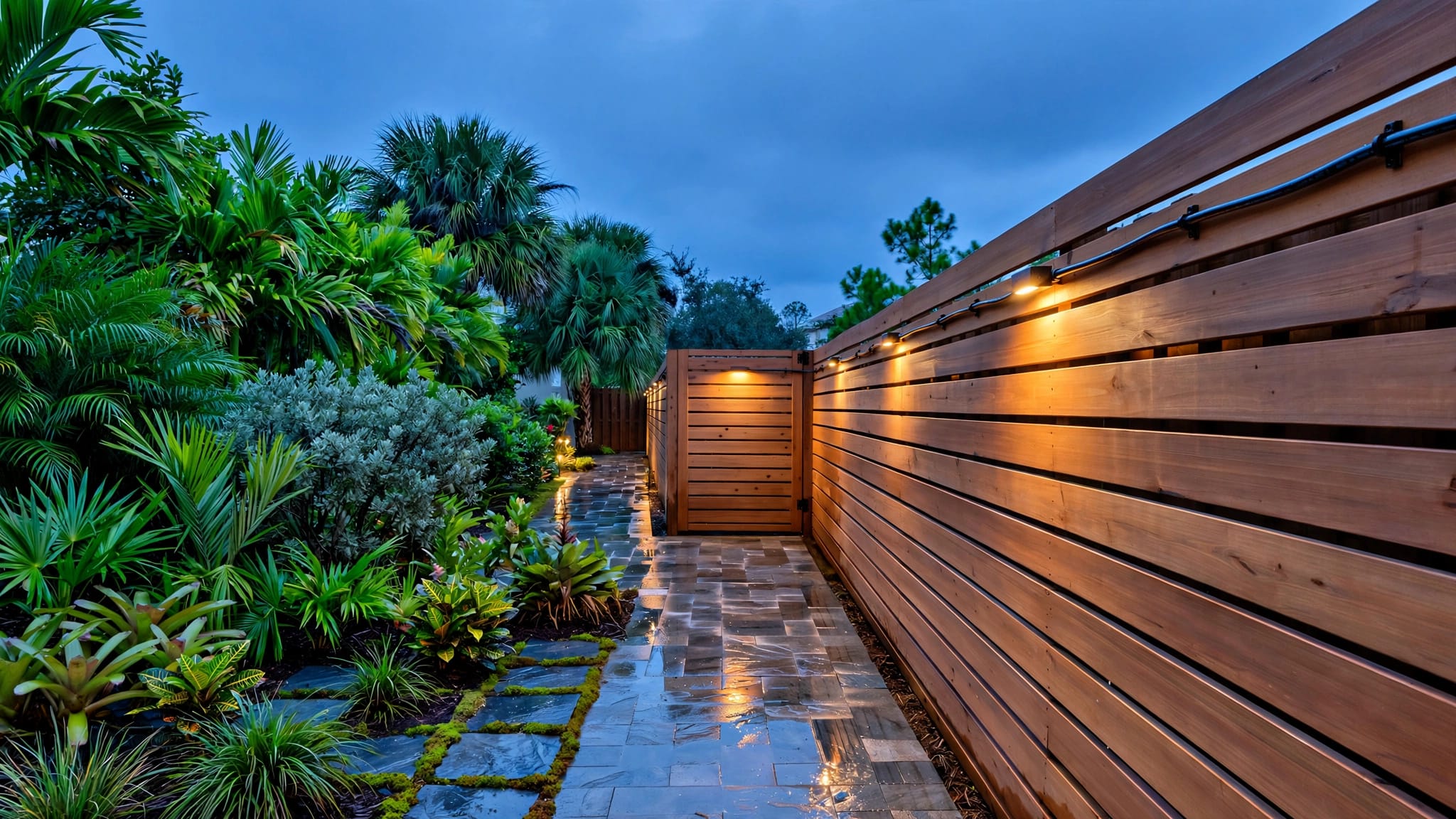
Racked works well when you care about curb appeal and pet control, because it reduces the "tunnel gap" under the fence. It's also a solid choice near swales because you can keep clearance consistent without building a barrier across the flow line.
Stepped fences: stronger on steep drops, cleaner for privacy
A stepped fence keeps each panel level, then "steps down" at the next post. This method shines on steep yards because the sections stay square, gates are easier to hang, and privacy panels look more uniform.
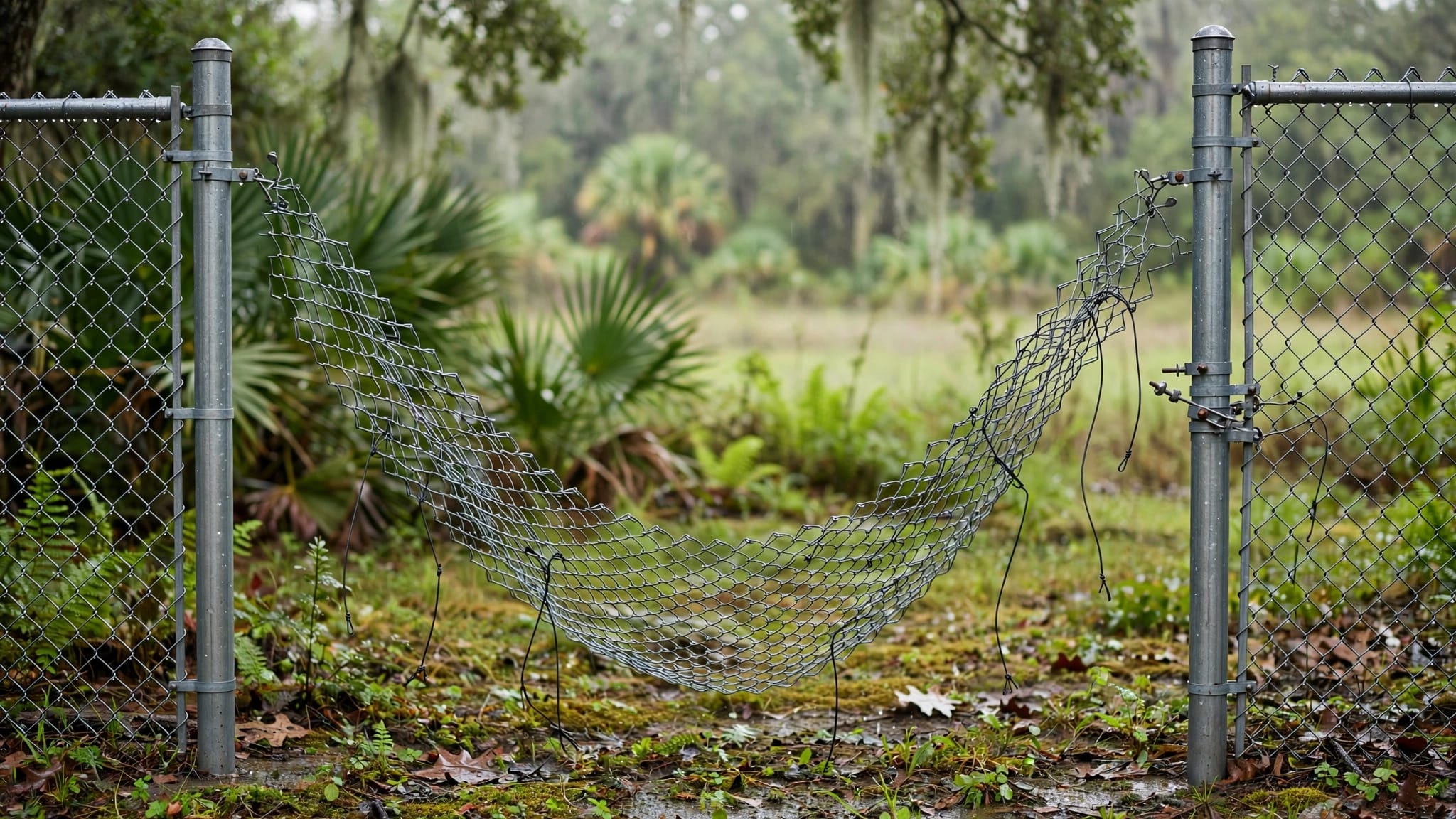
The tradeoff is the bottom openings at the step points. On SWFL lots, you don't want to fill those gaps by burying panels into the soil or building a solid curb that traps runoff. Instead, many installs use a short, open solution (like spaced boards or dark-coated wire) that blocks pets without blocking water.
Keeping picket reveal consistent, even on a slope
No matter which method you choose, homeowners notice spacing. Ask your installer how they'll keep a consistent picket reveal (the gap between pickets) across transitions, corners, and near posts. On slopes, rushed crews sometimes "cheat" spacing to make a panel land on the next post. That shortcut shows up later as uneven lines.
Posts, concrete, and hardware that survive SWFL heat and wet season
Sloped yards put extra stress on posts because water moves soil downhill. Add Florida heat, humidity, and storm season, and a fence needs more than good looks. It needs solid structure.
Set posts plumb, then keep them plumb
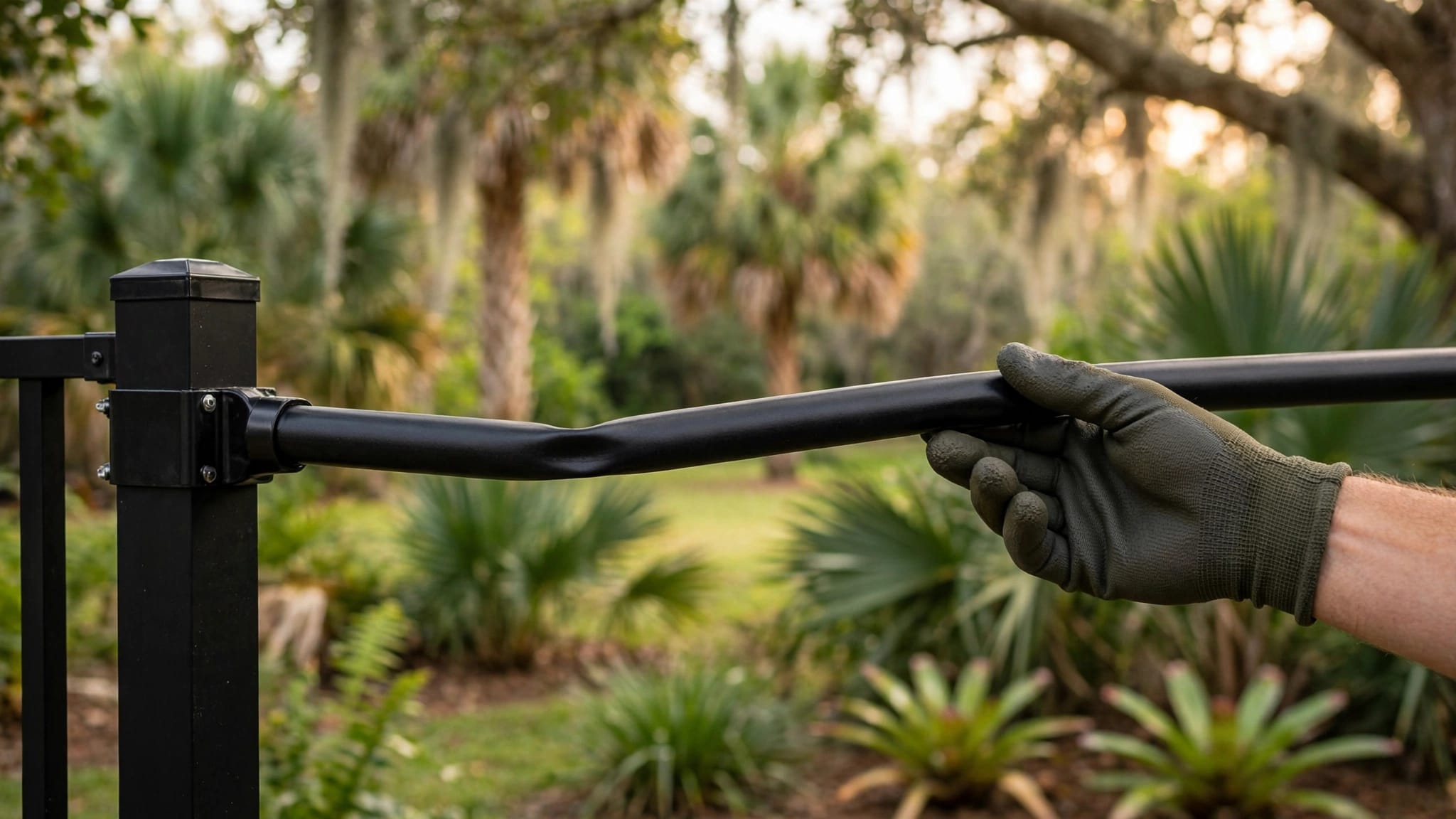
On a slope, posts can look straight from one angle and still be off. Each post should be checked on two faces with a level. If one post leans even a little, the error stacks as panels go in.
A practical build sequence helps:
- Mark the fence line, then mark post centers.
- Dig holes to the planned depth, keeping sides neat.
- Set corner and gate posts first, then run string lines.
- Set each post plumb , brace it, then pour concrete.
- Re-check plumb after the pour, because posts can drift.
Concrete in sandy soil: plan around rain
In Southwest Florida, concrete is often the difference between a fence that stays straight and one that slowly walks downhill. Still, timing matters. If you're building near the wet season (often June through November), heavy rain can flood holes and wash sand into wet concrete.
A smart approach in March and spring is to schedule work early in the day, when heat is lower and storms are less likely. If rain is forecast, pause the pour. Wet concrete and rushing don't mix.
Also handle bags and wet mix safely. Wear gloves and eye protection, because concrete can burn skin, and splashes happen fast on uneven ground.
Hardware that won't rust in humidity and salt air
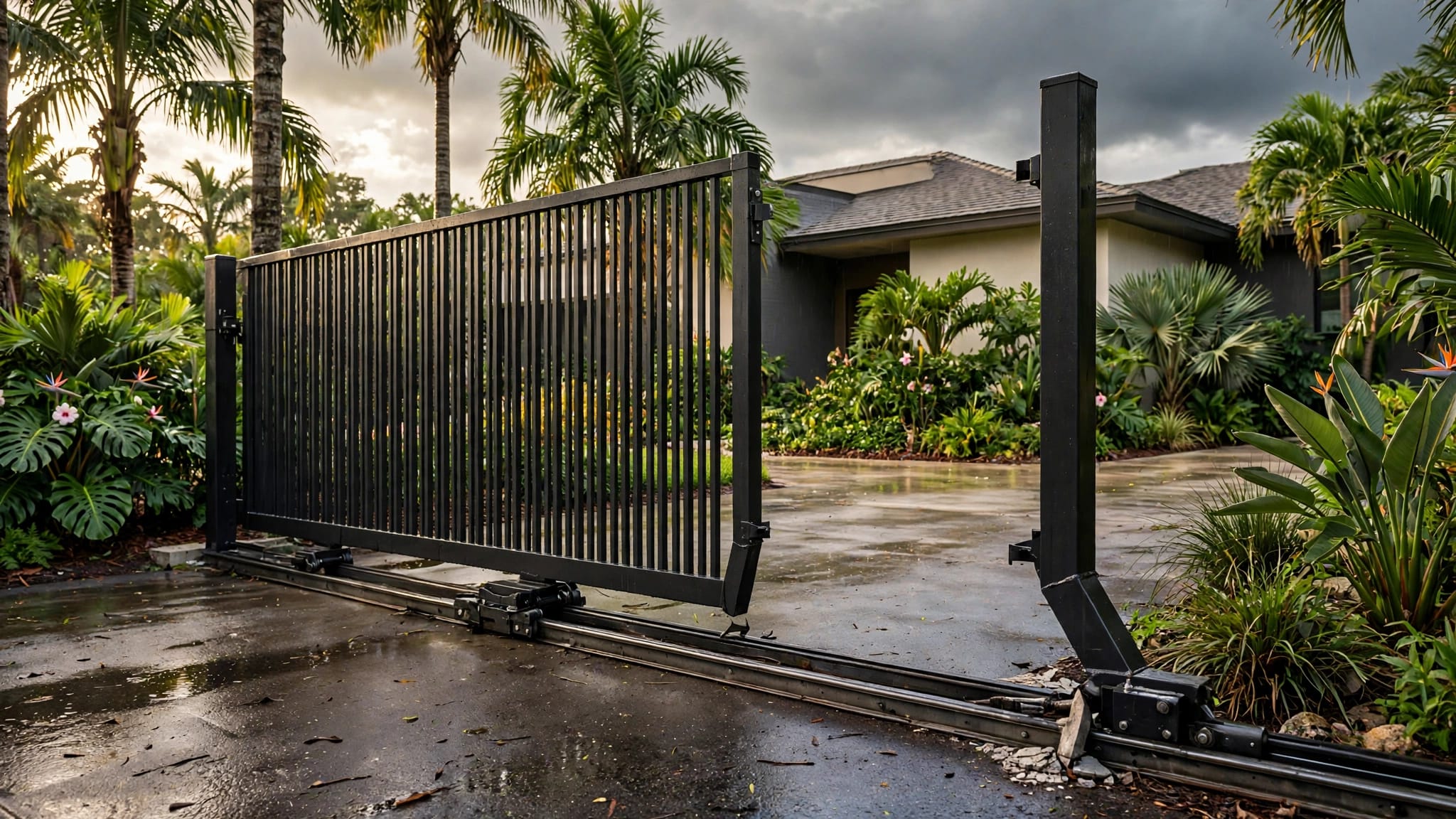
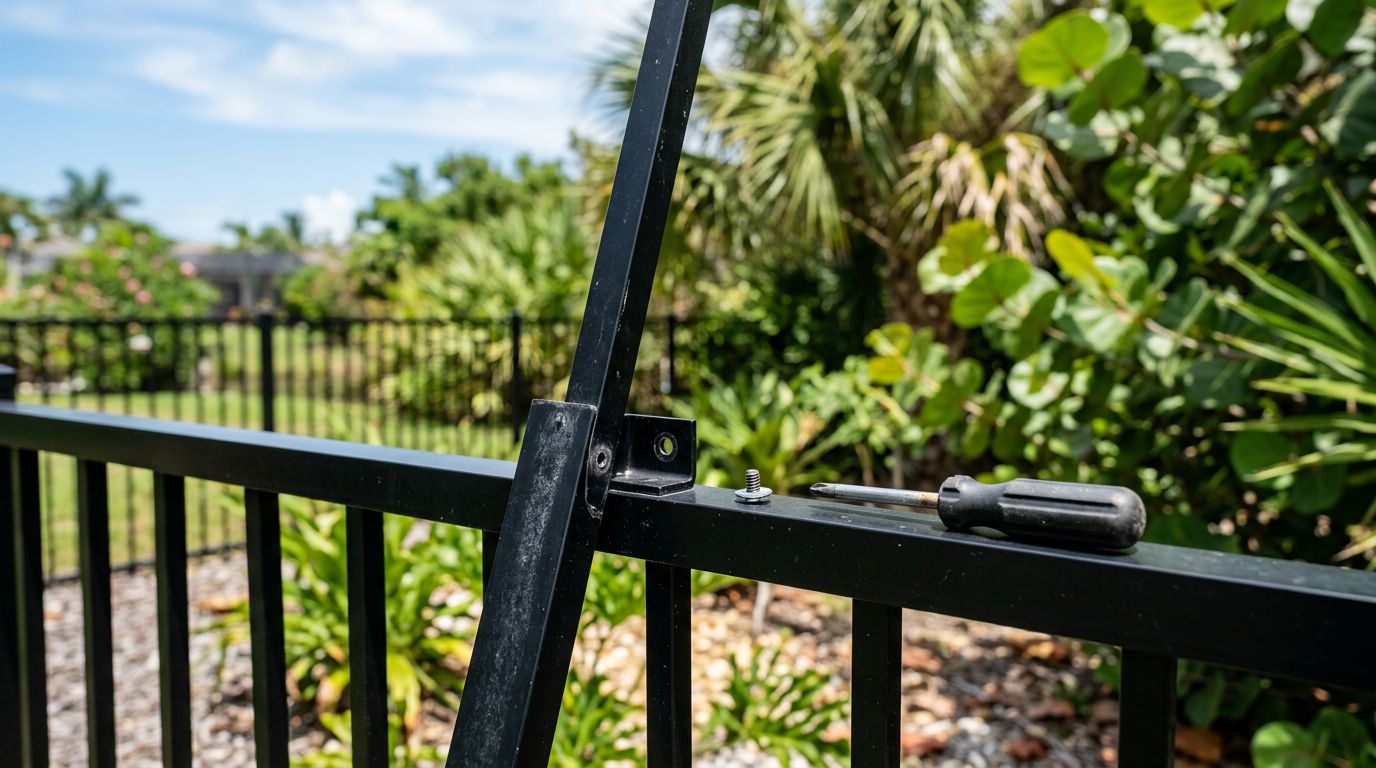
Even inland neighborhoods get salty air on strong winds. Use stainless steel or quality hot-dipped galvanized fasteners, hinges, and latches. Avoid basic plated screws for gates, because gate hardware is the first place corrosion and sag show up.
Gates deserve extra attention on slopes. Place them where the grade is flattest if you can. If a gate must sit on a slope, build in clearance so it won't drag after summer rains shift the soil.
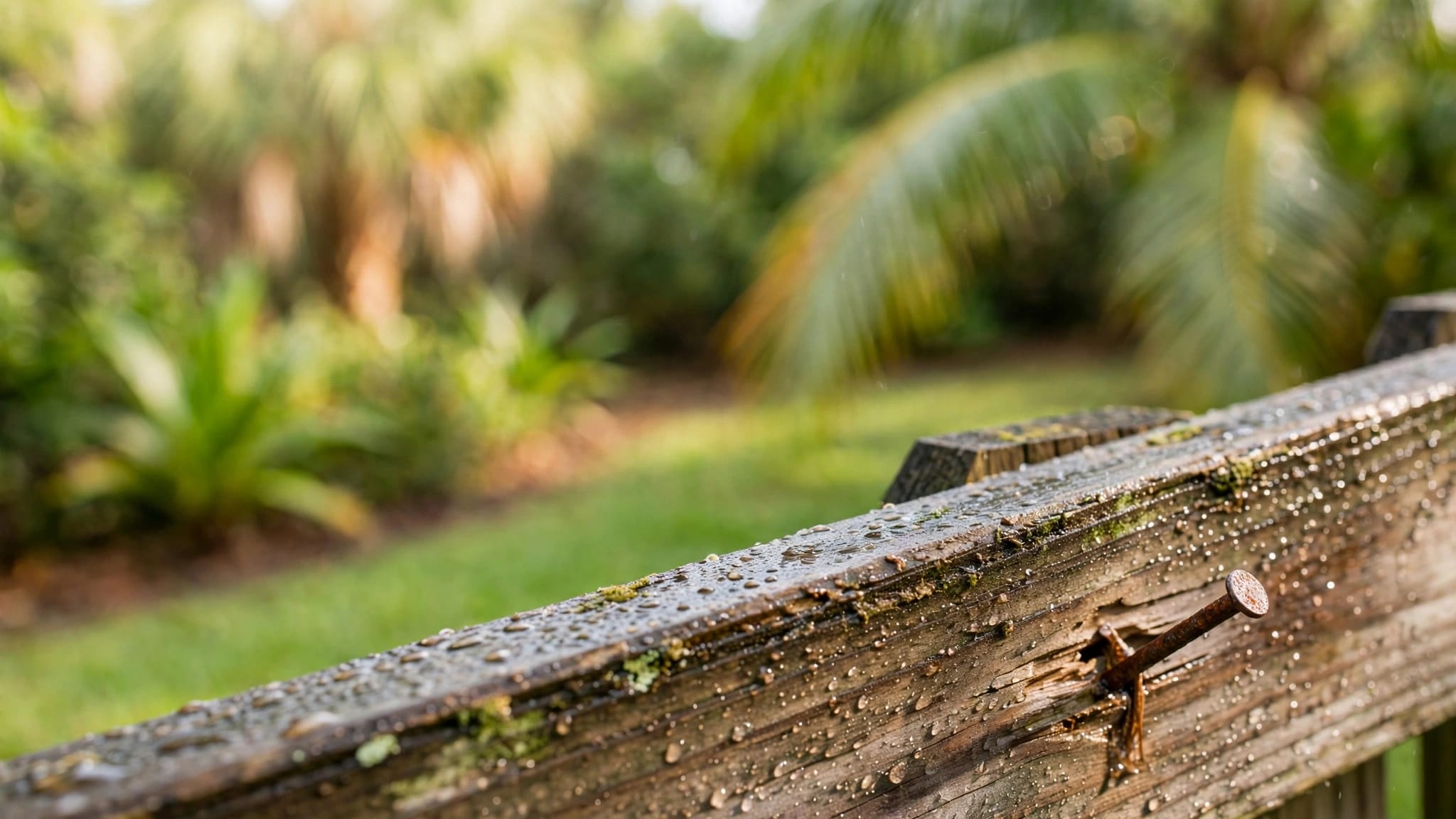
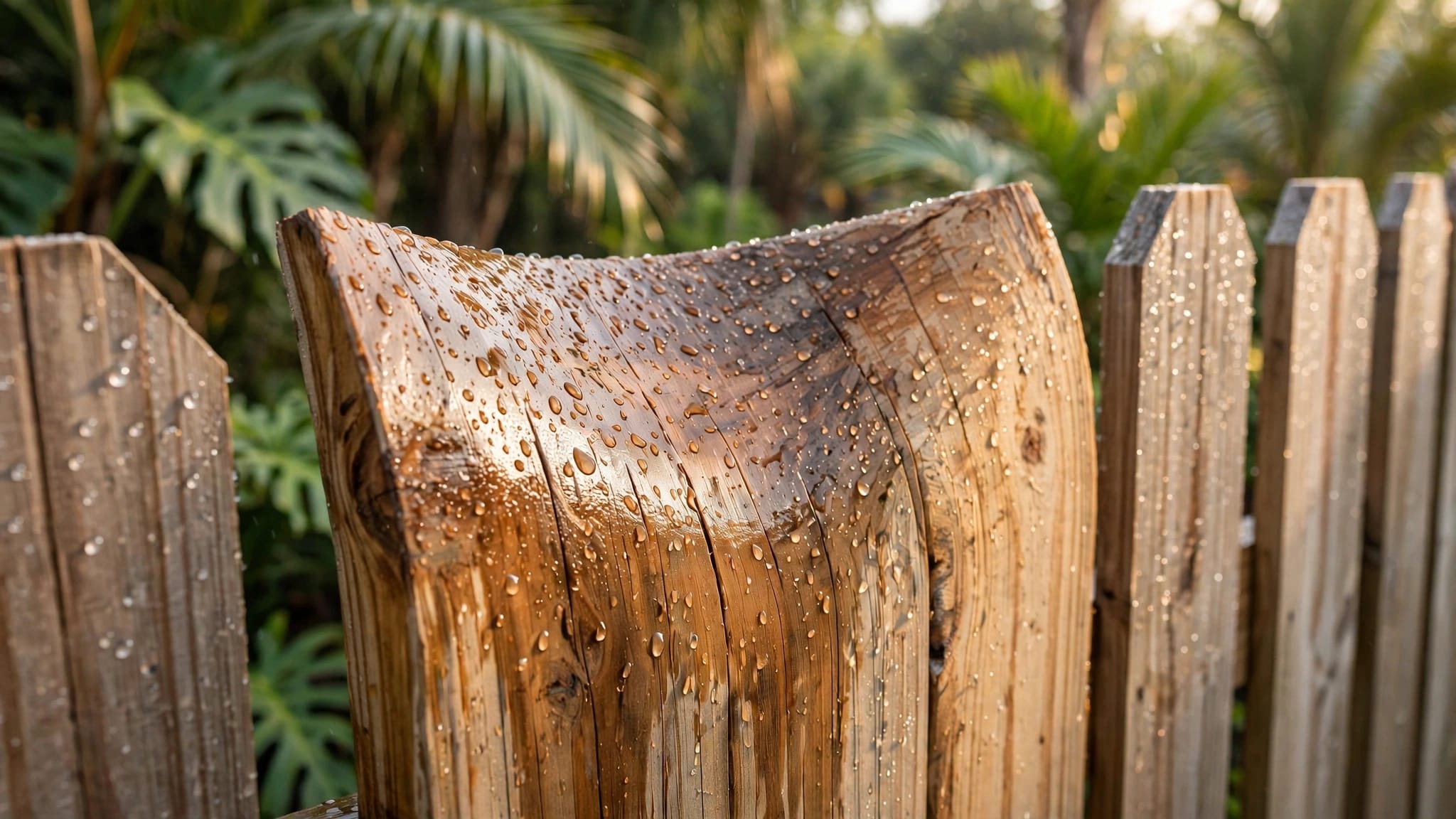
Rot and termites: small details that add years
Wood can work beautifully on a slope, but it needs spacing and airflow.
- Keep picket bottoms off soil where possible.
- Don't pile mulch against the fence line.
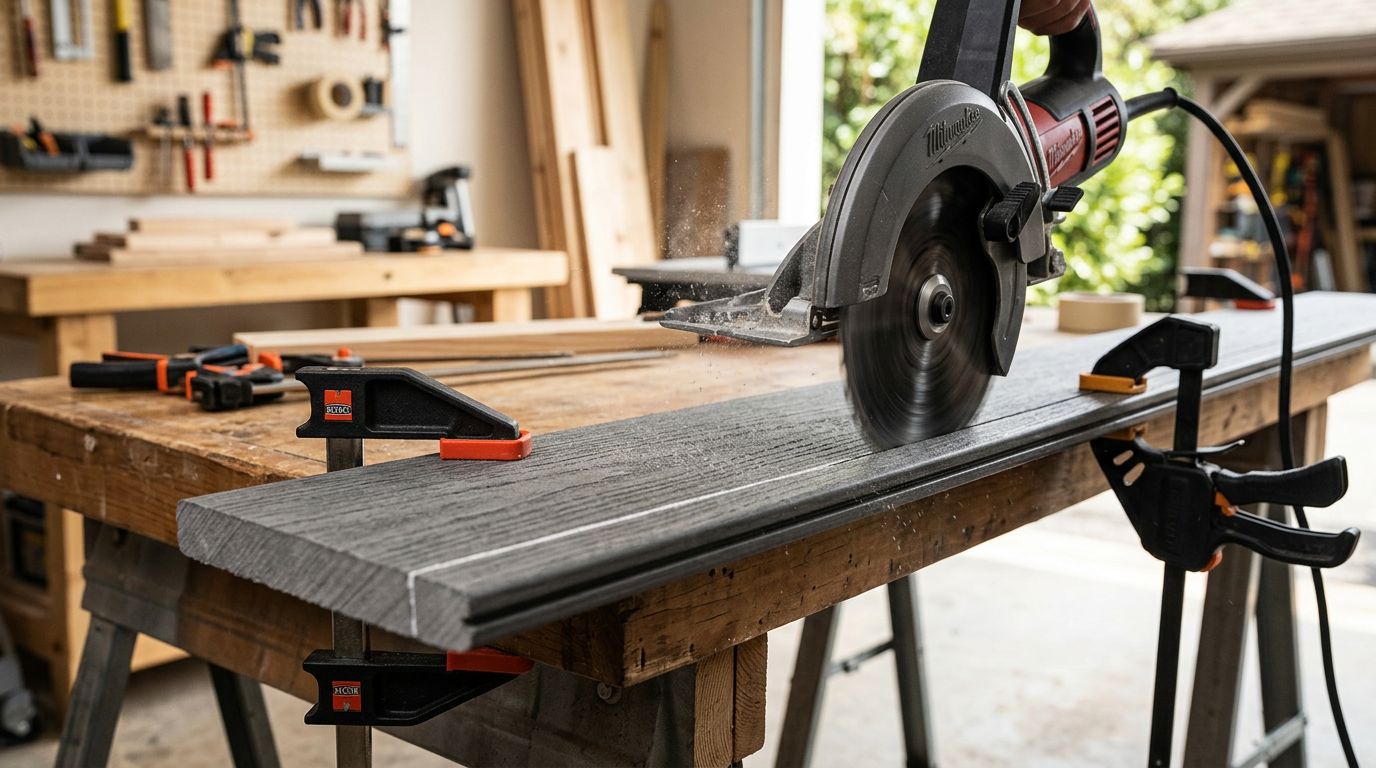
- Seal cut ends on site, because cuts expose vulnerable wood.
- Watch for termite activity near posts and shaded, damp areas.
If you're considering wood, this guide on wood fence durability on sloped yards in Southwest Florida explains what shortens lifespan here and what helps it last longer.
On Florida slopes, the fence isn't fighting gravity alone. It's also fighting moving water and shifting sand.
Conclusion: build for the grade, keep drainage open, and don't rush the details
A good sloped-yard fence starts with choosing racked or stepped sections based on the yard's shape. From there, the job comes down to plumb posts, consistent picket reveal, and a bottom edge that doesn't block drainage. With SWFL heat and wet season, timing, concrete, and rust-resistant hardware matter just as much as the material. If your fence also needs to meet pool barrier rules on uneven ground, review Cape Coral pool fence rules for sloped yards before layout starts. The best result is a fence that looks straight, drains right, and stays that way through storm season.