Best Southwest Florida Fence Styles for New Homes
You're building a new home in Southwest Florida. The excitement builds as walls go up and landscaping takes shape. But then you face the fence decision. It needs to handle salty air, fierce sun, heavy rains, and gusty winds while fitting your lifestyle.
Local conditions demand smart choices. A weak fence fails fast here. Southwest Florida fence styles must resist corrosion and storms. They also boost security and privacy. Builders often push for quick installs, yet you want lasting value.
Let's look at top options tailored to new construction. These match front-yard charm, backyard retreats, pools, and pets.
Front Yard Fences That Welcome Guests
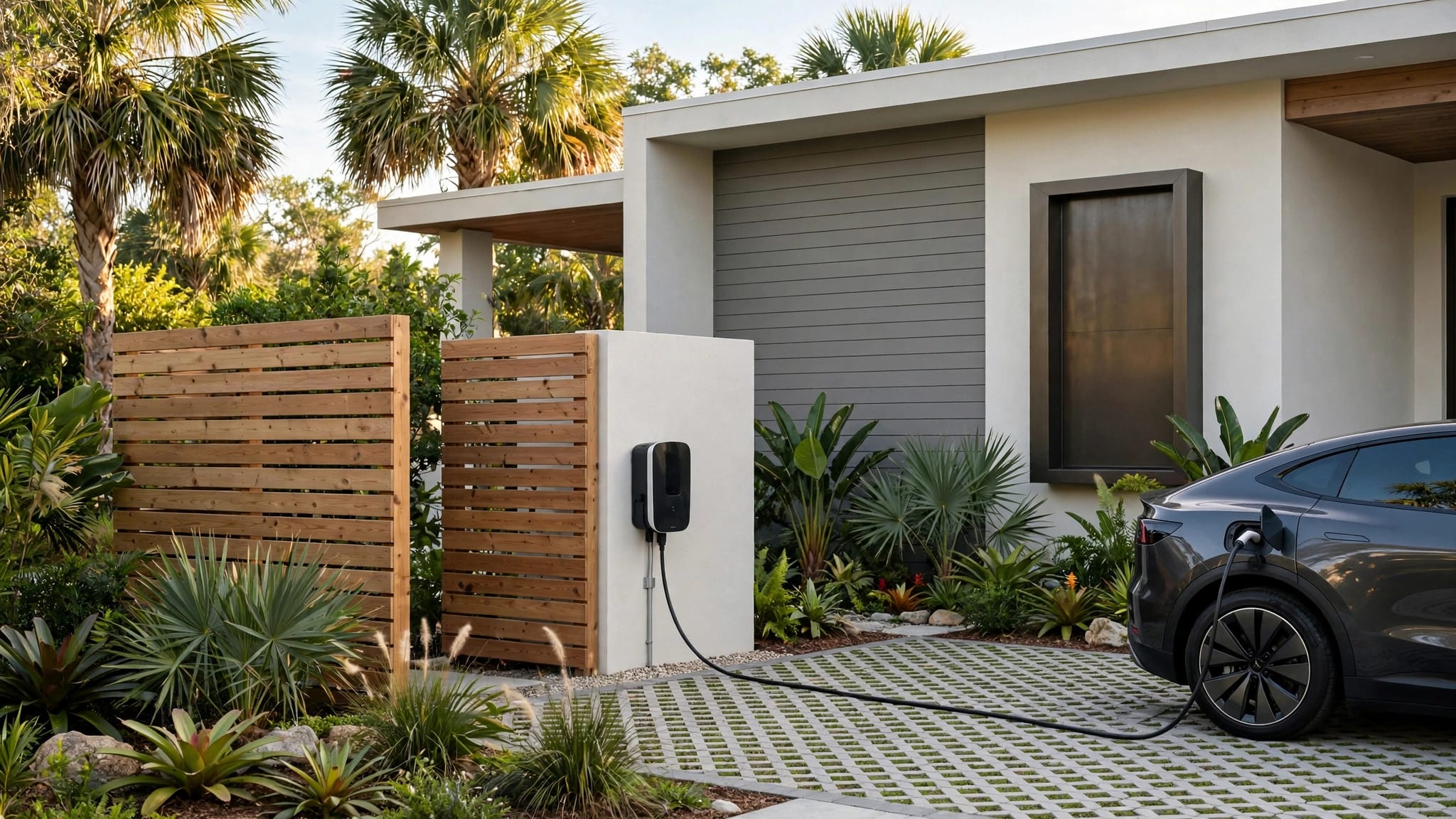
New homes shine with welcoming front fences. Low heights, around 3 to 4 feet, keep sight lines open. This meets most city rules and adds curb appeal.
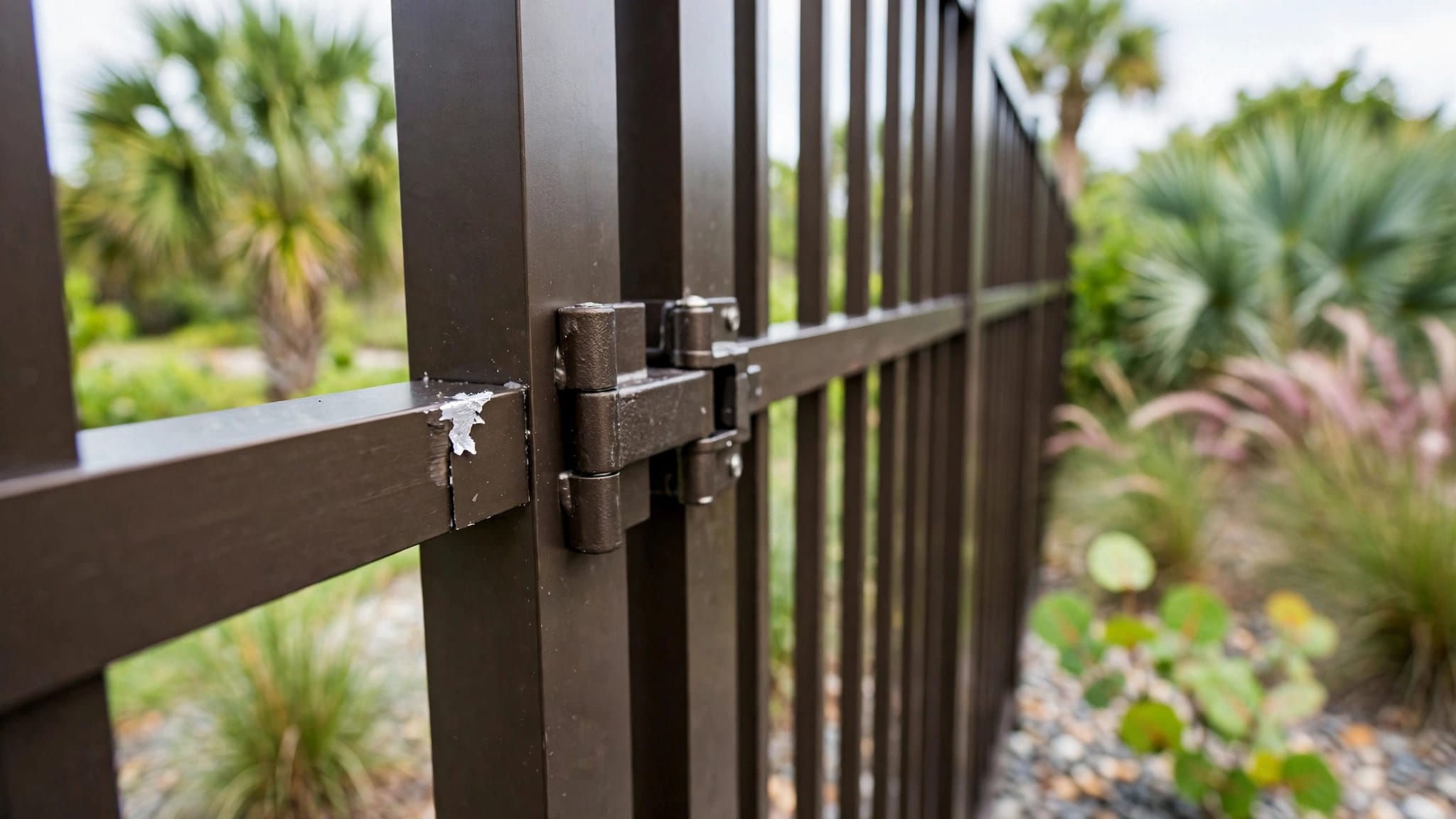
Aluminum picket styles lead the pack. They mimic wrought iron but won't rust in coastal spray. Powder-coated finishes in black or bronze hide salt buildup. Open gaps let breezes flow, cutting wind stress during storms.
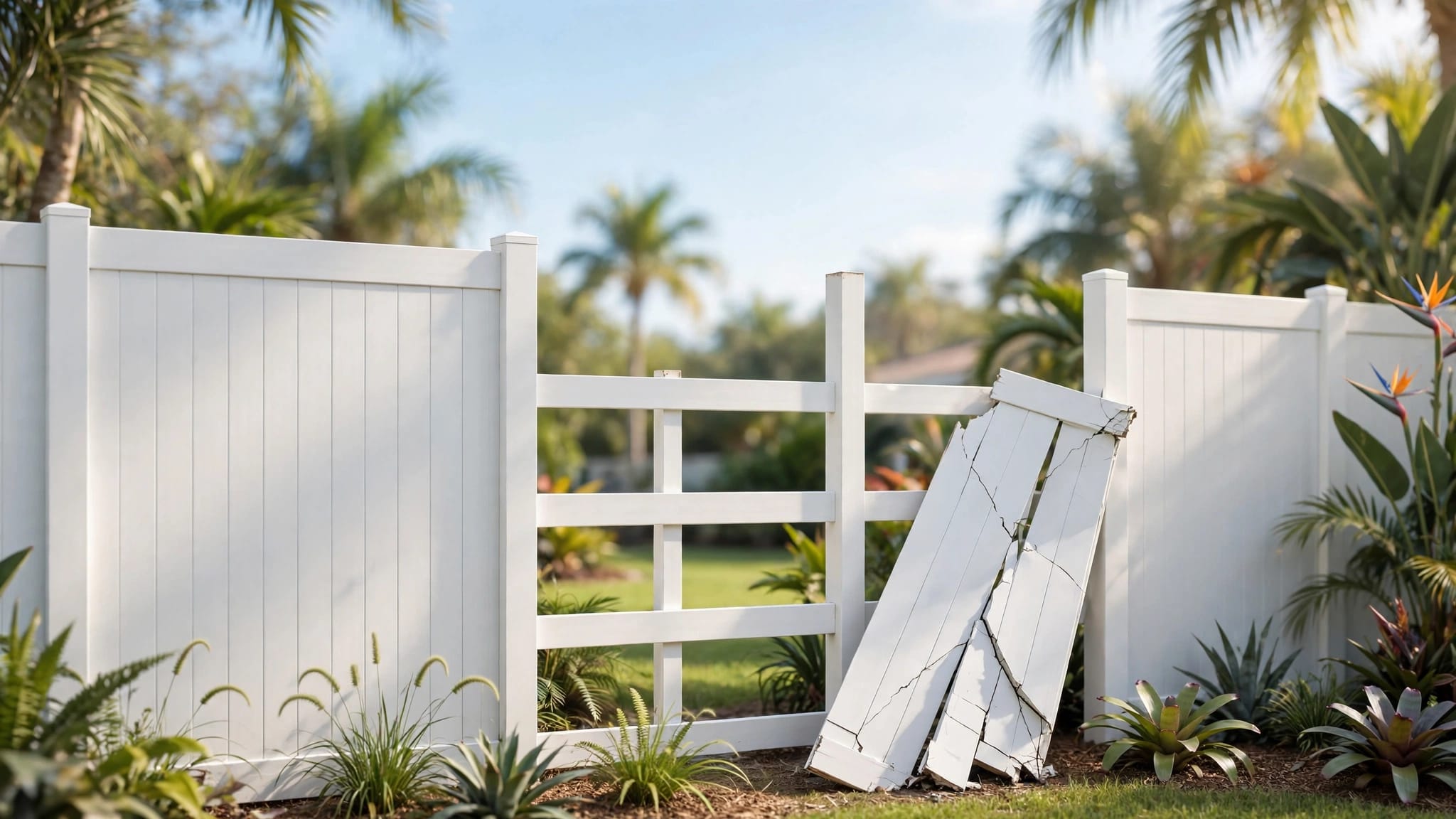
Vinyl pickets offer a budget-friendly alternative. White or tan panels stay bright under UV rays. They clean with a hose after pollen seasons. Pair them with subtle scalloped tops for a custom look.
For corner lots, mix heights matter. Shorter street-facing sections prevent blind spots. Taller sides offer subtle screening. Check our Cape Coral fence style guide for curb appeal in 2026 for local examples.
These styles frame your new home without overwhelming it. Neighbors notice the polish.
Backyard Privacy Without the Hassle
Backyards call for taller fences, often 6 feet. Privacy panels block views from canals or neighbors. Yet solid walls catch wind like sails in hurricane season.
Semi-privacy vinyl wins for new builds. Boards alternate for glimpses of palms while hiding most sights. It resists moisture and needs no painting. Light colors, like almond, stay cooler in full sun.
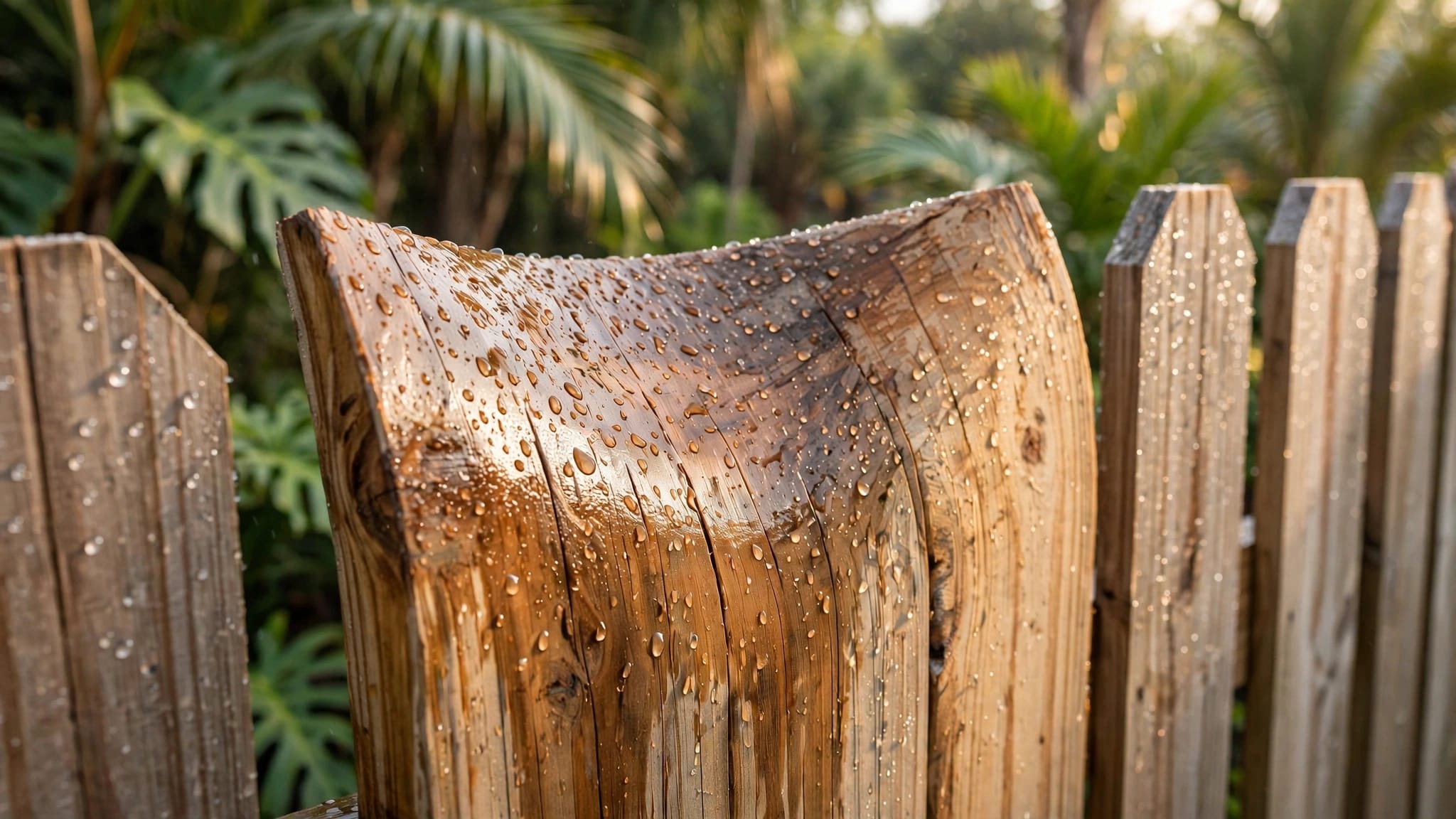
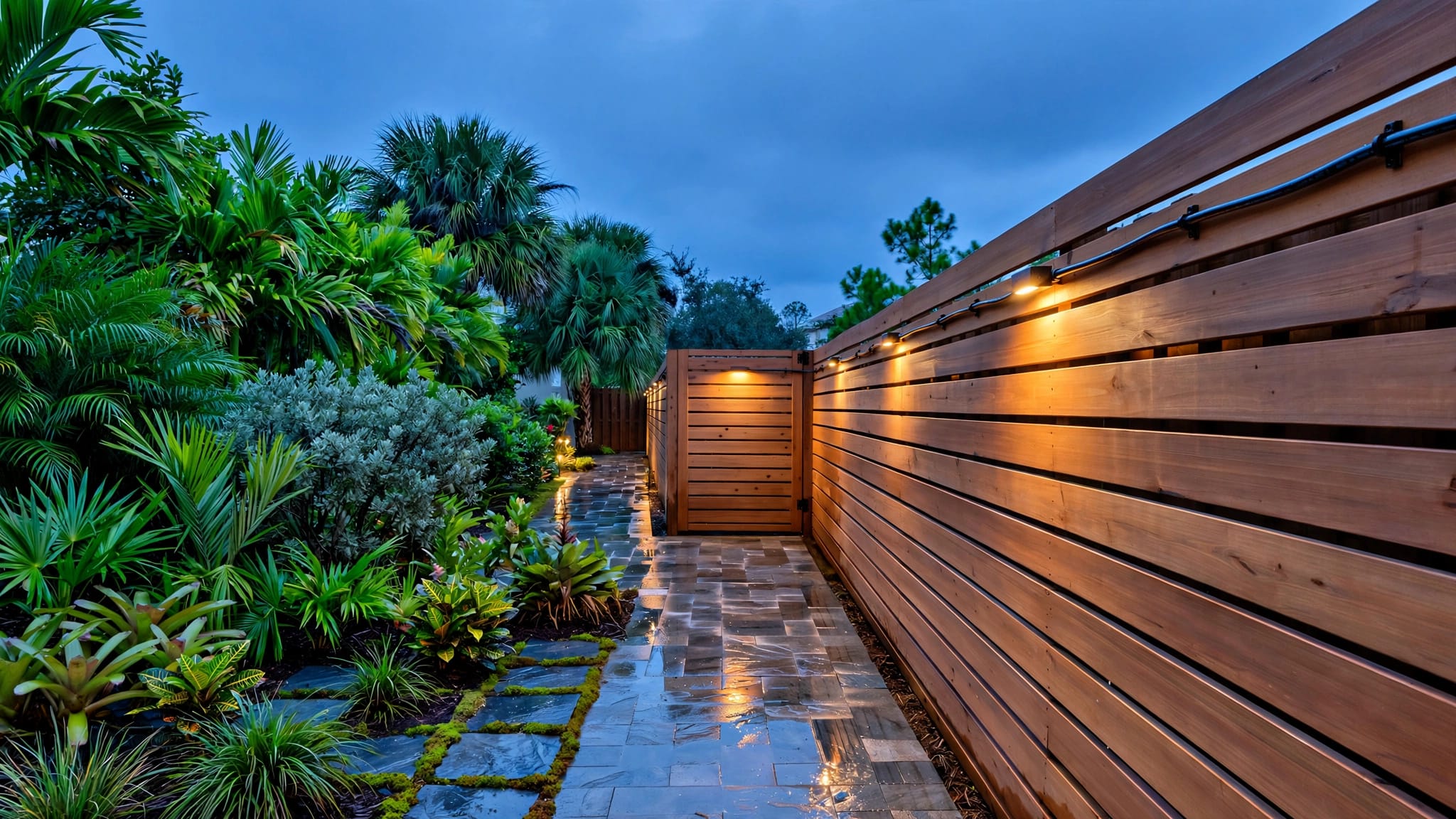
Shadowbox wood provides warmth if you crave natural texture. Cedar holds up better than pine against humidity. Space boards to let air pass, easing storm loads. Stain it yearly to fight fading.
Aluminum privacy inserts fill gaps in open frames. They combine strength with low upkeep. For sloped yards common in new developments, racked panels follow the grade smoothly.
These options create outdoor rooms. Cookouts feel secure. Kids play free.
Pool Barriers and Pet Zones That Comply
Pools dominate new Southwest Florida homes. Fences must isolate them per state code. Self-closing gates with latches at kid-proof heights top the list. Gaps stay under 4 inches.
Aluminum picket fences suit pool edges. Vertical bars deter climbs. They meet barrier rules and add elegance around lanais. See Cape Coral pool fence rules in 2026 for exact specs.
Vinyl mesh or solid panels work too. They block views fully. Reinforce posts for wind; coastal codes demand it.
Pets need containment without sharp edges. Chain link coated in dark green blends better than silver. It lets dogs see out, reducing stress. Add toppers for escape artists.
Hybrid setups shine. Pool areas get code-compliant aluminum. Pet runs use sturdy chain link. Gates unify the flow.
Safety stays simple. Inspectors approve fast.
Materials Proven in Coastal Storms
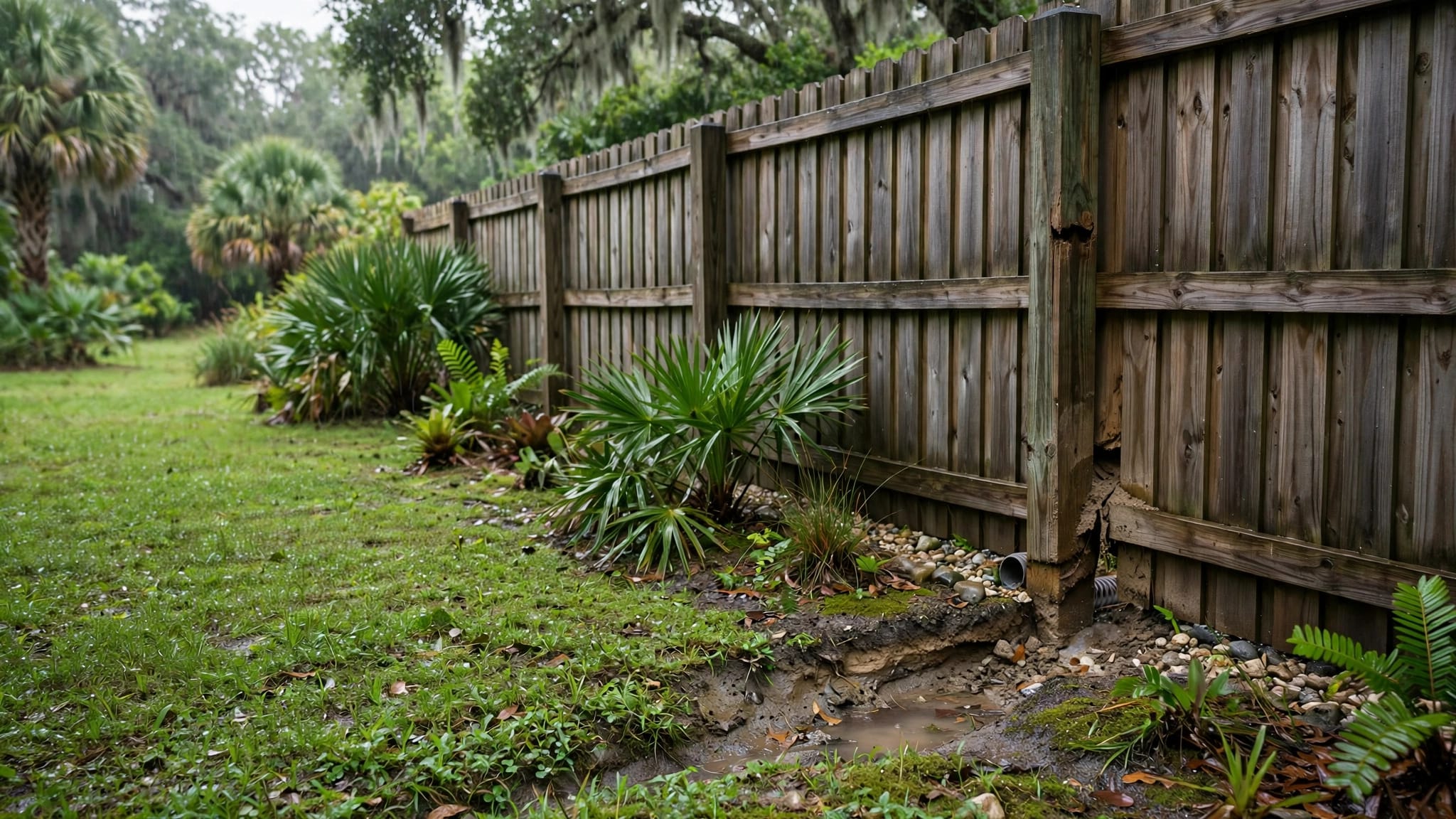
Material choice drives longevity. Sun fades colors. Salt corrodes metal. Winds test every post.
Vinyl tops privacy needs. No rot, minimal warp. Hurricane-rated versions flex without breaking.
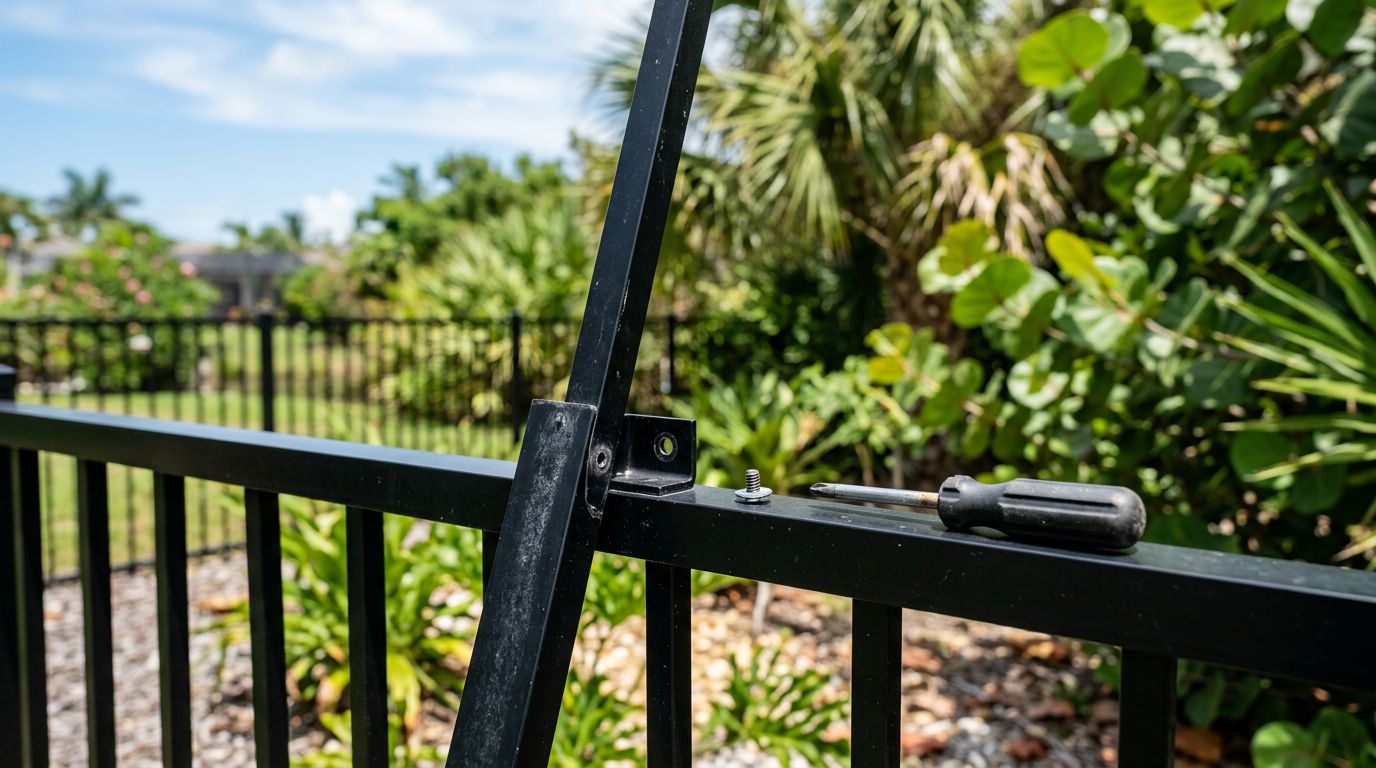
Aluminum excels in open styles. Rust-proof coatings last decades. Our aluminum fence installer services highlight local installs.
Chain link handles big winds best. Affordable for large lots.
Wood offers charm but demands care.
Here's a quick comparison:
| Material | Wind Resistance | Corrosion Fit | Maintenance | Cost per Foot |
|---|---|---|---|---|
| Vinyl | Good | Excellent | Low | $25-$45 |
| Aluminum | Good | Excellent | Low | $25-$40 |
| Chain Link | Excellent | Good | Medium | $15-$30 |
| Wood | Fair | Poor | High | $20-$40 |
Vinyl and aluminum dominate new homes. They cut repair calls after storms.
Deeper posts in sandy soil anchor them. Concrete footings beat dry-set for gates.
Rules That Shape Your Fence Plan
New construction means fresh rules. HOAs in places like Cape Coral limit heights to 6 feet back, 4 feet front. Colors stick to neutrals.
Builders follow wind codes. Fences hit 130 mph ratings minimum. Check setbacks from property lines.
Local permits cover pools extra. Self-latch hardware proves compliance.
Review our Cape Coral fence wind rating guide for 2026. It details bracing.
Talk to your HOA early. Align with builder specs. Avoid rework.
Key Takeaways
Pick fence styles that match your yard's role. Front yards favor open aluminum for appeal. Backyards lean vinyl privacy for ease.
Coastal demands guide materials. Vinyl and aluminum resist sun, salt, and storms best. They keep upkeep low on new homes.
Codes protect your investment. Follow HOA limits, pool rules, and wind standards.
Your fence sets the tone. Choose durable options now. Enjoy peace for years.