Fort Myers Beach Fence Permit Guide for 2026 Homeowners
You picture a new fence adding privacy to your beachside yard. Then the town permit office mentions a survey and site plan. In Fort Myers Beach, most fences need approval before posts hit the sand.
Homeowners often skip this step and face stop-work orders or tear-downs. Rules cover height, flood zones, and easements, especially after hurricanes. This guide walks you through the 2026 process so you avoid delays.
Follow these steps, and your project stays on track.
Know Your Jurisdiction Before Planning
Fort Myers Beach runs its own permitting through the Town Hall at 6231 Estero Blvd. You're not under general Lee County rules here. Check your property's STRAP number online to confirm.
Zoning adds layers too. Residential lots follow the Land Development Code. Front yards face stricter limits than backyards. Corner lots need clear sightlines at driveways.
HOAs pile on rules about style and color. Contact yours first. Post-hurricane rebuilding tightened everything, so replacements count as new installs.
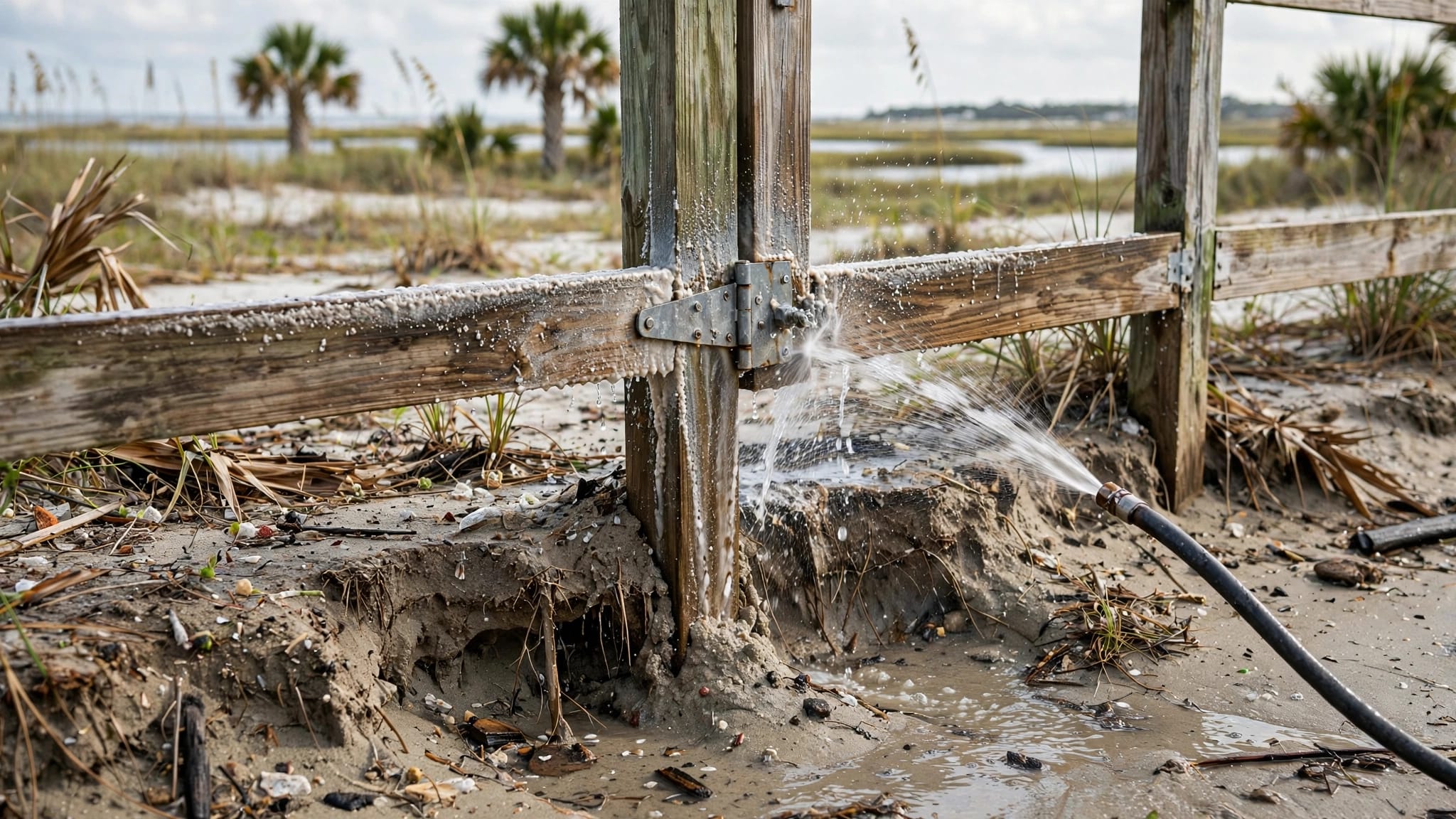
Flood zones dominate the island. Most properties sit in AE or VE areas. Fences must break away during floods to avoid debris traps.
Height and Placement Rules That Matter Most
Town code measures height from natural grade or street crown, whichever sits lower. Anything over 25 inches triggers a full permit.
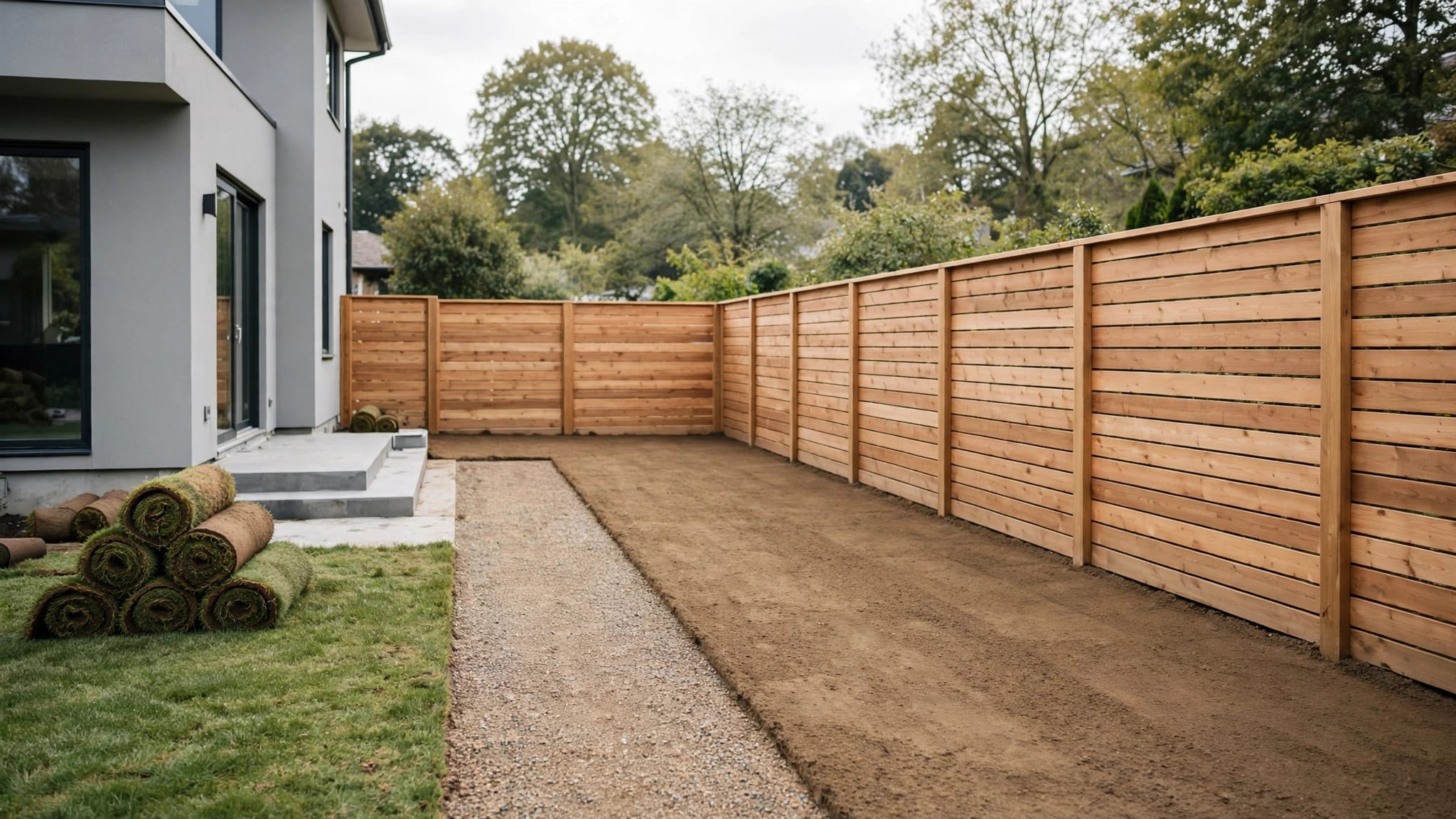
Front yards ban chain link or wire fences. Solid or picket styles cap at about 3 feet near streets. Side and rear yards allow up to 6 feet for most homes.
Keep fences on your lot line. Posts and concrete can't cross over. Easements for utilities or drainage block many spots. Set them back 6 to 12 inches inside.
Corner properties demand visibility triangles. Drivers need unobstructed views at intersections. A solid 6-foot fence there means redesign.
Waterfront lots face canal setbacks. Show distances on plans. One misplaced post near a right-of-way stalls approval.
Materials and Design Basics Homeowners Need
Finished sides face neighbors and streets. Rails and posts stay inside your yard.
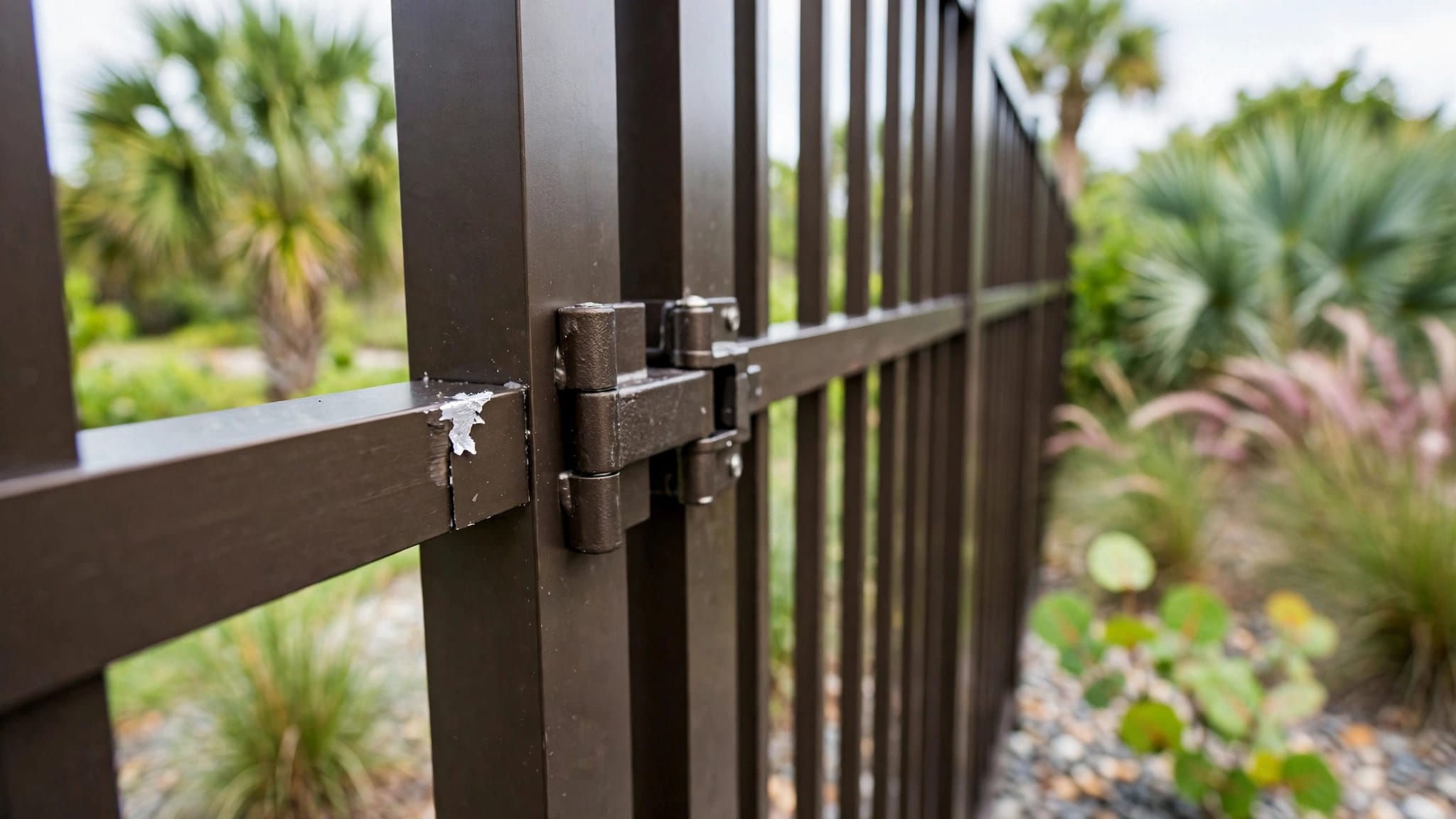
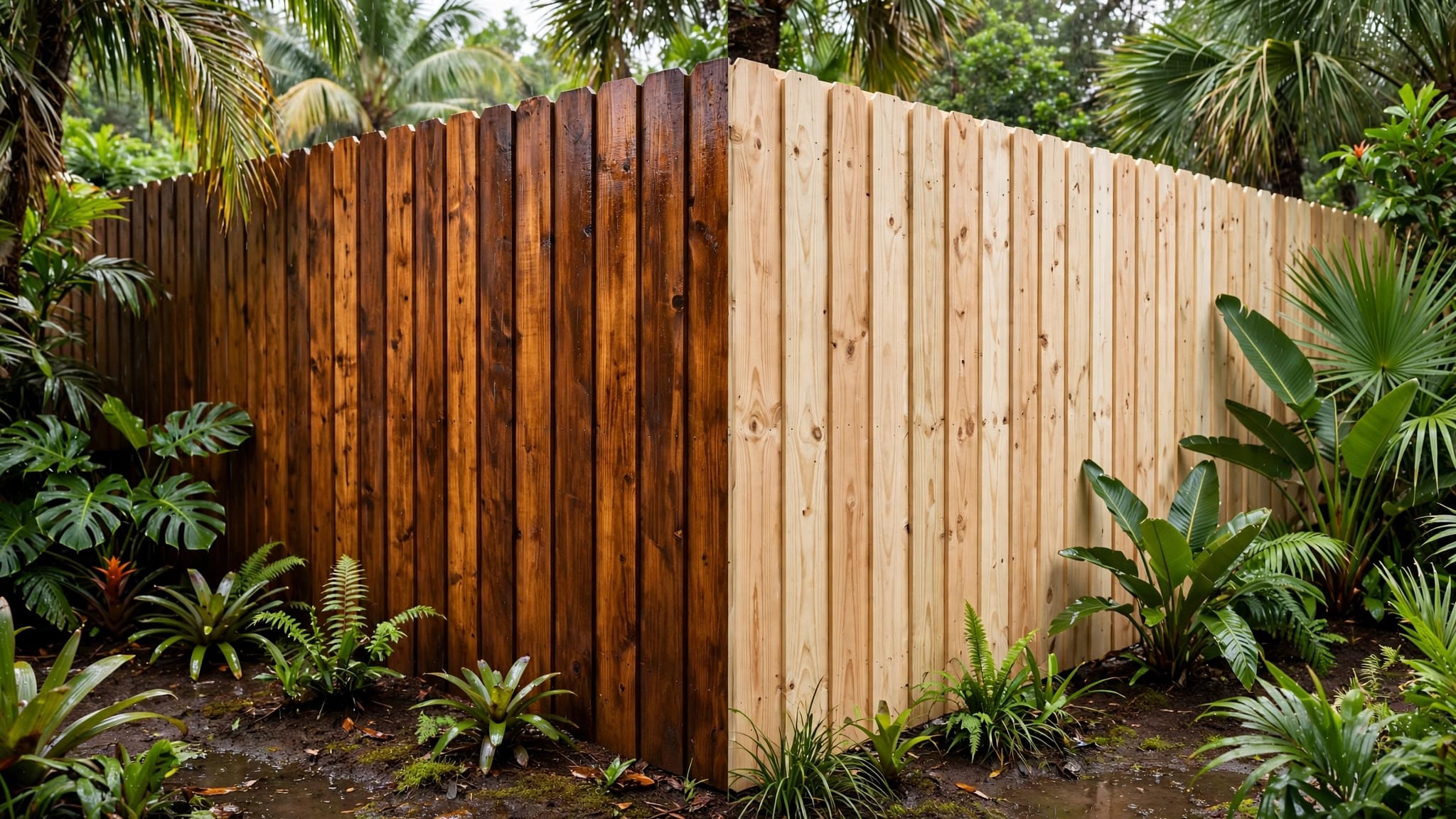
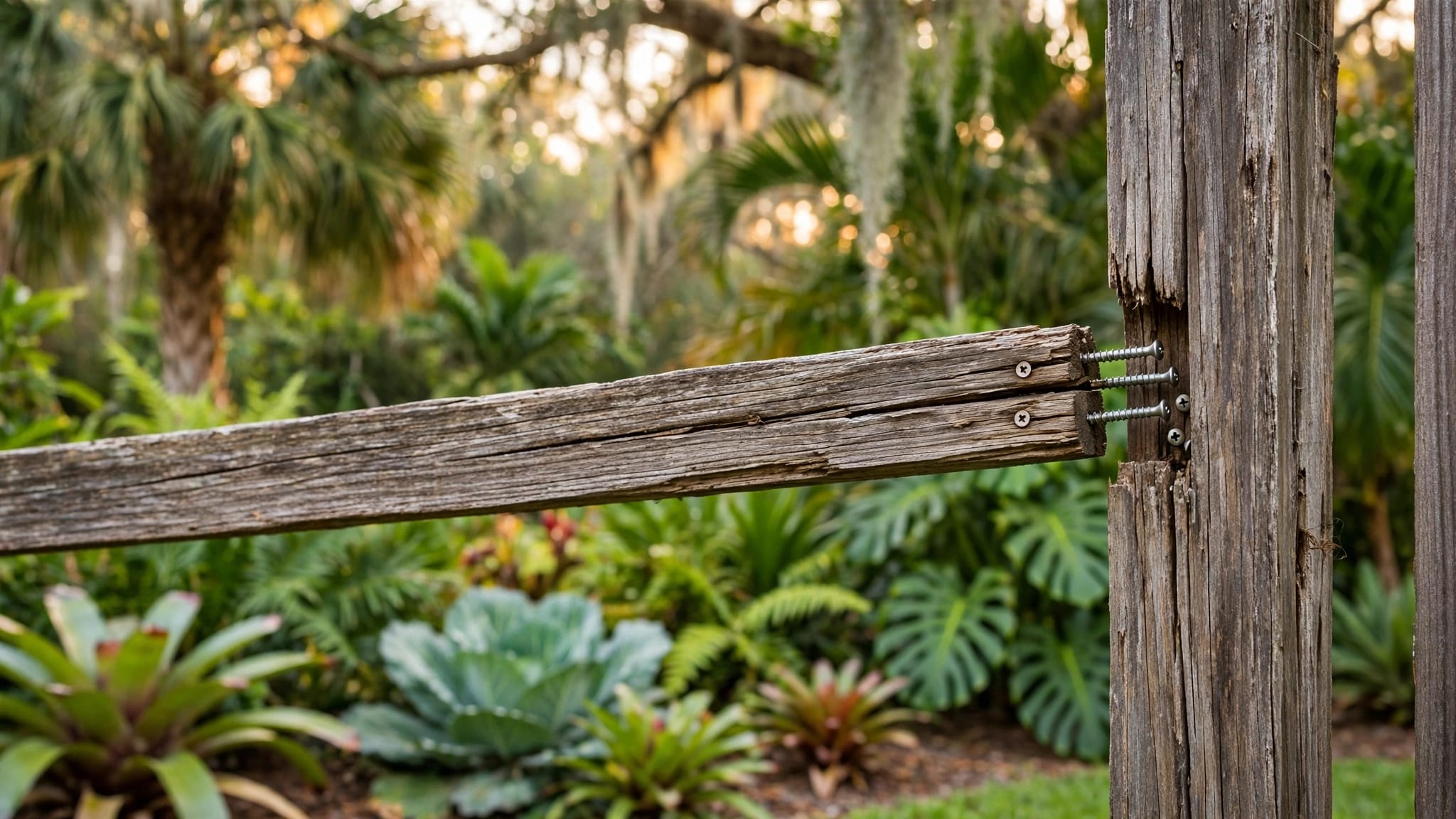
Wood, vinyl, and aluminum work well. Chain link fits side yards only. Avoid anything that sags in salt air or high winds.
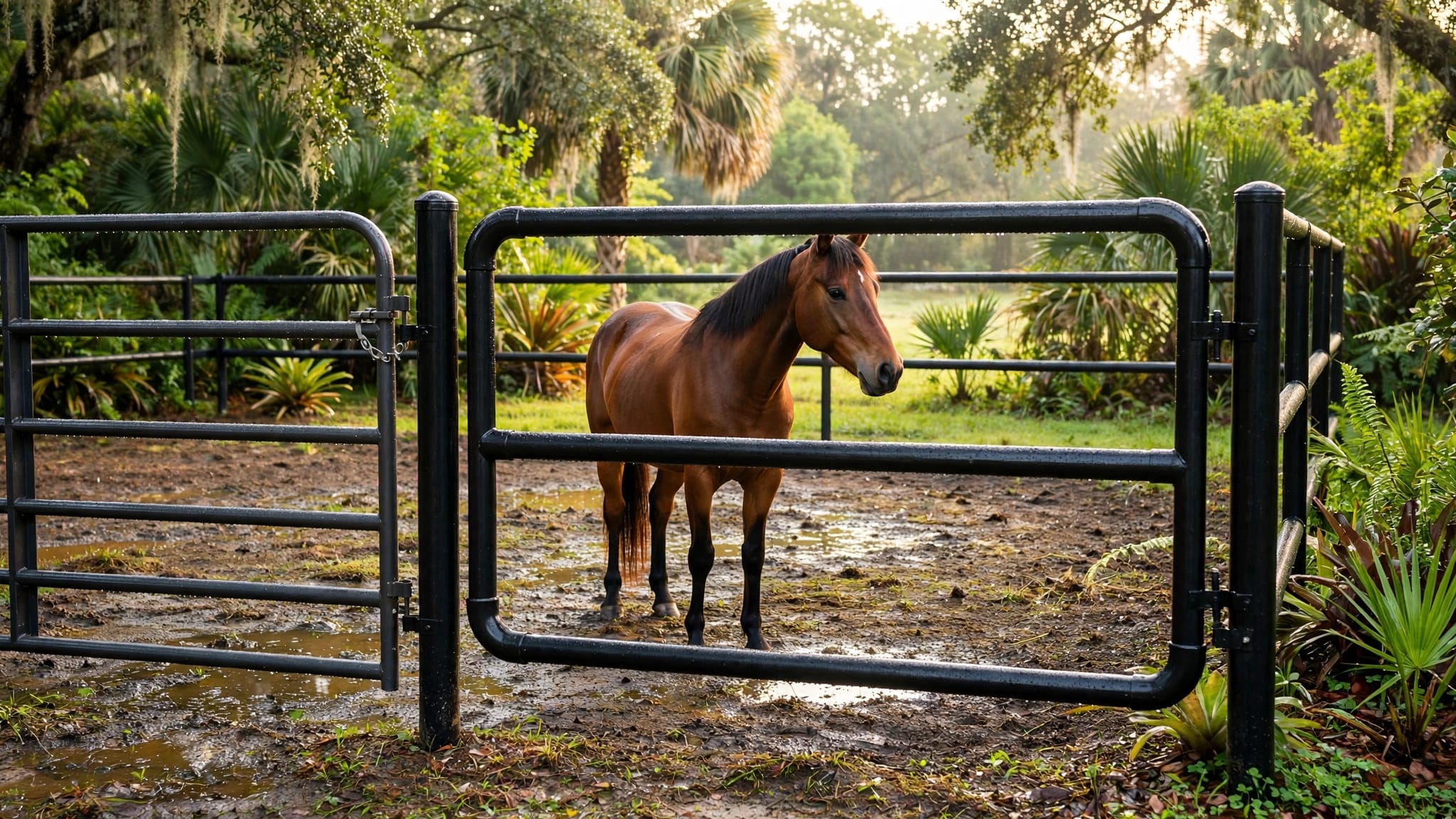
Pool barriers demand 4-foot minimum height. Gaps stay under 4 inches. Gates self-close at 54 inches or higher.
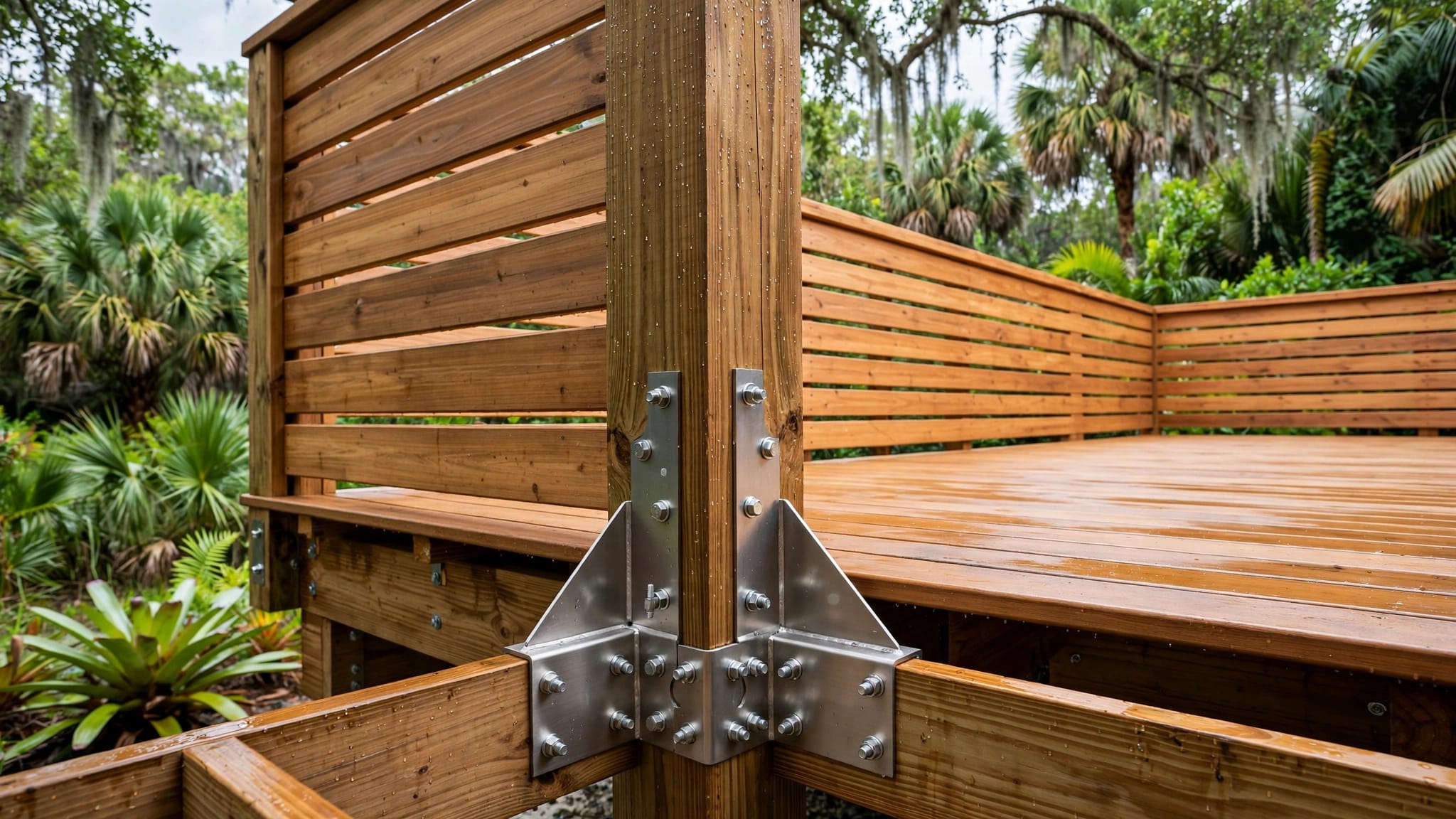
Engineered plans kick in over 6 feet or for wall-like systems. Flood zones require breakaway designs. Solid panels must fail safely in base flood elevation.
Call 811 before digging. Buried lines hide under sand from past storms.
Step-by-Step Permit Application Process
Start with the Fence/Wall Application from the town website. Owner signs in person; notary comes free there.
Gather these items:
- Recent survey with pins marked.
- Site plan copying the survey. Add fence lines, gates, easements, house, and driveway.
- Material specs and heights noted.
Submit online or mail to Buildingpermits@fmbgov.com. Phone 239-765-0202 for questions. Plan review takes days to weeks.
Fees tie to job value. Use the town's calculator. Pay after approval.
Build only post-permit. Schedule final inspection. Engineering checks apply in V-zones.
Revisions happen fast if you respond quick. Missing easements cause most flags.
Fees, Inspections, and Pitfalls to Dodge
Expect $100 to $300 total, based on length and height. No flat fee lists for 2026. Confirm current rates by phone.
Inspections cover finals mostly. Posts set right, heights match plans. Flood compliance gets extra eyes.
Common trips: Old surveys without pins. Fences too close to streets. HOA skips.
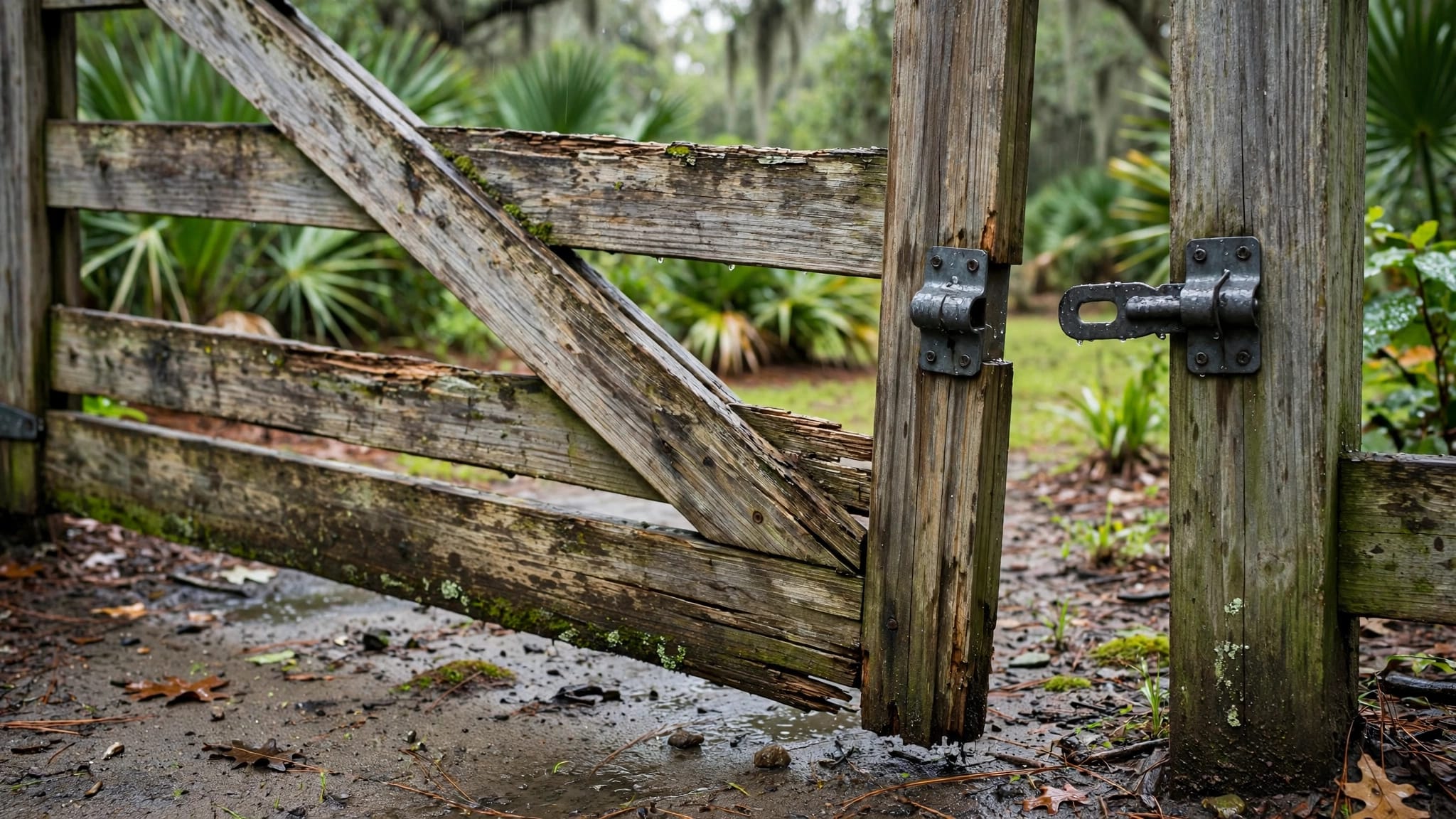
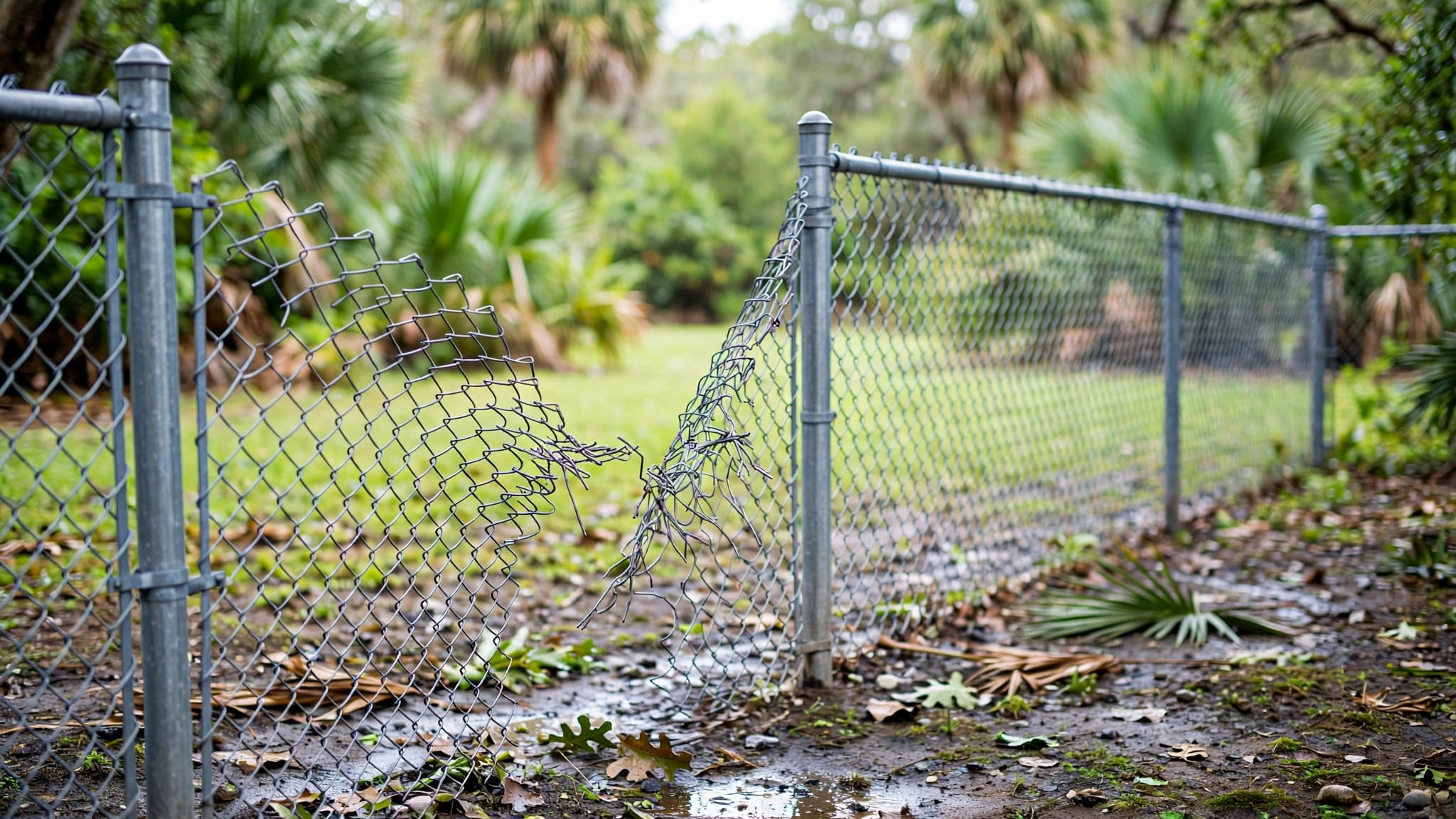
Post-hurricane rules linger. Damaged fences need full review, not patch jobs. Zoning varies by district, so ask for your parcel.
Unincorporated spots nearby follow Lee County unincorporated fence permit rules. Fort Myers Beach stays separate.
Special Rules for Flood Zones and HOAs
VE zones need engineer letters. Fences can't block flood flow. Use open designs or certified breakaways.
AE zones still demand debris-free paths. Show elevations on plans.
HOAs override town height sometimes. Get written okay before submittal.
Coastal winds hit 150 mph design loads. Sturdy posts matter.
Variations pop by lot. Waterfront? Extra buffers. Confirm with staff.
Wrap Up Your Fence Project Right
A Fort Myers Beach fence permit keeps your yard legal and storm-ready. Start with jurisdiction, survey, and HOA checks. Match heights to zones, then submit clean plans.
Rules shift, especially post-storms. Phone the town at 239-765-0202 before buying materials. That call saves rework.
Your new fence boosts security without headaches. Build smart, enjoy the beach view.