How To Prepare Your Yard For Fence Installation Day
Picture this: your new fence crew arrives, but overgrown shrubs block their path, and sprinklers poke out everywhere. Chaos follows. You avoid that mess with smart yard preparation for fence installation .
Homeowners in Southwest Florida face sandy soil, slopes, and summer rains that complicate things. Proper prep saves time, cuts costs, and ensures a straight, lasting fence. It also keeps pets safe and landscaping intact.
Follow these steps one to seven days ahead, plus a quick morning check. You'll set up success from the start.
Verify Local Rules and Underground Utilities First
Start early because delays hit hard. Call 811 at least three business days before digging. This free service marks gas, water, electric, and sewer lines. In Southwest Florida, utilities run close together, so one miss affects the whole yard.
Requirements vary by municipality. Cape Coral demands setbacks from property lines; Charlotte County checks pool barriers. Contact your local building department or check online. For example, if sprinklers cross the line, you might need a permit adjustment.
Your fence contractor shares specifics, but confirm yourself. Ask about HOA rules too. This step prevents fines or rework. Once marked, flag paint or stakes highlight danger zones. Crews work faster when paths stay clear.
Clear Plants and Debris Along the Fence Line
Grab gloves and tools one week out. Trim bushes, trees, and vines back two feet from the planned line. Roots tangle post holes, so cut them flush.
Remove rocks, stumps, and old fence scraps. Rent a sod cutter for thick grass strips. In pet-friendly yards, pick up toys and waste daily. Dogs dig more when stressed by changes.
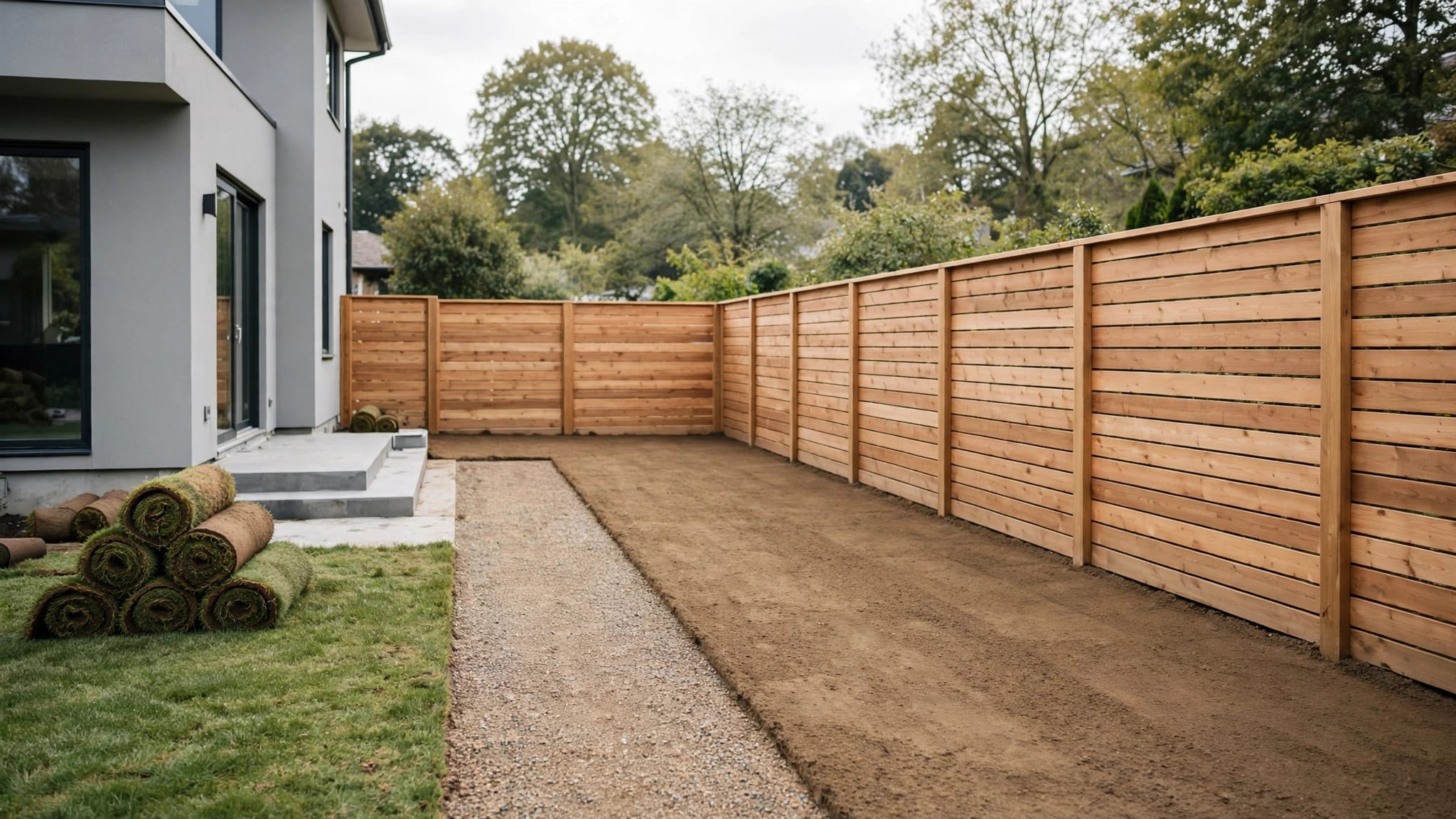
For landscaped areas, pot plants temporarily. Cover flower beds with tarps to shield mulch. Sandy SWFL soil shifts easy, so rake smooth after clearing. A clean line lets crews measure accurately.
This prep takes a weekend for big yards. Bag debris curbside. You'll spot issues like hidden slopes early.
Mark Boundaries and Post Locations Precisely
Locate your property corners with stakes and string. Use a recent survey if available. Stretch mason line between pins for the exact path.
Mark post spots every six to eight feet, per your fence style. Gates need extra space for swing. On tight-access lots, note narrow gates or driveways.
Measure twice because errors compound. A one-inch offset at the start means gaps at the end. For chain link or vinyl, posts align straight; wood allows slight curves.
Homeowners with RVs or boats pad extra clearance. Verify setbacks again here. Flags or spray paint works best. Crews appreciate this detail.
Address Sprinklers, Pets, and Landscaping Needs
Irrigation lines break easy in soft sand. Locate heads and valves; cap or relocate them. Test zones to map underground pipes. Mark with flags.
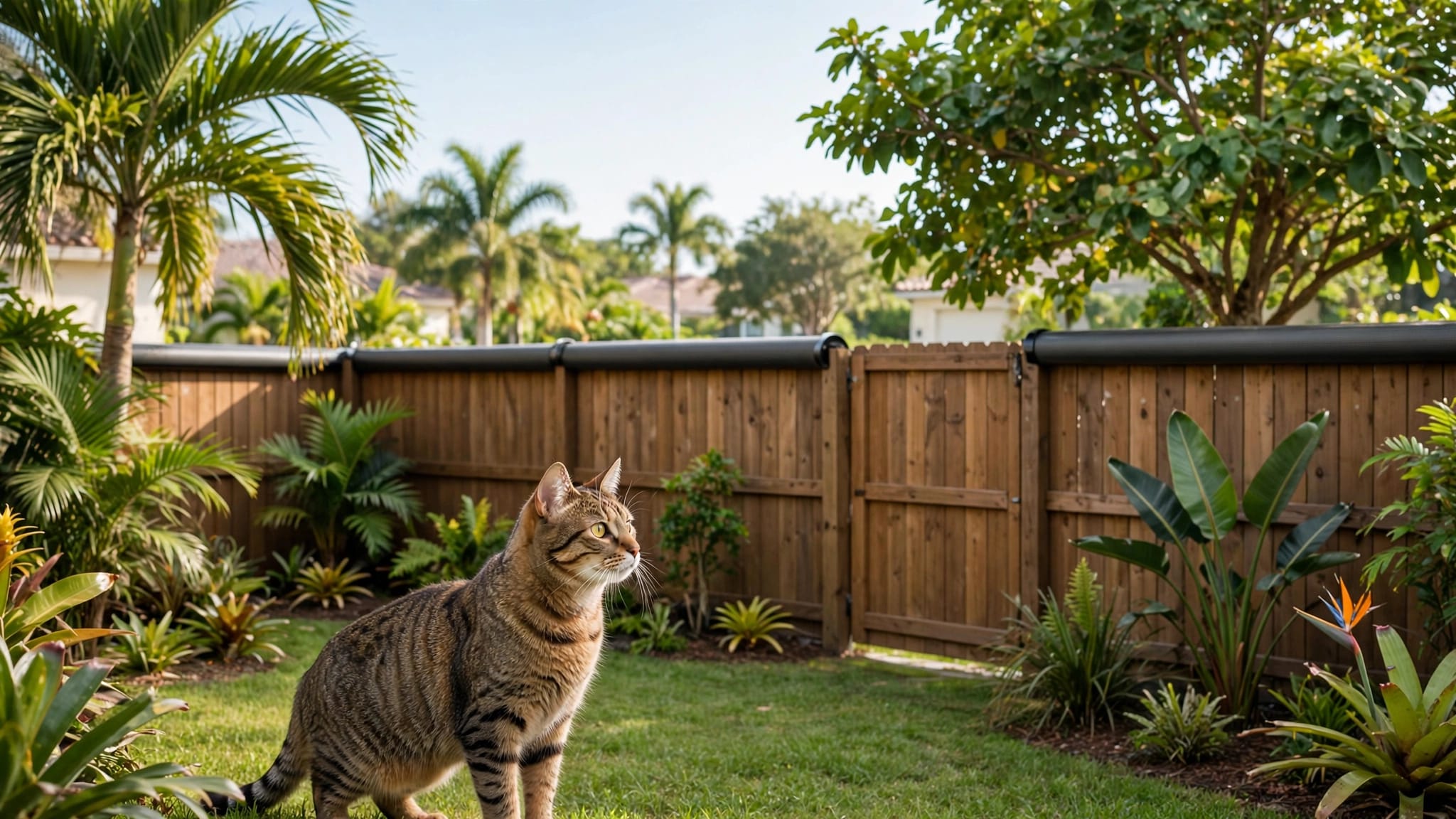
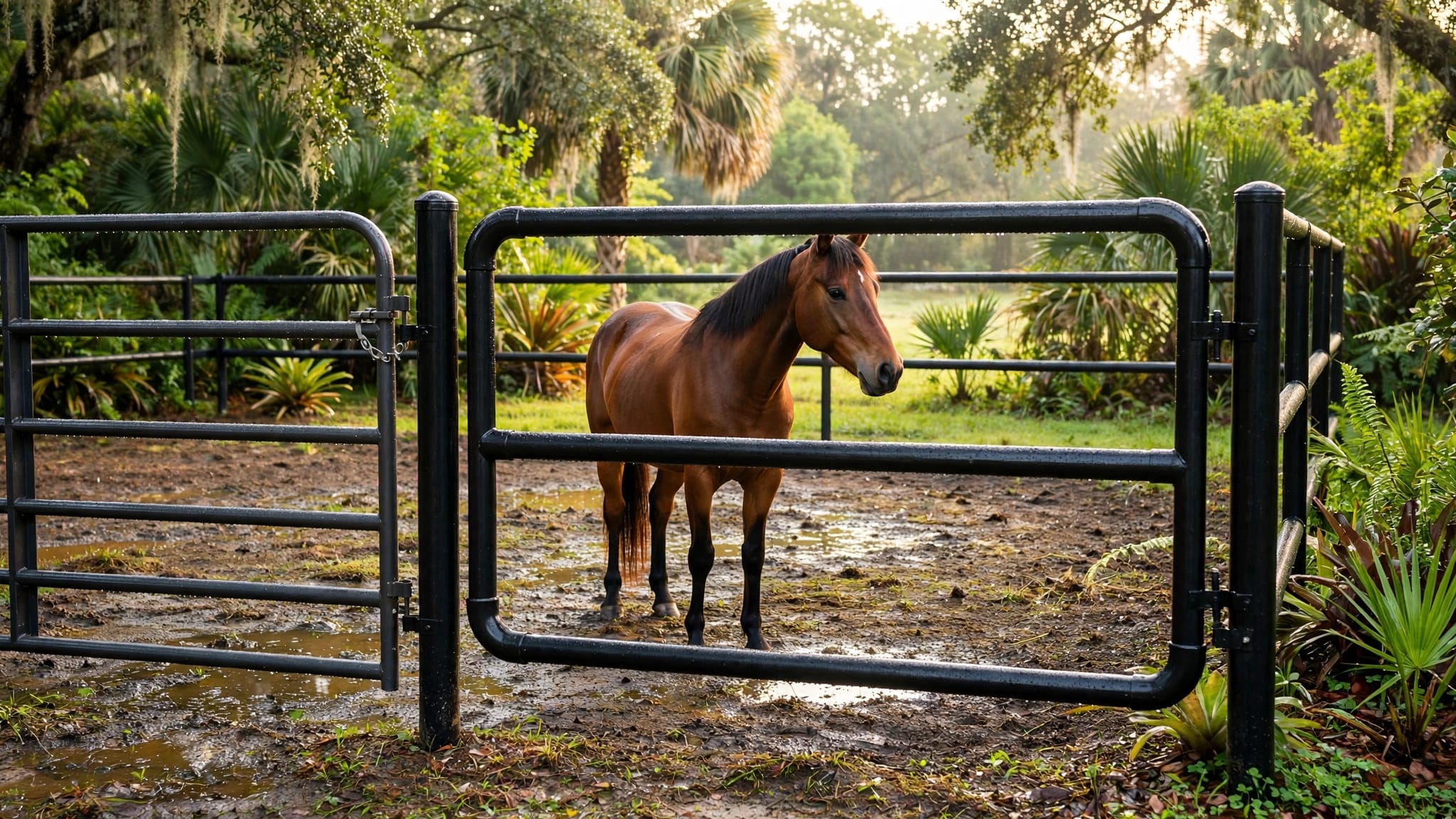
Pets complicate prep. Board them day-of or crate inside. Remove invisible fences to avoid signals during digging. For pools, clear loungers and toys.
Sloped yards demand care. Measure grade changes with stakes and a line level. Decide on racked or stepped panels early. Check preparing sloped yards for fence installation for local tips on sandy terrain and drainage.
Tight access? Widen paths by moving potted plants or wheelbarrows. Rent a mini-excavator if soil packs hard. These tweaks prevent damage.
Plan for Drainage and Soil Stability
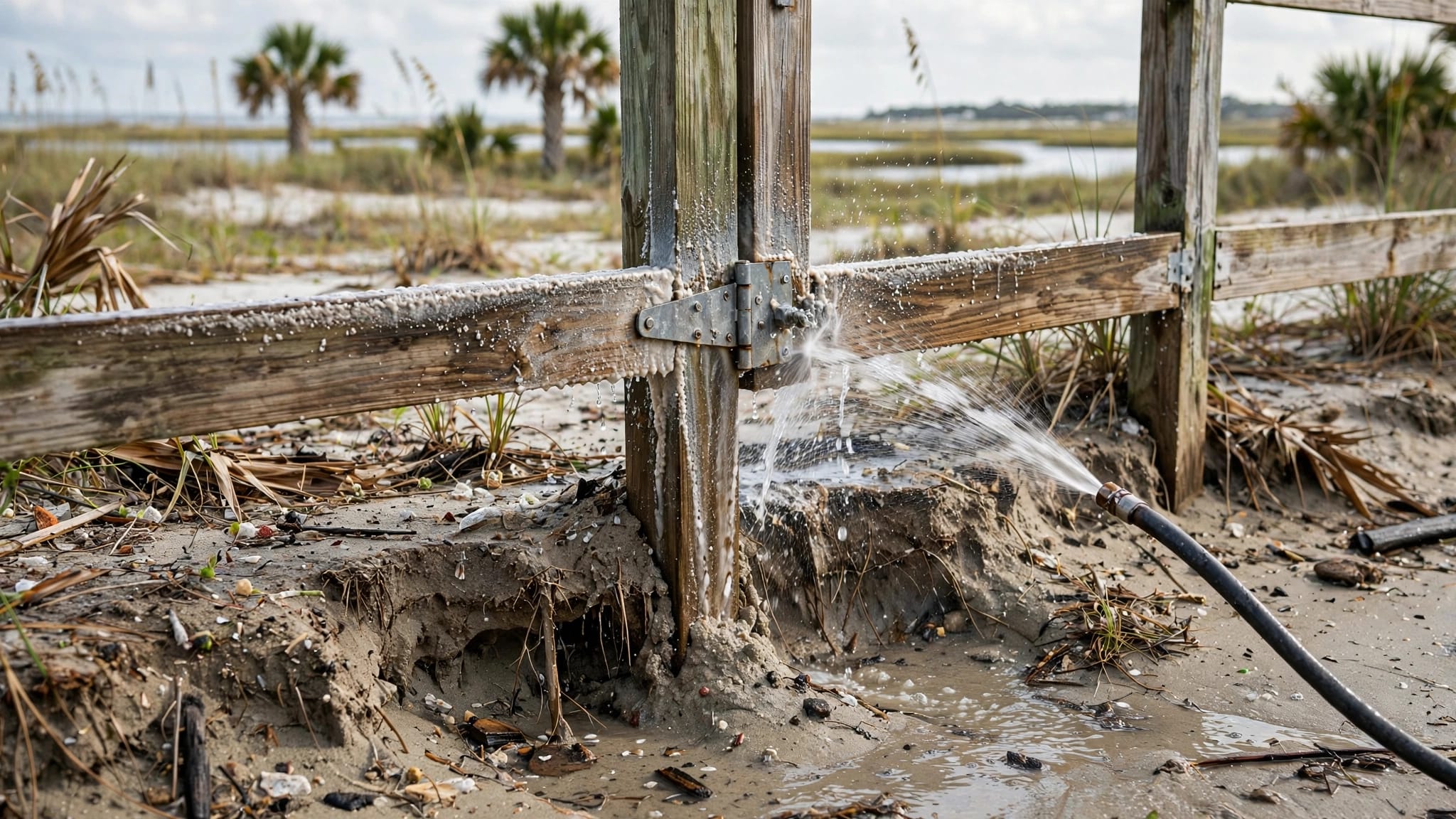
Florida rains test fences quick. Ensure the line follows natural swales. Dig test holes to check drainage; fill if water pools.
Compact loose sand with a tamper. Add gravel to low spots if crews approve. Avoid filling swales; they prevent flooding.
On slopes, brace for shifting. Wet concrete holds better in dry weather. Schedule installs post-rain. This keeps posts plumb long-term.
Morning-of Checklist for Smooth Installation
Wake early. Walk the line one last time. Move patio furniture or hoses aside. Sweep paths clear.
Confirm utility marks remain visible. No new digging until crews arrive. Brew coffee; crews appreciate it.
Pets stay inside. Neighbors get a heads-up on noise. Have measurements handy. By noon, posts set right.
Final Thoughts on Yard Prep Success
Good yard preparation for fence installation turns a job into a win. You clear obstacles, mark smart, and handle Florida quirks like slopes and sand. Local rules stay checked, so no surprises hit.
Your fence boosts privacy and curb appeal. It stands strong through storms. Enjoy the new boundary worry-free.