Do You Need a Permit to Replace a Fence in Cape Coral?
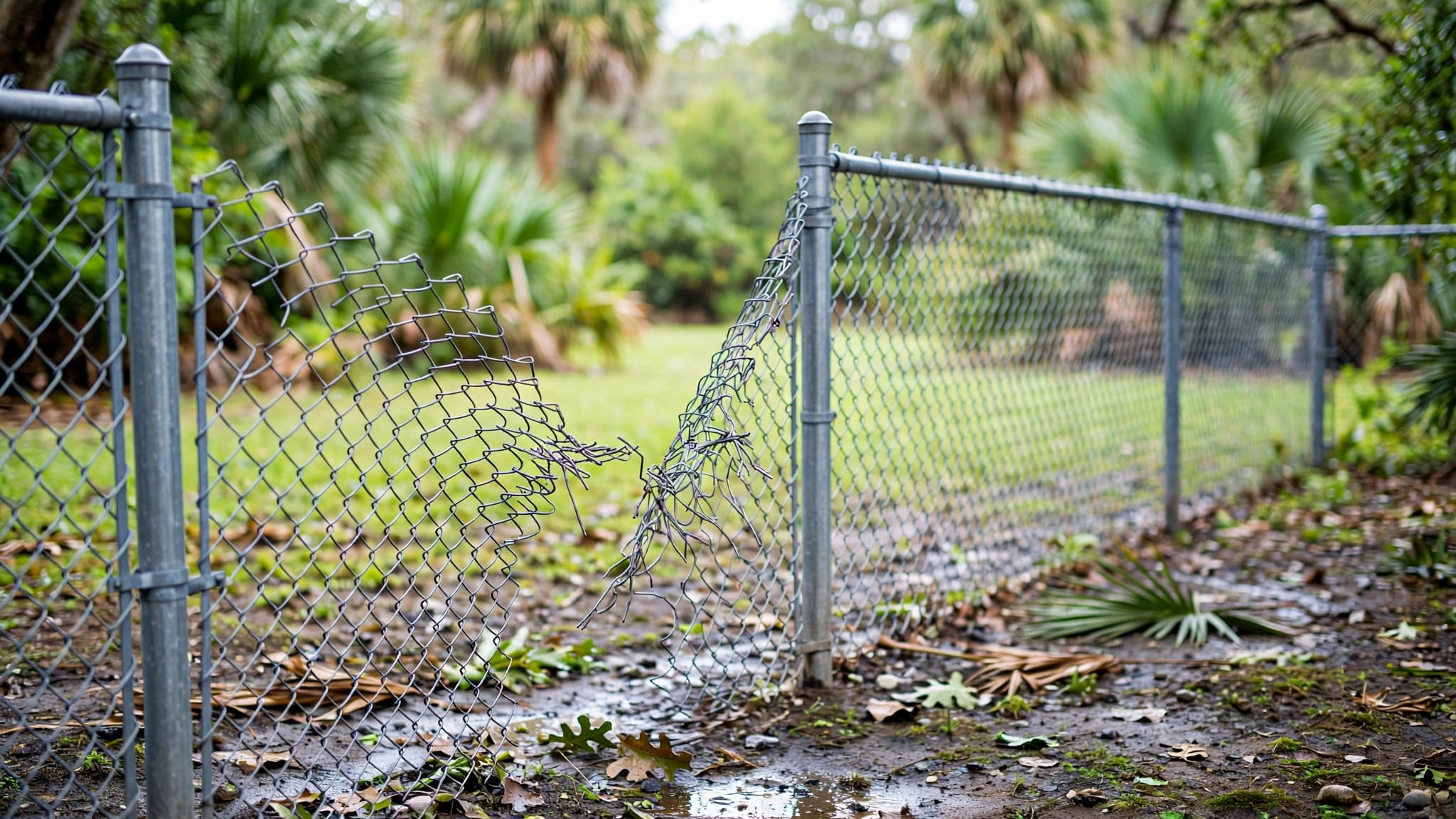
Picture this. Your backyard fence starts leaning after a storm. You decide to replace it with sturdy vinyl panels. But then a neighbor mentions permits. Do you really need one?
Many Cape Coral homeowners face this question. Rules depend on your fence's age, location, and changes you plan. Skipping a permit risks fines or rework.
This guide covers the facts from official city sources. You'll know exactly when a fence permit Cape Coral applies to replacements.
When a Fence Replacement Triggers a Permit Requirement
Cape Coral requires permits for most fence replacements. This rule holds as of April 2026. If your original fence had a city permit, you need one for the new one too.
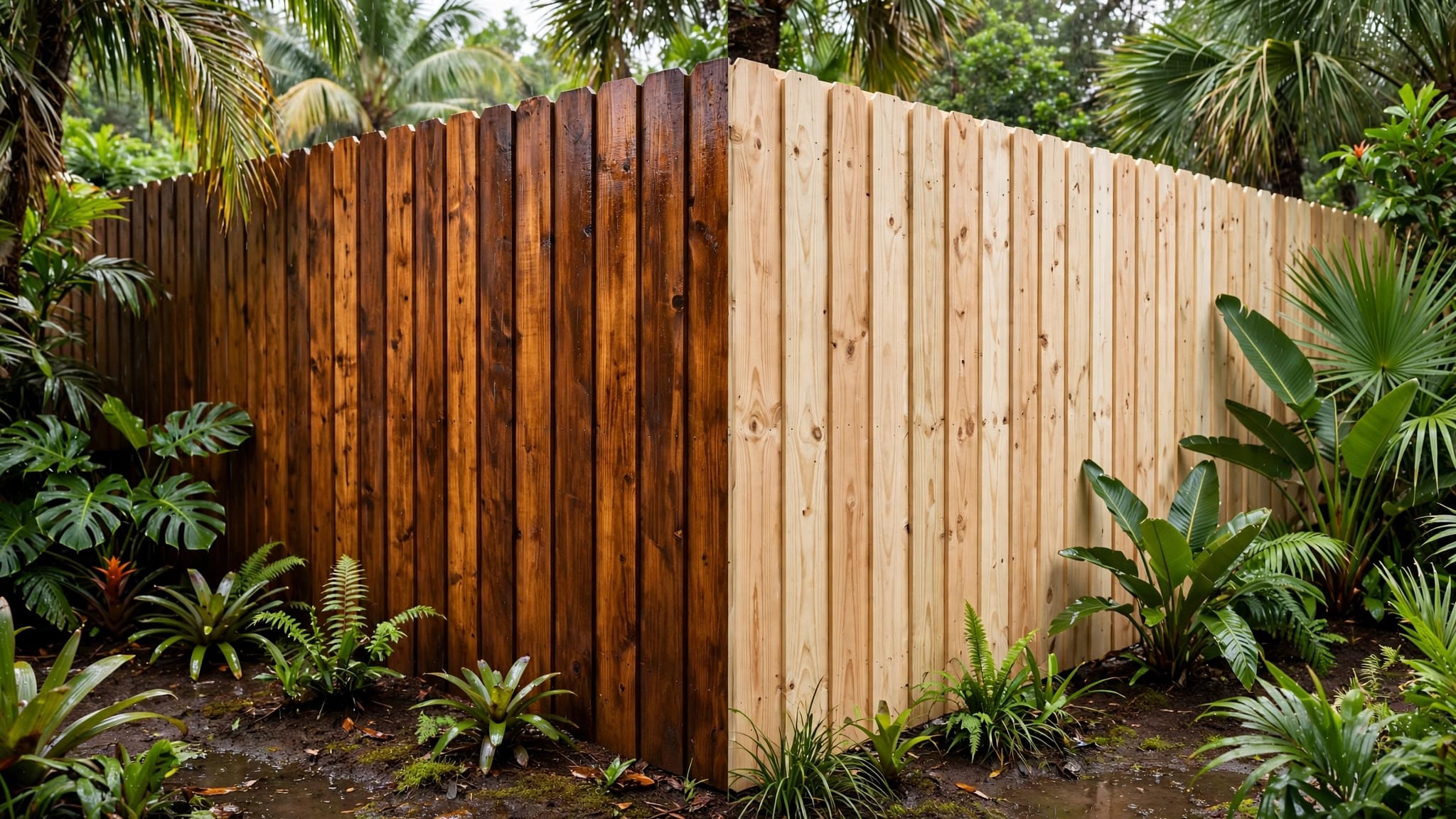
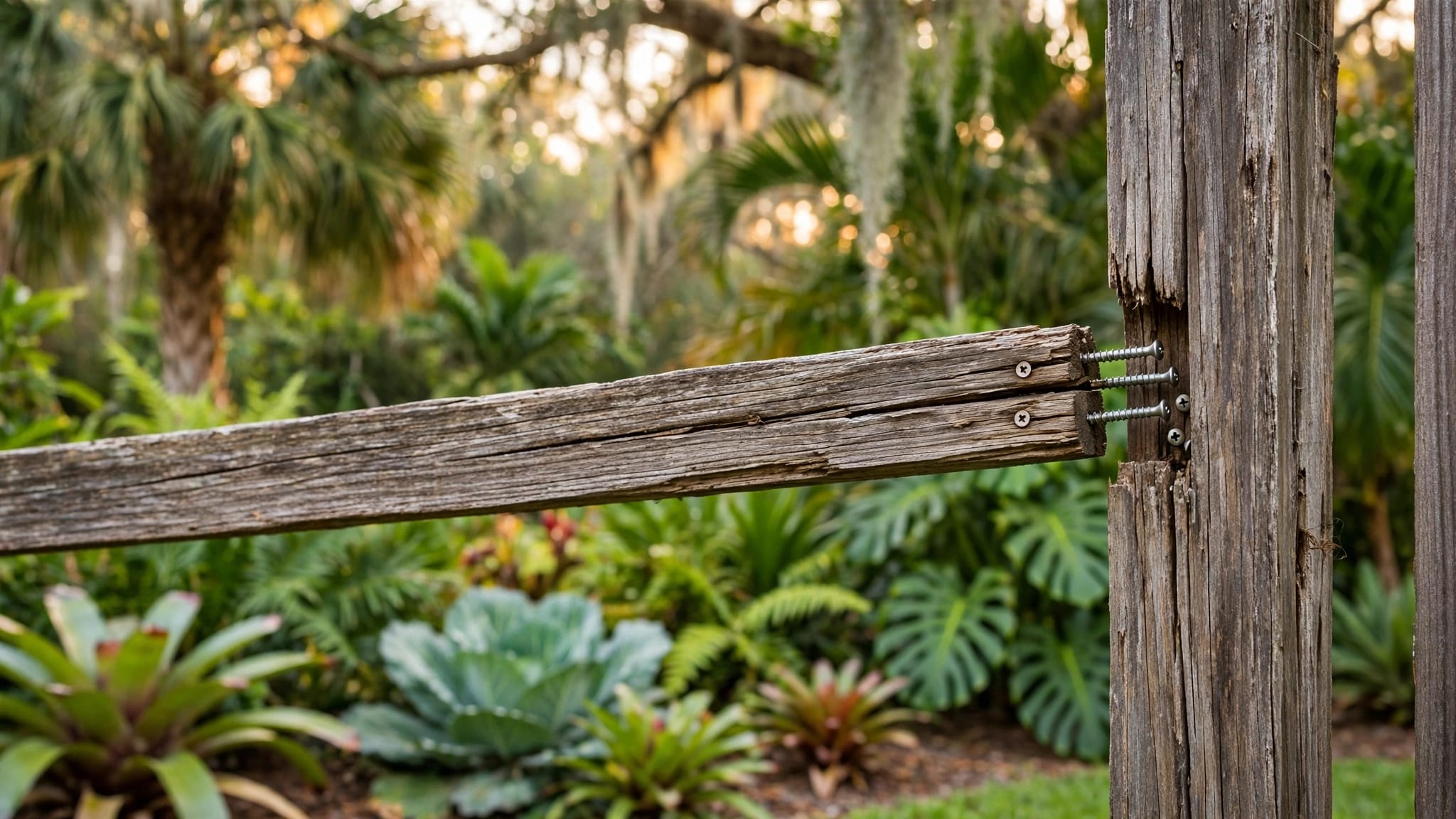
Replacements mean swapping panels or posts in the same spot. The city treats this like a full update. Minor fixes, like a single board, often skip permits. But full swaps do not.
New fences always need approval if over four feet tall. Front yard limits stay strict. Backyard fences under six feet might dodge permits in some cases. Always check your address first.
City guidelines changed slightly in January 2026. They now allow material switches, like wood to chain link. Still, submit plans early. Fines start at $250 for unpermitted work.
Contact the Permitting Services Division to confirm. They review based on your lot's zoning.
Repair vs. Replacement: Spot the Differences
Homeowners mix these up often. Repairs fix small damage without big changes. Replacements rebuild most or all of the fence.
Here's a quick comparison based on city rules:
| Project Type | Permit Needed? | Examples | Key Limits |
|---|---|---|---|
| Minor Repair | Usually no | Replace one gate board; tighten wires | Keep original design, height |
| Full Repair/Replace | Yes | Swap all panels in place; change material | Site plan required; no private providers |
| New Install | Yes if over 4 ft | Build from scratch | Survey, specs, setbacks apply |
Repairs stay cosmetic. They match the old setup. Replacements can upgrade style. But they trigger reviews.
For instance, a sagging chain link fence gets a permit for full panel swaps. Costs run $50 for basic fees. Add more for inspections.
Know your project type before buying materials. This avoids delays.
Essential Documents for Your Fence Permit Application
Gather papers upfront. It speeds approval. Start with a site plan. Show fence location on your property.
Include property lines and easements. A survey proves accuracy. Plat maps help too.
Fence specs detail height, material, and gates. HOA approval counts separate. Get their letter if required.
Owner-builders need an affidavit. Sign it notarized at City Hall. Show ID too. You cannot sell the home for one year after.
Contractors like general or residential types apply easily. They handle uploads.
Use the Cape Coral Permit Document Center for forms. Download the Residential Fence Repair/Replace guideline. It's updated for 2026.
Height Limits, Setbacks, and Location Rules That Matter
Cape Coral ties permits to your yard type. Front yards max four feet often. No permit if under that height. Side and rear allow six feet usually.
Corner lots act like double front yards. Check Cape Coral fence setback rules for front, side, and corner details. Fences follow your home's front edge, not neighbors.
Sight triangles protect drivers near streets. Keep them clear from 30 inches to eight feet high. See Cape Coral sight triangle rules for measurements.
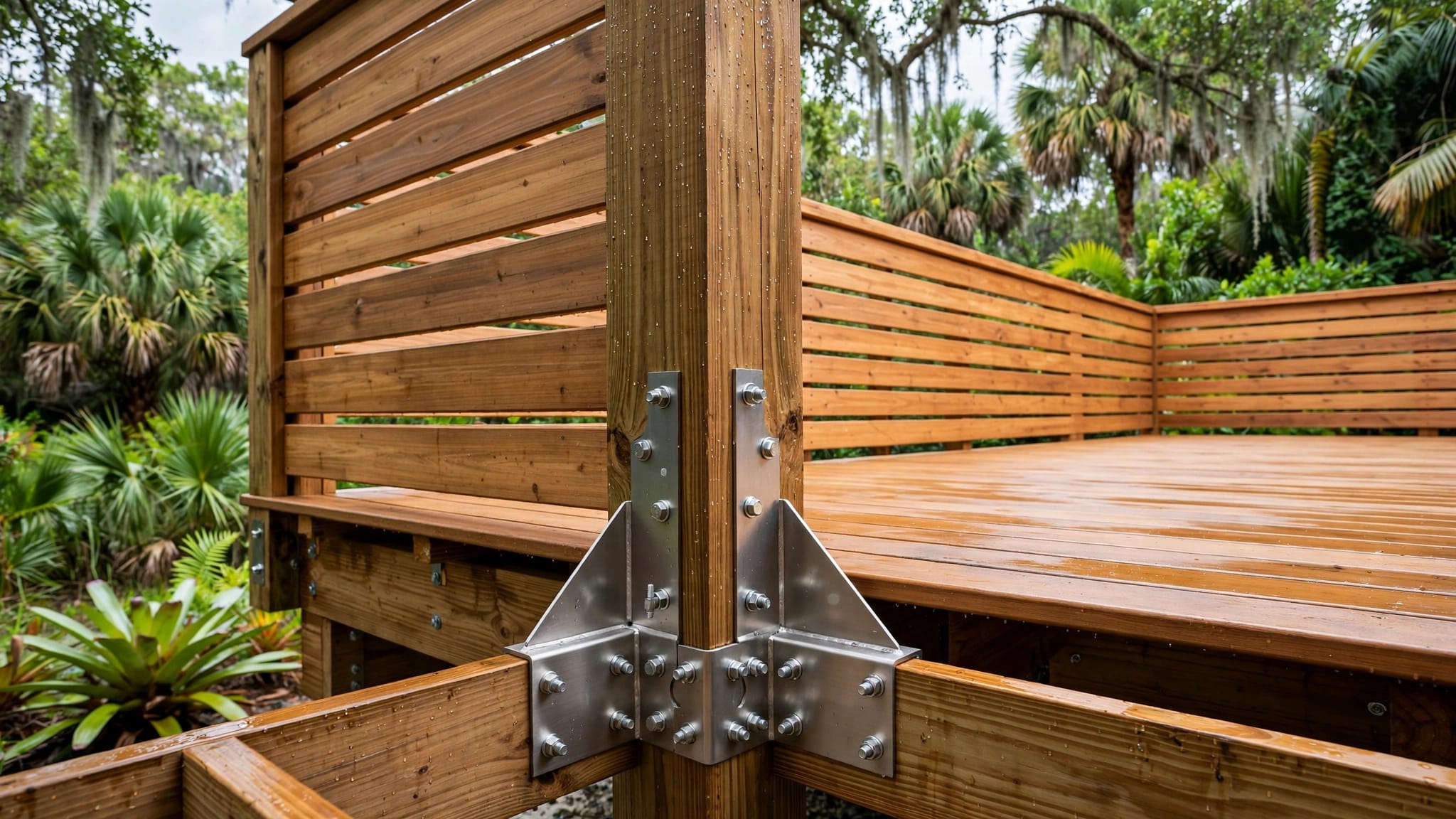
Canal lots need open styles near water. Stay 12 inches from lines. Materials like vinyl or aluminum work best.
Over six feet? Expect engineer review. These rules prevent issues during inspections.
Step-by-Step Guide to Getting Your Permit
Apply online via the EnerGov Citizen Self-Service portal. Or visit 1015 Cultural Park Blvd.
First, verify needs by phone. Then upload site plan and specs. Pay $50 base fee.
Plan review takes one to two weeks. Schedule inspections after approval. Post the permit onsite.
Utility marks come before digging. Call 811 free.
Hire a pro for fence removal and haul-away in Cape Coral first. They pull permits often.
Delays hit busy seasons. Submit early.
HOA Rules Add Another Layer
City permits differ from HOA nods. Check covenants first. They limit colors, heights, or styles.
Get written approval. Submit it with your city app. Some HOAs reject solid privacy fences.
No HOA? Skip this step. But confirm with your docs.
Don't Skip the Permit: Next Steps for Your Project
Cape Coral demands permits for most fence replacements. Rules hinge on scope, height, and location. Always verify with the city since changes happen.
Start with your site plan and survey. Apply soon to avoid fines.
Ready for a smooth install? Local contractors handle permits and work. Request a free estimate today. Your yard deserves a fence that lasts.