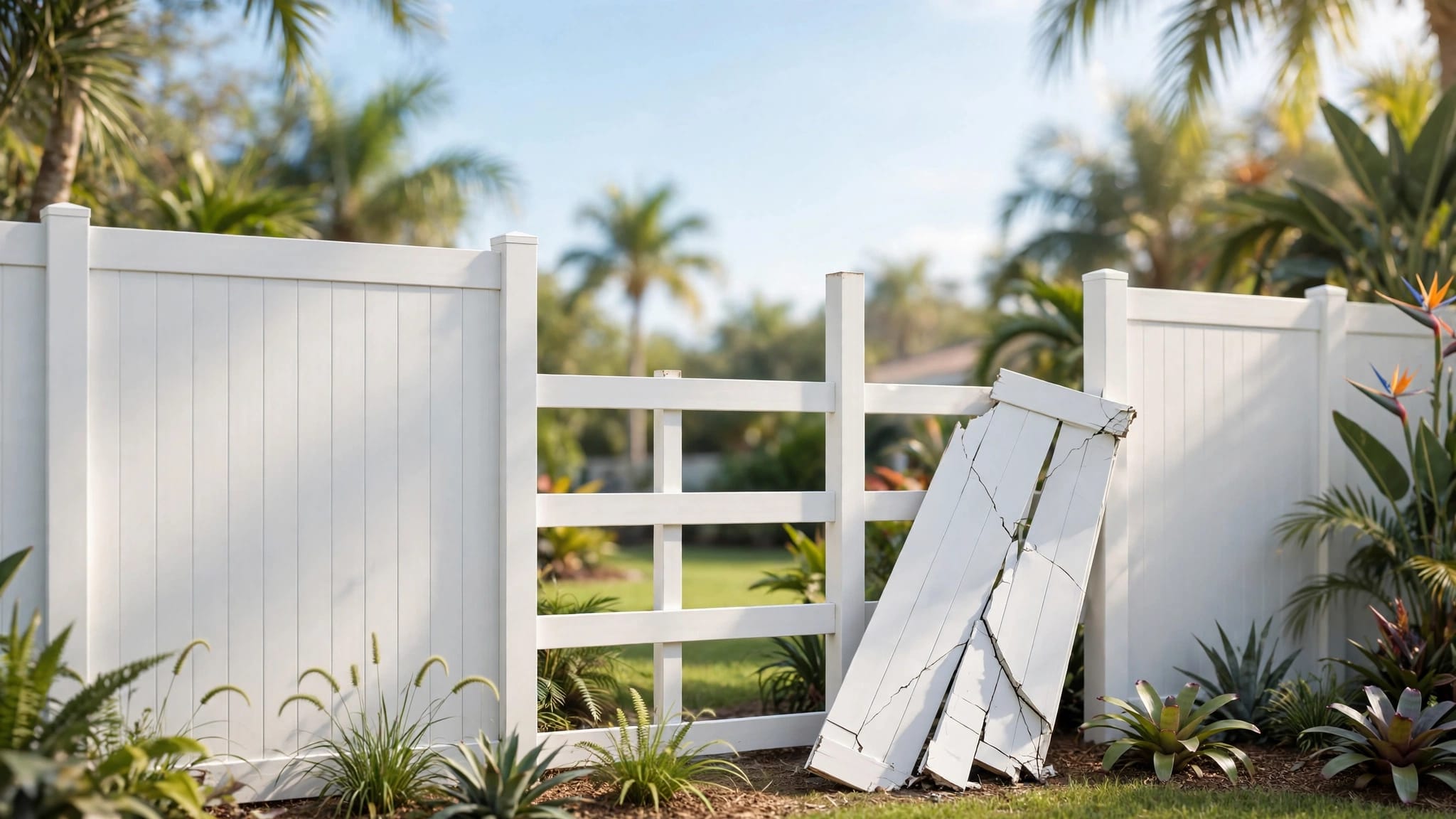
Why Florida Driveway Gates Stop Mid-Cycle
A driveway gate stopping halfway doesn't identify a single fault. In Florida, heat, salt air, heavy rain, and storm damage make the gate's physical condition an important starting point.
Safe automatic gate troubleshooting begins with observation , not repeated attempts to force another cycle. You can document changes and inspect accessible areas, but powered-system diagnosis belongs with a qualified gate technician.
Start by separating what you can safely see from repairs that require specialized equipment and training.
Key Takeaways
- Record where the gate stopped, which direction it was moving, and the weather conditions.
- Look for rubbing, uneven gaps, damaged hardware, and changes around the supporting posts.
- Keep people and vehicles outside the gate's travel area, even when it appears inactive.
- Never bypass safety devices, force the gate, or open electrical equipment.
- Arrange professional evaluation when stopping repeats or structural damage is visible.
Automatic Gate Troubleshooting Starts With Observation
The most useful information is often what happened immediately before the interruption. Record the last event rather than repeatedly activating the gate to reproduce it.
Note whether the gate was opening or closing. Also record whether both leaves of a double gate stopped together, whether the stopping point has changed, and whether you heard scraping.
Weather adds useful context. An interruption after heavy rain deserves different inspection notes than rubbing that appears during afternoon heat. However, timing alone doesn't establish a diagnosis.
From a safe distance, photograph the stopped position and any visible damage. Include the ground beneath the gate, its supporting posts, and accessible hardware.
A short maintenance history also helps. Recent paving, landscaping, storm damage, or fence work may have changed the surroundings. Give those details to the technician without assuming they explain the stop.
Leave the gate inactive if another movement could strike a vehicle, person, or damaged part.
Florida Heat Can Change Gate Clearances
Afternoon Rubbing Deserves Attention
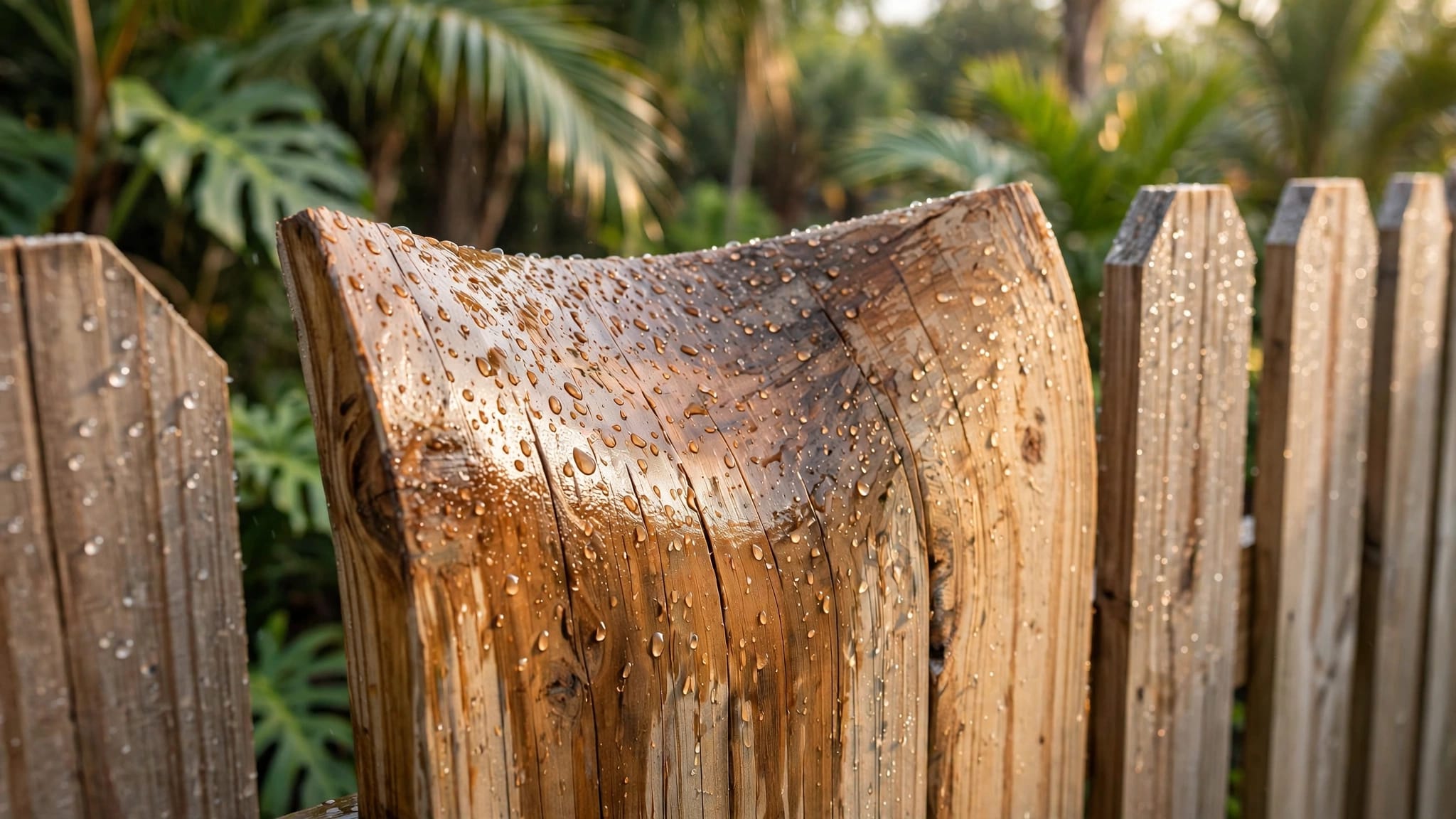
Southwest Florida gates spend long hours in direct sunlight. Materials expand as they warm, and dark surfaces generally absorb more solar heat than lighter ones.
A gate with limited clearance may show rubbing during the hottest part of the day. Vinyl components also need room for the movement built into their design.
Look for fresh scrape marks, a corner sitting unusually close to a post, or a latch gap that changes with temperature. Document those differences without pushing the gate through contact.
Our guidance on heat-related gate movement covers how tight connections and restricted movement affect vinyl systems.
Progressive Changes Need Structural Inspection
A small seasonal difference and steadily worsening misalignment deserve different attention. If the gate sits lower each month, the supporting structure needs evaluation.
Loose connections, frame changes, and post movement can alter the available clearance. A photograph taken from the same safe position helps document that progression.
Don't loosen brackets or adjust hinges on a heavy driveway gate yourself. Those components carry weight, and an adjustment can let the gate shift unexpectedly.
Visible rubbing is a repair concern. By itself, it doesn't establish why an automated cycle ended.
Rain and Storms Can Change the Gate's Surroundings
Drainage and Wet Soil Matter
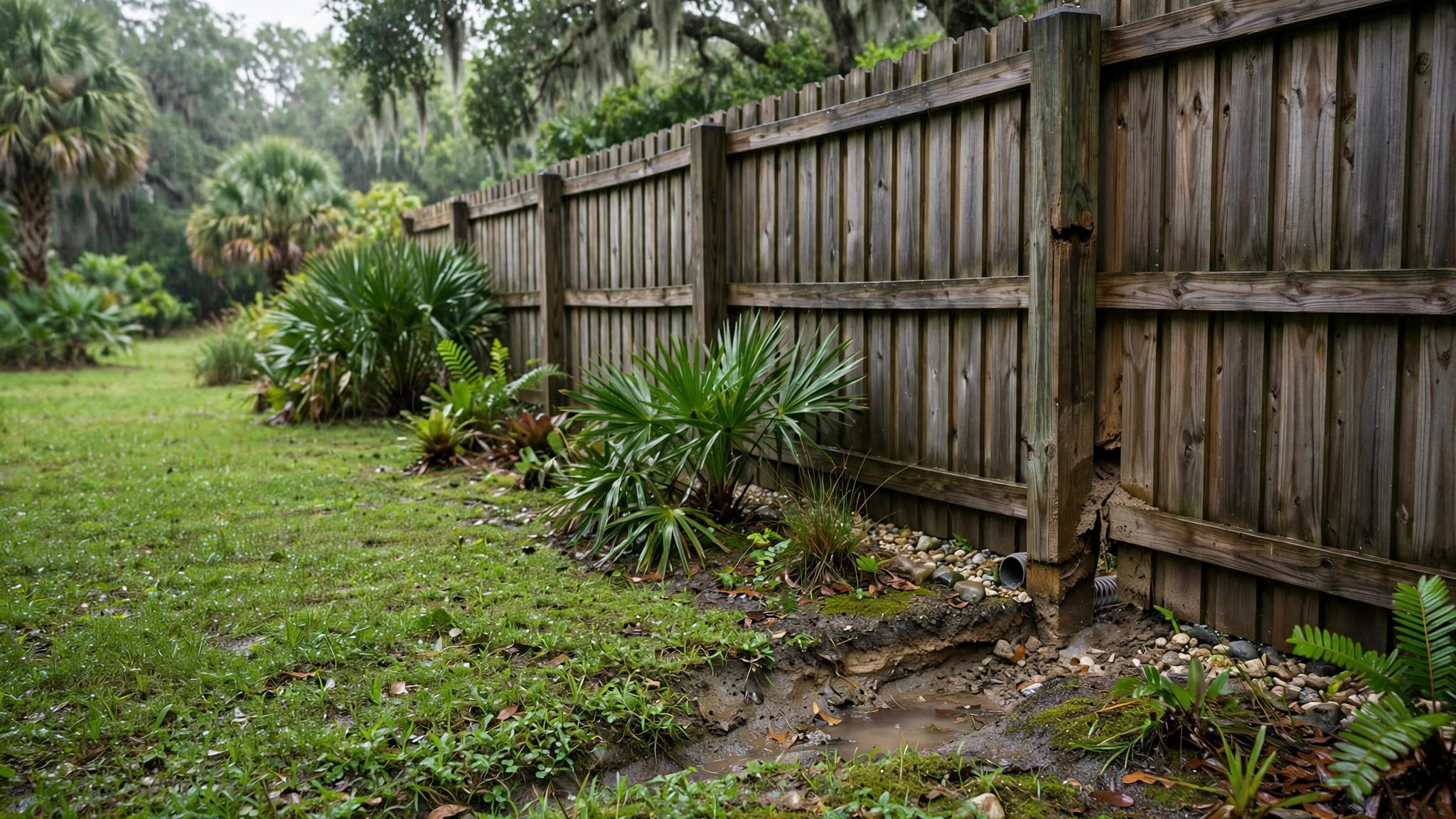
Heavy rain changes more than the appearance of the driveway. Water can soften soil around posts, wash sand across paved areas, and leave sediment along a sliding gate's route.
Look for newly exposed footing edges, erosion, standing water, or a post that appears tilted. Don't push or shake the post to test it.
For a track-mounted sliding gate, inspect the visible track from outside the travel area. A cantilever gate has different support hardware and doesn't use a ground track.
Drainage problems deserve attention beyond cleaning. If water repeatedly collects around the gate, the site may need grading or drainage work.
Wind Damage Isn't Always Obvious
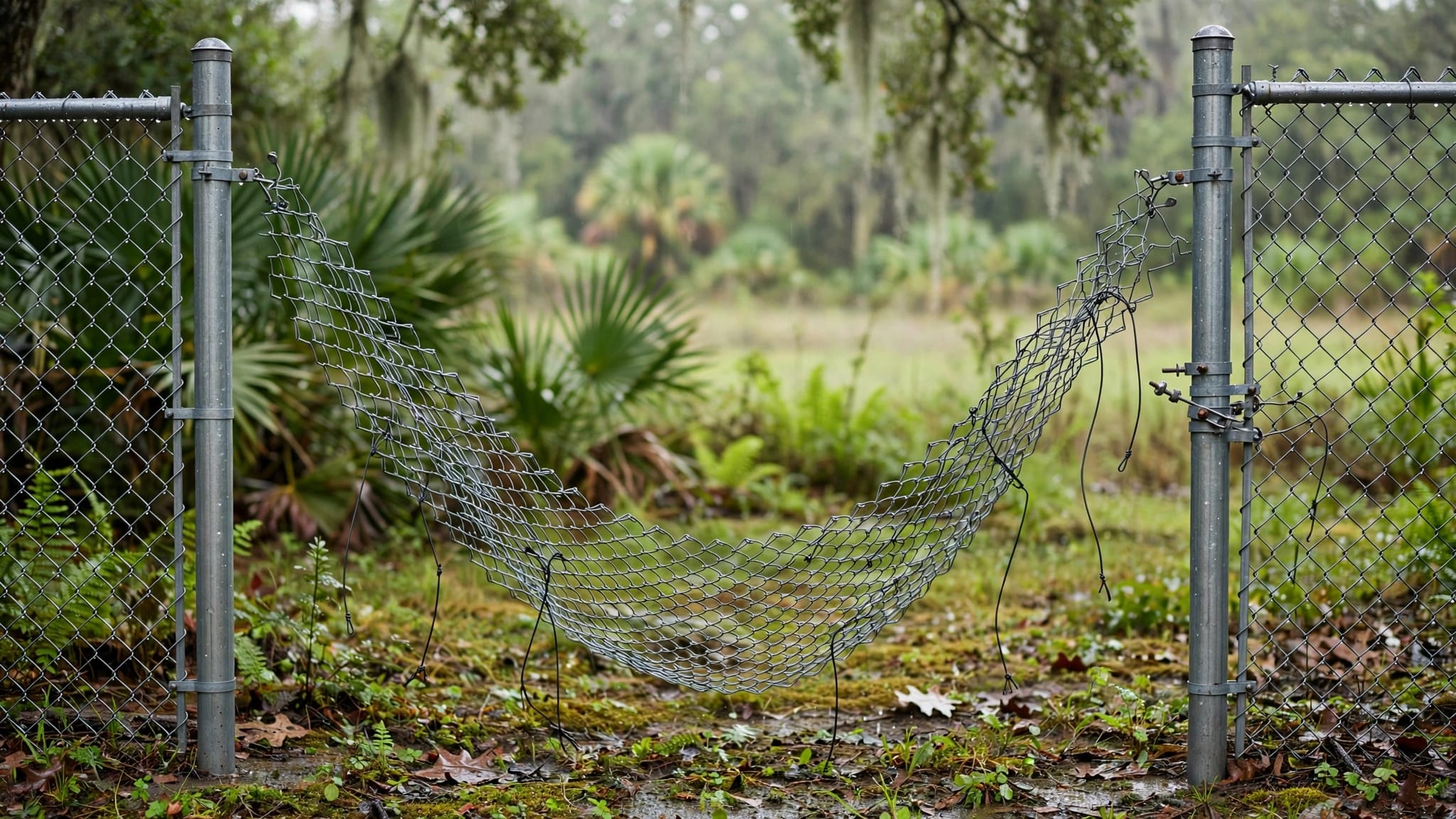
After strong winds, inspect the frame, visible connections, and nearby fence sections before attempting normal operation. A gate can look straight from the street while a footing or connection has changed.
Solid privacy gates expose more surface area to wind than open-picket designs. Therefore, their supports and connections need particular attention after storms.
Cracked concrete, separated connections, and a visibly displaced post call for professional assessment. Our guide to checking gates for storm damage describes warning signs around footings and hardware.
Don't operate a gate that appears unstable, even if it still responds to its controls.
Salt Air Can Damage Hardware Before Panels Look Worn
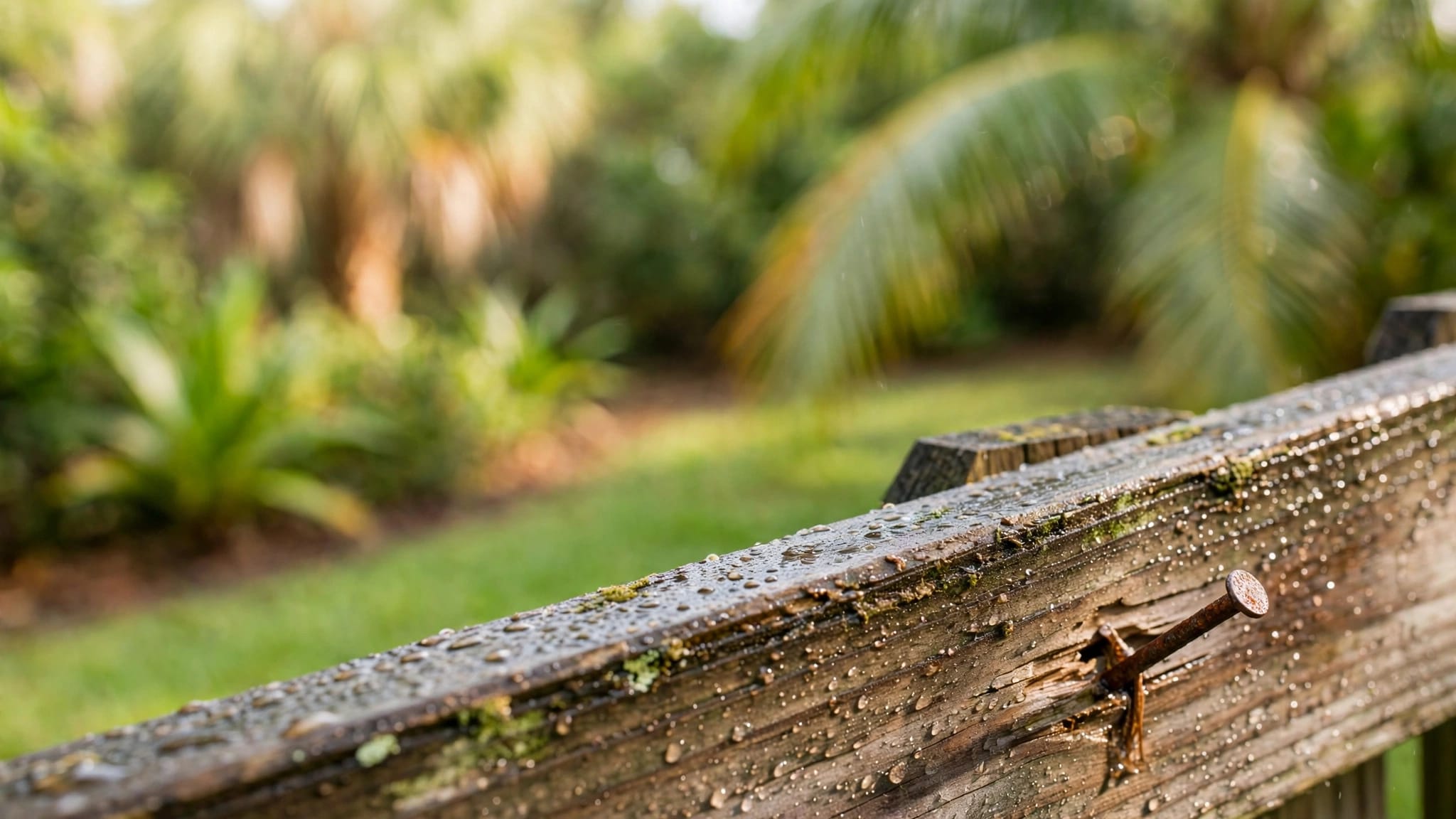
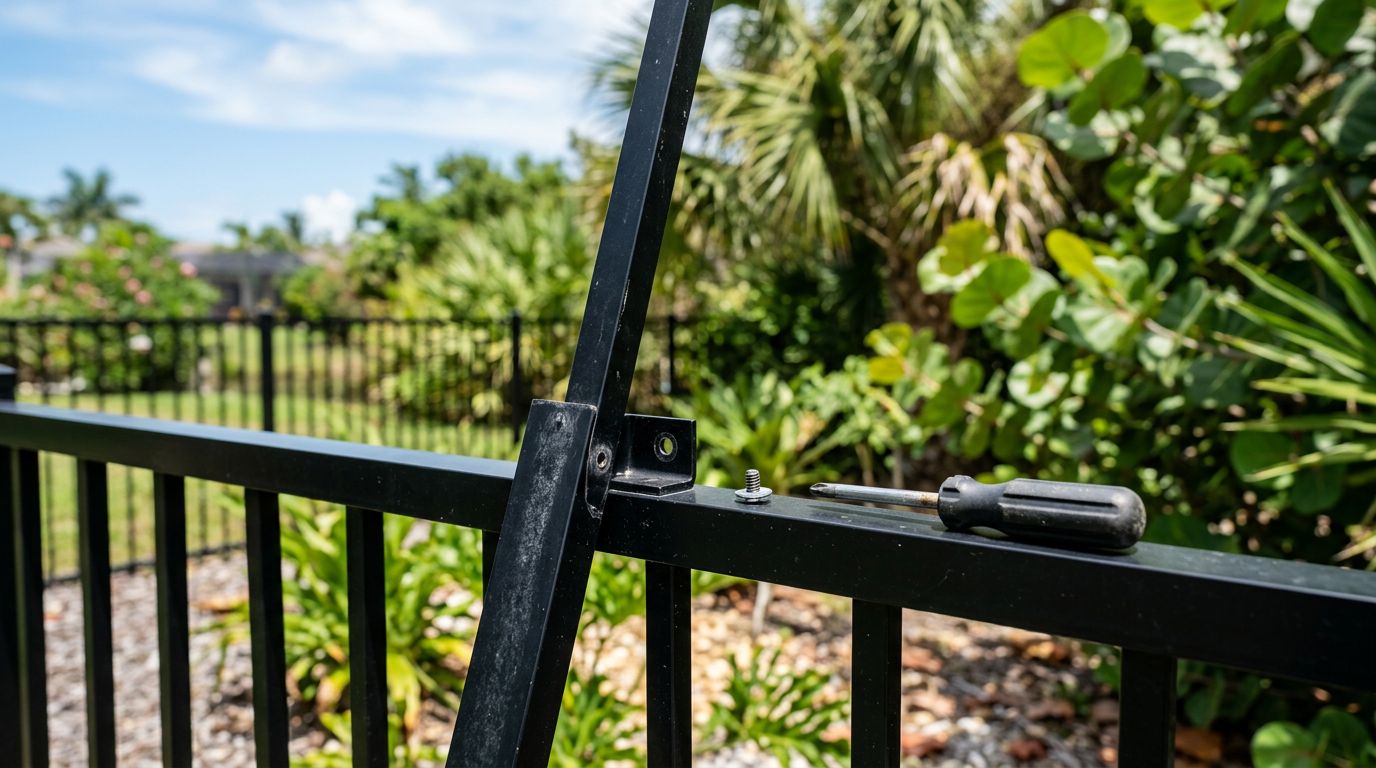
In Cape Coral and other coastal communities, metal hardware faces moisture and airborne salt. Corrosion often starts at screws, hinge pins, seams, and connections that attract little attention.
A gate panel can still look attractive while its supporting hardware deteriorates. Rust can build inside moving connections, while damaged coatings expose more metal.
During a visual inspection, look for orange staining, bubbling finishes, flaking metal, and white oxidation on aluminum. Also note missing fasteners or connections that no longer sit square.
Don't assume a spray lubricant will repair damaged hardware. Lubrication can't restore lost metal, straighten a frame, or stabilize a post.
Replacement components need to suit the gate material and coastal exposure. Compatible stainless steel hardware, protected steel components, and intact finishes all matter. Mixing unsuitable metals can introduce additional corrosion concerns, so hardware selection belongs within the repair plan.
Safe Checks Homeowners Can Perform
Keep your inspection limited to accessible surfaces and observations made outside the gate's movement area. Children, pets, and vehicles should remain clear throughout.
A gate that has stopped can still move unexpectedly. Its stationary position doesn't make the travel area safe.
Use this sequence before doing any cleaning:
- Stop sending commands and keep everyone outside the gate's swing or slide area.
- From a safe position, photograph visible damage, rubbing, standing water, and the stopped position.
- Before approaching moving components, follow the manufacturer's procedure for disabling automatic operation. If you can't do that safely, stop.
- Once the gate is safely inactive, clean accessible exterior surfaces and loose material only where no reaching into hardware is necessary.
- Leave damaged, unstable, or repeatedly stopping equipment out of service until a qualified professional evaluates it.
A soft cloth can clean accessible exterior surfaces. Keep water away from electrical equipment, and never pressure-wash sealed mechanisms.
Our driveway gate inspection guidance identifies structural areas worth documenting, including frames, wheels, tracks, hinges, and posts.
Avoid reaching between pickets, behind rollers, around hinges, or underneath the gate. Don't remove covers, adjust operating settings, or bypass a safety device.
If cleaning requires entering a pinch point or handling a heavy component, leave it to the technician.
Repairs That Require Qualified Professionals
Structural Repairs Need Proper Support
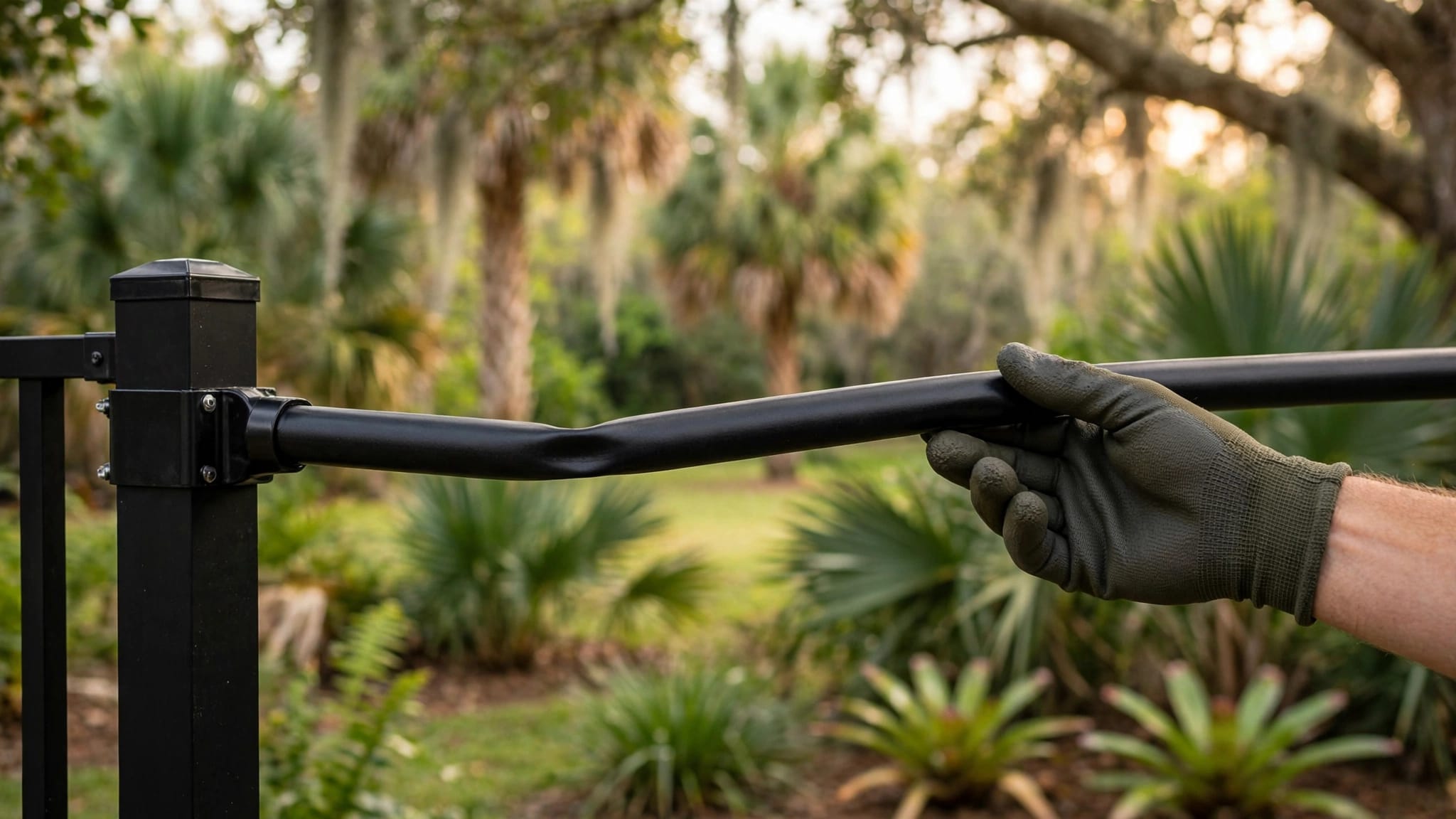
A sagging gate, damaged hinge, cracked weld, loose supporting post, or displaced footing needs professional evaluation. Heavy gates can move suddenly when someone loosens a loaded connection.
The repair must address the actual structural problem. Adjusting a latch won't stabilize a shifting post, and adding lubricant won't correct a bent frame.
For background on structural warning signs, our gate alignment and sagging guide explains why support and hardware selection matter.
A qualified contractor can determine whether the frame, supports, or surrounding grade needs correction.
Powered-System Diagnosis Needs a Gate Technician
Repeated mid-cycle stopping requires a qualified automatic gate technician, even when the visible structure appears sound.
The technician should assess operation using the equipment manufacturer's procedures and test the safety functions before returning the gate to service. Homeowners shouldn't attempt internal adjustments or work on live electrical components.
Provide the photographs, weather notes, and maintenance history you collected. These observations help describe the complaint without requiring you to dismantle anything.
If the gate blocks access, explain that when arranging service. Don't force it aside or attempt an unfamiliar manual-release procedure.
Maintenance That Fits Southwest Florida Conditions
A practical schedule starts with a monthly visual inspection. Look for fresh rubbing, loose-looking connections, salt deposits, vegetation growth, and changes around the posts.
Clean accessible exterior surfaces according to the manufacturer's instructions. Coastal properties often need more frequent salt removal, but keep rinse water away from electrical equipment.
Every three to six months, arrange cleaning and inspection of moving hardware and safety devices as the equipment requires. Schedule professional service annually, with additional evaluation after damage or recurring operating problems.
Use only the recommended lubricant in the specified locations. Some components need different care, so spraying every moving part isn't a maintenance plan.
Our guide to automatic driveway gates in Southwest Florida also covers the importance of drainage, corrosion-resistant hardware, and site-appropriate design.
Frequently Asked Questions
Should I Keep Pressing the Control When the Gate Stops?
Stop repeated attempts, especially if you hear scraping or see misalignment. Keep the travel area clear and document what happened.
A gate that resumes movement once hasn't demonstrated reliable operation. If the interruption repeats, leave the system inactive and arrange professional evaluation rather than continuing to cycle it.
Can I Push the Gate Open by Hand?
Don't force an engaged automatic gate. Manual-release procedures vary, and releasing a heavy gate can allow unexpected movement, particularly on sloped ground or during wind.
Use a release only when you understand the manufacturer's procedure and can follow every safety instruction. Otherwise, leave it to a qualified technician.
Does Rain Mean the Gate Needs Replacing?
Rain alone doesn't establish that replacement is necessary. Inspect visible drainage conditions, post alignment, and storm-related damage from a safe position.
A professional assessment can distinguish a repairable structural issue from more extensive deterioration. The decision should reflect the gate's condition rather than one weather-related interruption.
Keep Troubleshooting Safe and Focused
A mid-cycle stop deserves careful attention, but the stopping point alone doesn't identify the repair. Your most useful contribution is a clear record of the event and visible changes.
Prioritize safe observation , leave structural adjustments to qualified professionals, and use a gate technician for powered-system diagnosis. In Southwest Florida, consistent attention to drainage, alignment, and coastal hardware helps keep small physical problems from going unnoticed.