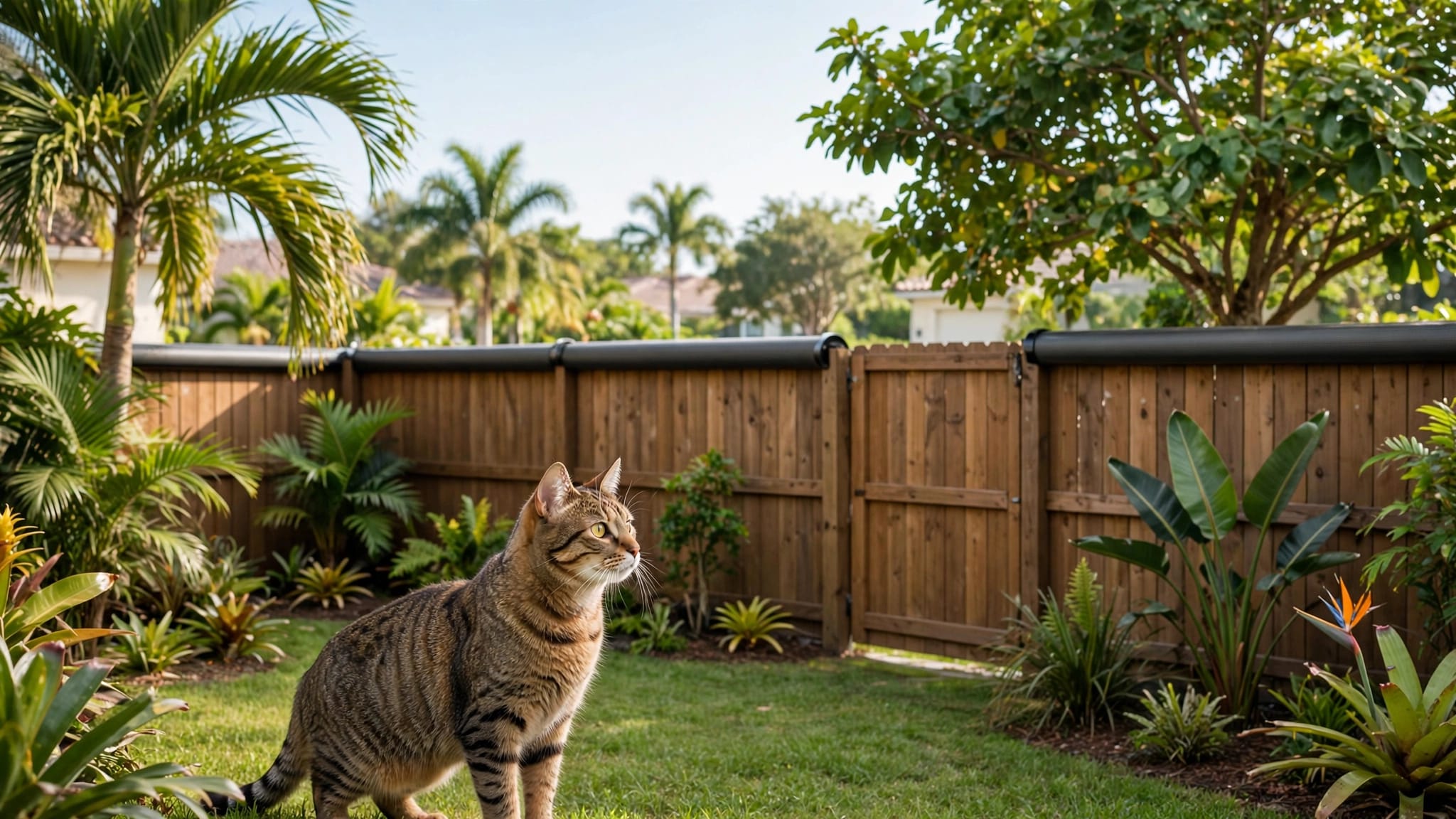
Osprey Fence Permit Guide for 2026 Homeowners
A fence looks simple until the permit office asks for a survey, a site plan, and HOA approval. In Osprey, that can happen faster than many homeowners expect.
For 2026 projects, the safest assumption is that your Osprey fence permit needs to be checked before any posts go in. The exact rules depend on your lot, your neighborhood, and whether your property falls under Sarasota County or another local review path.
That sounds like a lot, but the process gets easier when you know what to confirm first.
Where Osprey fence rules come from
Osprey is an unincorporated area, so Sarasota County usually plays the biggest role in fence approval. That said, county review is only part of the picture. Your neighborhood may also have an HOA, and that group can add its own design rules.
Most homeowners should think about three layers:
- County or local permit rules for height, location, setbacks, and safety
- HOA rules for style, color, and appearance
- Property-specific limits such as easements, corner-lot sight lines, or pool barrier rules
An HOA approval does not replace county review, and county approval does not clear HOA rules.
If your lot sits near a boundary, or if the fence will touch a drainage area or easement, confirm the details before you order materials. A short call now can save days later.
When an Osprey fence permit is usually needed
In 2026, homeowners should expect permit review for most new fence projects. That often includes full replacements too, even when the new fence sits in the same place as the old one.
Common projects that usually need review include:
- A new backyard privacy fence
- A fence replacement with a different height or material
- A pool barrier or pool-access gate
- A fence on a corner lot where visibility matters
- A fence that ties into a wall, gate, or retaining feature
- Work that changes the fence line near a setback or easement
A lot of Florida neighborhoods follow a basic pattern, with lower front-yard fences and taller side or rear fences. Still, that pattern is only a starting point. Sarasota County, your HOA, and your specific lot can change the answer.
If you are replacing a fence, do not assume the old layout is still acceptable. Older fences may have gone in before current rules. The permit office may care about today's standards, not yesterday's.
County approval and HOA approval are separate steps
County review looks at compliance. HOA review looks at appearance. Both matter, and they often happen at the same time.
| Review type | What it usually checks | Common homeowner mistake |
|---|---|---|
| County or local permit review | Fence height, location, setbacks, easements, pool safety, and site plan details | Assuming the fence is fine because the design looks good |
| HOA review | Material, color, post style, gate style, and neighborhood rules | Starting work before written HOA approval |
| Both | Whether the fence fits the lot and the project plan | Using one approval as if it covers everything |
A clean plan helps both sides. For the county, that means clear measurements. For the HOA, that means a fence that matches community rules and curb appeal standards.
The details often sound small, but they add up. One missing dimension on a site plan can slow the whole file.
What to gather before you apply
A fence permit moves faster when the paperwork is tight. Before you submit anything, collect the basics and check them twice.
- Confirm your jurisdiction . Start with the county or local office that handles your address.
- Check HOA rules . If your neighborhood has an architectural review board, get the fence standards in writing.
- Find your property survey . A current survey helps show the lot line, setbacks, and easements.
- Draw a site plan . Show the house, driveway, fence line, gates, and the distance to property lines.
- Choose the fence details . Note the material, height, color, and gate locations.
- Prepare permit paperwork . Make sure the owner and contractor signatures match what the office expects.
A site plan does not need to be fancy. It needs to be clear. Reviewers want to see where the fence goes, how tall it is, and what it touches.
If you do not have a survey, ask whether the office will accept a scaled sketch or whether a full survey is required. That answer can vary by lot and by project.
Special cases that deserve extra attention
Some fence projects get more scrutiny than others. These are the ones Osprey homeowners should slow down for.
Pool fences
Pool barriers are usually handled differently from a standard backyard fence. They often need a permit and an inspection, because safety rules apply. Gate hardware, latch height, and fence openings can all matter.
Corner lots
Corner lots often have sight-line rules. A fence that looks fine in a side yard may block visibility near a street intersection. That can trigger changes to height or placement.
Easements and drainage areas
A fence placed over an easement can cause problems later. Utilities, drainage paths, and access zones need room. If your survey shows a utility easement, bring it up before the layout is final.
Front-yard fencing
Front yards often face tighter limits than side or rear yards. Even if a community allows a taller privacy fence in back, the front may need a lower profile. Ask about height rules before you buy materials.
Common mistakes that slow down approval
A lot of fence permit delays come from the same few issues. The file looks close, but one detail is missing or unclear.
| Problem | Why it causes delay | Better move |
|---|---|---|
| Fence line is unclear | Reviewers cannot confirm placement | Mark the fence line on a simple site plan |
| No survey or old survey | Property lines may not match current conditions | Use the most current survey you have |
| Missing HOA letter | The county may not care, but the HOA will | Get written HOA approval before work starts |
| Wrong height listed | Height rules often change by yard location | Measure each section and label it |
| Gate placement is vague | Gates can affect access and safety | Show gate width, swing direction, and location |
If you want a deeper look at the kinds of issues that send files back, the breakdown in common reasons fence permits get denied in Southwest Florida is a useful companion.
The pattern is simple. The more exact your plan, the less room there is for delay.
How a fence contractor can help in Osprey
A good fence contractor does more than install panels. They help turn county rules, HOA rules, and lot details into a real plan.
That matters because most homeowners do not keep a fence-ready file at home. A contractor can help with measurements, material choices, and permit paperwork. They can also spot red flags early, like a fence line that cuts too close to a setback or a gate that creates a compliance issue.
Contractor help is especially useful when your project involves:
- A privacy fence near a property line
- Mixed materials or special gate hardware
- A pool barrier with inspection requirements
- A replacement fence where the old layout no longer fits current rules
Still, keep one thing in mind. You own the project, so you should confirm the final approval path. A contractor can guide the process, but your HOA and local office still control the final decision.
A simple way to keep your project on track
The best Osprey fence projects follow the same order. First, confirm who reviews the job. Next, check the survey and lot lines. After that, settle HOA approval and county paperwork before installation starts.
That order matters because fence problems usually begin with the wrong assumption. Homeowners often think the project is routine, then learn the fence sits near an easement or needs a different height in front than in back.
A little planning makes the rest easier. It also keeps the install crew from stopping mid-project while paperwork catches up.
Conclusion
A fence project in Osprey can move smoothly when you treat the permit step as part of the build, not an afterthought. In 2026, most homeowners should expect county review, HOA approval, or both, especially for new fences, replacements, and pool barriers.
The clearest path is simple. Confirm your jurisdiction, check the HOA, gather a current survey, and submit a clean site plan before installation starts. That keeps the process moving and helps your new fence stay on the right side of the rules.